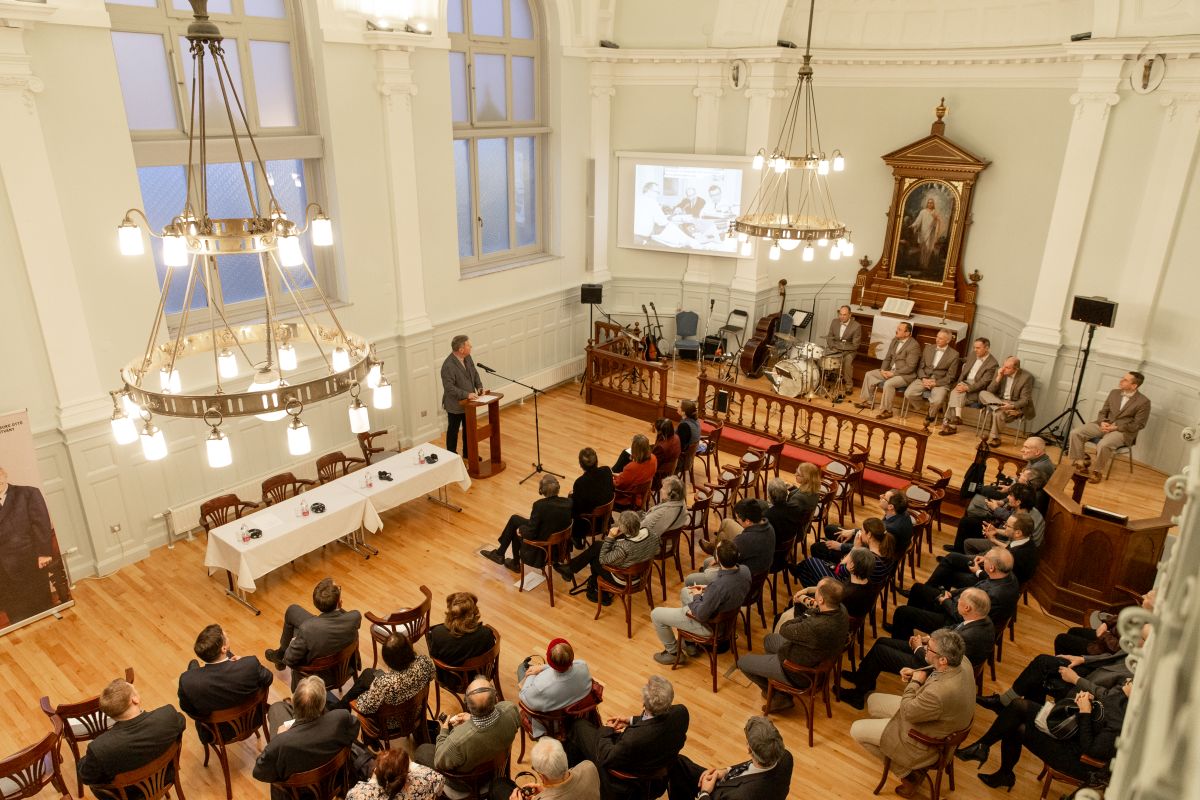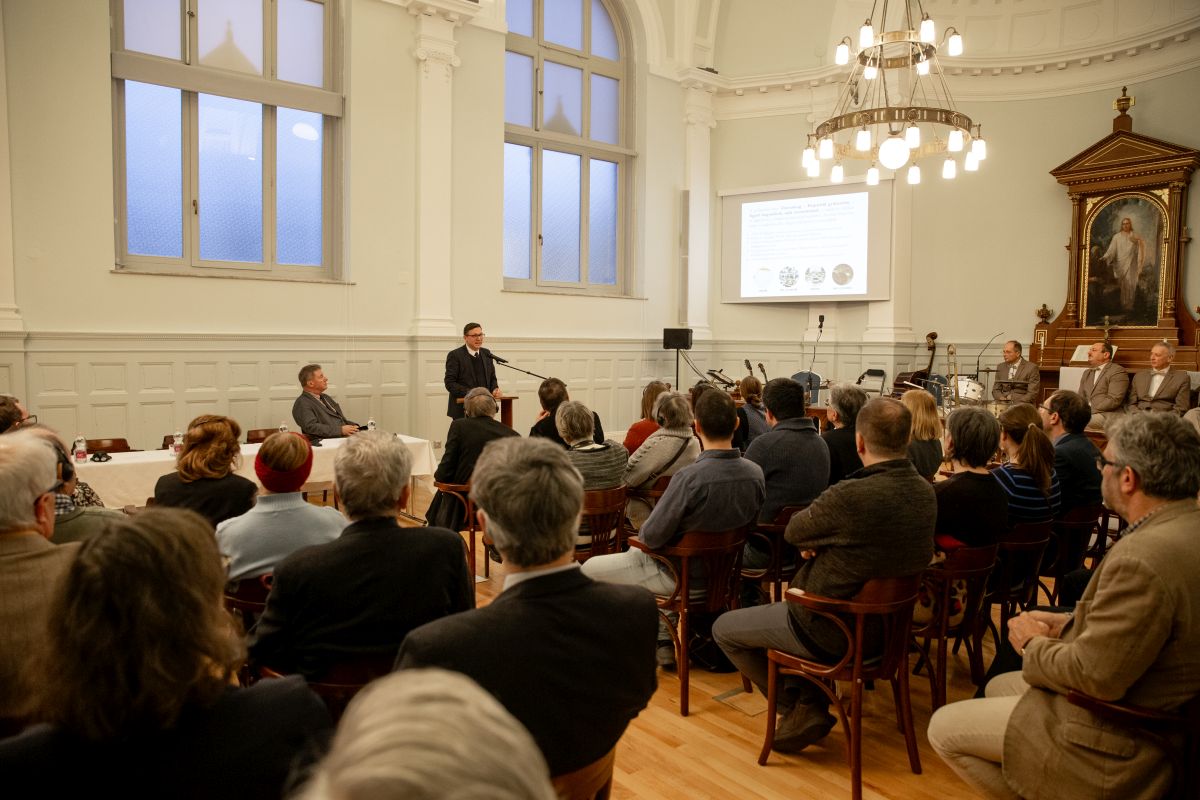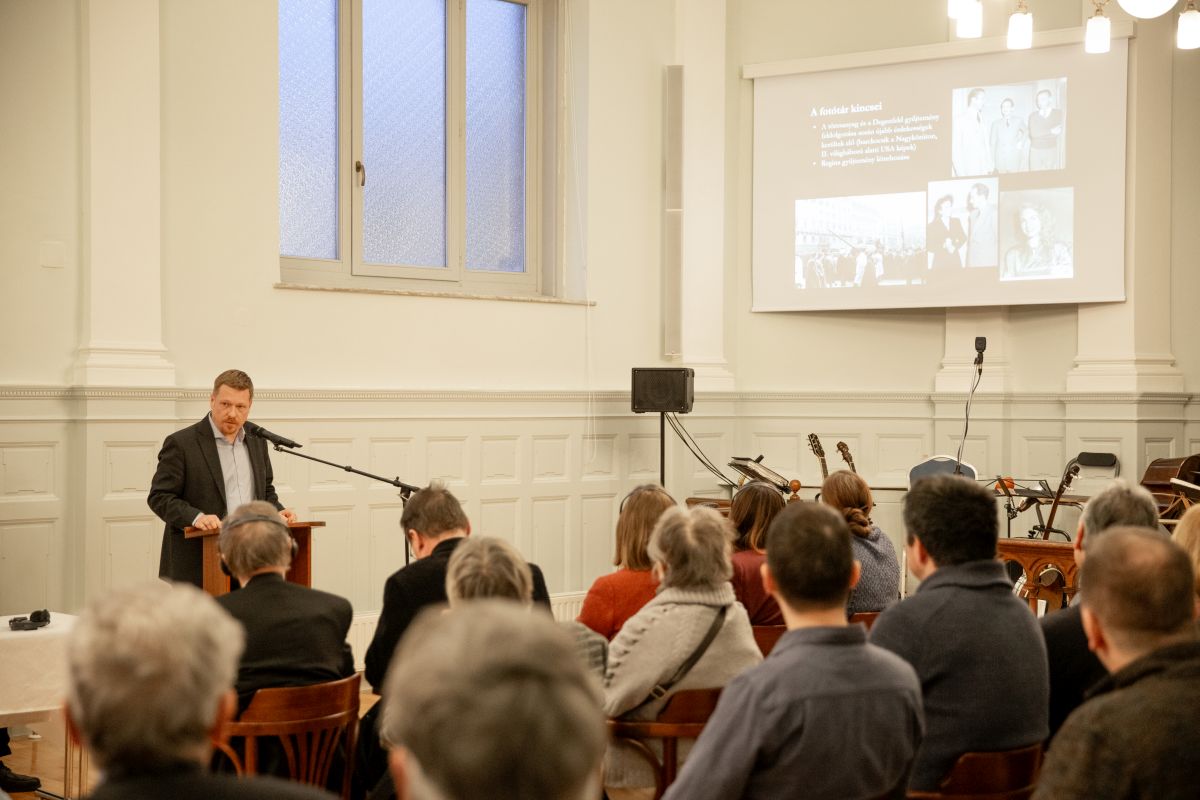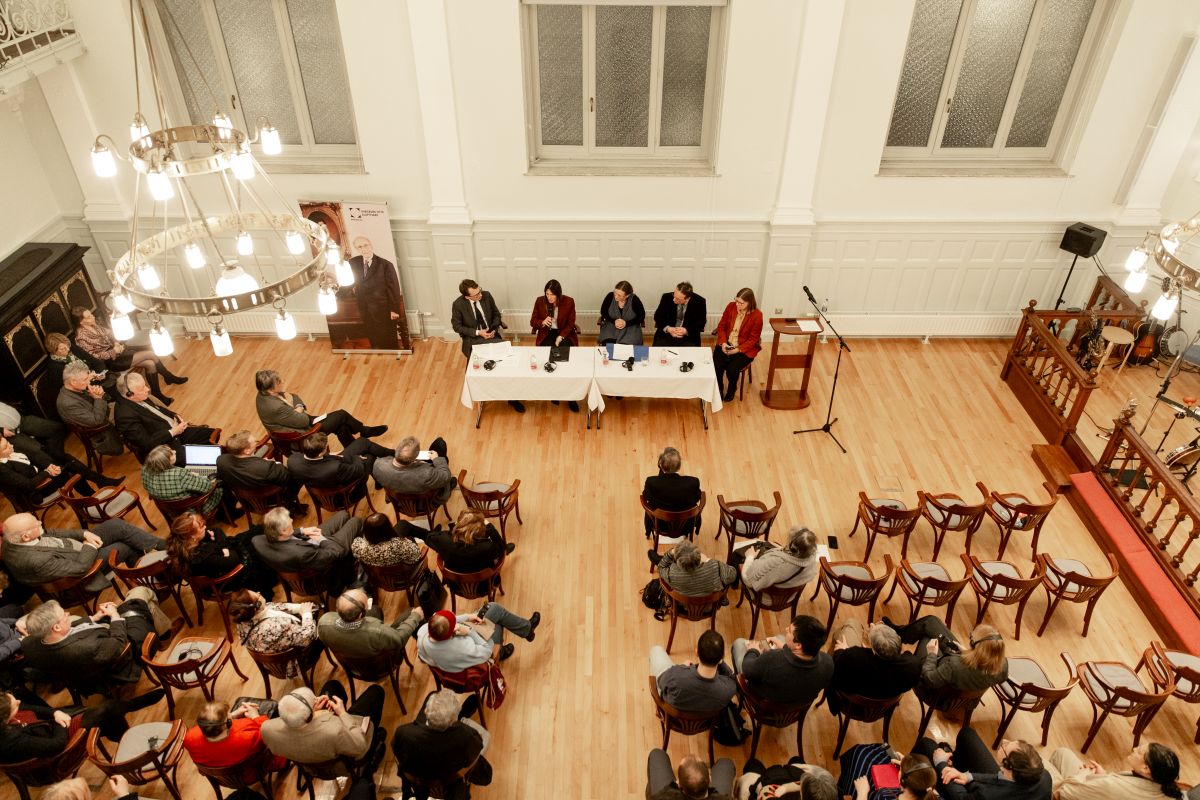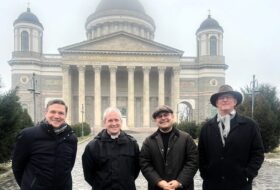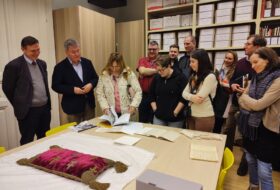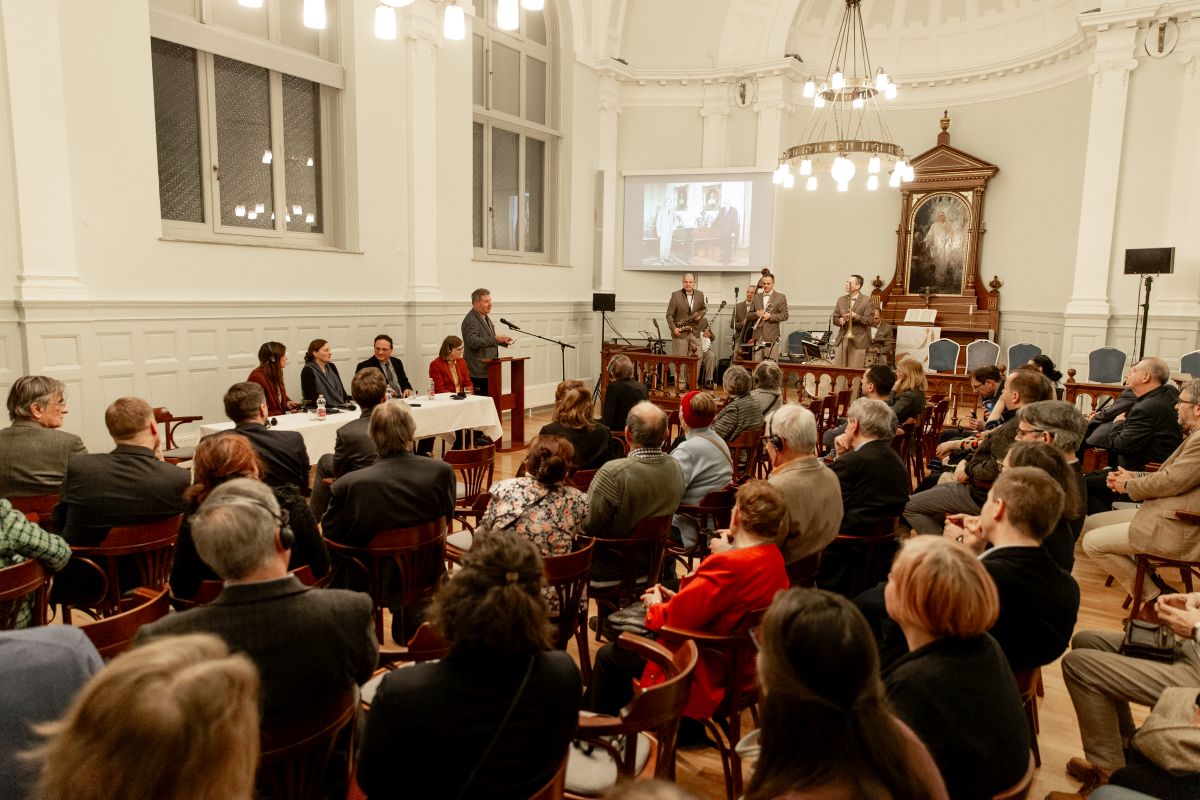
On 23 January, on the occasion of Hungarian Culture Day, we convened our Start-of-the-Year reception for the fourth time, to which we invited colleagues from public collections and friends committed to the work of museums, archives and libraries. The purpose of the gathering was to present our professional activities carried out over the past year and to showcase the development of our collections.
Gergely Prőhle welcomed the large crowd of guests. The director remarked that in 2026, we will celebrate the 250th anniversary of the signing of the Declaration of Independence of the United States. In this context, we aim to pay particular attention to those Central European figures and intellectual impulses that have significantly shaped the scientific life, economy, the arts and various areas of public life in the United States. Within this framework, Otto von Habsburg and his extensive international network remain a fundamental point of reference, illuminating the multifaceted presence of Central European cultural heritage across the Atlantic.
This idea was echoed by the invitation of our overseas guests, colleagues from the renowned Catholic university, the University of Notre Dame in Indiana, whose Hesburgh Library preserves the estate of John Lukacs (1924–2019). It is our intention that the John Lukacs Institute at the Ludovika University of Public Service will soon conclude an agreement with the university for the digitisation and scholarly accessibility of the Hungarian-related corpus.
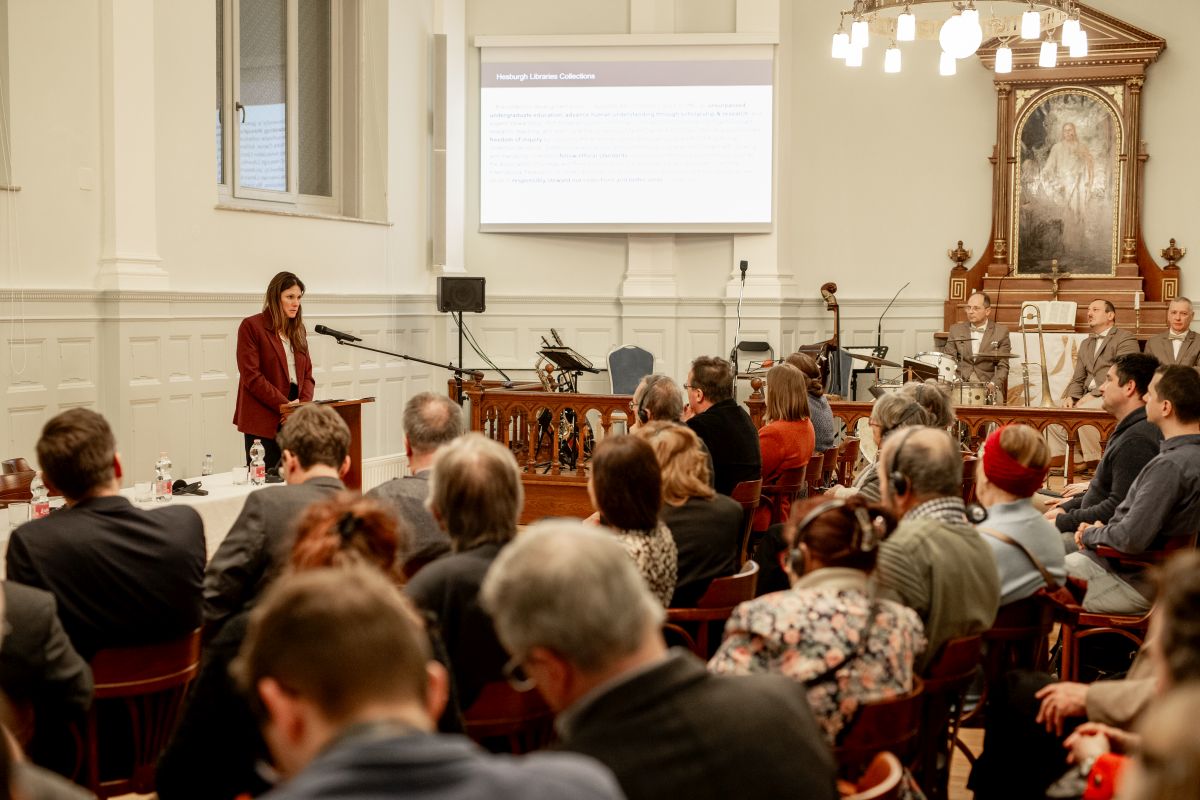
Erika Hosselkus, Associate Dean of the university’s library, quoted to the audience the words of the founder, the legendary Father Theodore M. Hesburgh (1917–2015): “Let the Library be a place where that hunger for truth will keep getting stronger, supporting freedom and justice around the world, inspiring excellence, and prodding us to bigger dreams.” She then presented the prestigious institution, its processing practices and its international significance, operating in line with the above principles.
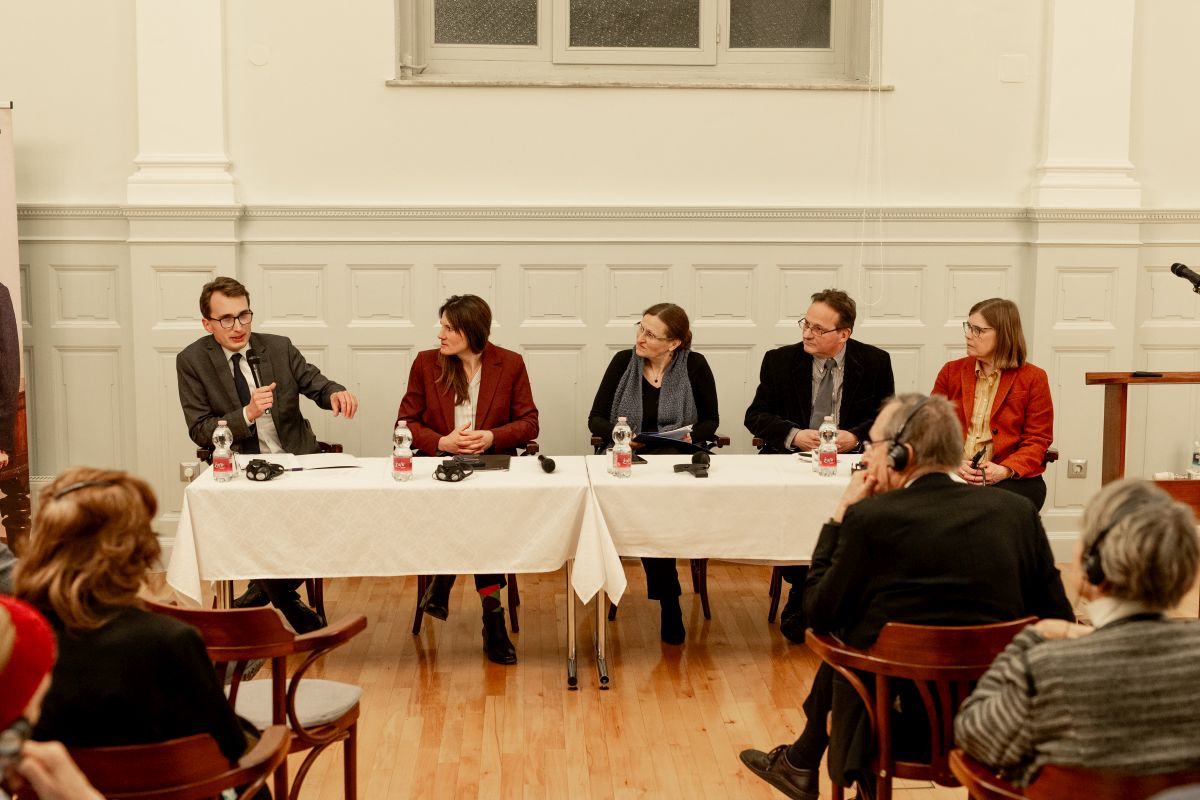
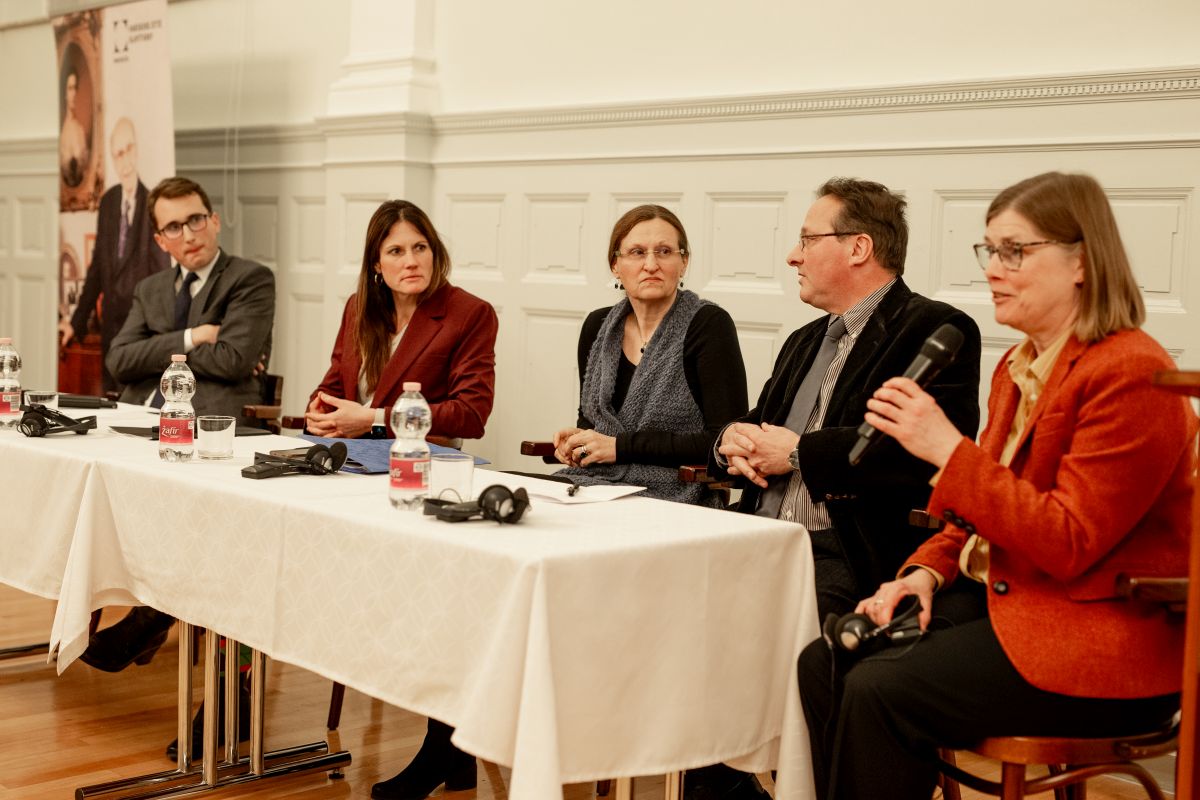
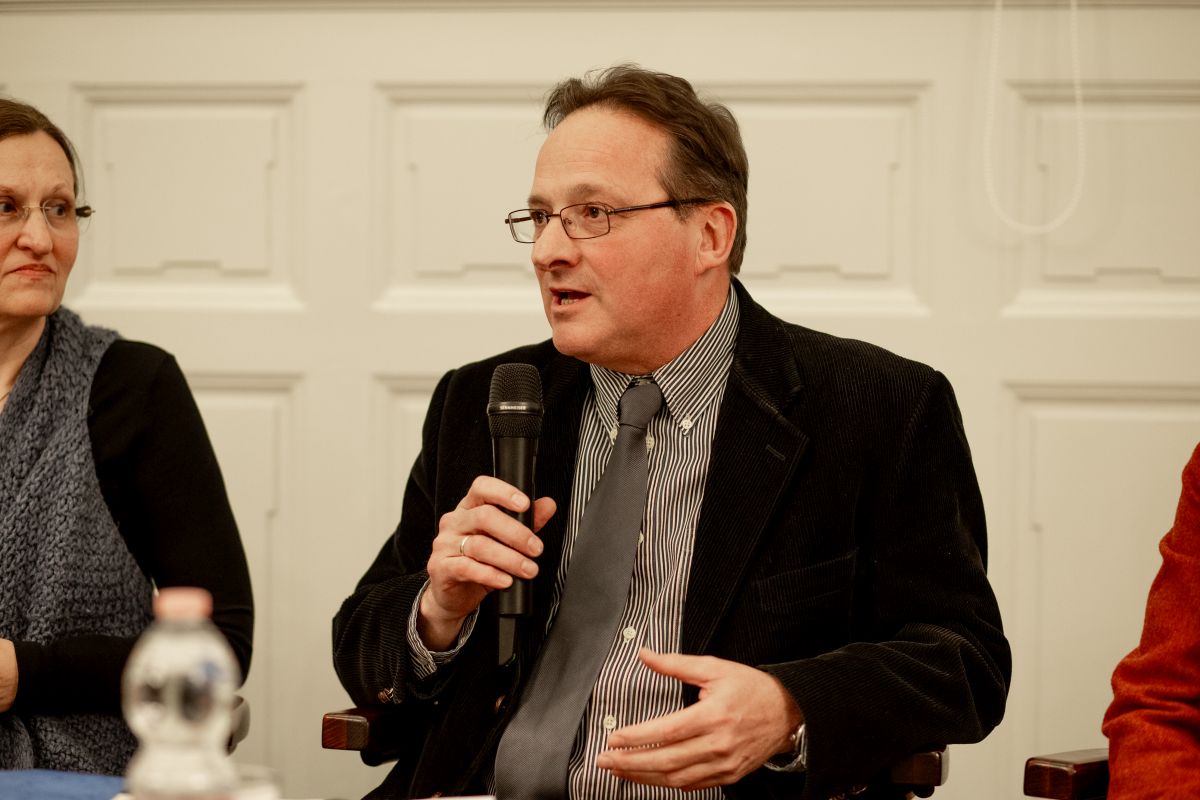
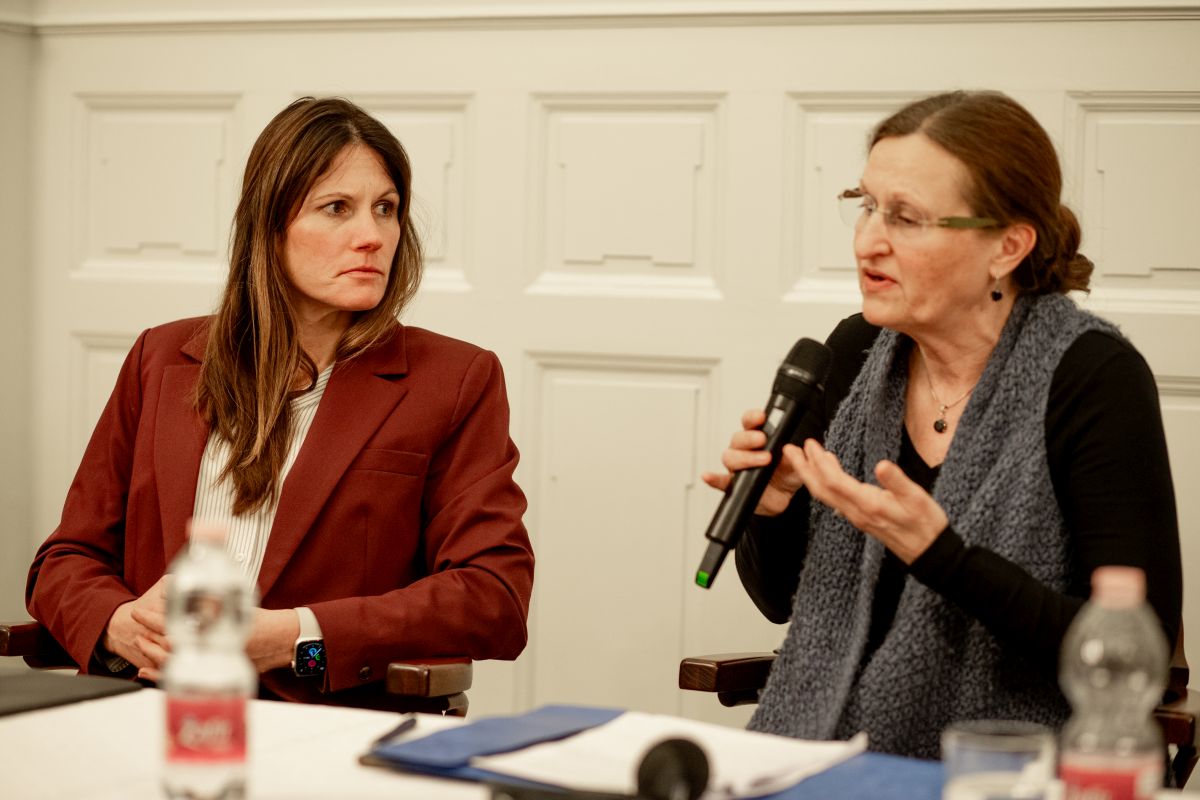
Her presentation was followed by a panel discussion. In this, our international guests were joined by two researchers well acquainted with Hungarian communities in the United States: Balázs Balogh, Director General of the Centre for Humanities at Eötvös Loránd University, and Ágnes Fülemile, Senior Research Fellow at the Institute of Ethnography of the Centre for Humanities, Eötvös Loránd University, and former Director of the Balassi Institute’s Hungarian Cultural Centre in New York. Bence Kocsev, member of our Foundation, acting as moderator, asked them to reflect on how they see the influence and continued presence of transatlantic cultural ties in the intellectual, artistic and scholarly heritage of contemporary America. Our transatlantic colleagues emphasised especially the importance of family memory, highlighting those “cultural traces” – such as the Hesburgh Library’s Dante collection – that are present in American thought in isolated but substantial ways. These factors helped to stimulate, after the political transition, a marked increase of interest among families with Central European roots in the world their forebears left behind, including written and material memorabilia, and their former places of residence.
Central to all of this is ensuring physical access to books, printed press items and objects: while the much-advocated digitisation is indispensable in making memories accessible and searchable, it offers an incomparable experience of handling old books, browsing the small-print advertisements of yellowed newspapers, or deciphering a treasured blessing that once hung on a great-grandparent’s kitchen wall. All participants agreed that a modern library, archive or collection must respond to such challenges with regular exhibitions and awareness-raising programs.
On the topic of two-way cultural transfer, Balázs Balogh cited a striking example: a survey of a Hungarian settlement in Pennsylvania that became depopulated during the Great Depression but remained physically untouched until the 2010s, and plans for its relocation to Hungary in the near future. The unique building complex will be exhibited at the Szentendre Open Air Museum, perhaps as early as autumn 2026.
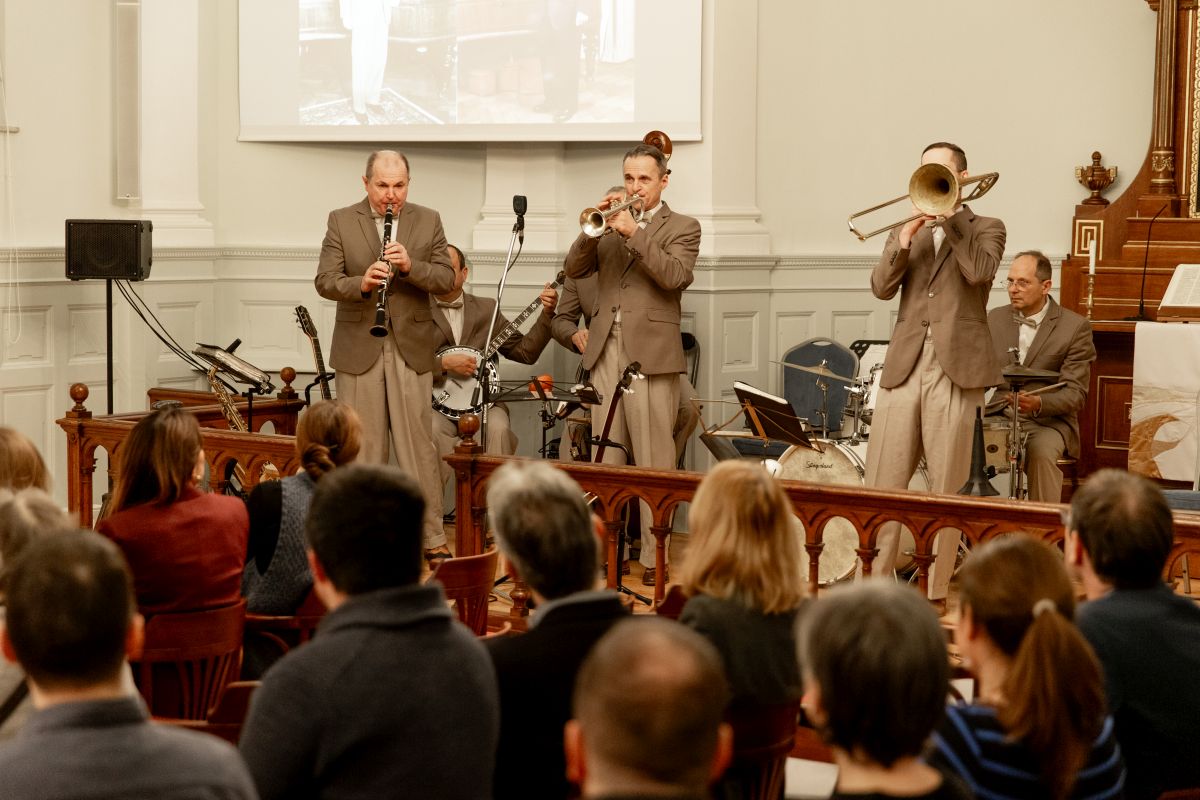
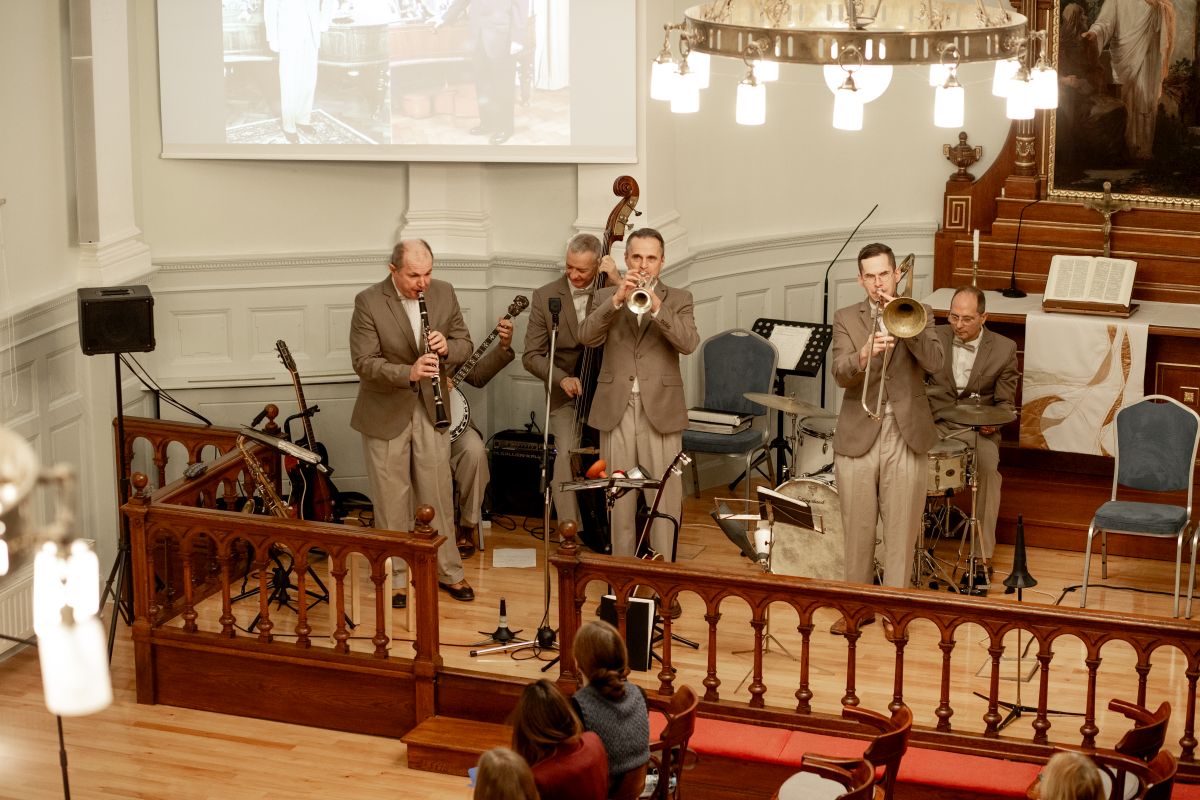
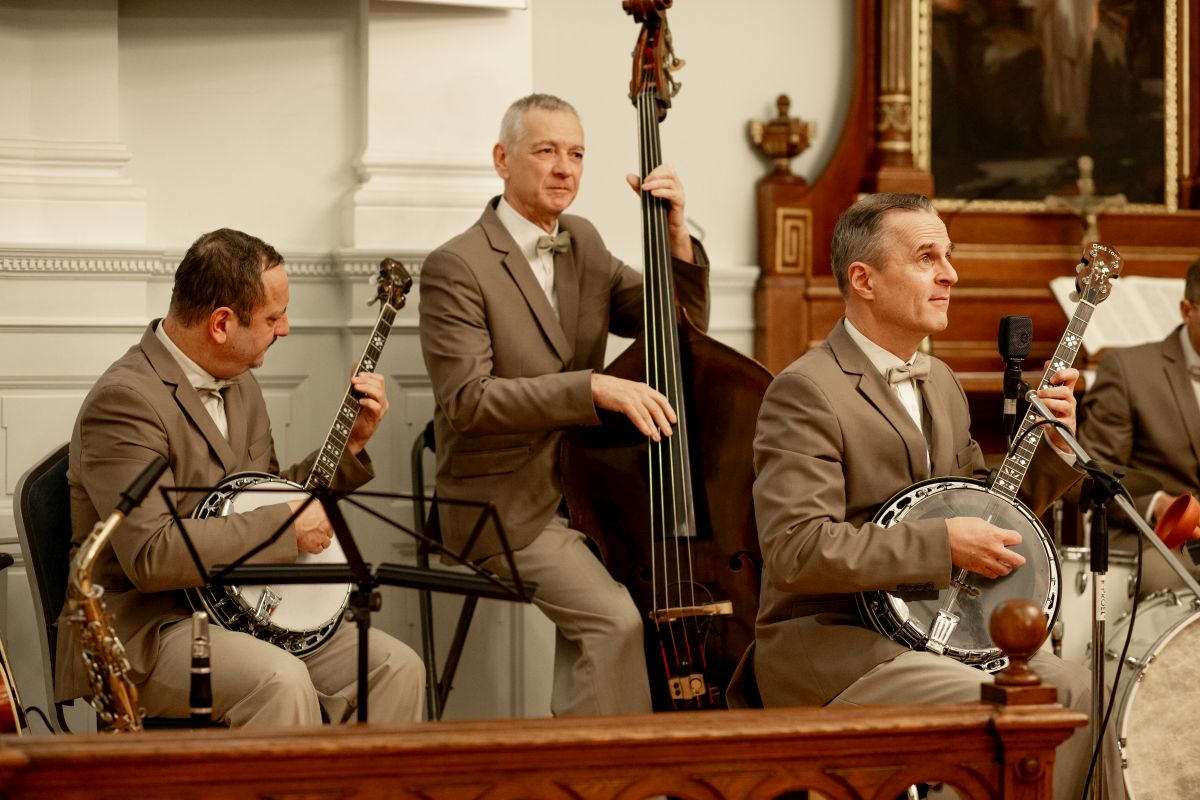
Throughout the evening, our guests were entertained by the Hot Jazz Band. In addition to works by composers from overseas, pieces by Hungarian-born musicians who also enjoyed major careers in America – Jean Schwartz, Sigmund Romberg and Rezso Seress – demonstrated the presence of transatlantic interaction within domestic and international pop culture.