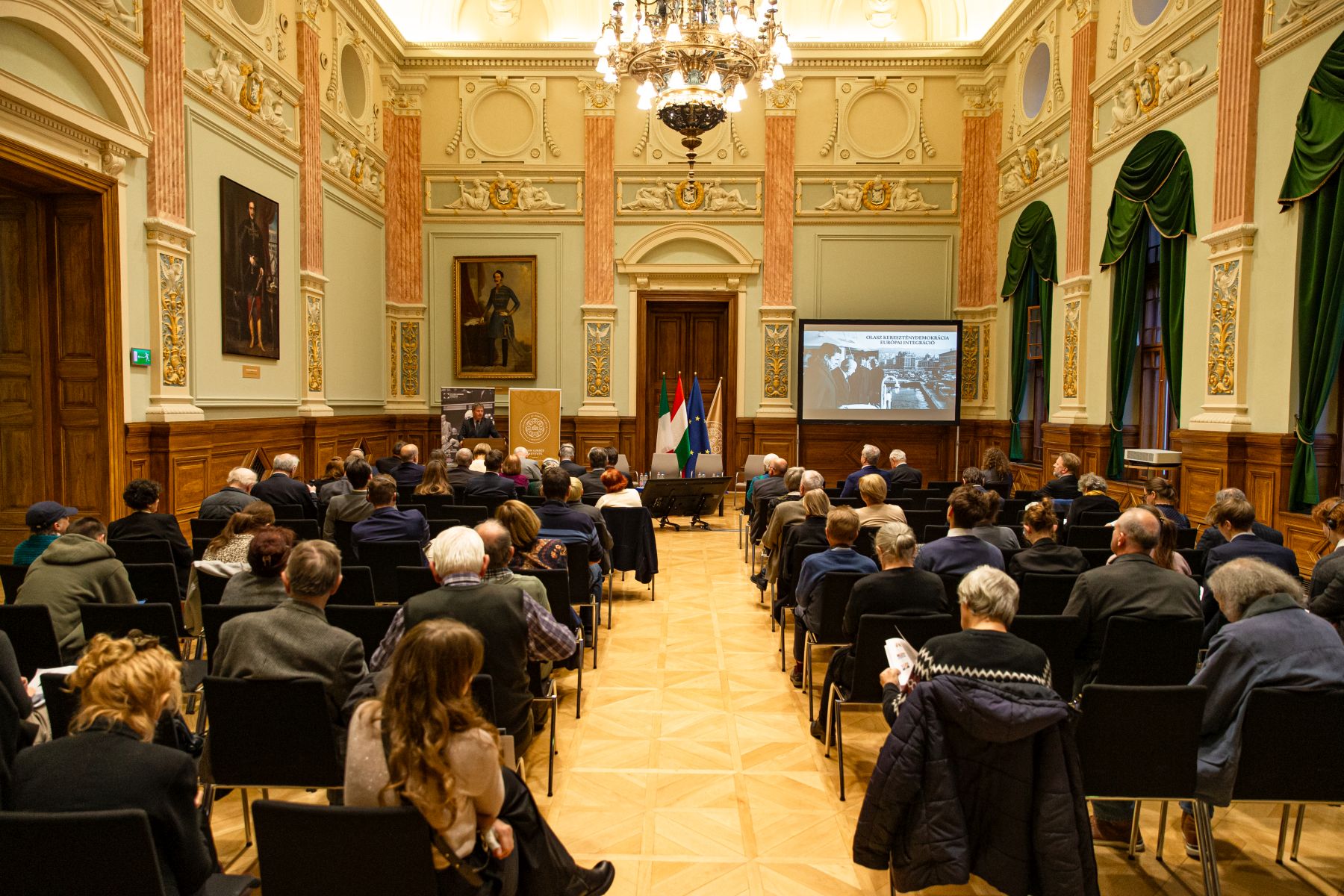
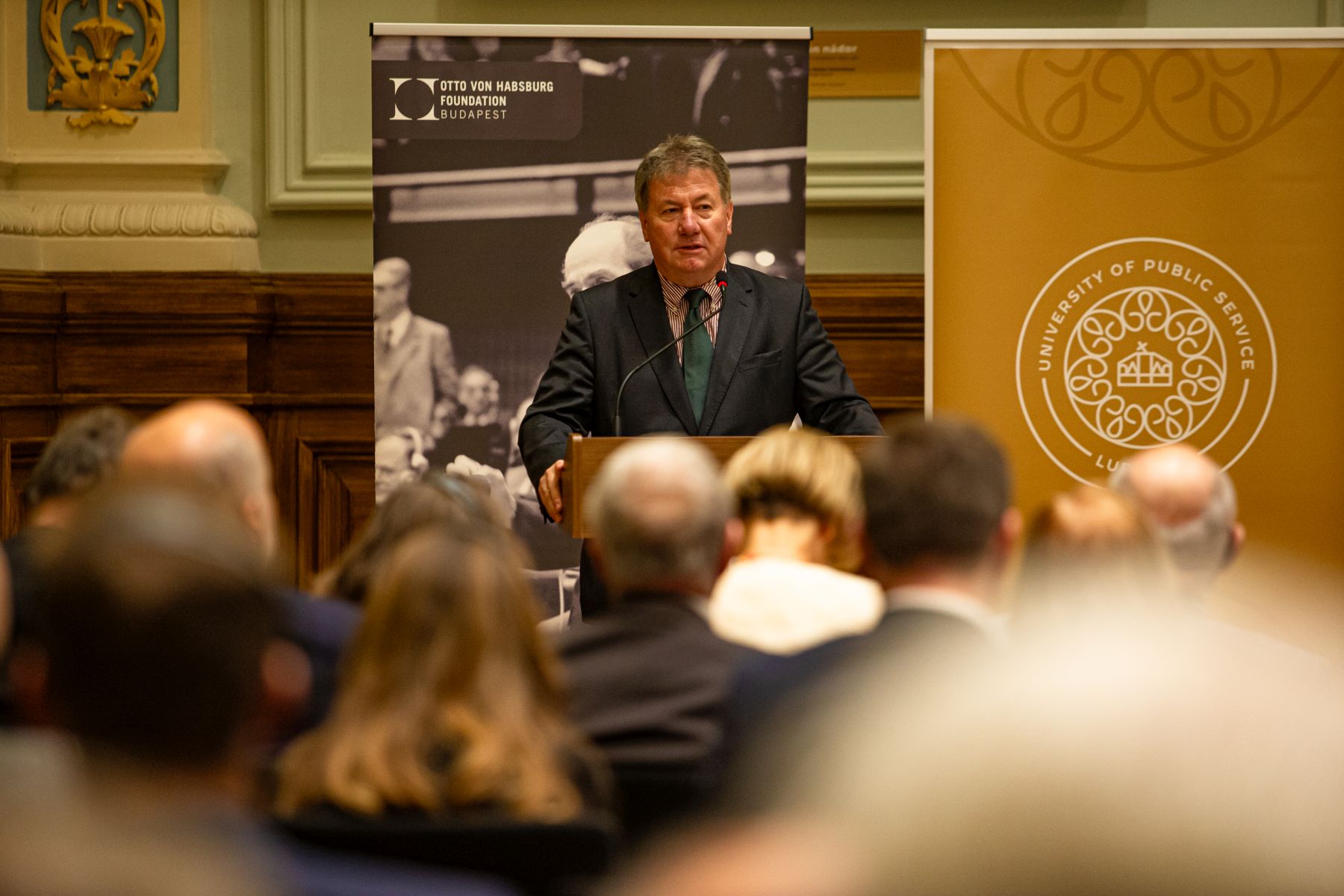
“We are settling a debt by organising a conference on Otto von Habsburg’s network and influence in Italy,” remarked the Director of our Foundation in his welcoming speech. According to Gergely Prőhle, Italy is unjustifiably seldom mentioned in the history of European integration, despite being one of the founders and the host country of the signing of the Treaty of Rome. Enikő Győri, Hungary’s representative in the European Parliament and former Ambassador to Rome, commended the nearly half a century during which Italian Christian Democracy served as a stable force in government; without its anti-communist and pro-European commitments, both Italy’s and indeed, our whole continent’s post-war history would have unfolded rather differently. In a period afflicted by an identity crisis, which produces new and often absurd manifestations of political correctness every day, it is instructive to recall De Gasperi’s conviction that a united Europe can only arise from the free cooperation of its peoples and from patient, persevering work.
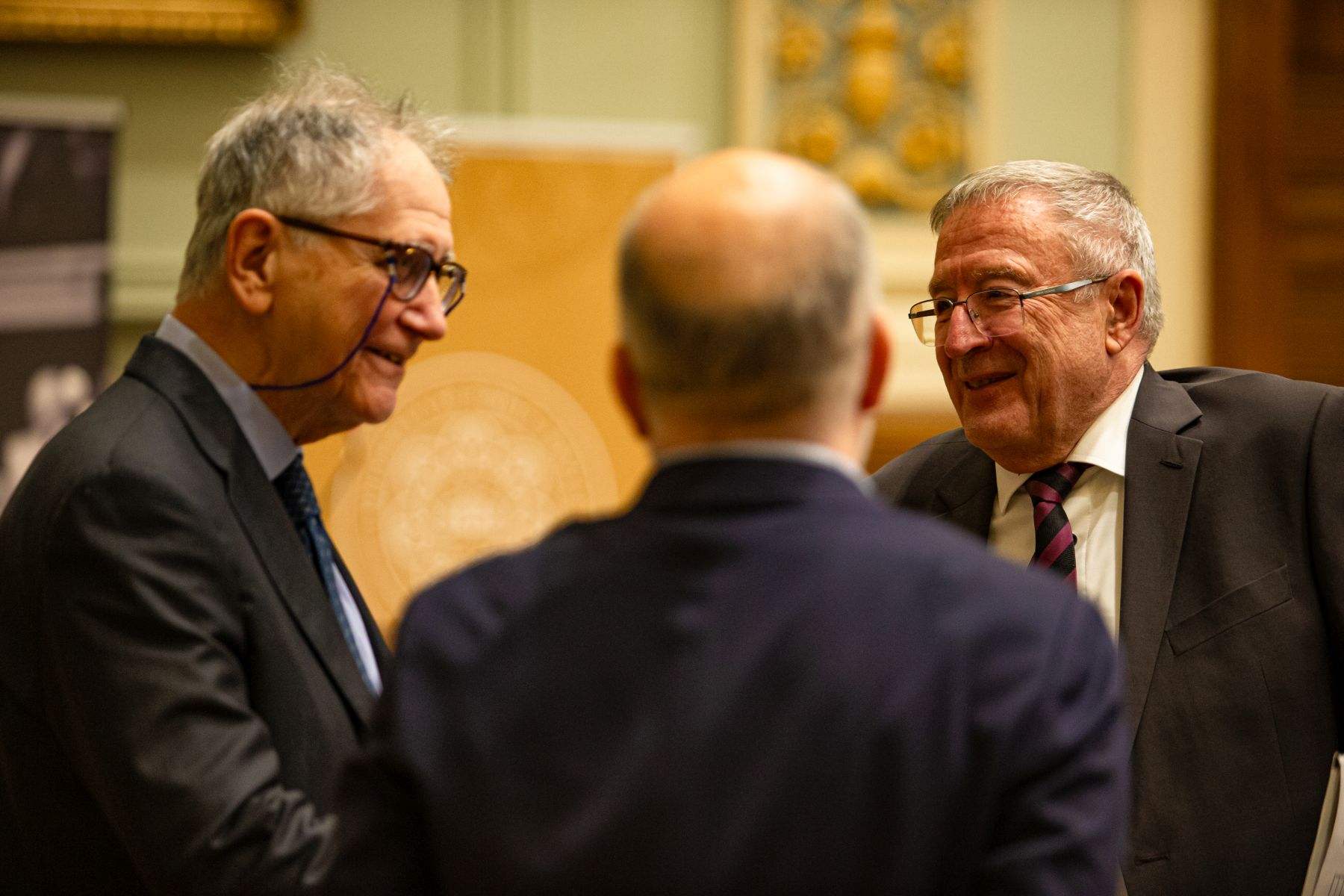

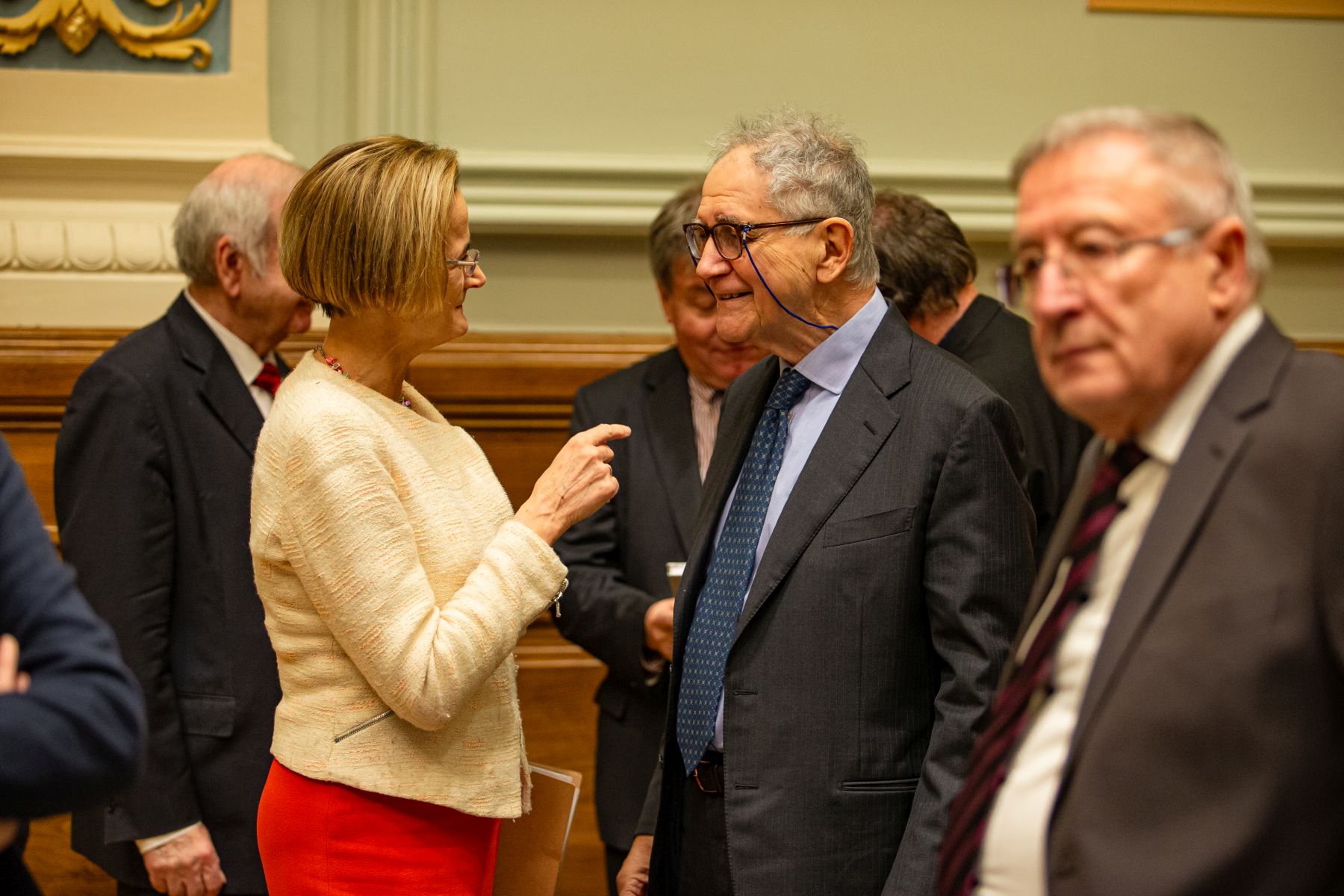
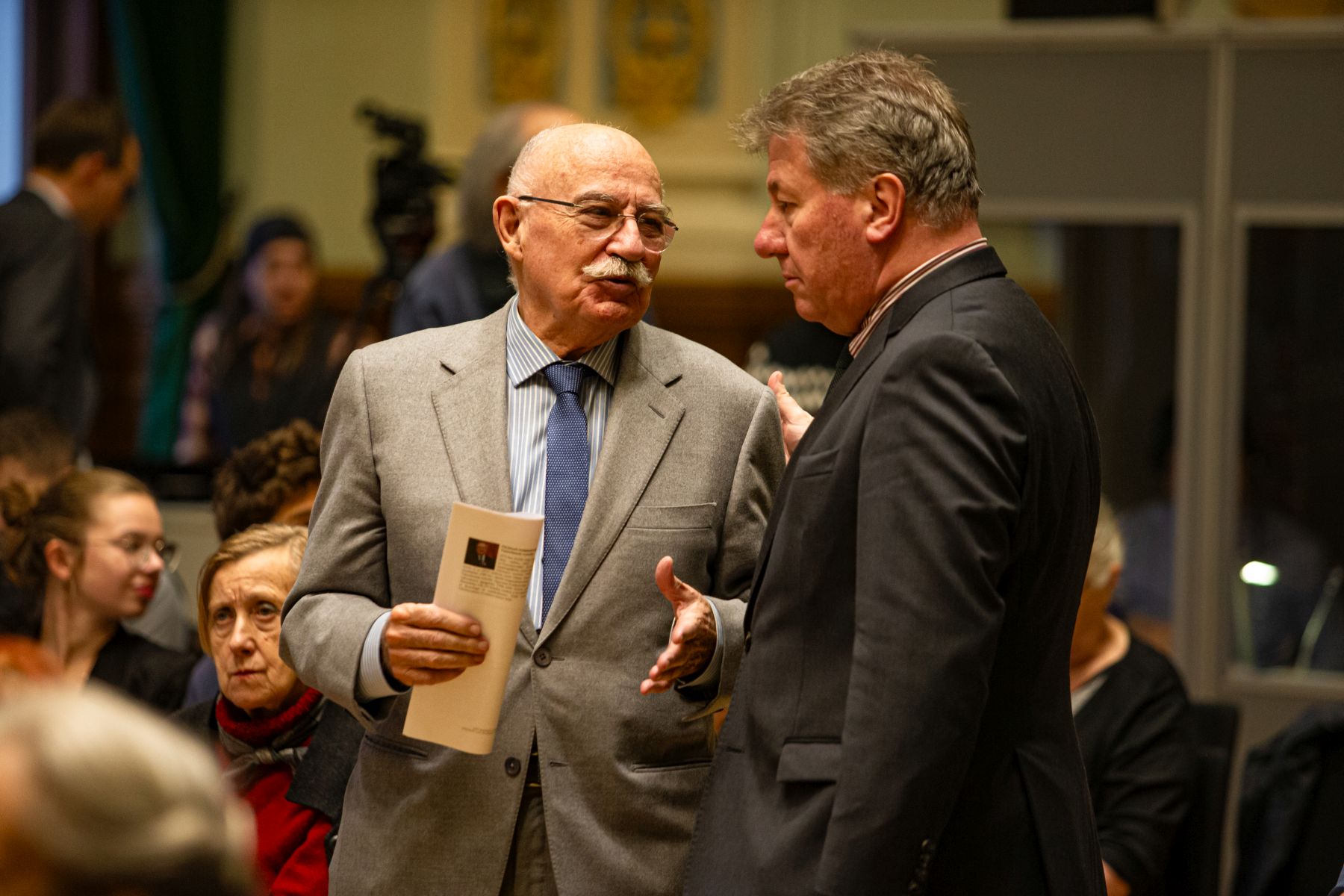


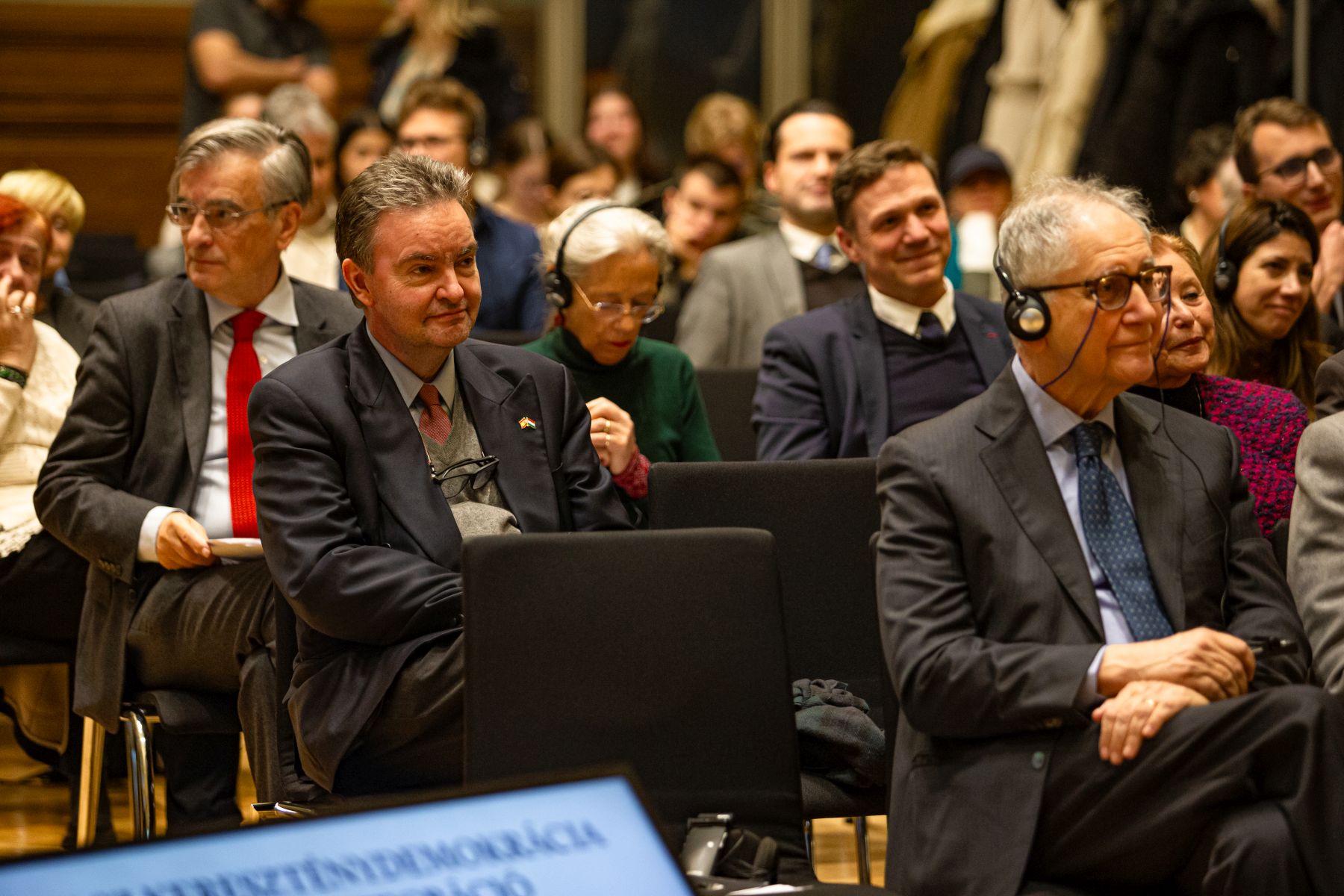
Our long-time friend, Professor Michael Gehler, opened the keynote lectures. The Director of the Institute of History at the University of Hildesheim highlighted the significance of the intellectual and political movement by presenting the lives of five Italian Christian Democratic figures. Among them, Don Luigi Sturzo (1871–1959), a native of southern Italy, was perhaps less familiar to the audience. A Catholic priest who obtained a doctorate in theology from the Pontifical Gregorian University, Sturzo dedicated his life to combating poverty and resisting totalitarian regimes. He founded the Italian People’s Party (1919) and became one of Mussolini’s most prominent critics during the regime’s consolidation in the 1920s. Like our Foundation’s namesake, he recognised early on that inhumane ideologies can only be confronted through international cooperation. The International Christian Democratic Union, which he co-established in exile in 1940/41 and of which he served as Vice-President, may be regarded as the precursor of today’s European People’s Party.
Alcide De Gasperi (1881–1954), the subject of several presentations at the conference, was born in South Tyrol and was elected to the Austrian Reichsrat in 1911. His opposition to fascism confined him to the Vatican Library, effectively an internal exile, for nearly fifteen years. His political work could flourish for only a single, brief decade after the war, during which he became a driving force in the integration efforts affecting his homeland (the Marshall Plan, NATO membership, economic integration, and the European Coal and Steel Community, of which he served as President in the year of his death). His role in promoting a supranational and politically unified Europe was recognised with the Charlemagne Prize in 1952. Professor Gehler also spoke about Antonio Segni (1891–1972), Emilio Colombo (1920–2013), and Giulio Andreotti (1919–2013).
Anna Vincenzi likewise examined the impact and influence of Luigi Sturzo’s thoughts. The Catholic thinker began from the premise that humans were created in the image of God, yet as a result of original sin, became complex personalities in whom good and evil, light and shadow, the capacity for sacrifice and sin could coexist. Crucially, through free will – and by God’s grace – this fractured unity by the Fall may be restored. The Assistant Professor of Modern European History from Hillsdale College underlined, alongside this anthropological determination, Sturzo’s rejection of denominationalism; his belief in subsidiarity as a means of reforming the liberal state; and his advocacy of institutions that respect and safeguard individual freedom while strengthening the dynamism and permeability of the intermediate levels that interweave the fabric of society. In his view, such institutions could transform the state from a centralised structure into a genuine “people’s state”. From this, he argued, naturally follows the recognition and reinforcement of various group identities – regional and national.
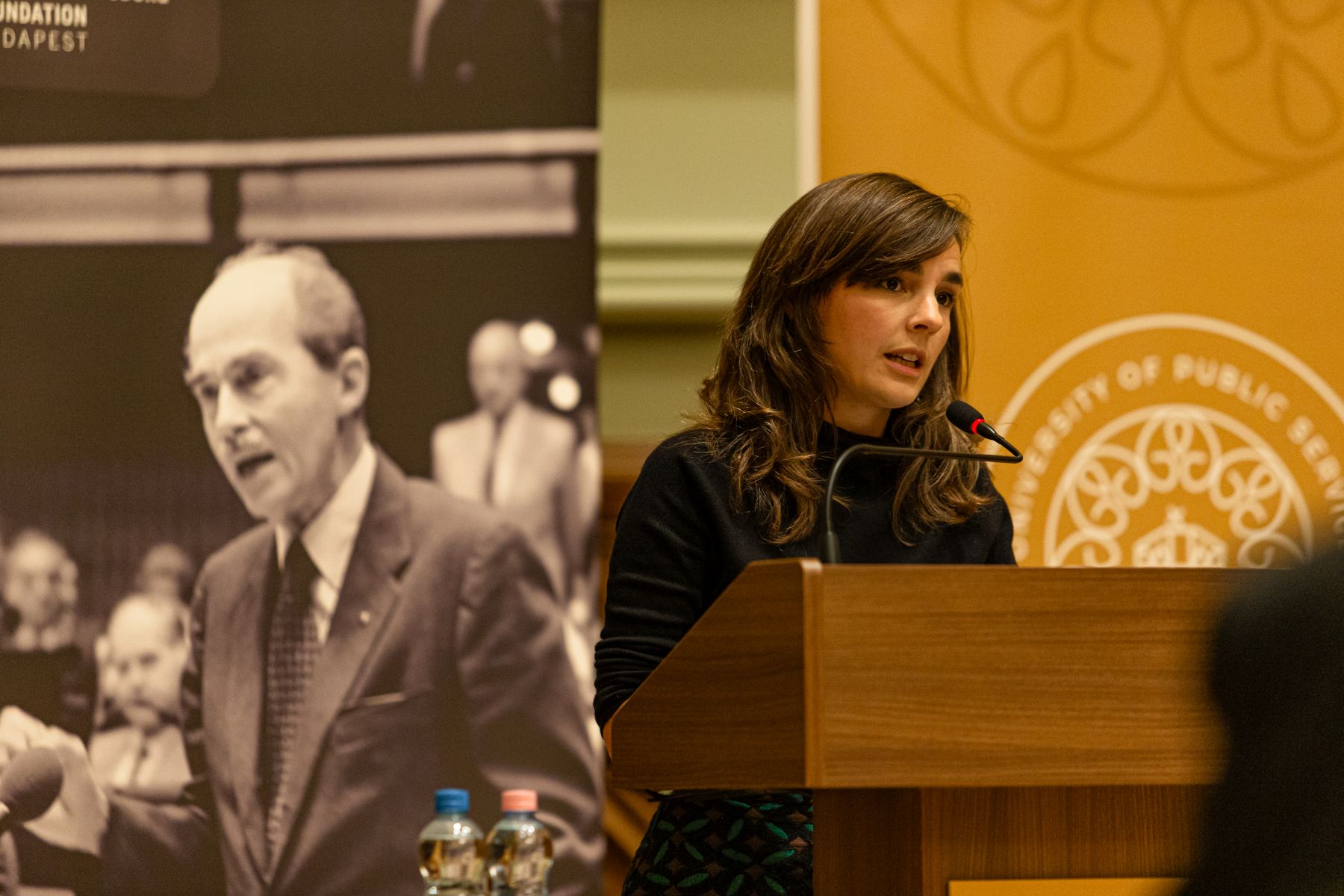
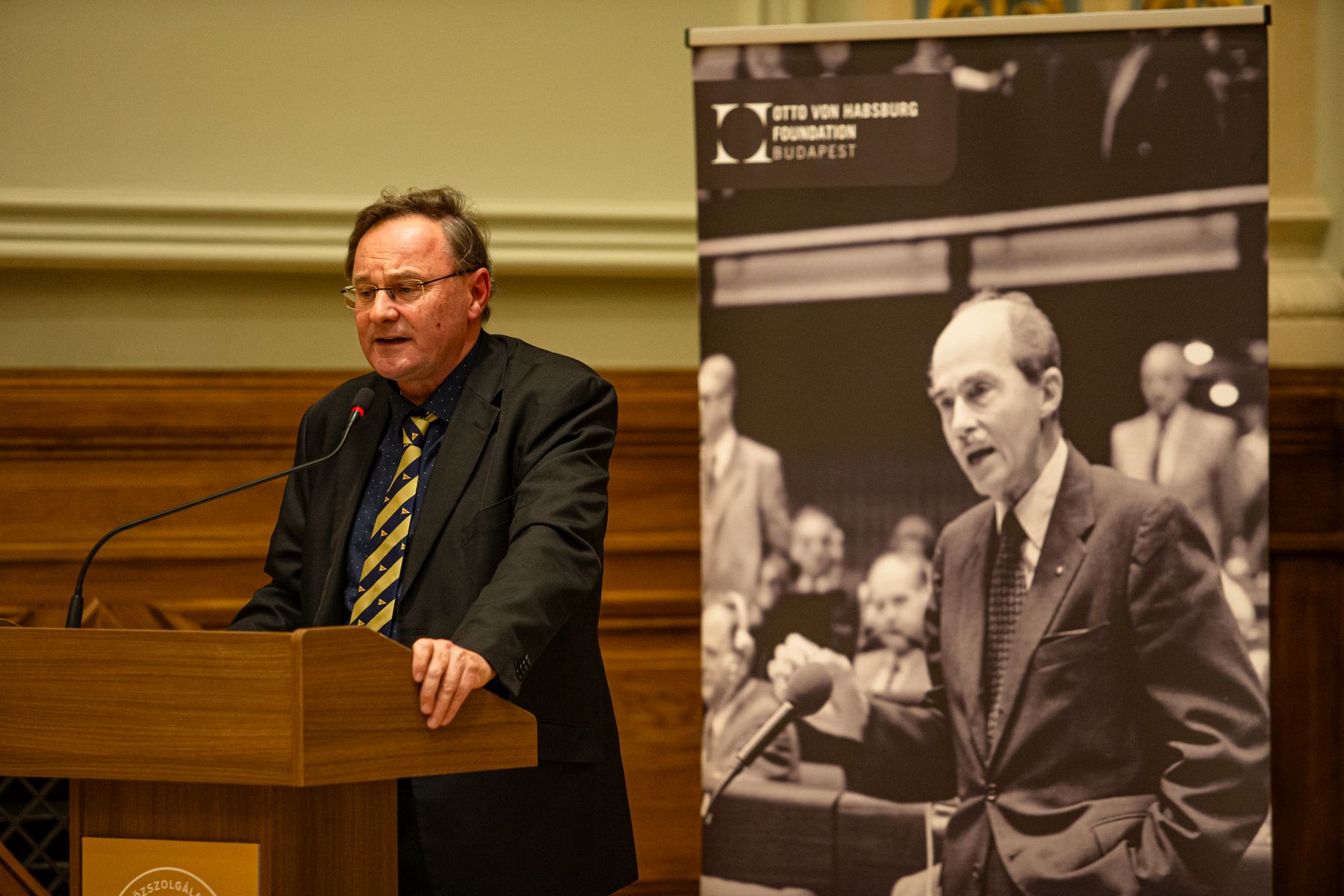

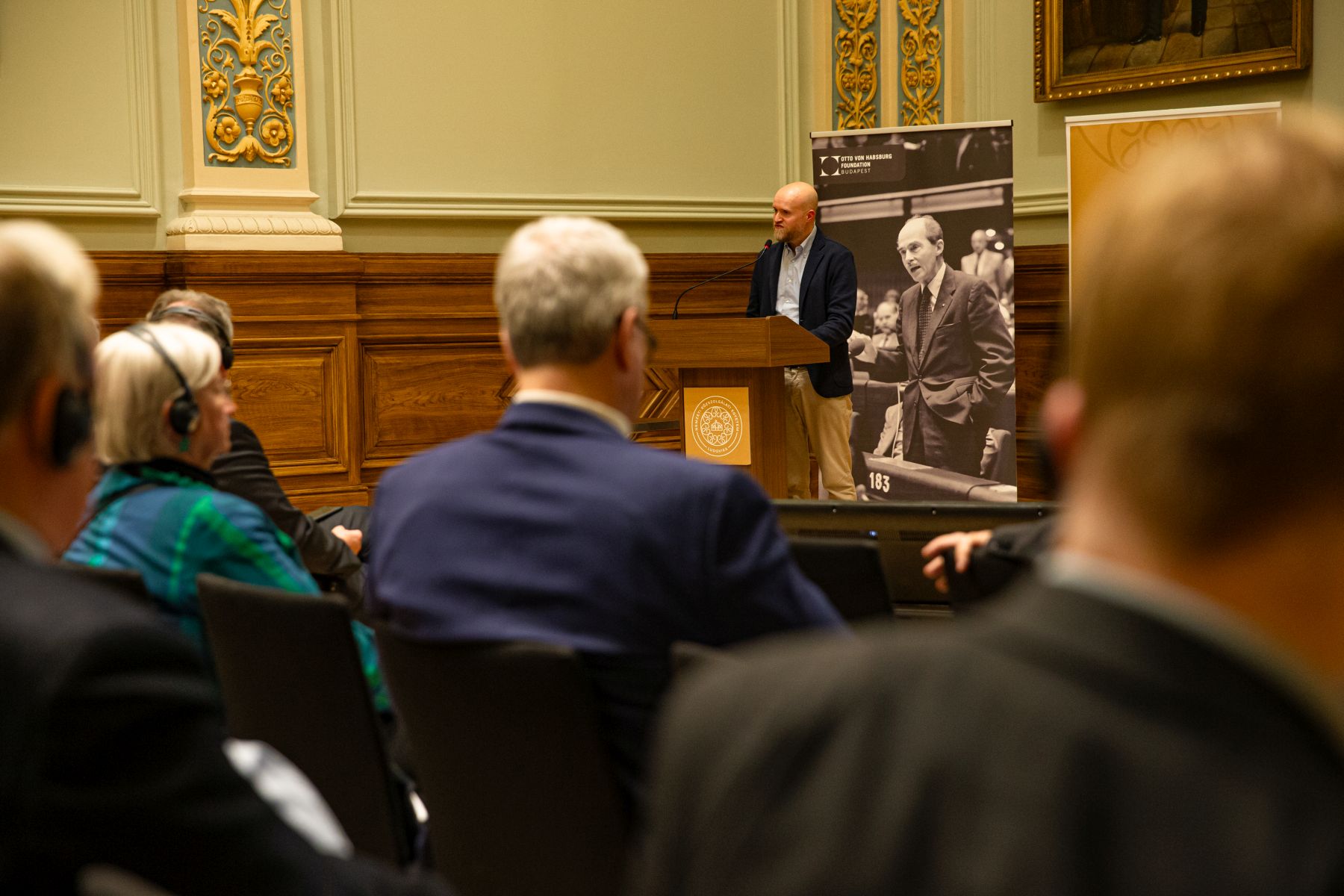
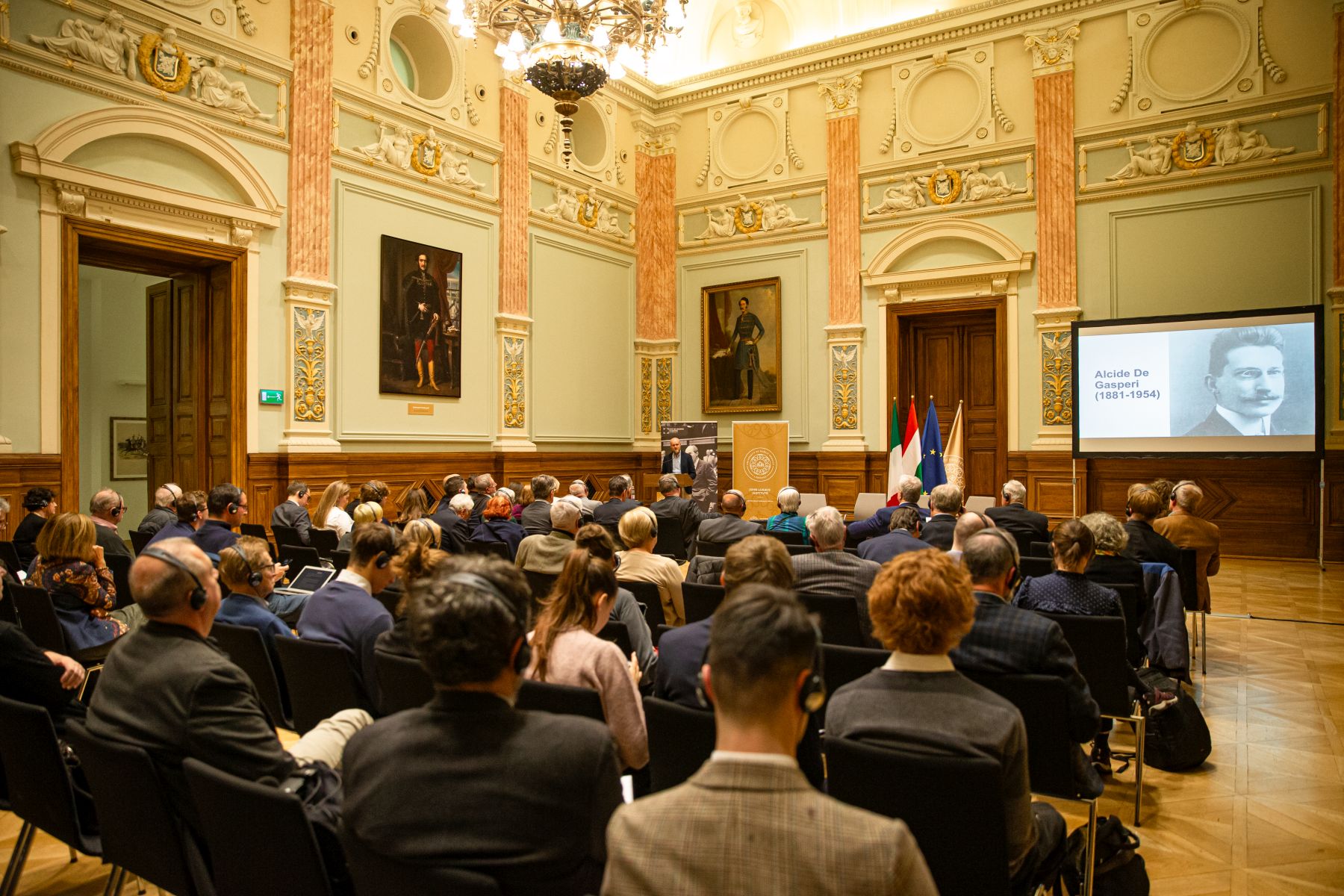
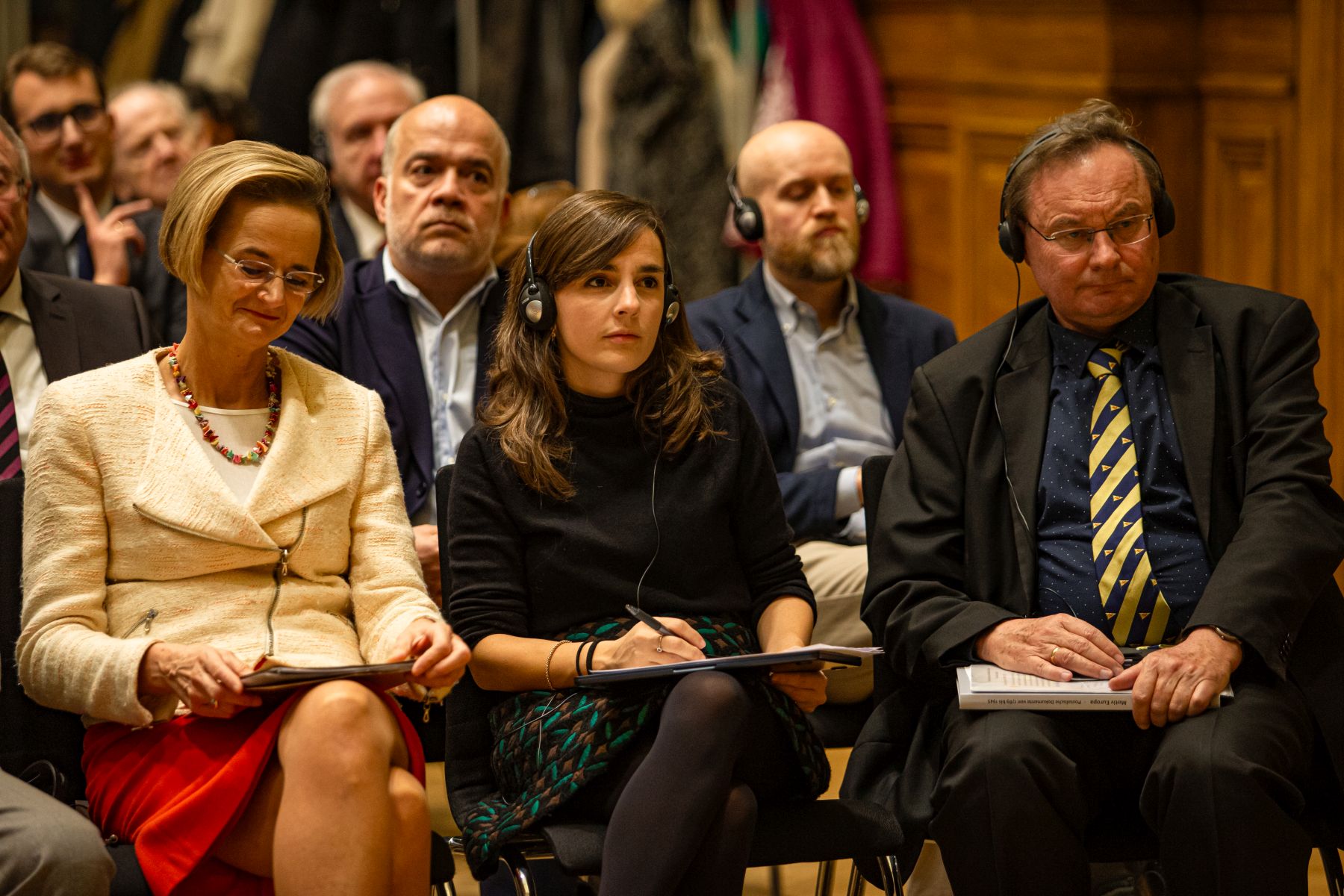
Jacopo Cellini’s presentation explored Alcide De Gasperi’s vision for Europe. The researcher at the Historical Archives of the European Union at the European University Institute (EUI) in Florence cautioned that De Gasperi’s ideas in his youth and old age do not necessarily follow from one another, and he himself never explicitly linked them. Nevertheless, parallels can be drawn between the two stages of his life: as a member of the Italian-speaking community of South Tyrol, he sought to harmonise the national and supranational levels within the framework of both the Austro-Hungarian Monarchy and later the Italian state. His Catholic upbringing – with its universalist outlook – enabled him to accept the equal dignity and rights of different ethnicities, denominations, and nations. The well-known slogan often associated with him, “Our homeland: Europe”, rests on moral authority and political strength, and posits, over and against nationalisms, the attainment of a supranational community. Returning to his ideas is more critical than ever in an age marked by external and internal threats to the Union and by an increasingly extreme and polarised public discourse, the Italian historian concluded.
Deputy Prime Minister Zsolt Semjén addressed the twentieth-century history of Christian Democracy in Hungary and its role in the decades since the regime change. He emphasised that the Fidesz–KDNP party alliance guarantees that the social teaching of the Church is represented in Hungarian politics with due weight. This is particularly vital, he added, at a time when our national identity, sovereignty, culture, language, and our distinctly Hungarian way of thinking face continual challenges. The dilemma between “truth” and “majority” shapes our particular circumstances and distinguishes us from the Christian Democratic parties of Western Europe, the politician assessed.
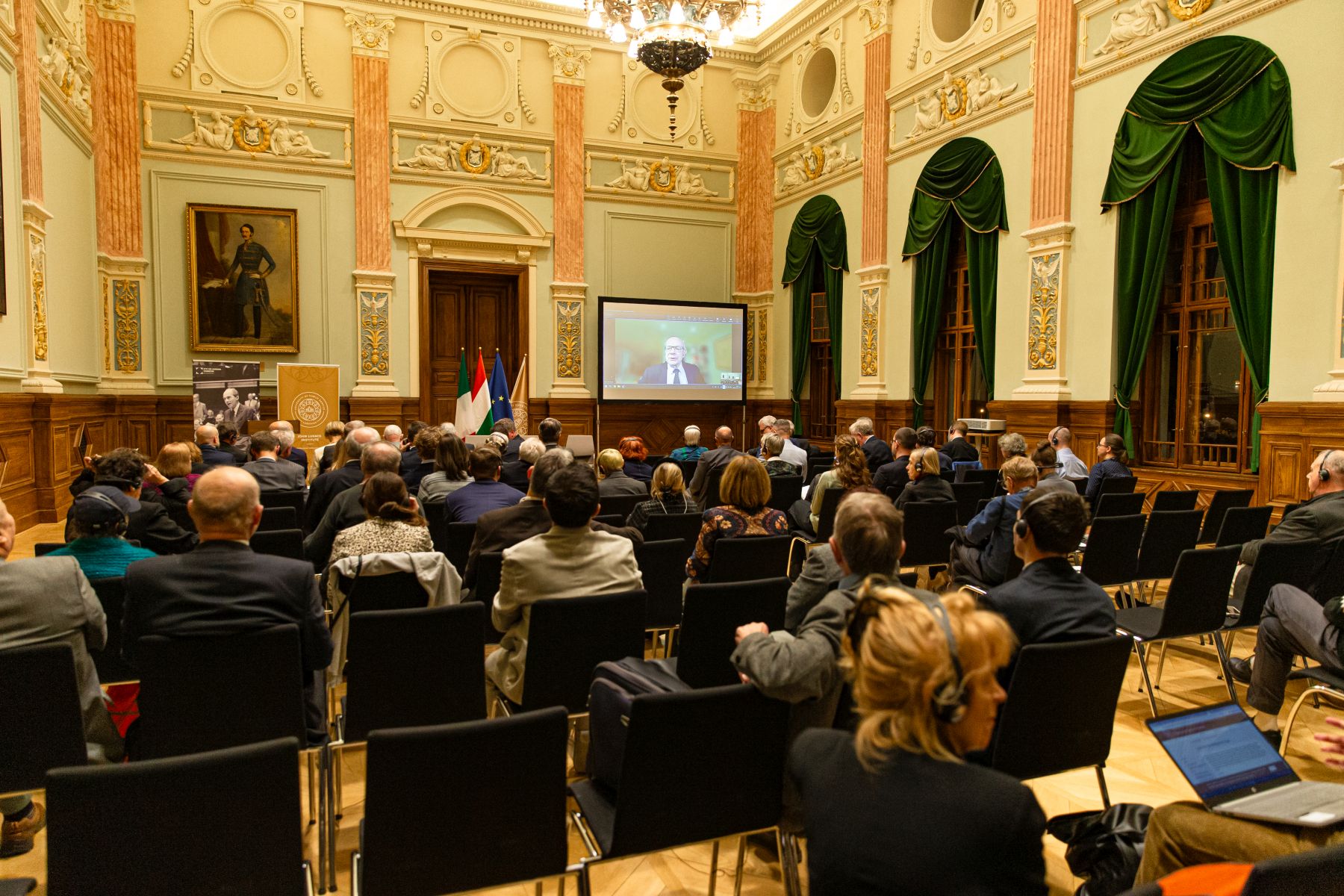
Paolo Alli, Secretary-General of the Alcide De Gasperi Institute, joined the conference online. He described his institute’s namesake as a “visionary architect” – a term contemporaries also repeatedly applied to Otto von Habsburg – and underscored that one of his most consequential messages for today is that Europe’s Christian cultural inheritance cannot meaningfully be placed in brackets or quotation marks: it still defines our lives, whether we acknowledge it or not.
As early as his political testament of 1943, De Gasperi committed himself to freedom, justice, and peace, identifying the pillars upon which the social market economy was founded. He considered these principles essential for averting the threat of totalitarianism, an idea he would have paired with a shared transatlantic defence in a Euro-Atlantic context. His federalism encompassed both the diverse regions of his homeland with their varying levels of development and culture, and the kaleidoscopic national and ethnic complexity of the continent. It was his steadfast Catholic faith, an orientation he adhered to throughout his life, that guided him towards this ambitious vision. The diocesan phase of his beatification process was concluded by the Church this February.
“In church, De Gasperi spoke with God; Andreotti spoke with the priest,” remarked Gábor Andreides in the panel’s concluding lecture, characterising the contrasting temperaments of the two statesmen. The research fellow of the Committee of National Remembrance also clarified the meaning of the contemporary bon mot: “because priests vote, God does not.” Despite their differences, Giulio Andreotti (1919–2013), the journalist-turned-politician, regarded De Gasperi as his mentor and role model. Over a political career spanning seven decades, Andreotti sought to remain faithful to two of De Gasperi’s tenets: that foreign policy should take precedence over domestic affairs, and that democratic structures must be upheld under all circumstances, since only these ensure political stability. Their profound Catholic conviction and commitment to public service grounded their professional cooperation and shaped Andreotti’s career as one of post-war Italy’s most eminent political figures, thus perpetuating the legacy of his former master.


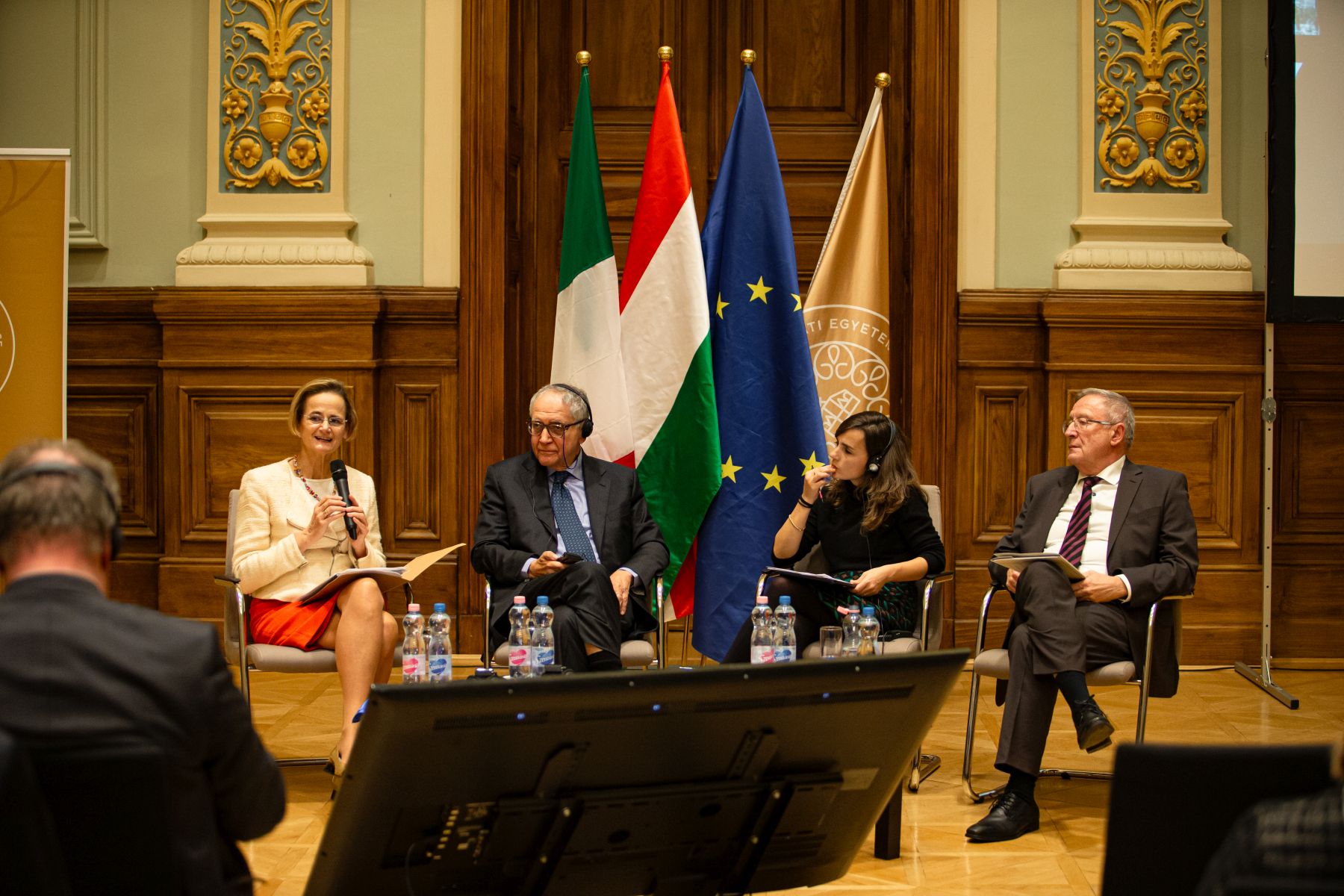
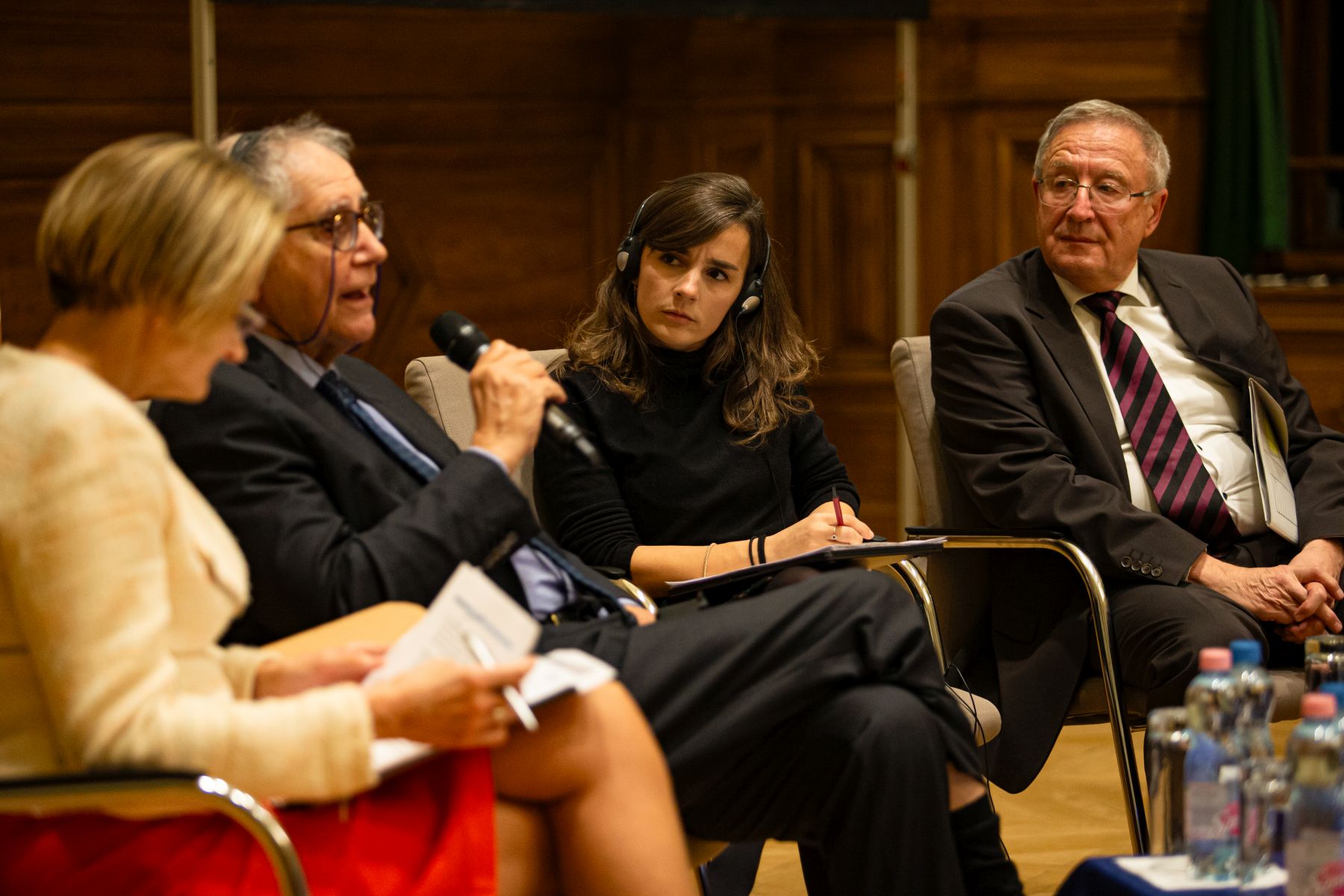
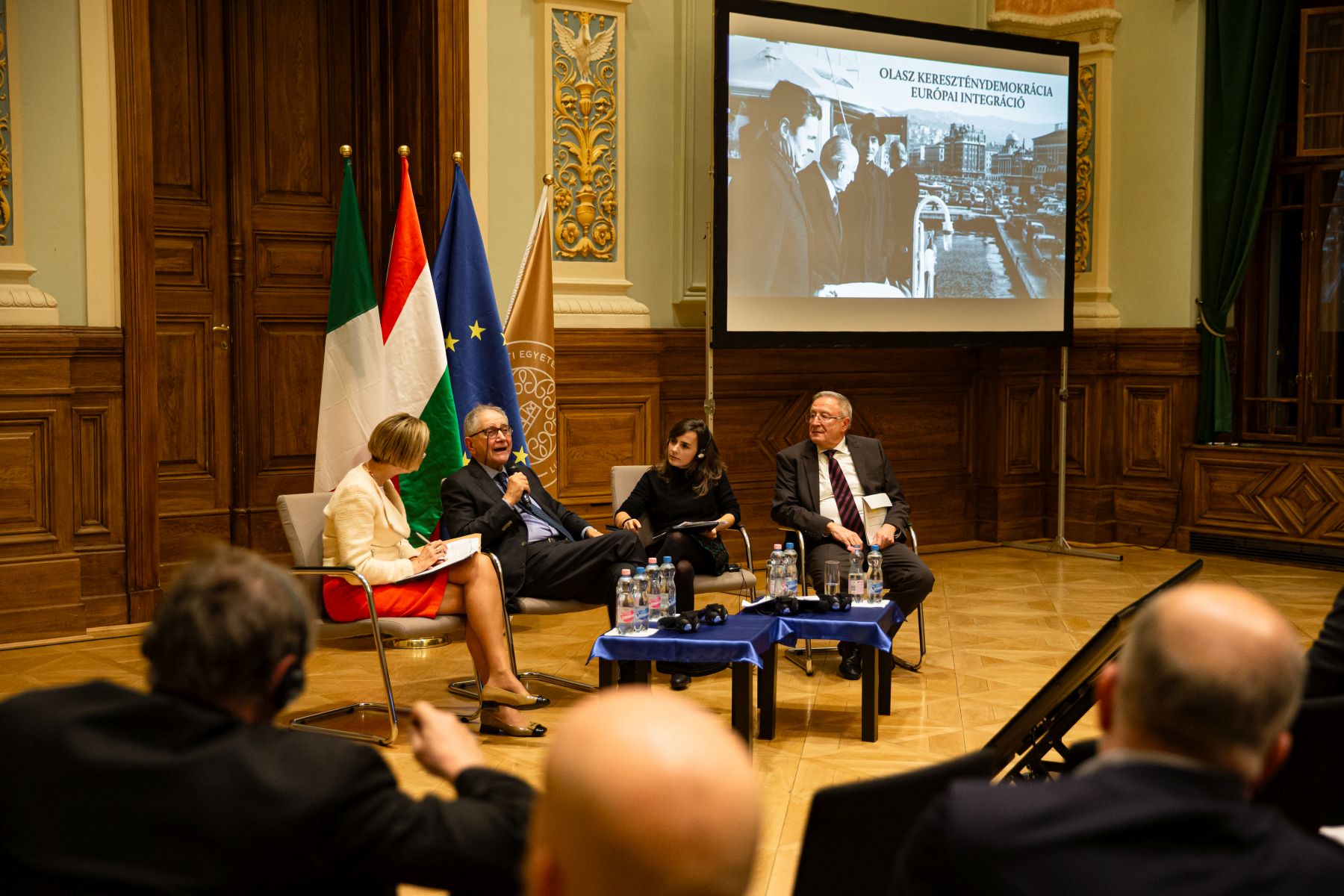
The speeches were followed by a panel discussion titled Italy’s Place in Europe – Heritage and Contemporary Perspectives. Participants included Rocco Buttiglione, Italy’s former Minister for European Affairs (2001–2005); Anna Vincenzi of Hillsdale College; and, from Hungary, literary historian József Pál, Head of the Department of Italian Language and Literature at the University of Szeged, alongside Enikő Győri MEP, the moderator of the discussion. The former Italian Minister believes that we are at a starting line: Europe needs a new generation imbued with the Catholic spirit, just as it did in the postwar era during the time of De Gasperi. This educational endeavour must draw on the Judeo-Christian foundations and embrace the Greco-Roman traditions and the Enlightenment – in other words, the heritage that has shaped the cultural identity of our continent over millennia. He warned against seeking guidance in the relevant founding documents of the European Union, which he described as exemplary only in their vacuity. József Pál illustrated the personal cost of neglecting the common good through the example of Montesquieu’s Persian Letters. Our overseas contributor noted that at her university every student – not only those in the humanities – attends a course on Western civilisation, tracing its development from its origins to eighteenth-century England. The aim is not mere transmission of information, but rather to cultivate in future intellectuals a sensitivity to classical values and historical perspective.
According to Rocco Buttiglione, the solution lies in educating community-minded individuals who appreciate the importance of cultural values and can navigate the complex world that surrounds us with confidence. The over-bureaucratised institutional system of the European Union is wholly unsuited to this task, and was never intended for this purpose, while the excessive instrumentalisation of politics has contributed to the rise of what Zygmunt Bauman termed “liquid modernity” or “liquid society”.
Enikő Győri reminded the panellists, echoing Luigi Sturzo’s sentiment, that freedom is genuine only when it is rooted in communities. The contributors concurred with this nearly century-old insight of the Christian Democratic thinker. As József Pál put it, the void left by the collapse of the grand socio-cultural narratives (Lyotard) should not intimidate contemporary society; rather, it ought to be filled with substantive, positive content. In Anna Vincenzi’s view, this is best achieved through a renewed cultural transfer and education directed at younger generations – one validated only through authentic personal engagement. Life experience, however, can be gained only by those who truly live – in reality, not merely in the virtual realm. Art, which renders the mysteries of existence visible through symbols, and the example of lives that bear witness to the conviction that faith makes us more human, may both serve this purpose, the invited speakers concluded.