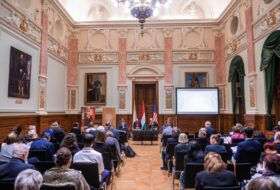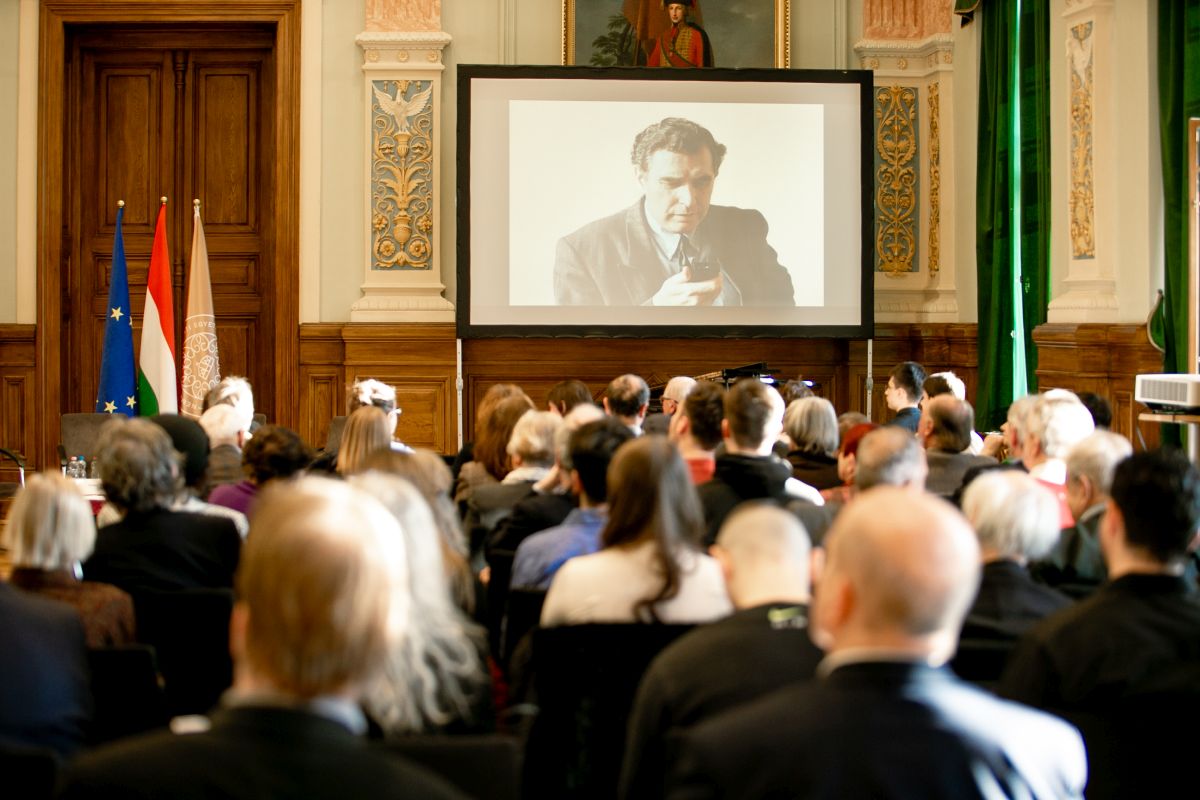
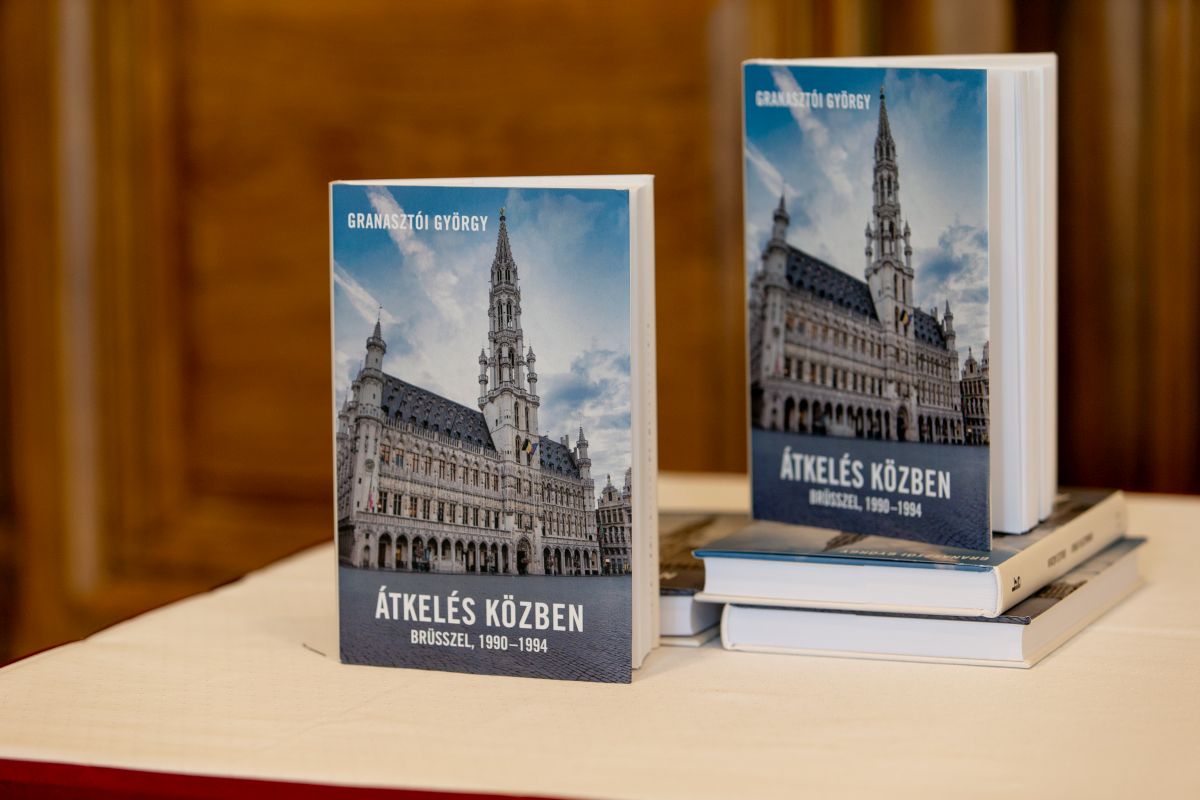
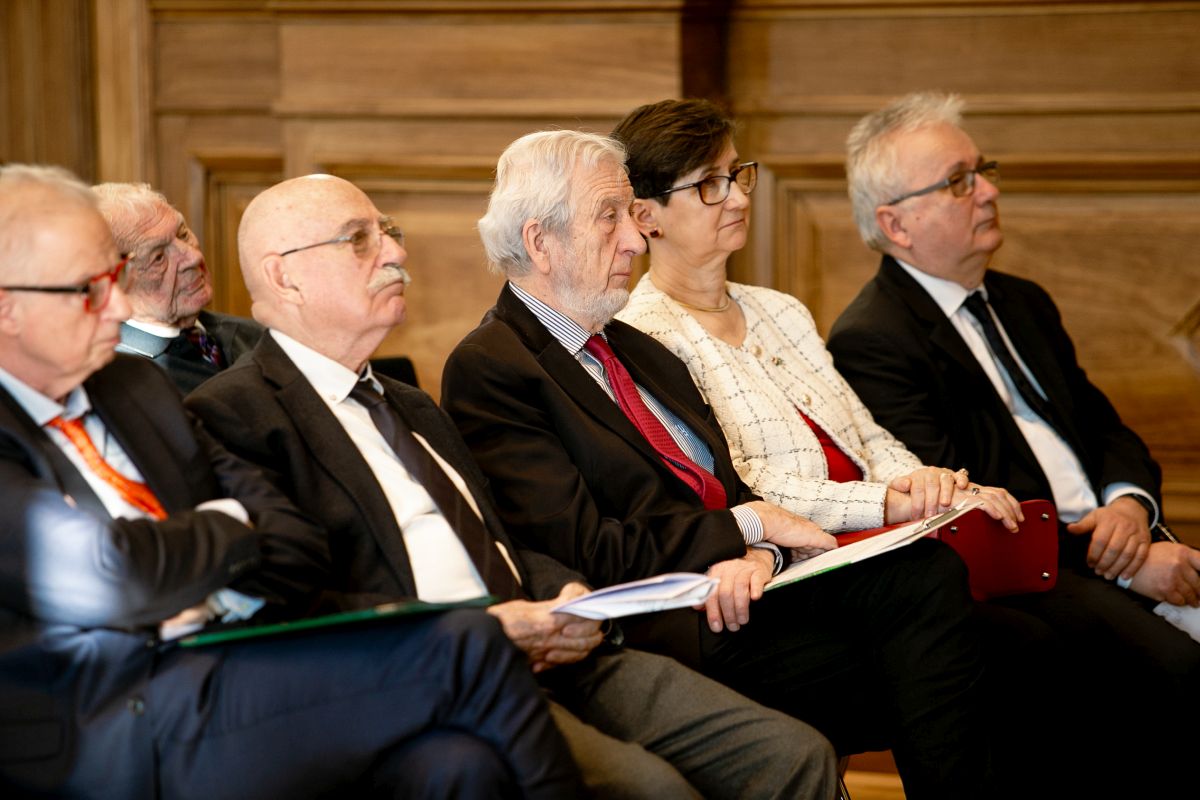
The Otto von Habsburg Foundation and the John Lukacs Institute of the Ludovika University of Public Service remembered the late professor of Eötvös Loránd University (ELTE) and Hungarian Ambassador to Brussels together with family members, former students, colleagues, and friends. The event also introduced his diary, published last autumn by Gondolat Publishing House with the support of our Foundation.
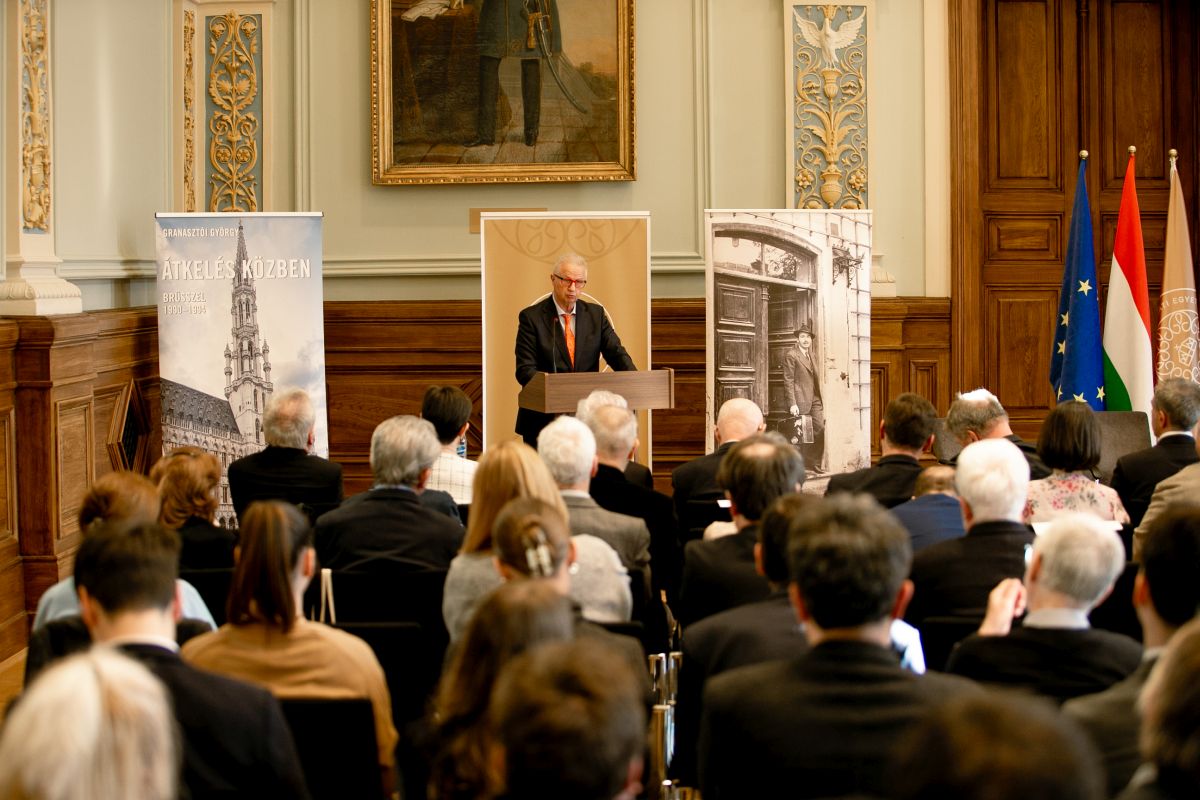
In his opening remarks, László Szegedi, Vice-Rector for Education at Ludovika University, highlighted in Granasztói’s rich life the noble ideal of service to the community – an example that should continue to inspire younger generations today. Gergely Prőhle, Programme Director of the John Lukacs Institute, emphasised the diplomat’s national and European commitment rooted in traditional civic values. Through his profound knowledge of his discipline and his innate talents, the historian became one of those who – both in government following the 1989–90 political transition and later in opposition – steadfastly championed a pro-Western orientation.
With his introductory reflections, László Trócsányi recalled the years of the regime change. The Rector of Károli Gáspár University of the Reformed Church in Hungary and former Minister of Justice described the Antall government as an intellectual circle dominated by historians and scholars of the humanities. Alongside Prime Minister József Antall, figures such as Lajos Für, Géza Jeszenszky, and Tamás Katona held leading positions in government, while Gábor Erdődy, András Gergely, László Ódor, János Szávai, and László Szörényi were active in the diplomatic service. Among the decisive moments covered in the diary was the meeting of the NATO Ministerial Council on 28 October 1991, when József Antall became the first leader of a Central European state to meet the organisation’s leadership – an event in the preparation of which Granasztói was instrumental. Drawing on his own diplomatic experience, Trócsányi praised the official reports, confidential assessments, and background papers included in the volume’s appendix, which reveal the intellectual versatility, synthesising ability, and incisive judgement of a scholar venturing onto the international stage. He described the historian as an “amateur” in the original sense of the word – someone fully devoted to the cause and the community he served.
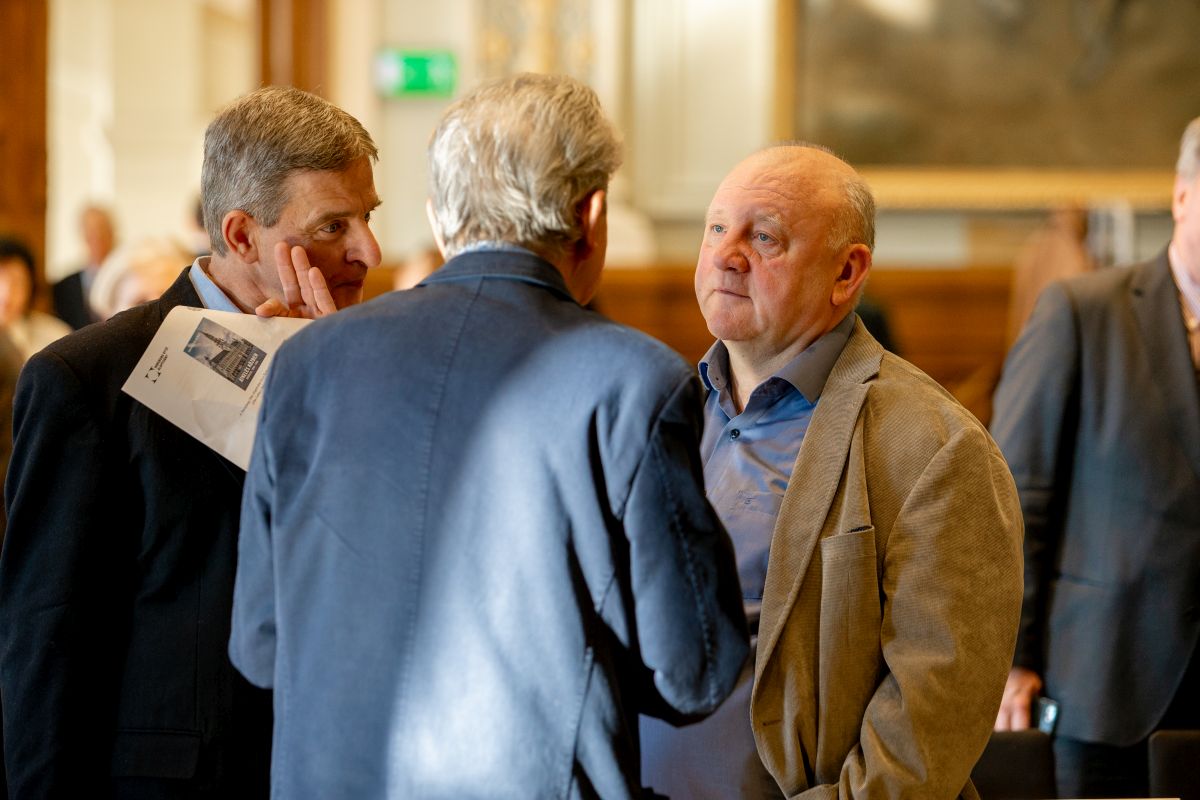
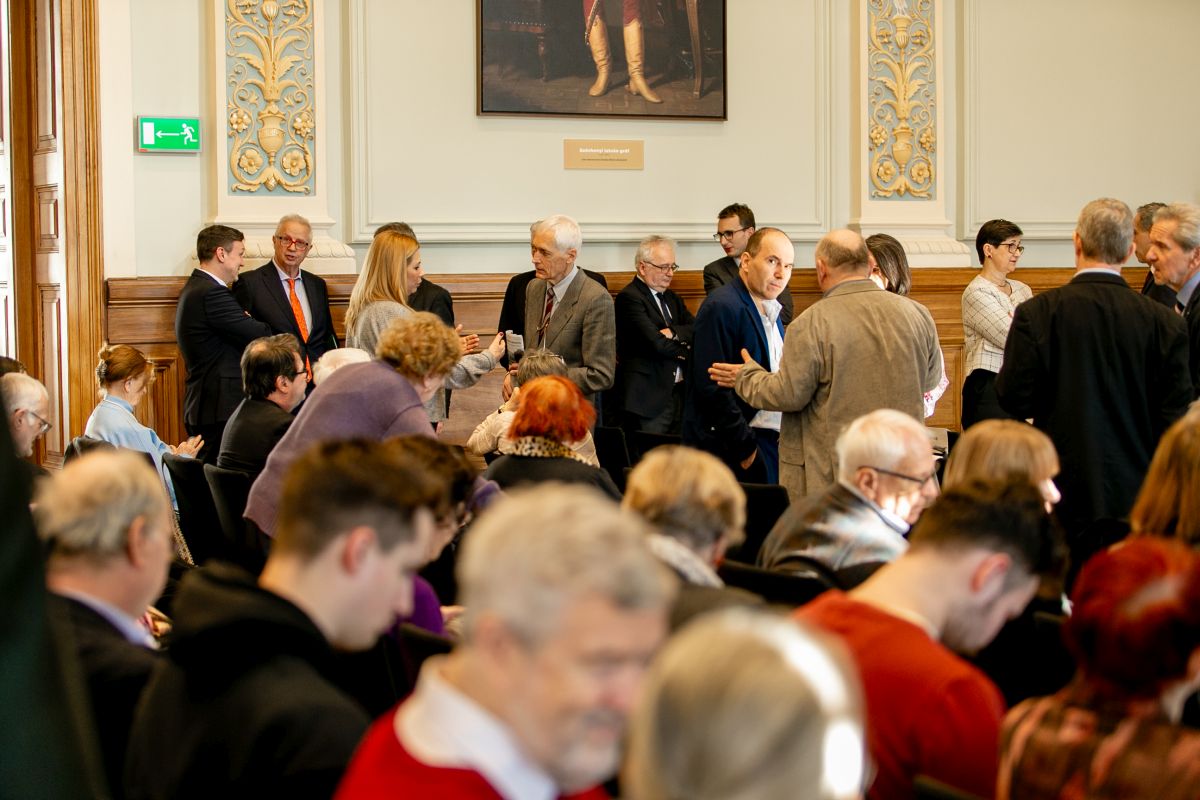
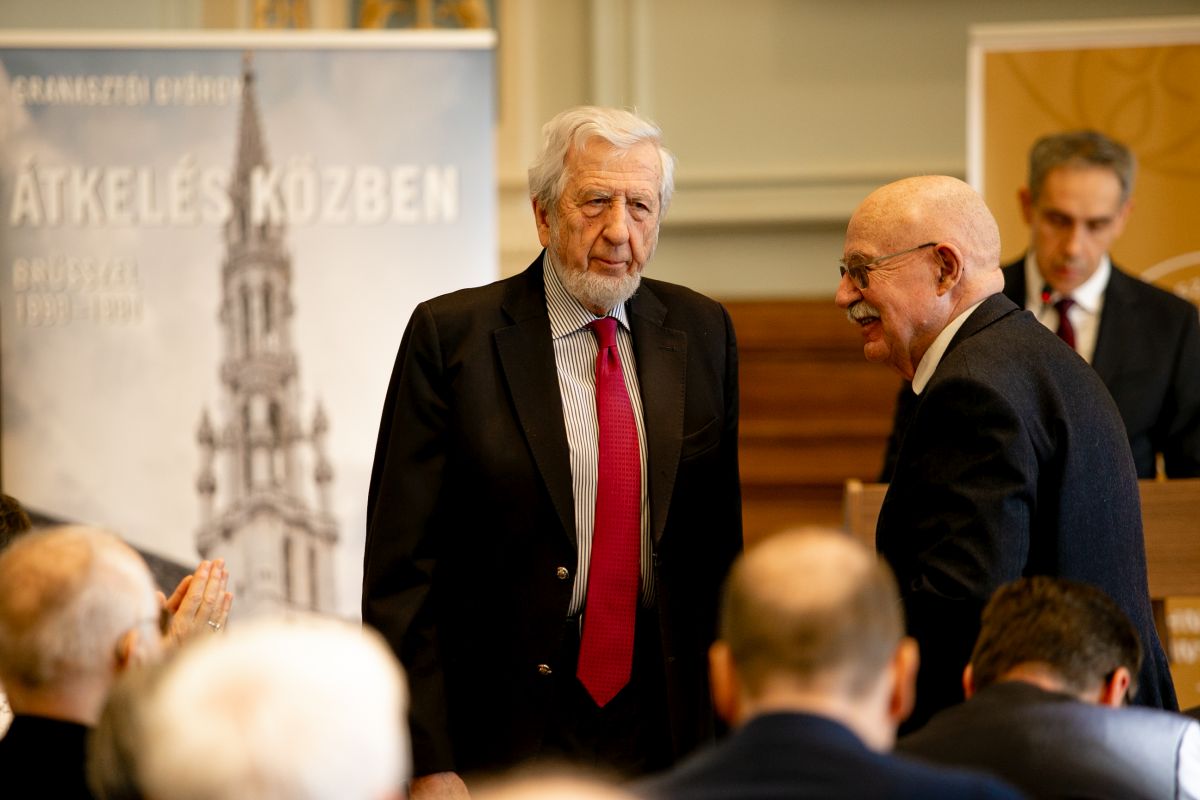
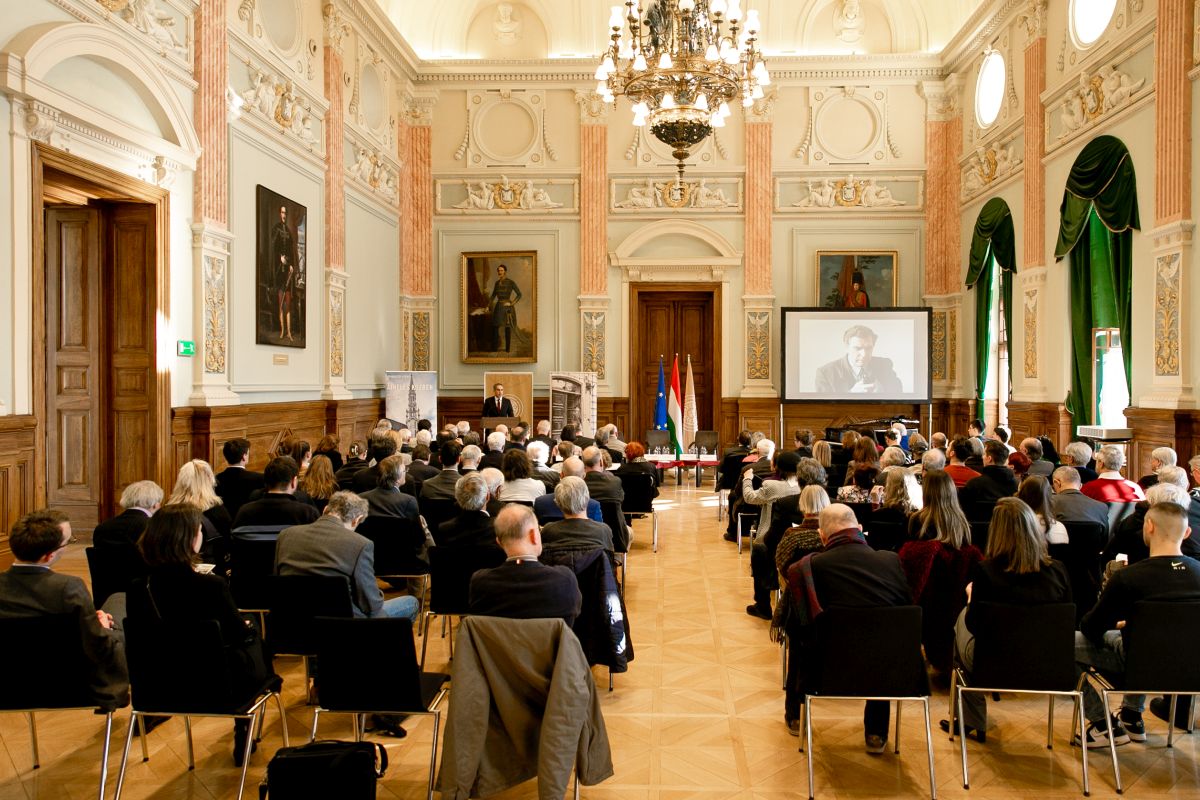
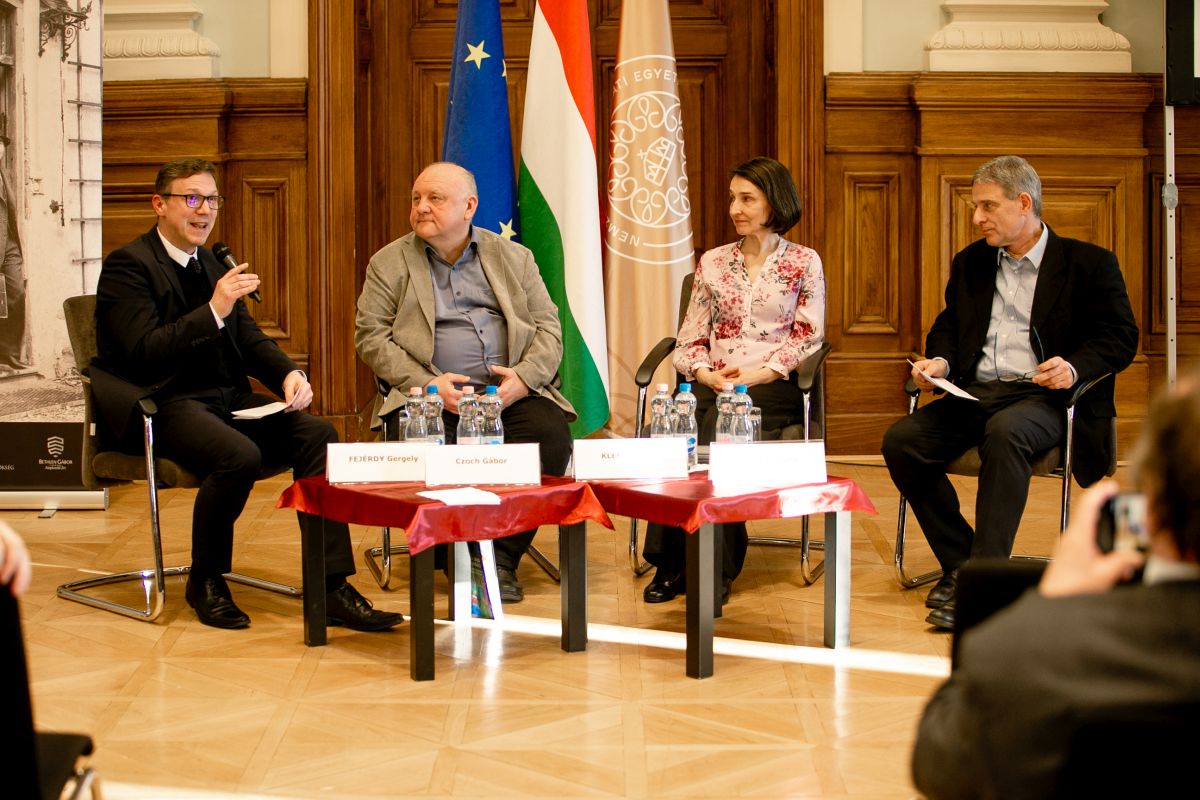
György Granasztói’s scholarly legacy was discussed by Gábor Czoch and Judit Klement, lecturers at the Atelier Interdisciplinary Department of History at ELTE, together with László Zsinka (Institute of International and Political Studies, Pázmány Péter Catholic University), who also come from the same academic circle. Reflecting on their former professor’s methodological outlook, the speakers noted that, following the traditions of the French Annales school of historiography, he introduced several research methods that later became widely adopted. His work was characterised by a problem-oriented approach to historical inquiry and by a readiness to adapt to new paradigms shaping historical interpretation – for instance, the emergence and spread of computer-assisted data analysis. All this he pursued with the ethos of a European-minded citizen, maintaining openness and curiosity in personal relationships while continuously developing the Atelier workshop, which over the decades became increasingly interdisciplinary and internationally recognised.
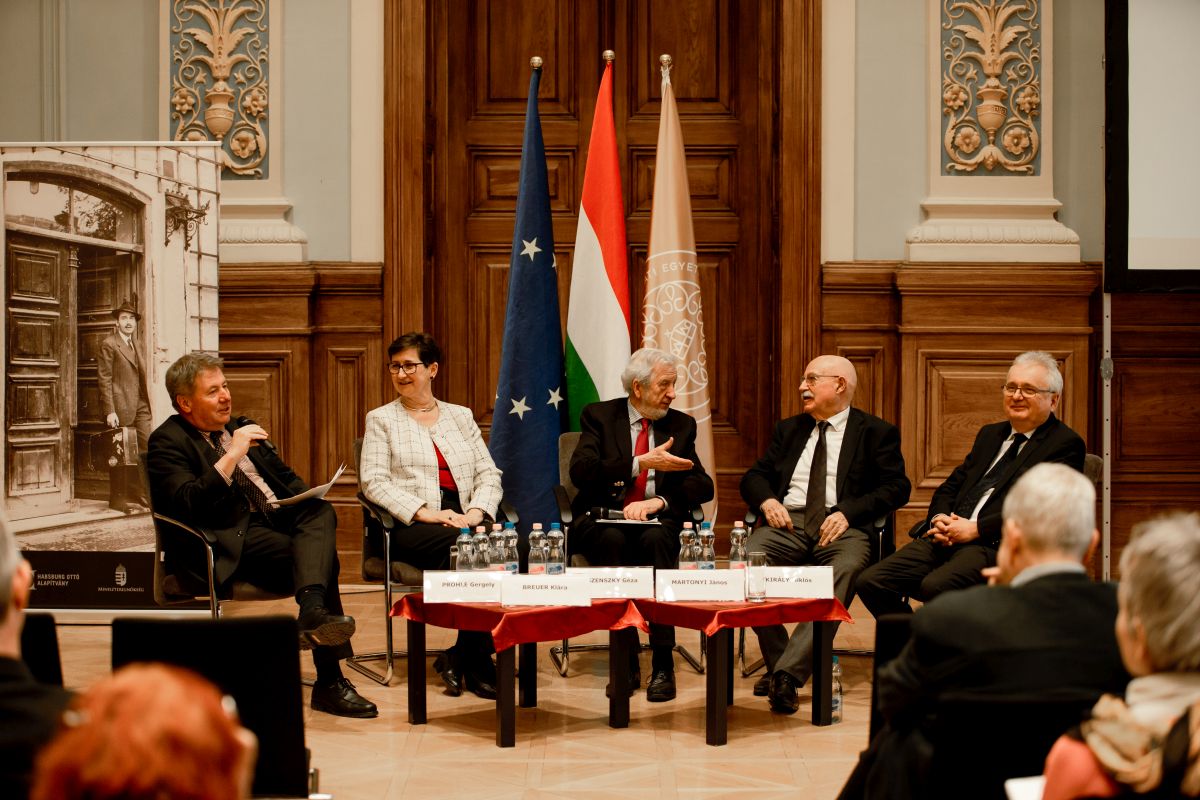
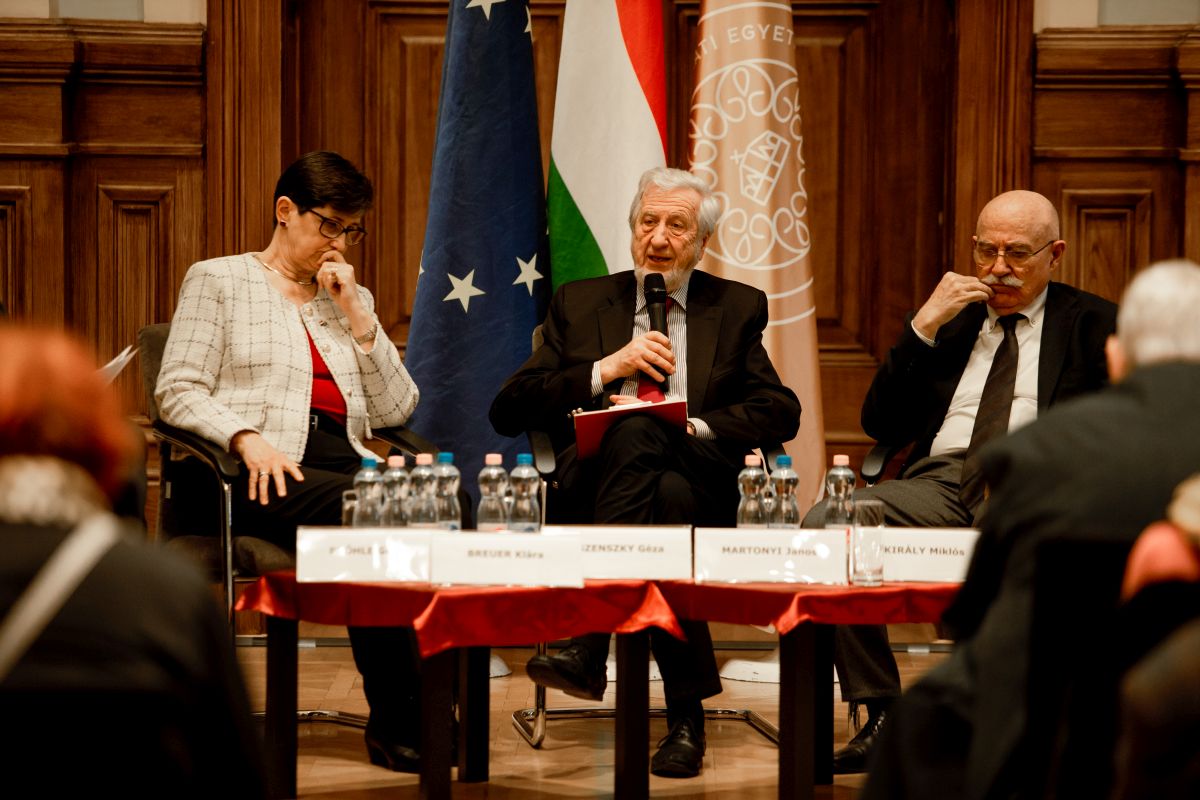
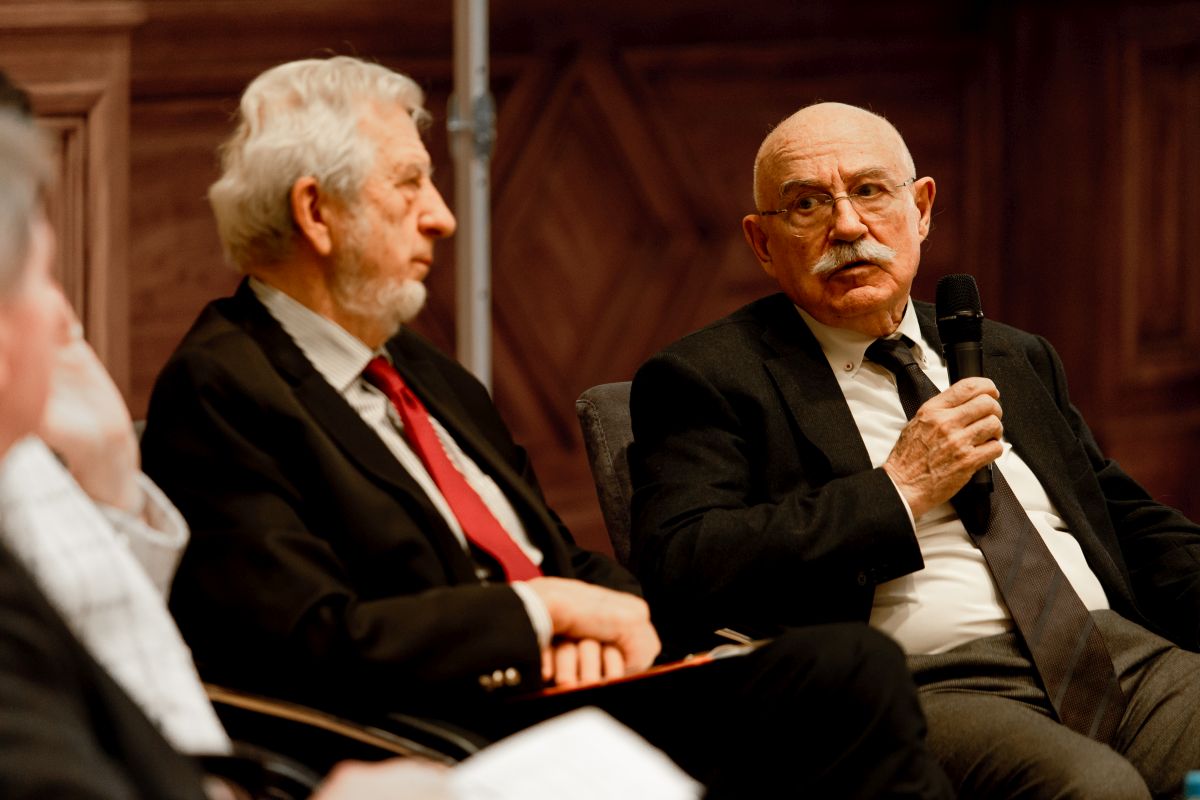
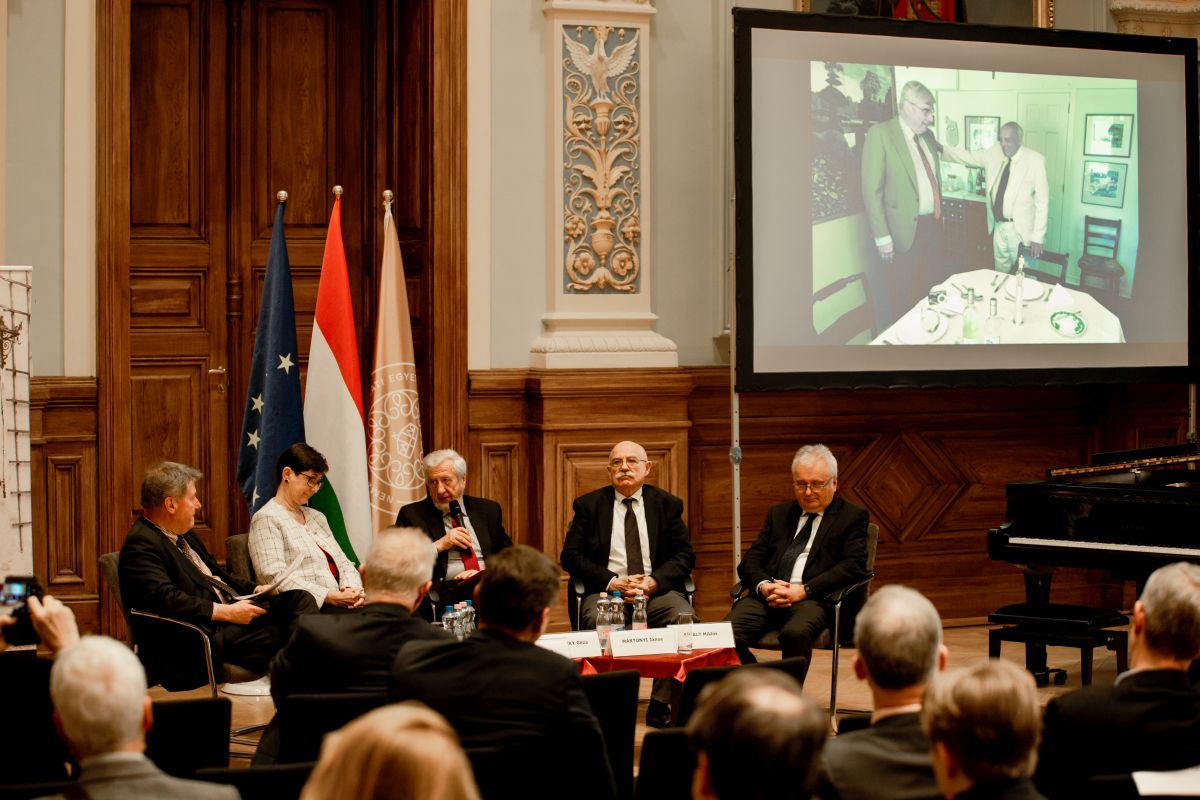
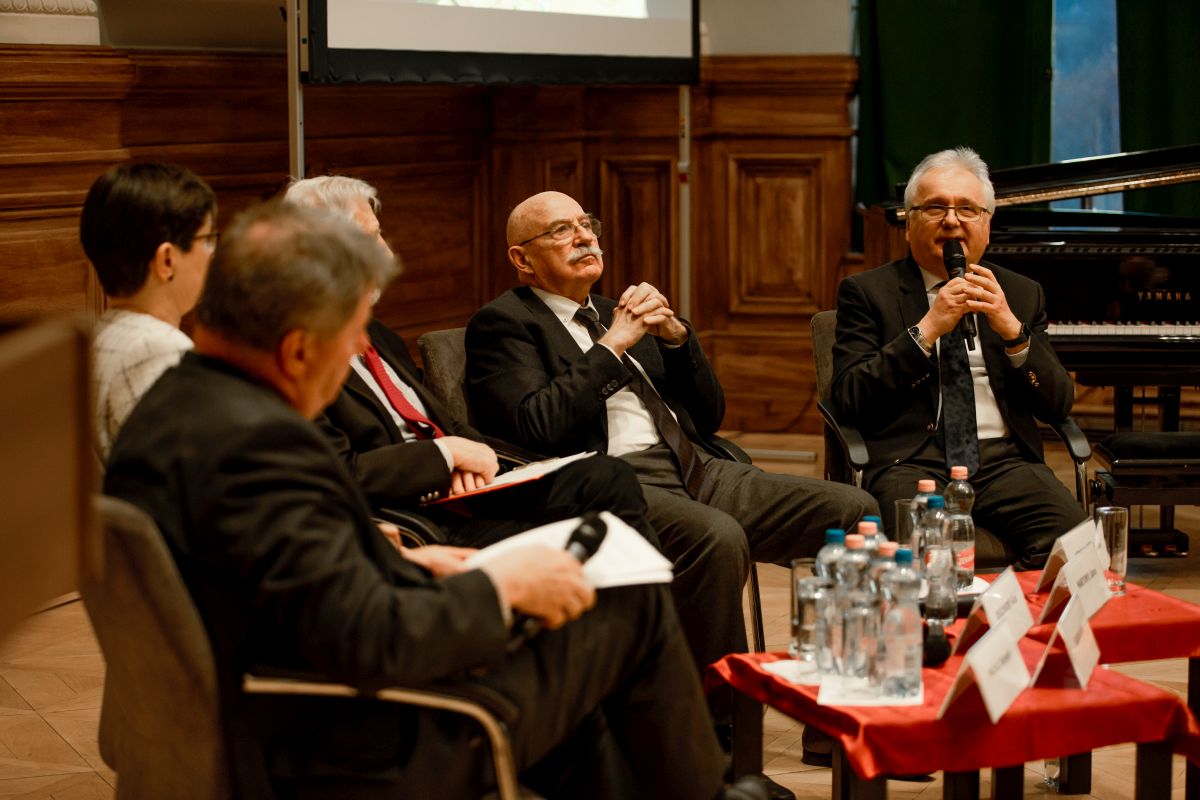
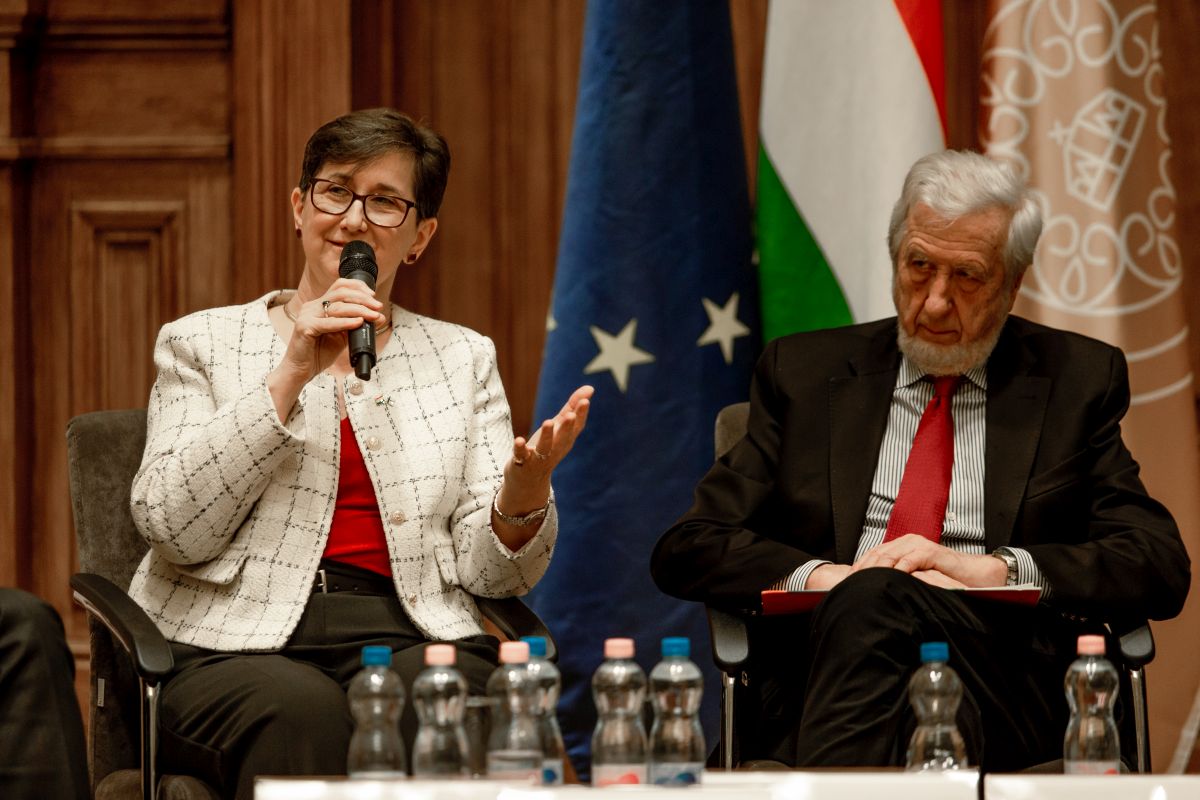
The second panel of the day examined the foreign-policy dimension of Hungary’s political transition. Former Ministers of Foreign Affairs Géza Jeszenszky and János Martonyi, Miklós Király, Head of the Department of Private International Law and European Economic Law at ELTE, and Klára Breuer, a diplomat currently in active service, reflected on how they personally experienced the tangible prospect of European integration thirty-six years ago. Jeszenszky interpreted the slogan “Freedom and Property” used by the Hungarian Democratic Forum (MDF) in 1990, defining the intellectual orientation of the first freely elected government as a synthesis of national liberalism, Christian democracy, and the populist tradition, which nevertheless never conflicted with the aspiration to align Hungary with Western values. This inclination, Miklós Király noted, had long been present in Hungarian society – even amid the cataclysm of the Second World War, as evidenced by Sándor Márai’s 1941 essay Kassai őrjárat (Patrol in Košice).
“And in this historical and moral labyrinth – one that tested his character, physical and spiritual strength – he followed the path of loyalty with effortless elegance, and remained a worthy representative of his social milieu, his homeland, and his civilisation. European, Hungarian, a citizen. It is striking how naturally he believed that even the Soviet occupation could not sever us from the West. How confidently he believed that our ferry could not remain stranded on the eastern shore, and how unwaveringly he professed that it depended solely on us – more precisely, on the quality of our humanity – whether the rope would endure that would one day allow us, when the time came, to pull ourselves back to the western bank. And he was right.” In recalling György Granasztói, the participants agreed that in him the citizen willing to make sacrifices for his community briefly – yet meaningfully – assumed a role in high politics.
At the event, piano works by Frédéric Chopin and Károly Aggházy were performed by Máté Dömötör.
The full conference can be listened to here: