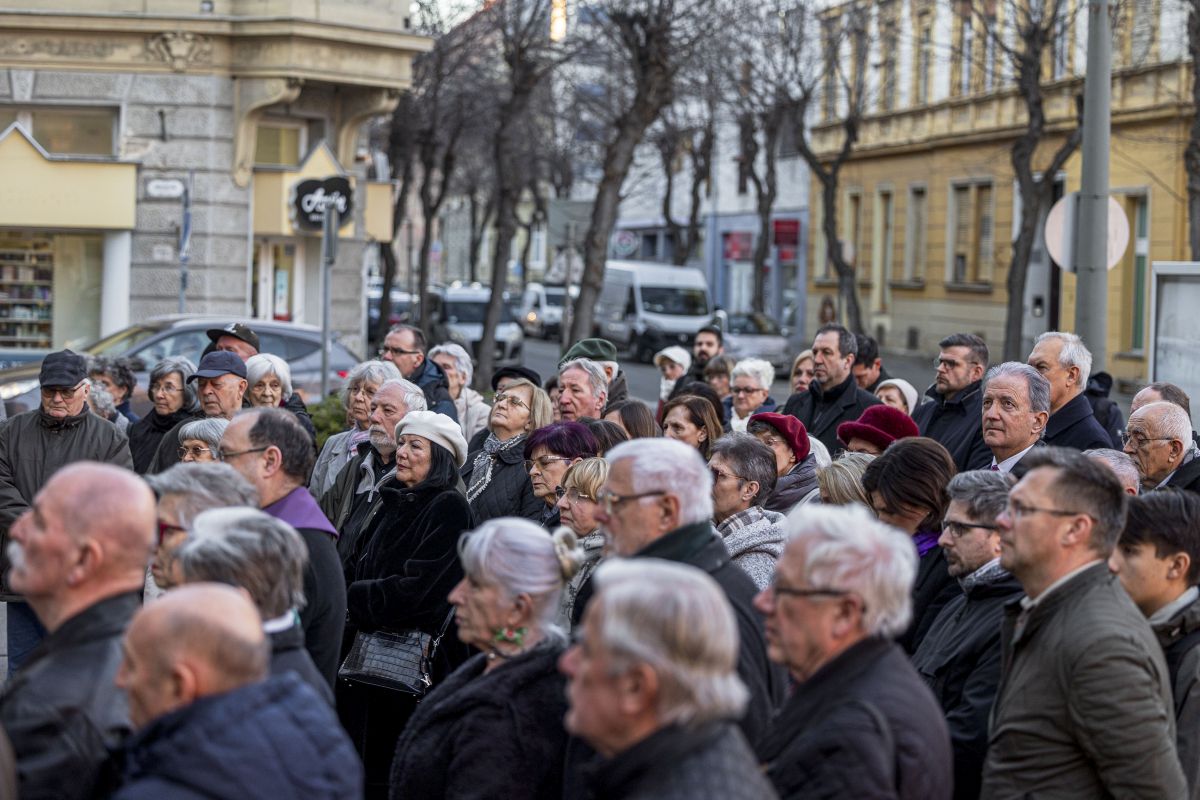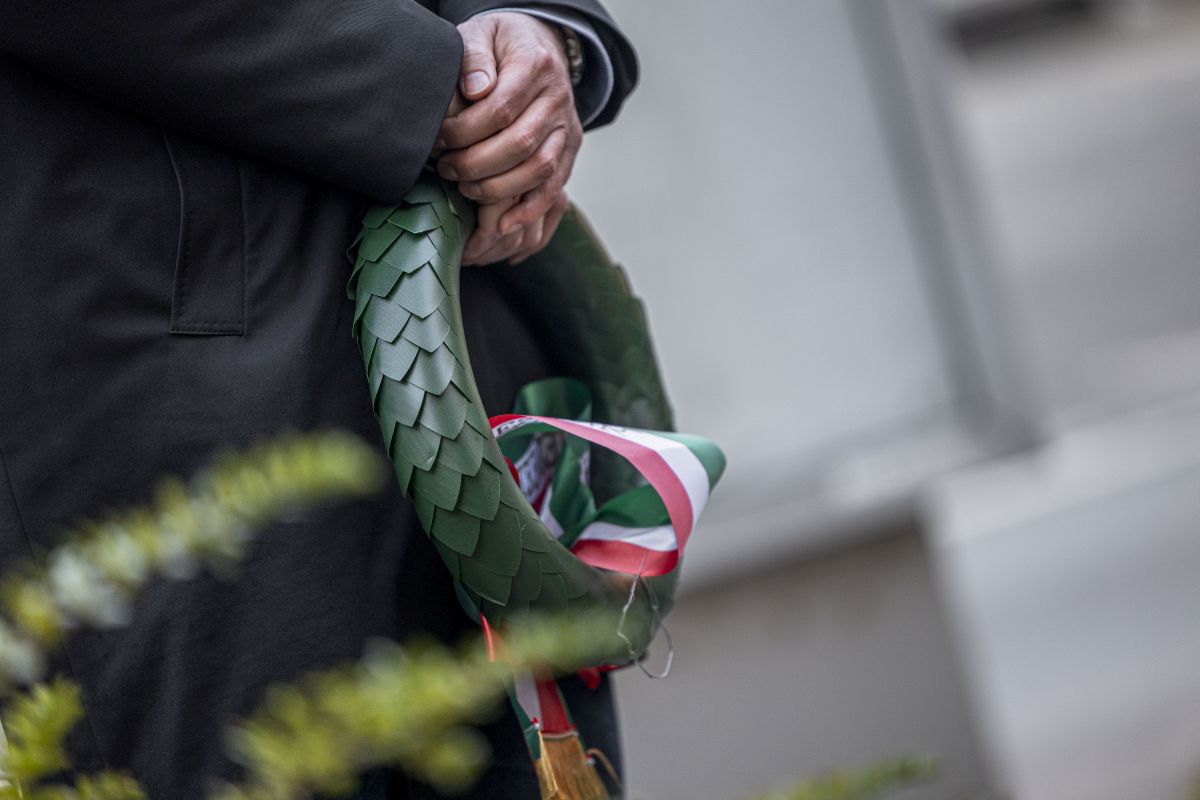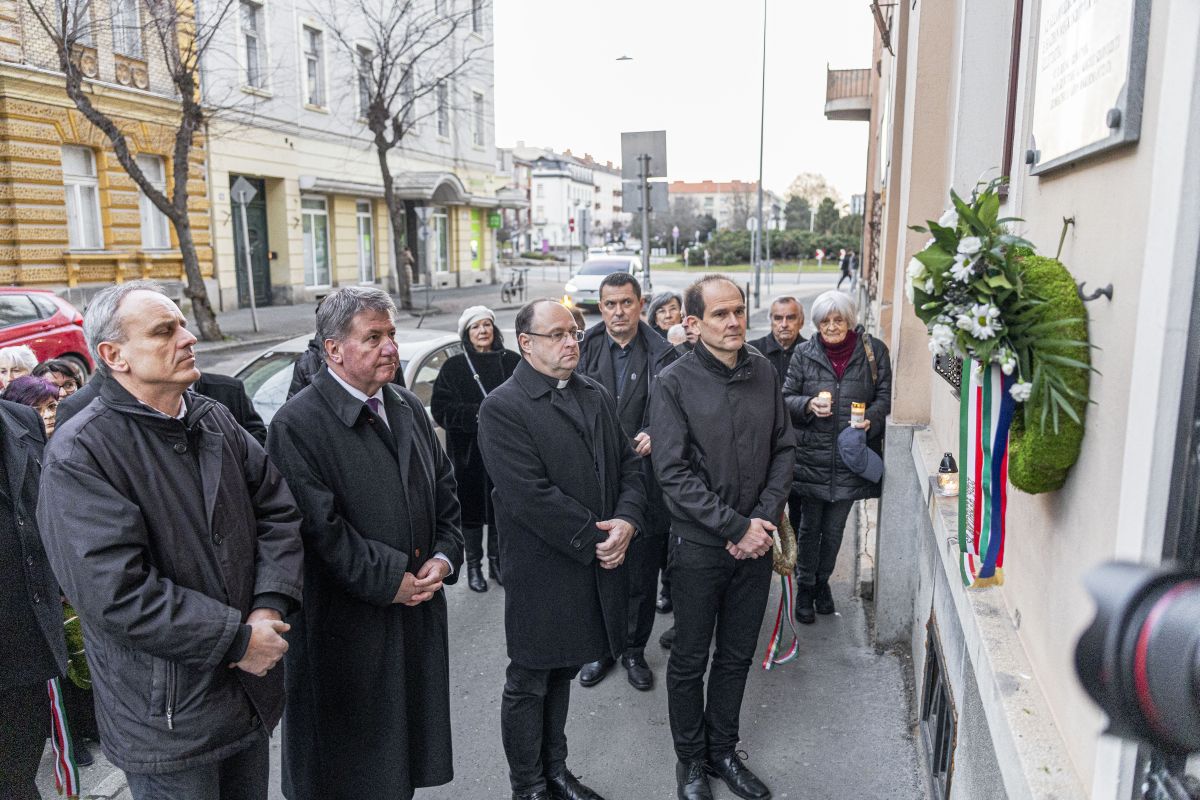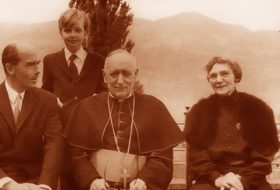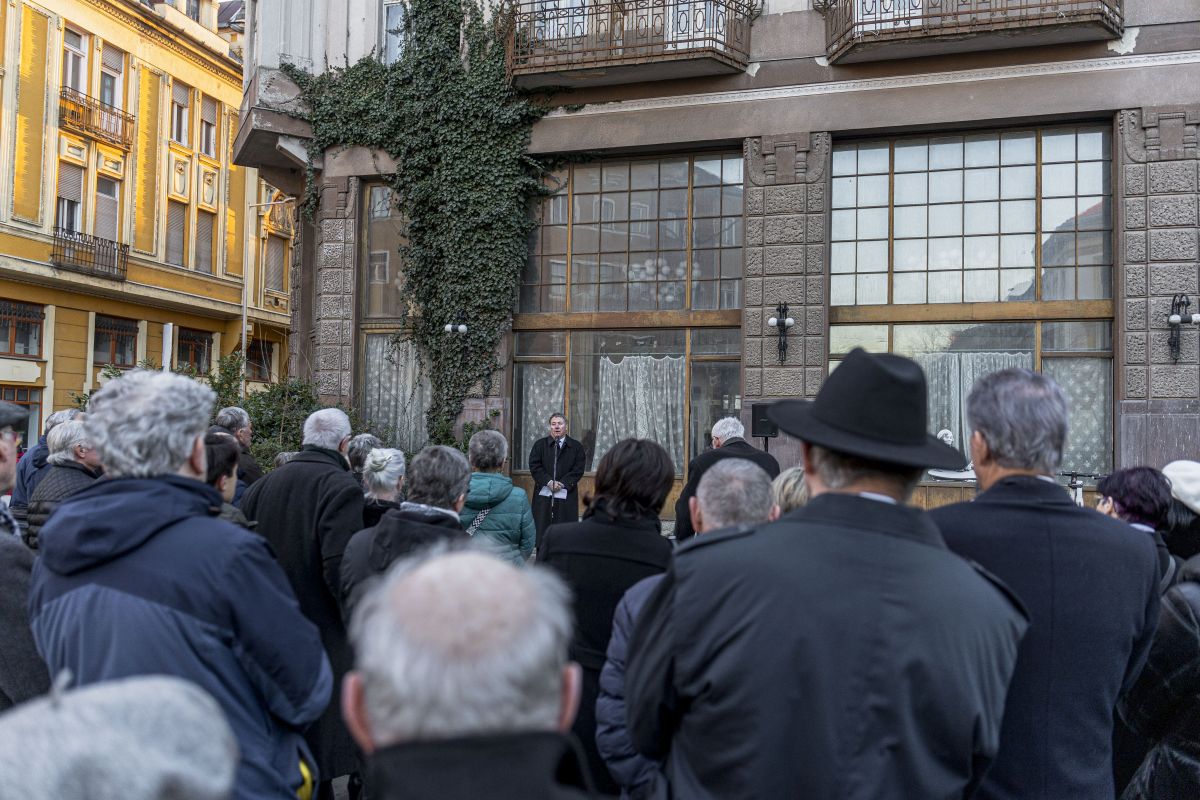
At the ceremony held on the square in front of the Savaria Grand Hotel – organized by the Honderű Table Society with the participation of several local civil organizations to commemorate the victims of the dictatorship – Gergely Prőhle, Director of our Foundation, also gave a speech. He recalled the abduction of Béla Kovács on 25 February 1947, which marked the beginning of the dismantling of Hungarian democracy. He emphasized that communism not only caused destruction in a physical sense but also tore apart communities and families. Quoting the warning words of Adam Michnik – “The worst thing about communism is what comes after it.” – he pointed out that while the real suffering of the victims of dictatorship must never be relativized, the effects of a totalitarian system can continue to live on in public life and in personal thinking even after its collapse. For this reason, he stressed, uncovering the past and speaking the truth remain a shared responsibility. He also reflected on the trials Szombathely faced in the twentieth century, referring to deportations and measures taken against local communities. He invoked the figure of József Mindszenty, whose spiritual legacy the communist regime sought to break, as well as that of János Brenner, a native of Szombathely who fell victim to the terror in 1957. The commemoration concluded with the laying of wreaths at the memorial plaque on Király Street.
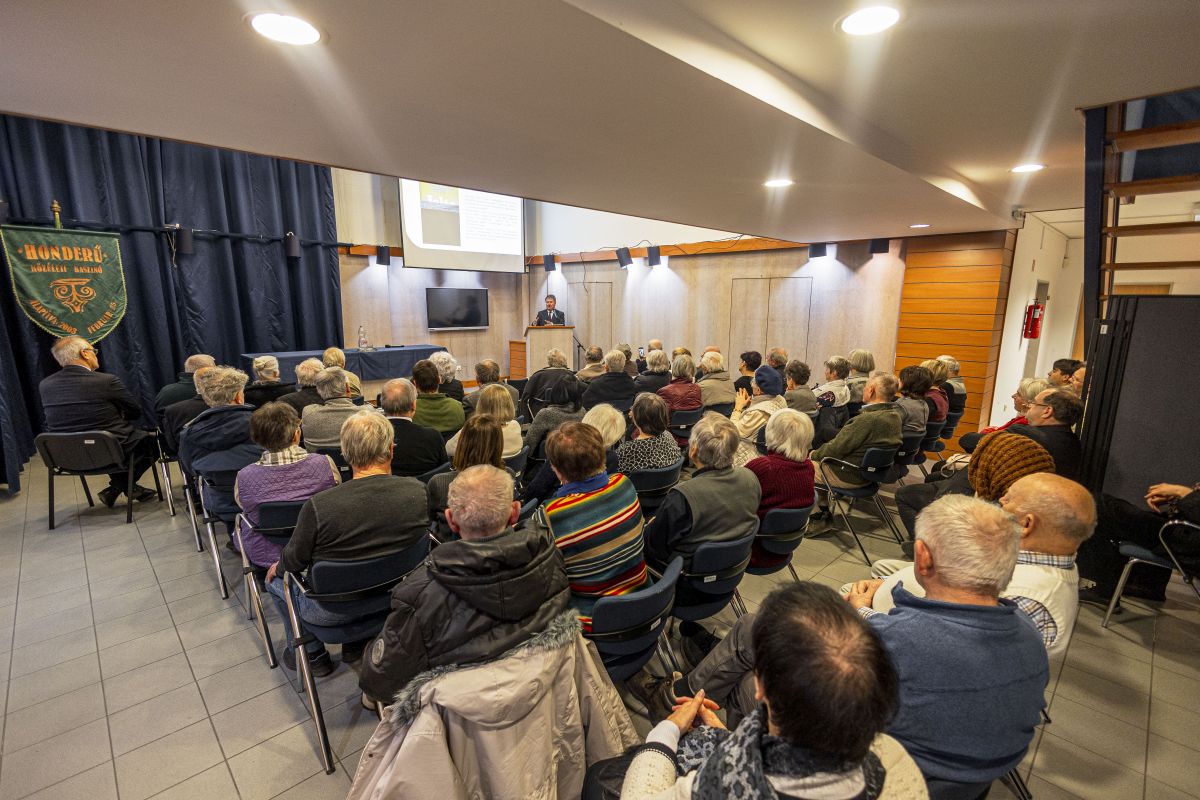
In the evening, the program continued in the lecture hall of the Vas County Archives, where Gergely Prőhle delivered a lecture entitled “Otto von Habsburg’s Anti-Communism.” He explained that Otto von Habsburg regarded communism not merely as a political system, but as a totalitarian experiment that denied freedom, religion, and human dignity. He also spoke about our namesake’s support for the Hungarian Revolution of 1956 and his conviction that the ultimate downfall of the regime stemmed from the human soul’s enduring desire for freedom.
The events in Szombathely thus served both as a dignified act of remembrance and as an opportunity for a deeper understanding of the broader historical context.