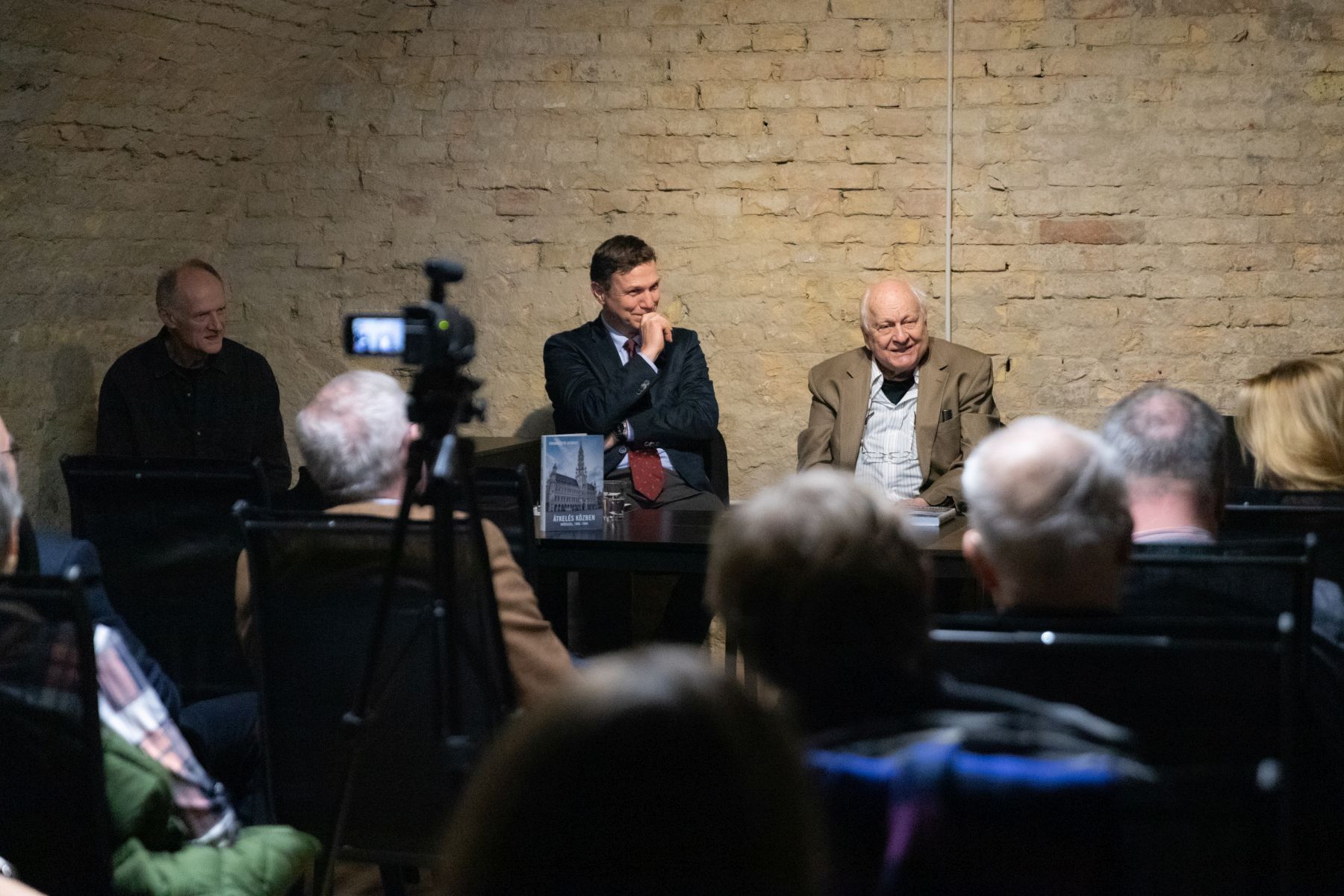
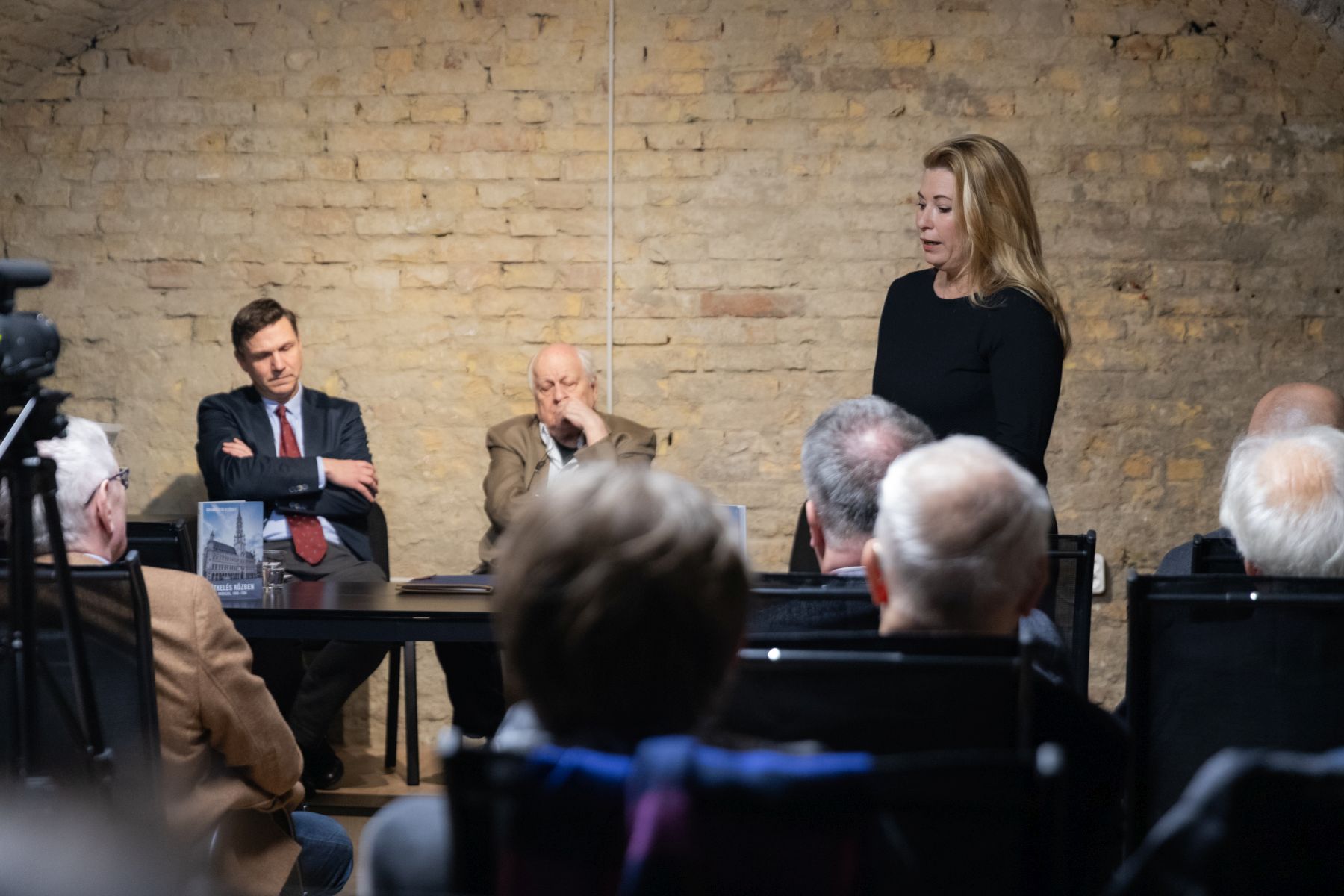
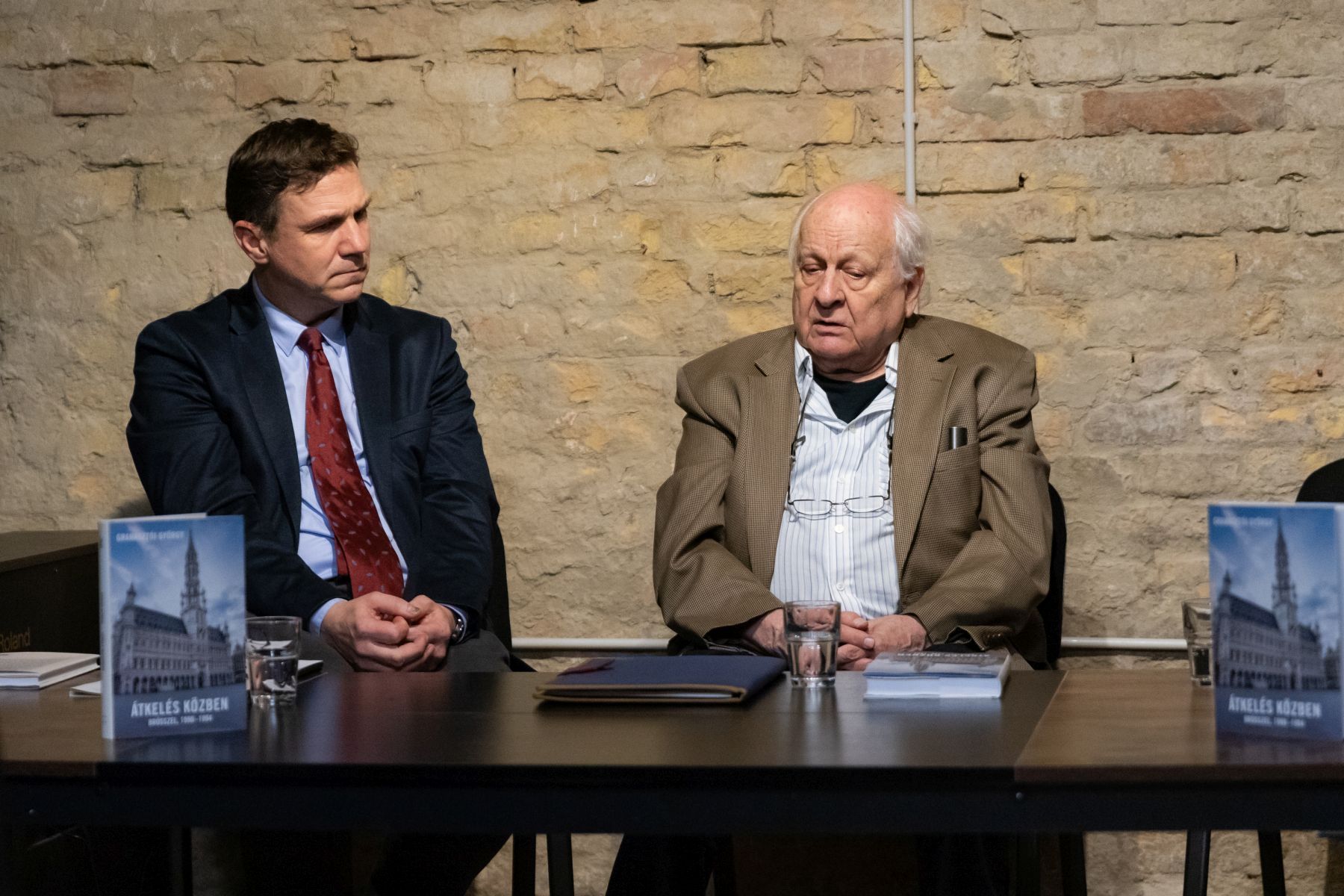
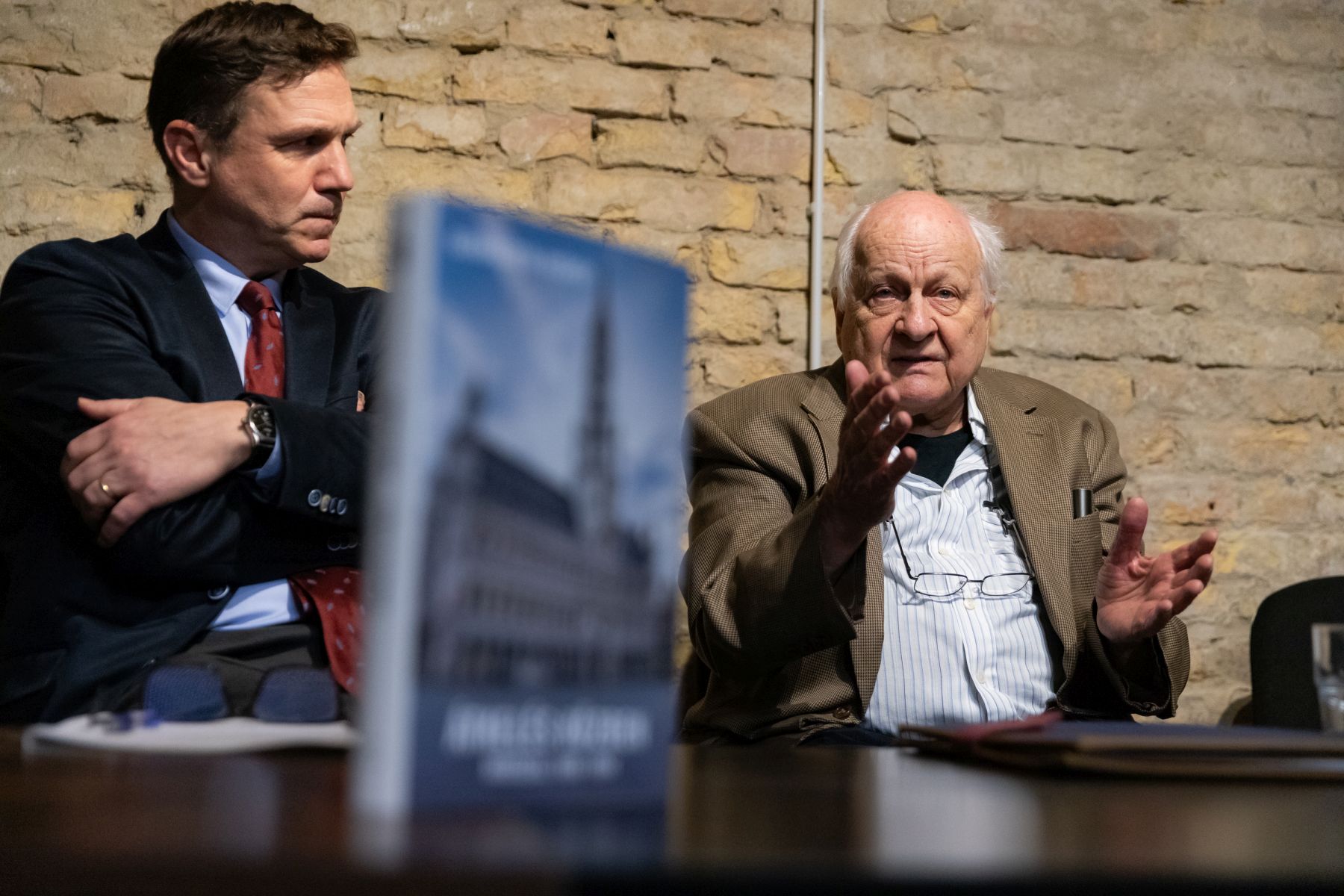
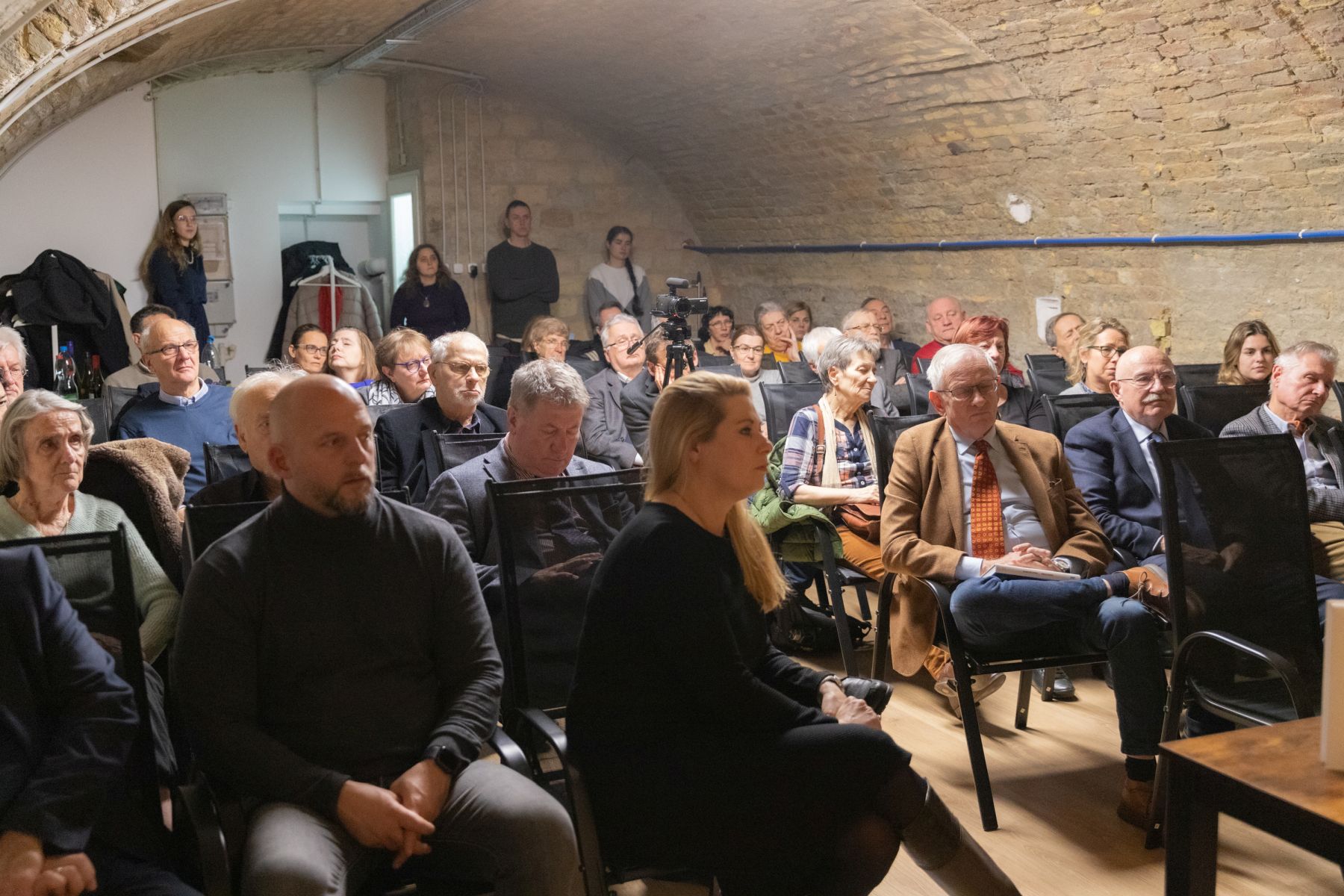
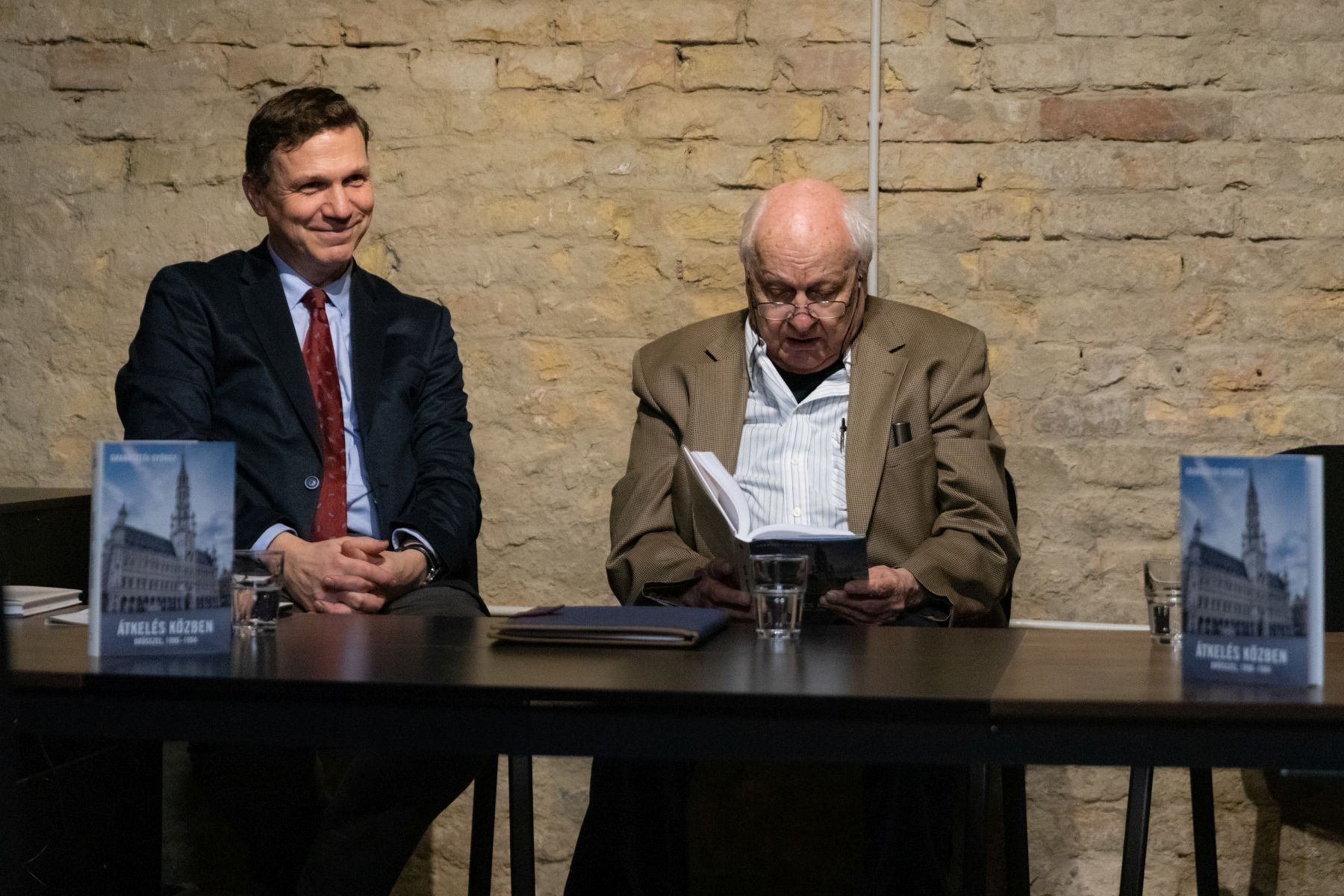
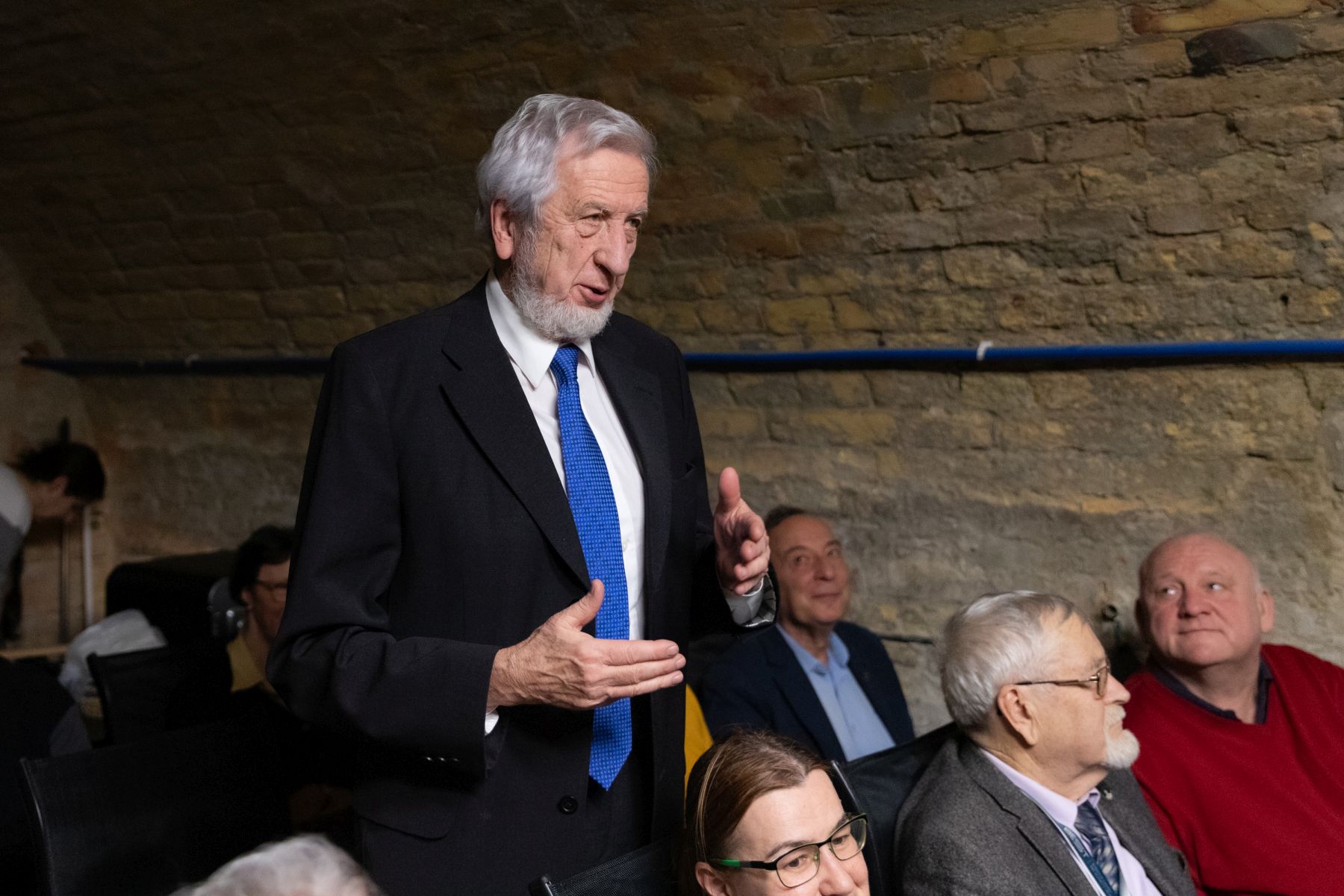
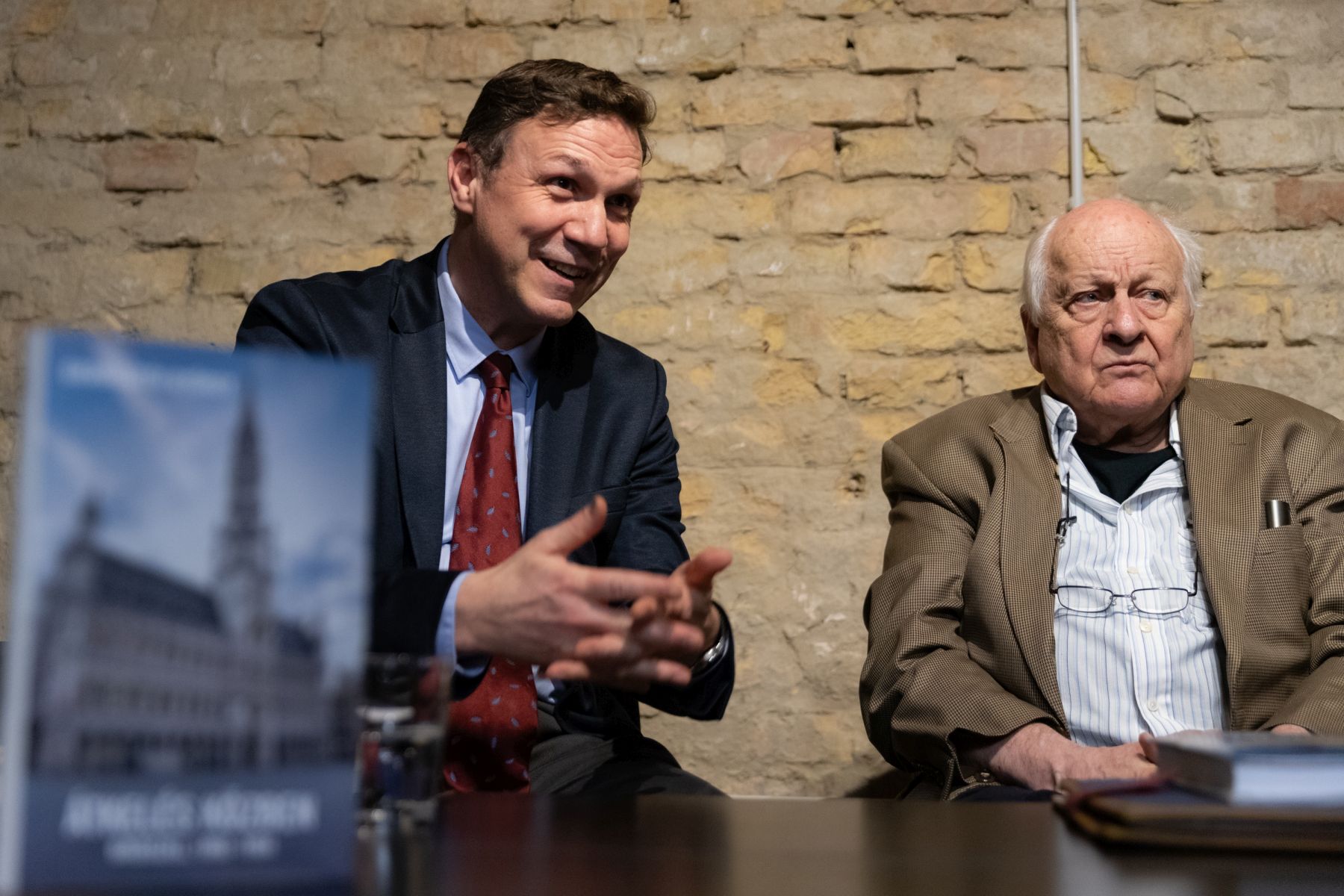
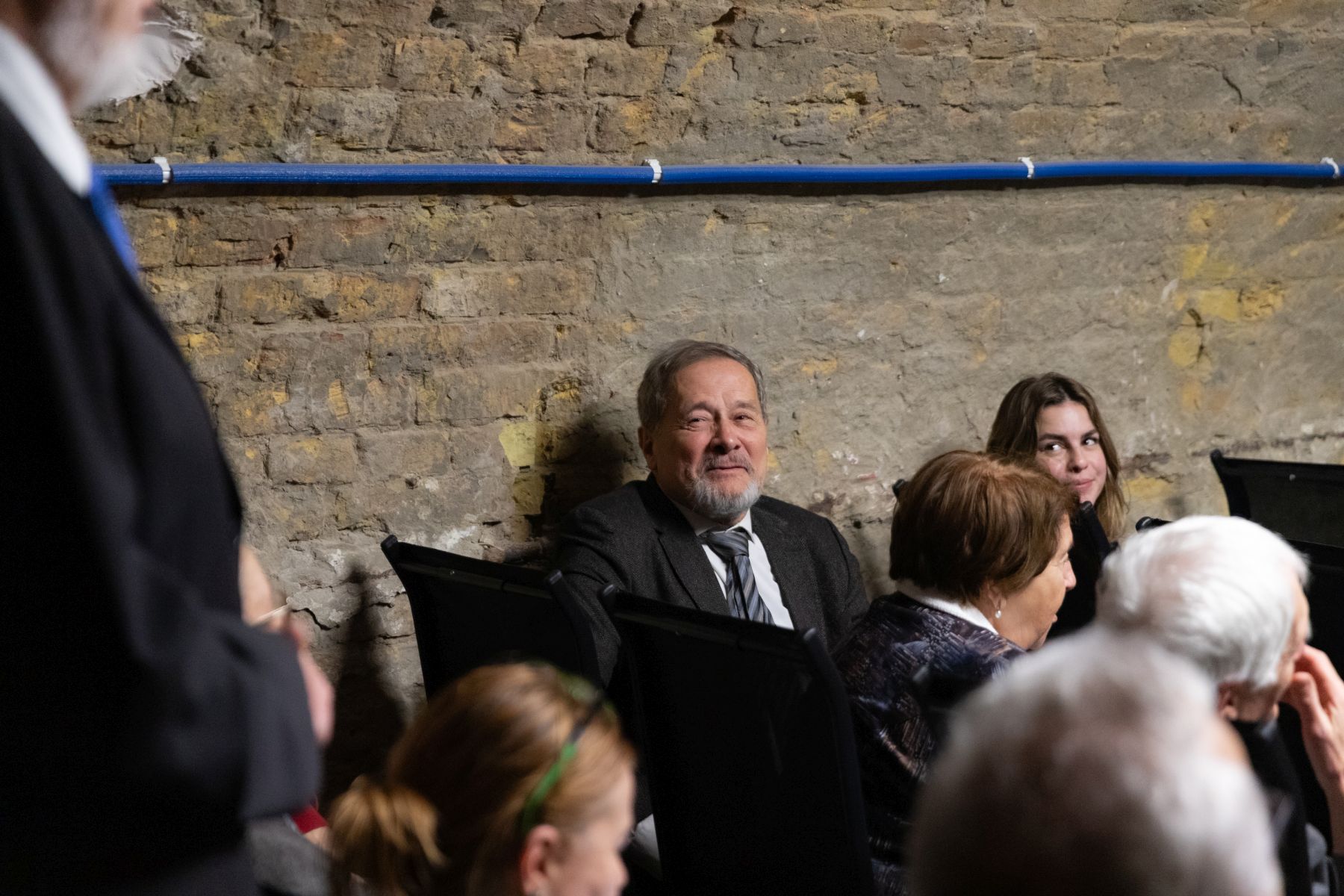
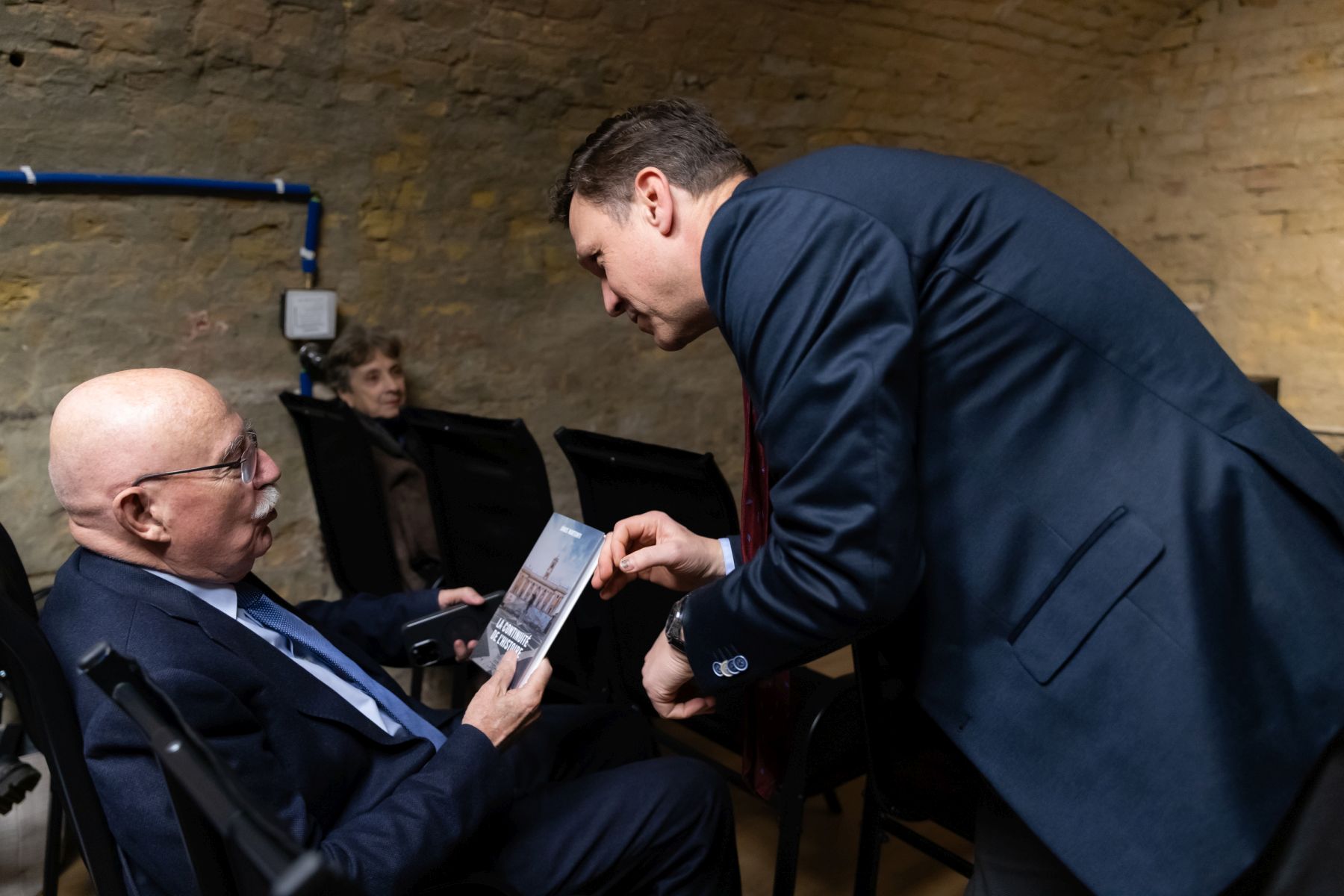
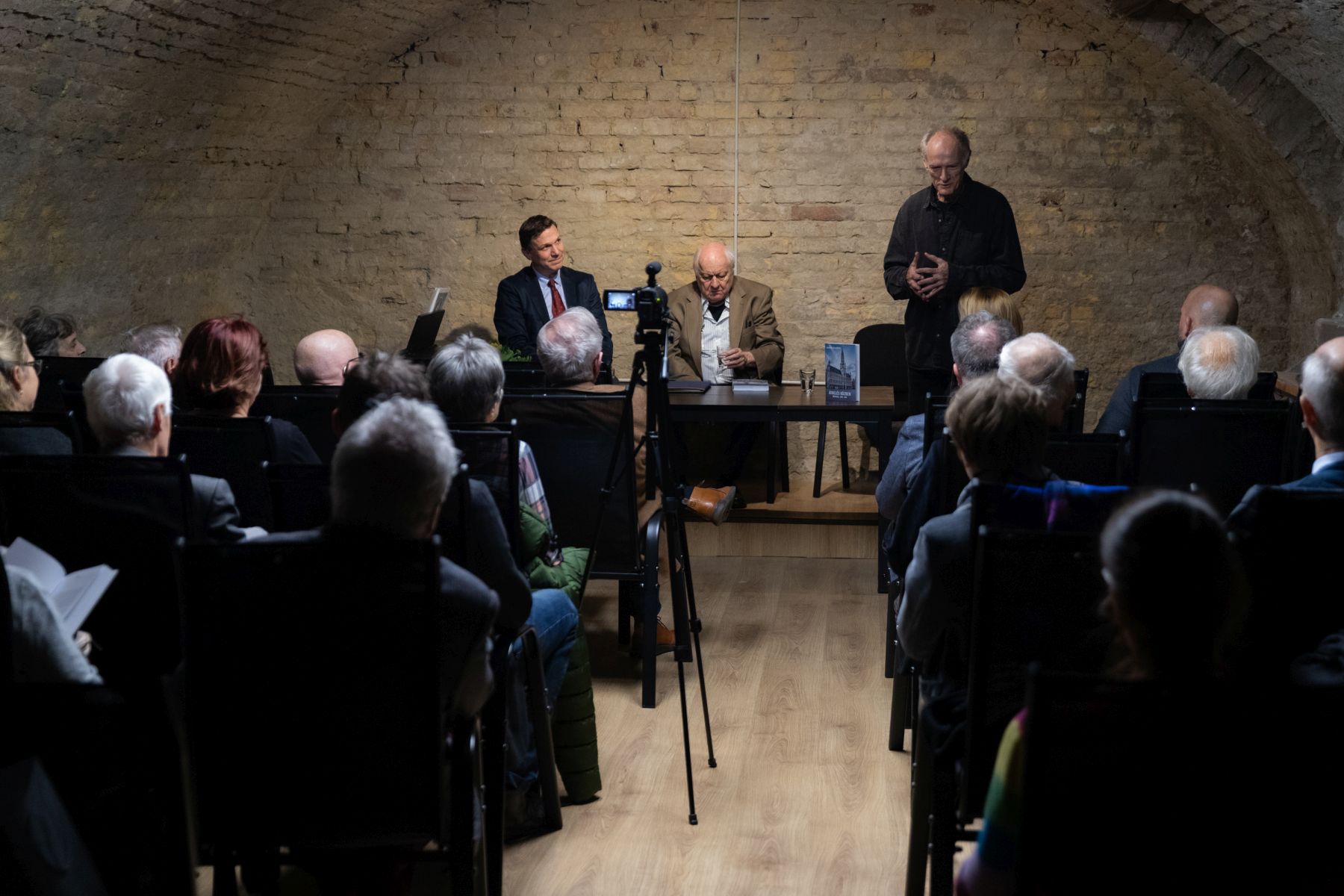
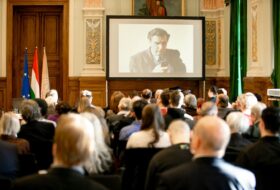
The volume, compiled from the daily entries of the Antall government’s ambassador in Brussels, is far more than a nostalgic evocation of the period of regime change: it stands as a testimony amid the challenges of the twenty-first century that Hungary has belonged to the West for a thousand years — as Gergely Prőhle emphasised in his welcome address. This was confirmed by the events of 1990, when, freed from the grip of an eastern empire, the nation was able to assemble a team of European-calibre representatives to lead the state and serve in its diplomatic missions. György Granasztói was among these outstanding professionals.
Initially, responsible solely for Hungarian–Belgian relations, the historian soon found himself — owing to his aptitude and at the personal request of the Prime Minister — in positions of decisive importance not only concerning the European Economic Community, but equally in relation to NATO and Hungary’s place within it, noted Gyula Kodolányi, former adviser to Prime Minister József Antall. He also outlined the author’s family background, which had preserved civic values, as well as the academic milieu — by no means untouched by great-power politics — which, from the 1970s onwards, made it possible for young Hungarian scholars to reach Western universities and institutes and to build their professional networks. It was no coincidence, he added, that József Antall selected many of his diplomats from among humanities scholars well acquainted with the culture of their prospective postings: thus did János Szávai go to Paris, László Szörényi to Rome, Gábor Erdődy to Berlin, and András Gergely, after an interlude in South Africa, to The Hague. Like György Granasztói, they too adapted swiftly to their new responsibilities and represented Hungary with distinction on the international stage.
Speaking about the fate of her father’s legacy and the process of editing the tape-recorded daily notes into a volume, Olga Granasztói pledged that any still-missing sections, should they come to light, would also be published.
Gergely Fejérdy expressed his gratitude to István Bácskai, director of Gondolat Publishing, and his colleagues for the care and high-quality execution of the edition. Our Foundation’s Deputy Scientific Director complemented the chronicle of principal events of the period missing from the diary, which he explained in detail in his postscript to the book. He also reviewed the relationship between our namesake and György Granasztói, an informal connection that accompanied the entire Brussels period, as illustrated through the exchange of letters written at the time of the diplomat’s resignation.
One of the most knowledgeable interpreters of Hungary’s foreign policy of the era, Géza Jeszenszky, analysed Hungary’s relationship with NATO in his remarks. Considering the geopolitical perils and possibilities that emerged in the region three and a half decades ago, he offered his recollections of the Prime Minister of the regime change and of József Antall’s foreign-policy credo.
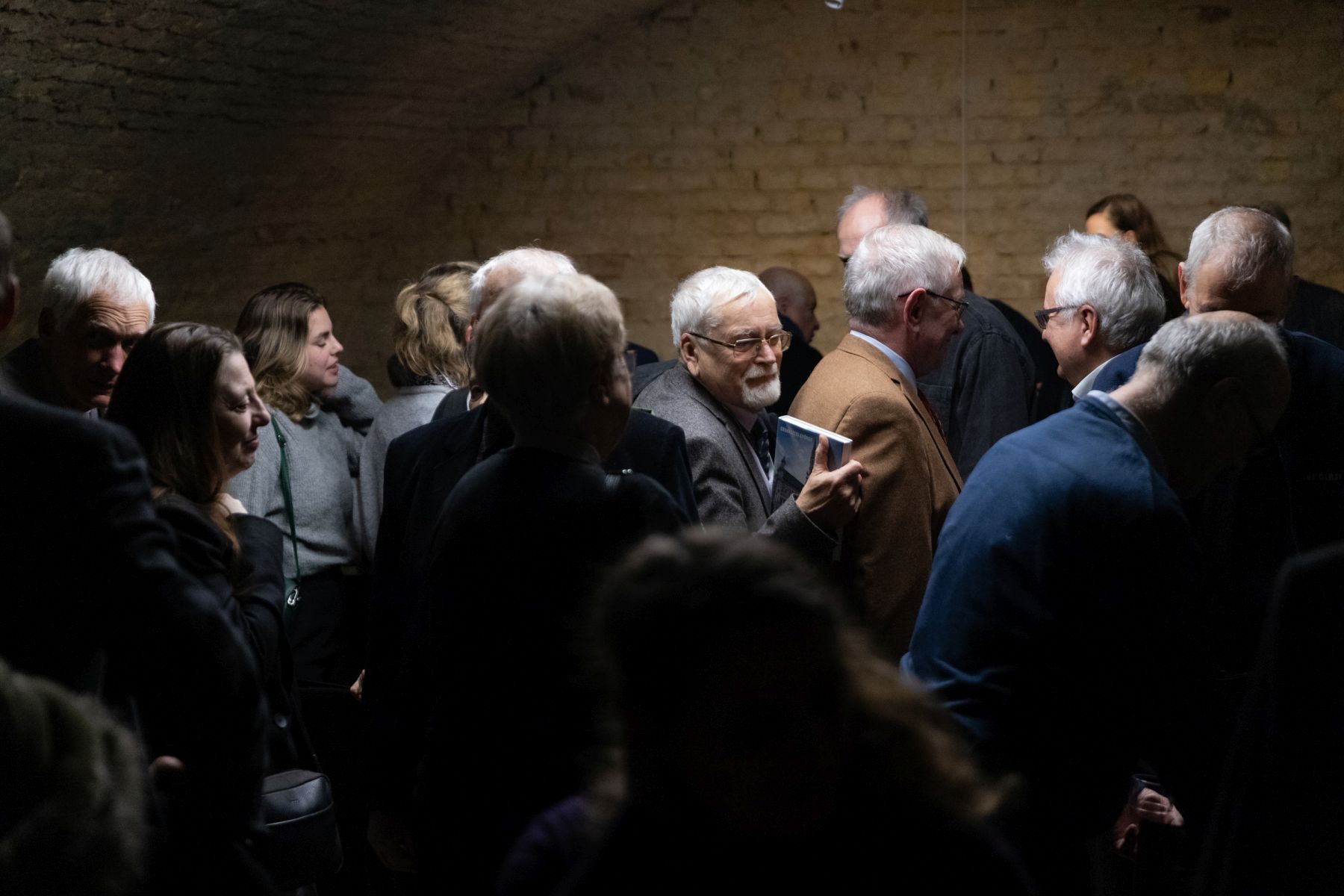
The book launch, held in the publisher’s newly opened venue, Gondolat Olvasó, concluded with a convivial reception.