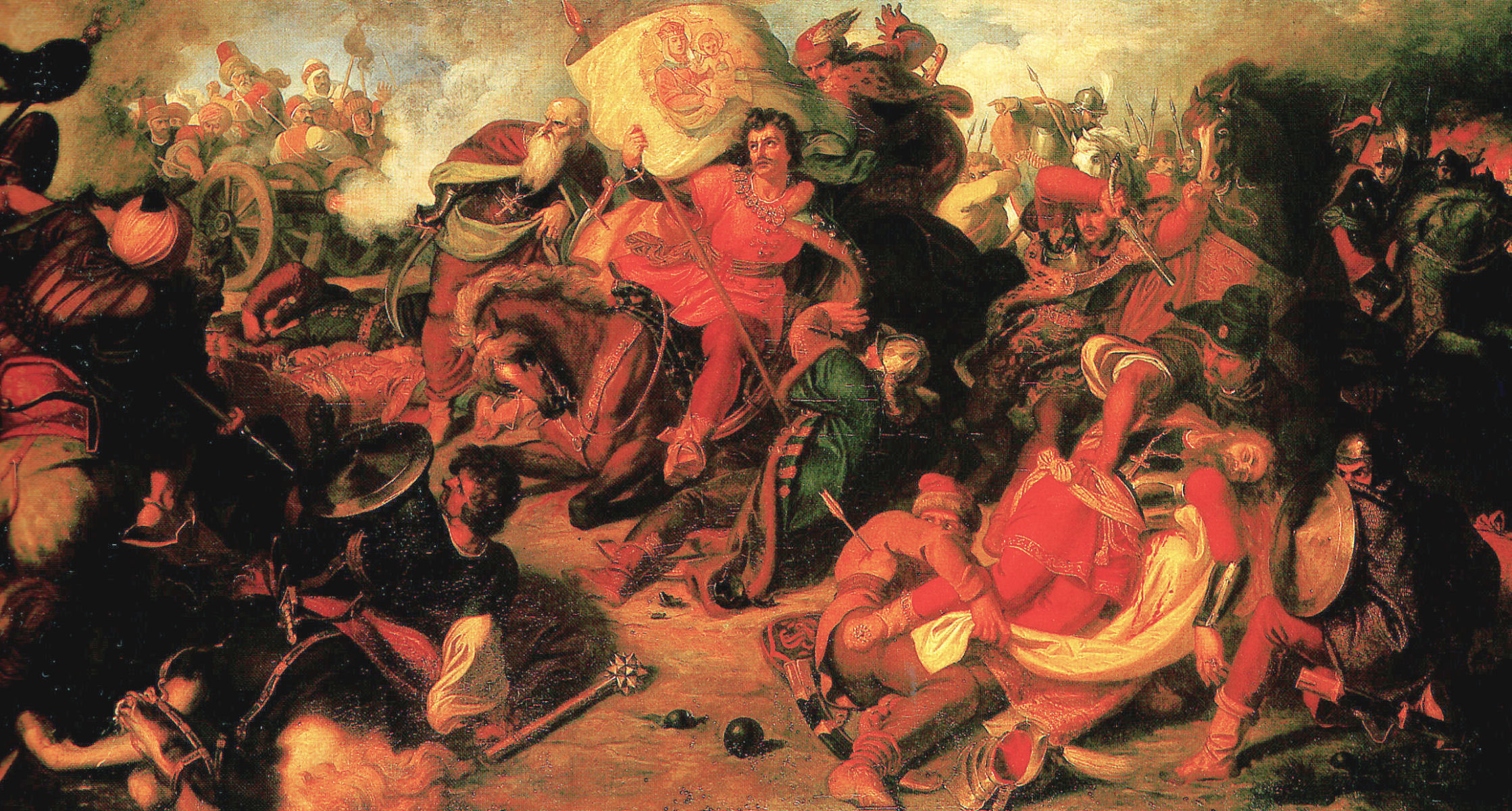
Mór Than: The Battle of Mohács (1856)
Mohács is remembered primarily as one of the gravest tragedies in the history of the medieval Kingdom of Hungary. Yet the defeat also marked the beginning of a new era, during which the political map of Central Europe was redrawn. The death of King Louis II of Hungary and Bohemia set in motion a struggle for the Hungarian throne. John Zápolya, voivode of Transylvania, and Archduke Ferdinand of Habsburg each drew support from different interests and allies, while the Ottoman sultan, Suleiman, had ambitions of his own. Before long, far more was at stake than possession of the Hungarian crown.
What future awaited a kingdom devastated by loss of life and torn by internal strife? How did Ferdinand I, initially one of the claimants to its throne, come to lay the foundations of a state that would endure for four centuries? Beyond the armed conflicts and diplomatic shifts, István Fazekas’s study illuminates the governing arrangements and compromises that enabled the Habsburg Monarchy to take shape and secured its long-term stability.