Ópályi is a village of just under three thousand inhabitants on the banks of the River Kraszna, situated in eastern Hungary near the town of Mátészalka. This is not the first time Otto von Habsburg has become part of the village’s history. In October 2004, the year of Hungary’s accession to the European Union, Ópályi awarded him Honorary Citizenship.
The initiative of the then mayor, Miklós Erdélyi, was warmly accepted by the former Crown Prince, who visited the village together with his wife. According to the commemorative record of the occasion, Otto delivered an hour-long address without notes, placing Hungary’s accession to the European Union into its broader historical context. Much as he did in an article available on our website, he also warned of the threat posed by Vladimir Putin, then President of Russia. It was this memorable visit that inspired the current mayor, the historian Albert Bálint, to approach the Foundation with the proposal to honour our namesake through the erection of a bust and the naming of the bridge spanning the River Kraszna after him.
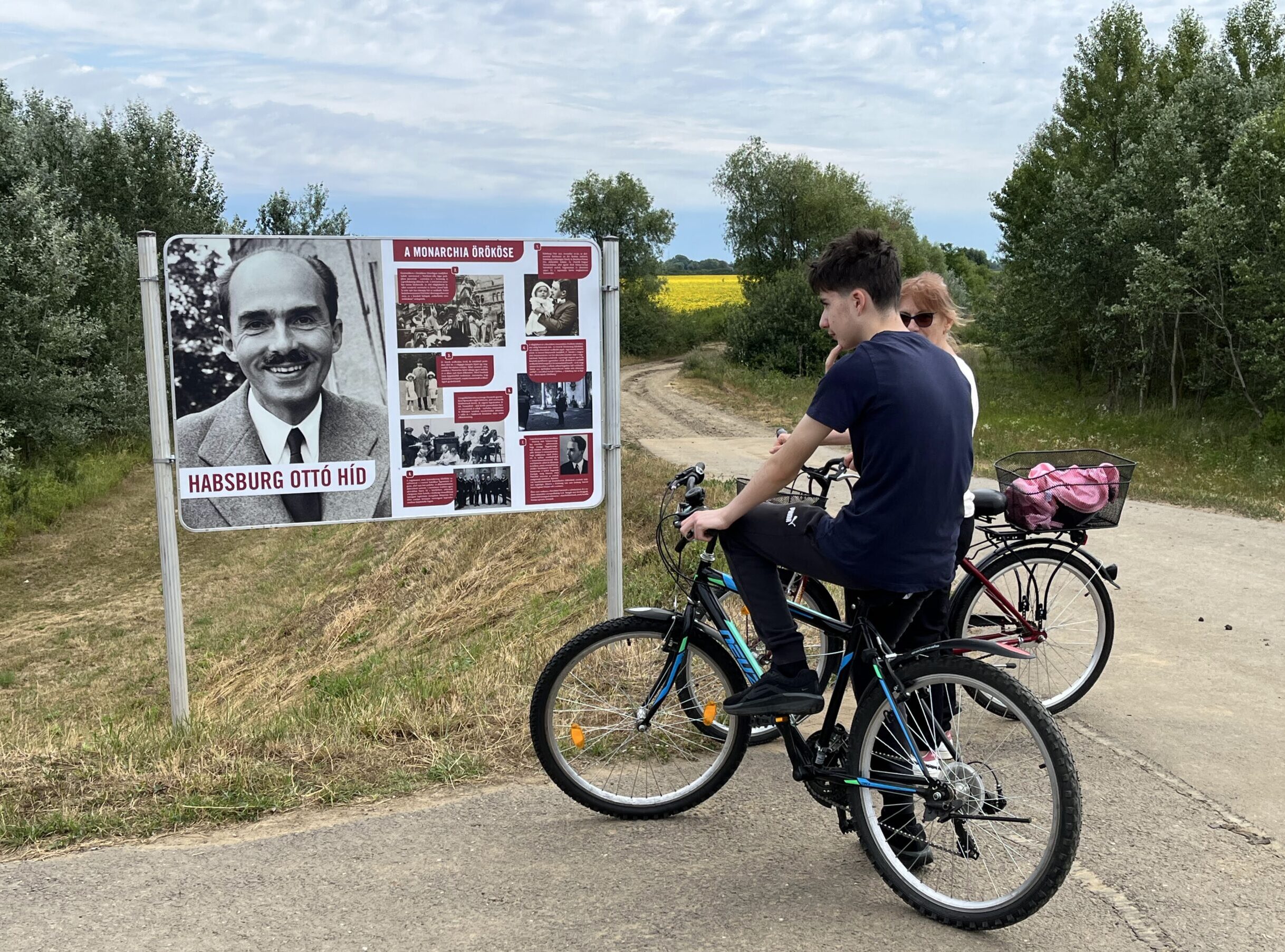
The Foundation was pleased to contribute its professional expertise to the project. We gladly supported the initiative, as relatively few public places in Hungary bear Otto von Habsburg’s name – and, to the best of our knowledge, this is the first bridge ever to do so. To accompany the naming ceremony, we prepared a series of interpretive panels installed at both ends of the bridge. These introduce visitors to Otto von Habsburg’s life and historical significance, tracing his childhood during the final years of the Austro-Hungarian Monarchy, the decades he spent in exile, his experiences during the Second World War, his work as a Member of the European Parliament, and his long-standing efforts to support the accession of the countries of Central Europe to the European Union.
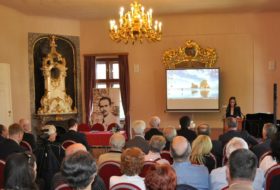
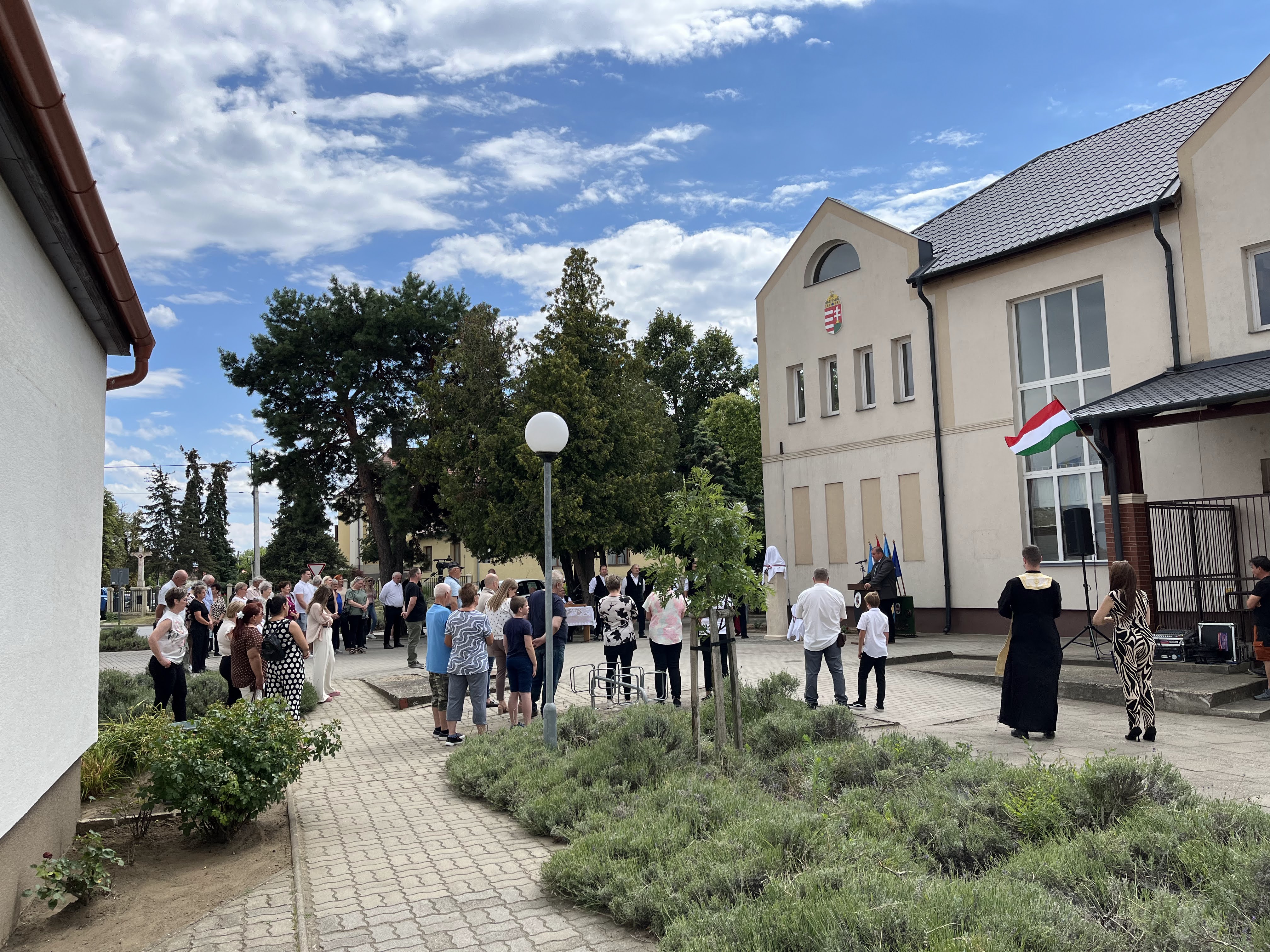
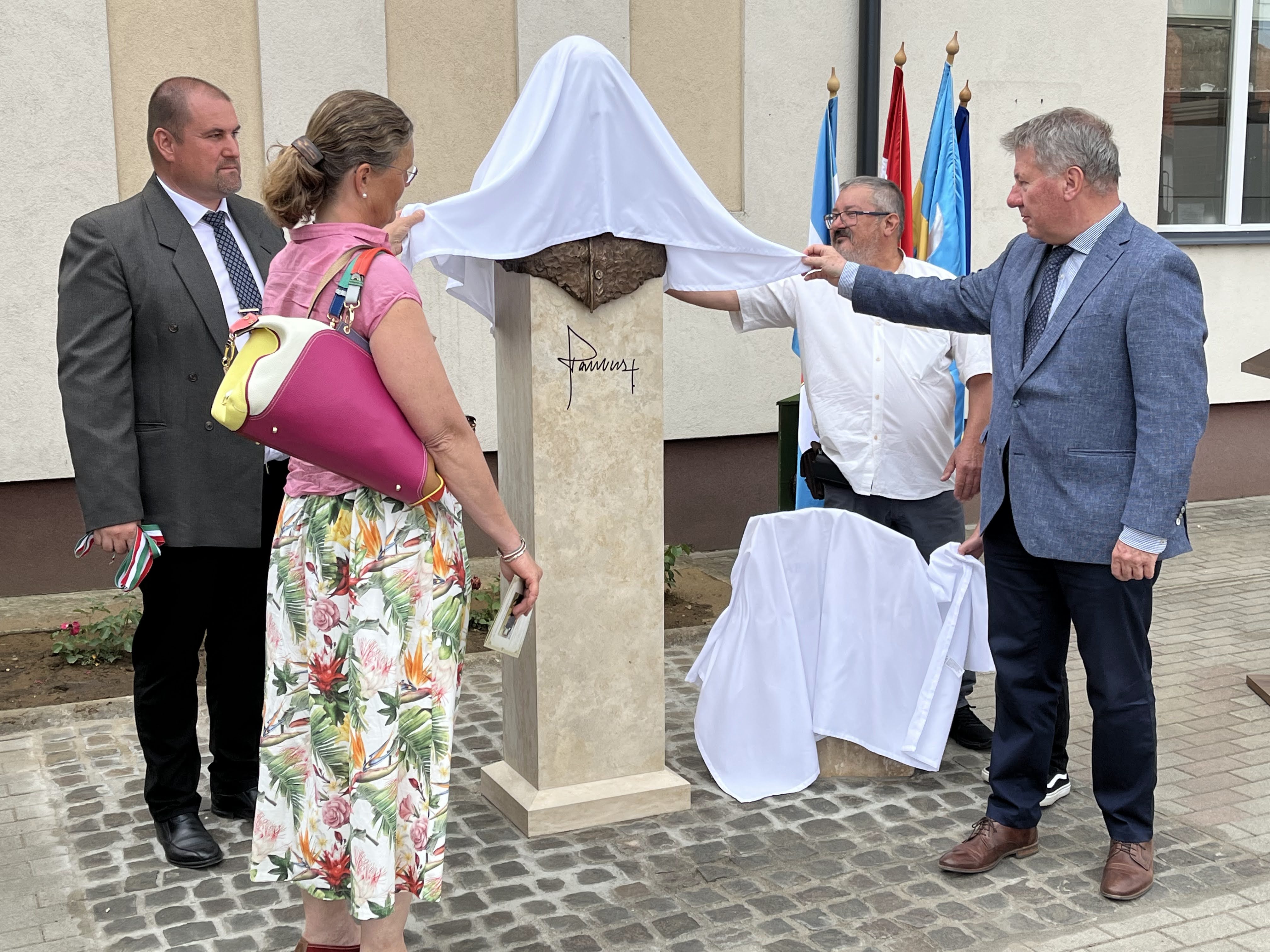
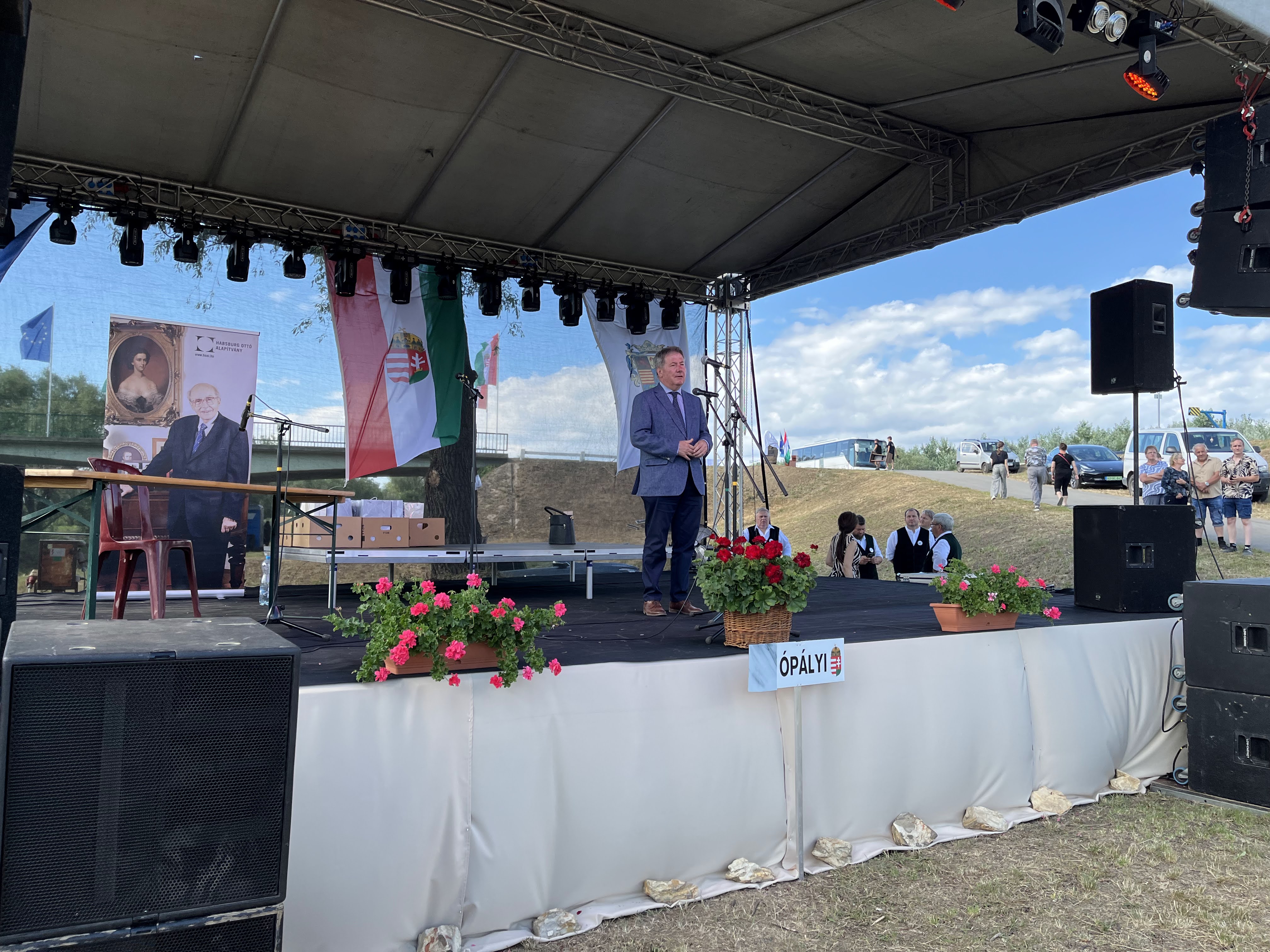
The ceremony on 11 July began beside the Town Hall with the unveiling of a bronze bust of Otto von Habsburg, created by sculptors Lajos Győrfi and Ádám Győrfi. Following welcoming remarks by Mayor Albert Bálint and Gergely Prőhle, Director of the Otto von Habsburg Foundation, Archduchess Eilika von Habsburg addressed the audience. In her speech, she reflected on the major milestones of her father-in-law’s life, placing particular emphasis on his unwavering support for Central Europeans living in exile, for those persecuted by dictatorships, and for the freedom of the nations trapped behind the Iron Curtain.
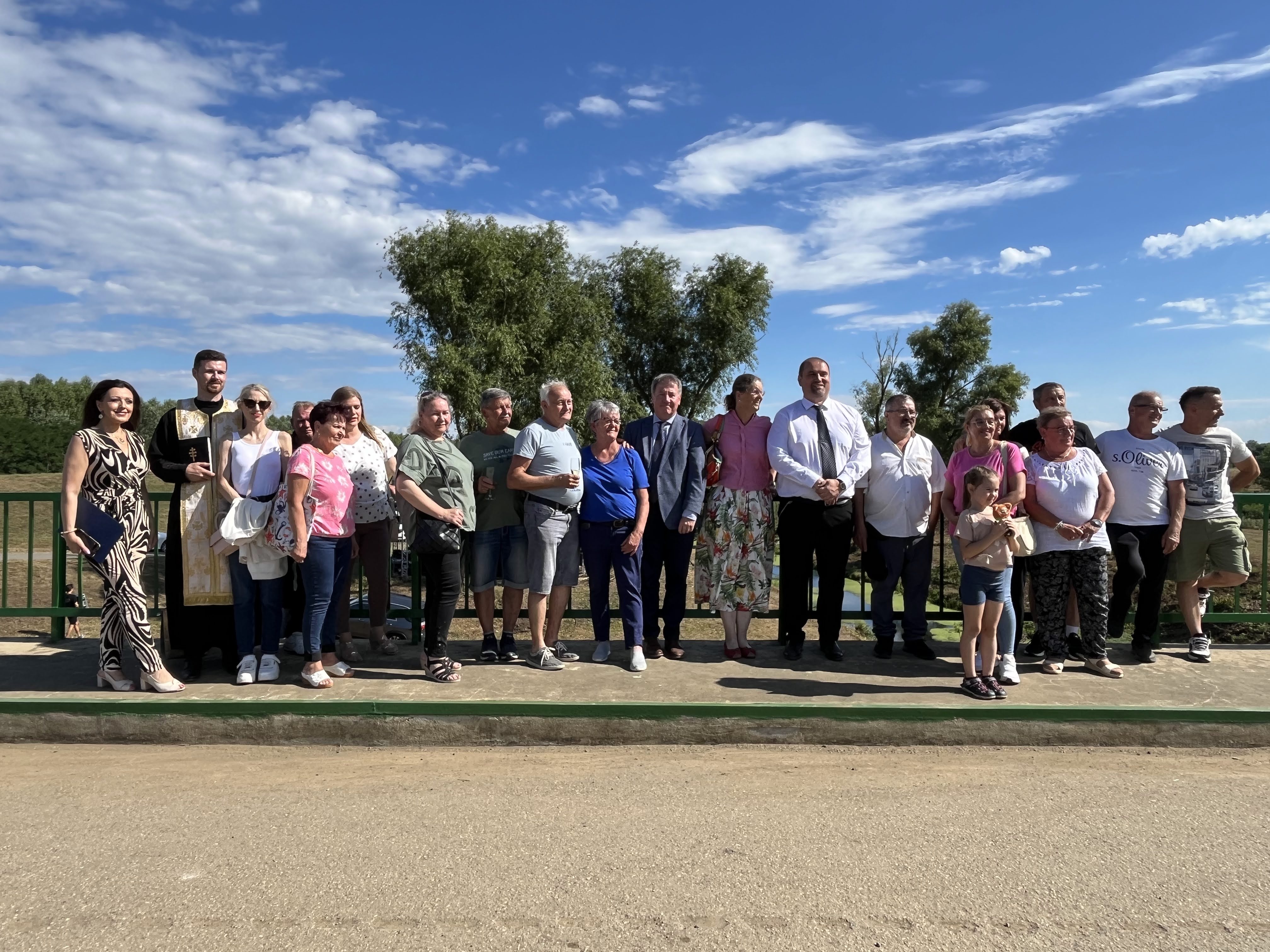
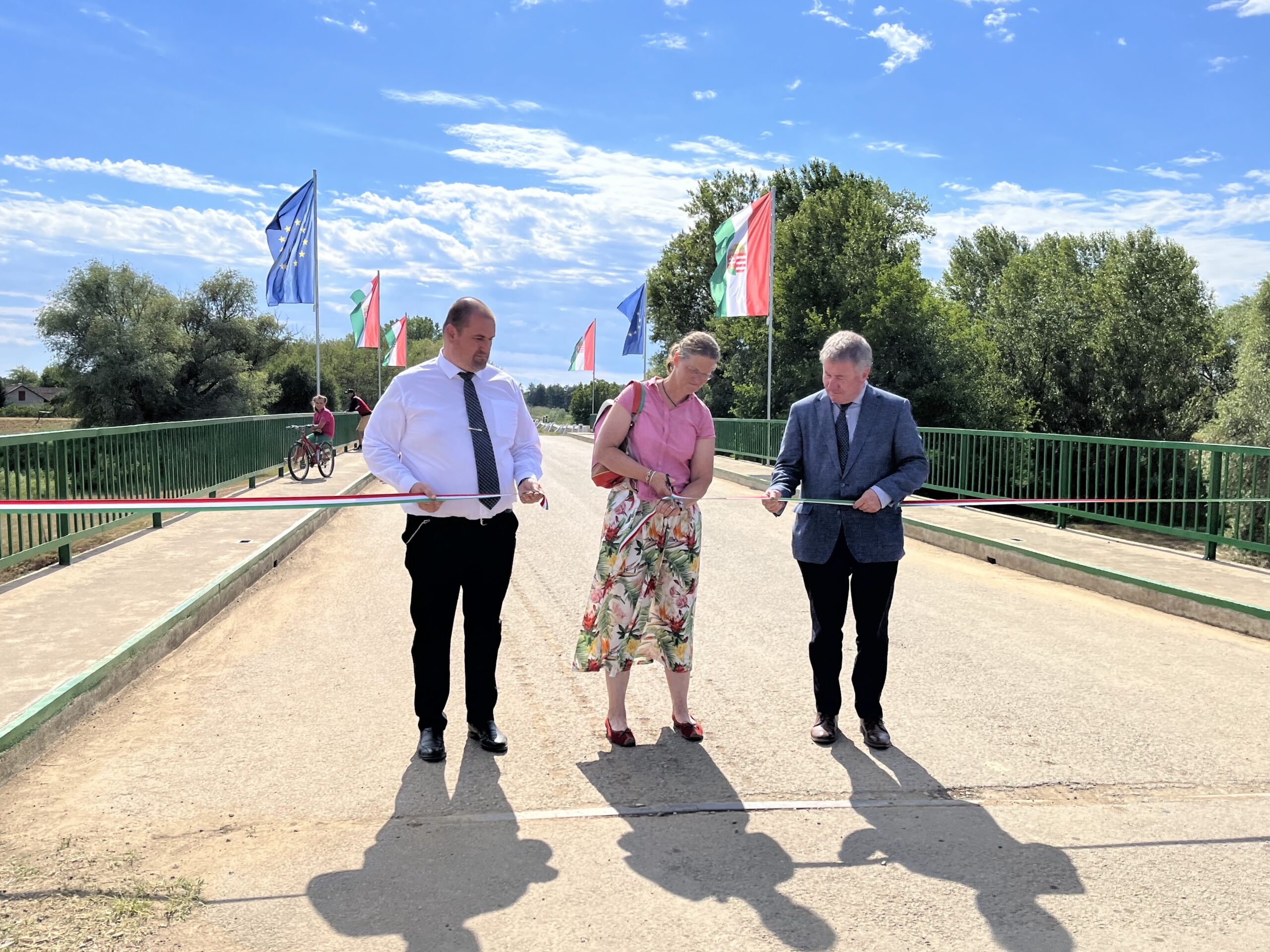
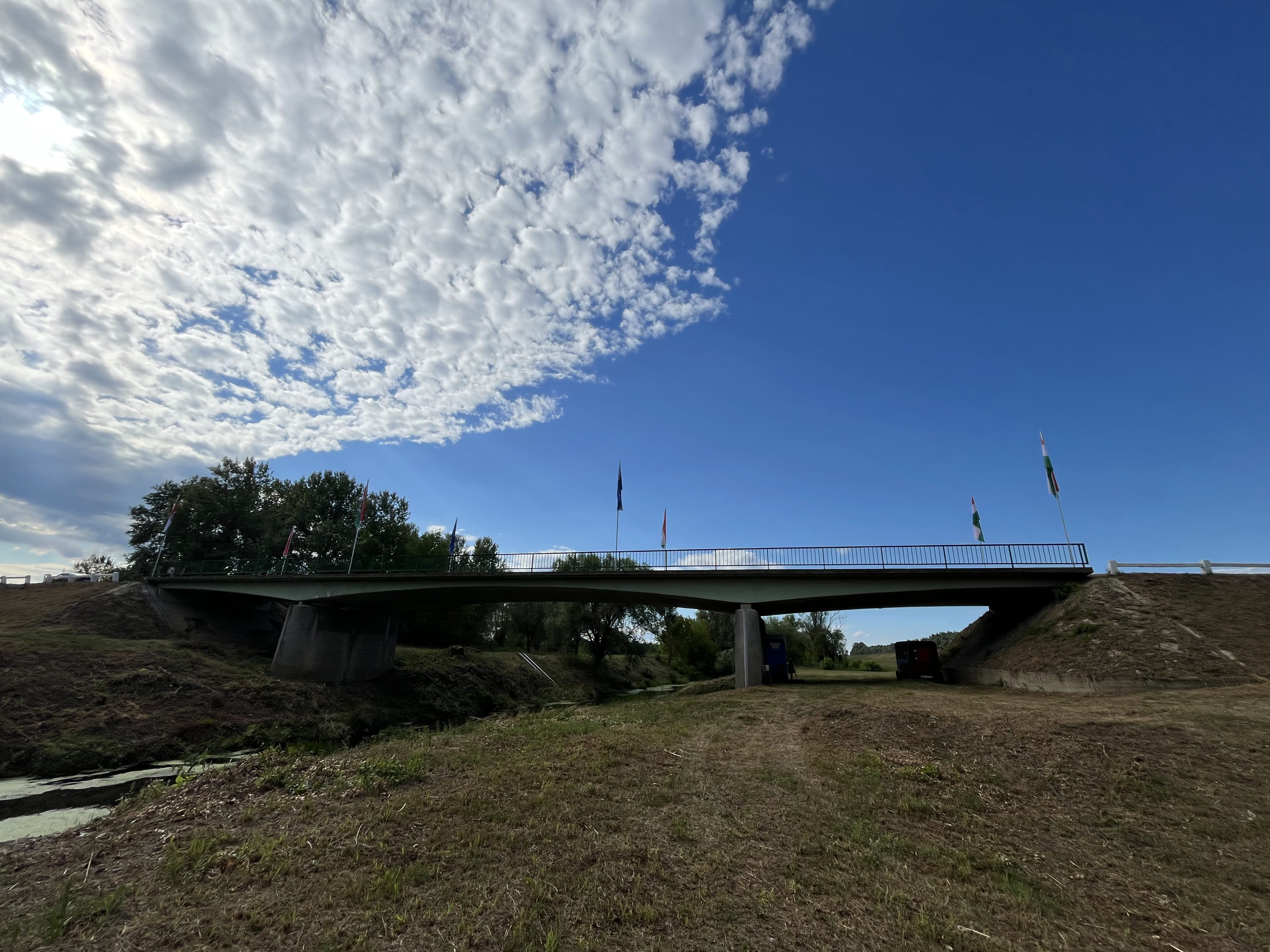
After the unveiling, participants walked to the bridge across the Kraszna. Following a blessing by Fr Dávid Rádi of the Greek Catholic Church, the bridge was officially dedicated as the Otto von Habsburg Bridge. In his address, Fr Rádi observed that while the statue reminds us of the past, the bridge points towards the future. A bridge, he said, is always more than concrete, steel, or stone: it represents trust, encounter, and the hope that the two banks exist not in opposition to one another, but for one another. It is therefore fitting that such a structure should bear the name of Otto von Habsburg, who throughout his life sought to build bridges – between peoples and nations, between East and West, and between the wounds of the past and the hopes of the future.
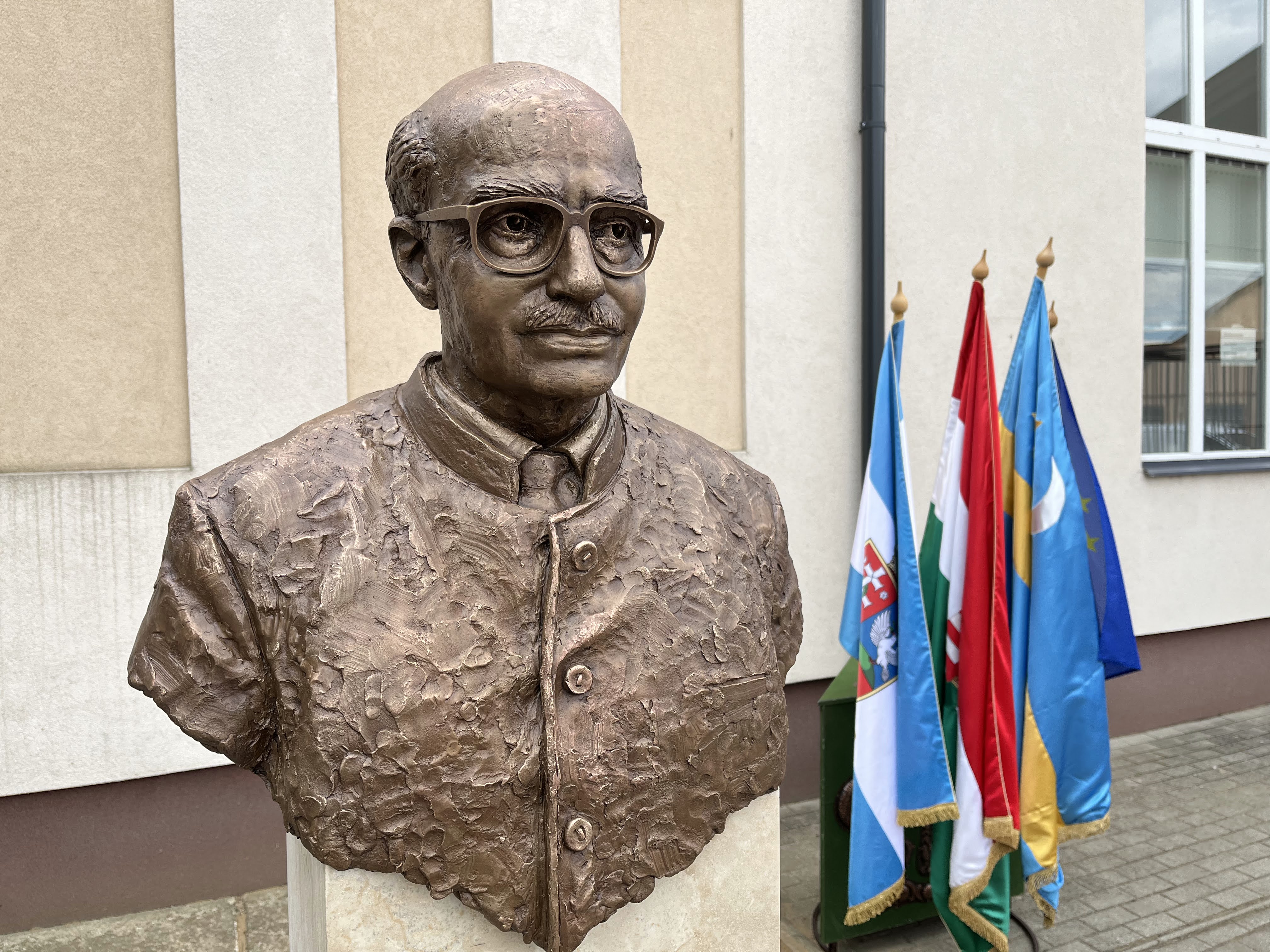
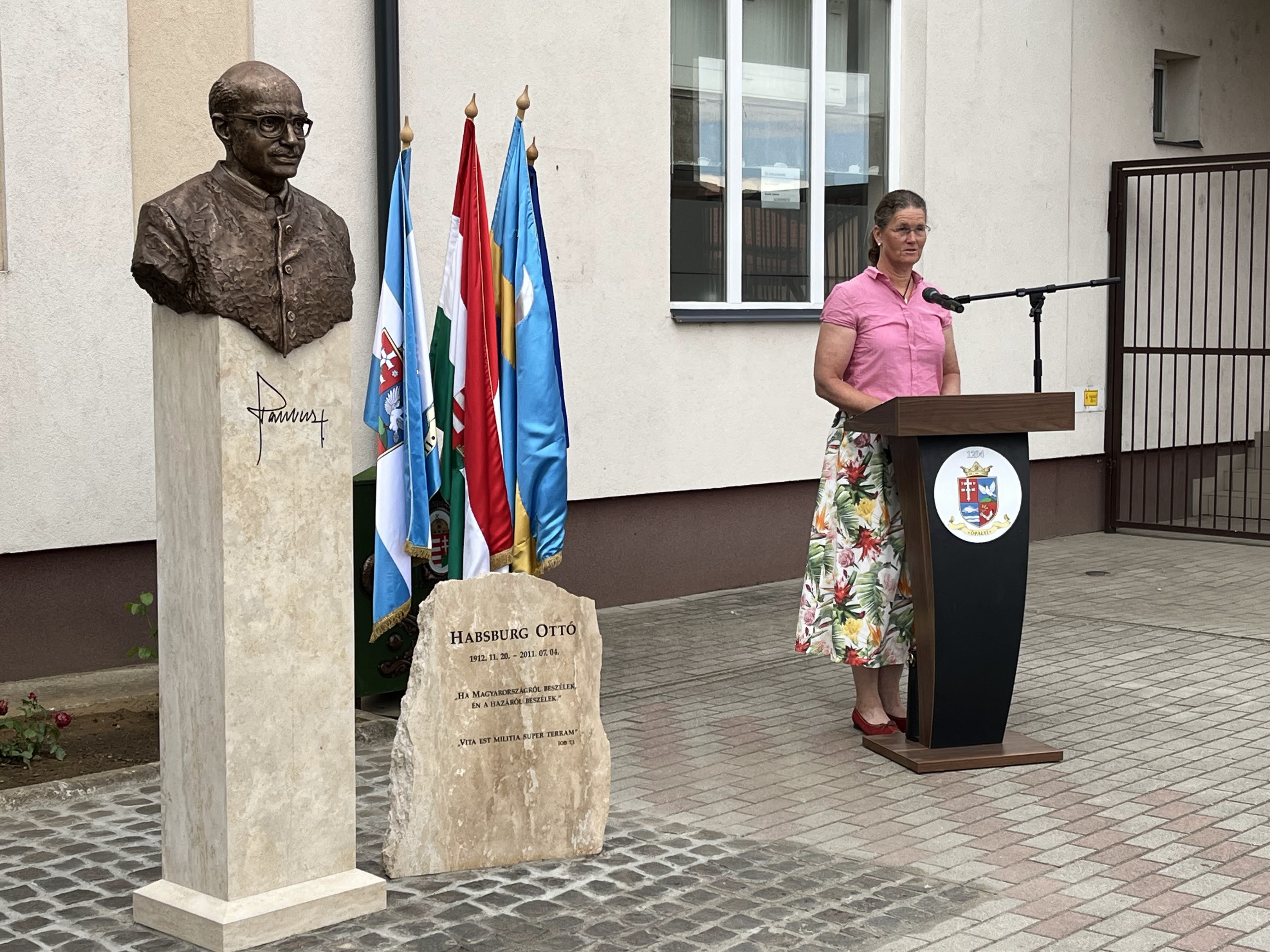
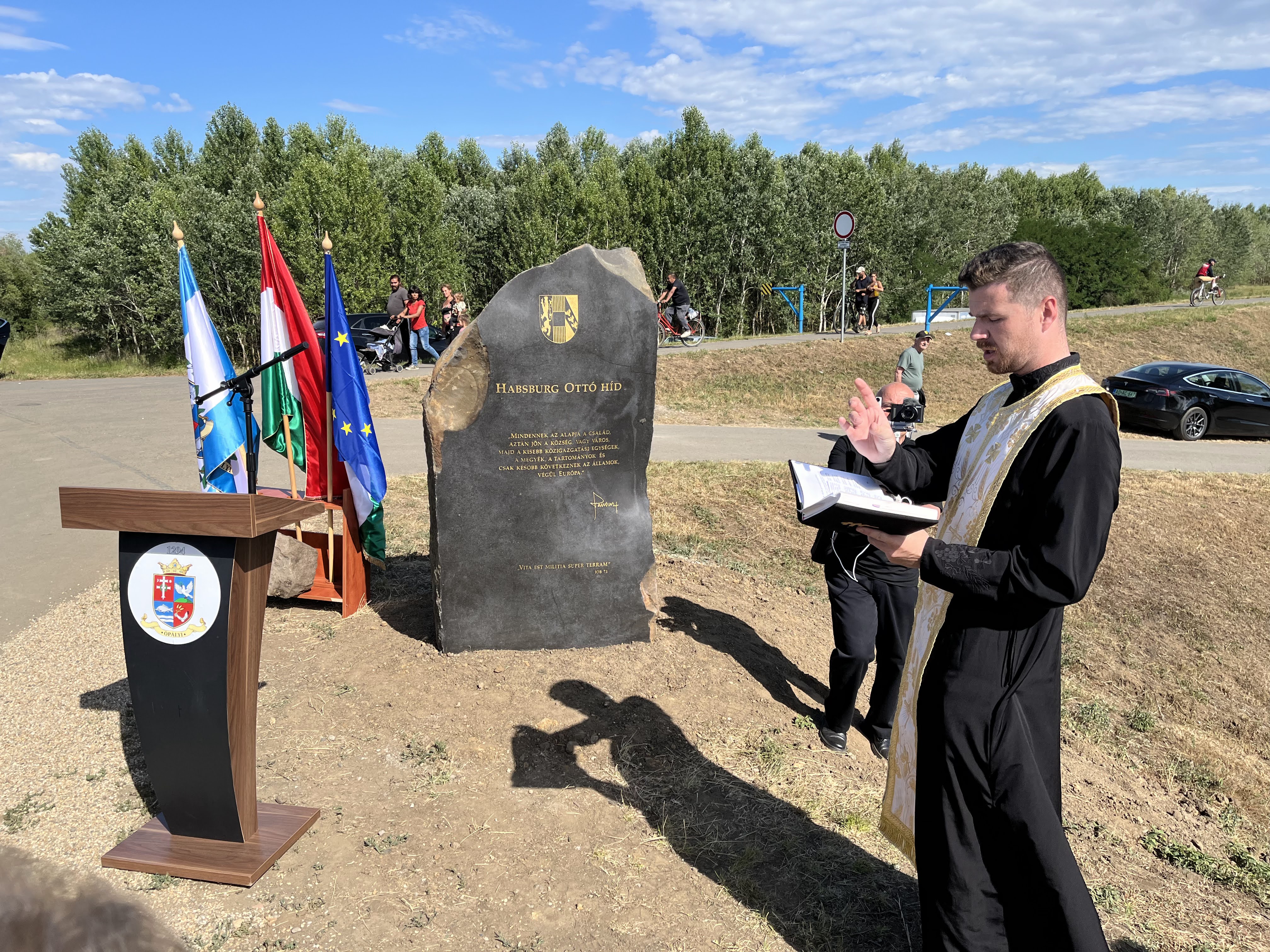
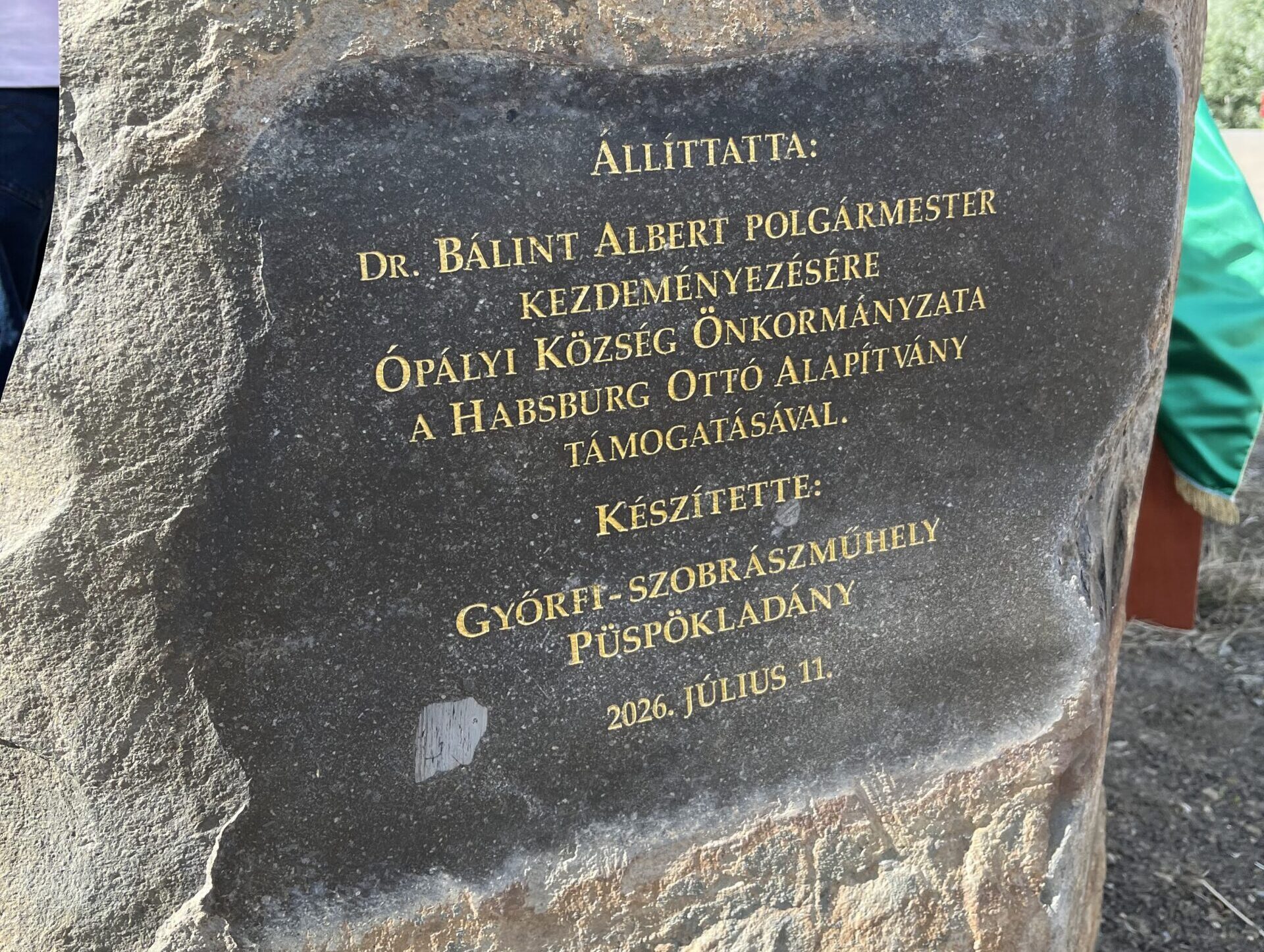
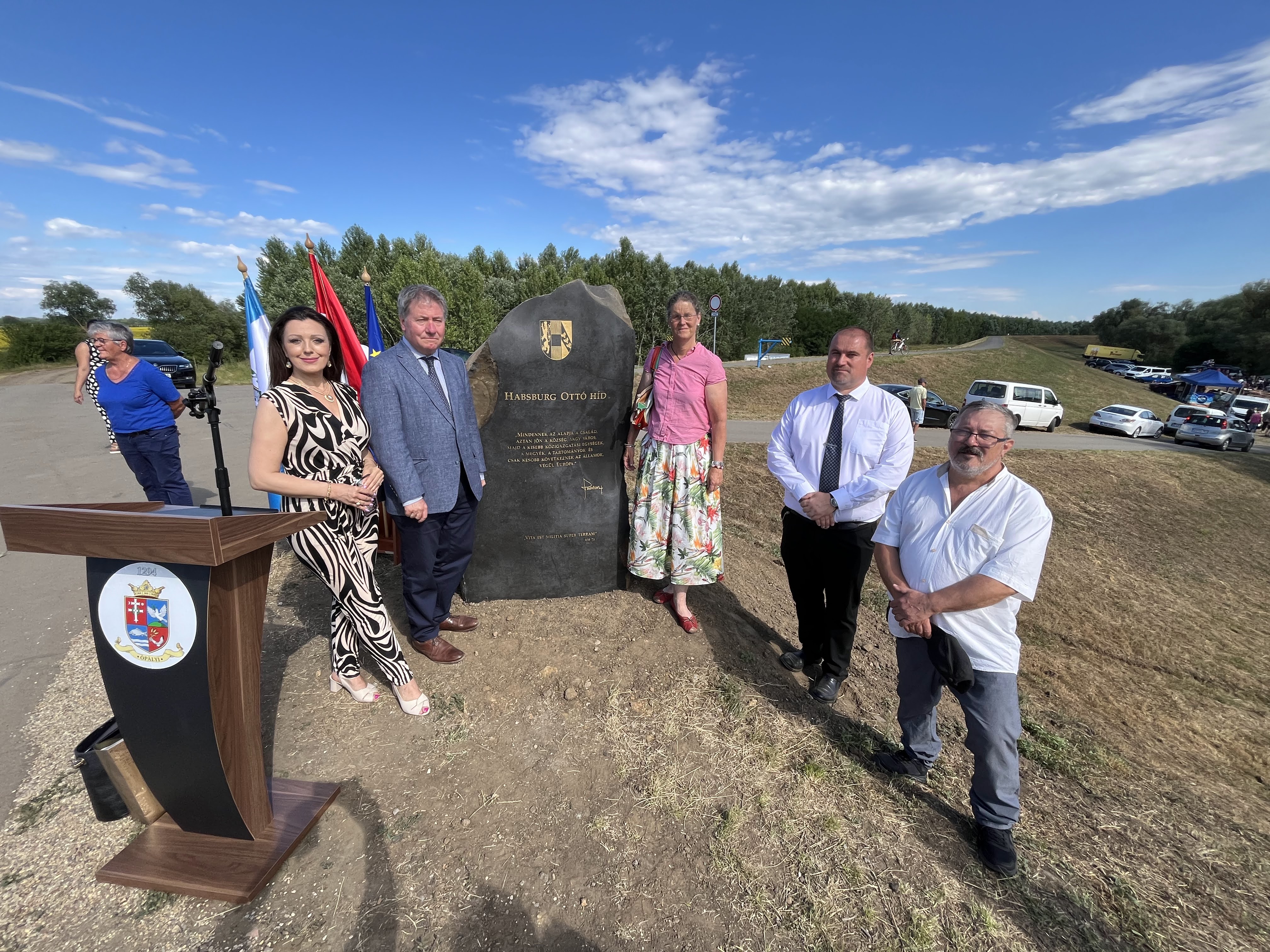
Both the bust and the bridge are accompanied by commemorative stone monuments bearing quotations from our namesake. At the bust, visitors find the words: “When I speak of Hungary, I speak of my homeland.” At the bridge, another inscription reflects Otto von Habsburg’s belief in the importance of local communities and the principle of subsidiarity: “Everything begins with the family. Then come the village or the town, followed by the smaller administrative units, the counties, the regions, and only afterwards the states – finally, Europe.”
Both memorial stones also bear a Latin quotation from the Book of Job (Job 7:1): “Vita est militia super terram” – “The life of man upon earth is a struggle.” The biblical passage continues by comparing human life to that of a labourer whose days are marked by faithful service. The choice of quotation poignantly links Otto von Habsburg’s visit to Ópályi in 2004, at the age of ninety-two, with the course of his entire life. It invites us to see that journey as the service of a man who fulfilled his duty with discipline, humility, and joy – someone who regarded it as a profound blessing to witness Hungary’s accession to the European Union and who never tired of sharing that joy, even in a small village such as Ópályi.
The day’s celebrations continued beside the bridge with family programmes, concerts, and community events. Ópályi’s tribute was both an act of local remembrance and a message with a distinctly European horizon. It demonstrated that Otto von Habsburg’s legacy lives on not only in the great turning points of history, but also in the dignity, loyalty, and hope for the future found within small communities.