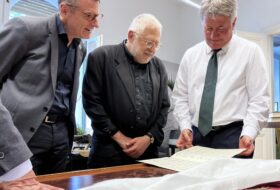
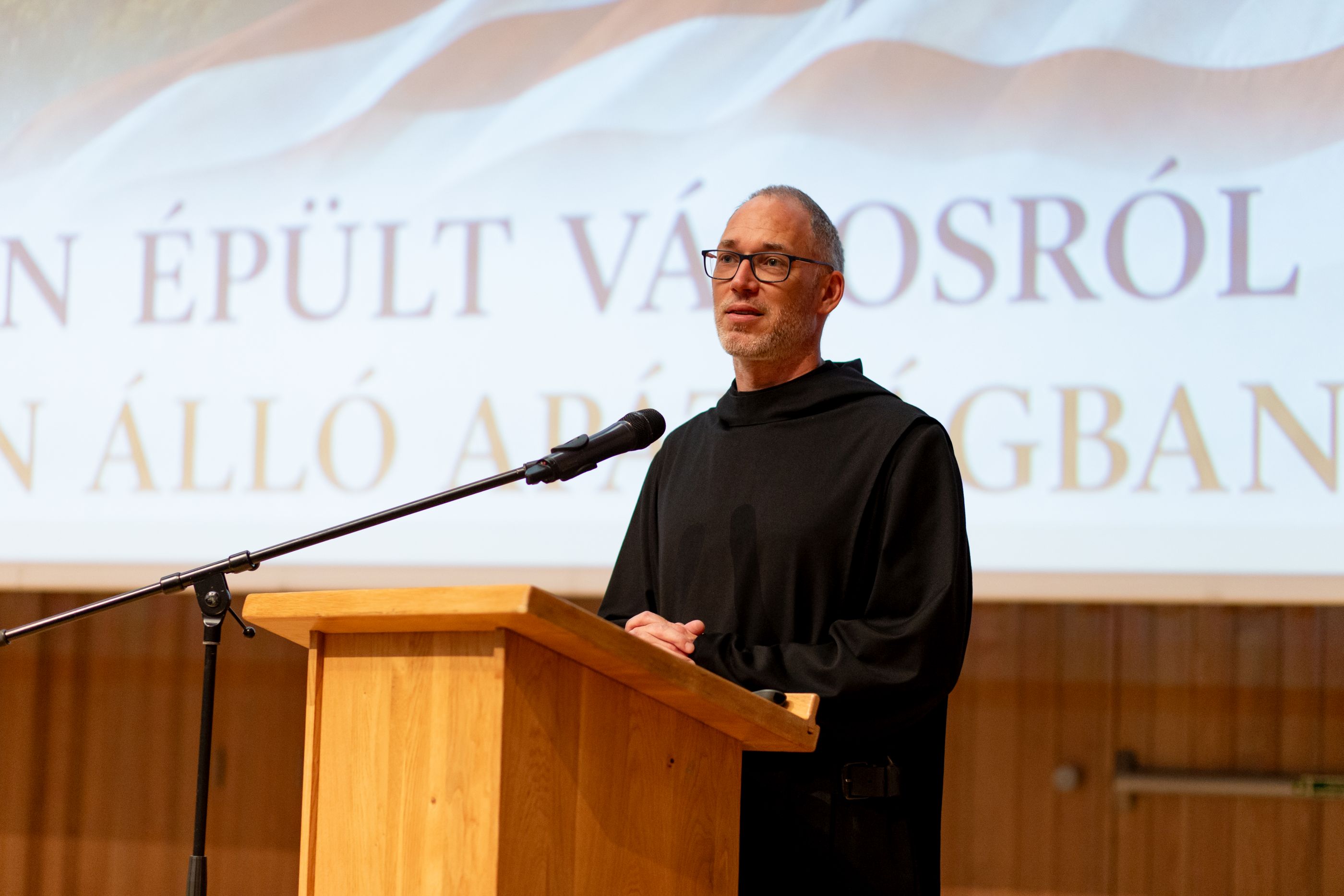
The guests were welcomed by Fr Konrád Dejcsics, Cultural Director of the Archabbey, who conveyed the greetings of Archabbot Cirill T. Hortobágyi, unable to attend in person. Father Konrád noted that the Benedictine community will celebrate its 1,500th anniversary in 2029, marking fifteen centuries since St Benedict founded Monte Cassino in 529 and set down the principles of monastic life in his Rule. As preparations for the jubilee continue, each year has been dedicated to a particular theme. 2026 is the Year of the School, reflecting St Benedict’s description of the monastery as a schola dominici servitii – “a school for the Lord’s service.” At the heart of this vision lies the conviction that loving service calls Christians to follow Christ, seeking from Him both the spirit of creativity and the opportunity to serve others. Otto von Habsburg, himself a former Benedictine pupil, embodied these ideals throughout a lifetime of public service that enabled him to shape the destinies of peoples and nations.
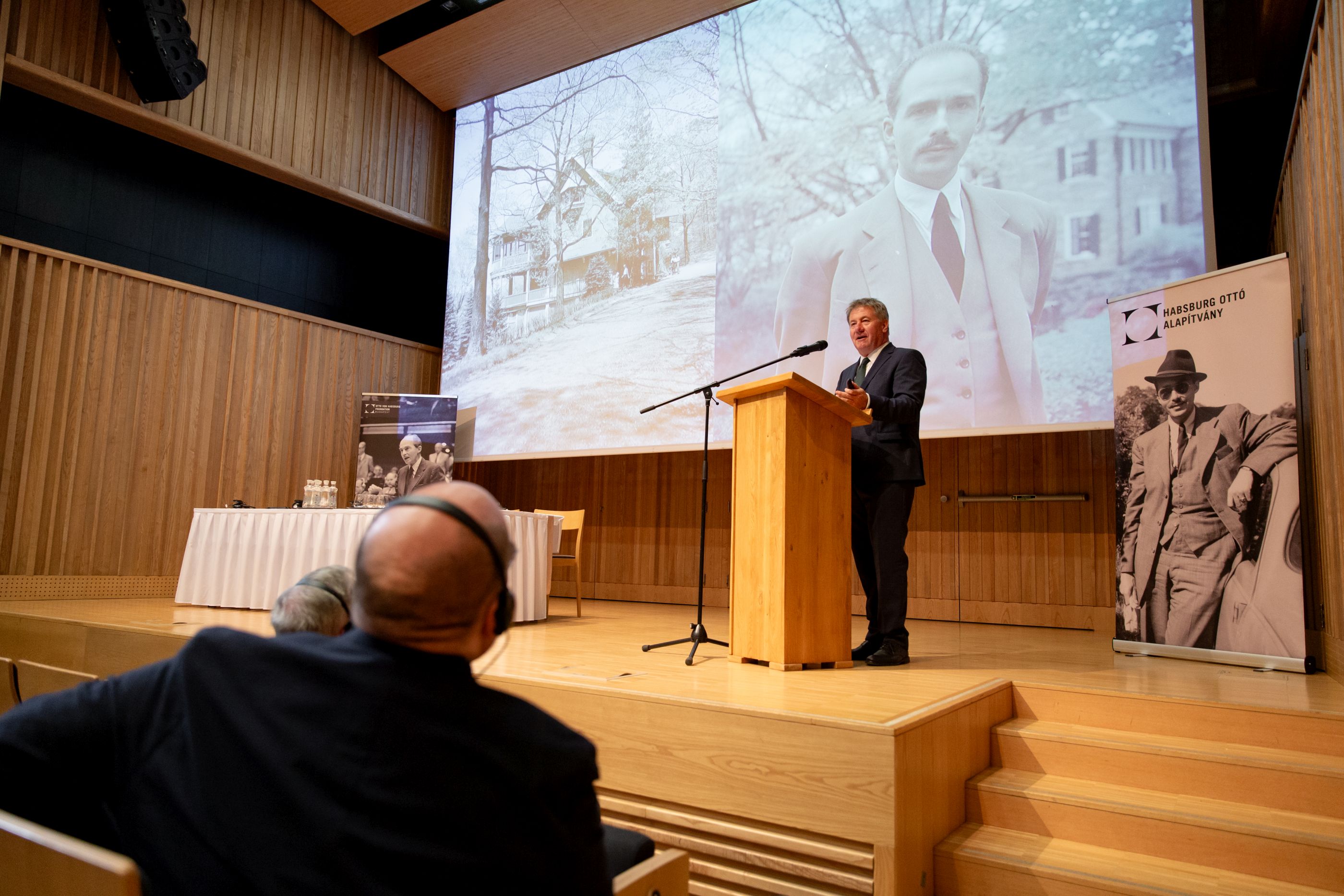
In his introductory remarks, Gergely Prőhle, Director of the Otto von Habsburg Foundation, recalled that since the Foundation’s establishment it has become a tradition to visit Pannonhalma each July. This year’s gathering, however, was made especially meaningful by the convergence of two important anniversaries. Drawing on photographs from the Foundation’s collections, he explored Otto von Habsburg’s many connections with the United States. Among the images were the house in Tuxedo Park, New York – once the home of Mark Twain – where the Crown Prince and his family spent several years during the Second World War; photographs of Otto and his siblings at iconic landmarks in Washington, D.C.; scenes from a 15 March 1941 commemoration organised by the Hungarian émigré community in Chicago, where Otto appeared alongside his childhood tutor Pál Zsámboky and his secretary Count Heinrich von Degenfeld; snapshots with leading figures from Hollywood; and photographs from the 1970s and 1980s, including one taken at the headquarters of The Heritage Foundation, the conservative think tank founded by Edwin J. Feulner. He concluded by quoting Otto von Habsburg’s remarkably prescient reflections published fifty years ago in Zeitbühne to mark the bicentenary of the Declaration of Independence, in which he urged Europe to develop its own independent capacity for defence.
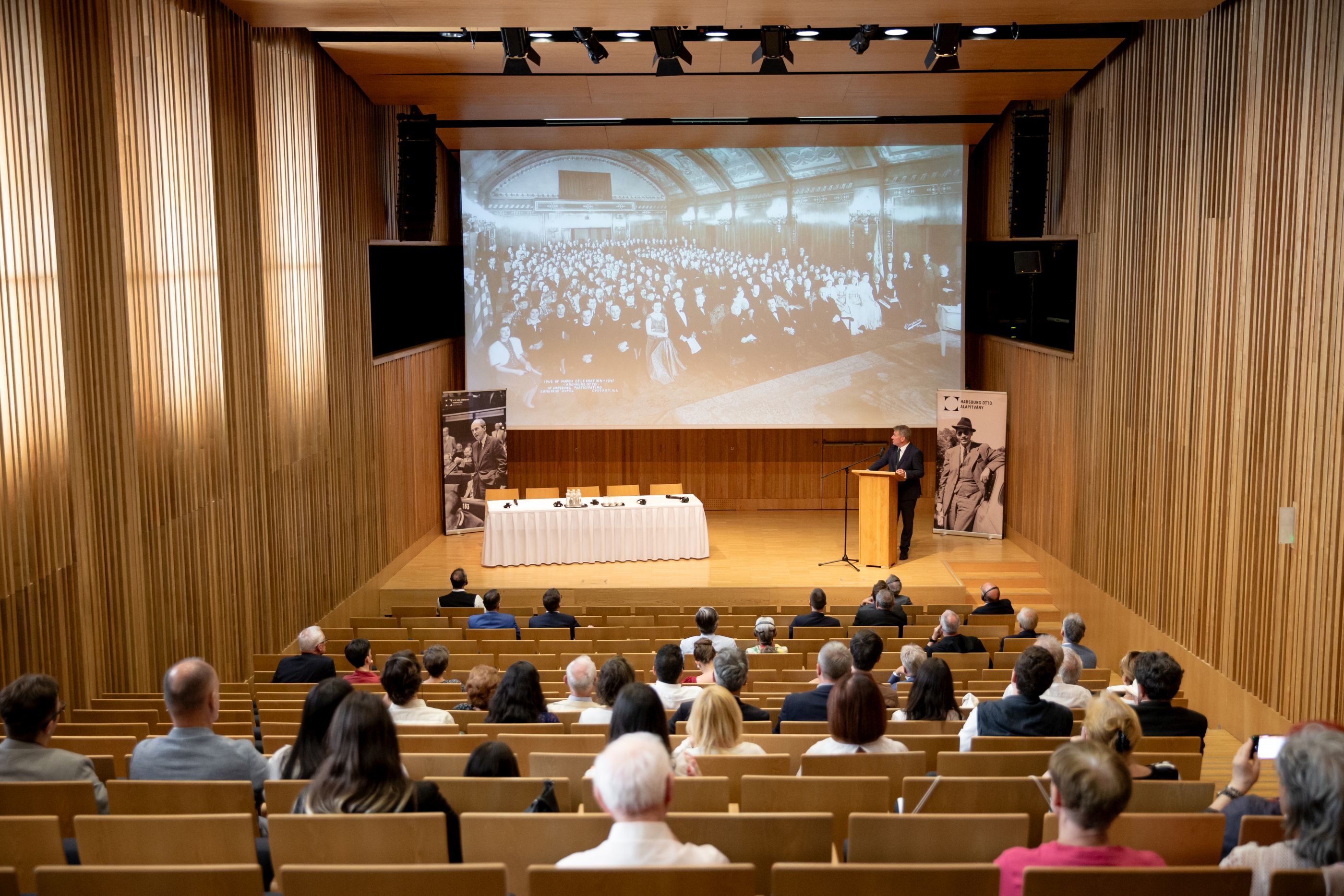
Richard Gamble, Professor of History at Hillsdale College (USA), began his keynote by reflecting on the biblical verse that inspired the conference title: “You are the light of the world. A city set on a hill cannot be hidden” (Matthew 5:14). He turned first to the writings of John Winthrop, who, in the era of America’s founding, reflected on Christian charity, humility, and the mutual responsibilities that bind communities together. Examining the intellectual origins of the Declaration of Independence, Professor Gamble argued that no simple line can be drawn from the Gospel through Winthrop to Thomas Jefferson, for the essence of the eighteenth-century revolution lay precisely in dissolving old political allegiances. Yet once independence had been achieved, both George Washington, in his Farewell Address, and later Abraham Lincoln, at the end of the Civil War, stressed the importance of preserving the unity of the newly created nation. As Lincoln famously urged, “Though passion may have strained, it must not break our bonds of affection.” What, then, ultimately holds a community together? According to Professor Gamble, the answer is loyalty – the leaven that binds us to one another, to truth, to the principles of communal life, and ultimately to the past, the present, and the future.
In his lecture, Alvino-Mario Fantini, Editor-in-Chief of The European Conservative, examined the intellectual foundations of the Declaration of Independence and argued that, beyond representing a radical political break, the document also offers a renewed reading of the West’s inherited traditions. Drawing on the thought of Russell Kirk, he traced a civilisational journey symbolised by Jerusalem, Athens, Rome, London, and Philadelphia, contending that, contrary to many Anglo-American interpretations, the Declaration rests upon a much deeper historical inheritance. One need only consider the centuries-old traditions of self-government in Italy, Switzerland, and Scotland, whose adapted forms Alexis de Tocqueville – “who read America through Europe, and Europe through America” – identified as one of the defining features of American democracy. Fantini also recalled the reflections of another close friend of Otto von Habsburg, Thomas Chaimowicz, who regarded the current of Western civilisation as broad enough to embrace Jewish, Catholic, and Protestant traditions alike, each rooted in the pursuit and defence of truth. If this understanding is accepted, he concluded, Europe, too, has reason to celebrate the Fourth of July.
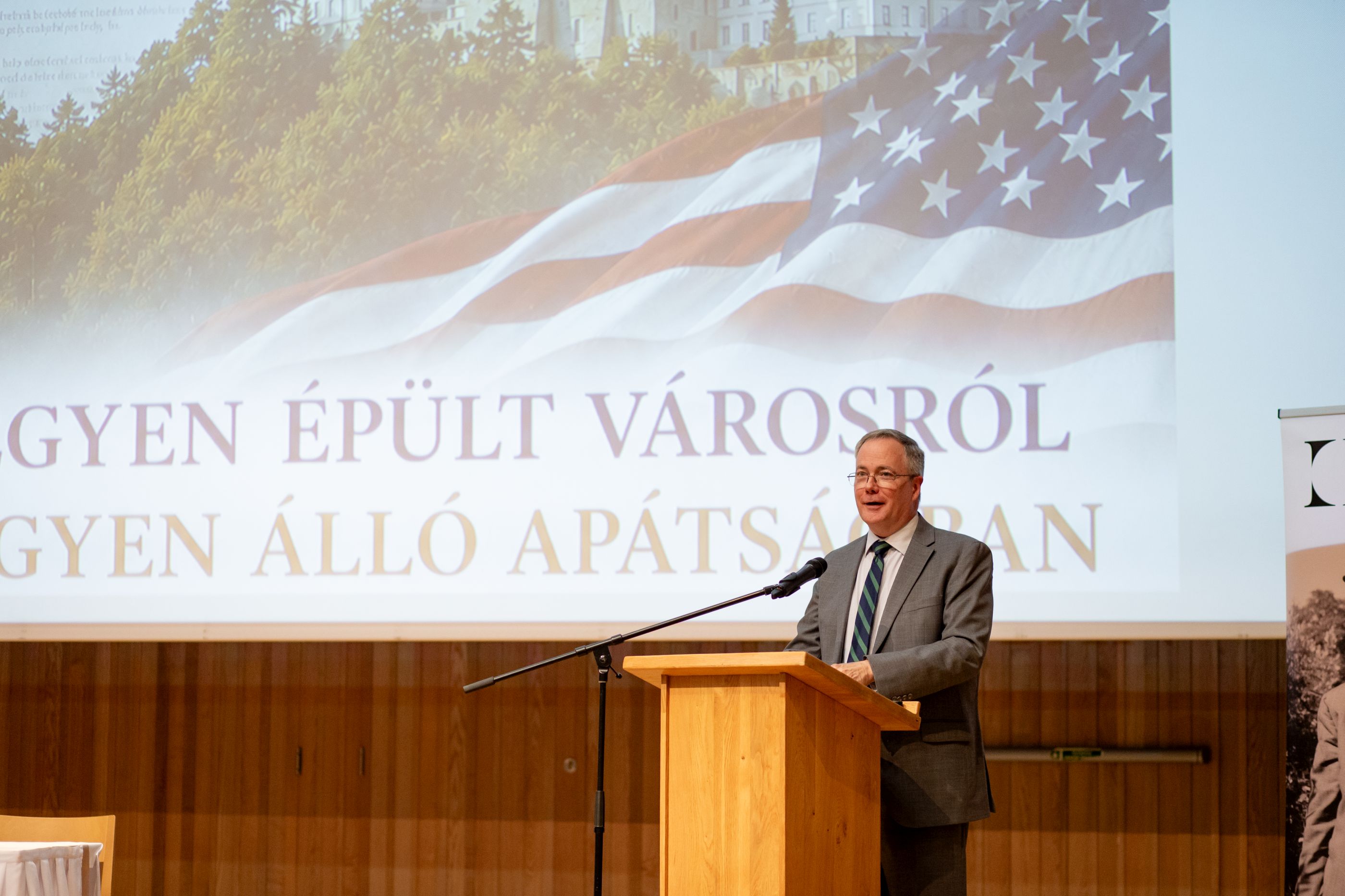
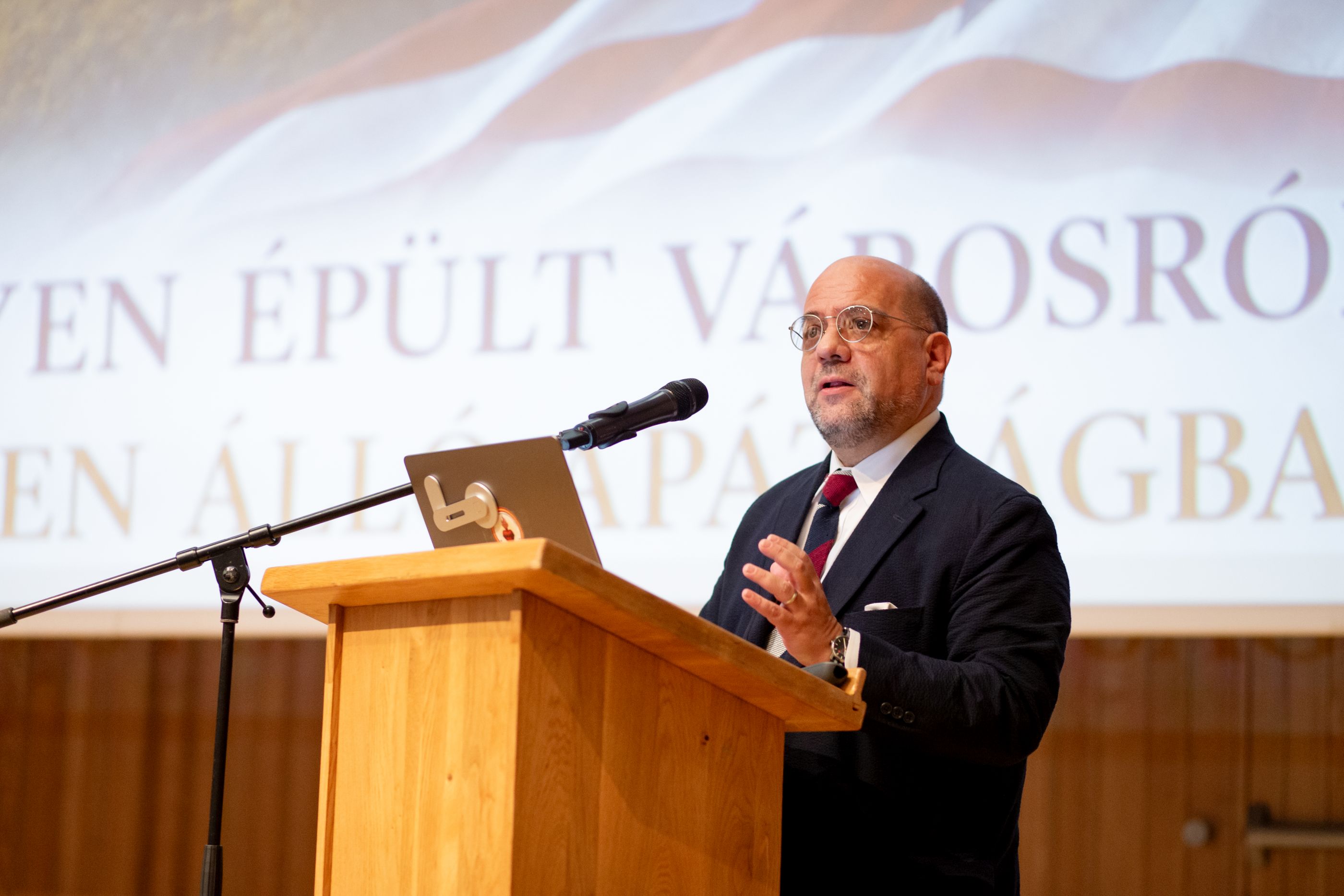
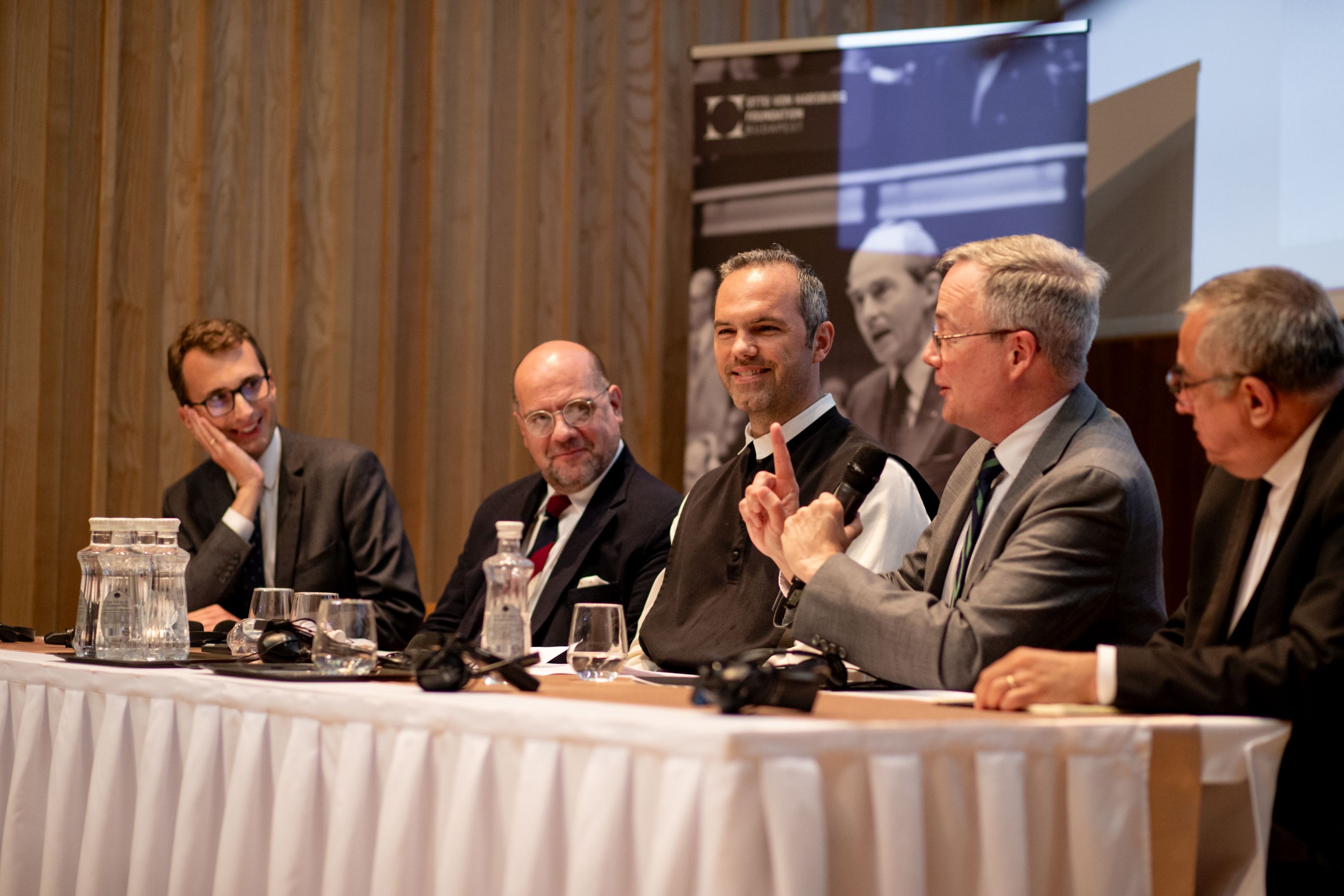
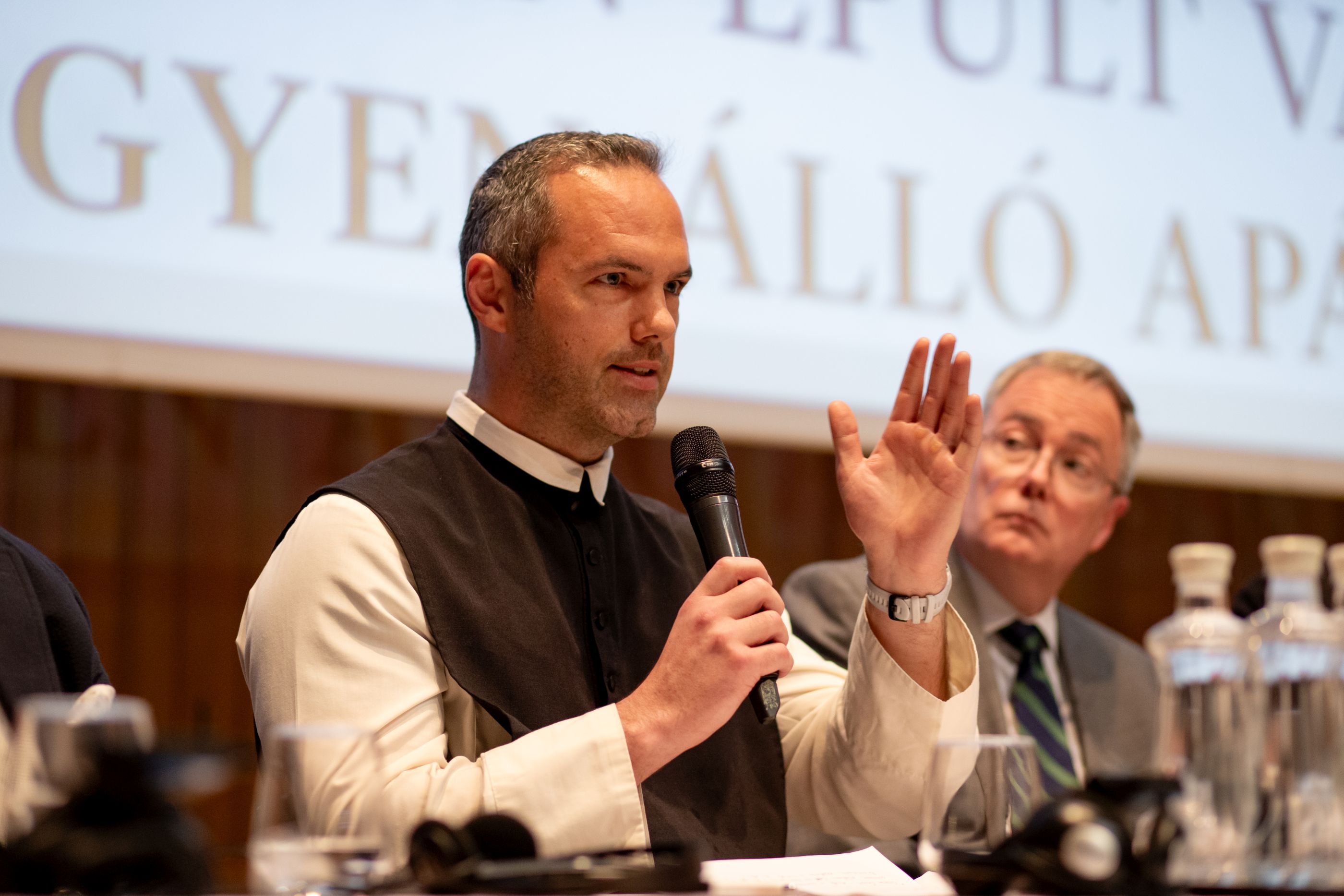
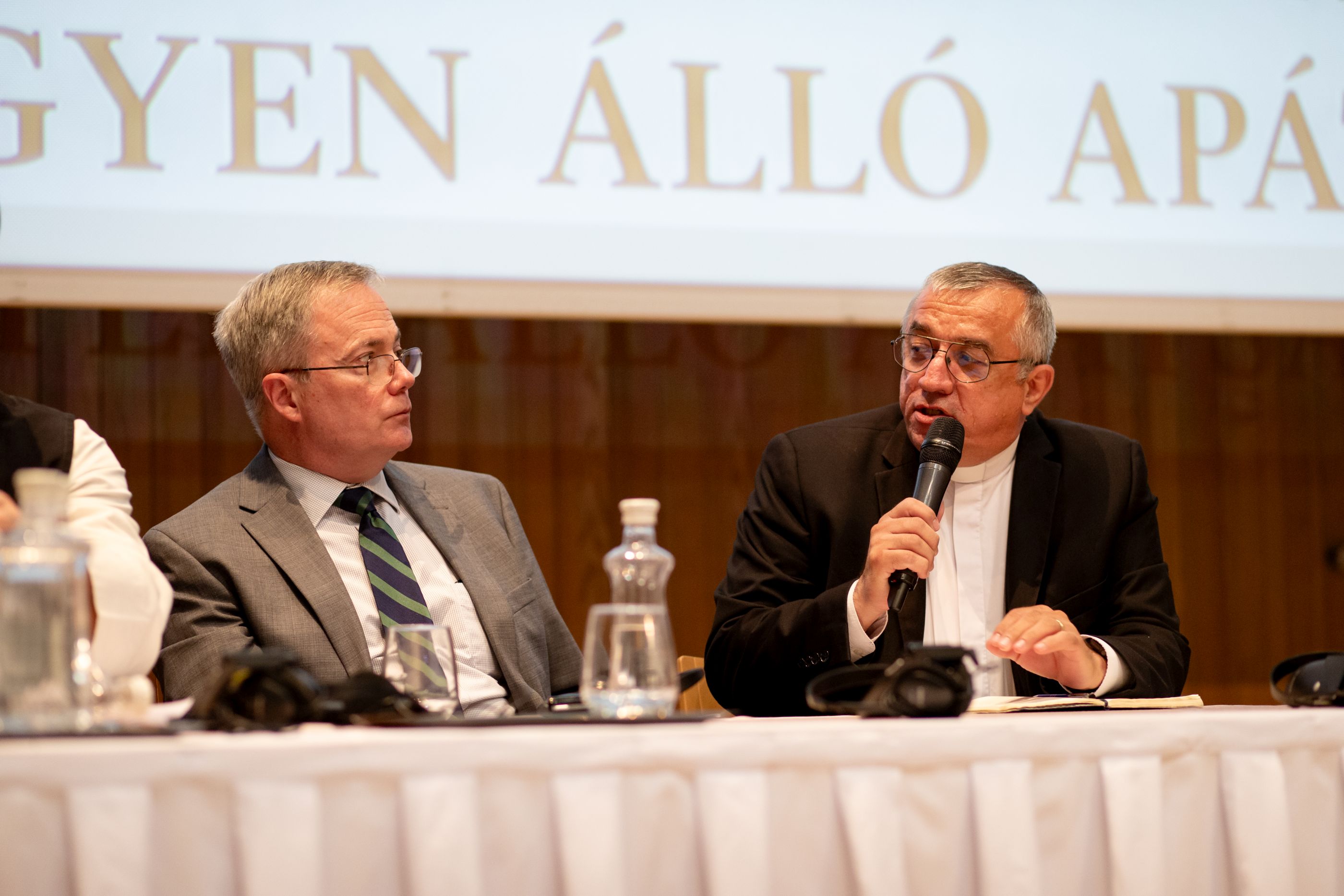
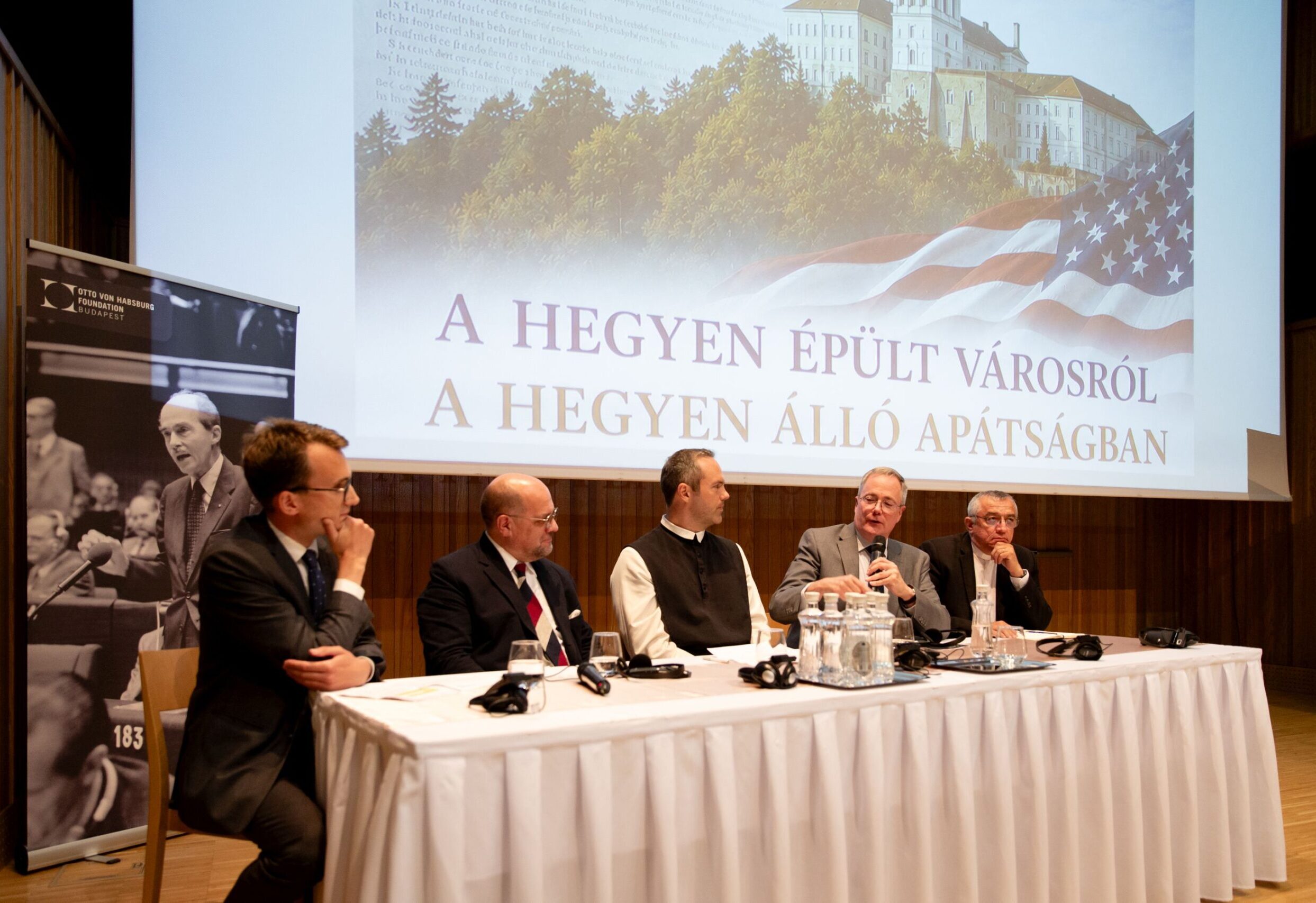
The keynote lectures were followed by a roundtable discussion featuring the two speakers alongside Fr John Bayer, O.Cist., of the University of Dallas, and László Gonda, theologian and Vice-Rector of the Debrecen Reformed Theological University. Moderated by our colleague Bence Kocsev, the discussion centred on the meaning of the shared Western tradition. Professor Gamble approached the question from the perspective of education, arguing that one of its central purposes is to help students understand the tradition they inherit and the responsibilities they assume as future intellectuals and citizens. Fantini addressed the issue from a theological perspective, reflecting on the losses brought about by secularisation and an increasingly technological society. In his view, these challenges can only be overcome by rediscovering the drama of Creation, which alone has the power to reconnect people with one another. Fr Bayer described the Western tradition as a bridge – one that links the West with the East and, indeed, with all people regardless of religious affiliation. Rather than a closed inheritance, he suggested, it is a living vocation, a “divine project” that continually invites new discoveries. Professor Gonda called our relationship with the Western tradition one of the defining questions of our age – a challenge that every generation must confront anew, yet one that ultimately admits only a single answer.
The discussion explored the moral and religious foundations of the Declaration of Independence, touching upon John Locke, the Scottish moral philosophers, and the natural law tradition. Particular attention was given to the principle of subsidiarity as an example of how Christian thought continues to shape public life in a secular context. Participants also reflected on the complex process by which the ideals of the Declaration, building upon yet moving beyond the earlier Puritan tradition, became woven into the broader American understanding of liberty, moral order, and national purpose. The conversation further considered the enduring influence of these religious and ethical principles on American political thought. Among the key figures responsible for their twentieth-century reinterpretation were Edwin Feulner, William F. Buckley Jr., and Russell Kirk – a trio closely connected with Otto von Habsburg whose Christian-inspired vision profoundly influenced the development of modern American conservatism.
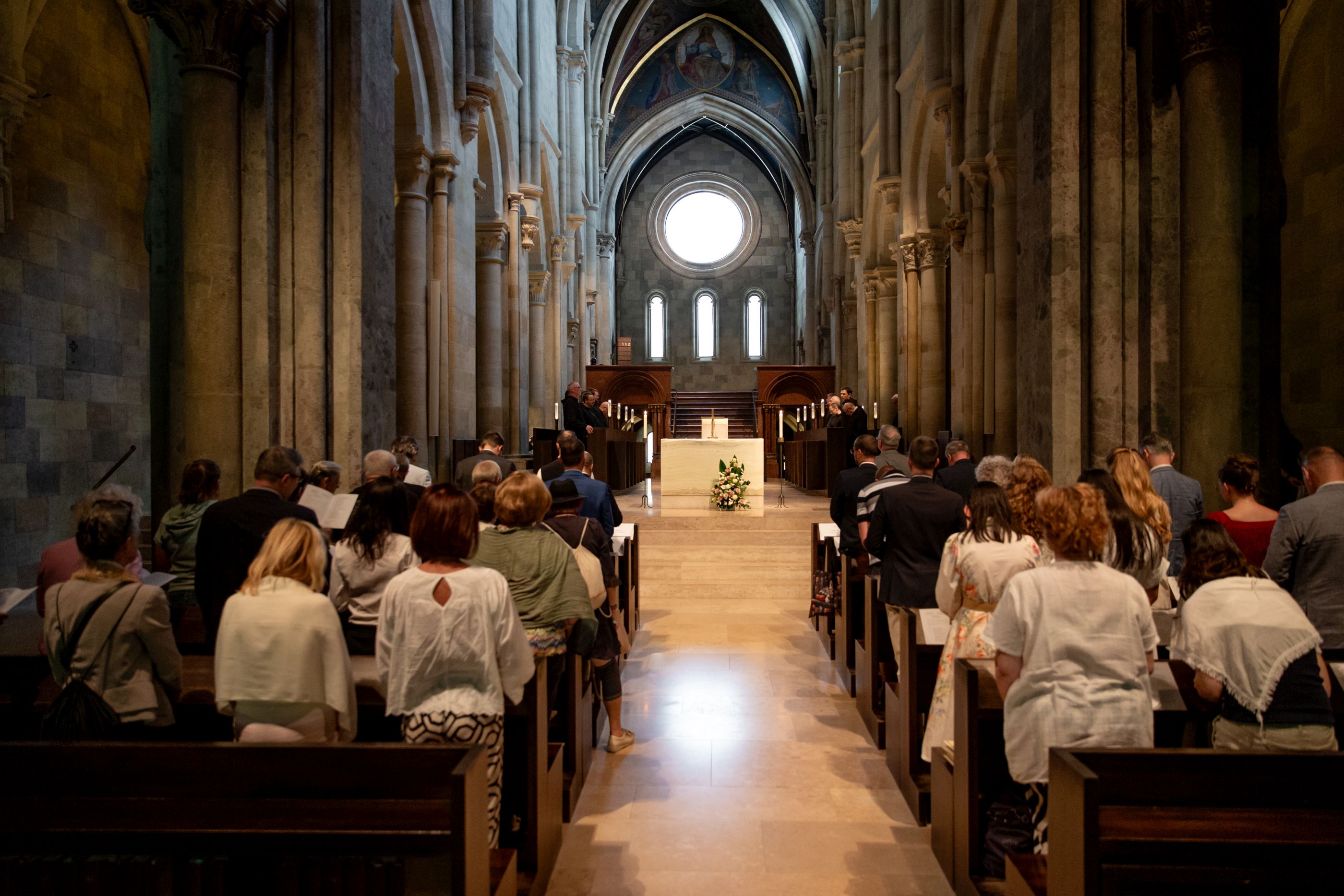
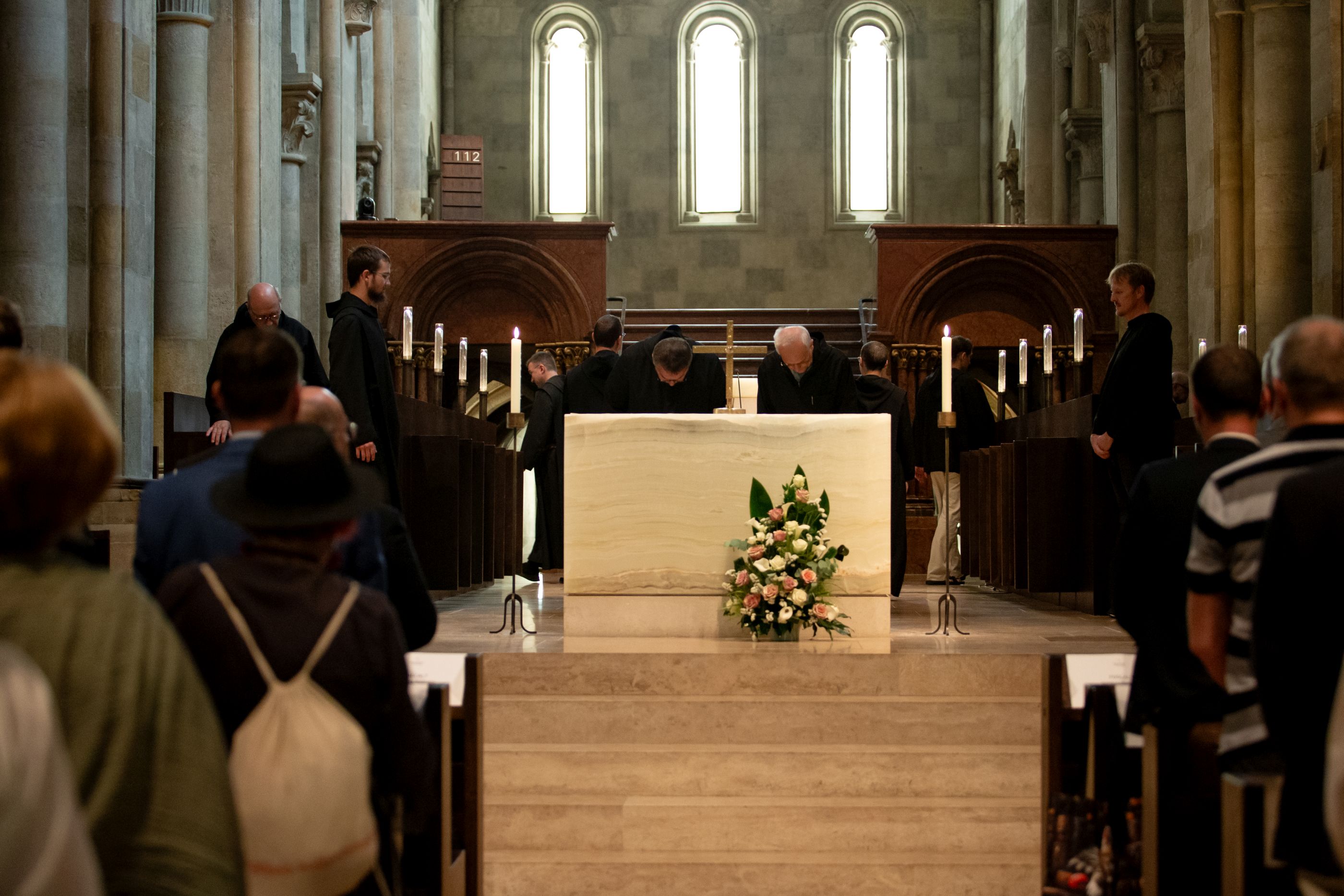
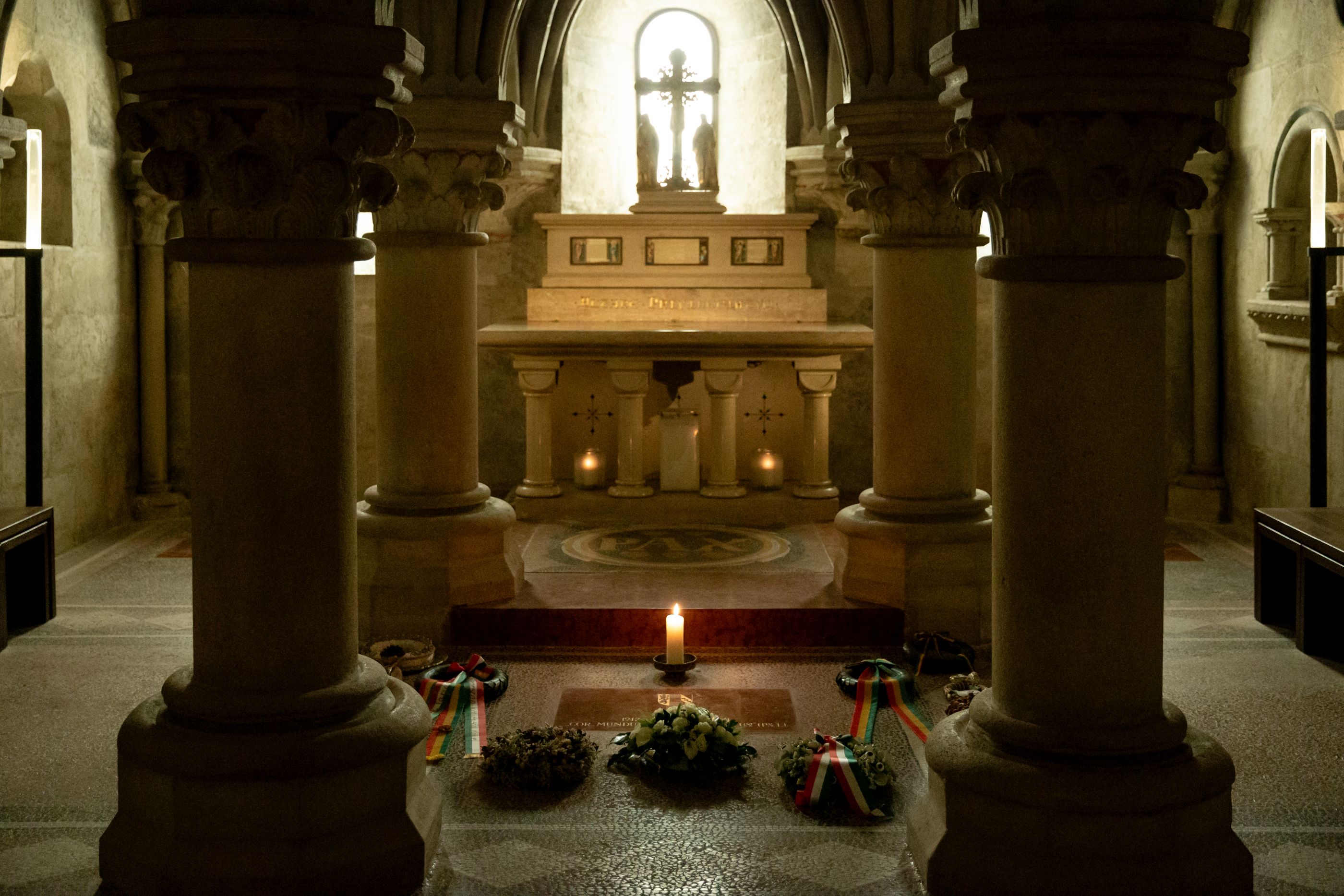
Following the conference, together with our guests, we joined the Benedictine community for prayer before laying a wreath at Otto von Habsburg’s heart urn in the crypt of the Archabbey Basilica.