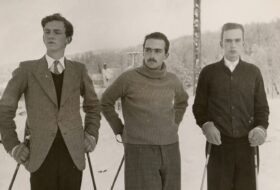
For Otto, sport was primarily of symbolic and community-building significance. He advocated regular physical activity, especially among young people. He regarded sport as a means of character development; skiing and a disciplined lifestyle were, in his view, matters of education and moral conduct. He attributed the secret of a long life to daily physical training, which he carried out with his characteristic precision. His routine was divided into four main sections: movements performed standing, followed by active exercises carried out while lying on one’s side, back, and front. The workout began with a nod, as one would when greeting someone, and next, the coordination between the arms and the head. While lying on his back, he imitated cycling movements; in the side-lying position, exercises related to floor gymnastics followed – a form that is still favoured today by judging panels. The session concluded in the prone position, with leg lifts and circular arm movements.
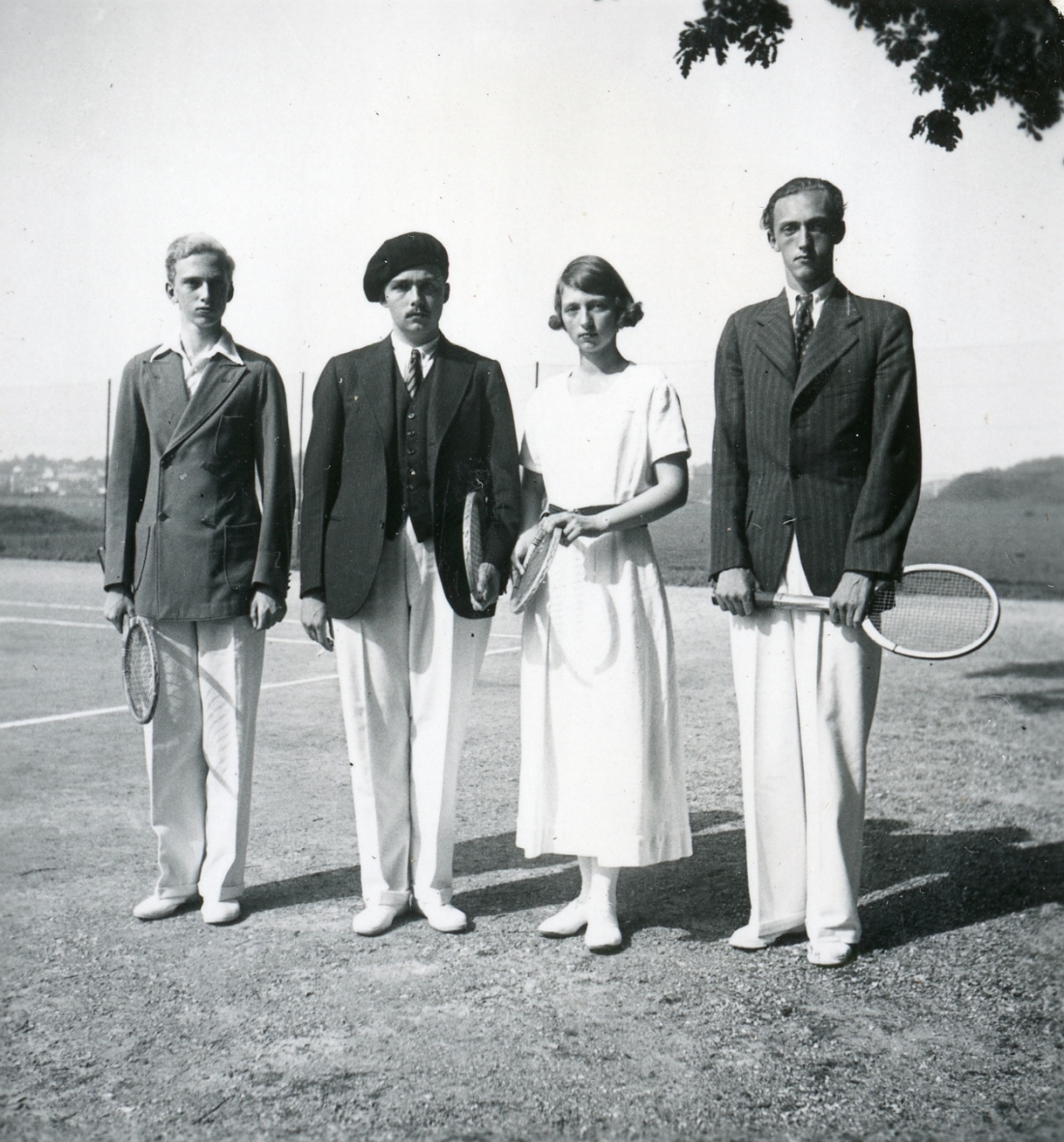
Otto was not the first member of the dynasty to try his hand at sports. According to contemporary sports chronicles, Archduke Joseph’s son, Joseph Franz, accepted the honorary junior presidency of the Hungarian University Athletic Club in April 1914, thus becoming one of the early supporters of mass sport. The ruling family showed a particular fondness for equestrian polo and lawn tennis, that is, tennis played on grass courts, the most renowned venue of which has been Wimbledon in London since 1877 (All England Lawn Tennis and Croquet Club), often referred to as the “sanctuary” of tennis. Charles I, by contrast, was especially devoted to hunting, a pursuit also favoured by Franz Joseph. He believed hunting to be the only sport capable of fully absorbing a person’s attention and suppressing all harmful passions.
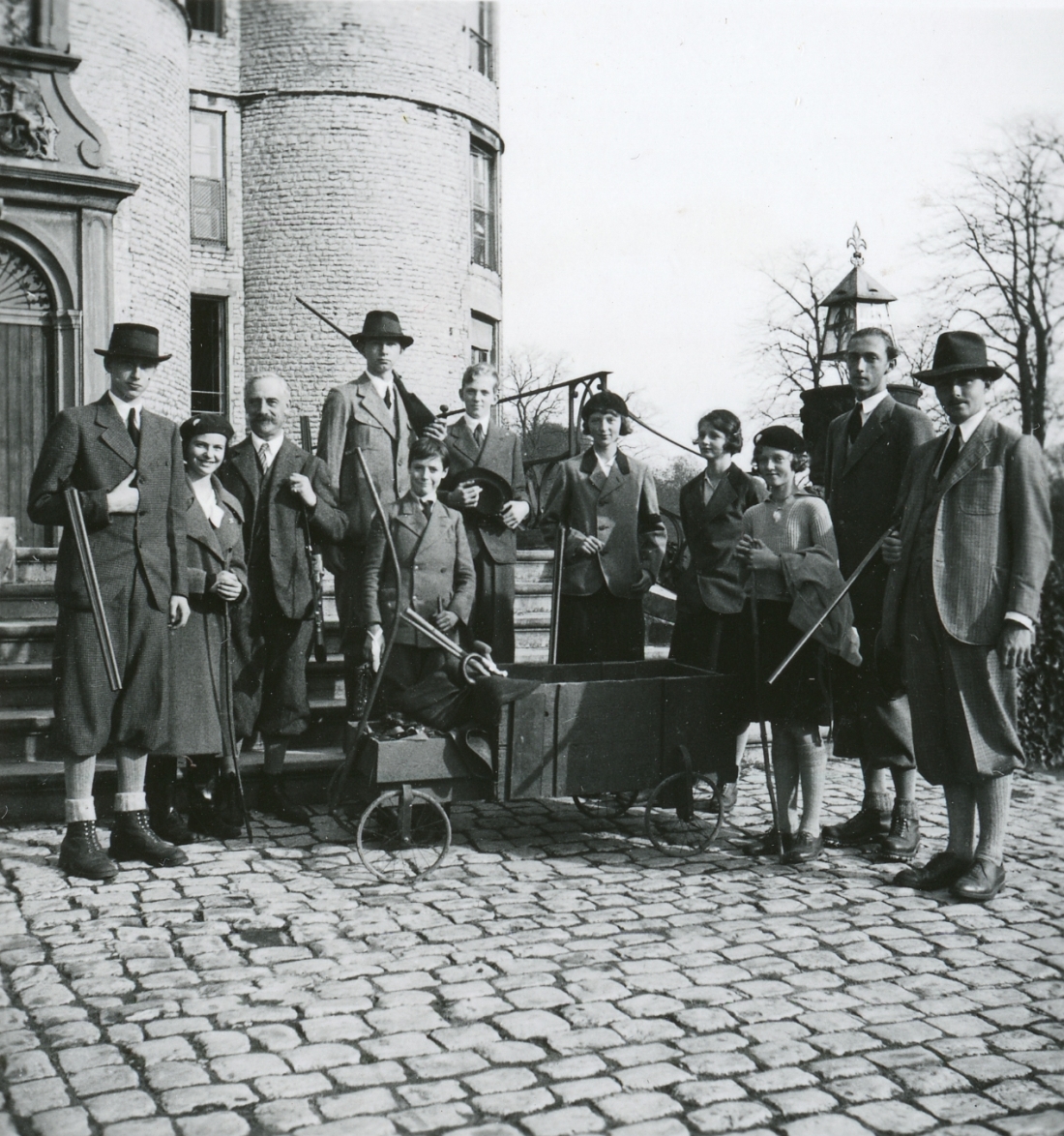
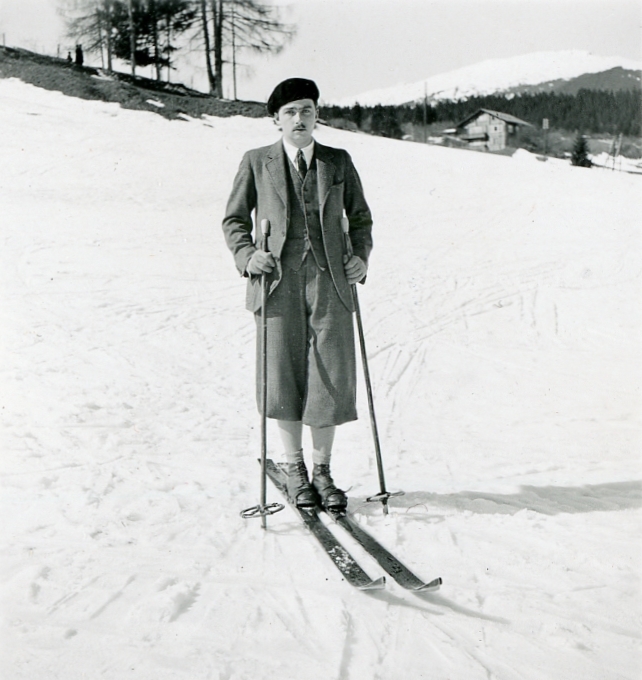
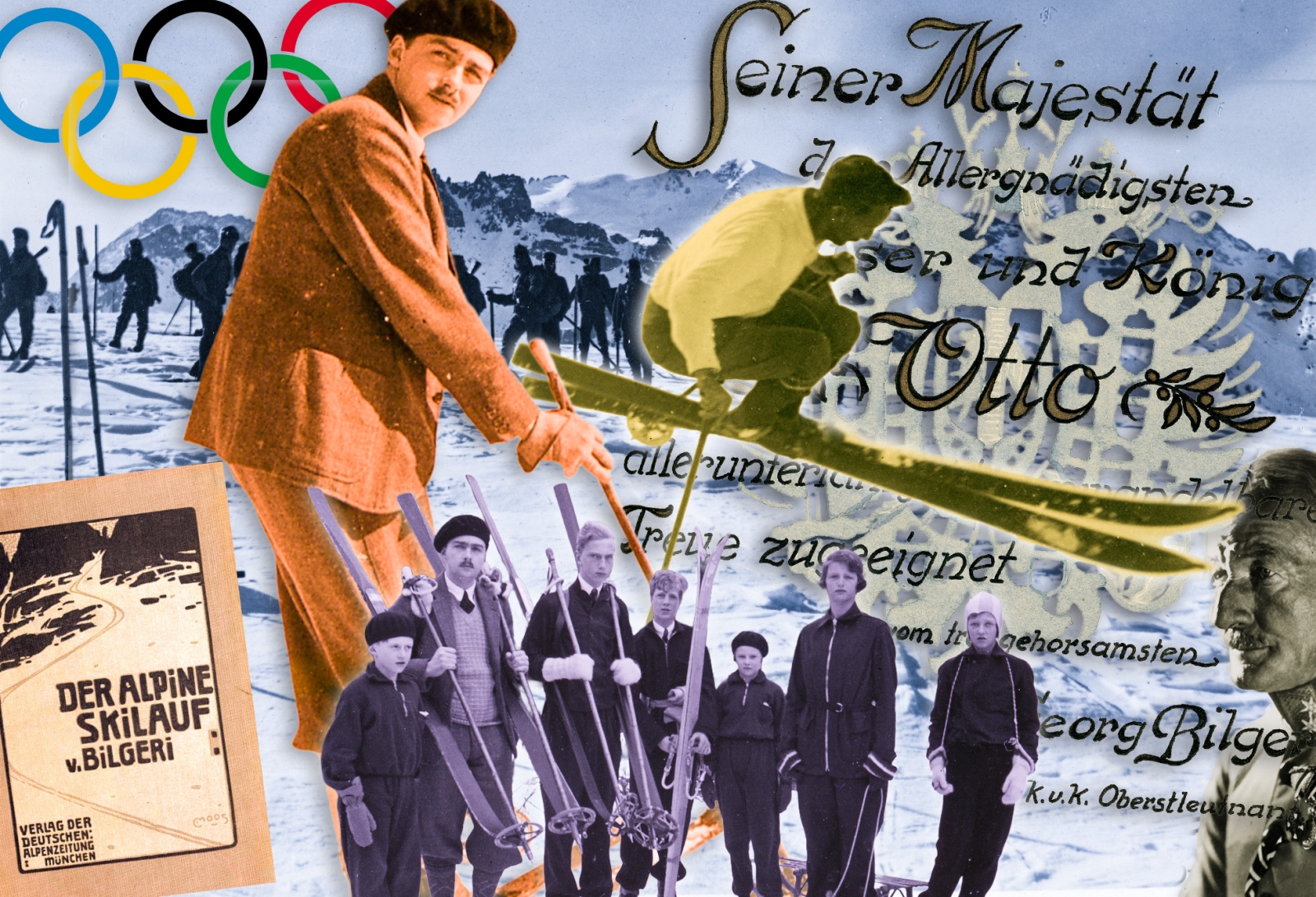
In 1930, the year Otto came of age, numerous gifts arrived in honour of the Crown Prince. Among them was a particularly valuable and distinctive photo album. The album (HOAL 15B 15-5), presented to Otto by Lieutenant Colonel Georg Bilgeri, contains photographs depicting alpine skiing from the period between 1910 and 1928. Georg Bilgeri may be regarded both as a pioneer of alpine skiing and as the father of military skiing. His innovation lay in combining Lower Austrian technique with Norwegian methods, and in developing a new ski-equipment-related technique that he named after himself. The so-called Bilgeri binding was later recognised as a subtype of the Lilienfeld (steel-plate) binding. Bilgeri also played a key role in the development of the snowplough turn and the two-pole technique. The former was used in introductory courses to teach weight distribution between the outer and inner skis. In his training system, Bilgeri employed a pole arrangement consisting of two poles for ascent and one for descent; the pole could be separated into two parts. During its use, the arms were bent, while the feet were positioned shoulder-width apart.
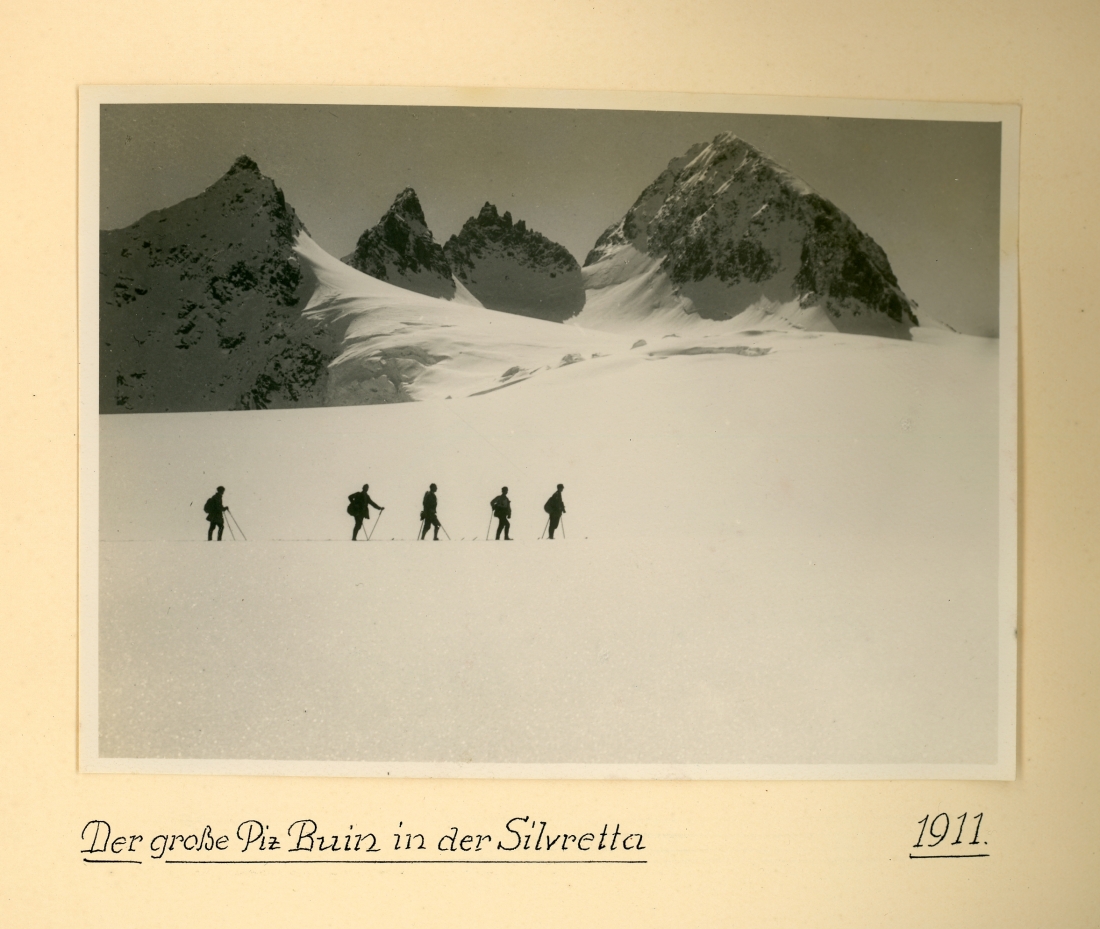
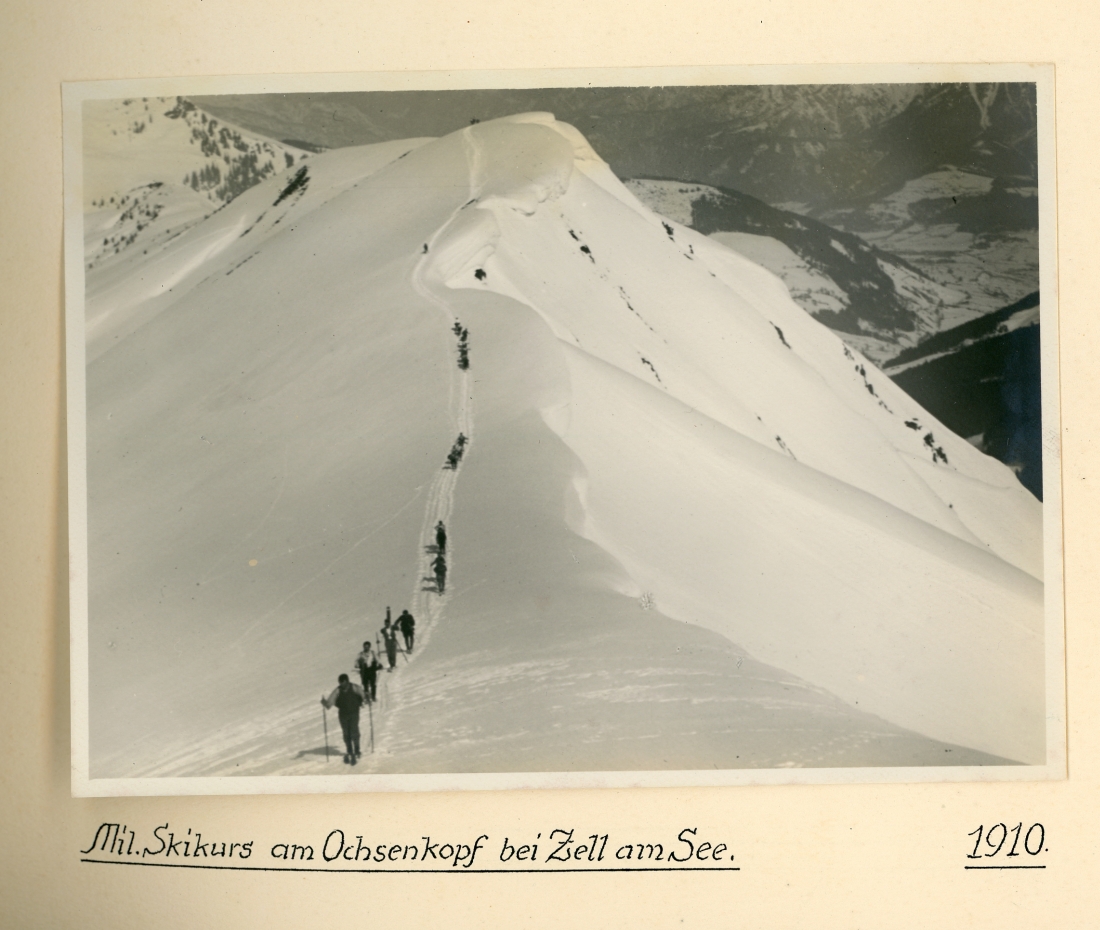
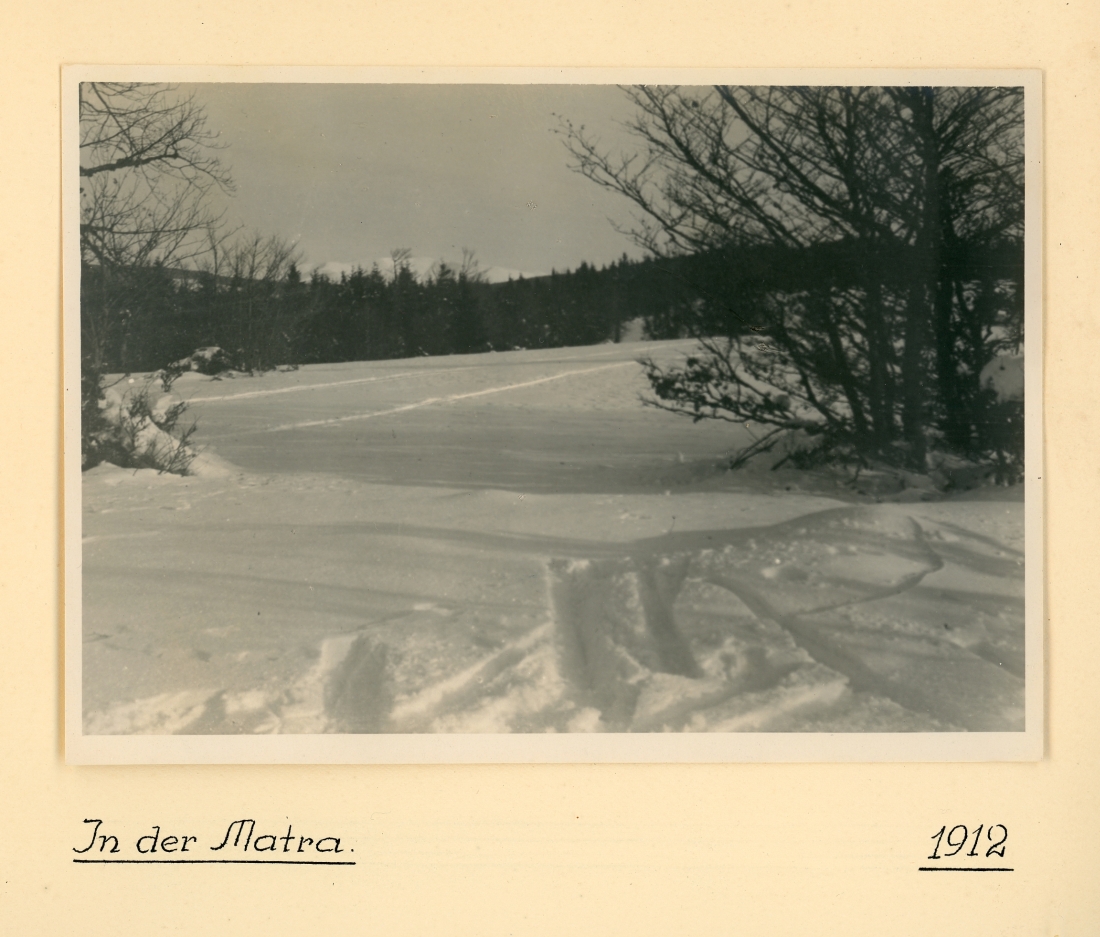
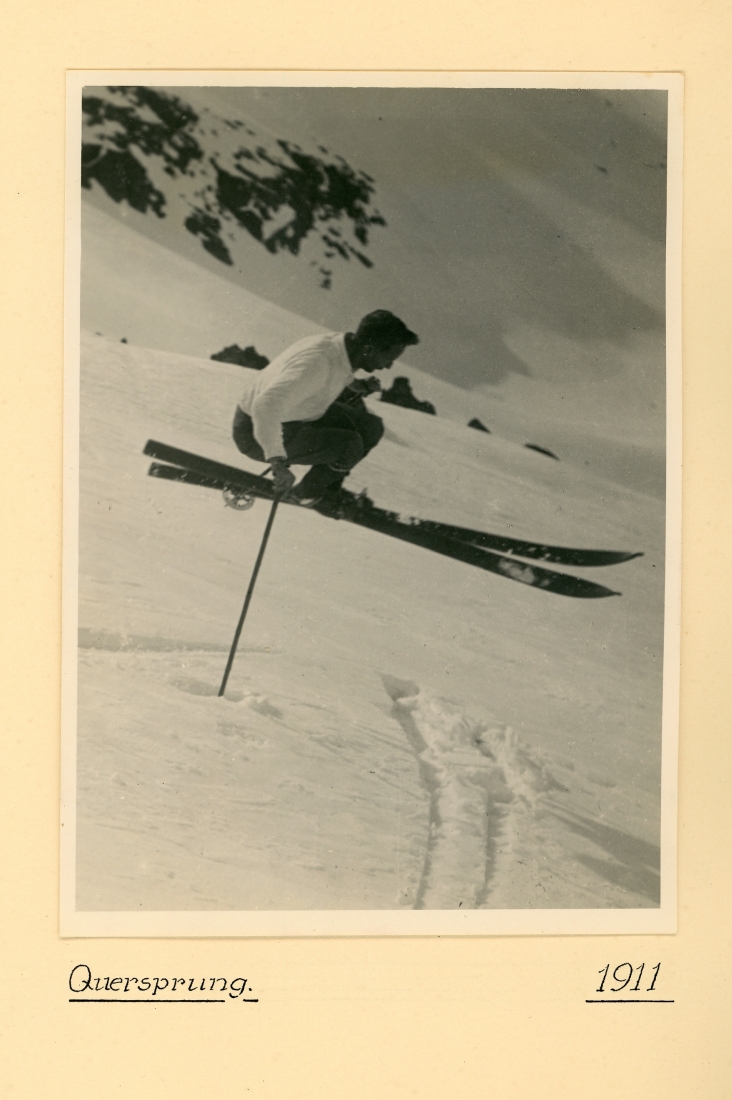
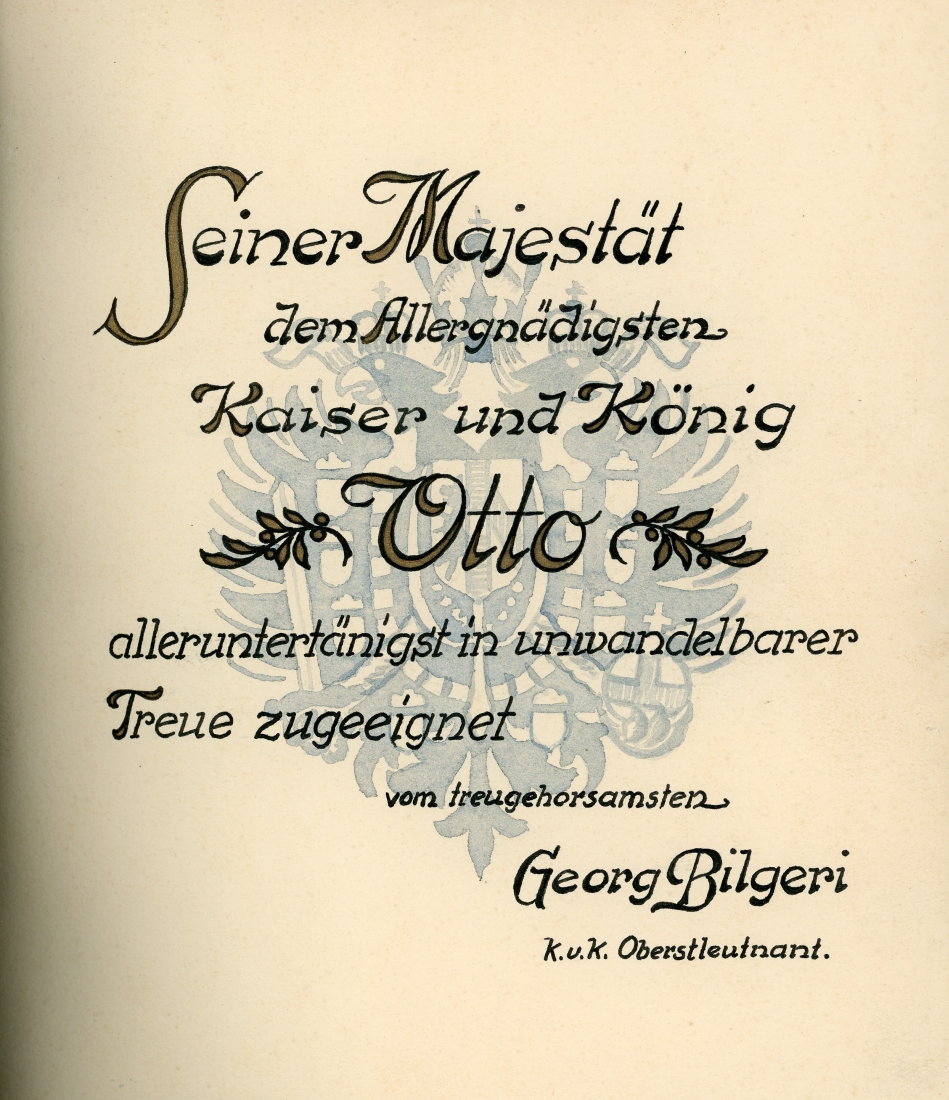
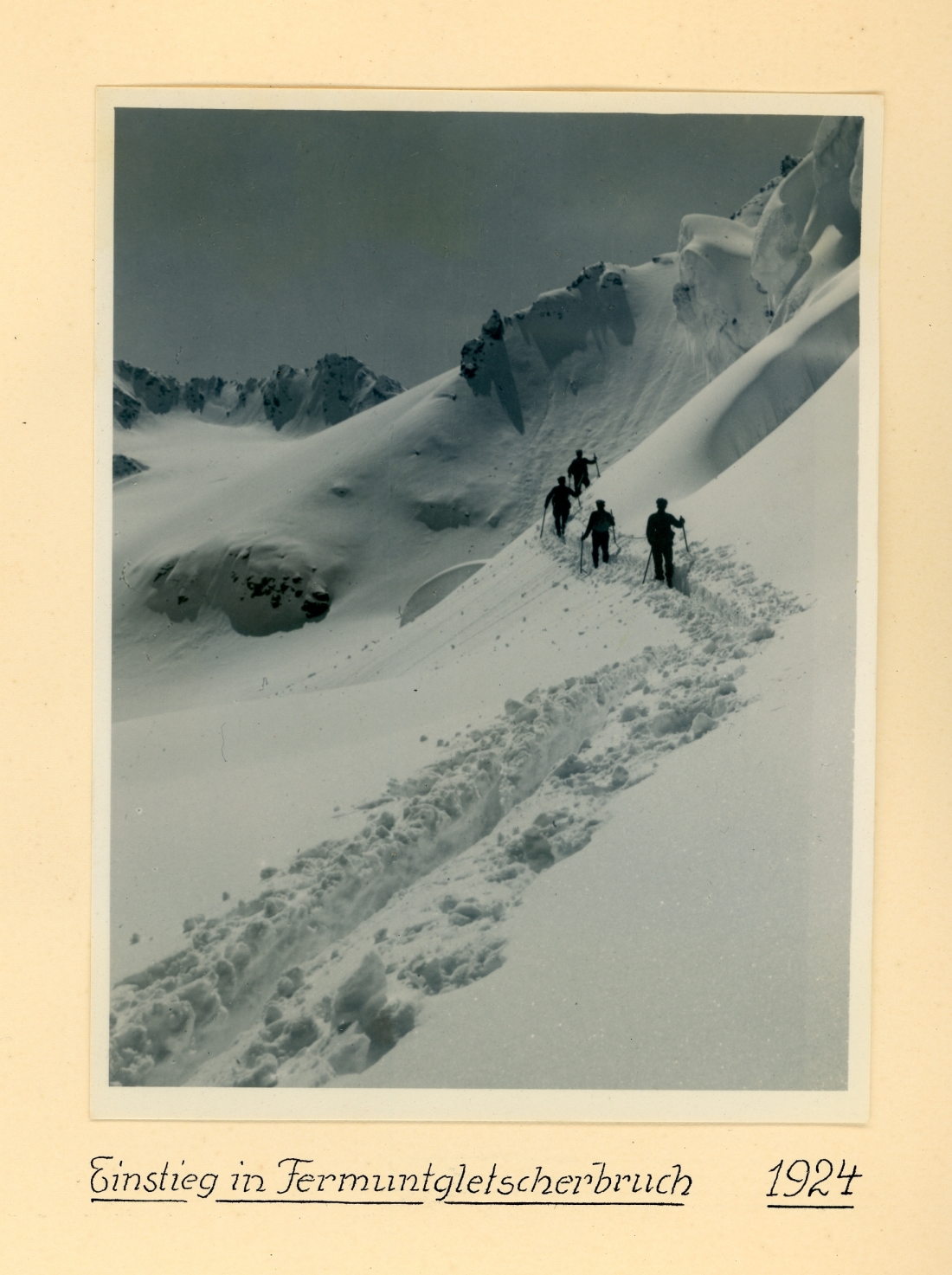
In 1905, Bilgeri organised the first military ski competition in Kitzbühel. Between 1906 and 1910, he served as head of the ski workshop of the 14th Army Corps Command in Salzburg. During the First World War, he worked as a highly trained ski instructor and mountaineer in mountain warfare training, primarily in the Dolomites within the 10th Army. Among those he trained was the later renowned director and writer, Luis Trenker. After the war, Bilgeri continued his instructional activities; at the invitation of the Hungarian Ministry of Defence, he trained soldiers in Mátraháza between 11 and 20 January 1932. He received another invitation at the end of December 1934, but was unable to fulfil it, as he died in an avalanche in Innsbruck on 4 December 1934. In recognition of his life’s work and achievements, streets in Vienna, Bregenz, Hörbranz, Innsbruck and Mariazell bear his name.
Ádám Suslik