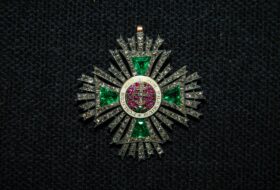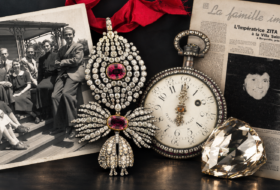
On 6 November 2026, news broke that the most valuable jewels of the Habsburg-Lorraine dynasty, believed to have been lost for a hundred years, had been discovered in a bank safe in the Canadian province of Québec. These precious objects had been taken by the family in March 1919, when they were forced to leave Austria for exile. Later, fleeing Nazi persecution during the Second World War, Empress Zita found refuge in Québec with her younger children and placed the treasures in safekeeping there in 1940. According to her instructions, the jewels could not be displayed again until one hundred years after the death of Emperor Charles I.
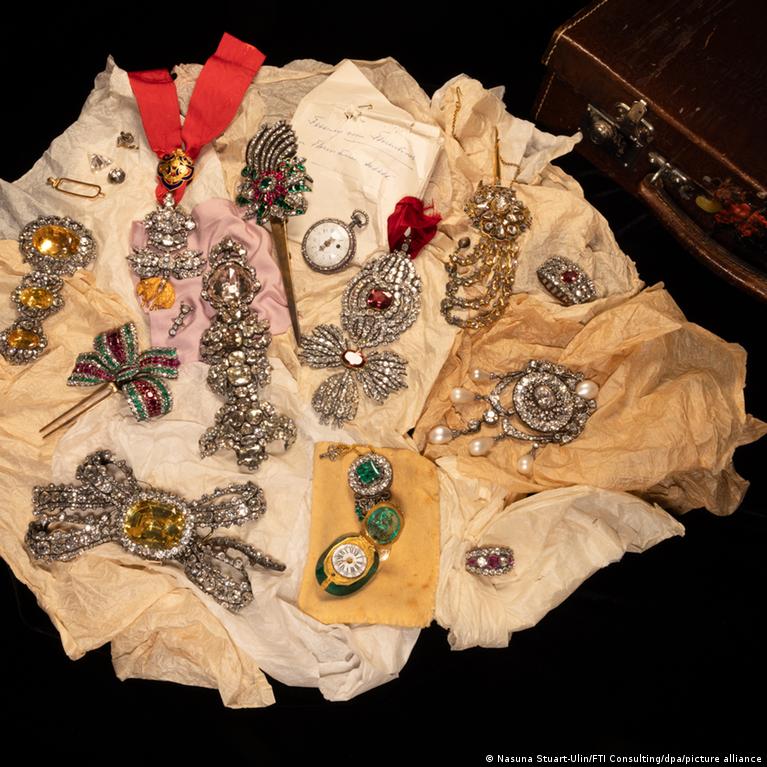
Photo: Nasuna Stuart-Ulin/FTI Consulting/dpa/picture alliance
In 2025, the dynasty’s descendants decided to present the objects to the public at the Musée national des beaux-arts du Québec, the National Museum of Fine Arts of Québec. Our Foundation was also invited to contribute to the professional planning of the exhibition. The primary purpose of the visit was to discuss the shared tasks on-site. The Embassy of Canada in Budapest, as well as Ambassador François Lafrenière, assisted us in the preparation. The long-standing supporter of our Foundation is originally from Québec and attended the same university as Otto von Habsburg’s siblings.
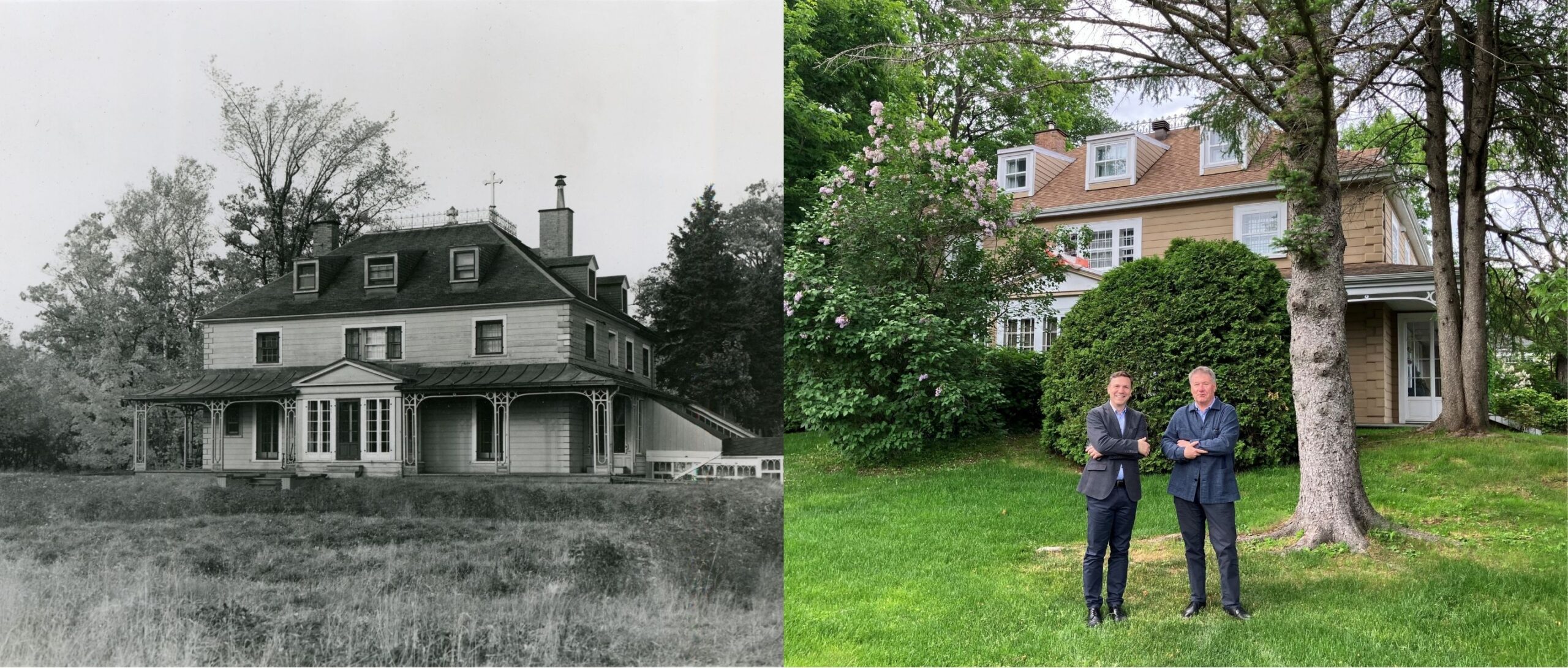
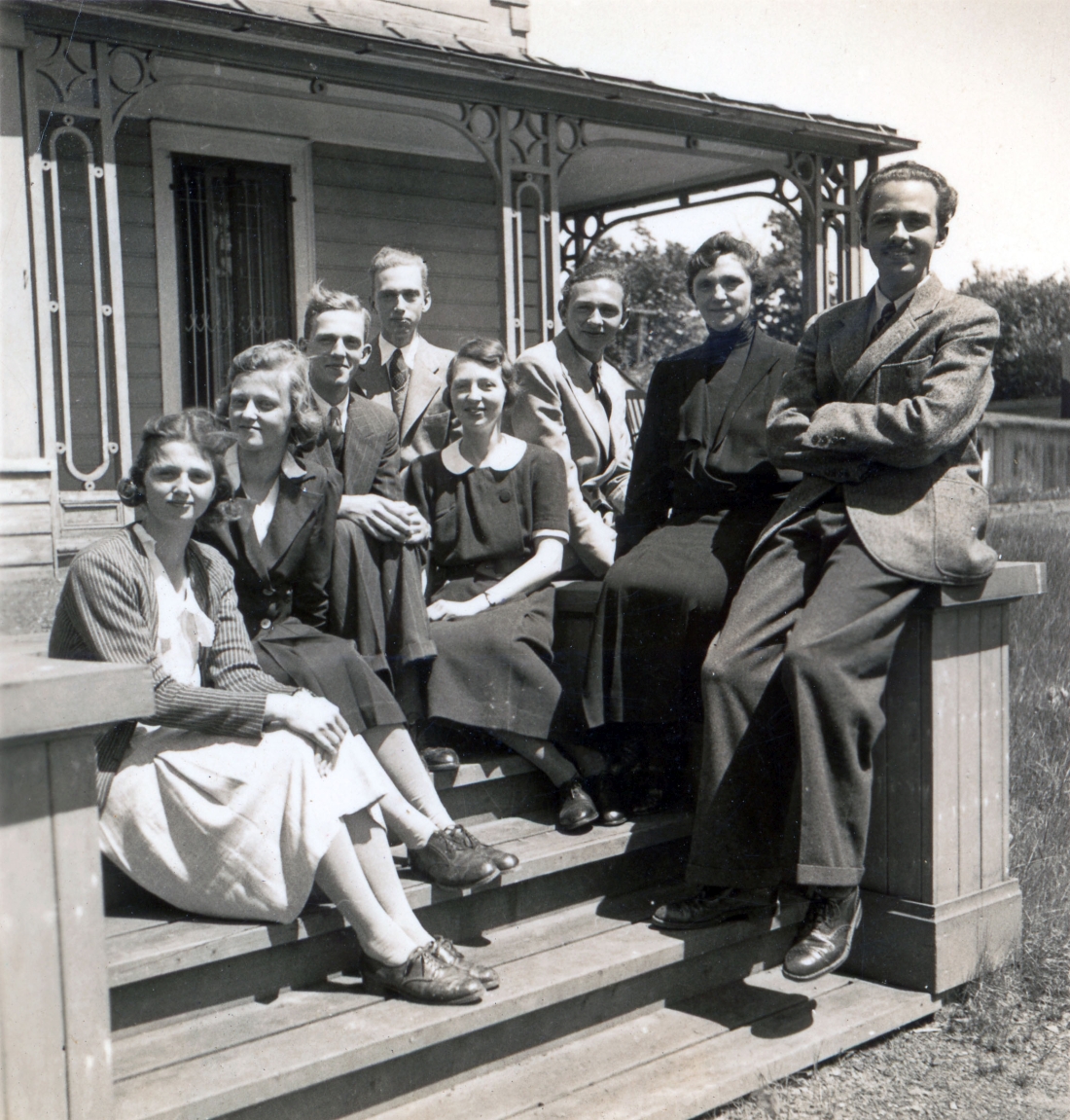
Above all, the journey provided an opportunity to visit Spencer Grange, built in 1844 and known during the period in question as the Saint Joseph de Sillery house, where the former Empress lived between 24 October 1940 and November 1948. At the time, the building belonged to a community of nuns dedicated to Saint Joan. Numerous contemporary photographs of everyday life can be found in the albums preserved by our Foundation; the image used on our 2025 Christmas greeting was also taken there. The villa is now privately owned; although its surroundings have changed over the decades, from the outside it still looks as it did when Zita and her children resided there.
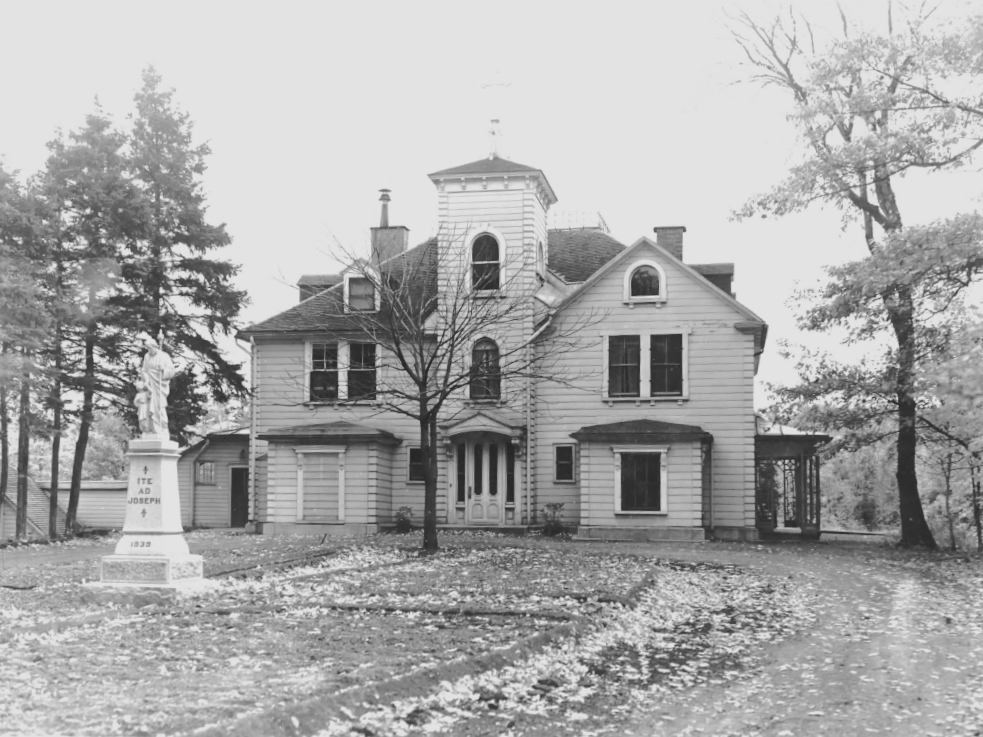
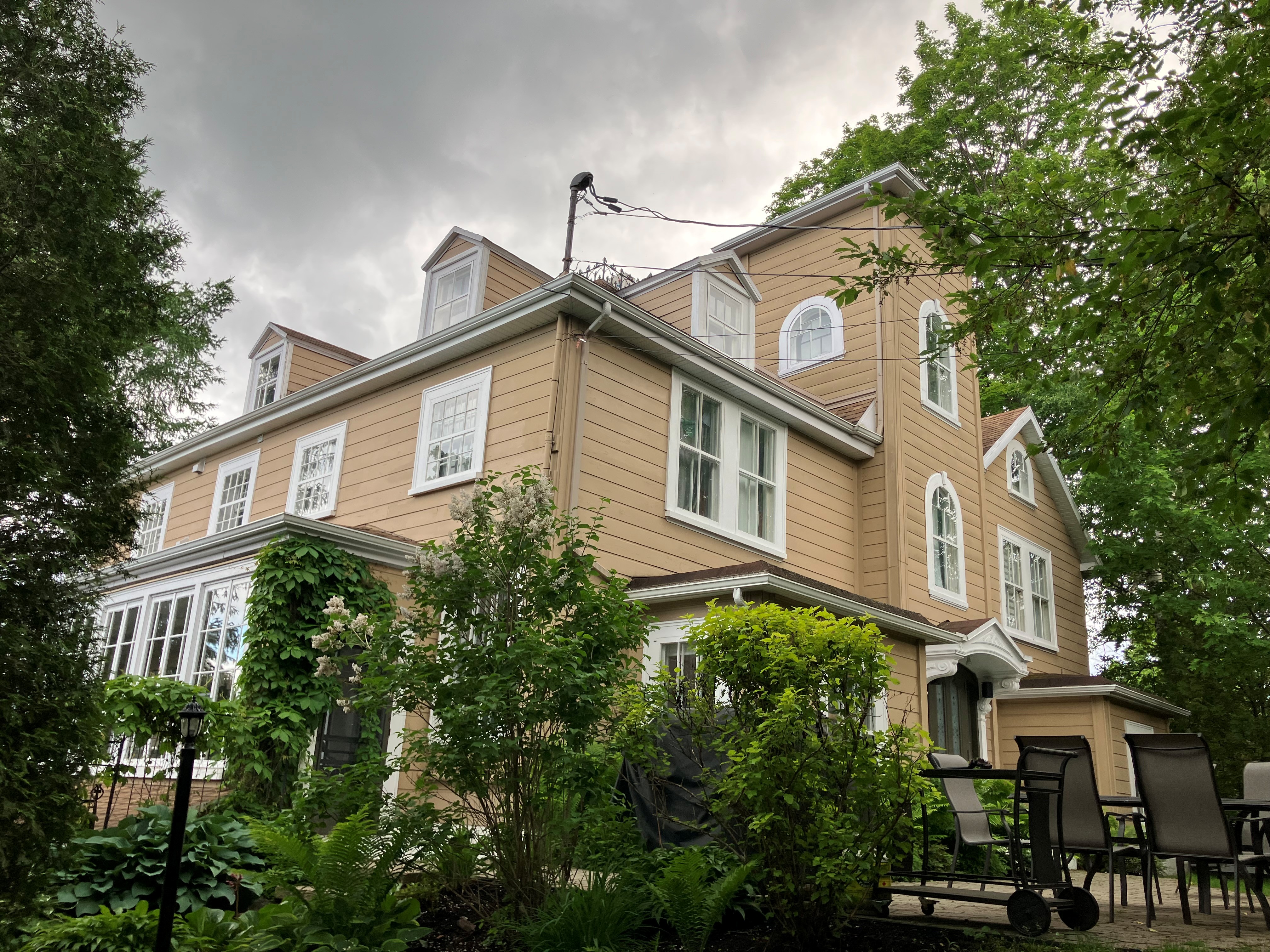
Zita chose Québec because, fleeing Gestapo persecution, she was looking for a safe place as close as possible to the Old Continent. The francophone environment was another factor in her decision: as a Princess of Bourbon-Parma, she considered her children’s command of French essential. The presence in Québec of her younger brother, Prince Felix of Bourbon-Parma, also supported the relocation. The husband of Grand Duchess Charlotte of Luxembourg had likewise fled there with his family in 1939, and repeatedly invited his sister to Canada. Zita was also connected to Charles De Koninck, a professor at Laval University. The Belgian-Canadian philosopher, who had been among Otto’s and his elder siblings’ teachers in Leuven, also encouraged her to settle in Canada.
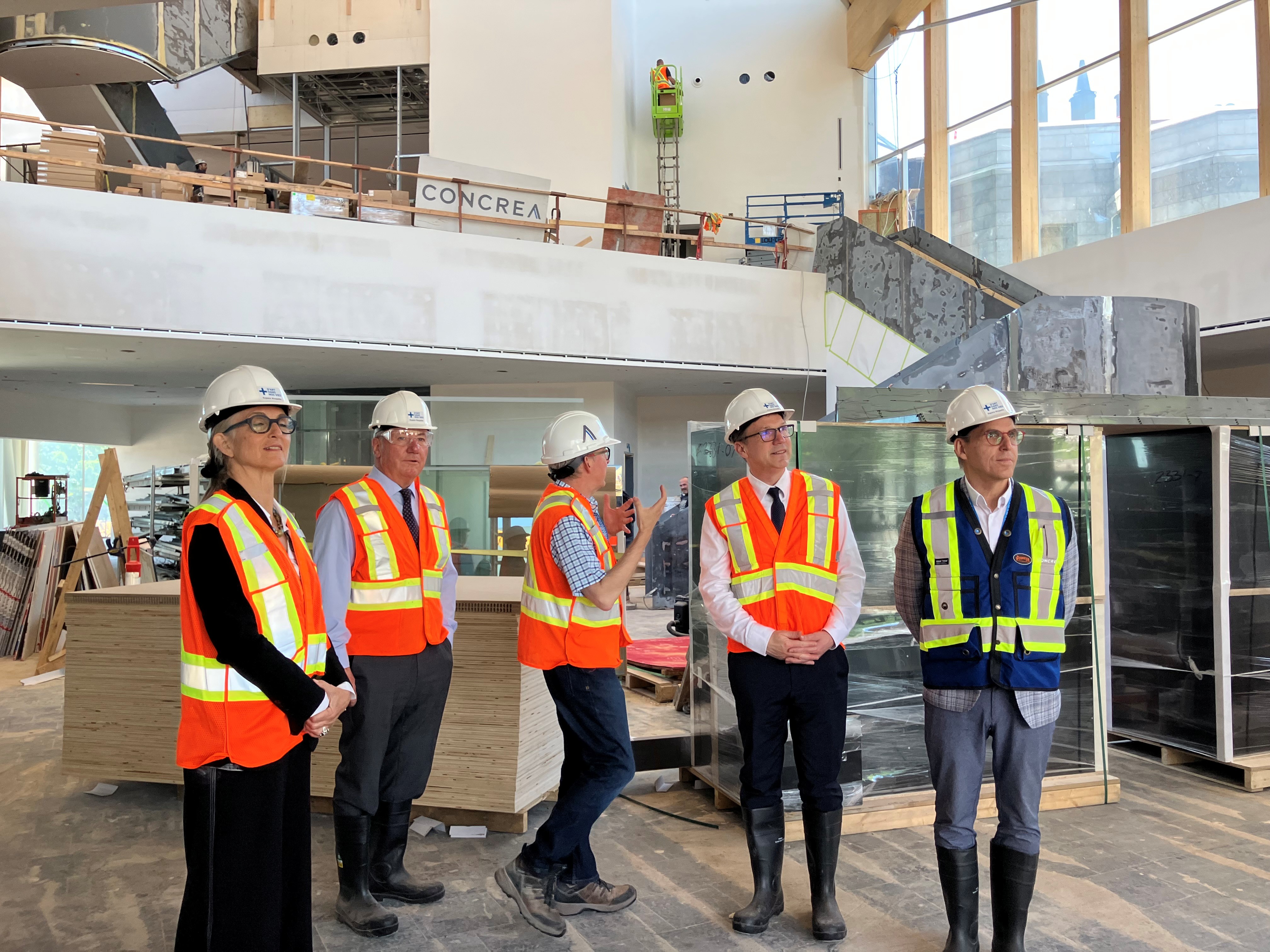
Not far from the home of the former sovereign’s widow, close to the St Lawrence River, stands the Musée national des beaux-arts du Québec, which our colleagues visited on 16 June in the company of Helga Pritz, Hungary’s Consul General in Québec. Jean-Luc Murray, Director General of the institution, and Anik Dorion-Coupal, Director of Exhibitions and International Partnerships, presented the museum and the new wing under construction. The leaders of Québec’s largest public collection thanked the Otto von Habsburg Foundation for its effective contribution, while noting that the presentation of the Habsburg treasures was, for the time being, delayed for administrative reasons beyond the museum’s control. They emphasised, however, that they wished to continue working together on the thorough preparation of the exhibition.
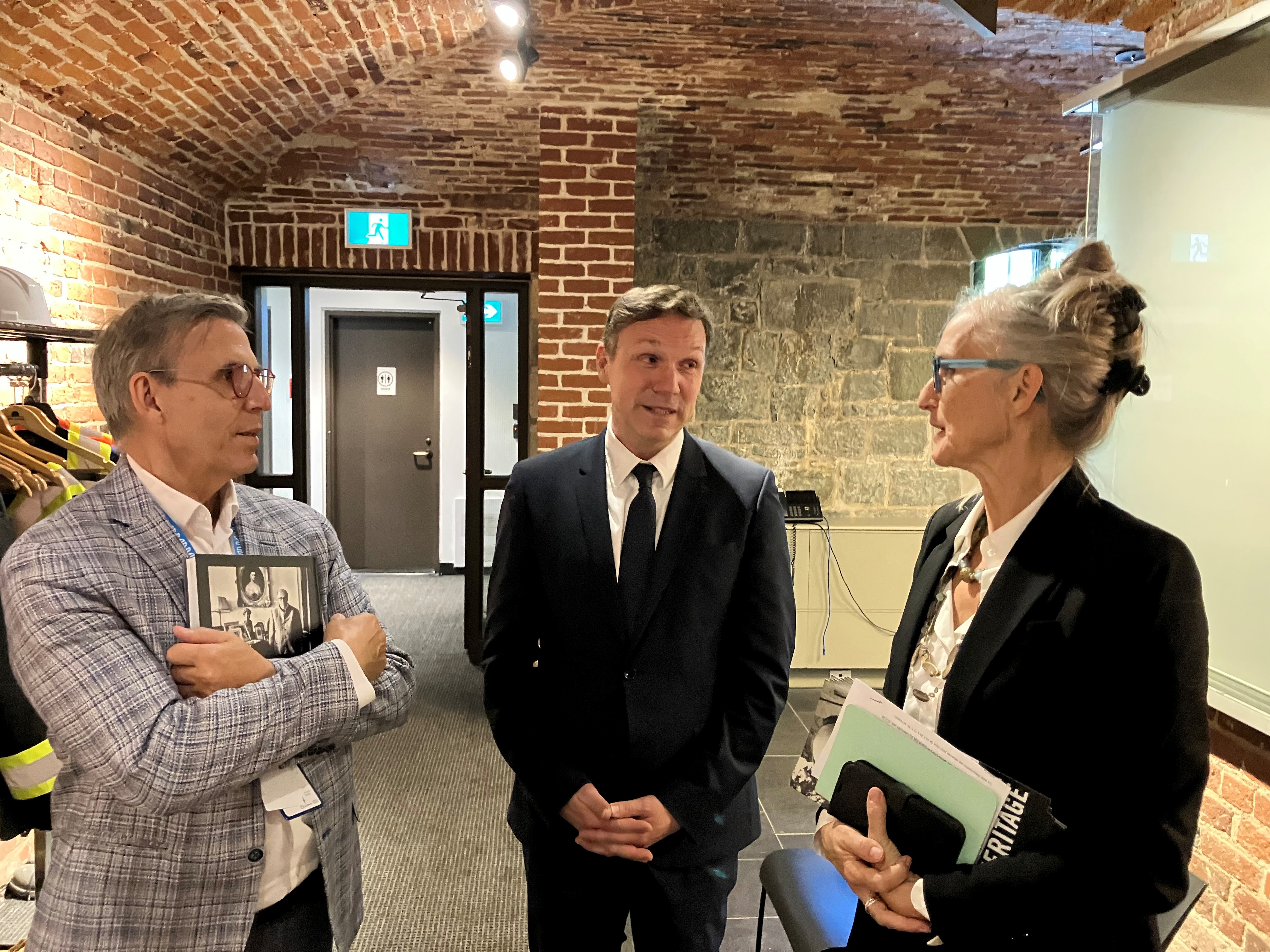
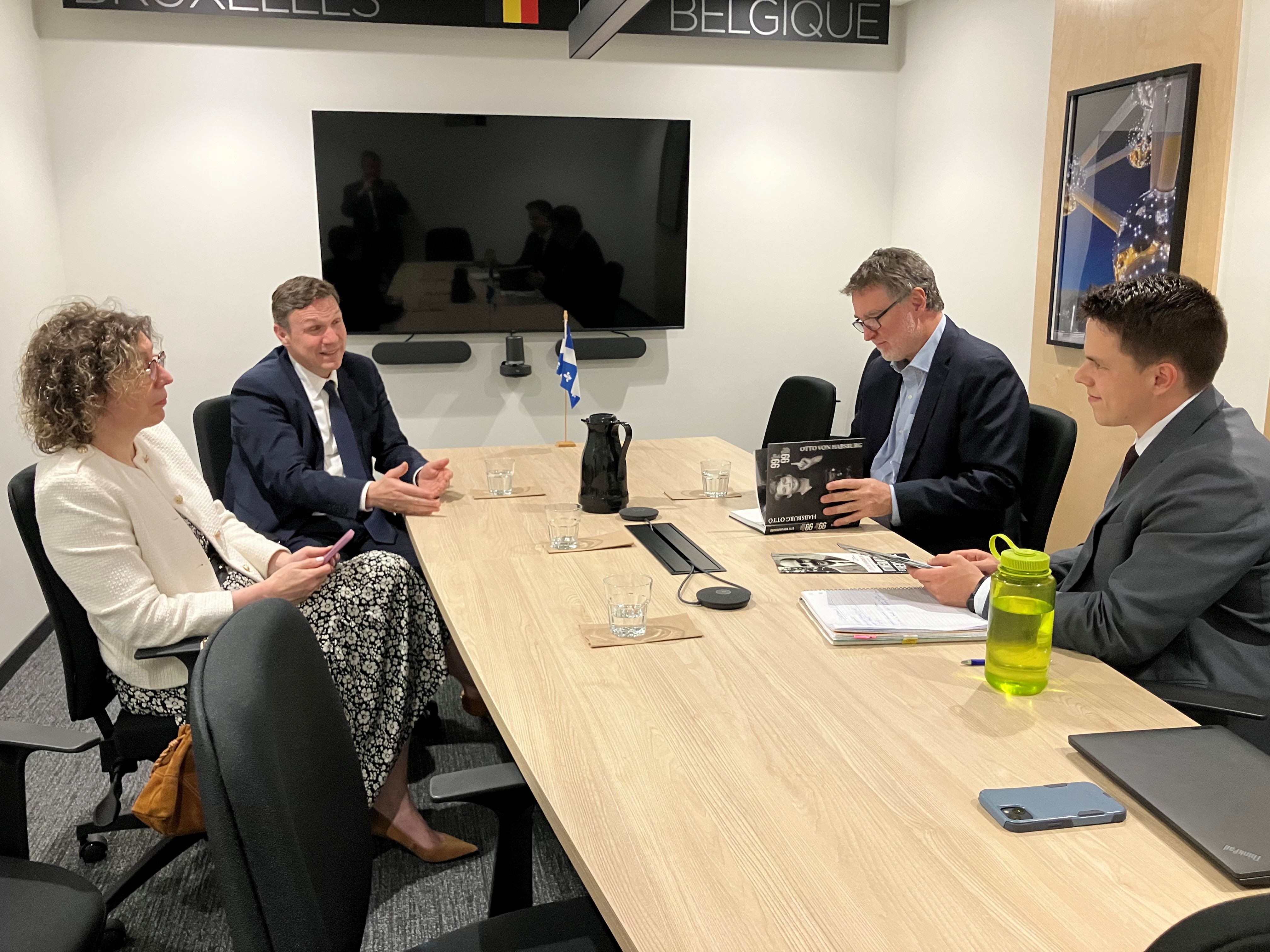
This was confirmed at the Québec Ministry of International Relations by Vincent Royer, Director responsible for Europe, Africa, and the Middle East, and William Gosselin, Central Europe officer, who received our colleagues. In the course of their discussion, it was stated that the British historian Richard Bassett possesses decisive evidence that the jewels belong to the Habsburg family. Representatives of the local ministry emphasised that European relations are of particular importance to the province. The dignified commemoration of the last Austrian empress and Hungarian queen’s eight years in Québec fits organically into this endeavour. They would welcome – possibly with the involvement of the local Laval University – a programme that examines the present state of transatlantic cooperation in its historical context, while also highlighting the distinctive mediating role played by Canada, and Québec in particular, between continents and cultures. The exchange also touched on Otto von Habsburg’s participation in the Québec Conference of September 1944, where the Crown Prince consulted Winston Churchill and President Roosevelt on the future of Central Europe. A statue in the city commemorates the event.
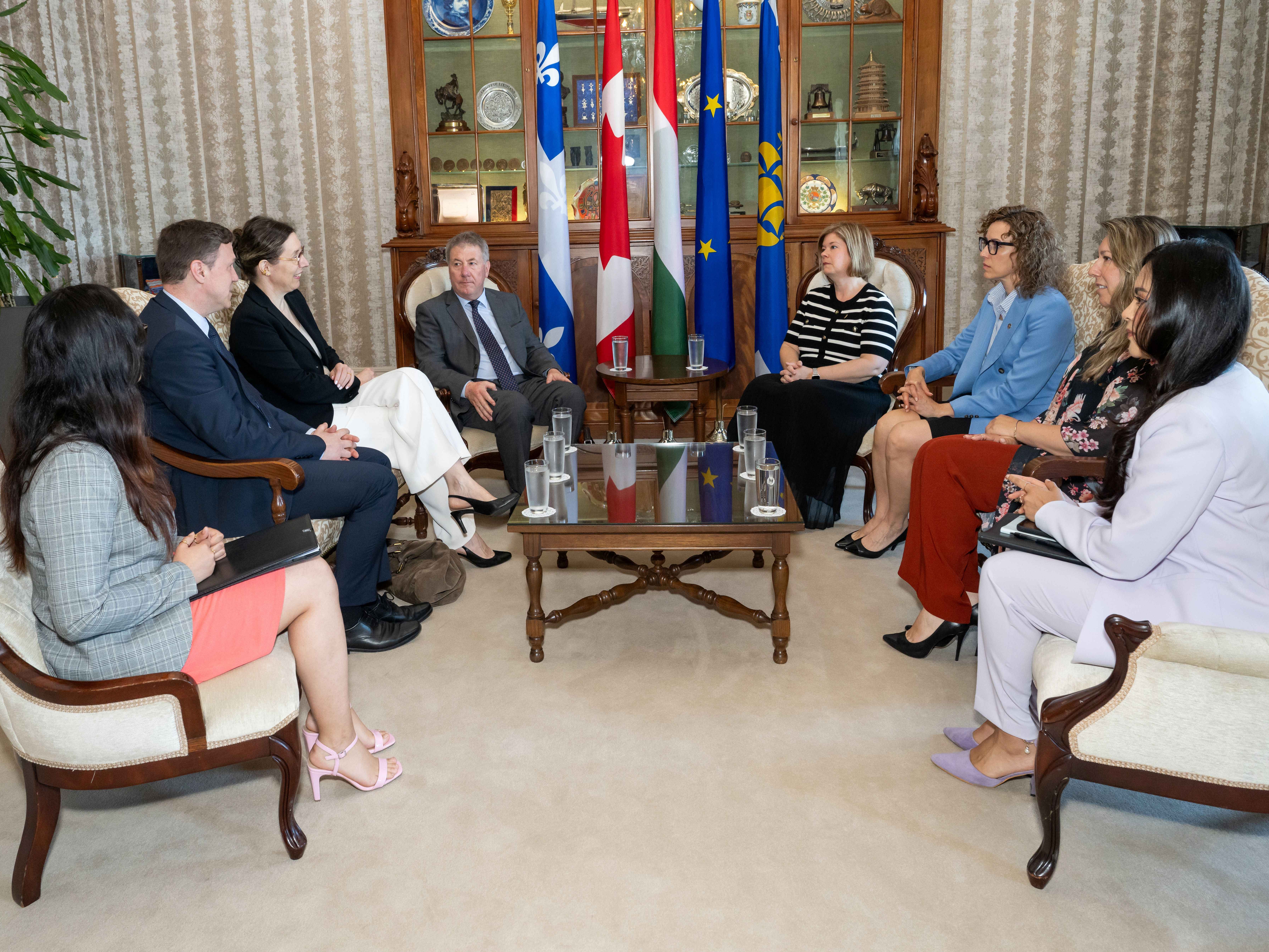
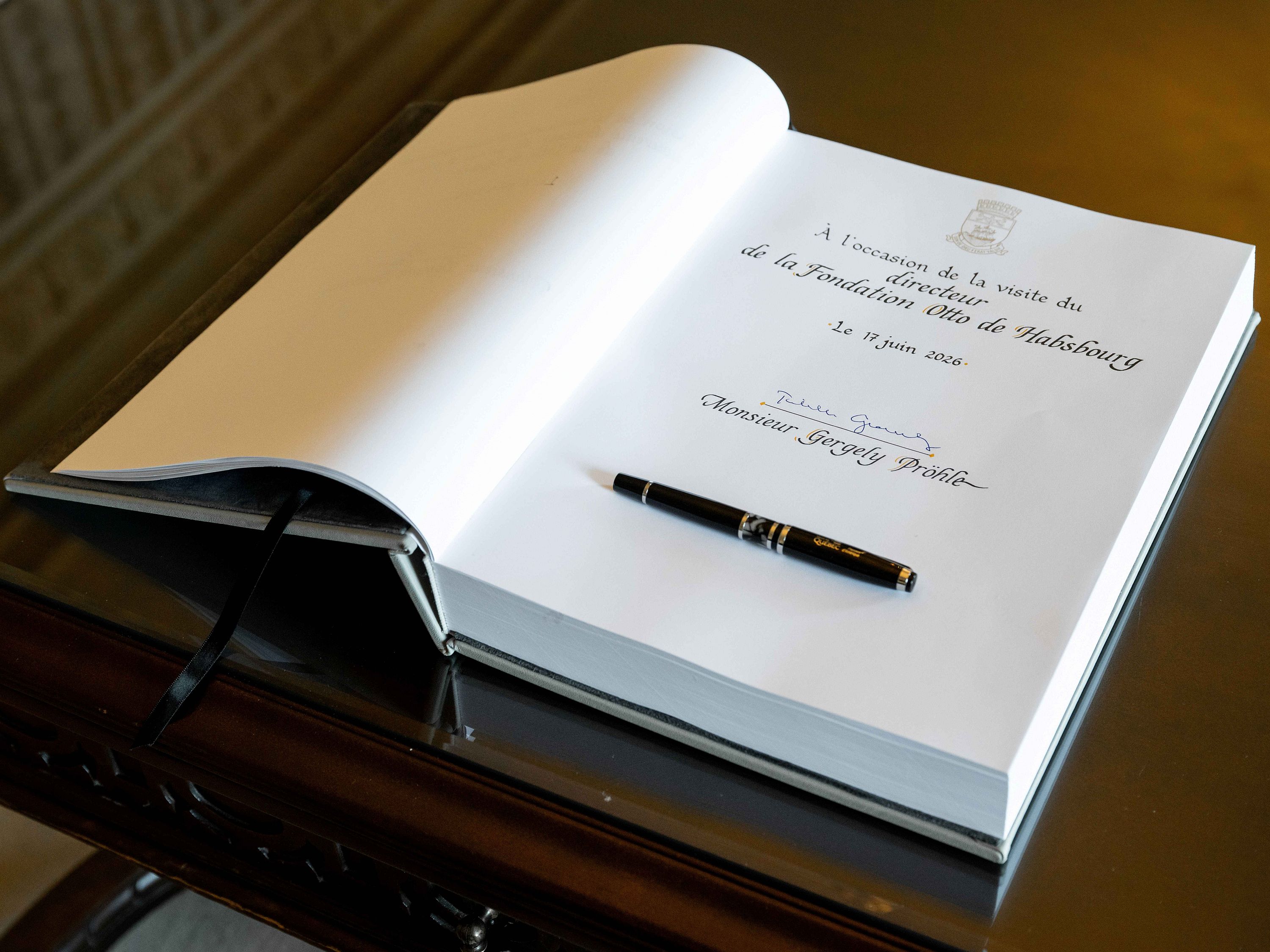
As a continuation of earlier discussions, on 17 June, our Foundation’s representatives were received with marked courtesy by Québec’s senior official responsible for culture. It is an interesting coincidence that Marianne White’s political career is connected to the district in which the Habsburg family lived between 1940 and 1948. She, together with Sara Tapia, Director of the city’s office responsible for international relations, who was also present at the meeting, assured us of their support for preparing a research project and conference that could explore in greater depth the details and personal connections of the family’s stay in Canada. The local implementation of the project could later be followed by a similar event in the Hungarian capital. To close the visit, Director Gergely Prőhle signed the city’s guest book.
The trip made clear that, in Québec, the exhibition of the Habsburg jewels and the family’s former presence are regarded not merely as matters of historical significance: they also carry a contemporary message in the context of transatlantic relations. The fact that Empress Zita and her children chose Canada’s French-speaking province as their place of residence at the time is meaningful for the relationship between Québec and Europe, and is also beneficial for Canada’s current foreign policy aspirations. In keeping with its mission, our Foundation is pleased to support these objectives and, as a partner of local institutions, is ready to take part in implementing the plans outlined.