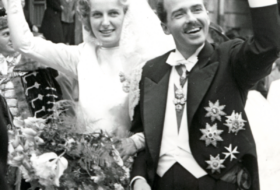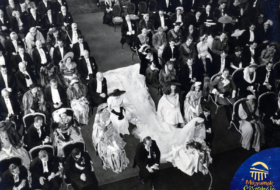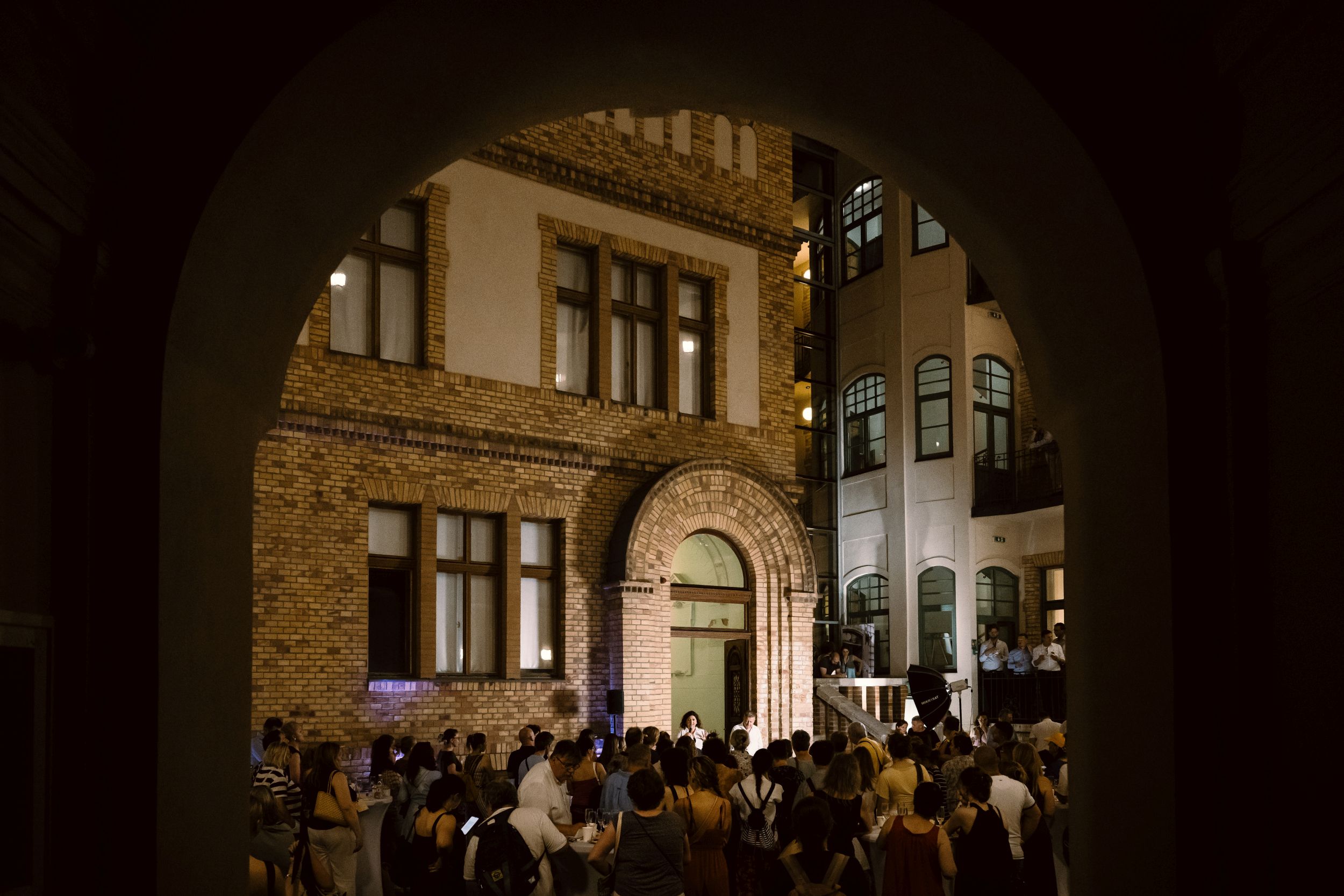
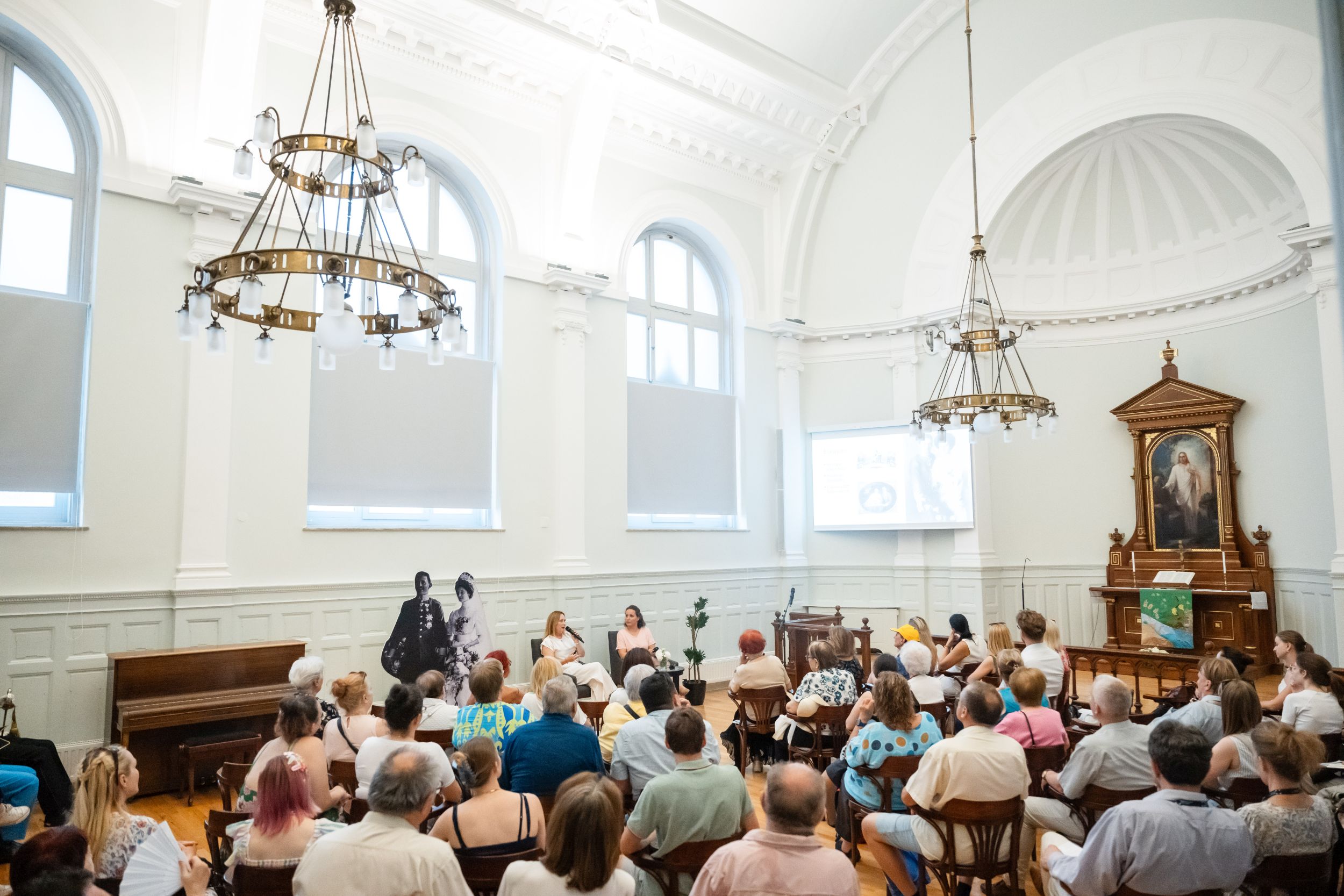
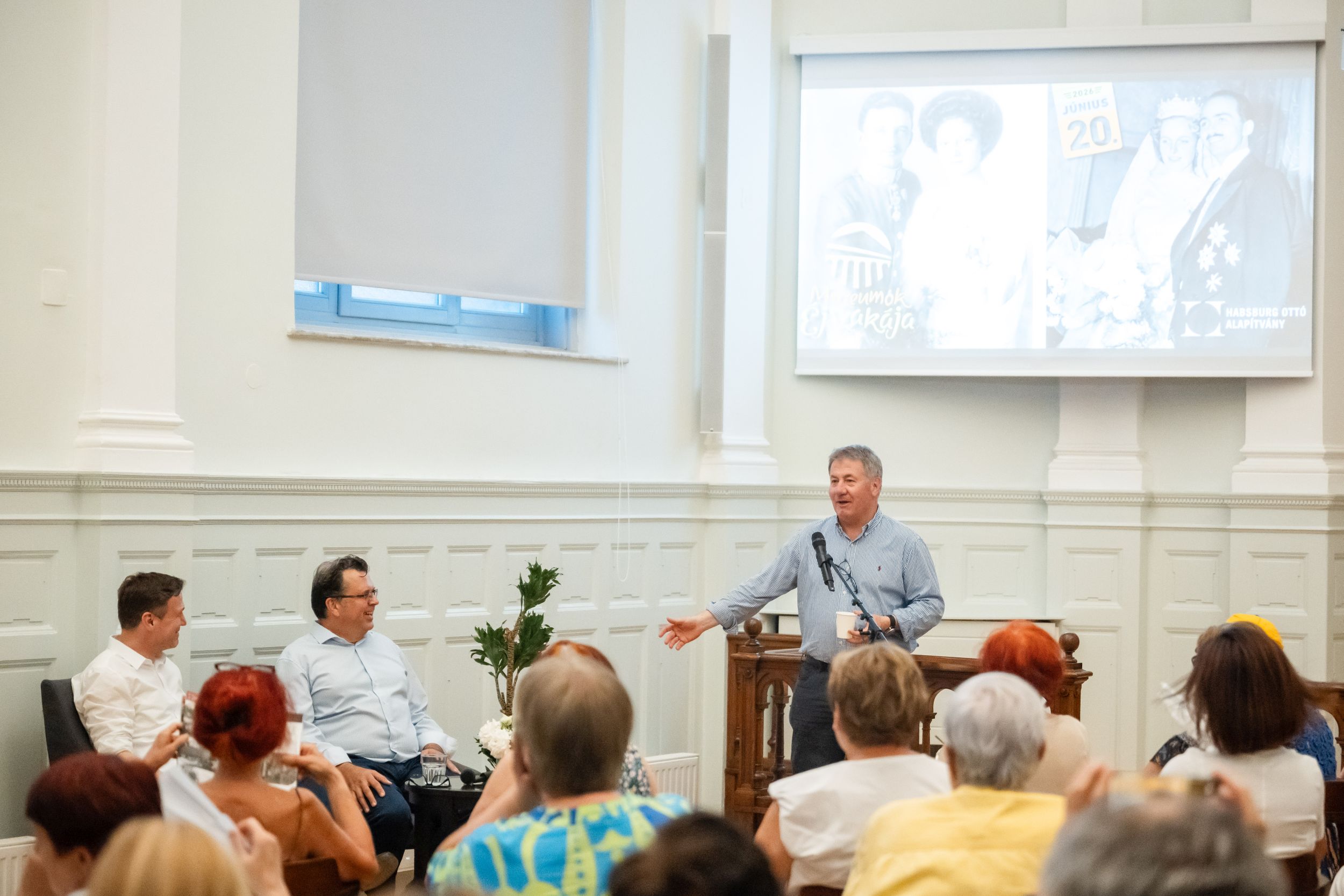
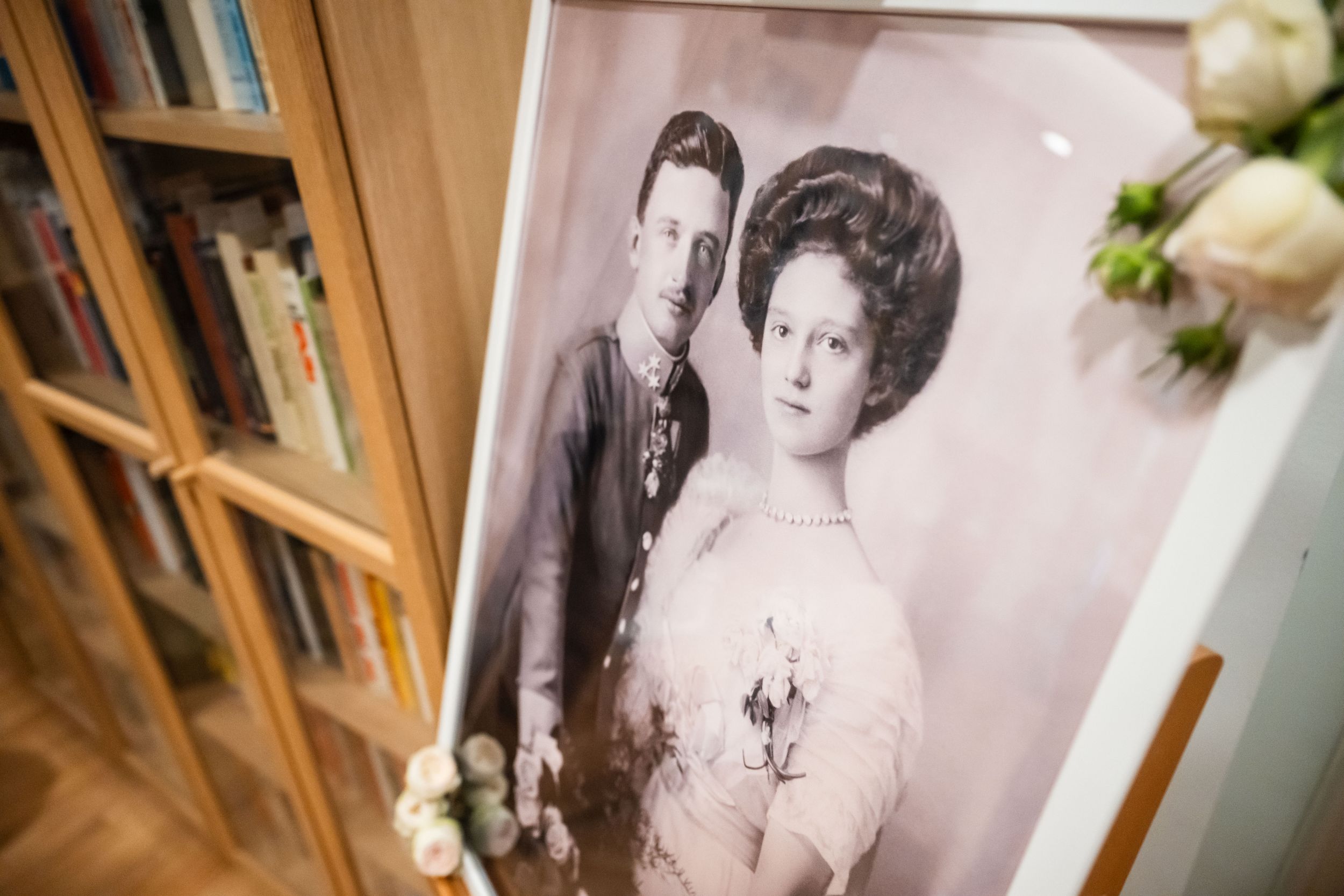
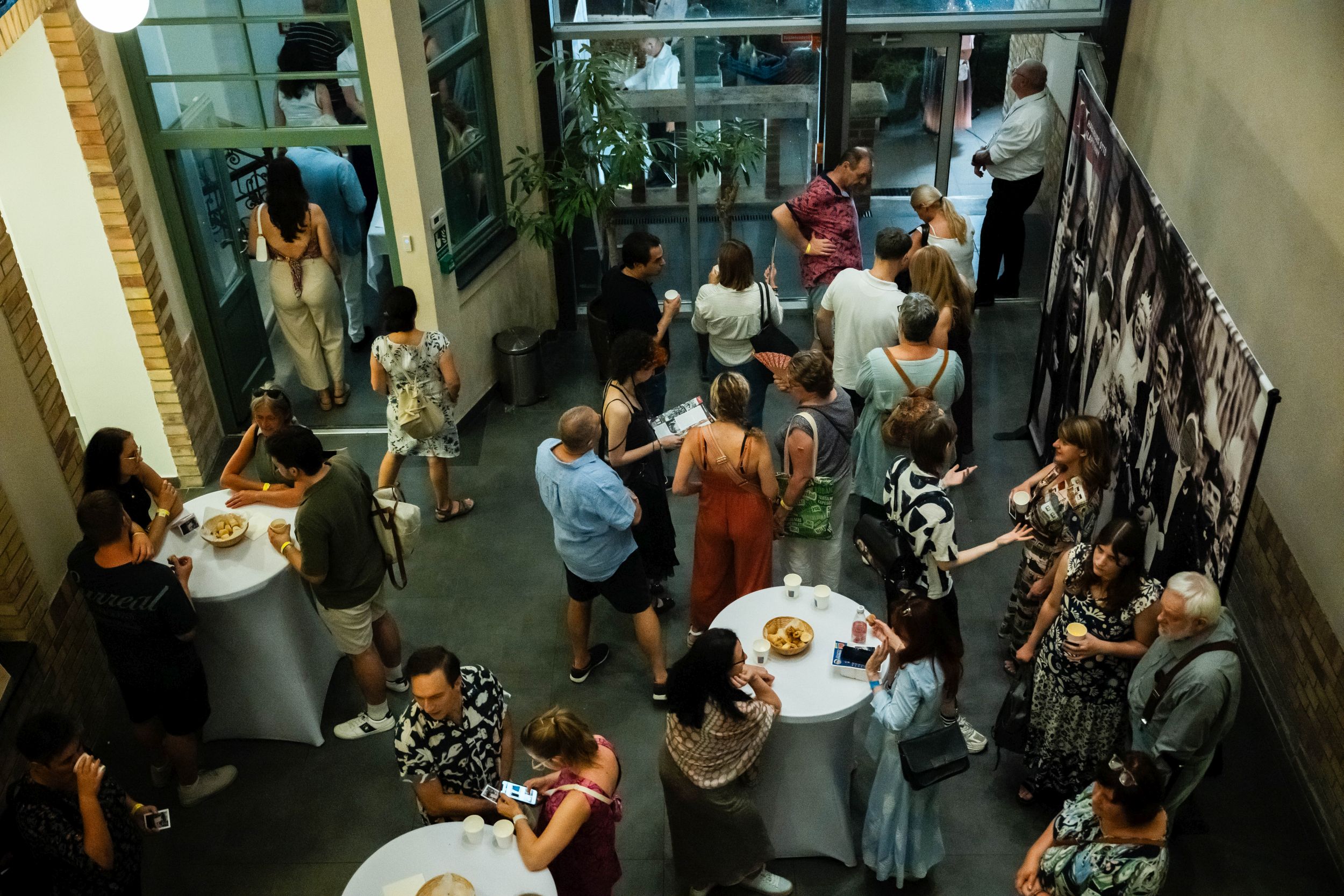
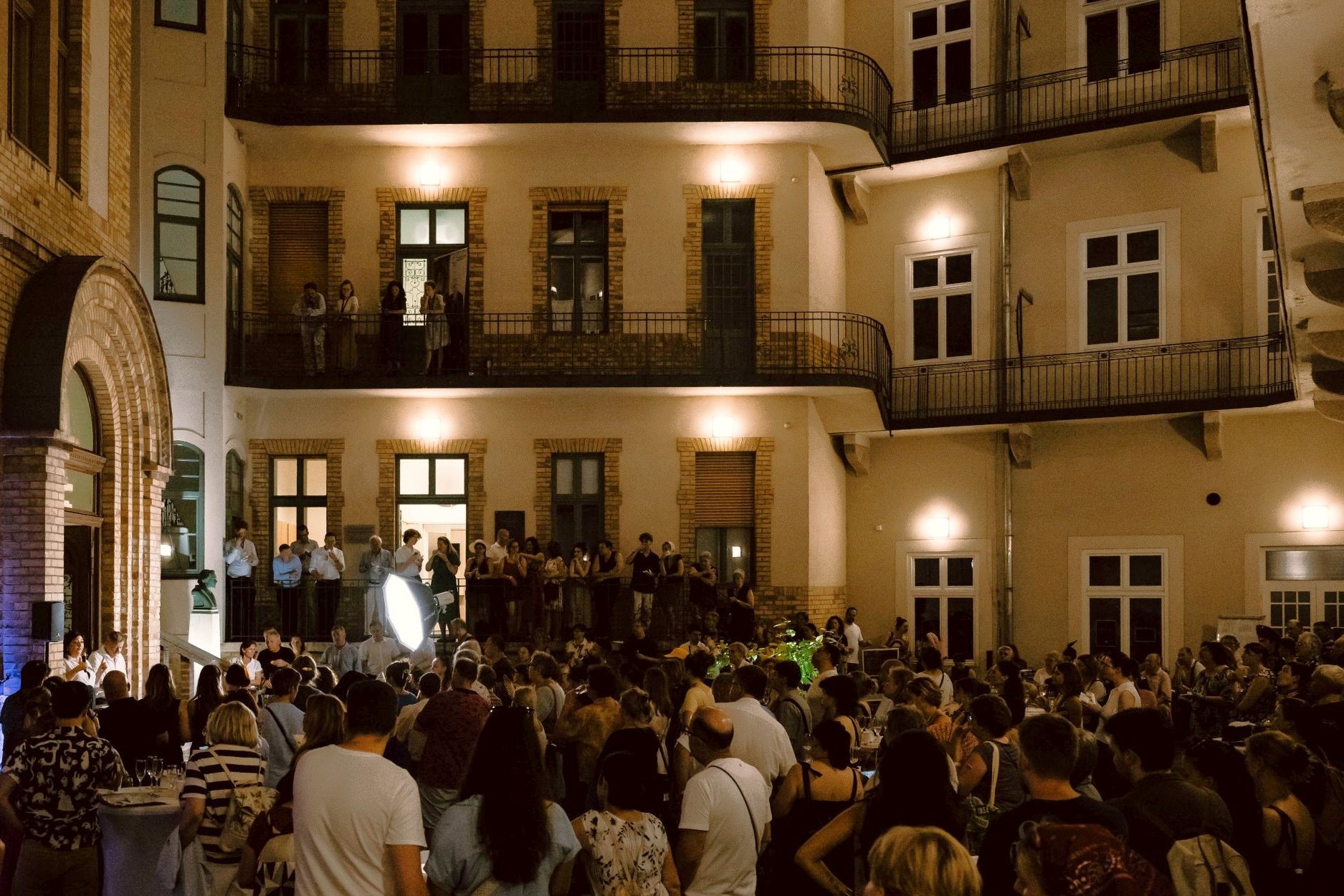
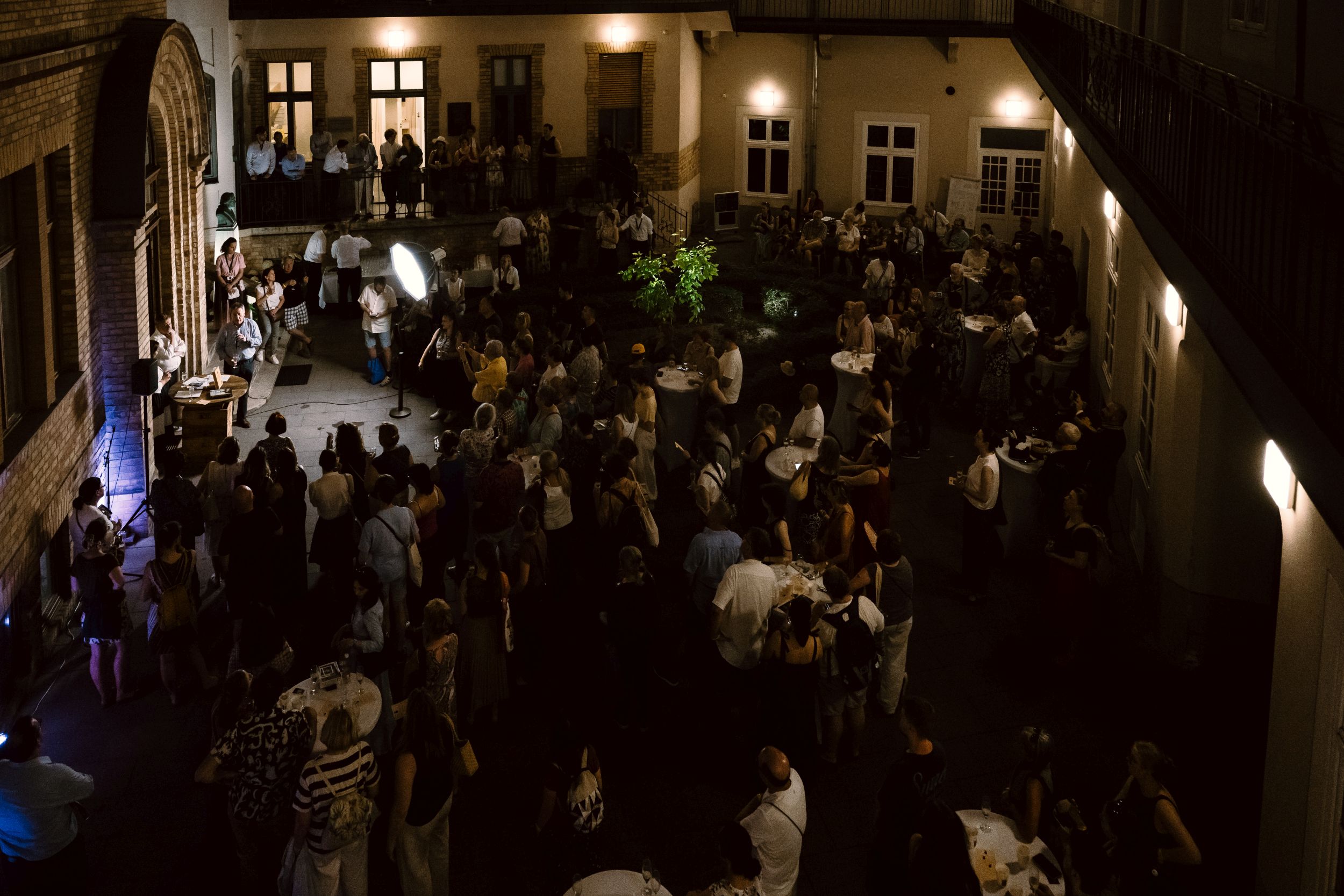
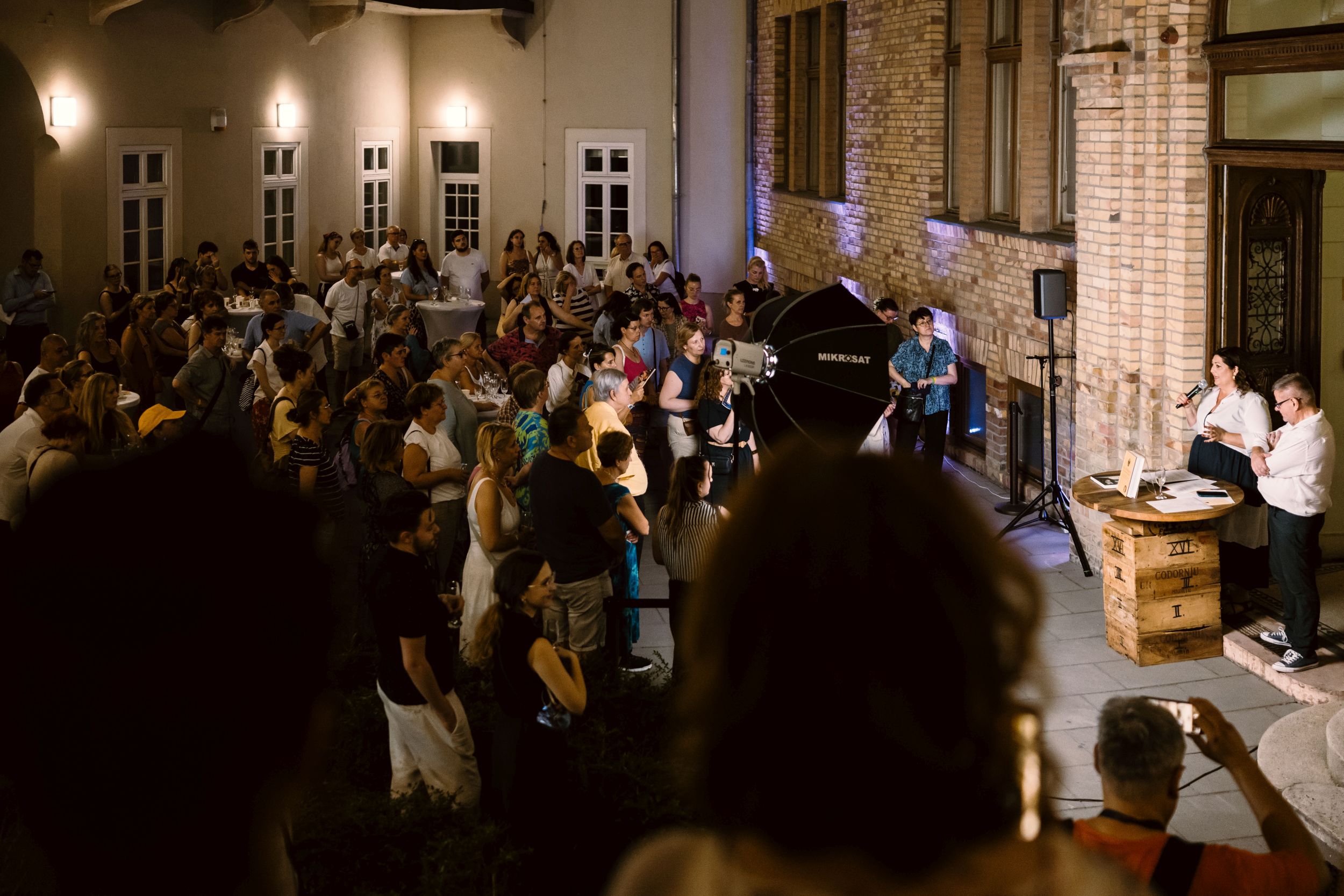
In preparing the evening-long programme, which attracted considerable interest, we sought to make the most engaging sources from our collection, the expertise of our invited speakers, and the atmosphere evoked by the occasion accessible to visitors. The guiding thread was provided by the anniversaries of two royal marriages: the 115th anniversary of the wedding of Otto von Habsburg’s parents, Charles of Austria-Hungary and Empress Zita, and the 75th anniversary of the marriage of our namesake and Archduchess Regina of Saxe-Meiningen.
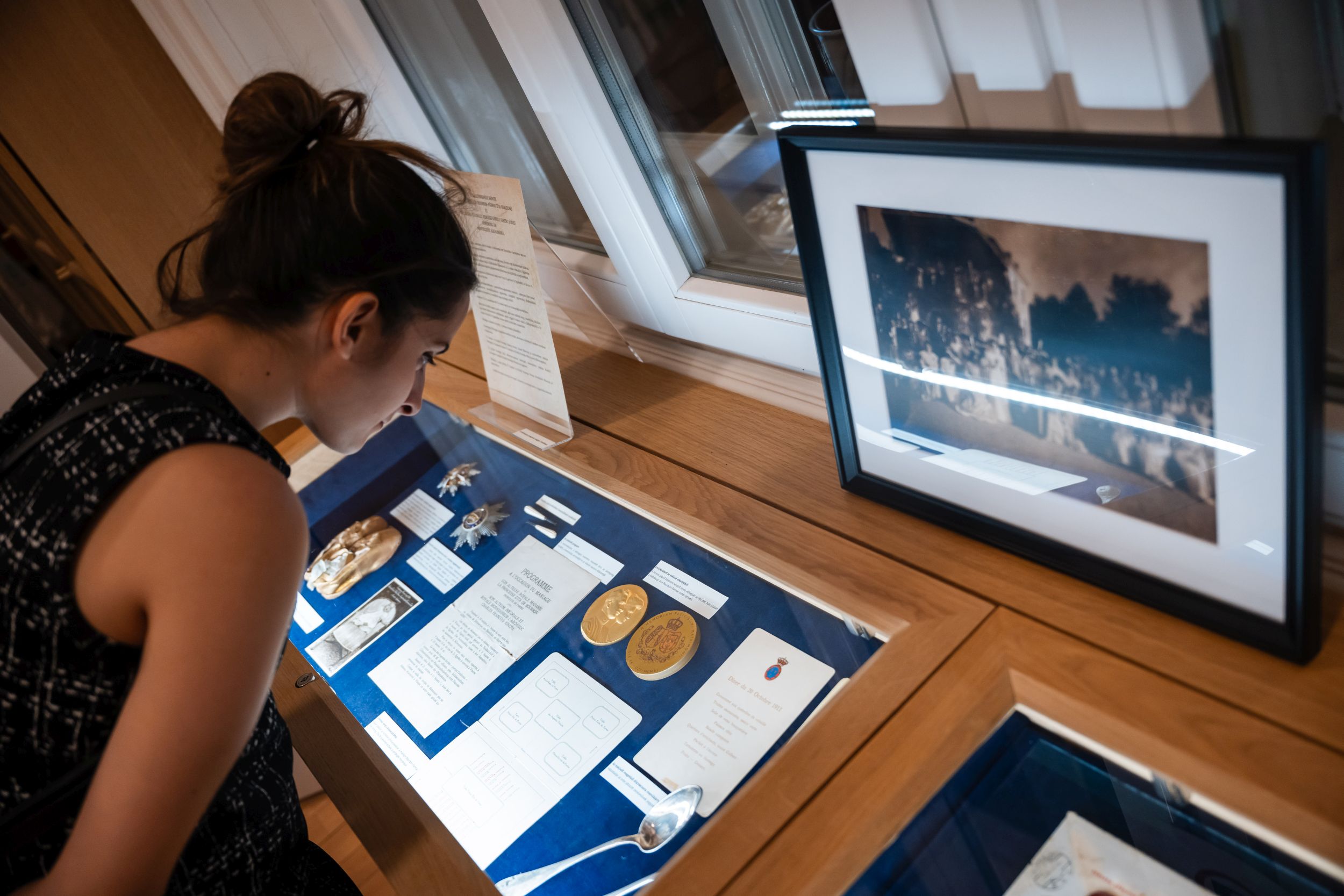
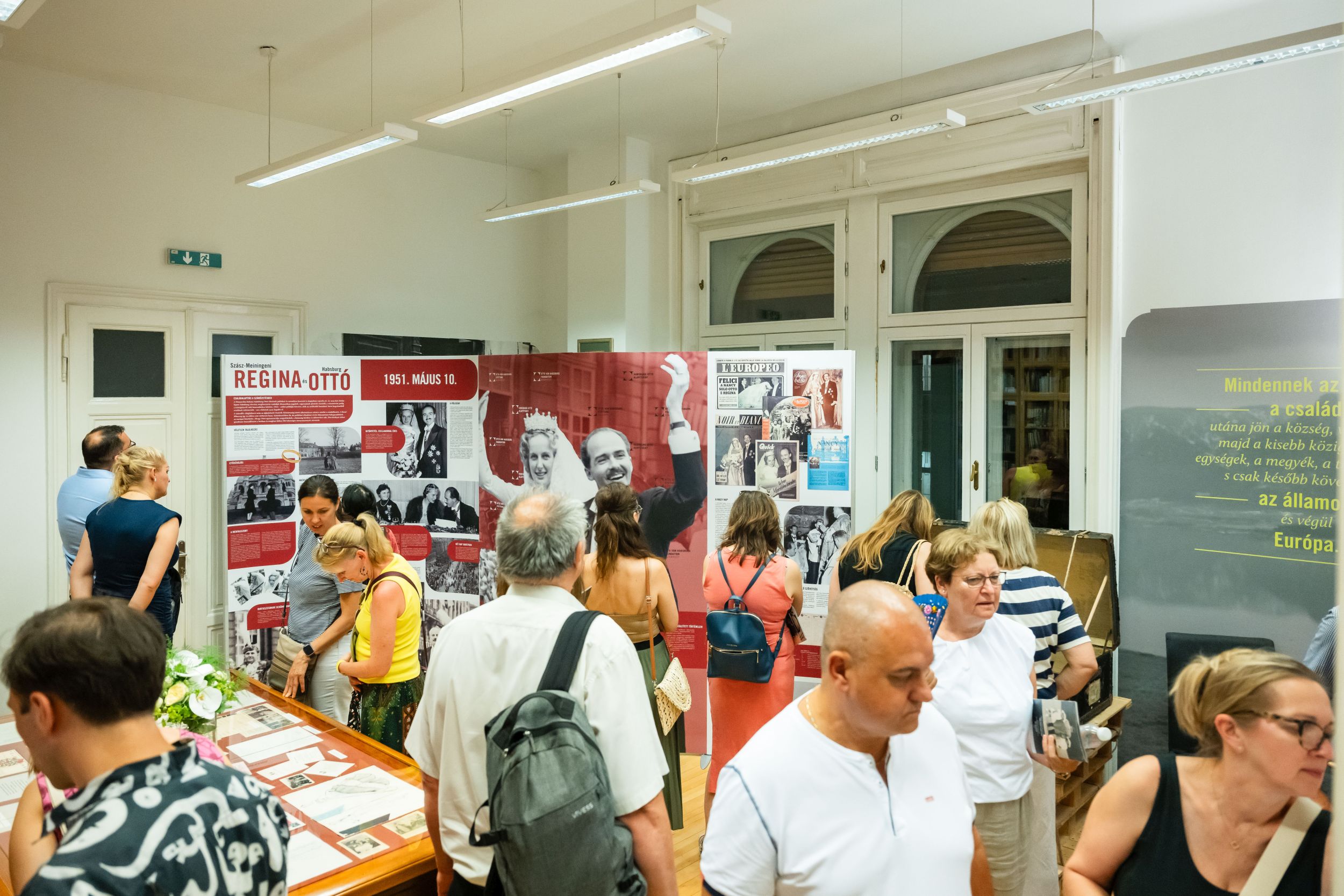
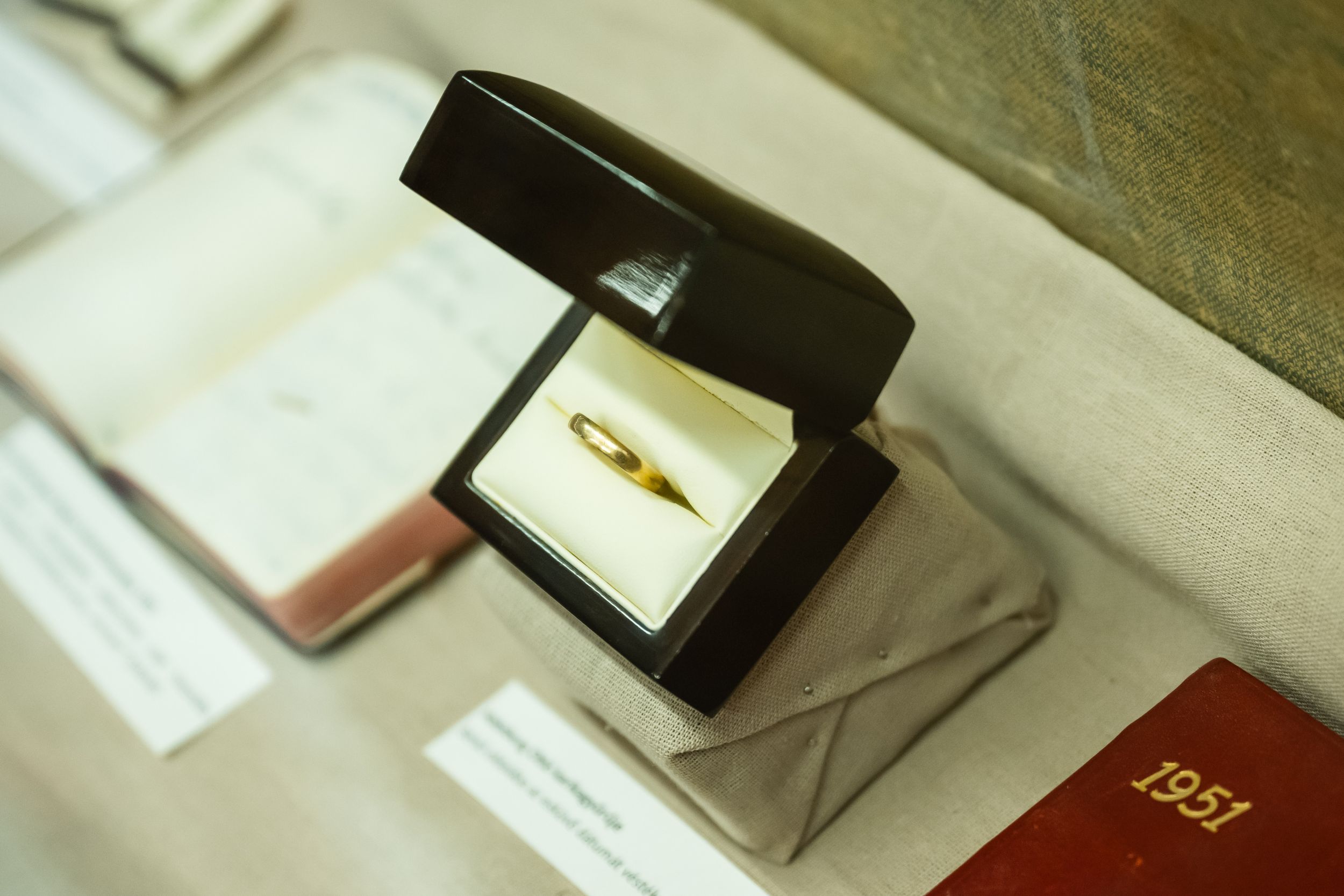
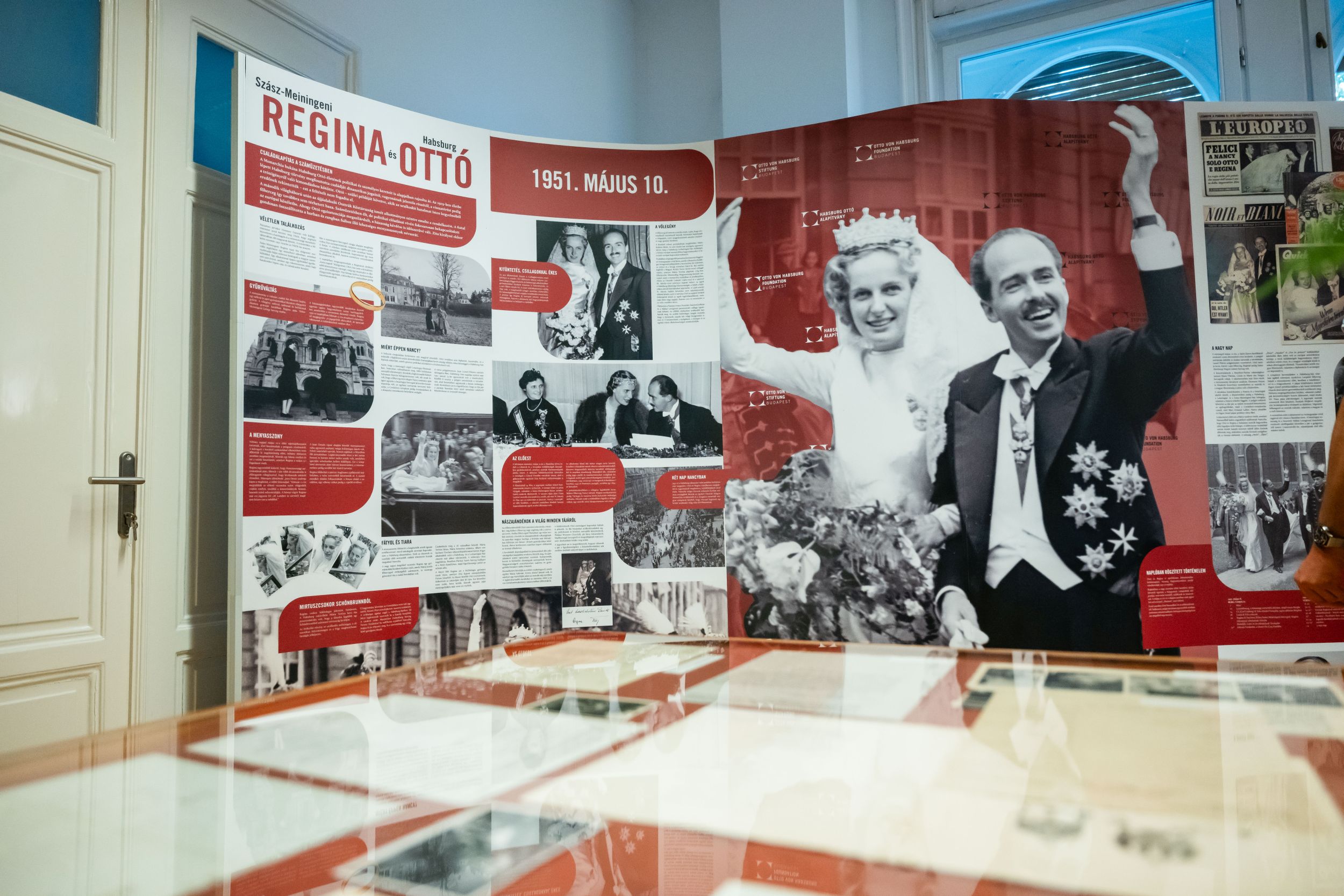
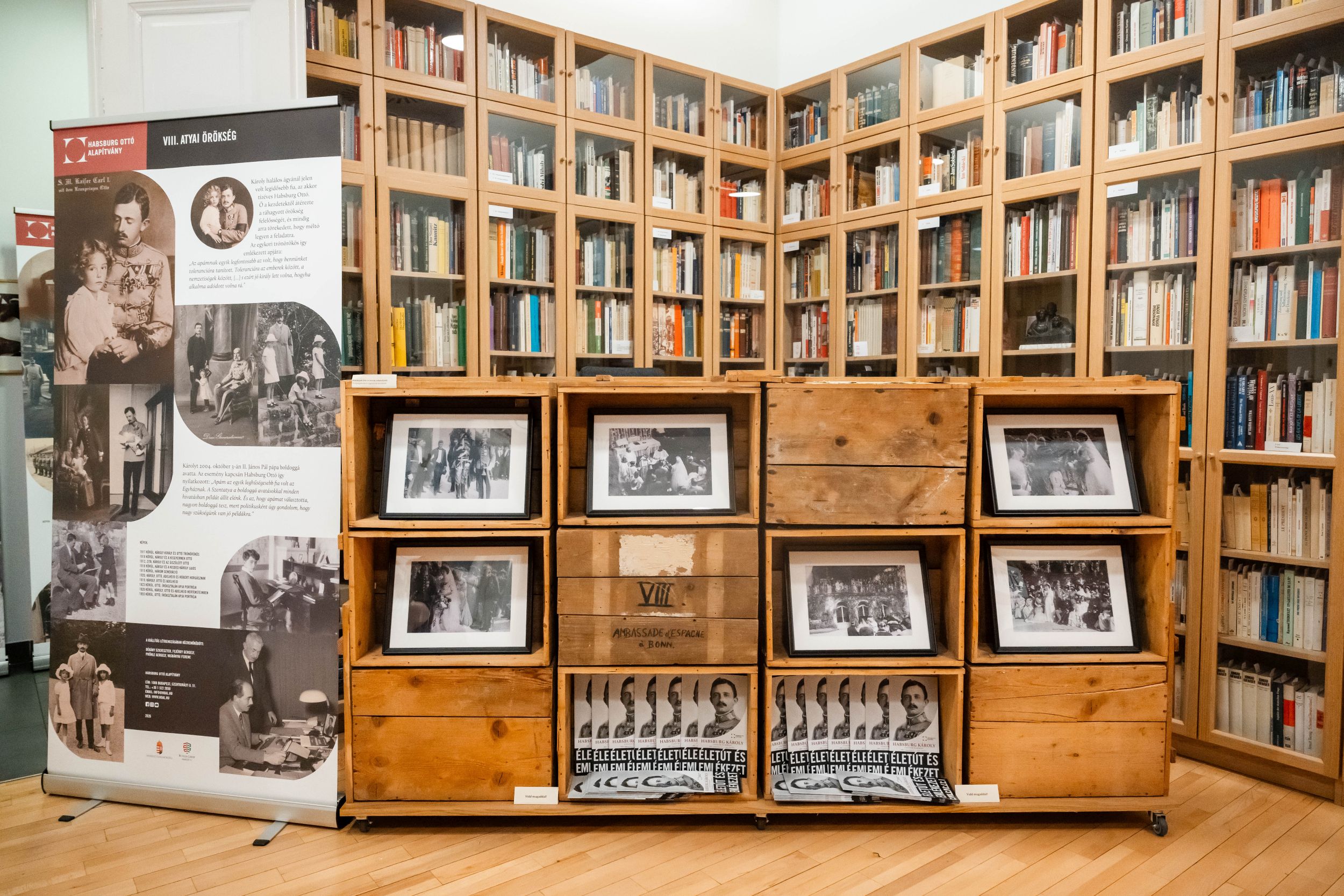
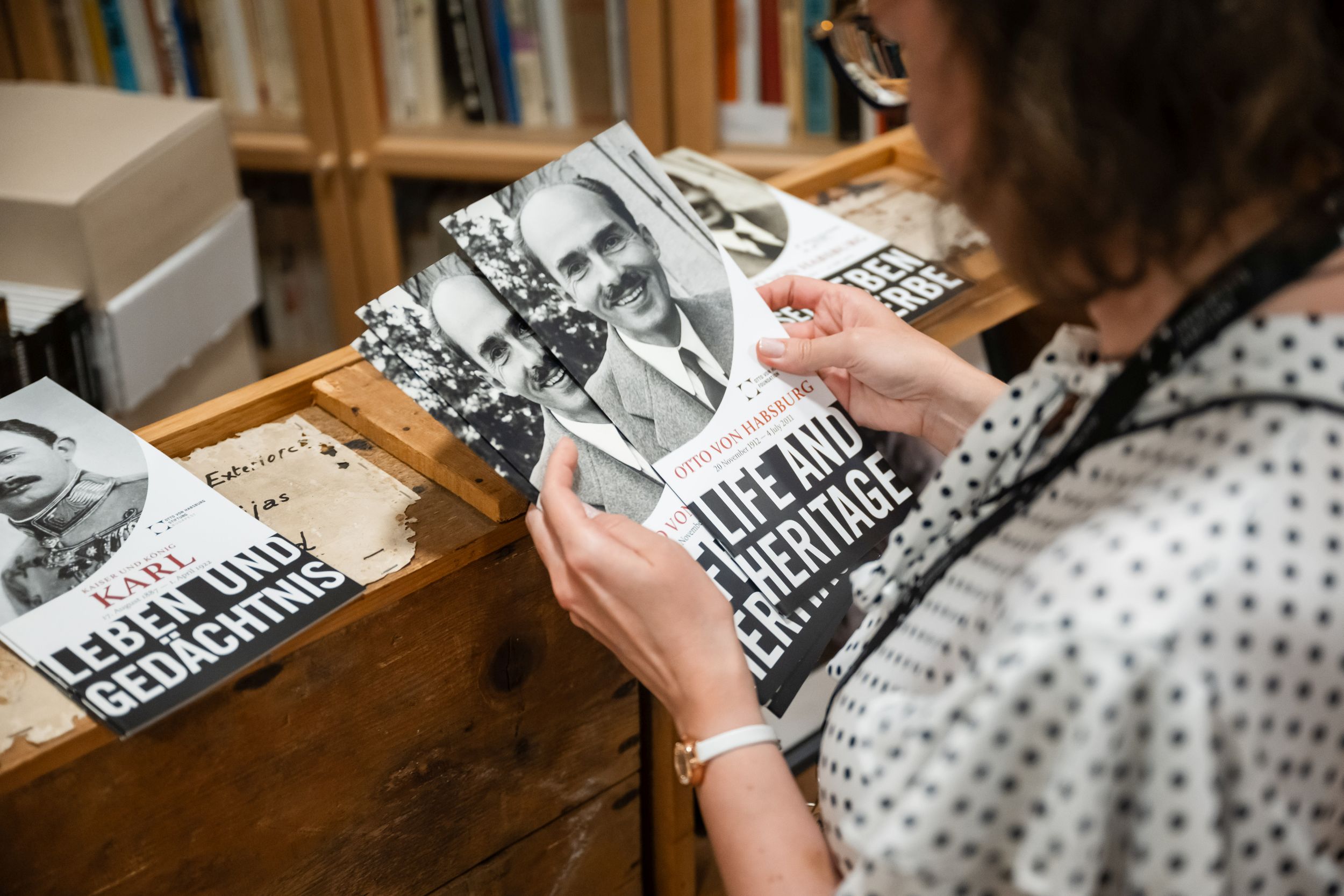
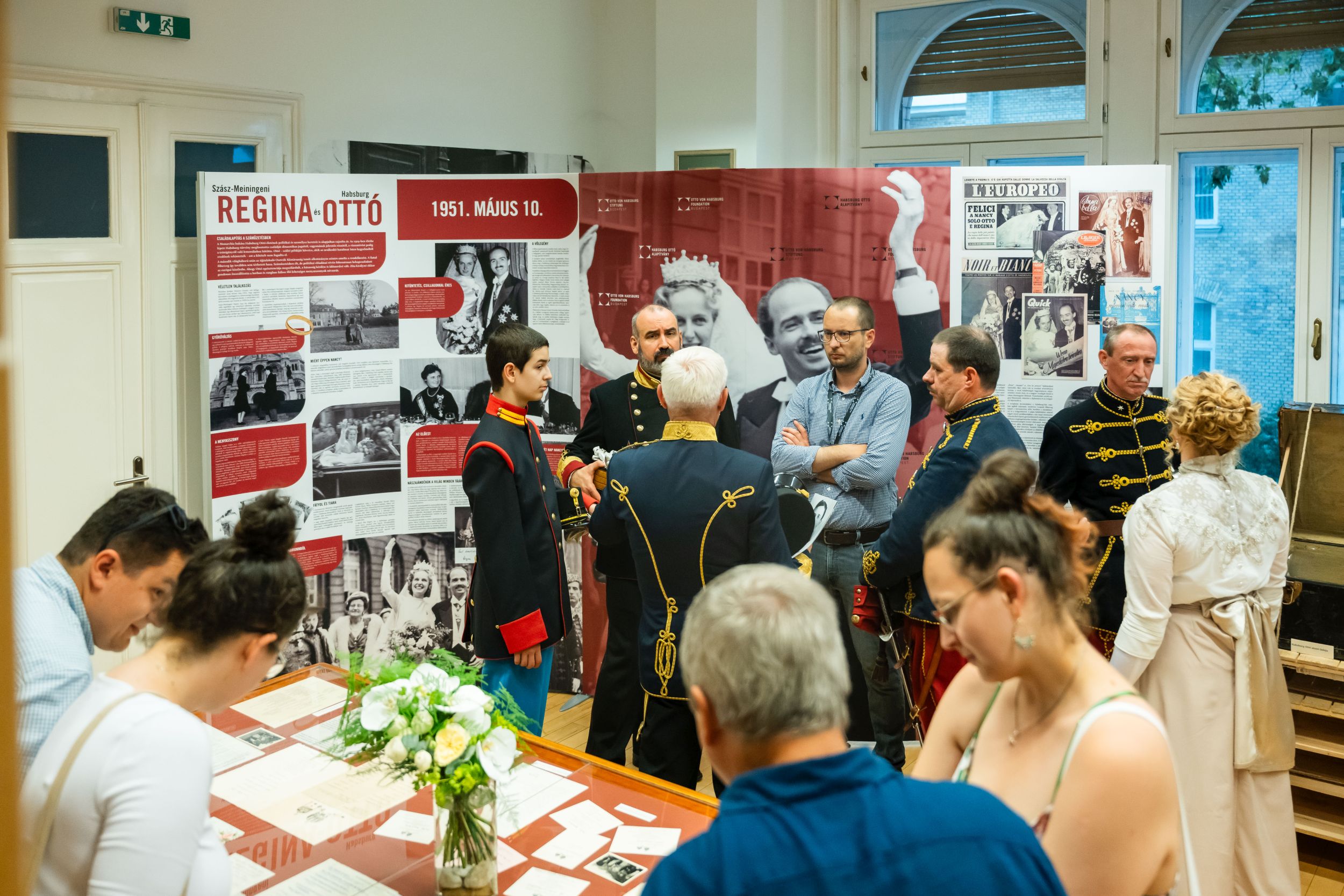
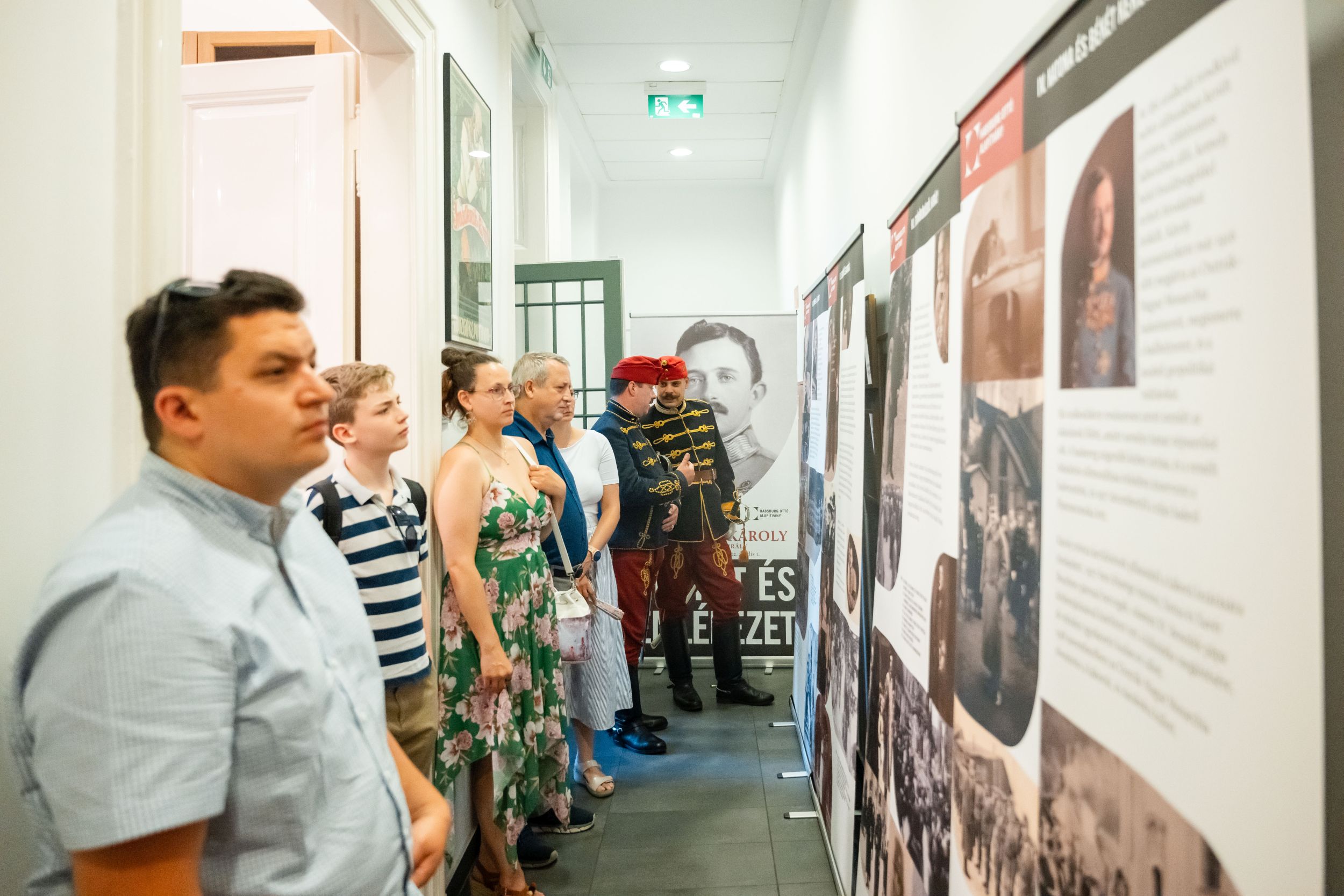
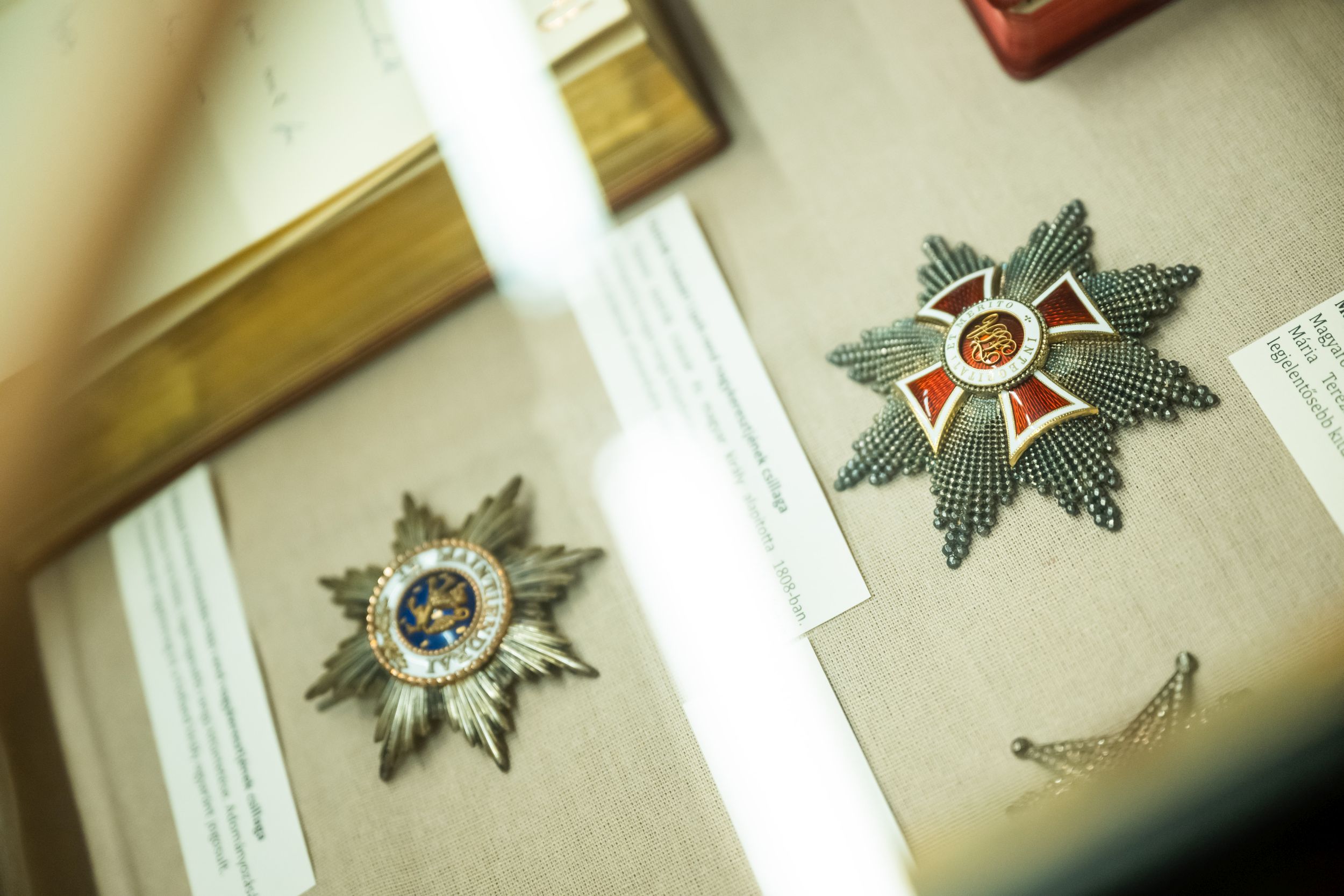
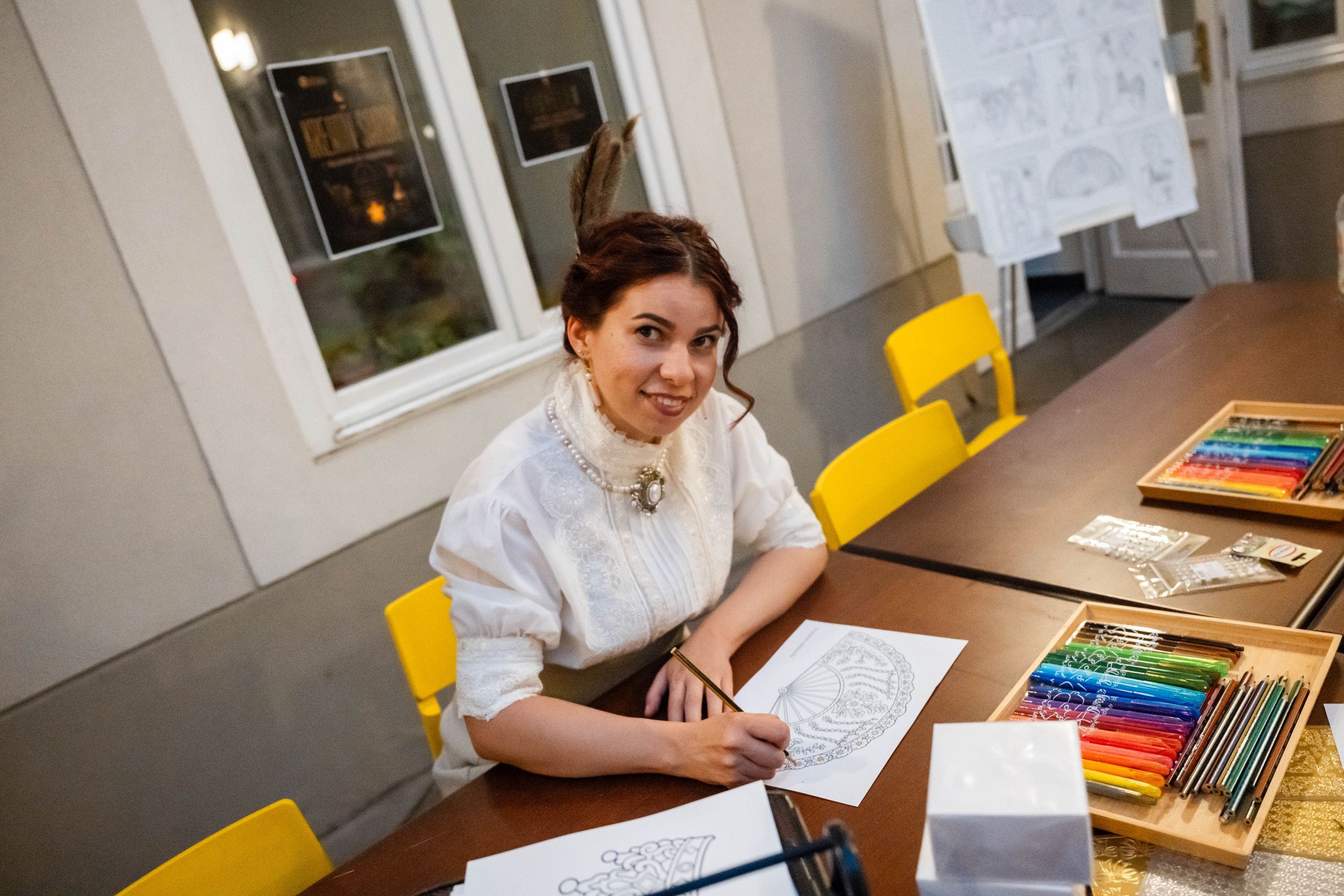
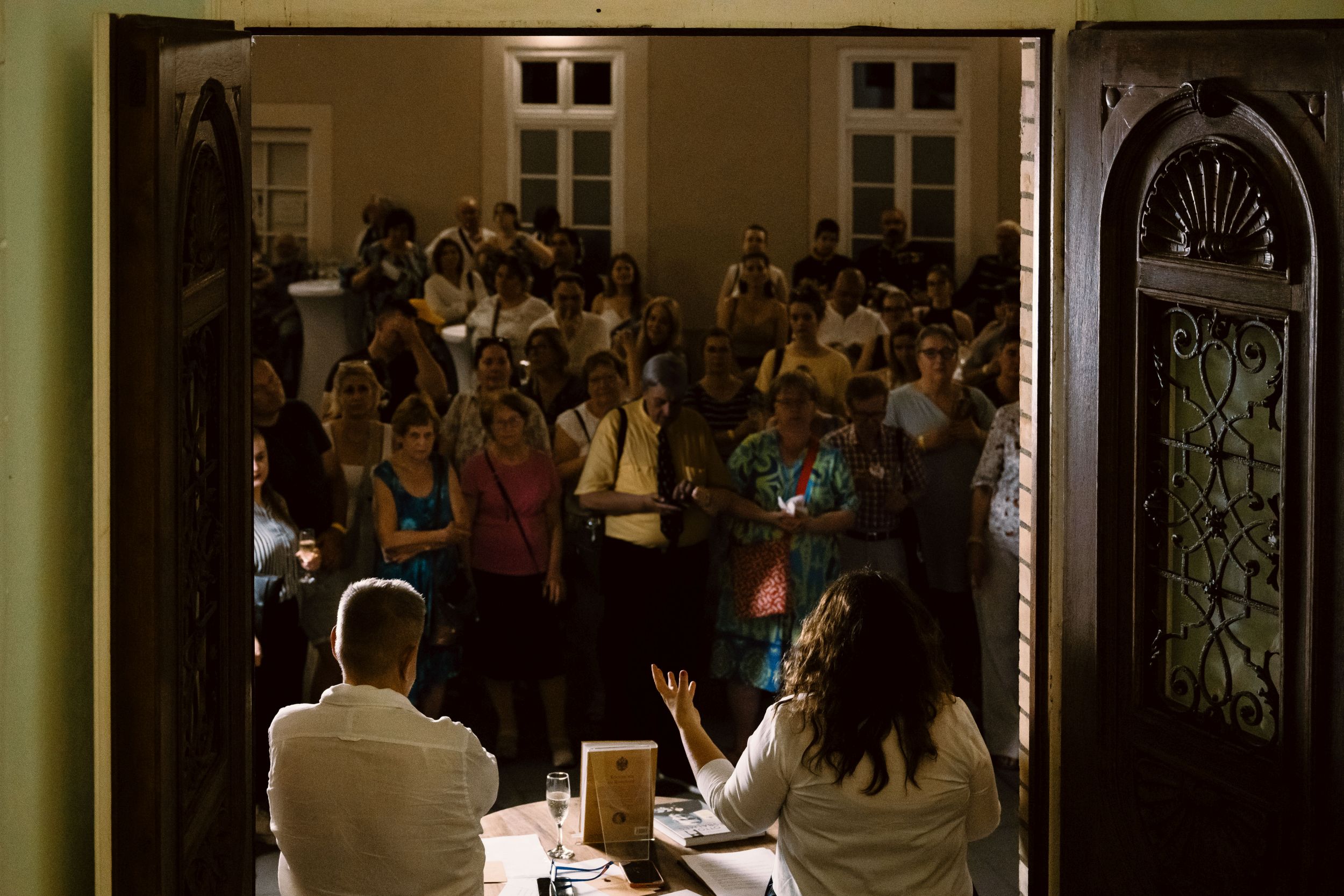
Our aim was to ensure that these episodes from the past were evoked not only through sight and sound, but also through taste. Throughout the evening, guests were welcomed with an exhibition, a film screening, and creative activities. Through thematic lectures, as well as special recordings and relics, those attending were able to explore two emblematic chapters in the 20th-century history of the Habsburg dynasty. Distinguished representatives of the relevant fields helped visitors understand the court protocol, visual language, and forms of social and dynastic representation characteristic of the period. For the occasion, our office was temporarily transformed into an exhibition space; the display, carefully curated by our colleague Beáta Vitos-Merza, became one of the most popular features of the offering.
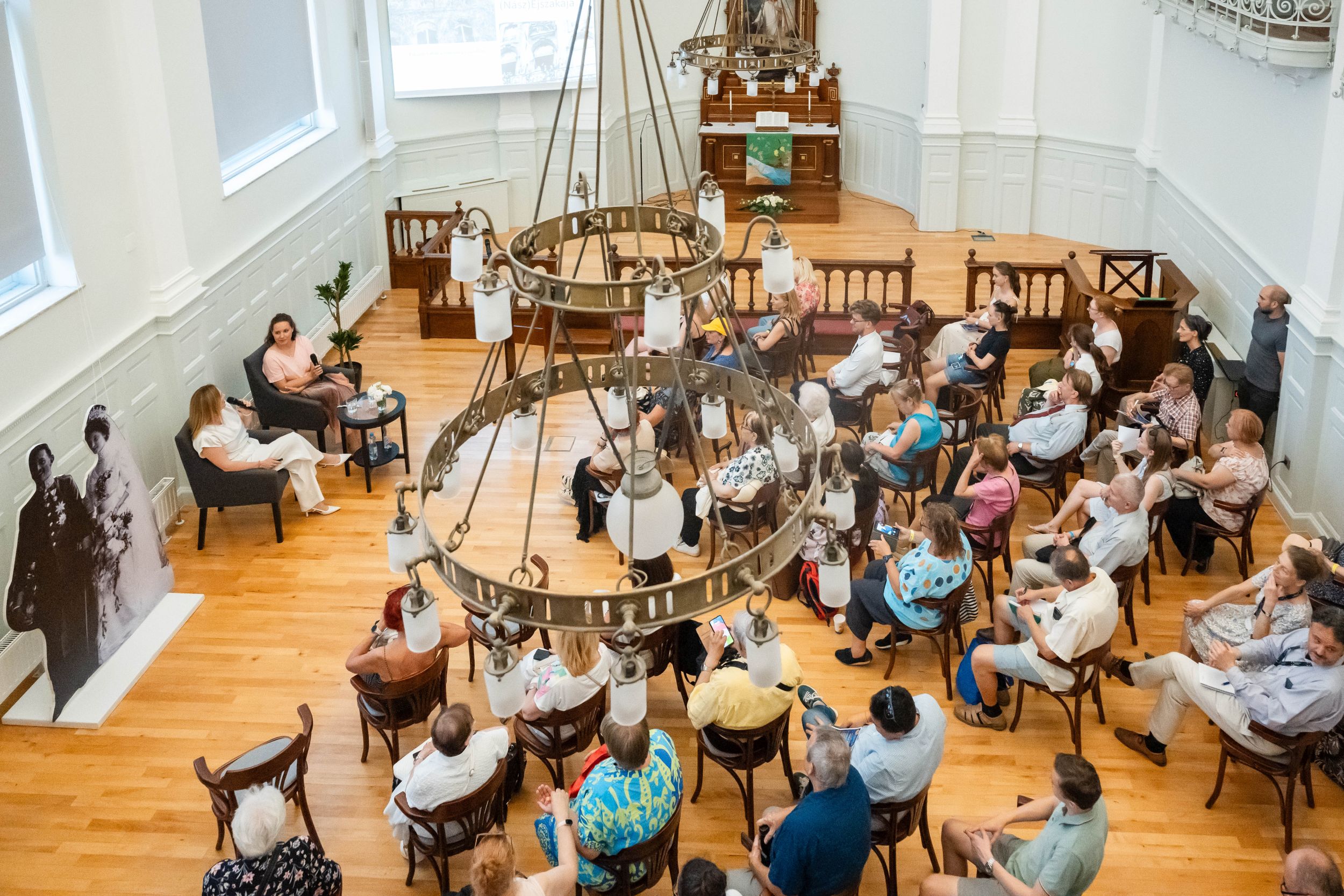
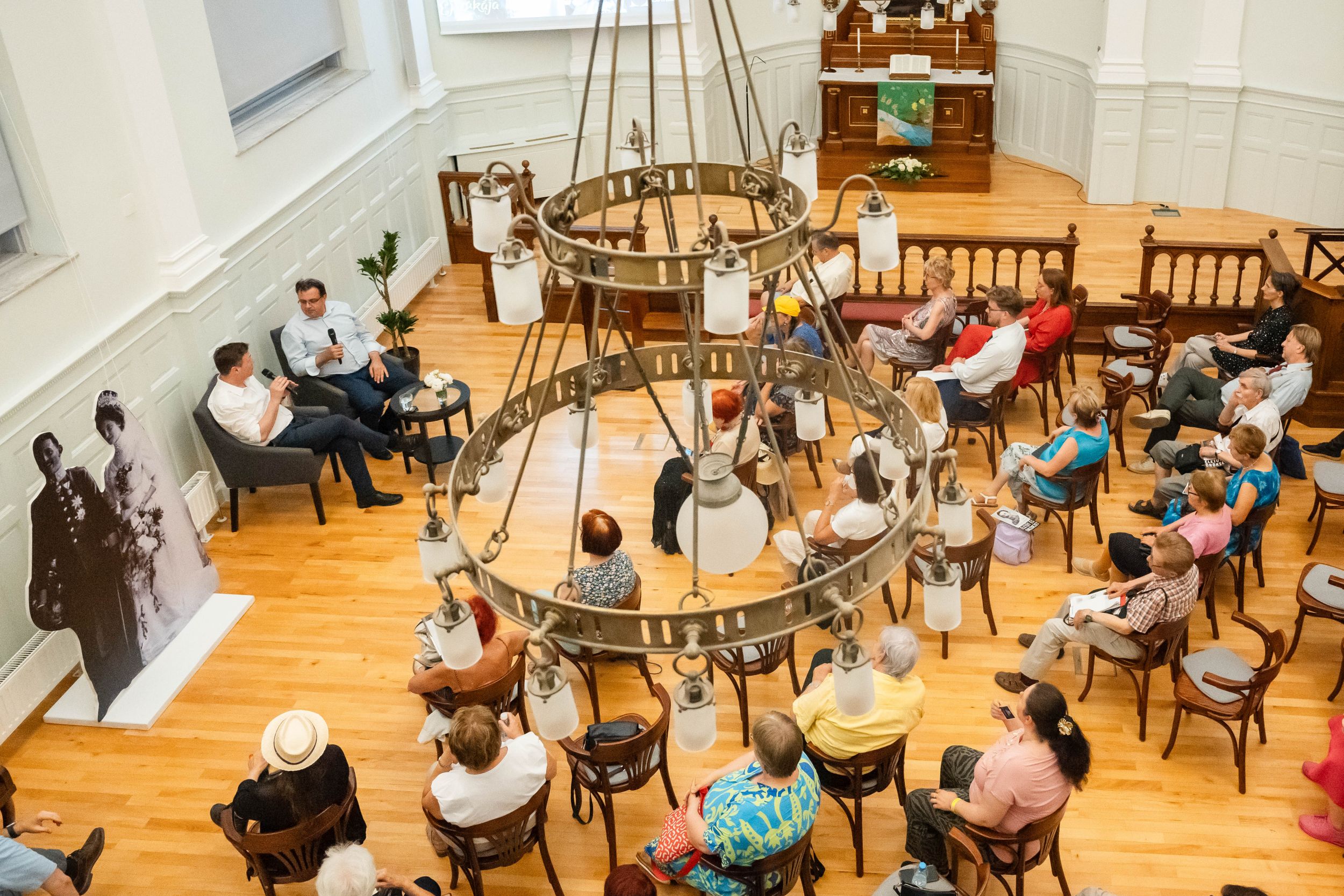
Judit Anna Szatmári, fashion historian, presented the characteristics of court and ecclesiastical ceremonial, the symbolism of clothing and jewellery, and the customs of contemporary ceremonies. As the head of the textile collection of the Kiscell Museum explained, in their outward appearance, both marriages may be described as royal events, since every detail was shaped by the deliberate expression of the representative needs of the families concerned.
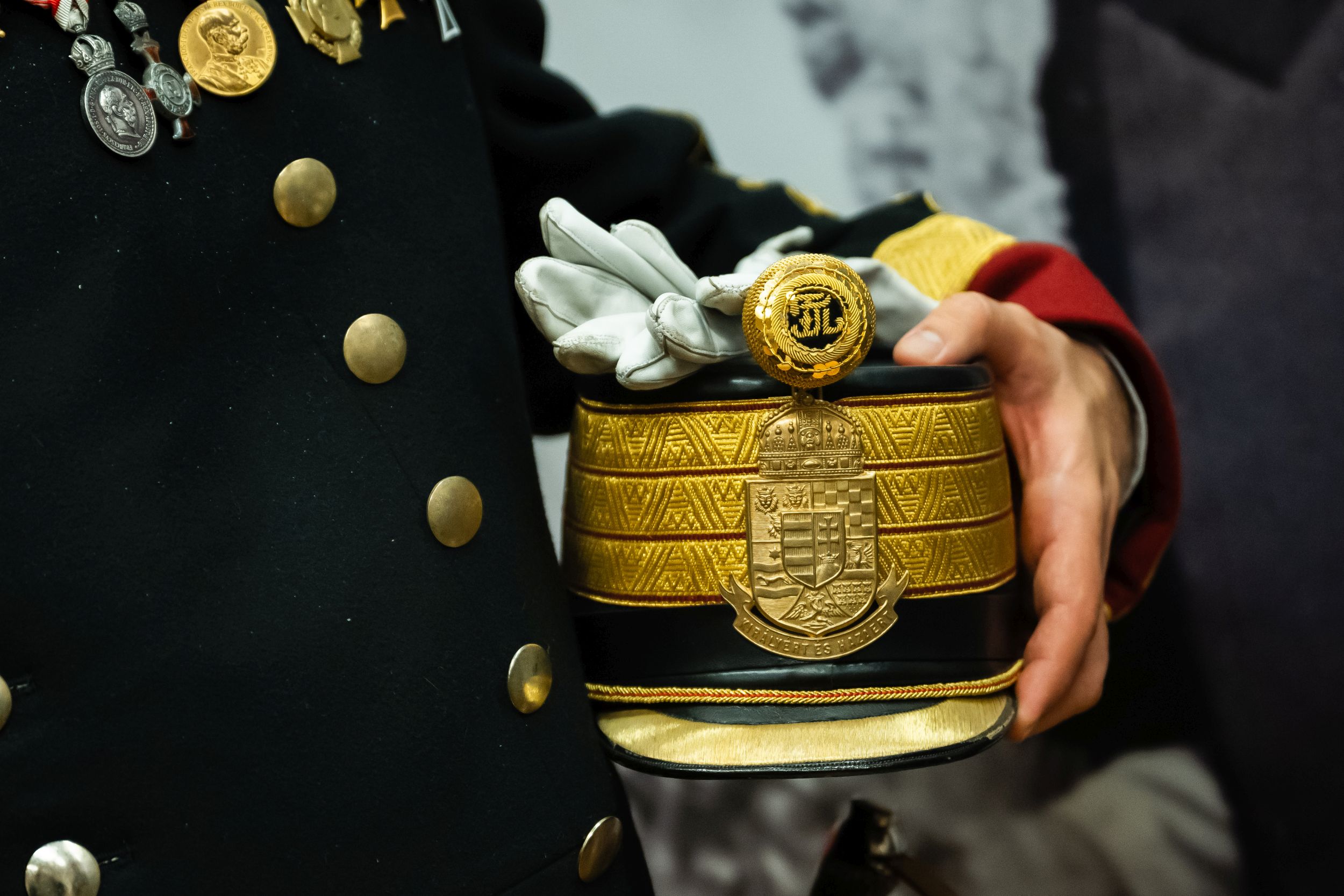
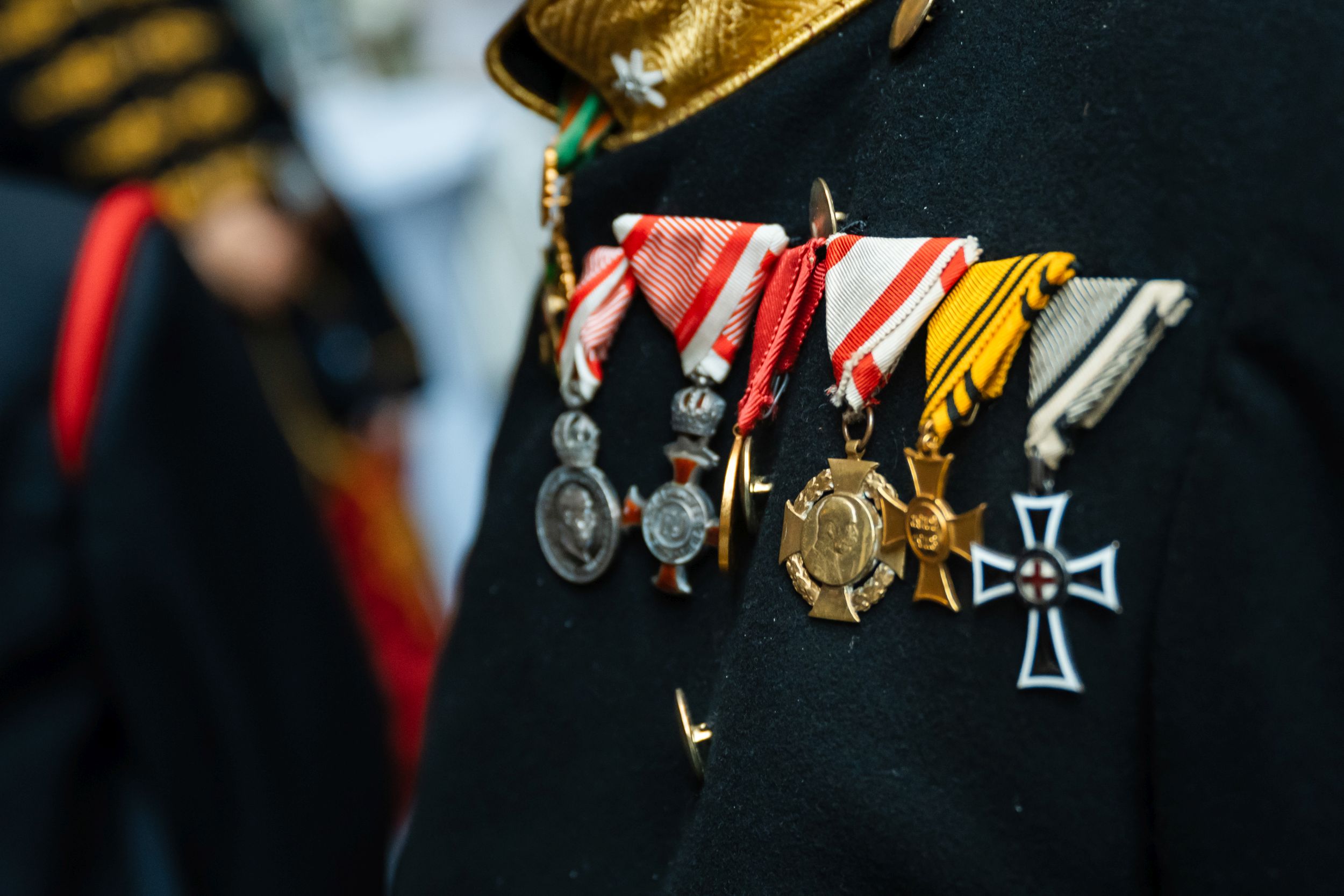
The composition of the trousseau was intended to signal the bride’s future change in social status, while its public display served as a model of fashion to be followed by other social strata – an outlook that remained just as valid in the 1950s as it had been before the First World War. In her expert analysis, Szatmári examined every element of the bridal gowns, as well as the jewellery worn with them. The most valuable of these was undoubtedly the tiara worn by Zita and, forty years later, given by her to her daughter-in-law. Set with more than 1,000 small diamonds, its practical construction also allowed it to be worn in separate parts – as a headband, a brooch, and a pendant. With similar thoroughness, the speakers reviewed the decorations visible on Charles’s uniform and compared them with the orders and insignia pinned to Otto’s tailcoat.
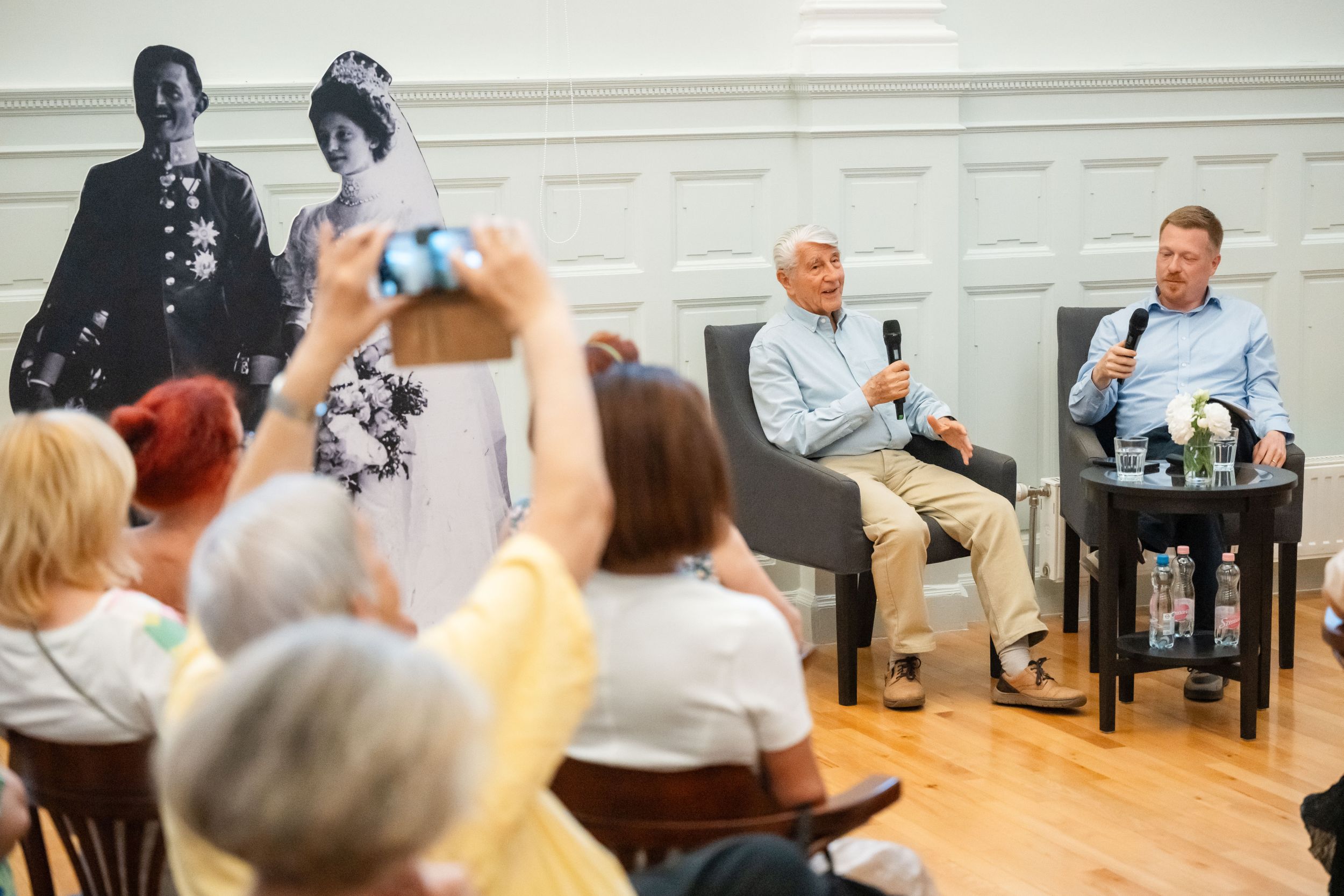
Péter Korniss gave a professional yet accessible photographic analysis in connection with the images of the 1951 wedding of Otto and Regina. The Kossuth Prize-winning photographer spoke with authority about the composition of the individual images, the technical difficulties of producing them, and their visual power. Among the dozen or so photographs shown as examples were carefully arranged, studio-like portraits serving representative purposes, as well as more spontaneous photographs that captured scenes in the heat of the moment, often with a far more lifelike and dynamic quality. Together with the surviving moving-image documentation, approximately 40 minutes in length, these photographs recorded the last large-scale Habsburg-related wedding ceremony of the century. Many of them are associated with Paul Almásy, who was granted permission to take the photographs thanks to his decades-long acquaintance with Otto von Habsburg. Korniss also shared with the sizeable audience his recollections of Paul Almásy, whom he had known personally.
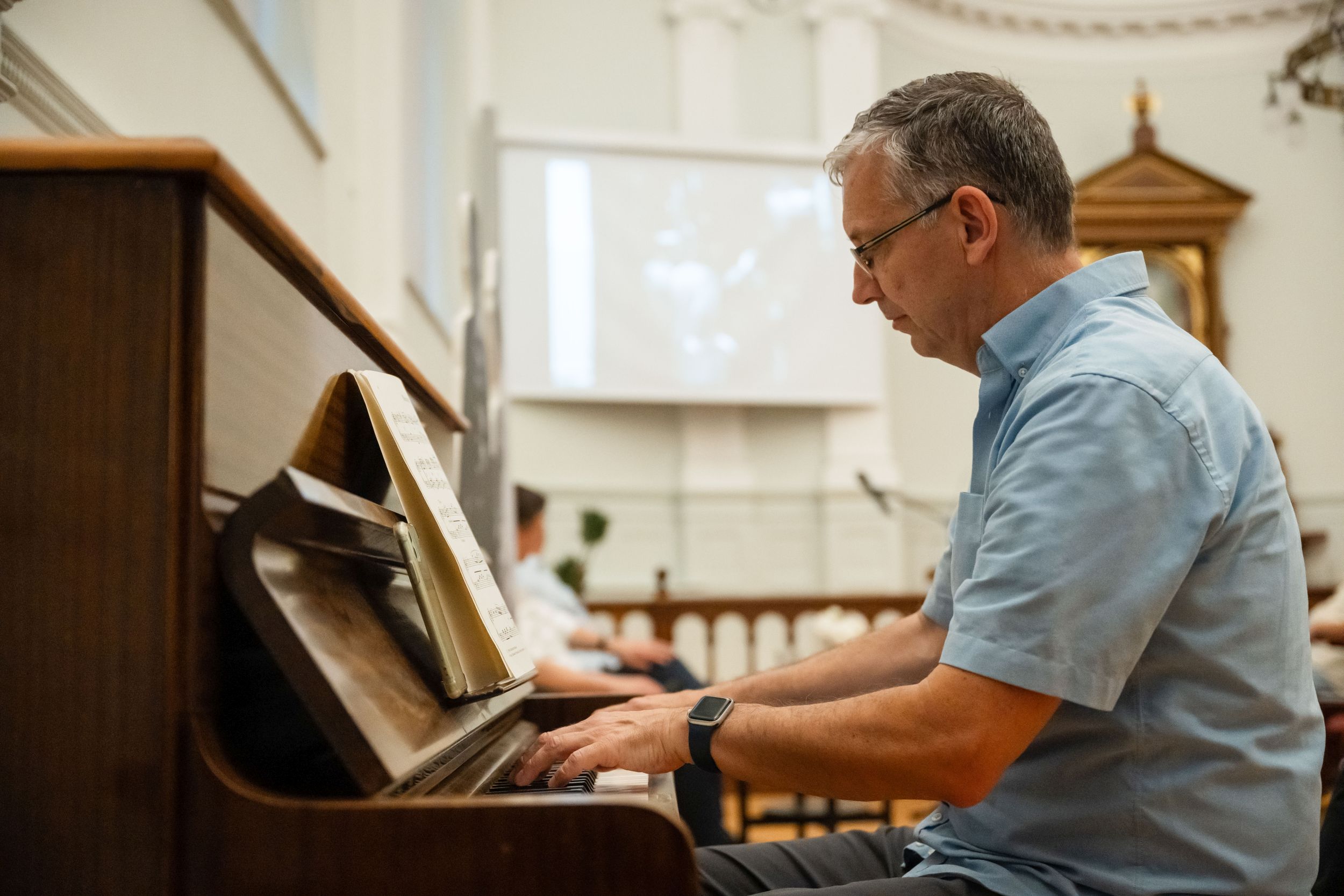
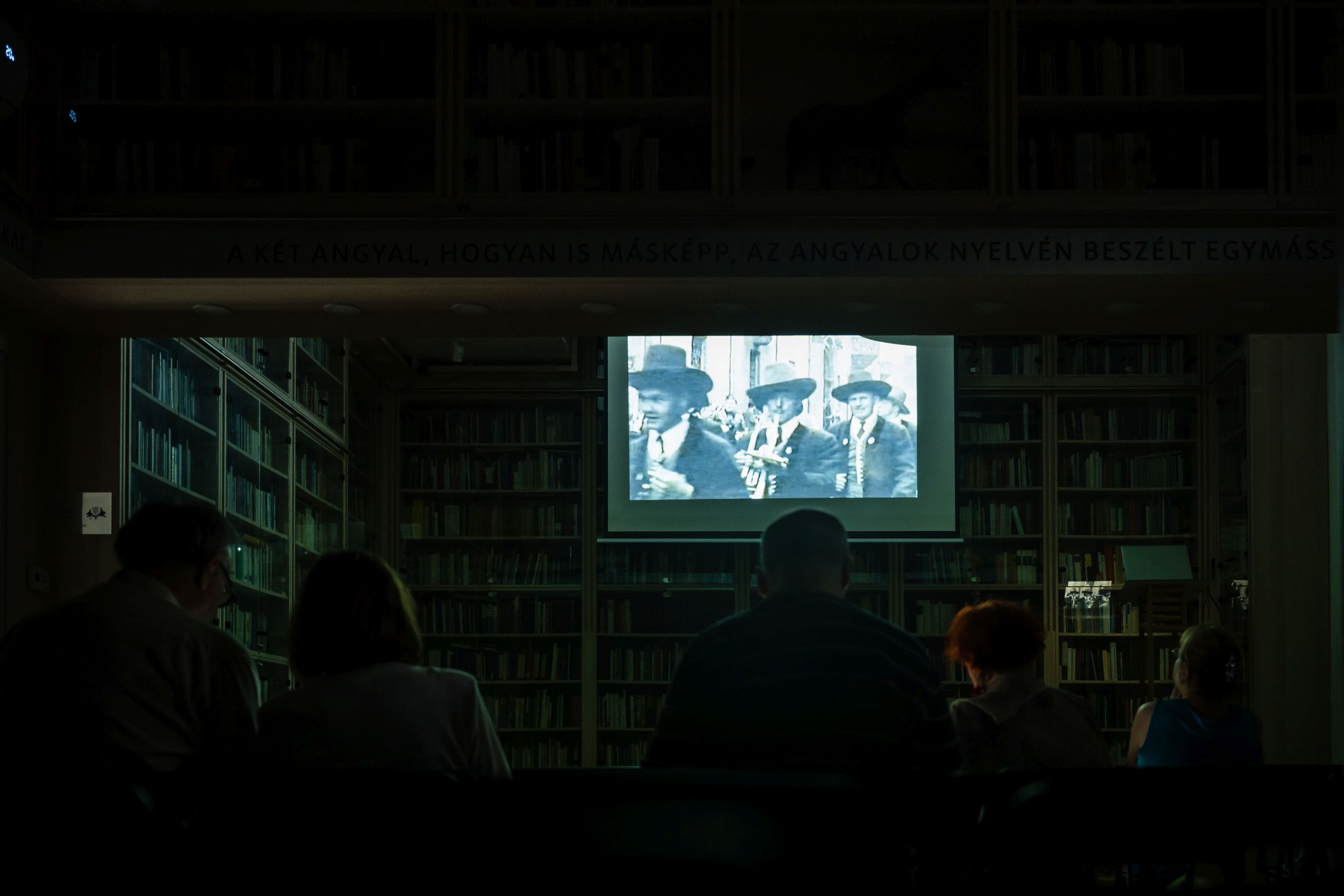
Drawing on the surviving moving-image sources from the celebrations in Schwarzau and Nancy, film historian Márton Kurutz brought the period setting to life. The 1911 marriage of Charles and Zita takes the viewer back to the pioneering age of film: on closer inspection, the celluloid did not in fact record the events of the wedding so much as reflect the stage-like arrangements characteristic of the period’s visual approach. Interior shots are entirely absent, as these were still technically impossible at the time because of the limitations of lighting. By the 1950s, however, the demands and technical framework of filming were already being shaped by the emerging medium of television. What both recordings had in common was the absence of recorded sound: audiences would have to wait roughly another twenty years before sound could be preserved in enjoyable quality and played back in synchronisation. The discussion was illustrated by contemporary film excerpts, made even more vivid by the musical accompaniment of jazz pianist Iván Nagy. Together, the projected material, the expert commentary, and the musical improvisation made the atmosphere of these decades-old formal events especially tangible for the participants.
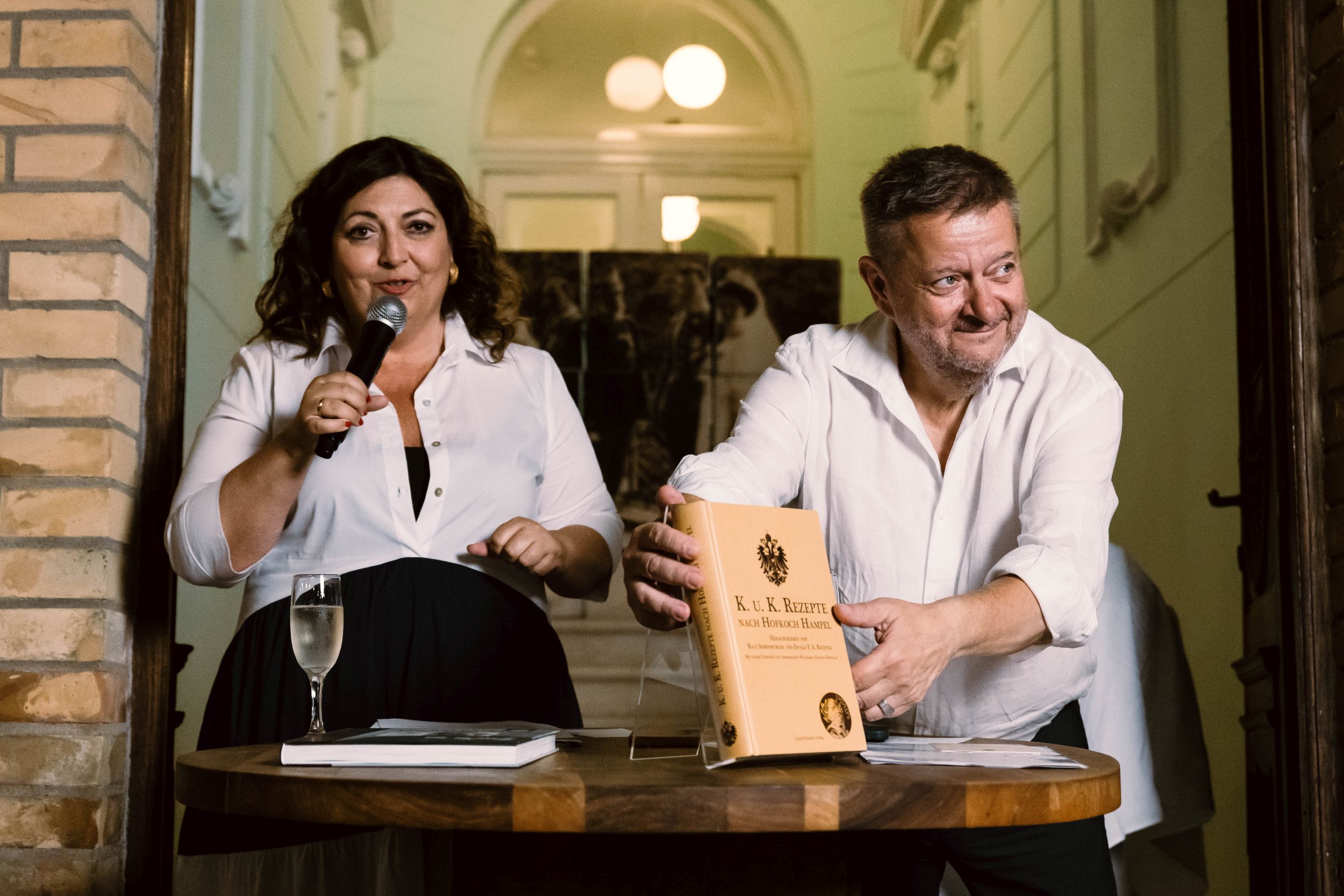
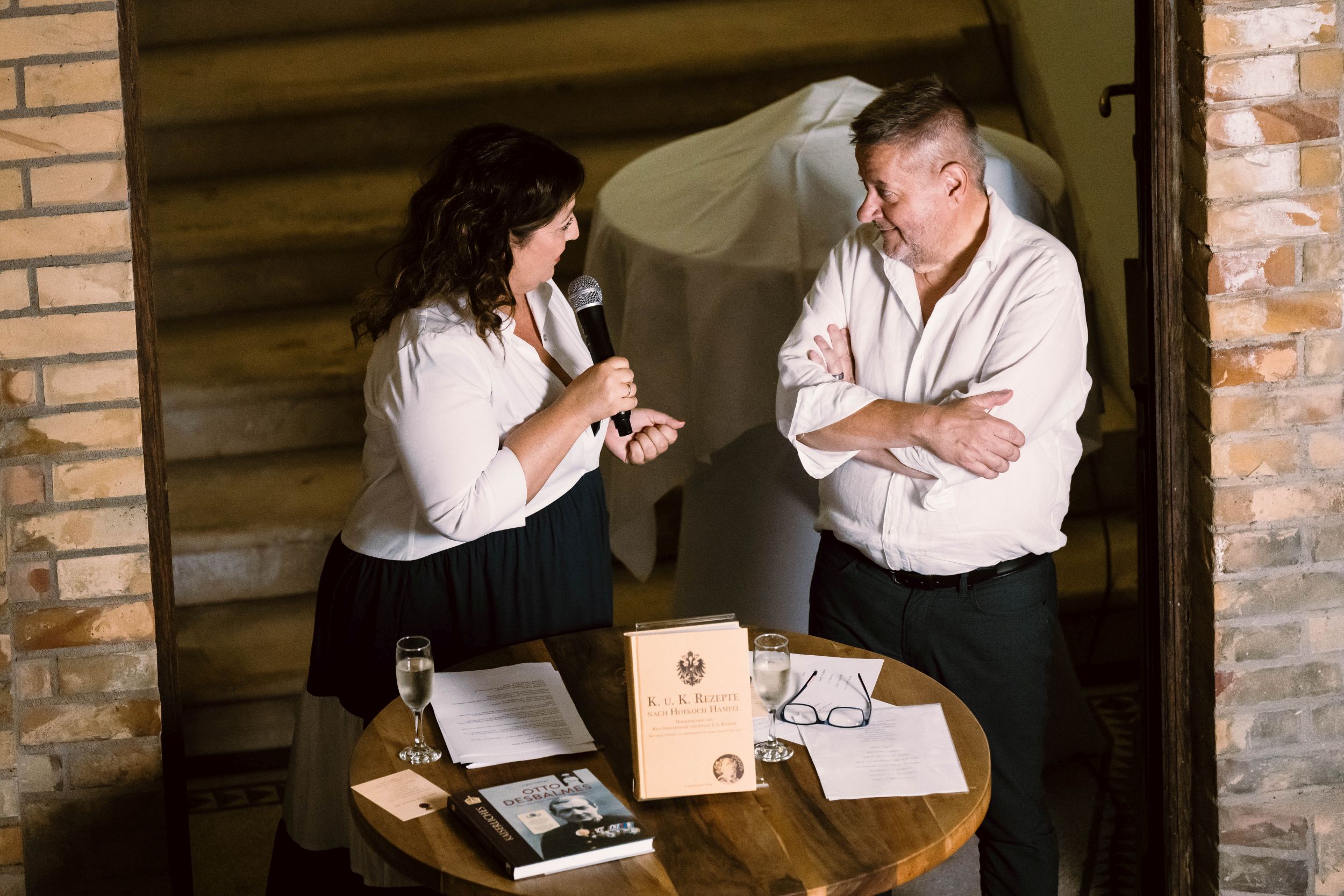
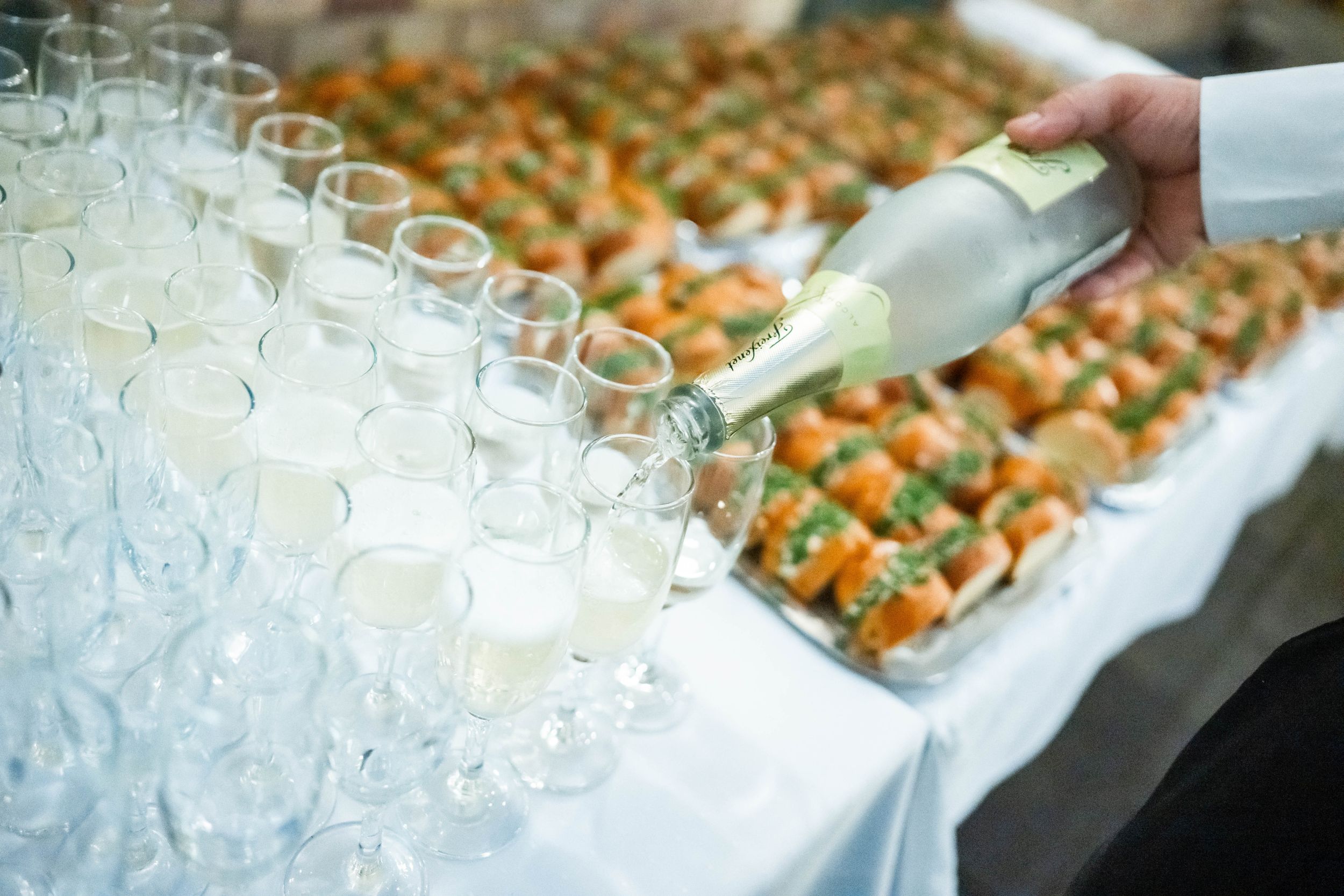
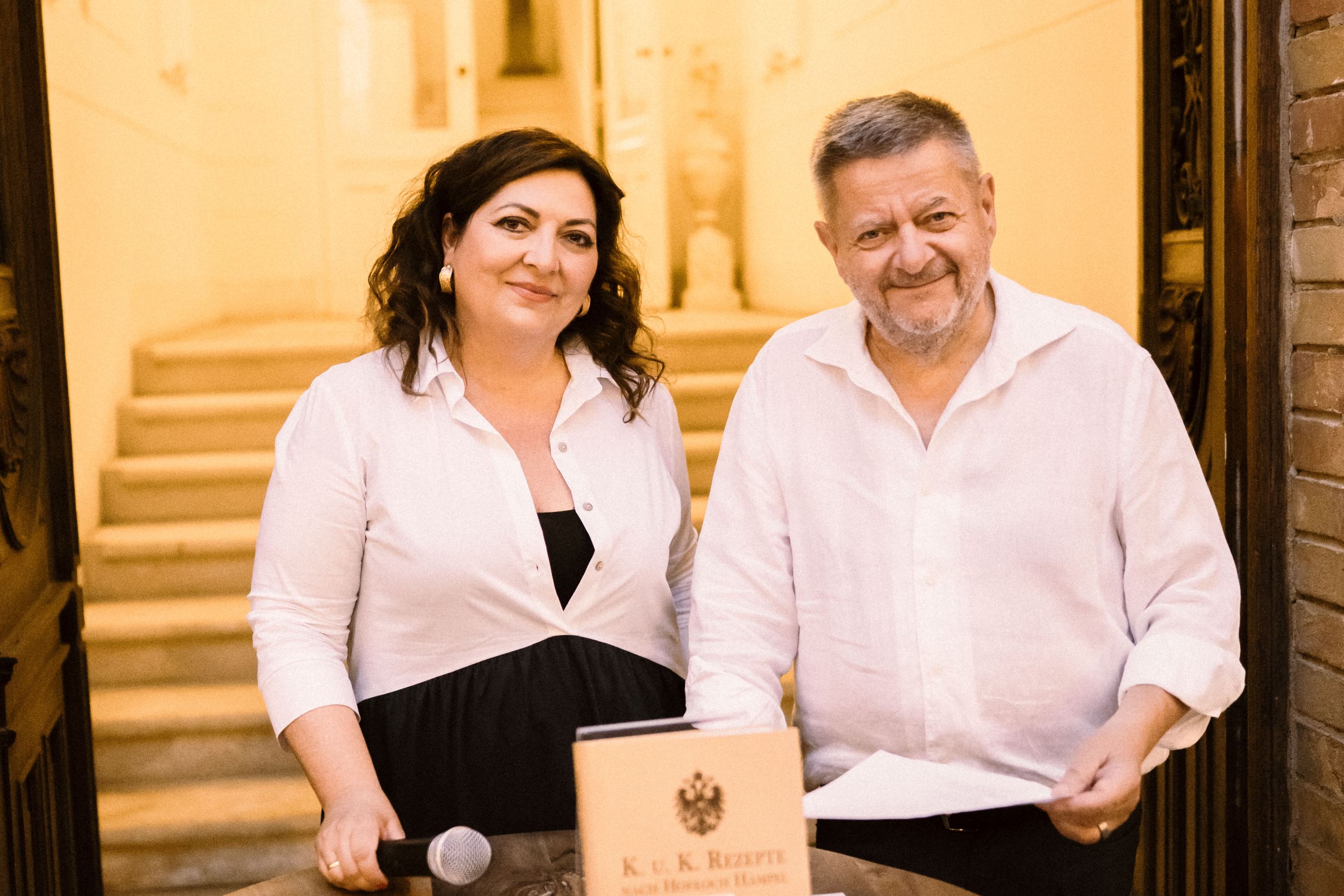
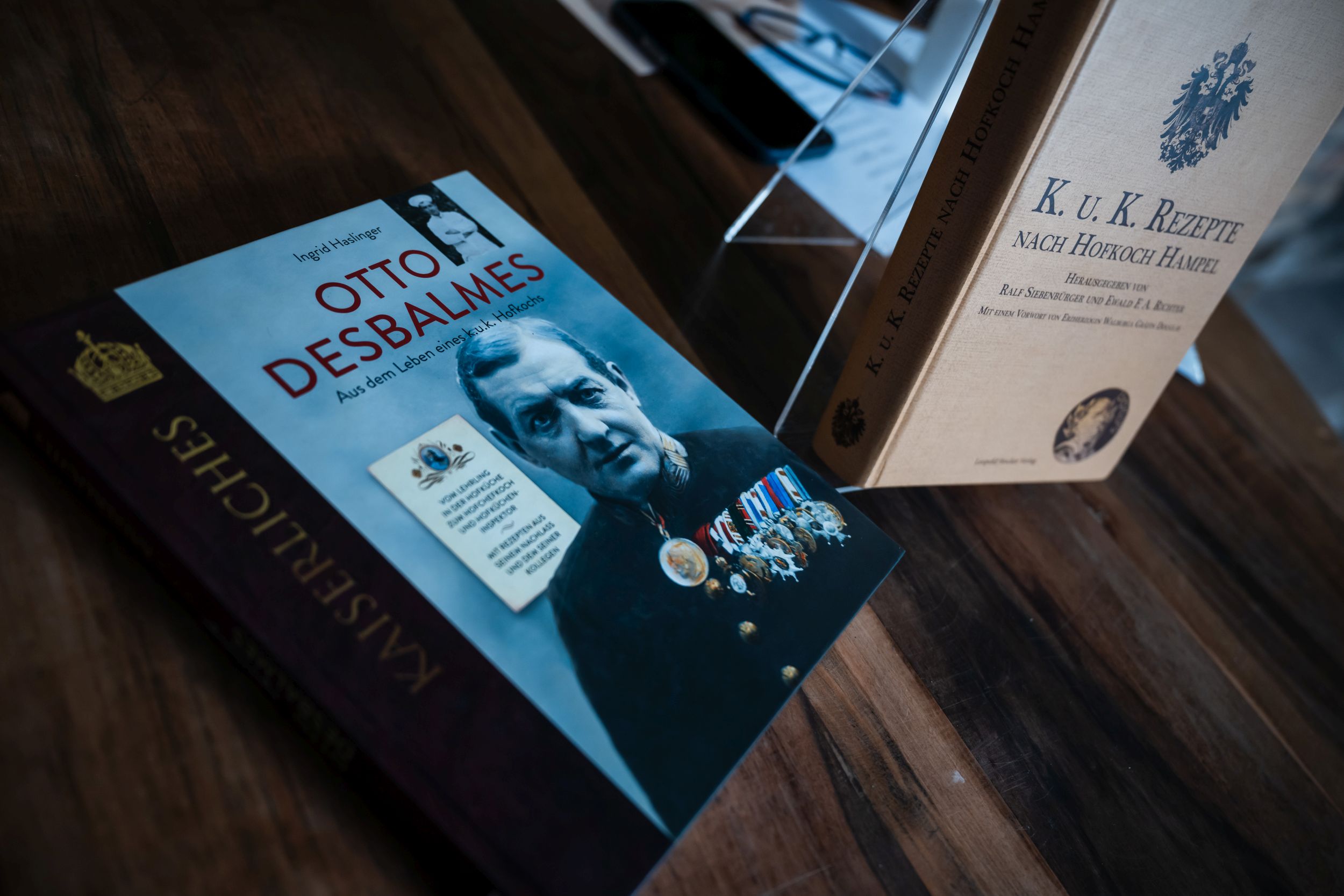
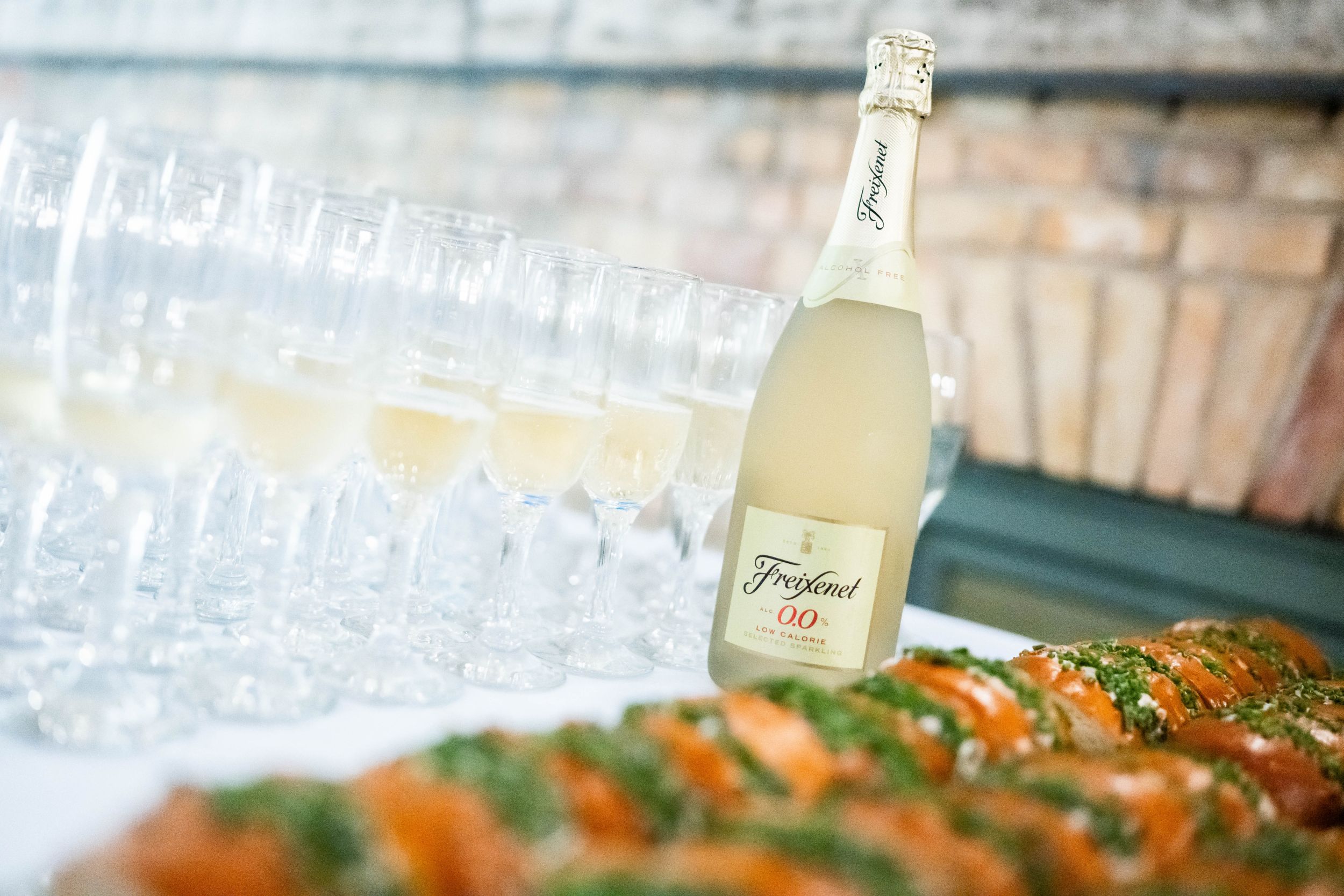
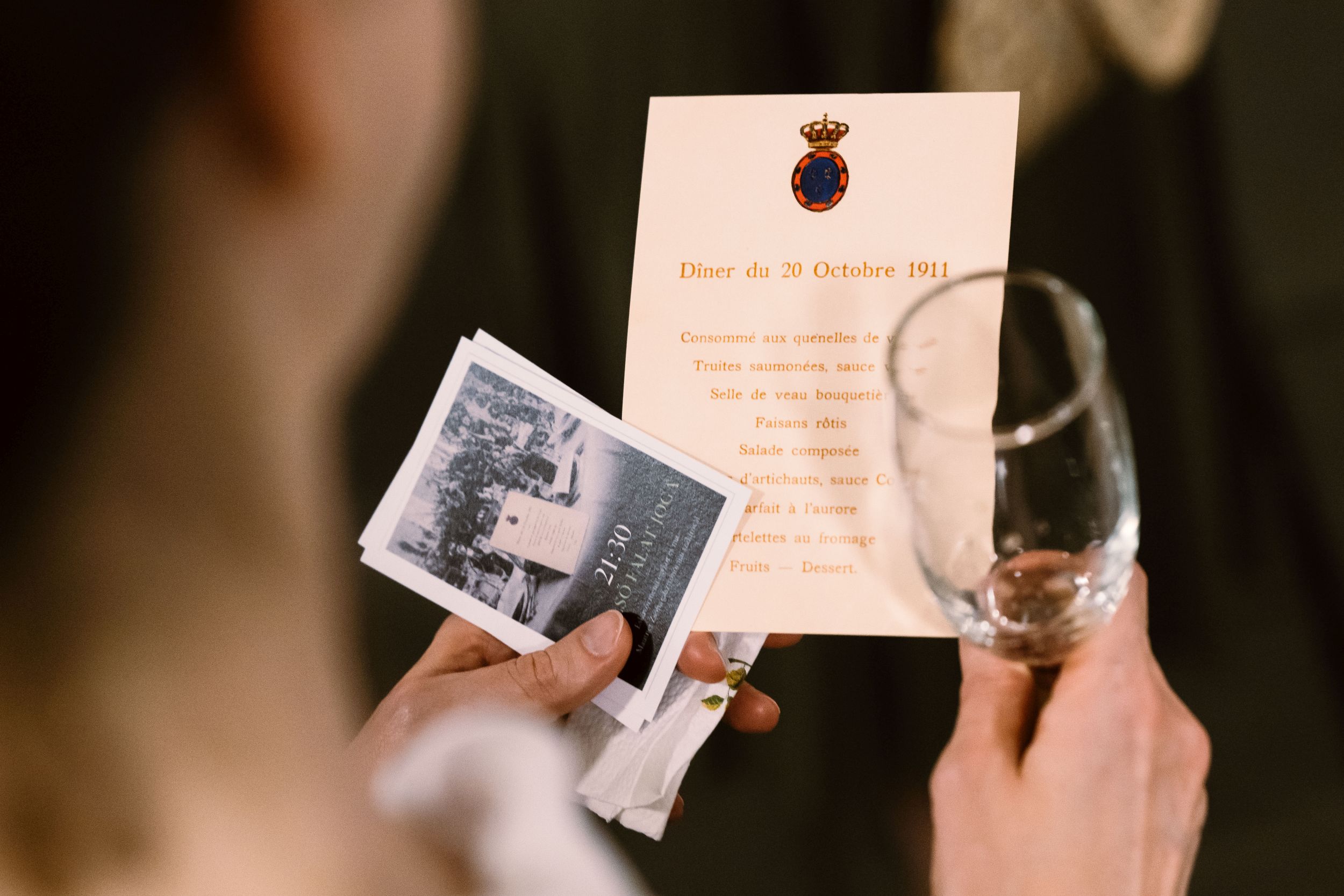
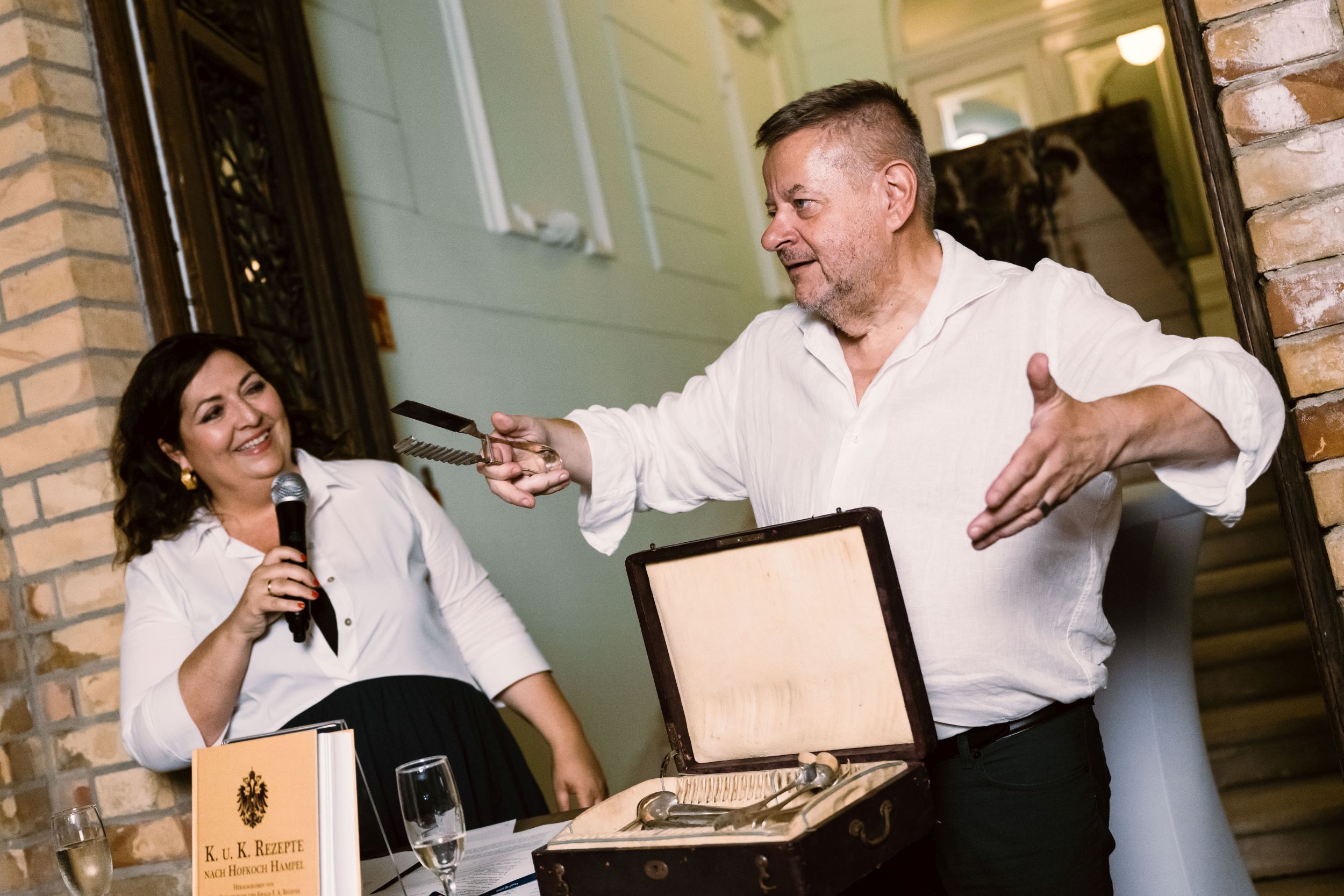
In keeping with this year’s Night of Museums theme, “Stories Captured in Flavours”, we also invited our guests on a culinary journey. They were offered a selection of dishes inspired by the wedding banquet menus of 1911 and 1951, while gastronomic writer and television presenter Zsófia Mautner and sommelier Csaba Harmath shed light on the historical context, culinary traditions, and drinking culture behind these ceremonial banquets. The wonderful atmosphere of the evening was further enhanced by the generous support of Törley Sparkling Wine Cellars, which kindly provided Freixenet sparkling wine, for which we are sincerely grateful.
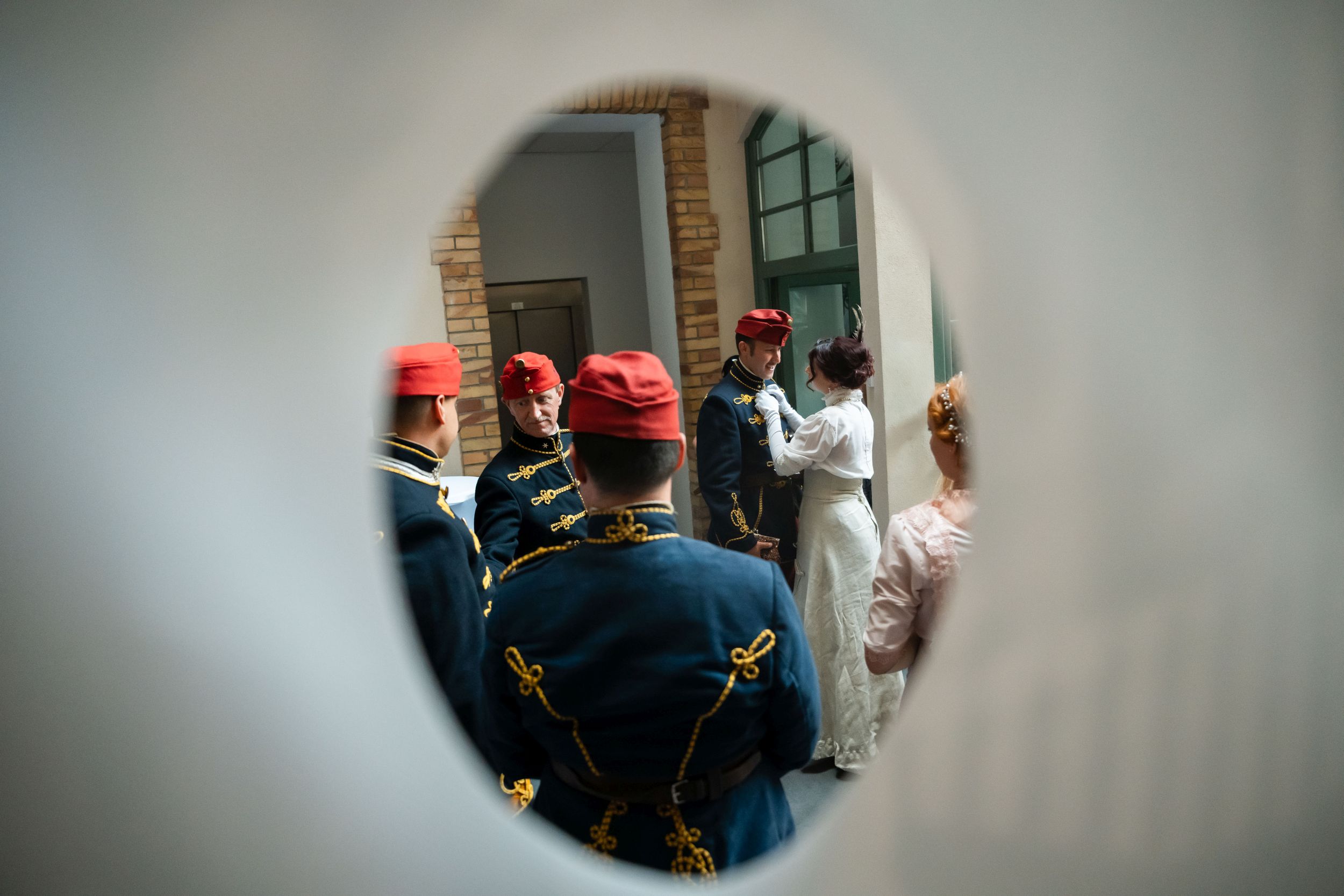
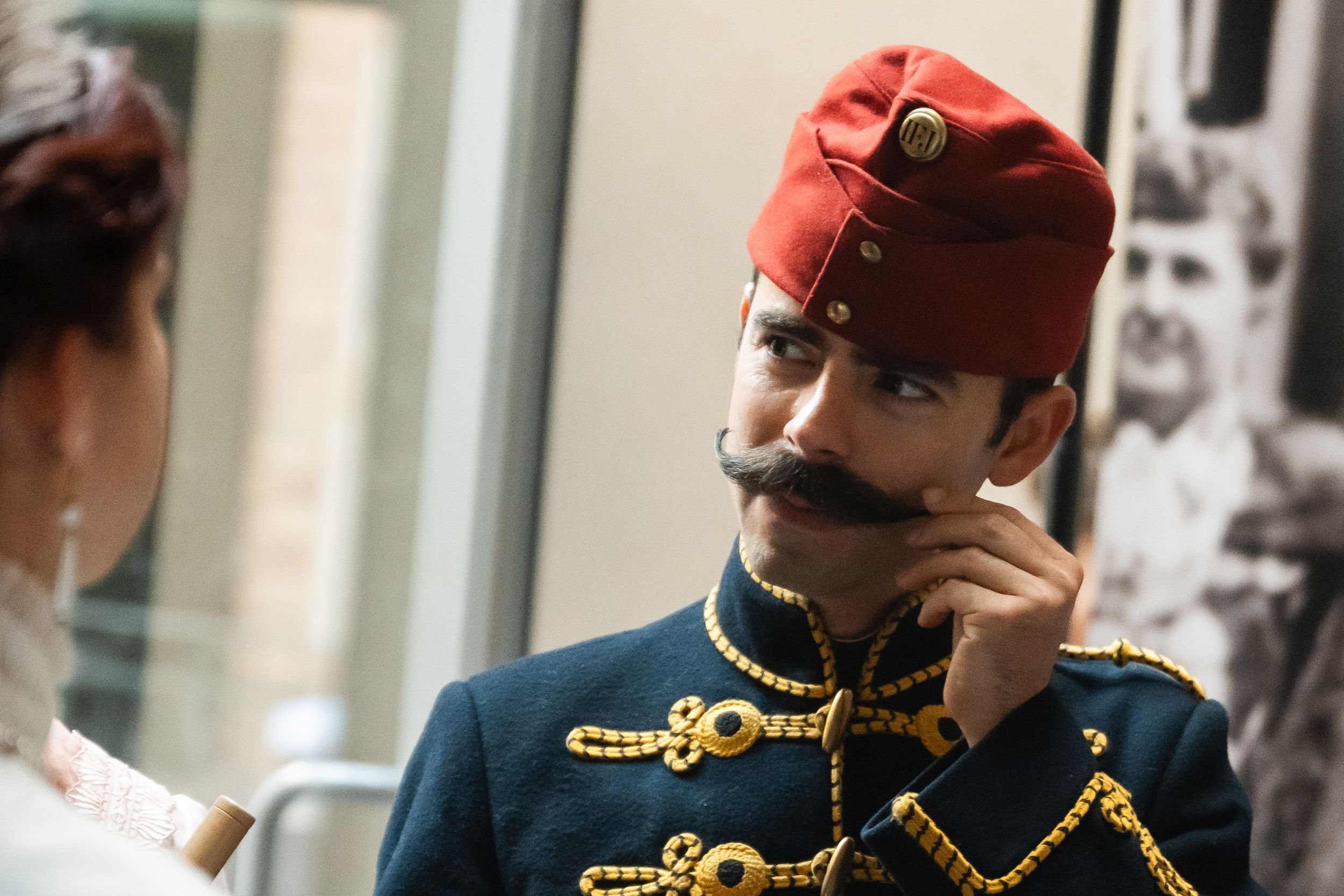
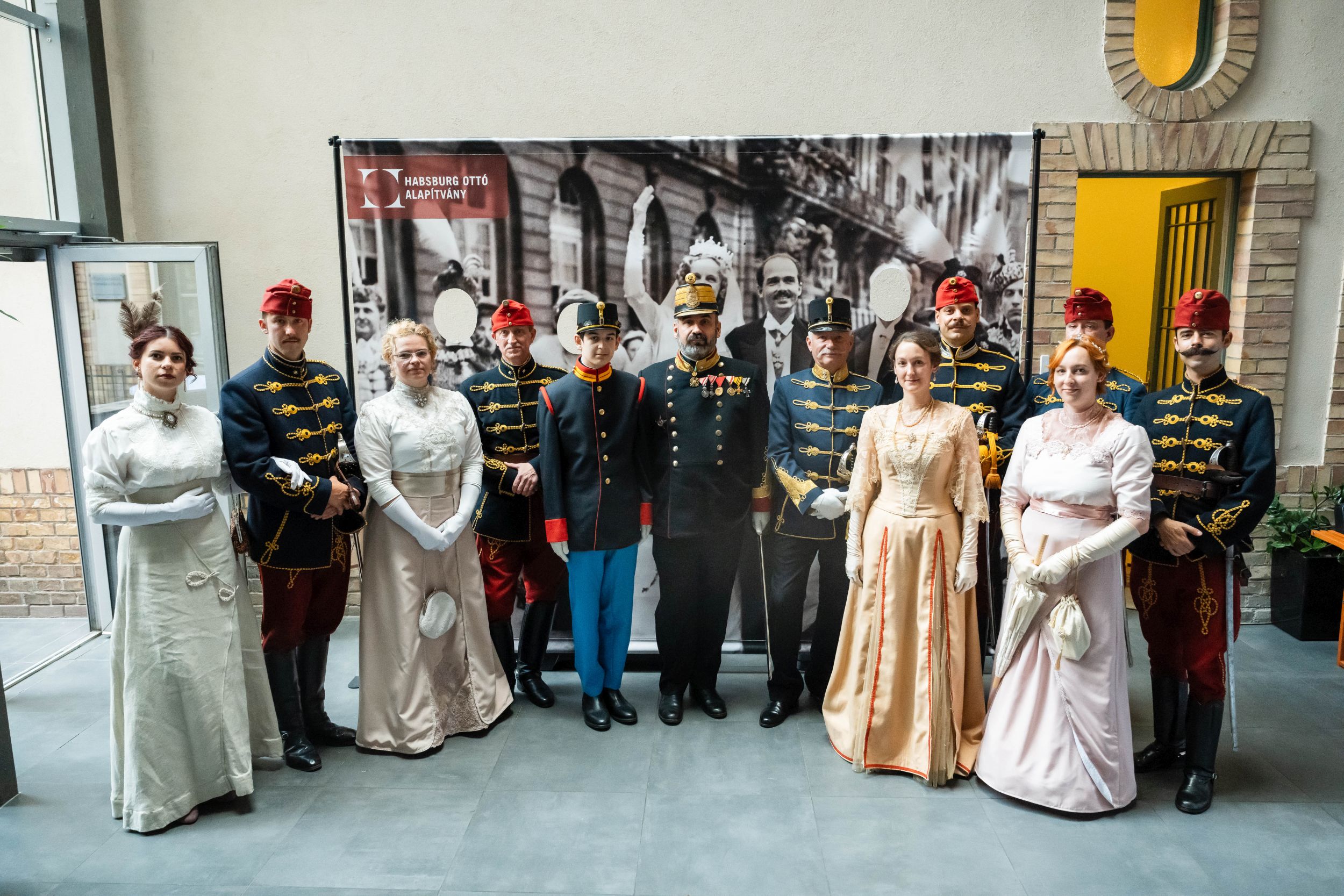
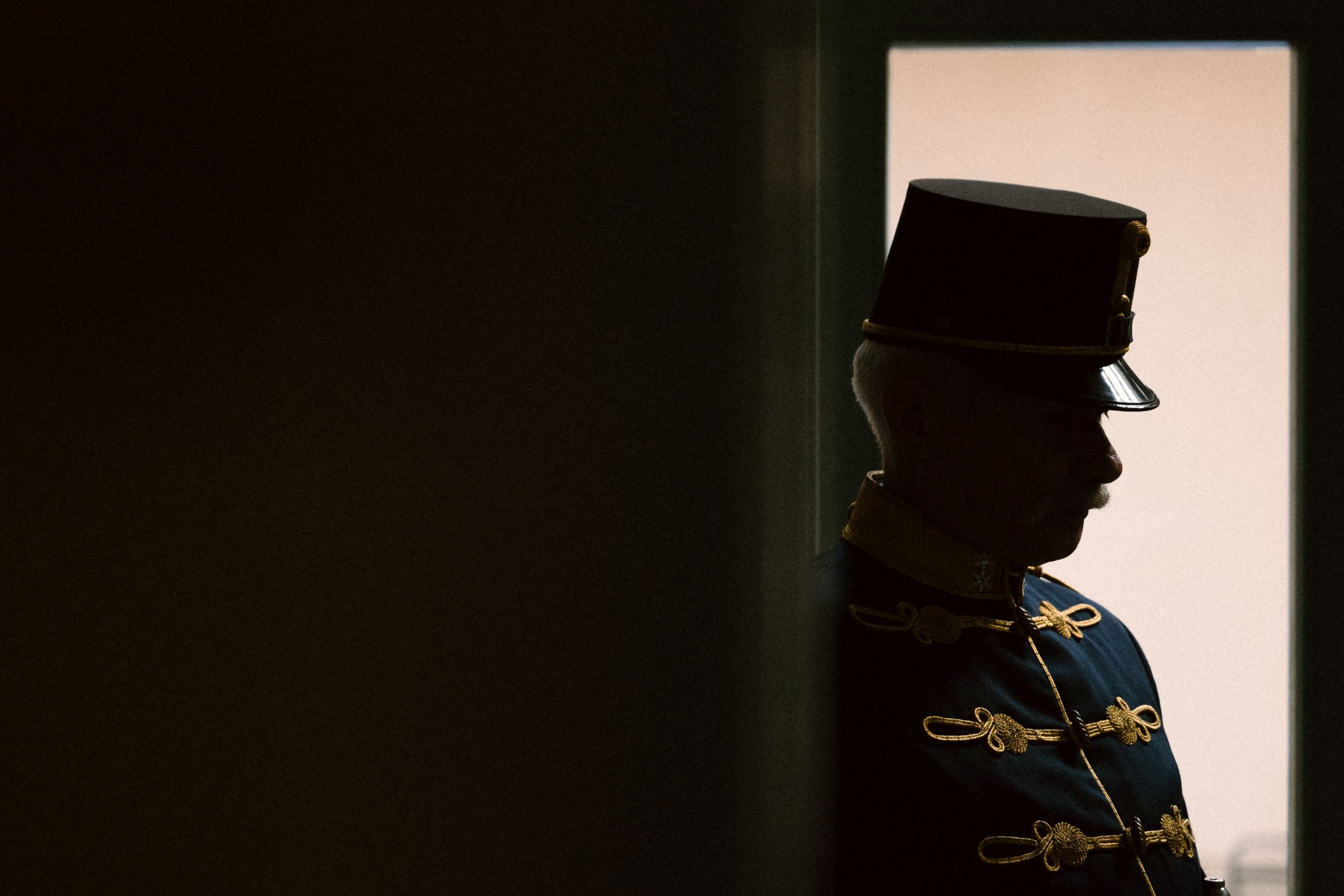
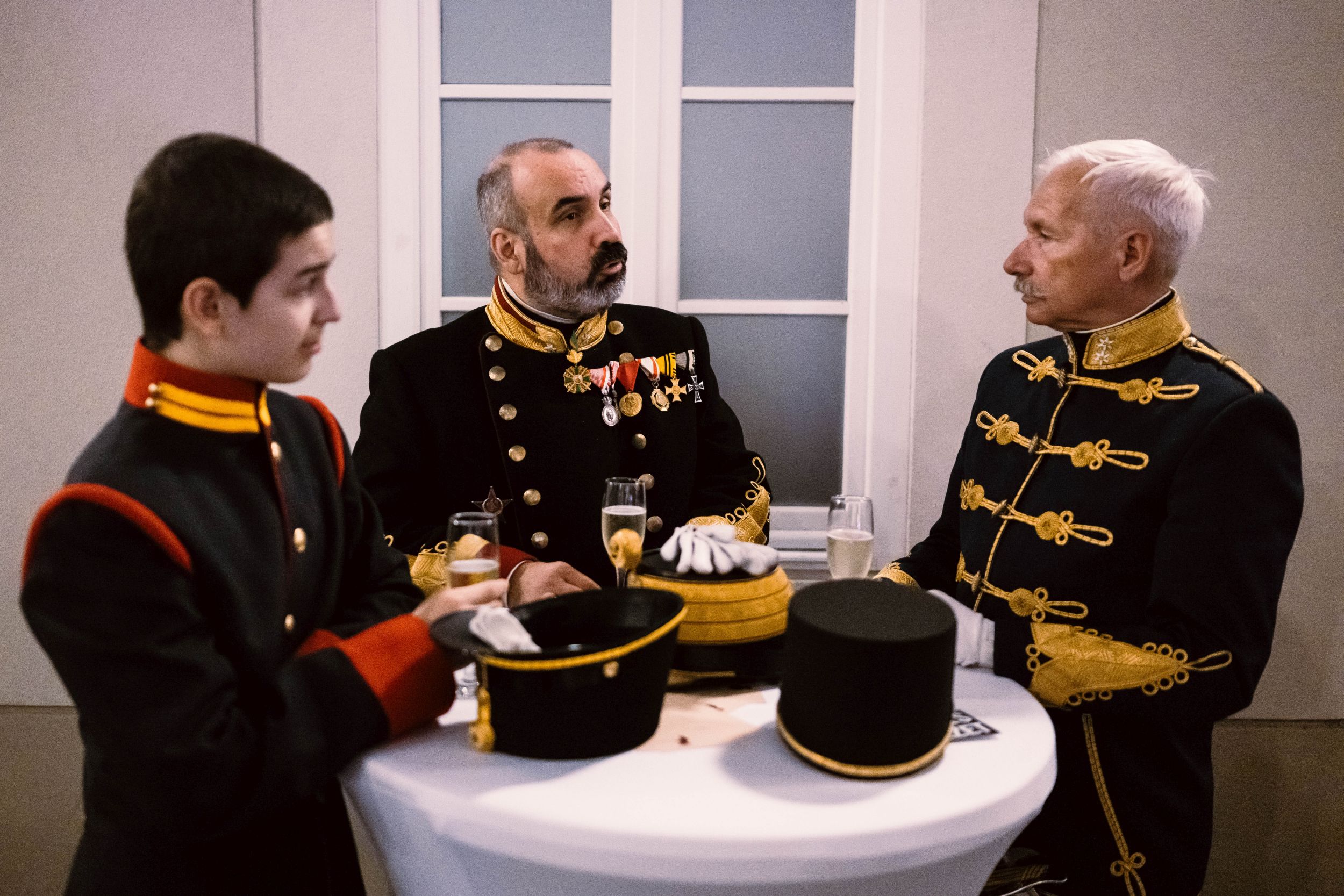
Special recognition is also due to the Military Equestrian Section of the Honvéd Zrínyi Sports Association, whose members, dressed in period attire, added a distinctive historical touch to the programme with their presence.
“Wedding Night at the Museums” proved memorable as an unconventional retrospective, a showcase for collection materials, a series of professional discussions, and a communal occasion. The exceptional level of visitor interest also confirmed that the archives and research themes of the Otto von Habsburg Foundation are capable of engaging a wider public – in a form that is both compelling and intellectually substantial.
PHOTO GALLERY

Photos: Mátyás Borsos