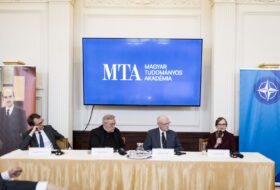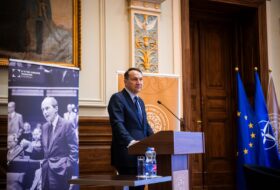
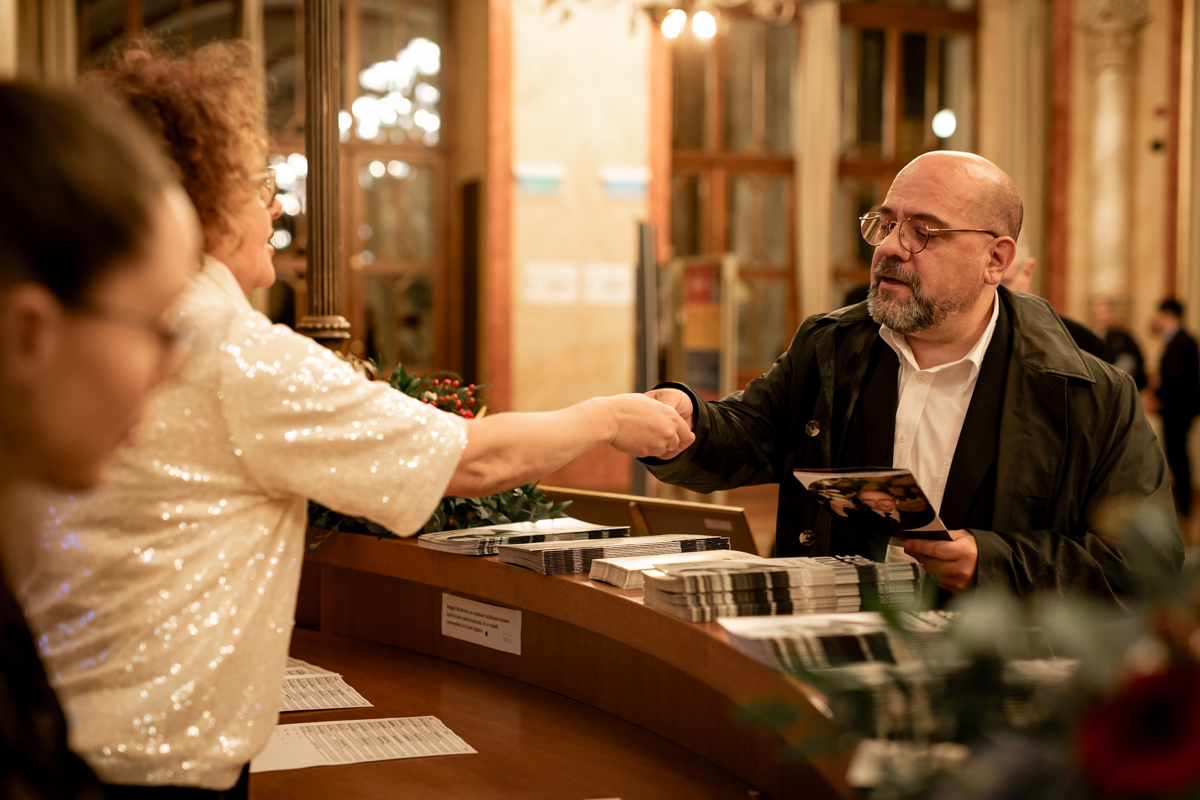
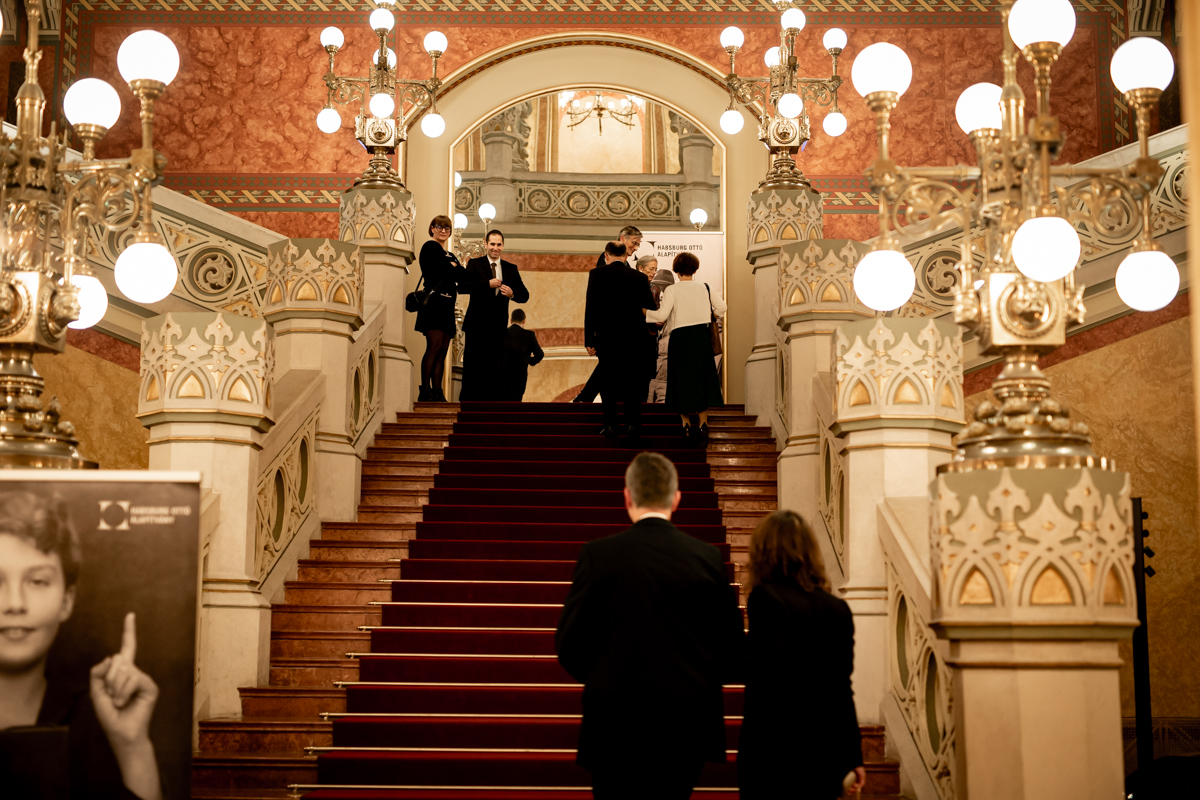
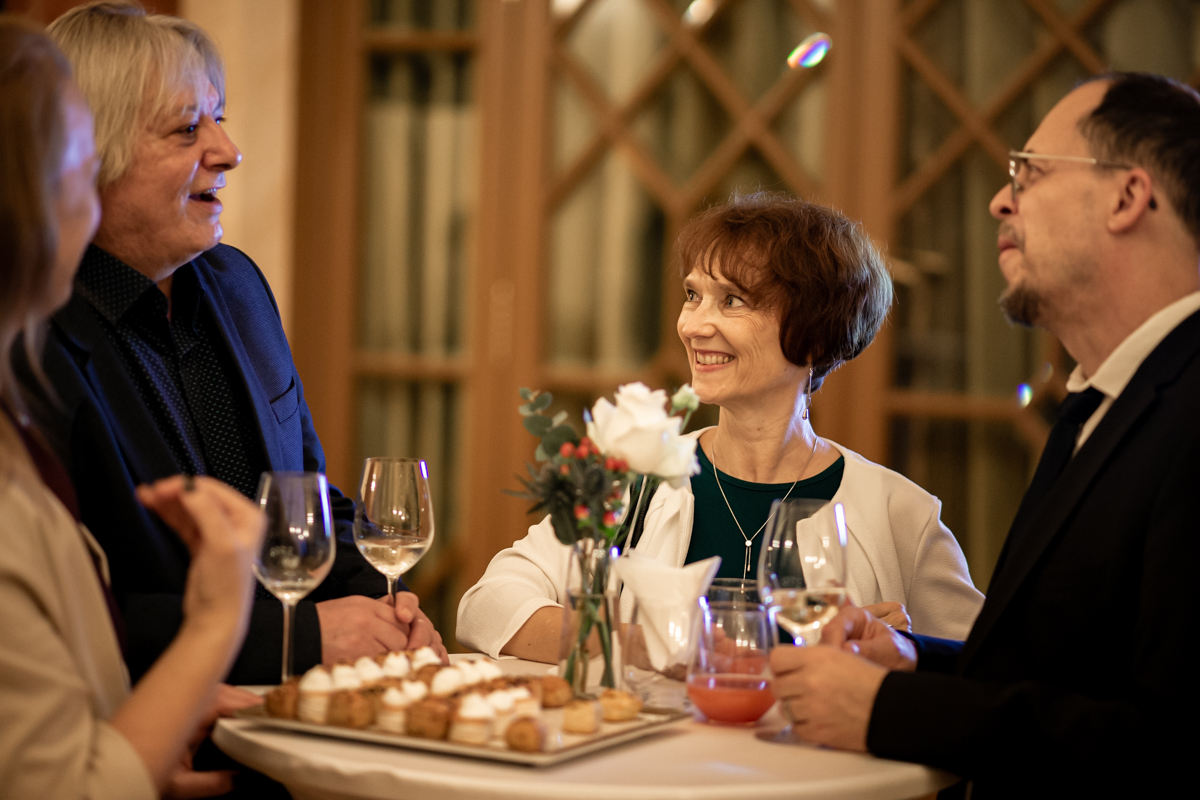
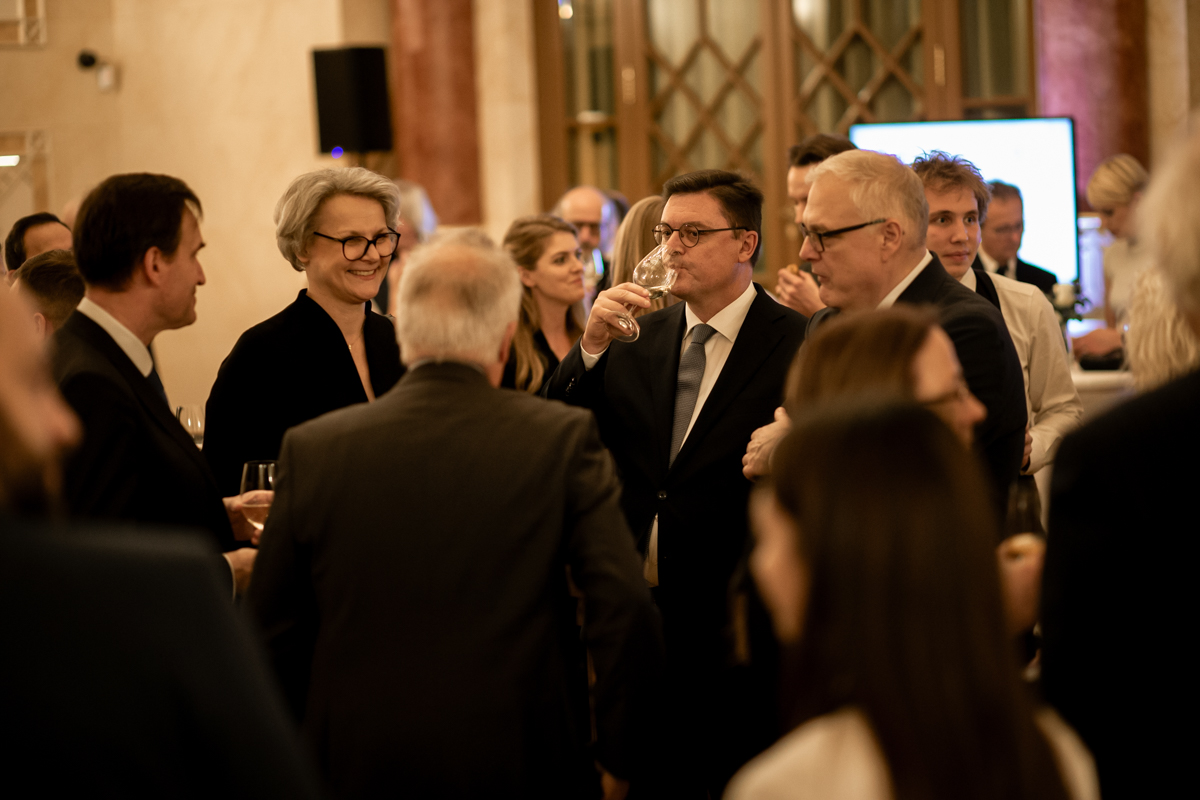
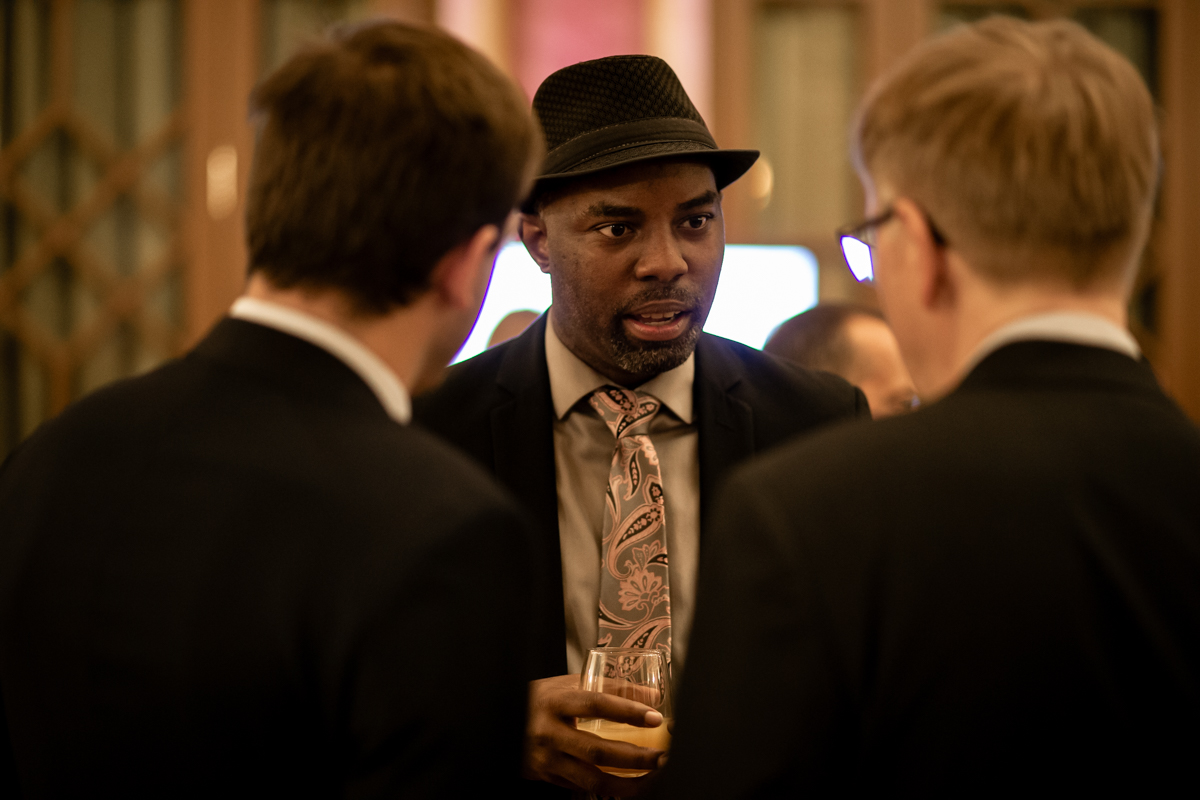
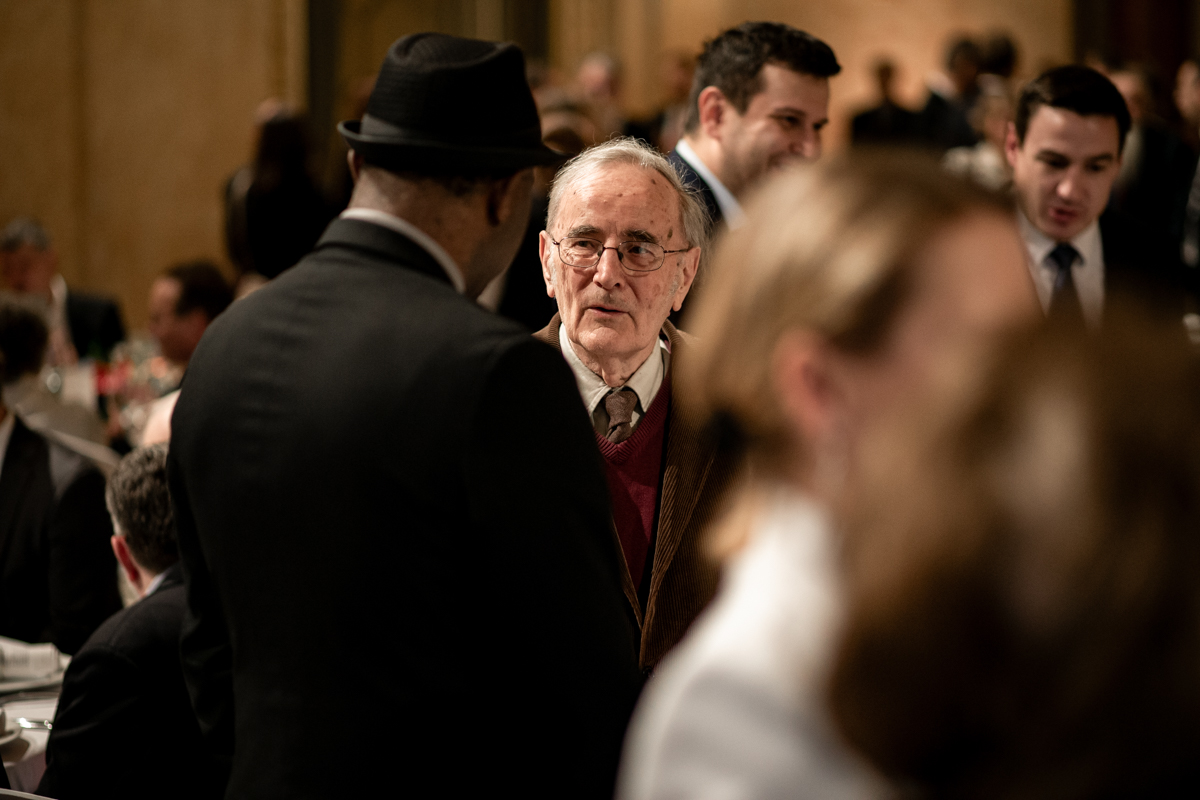
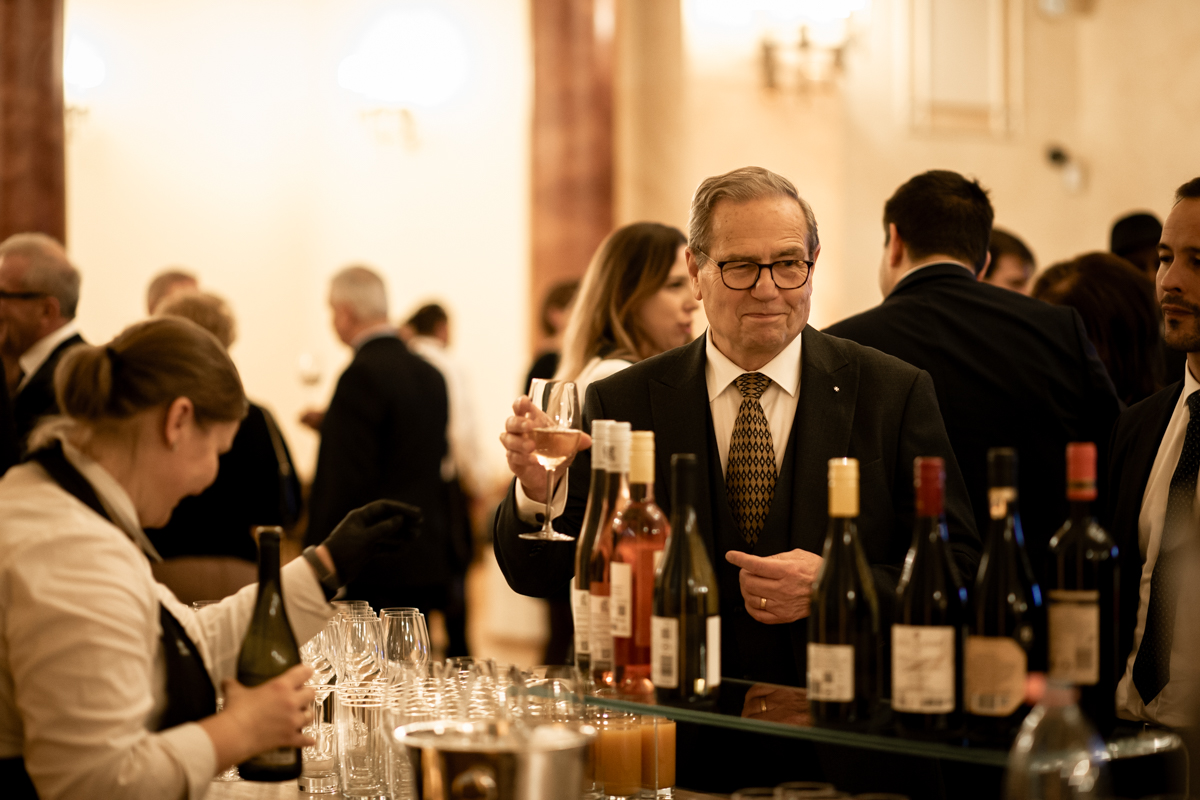
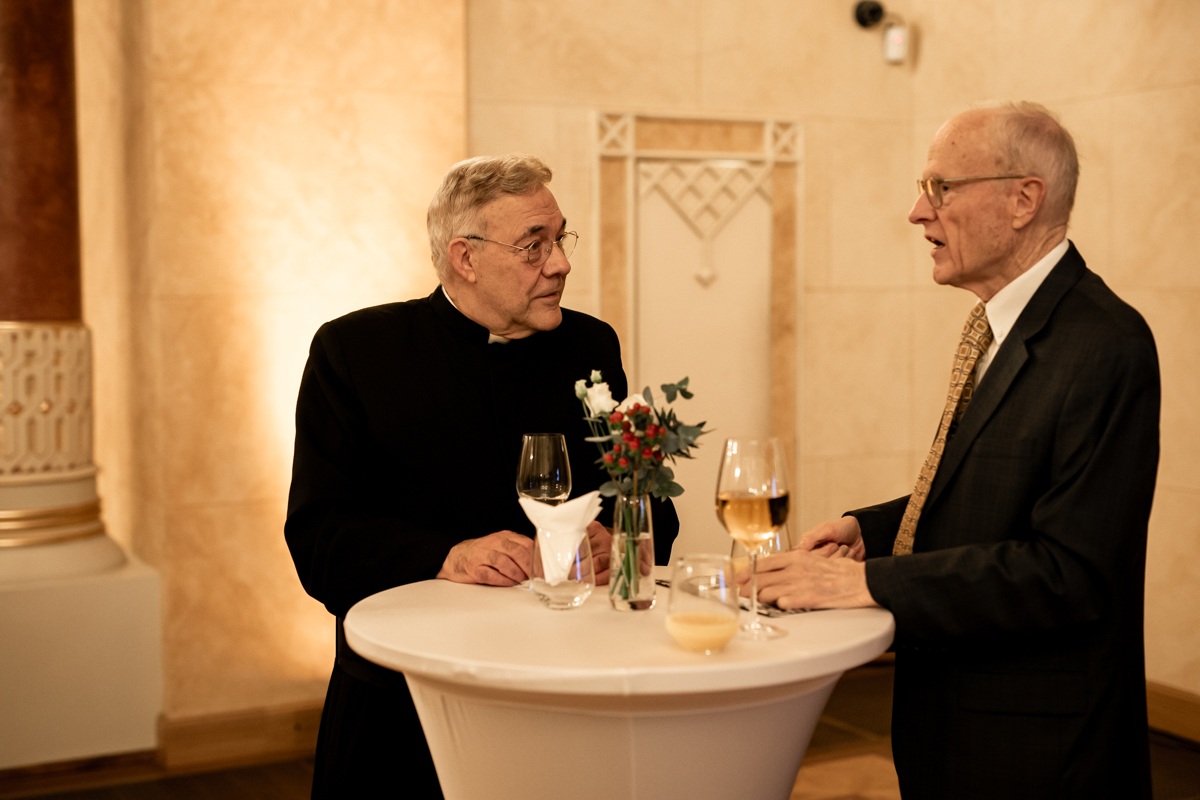
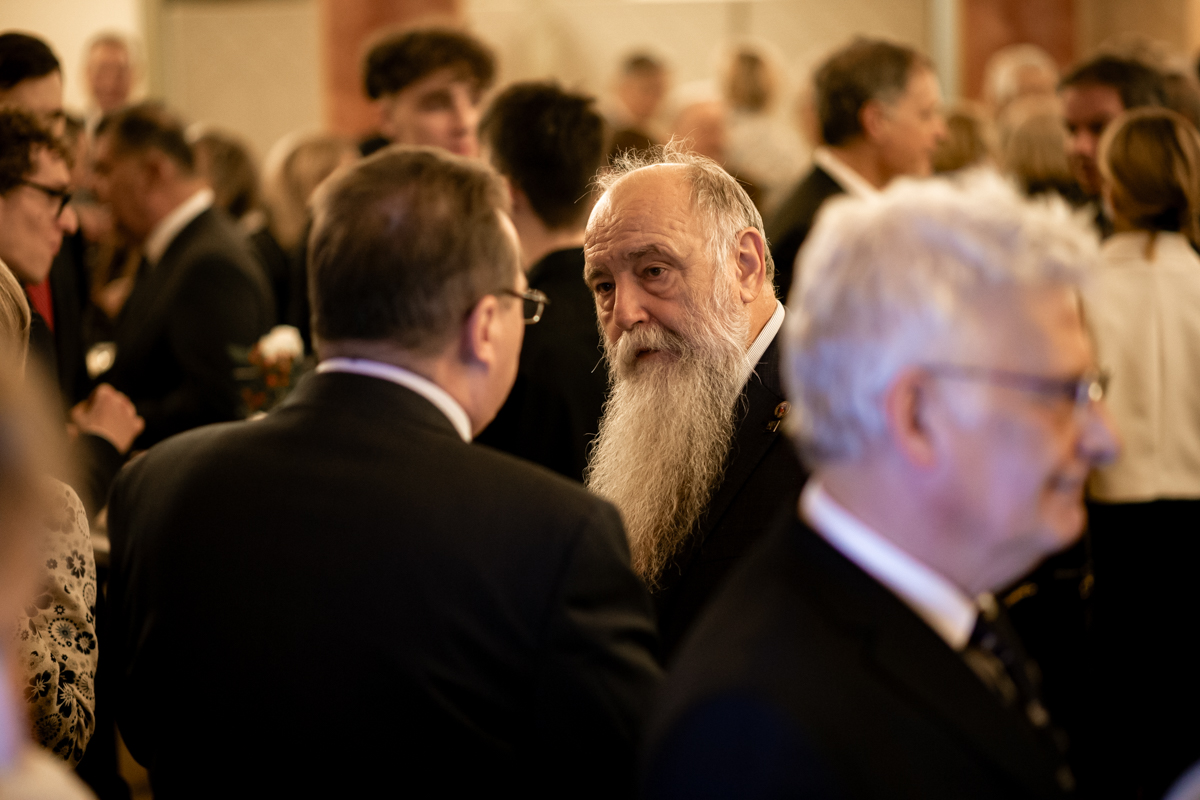
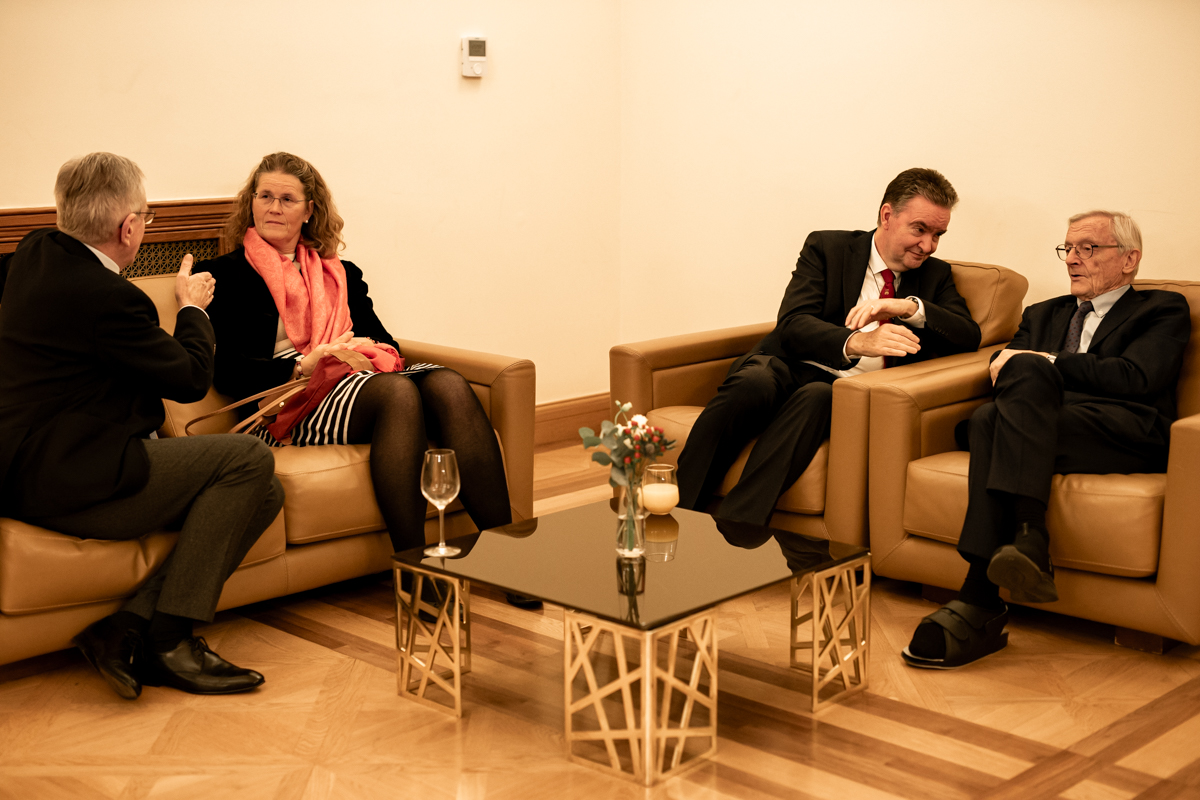
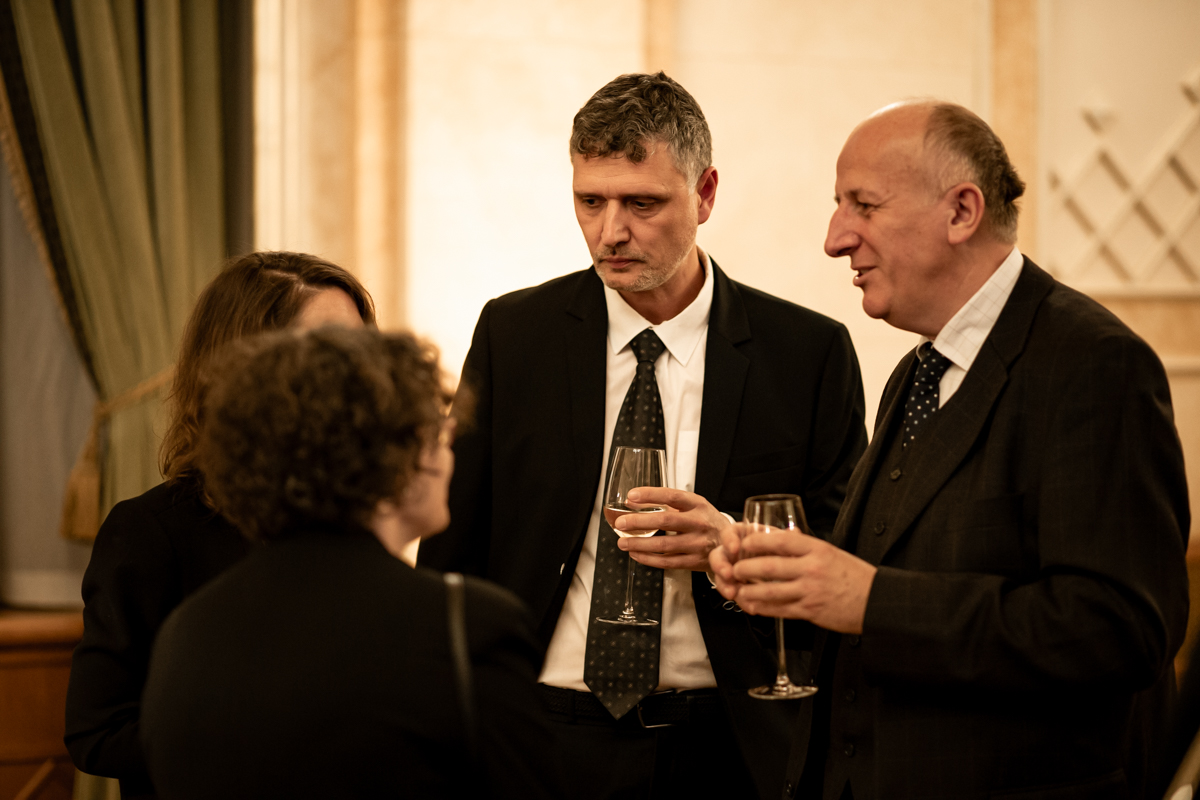
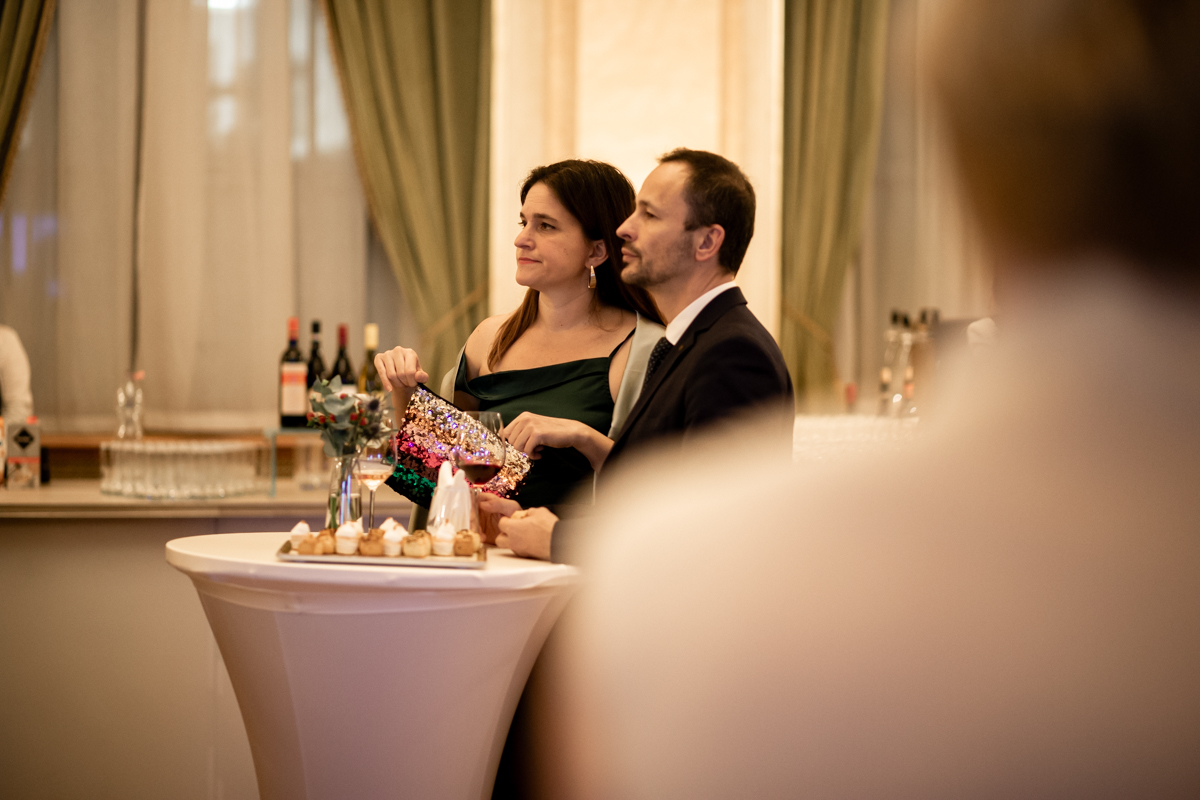
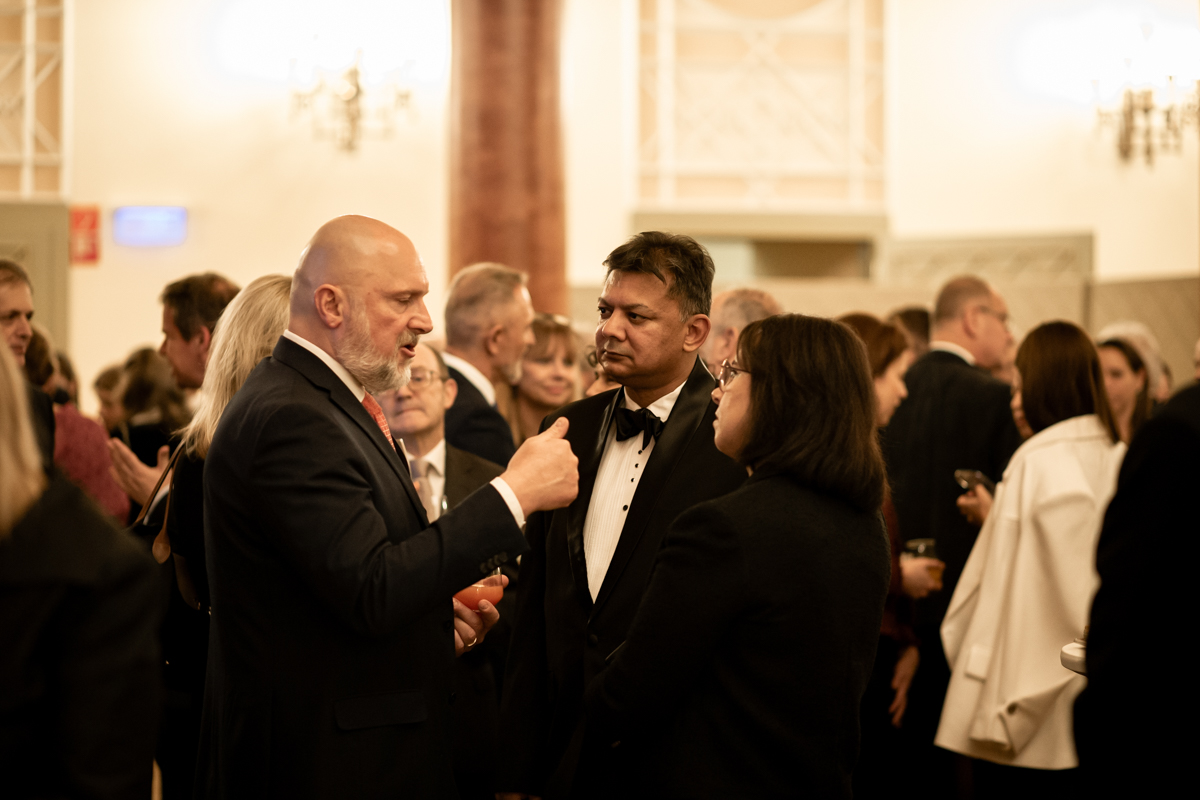
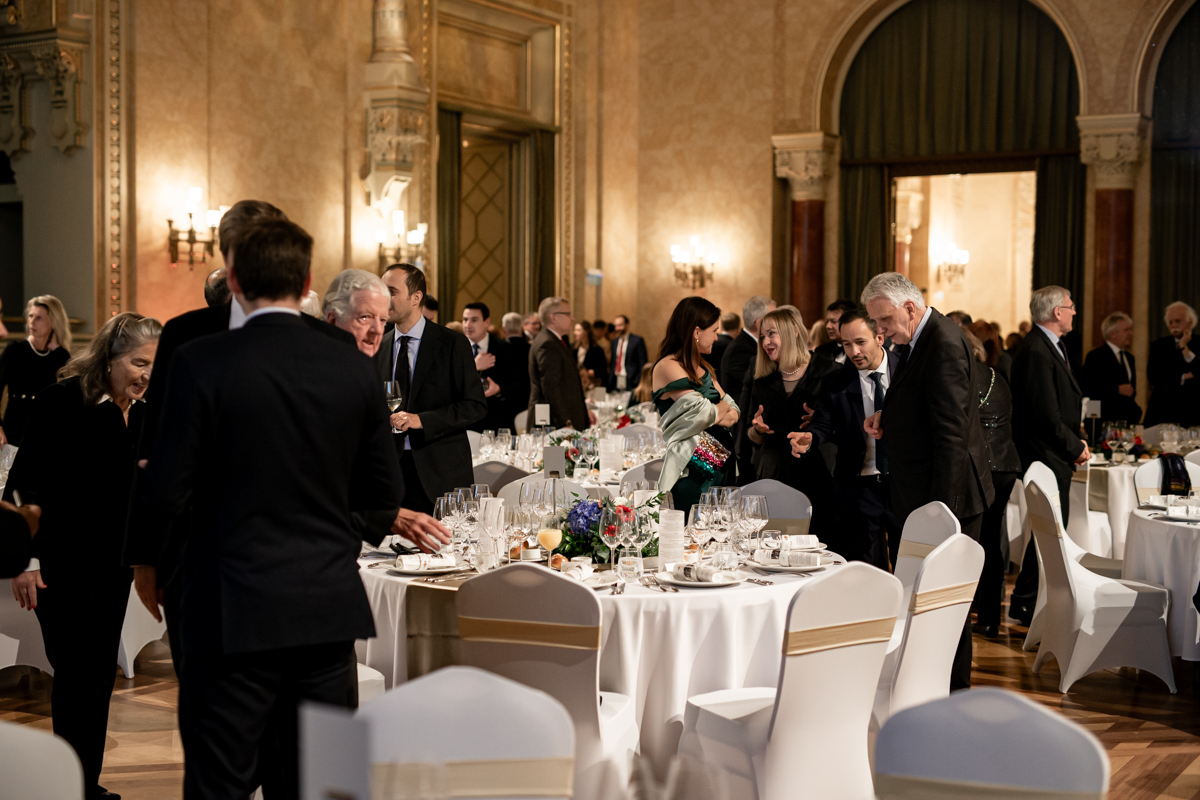
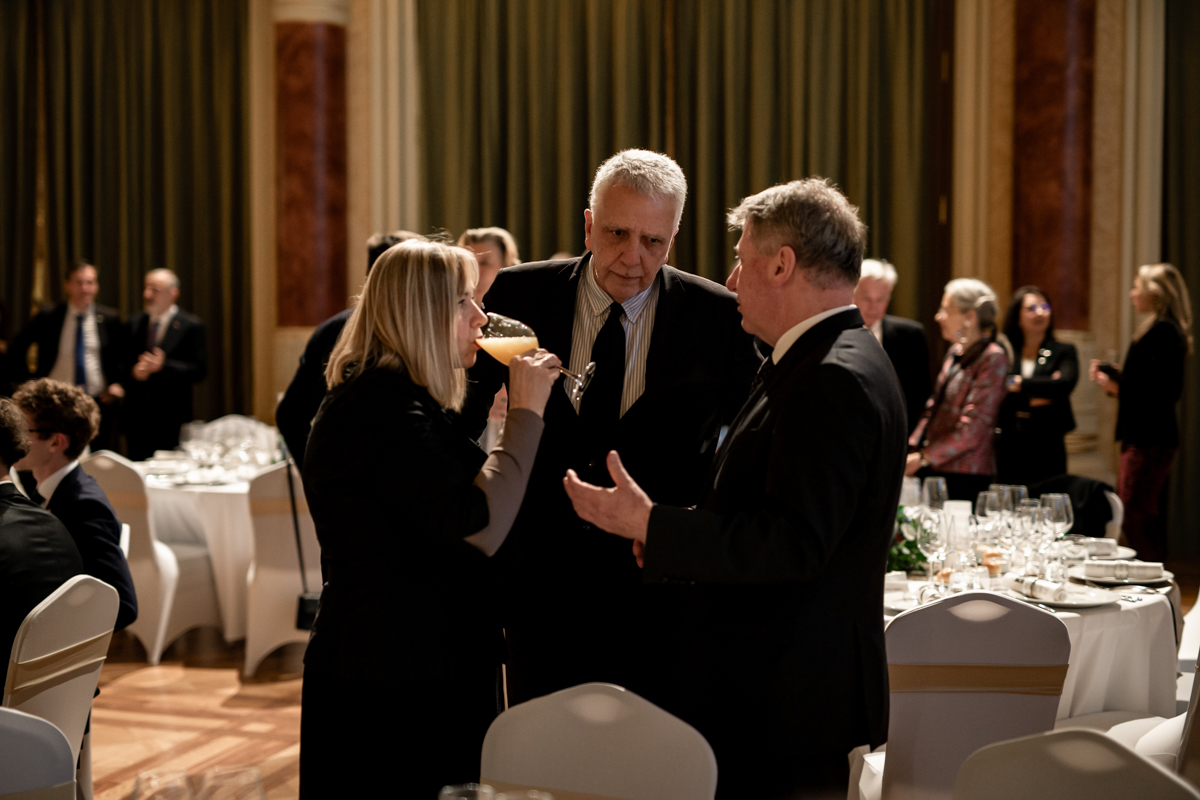
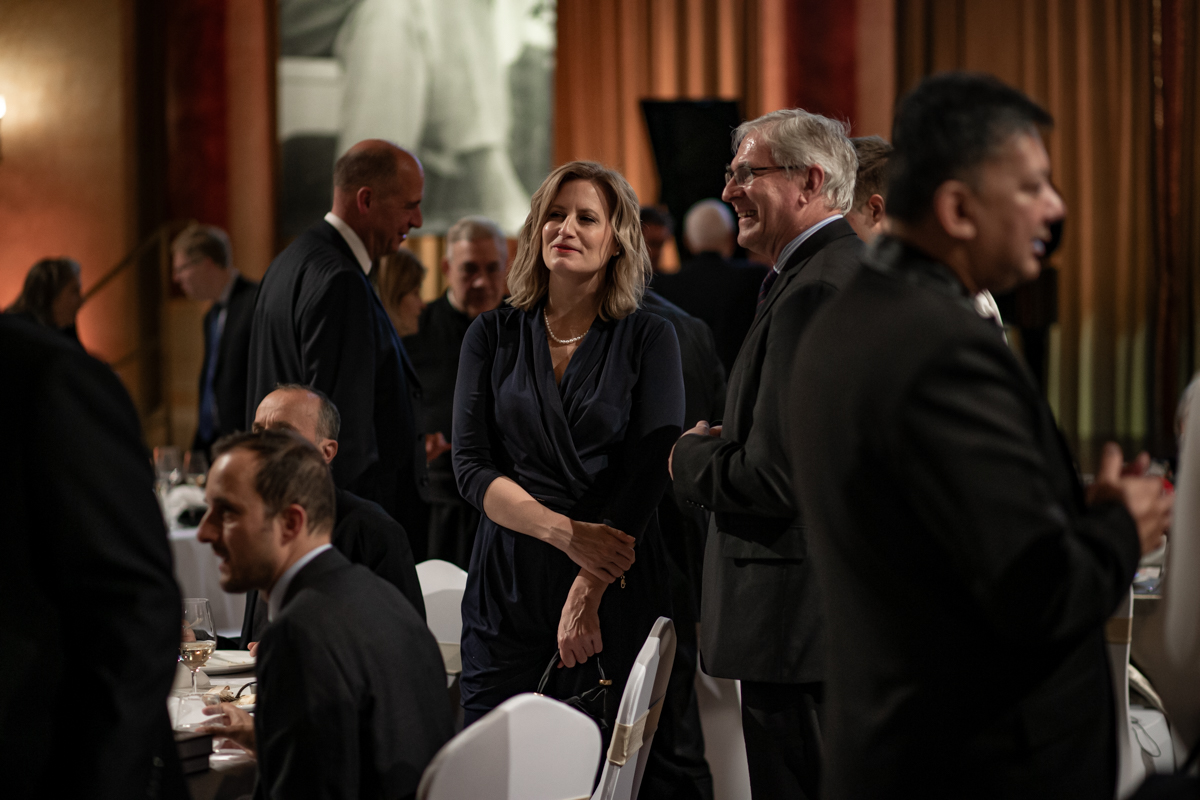
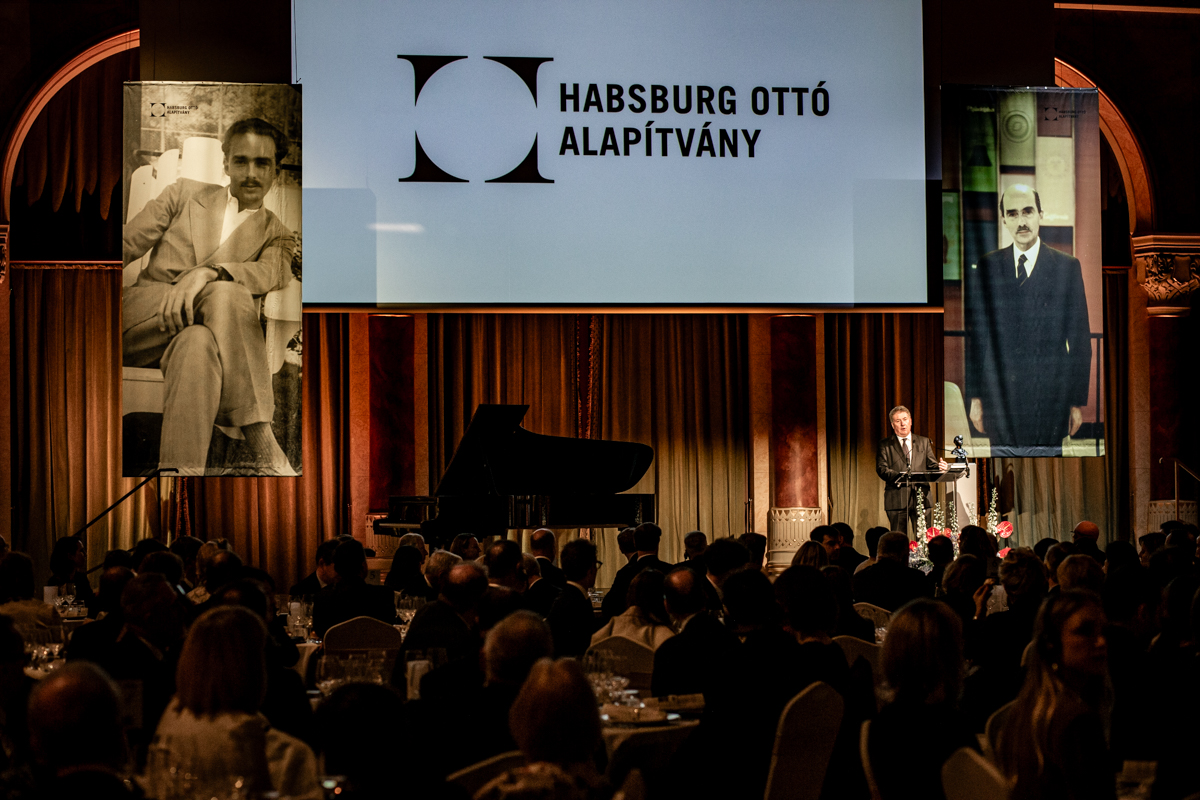
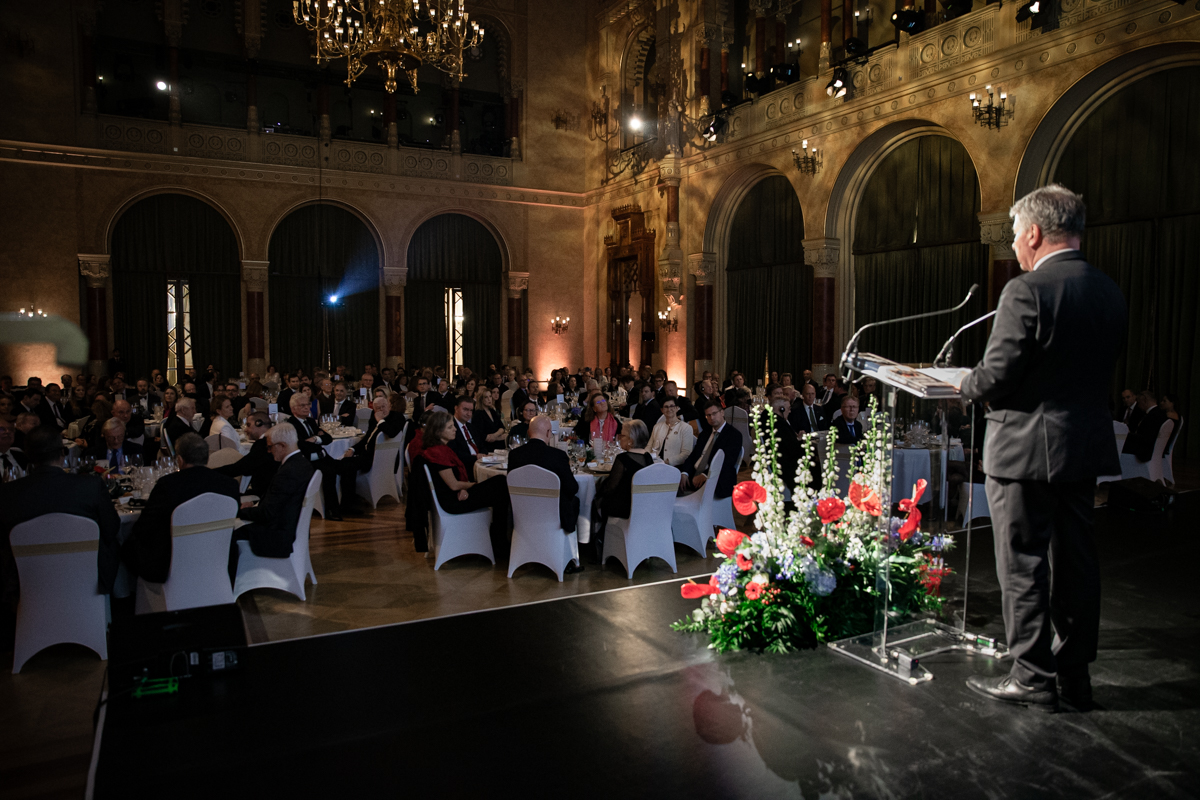
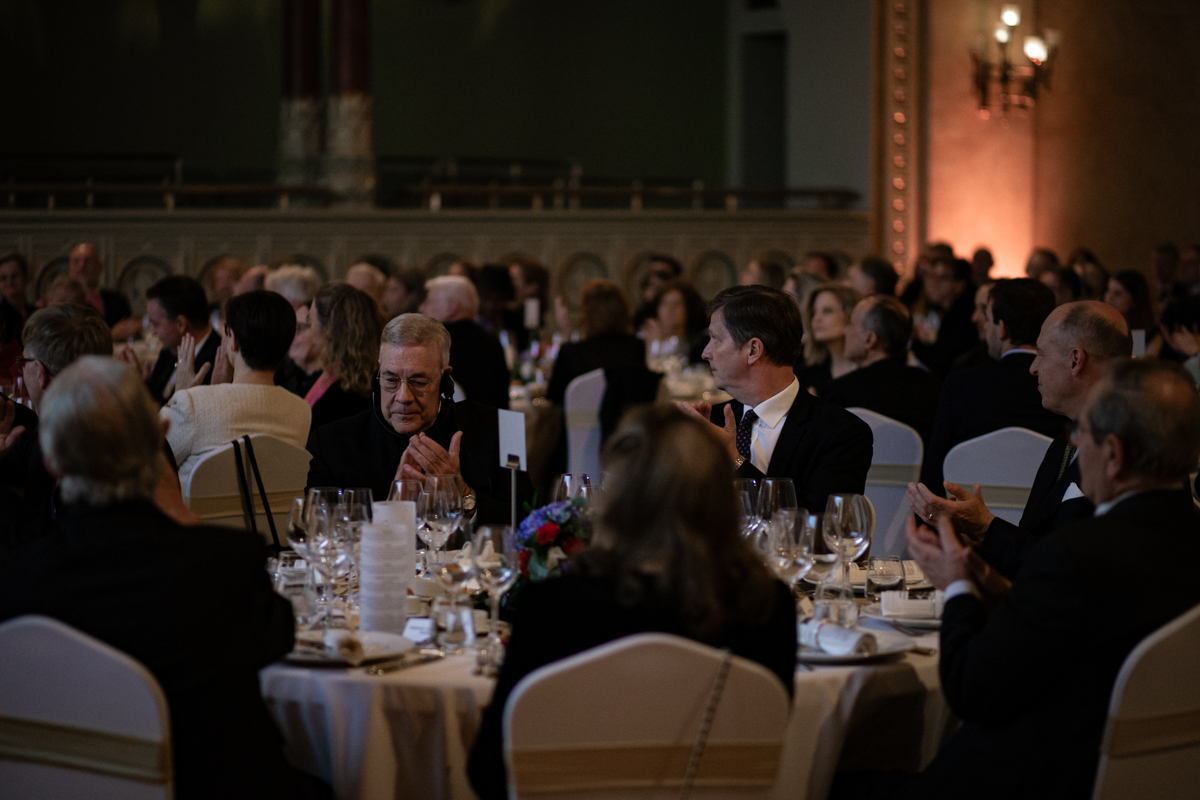
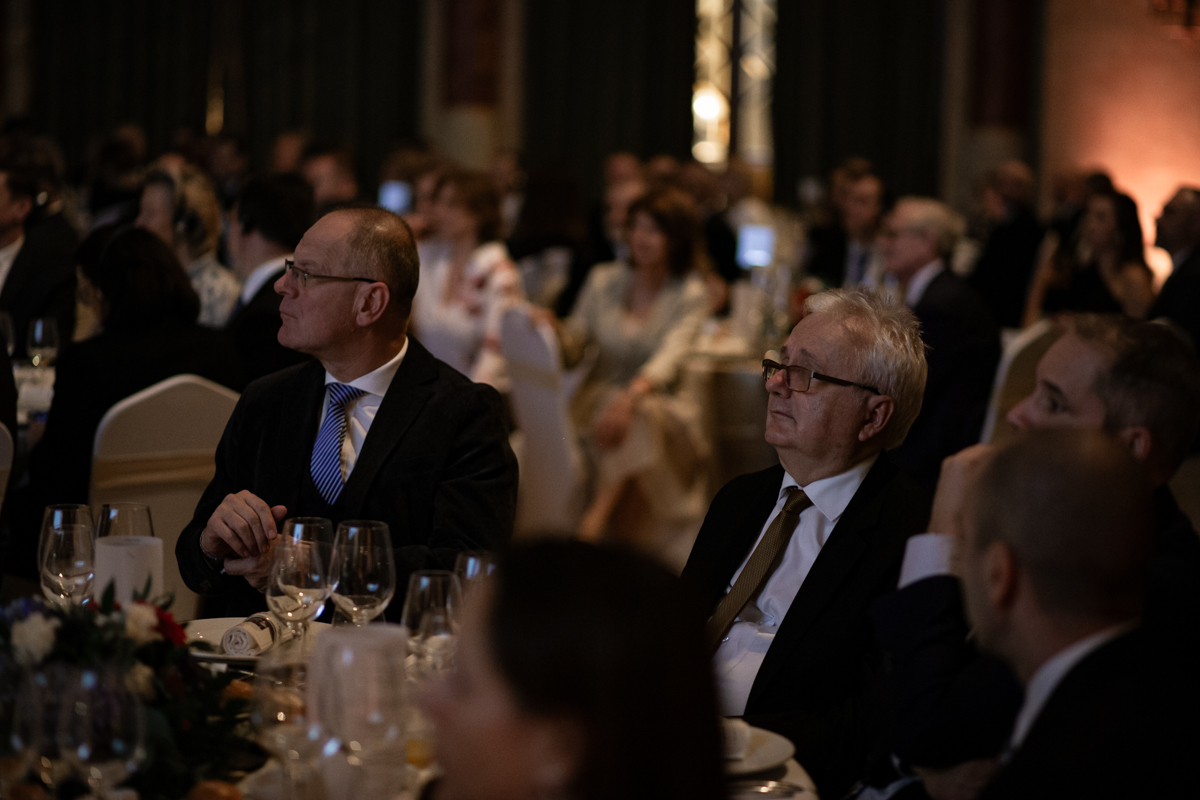
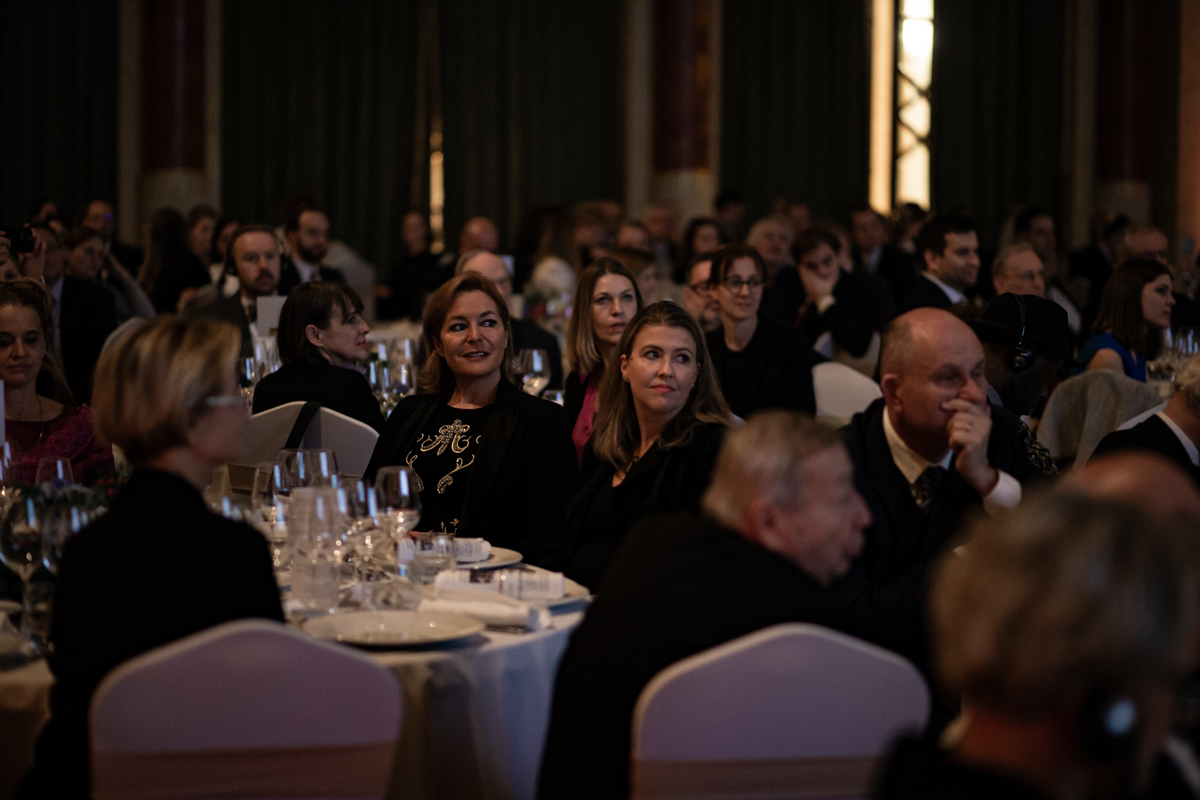
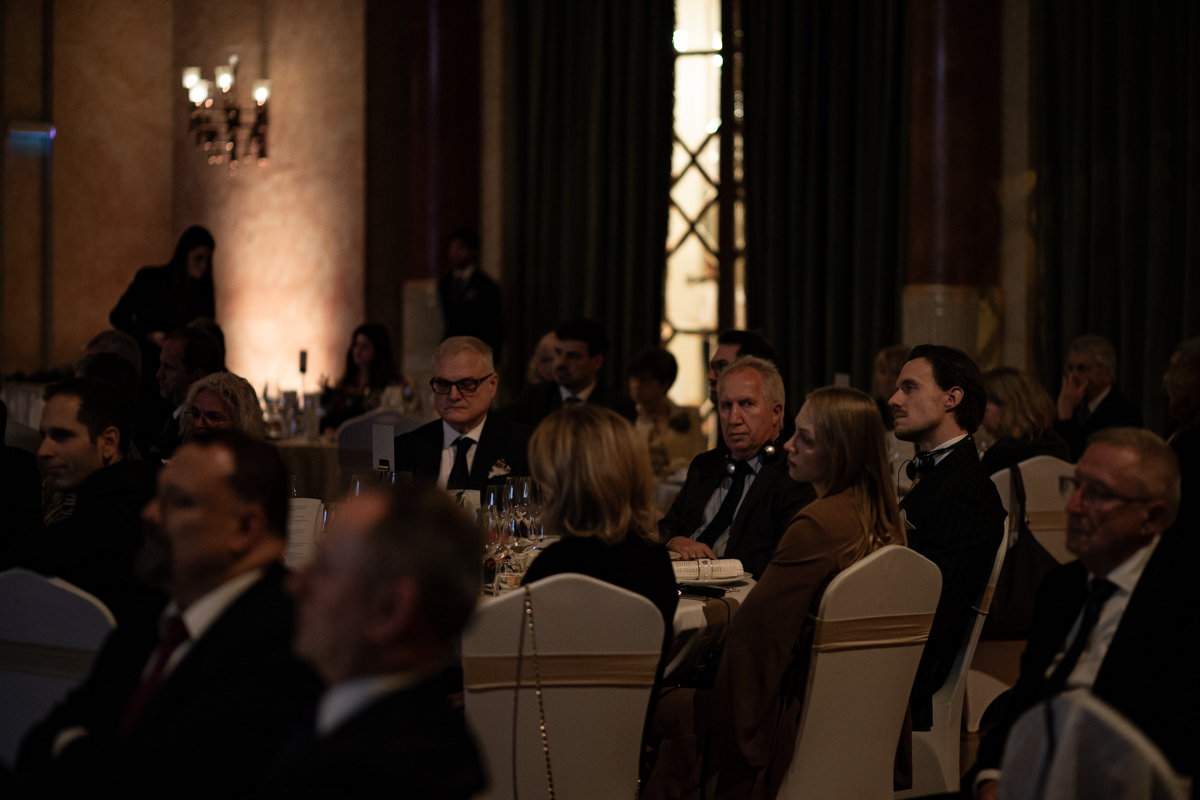
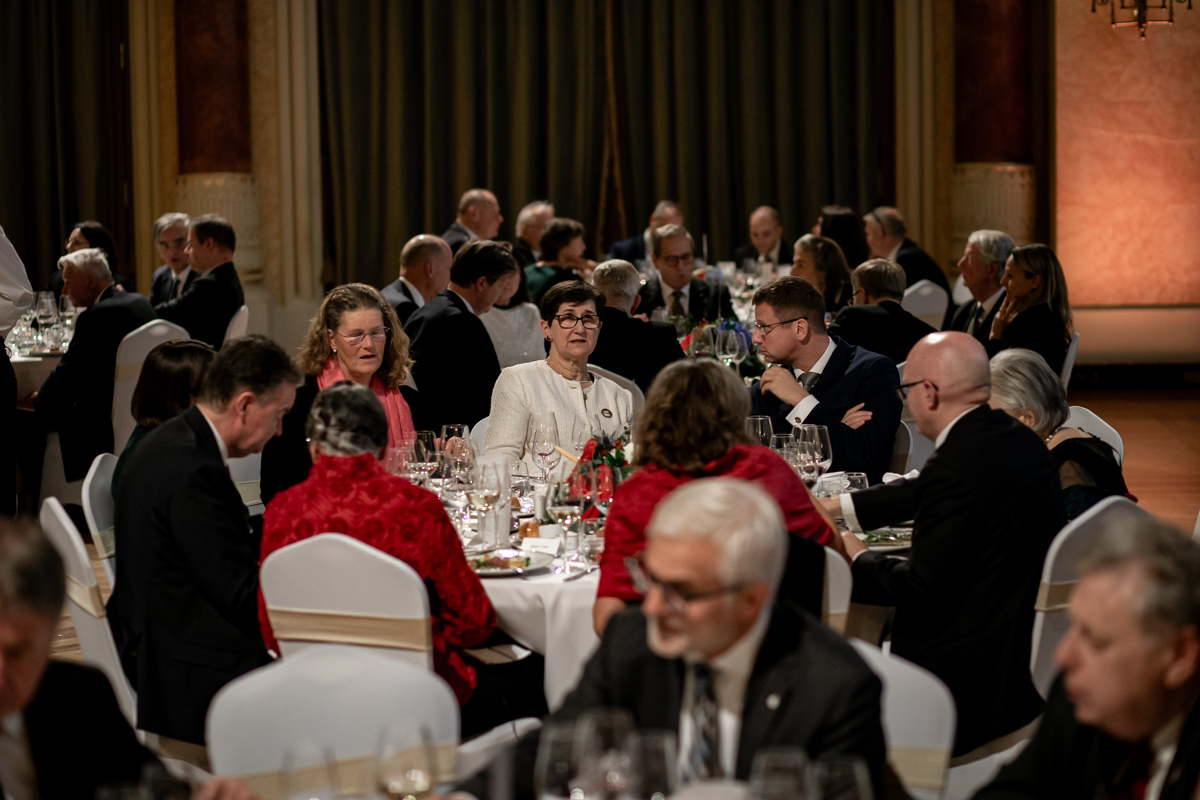
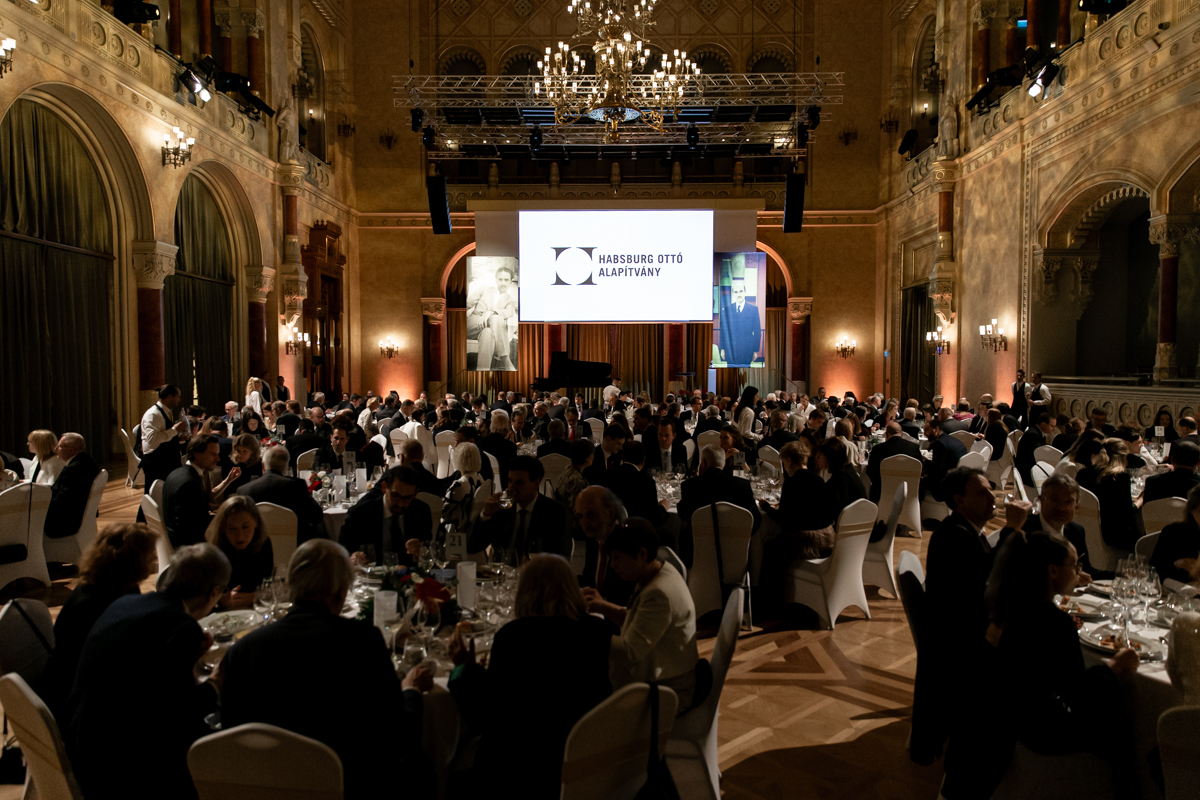
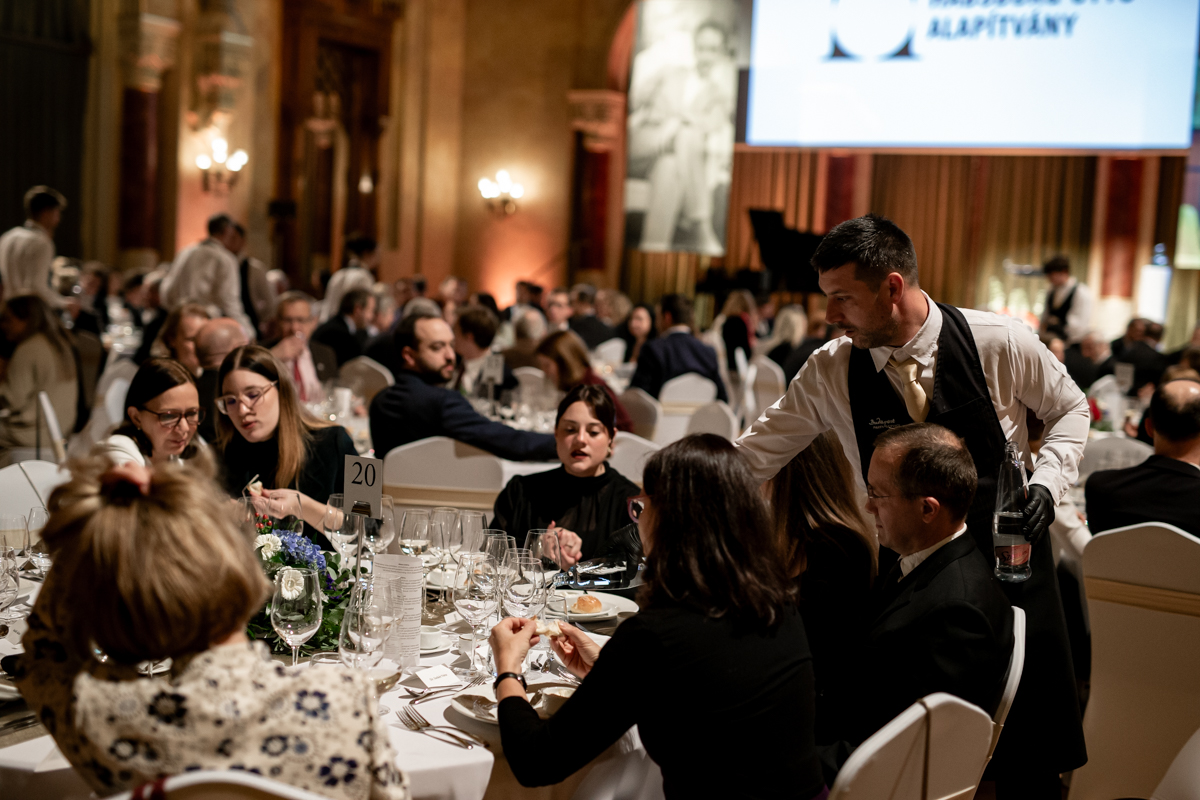
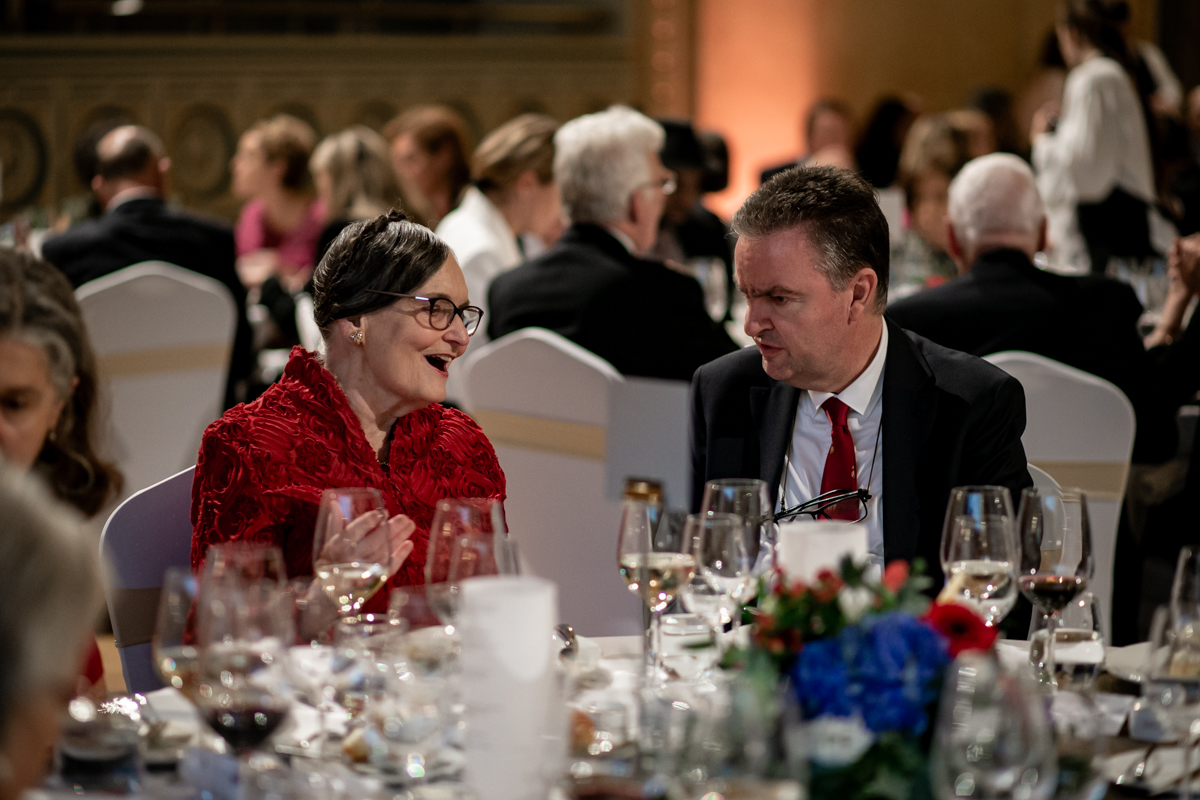
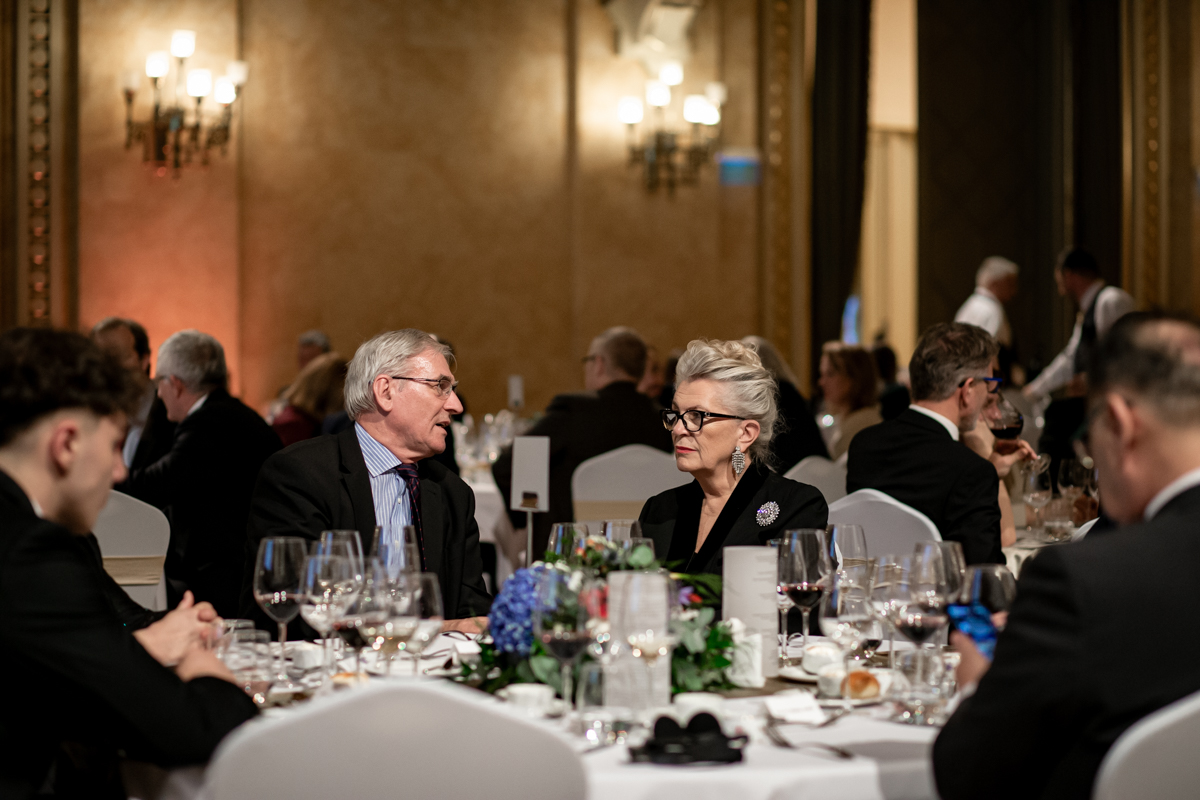
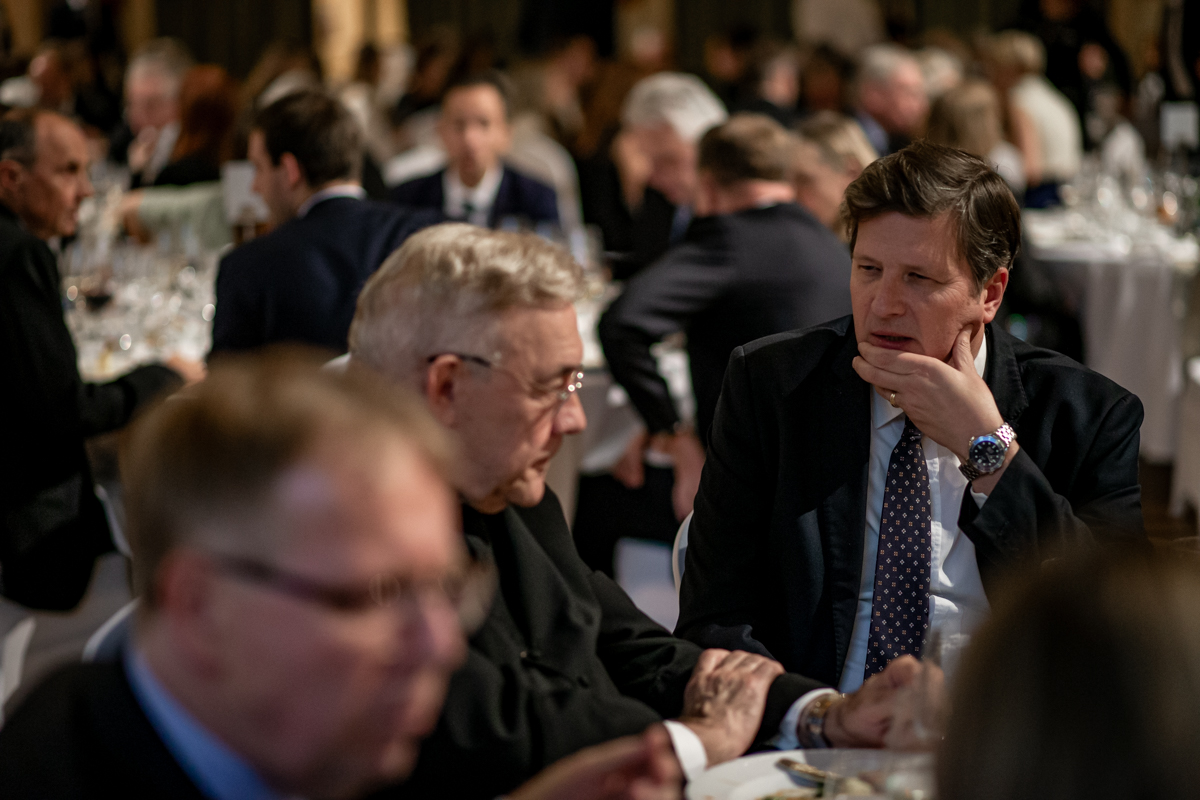
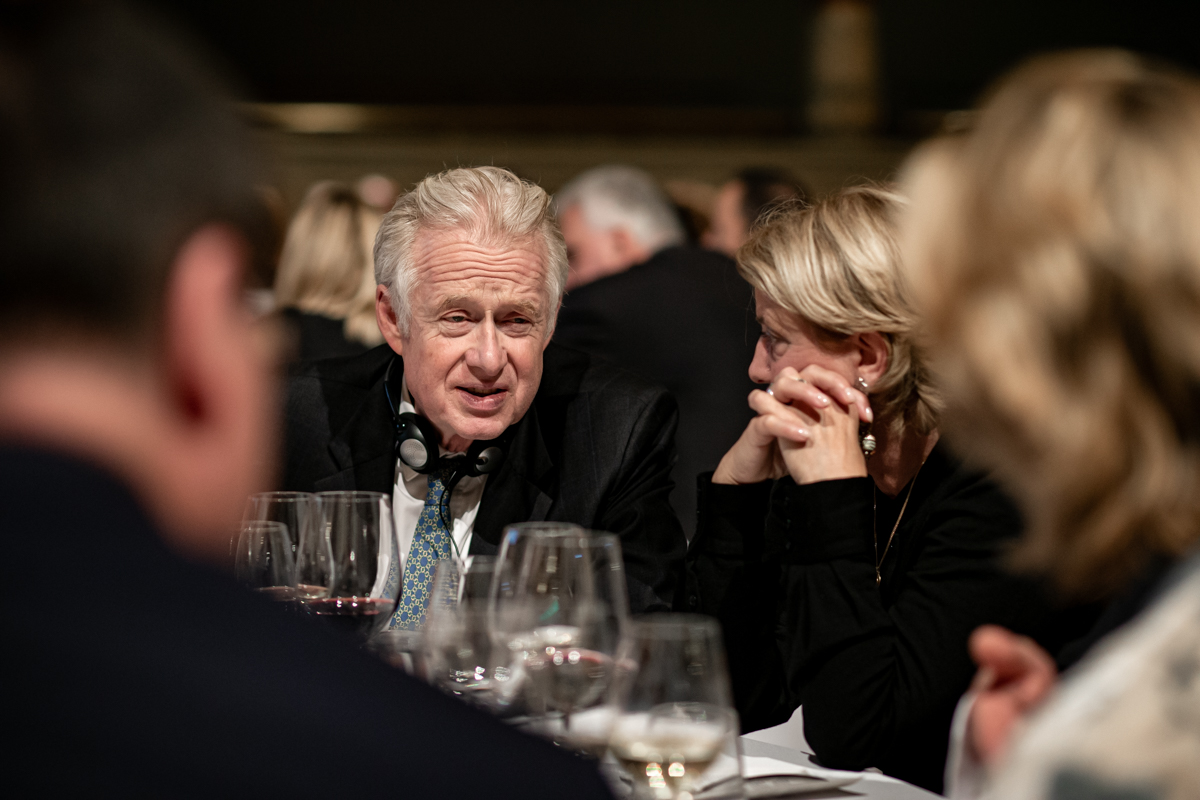
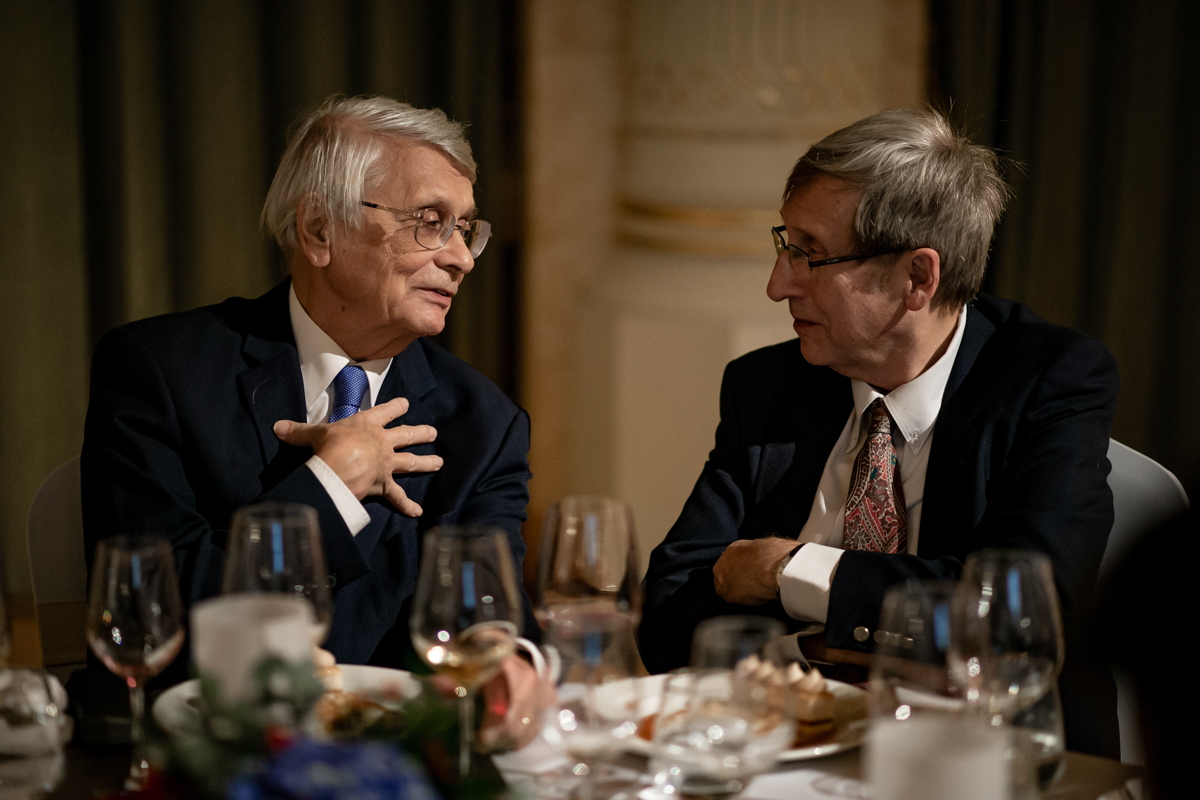
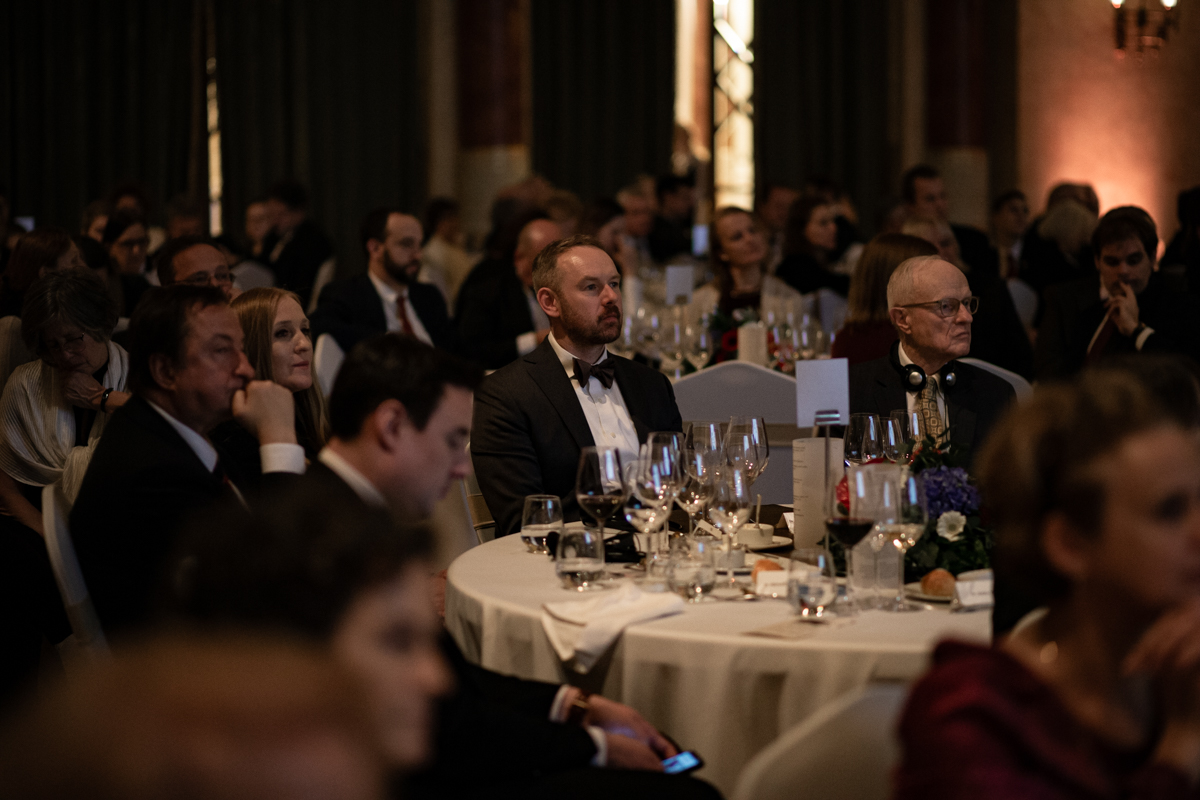
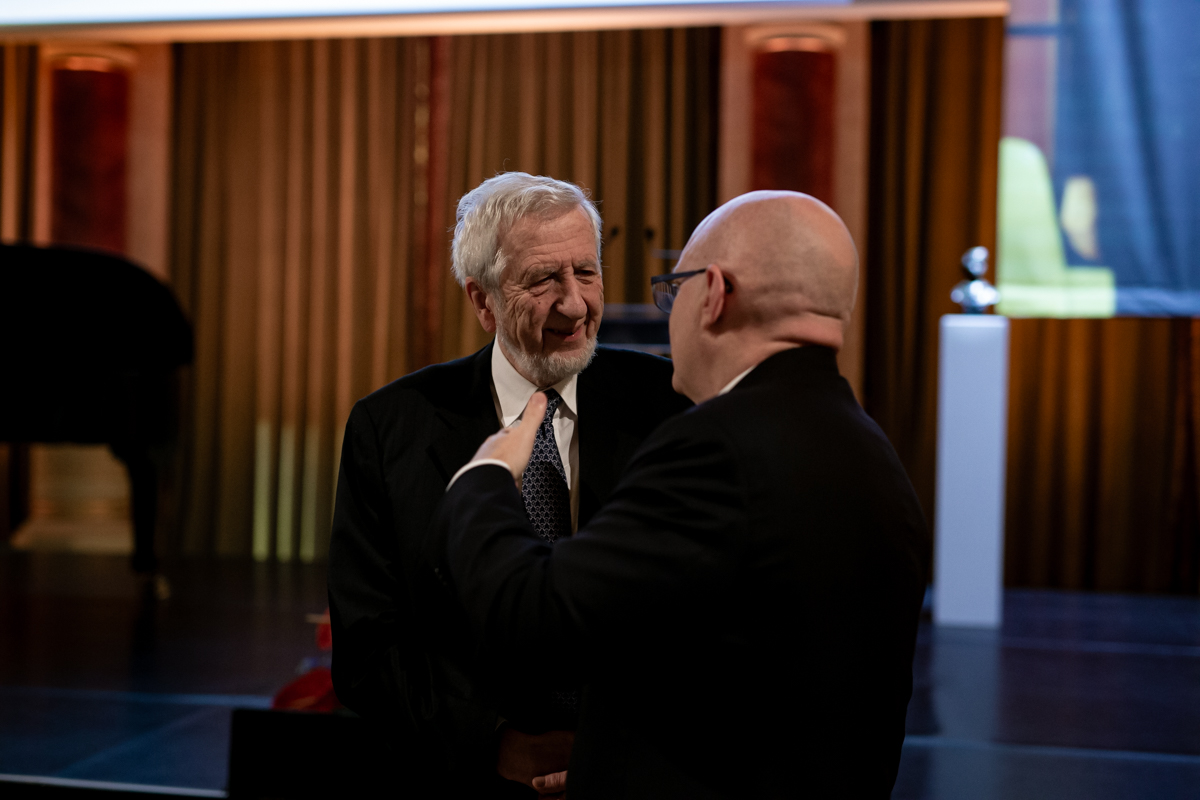
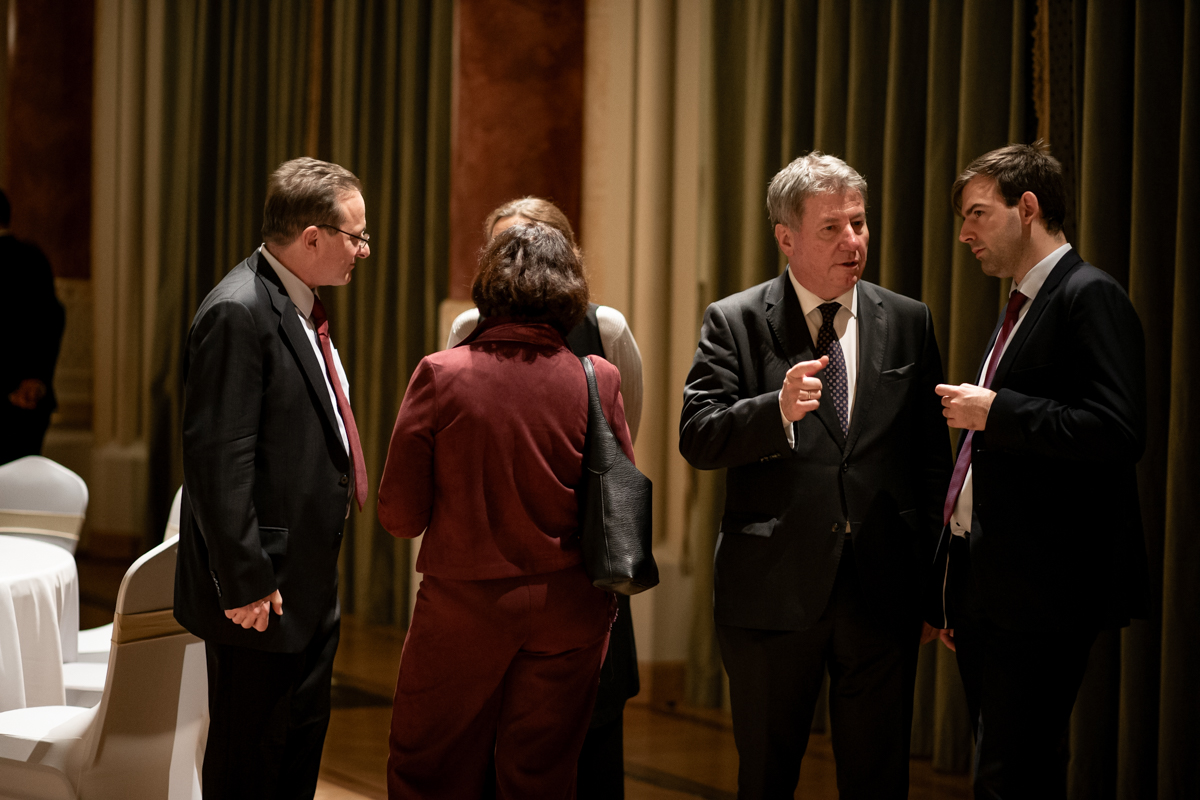
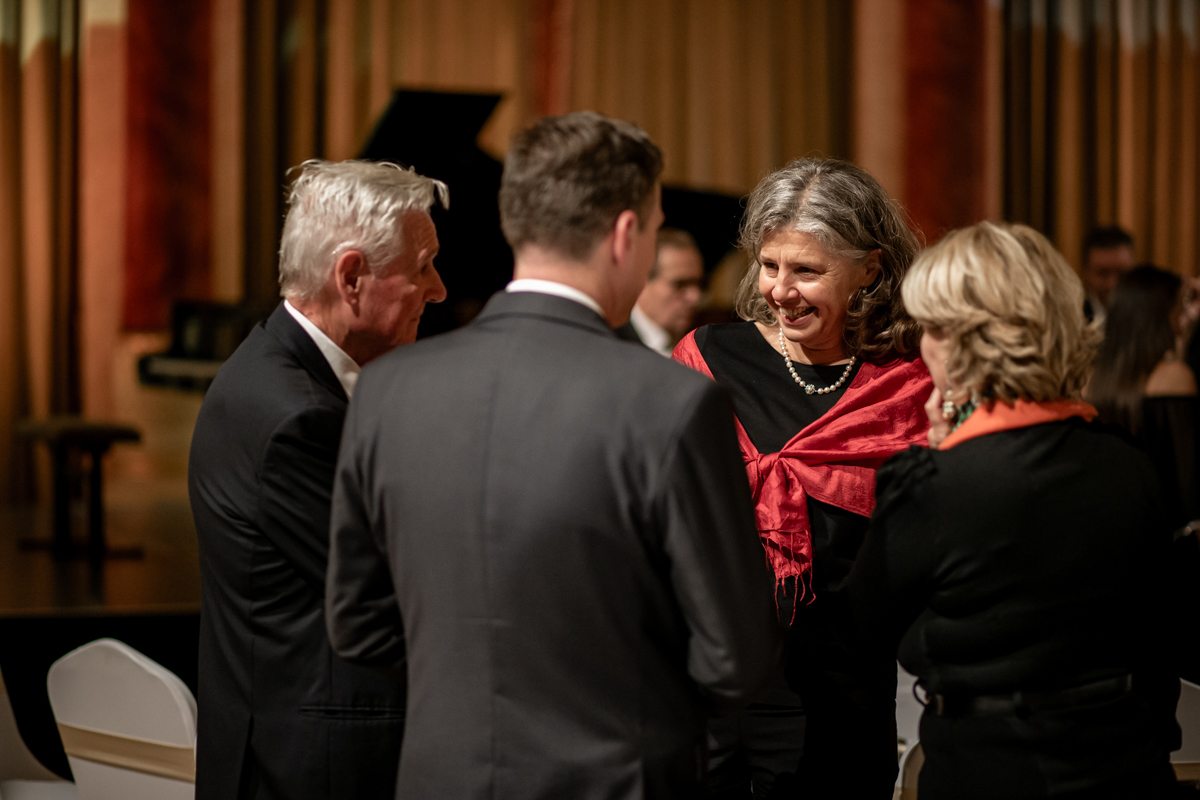
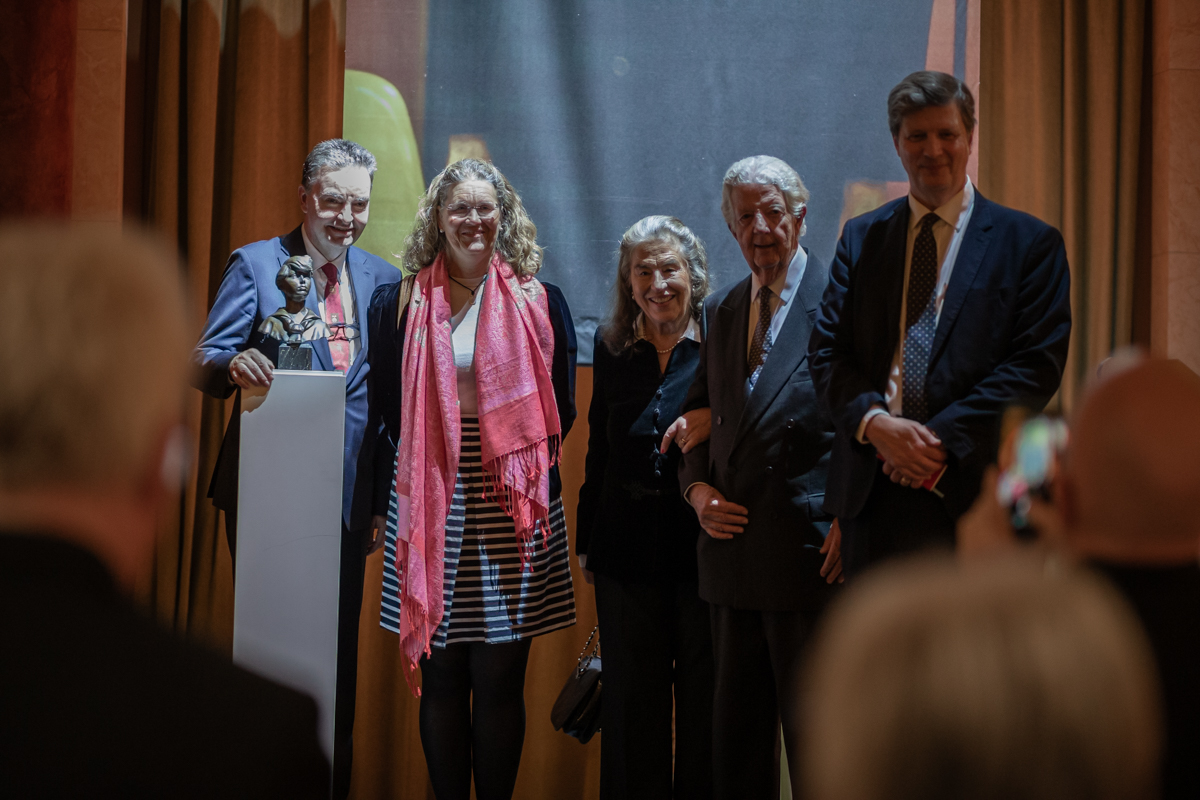
In 2019, our Foundation revived the tradition of the Otto Dinners held between the two world wars. The eighth such occasion, held on 19 November, welcomed distinguished figures from political, diplomatic, and cultural life. Several also spoke at our two-day conference, which opened with a discussion of NATO’s future before turning on the second day to the intellectual heritage of transatlantic relations.
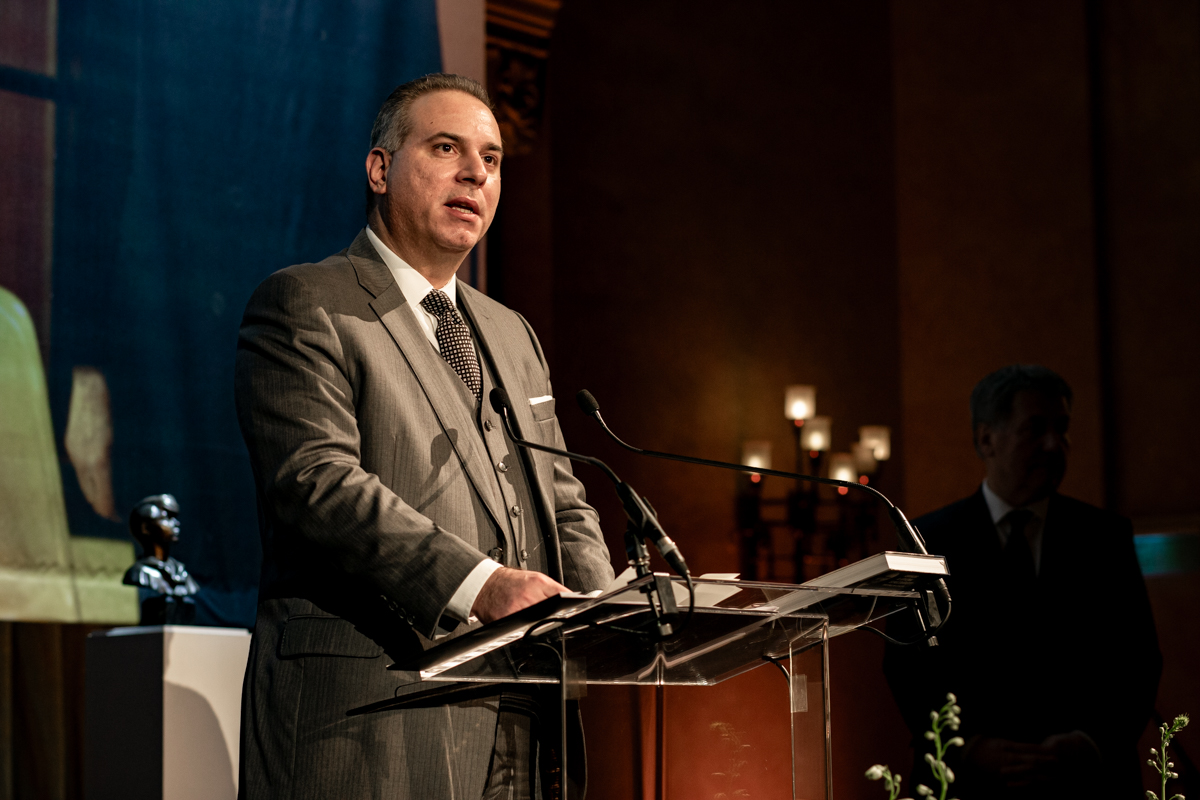
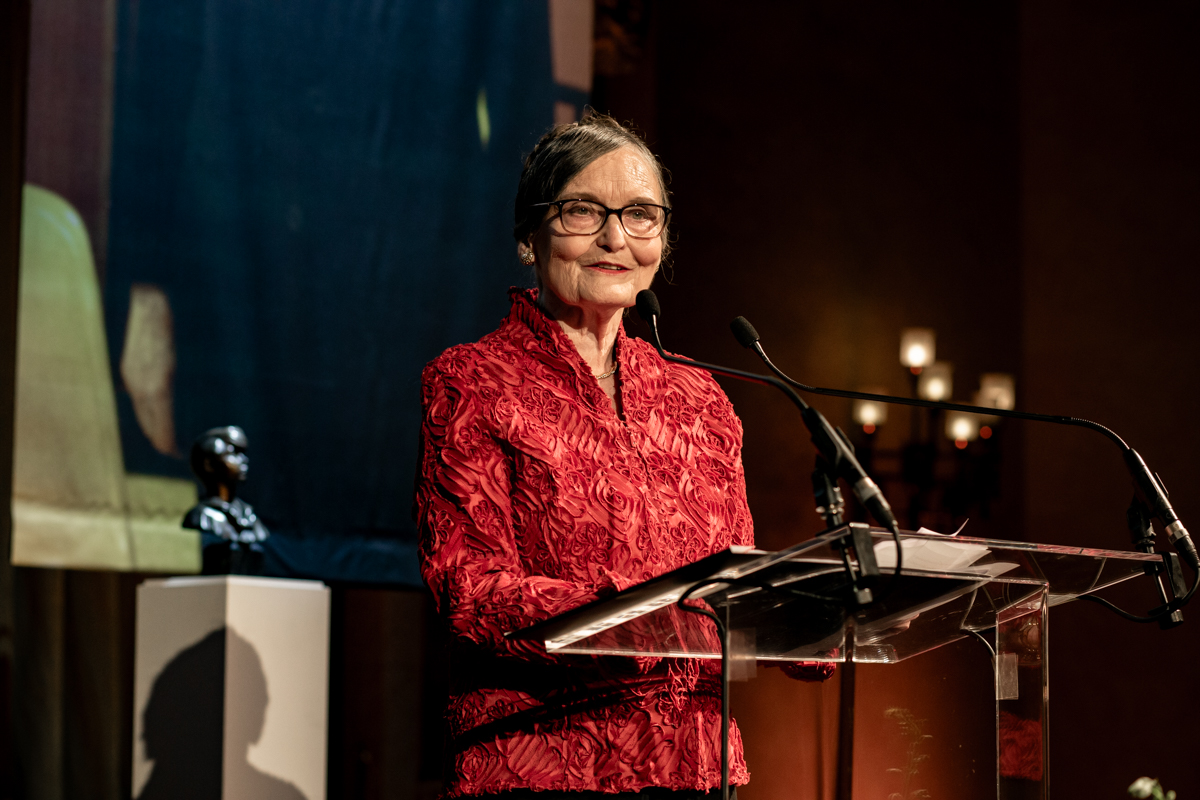
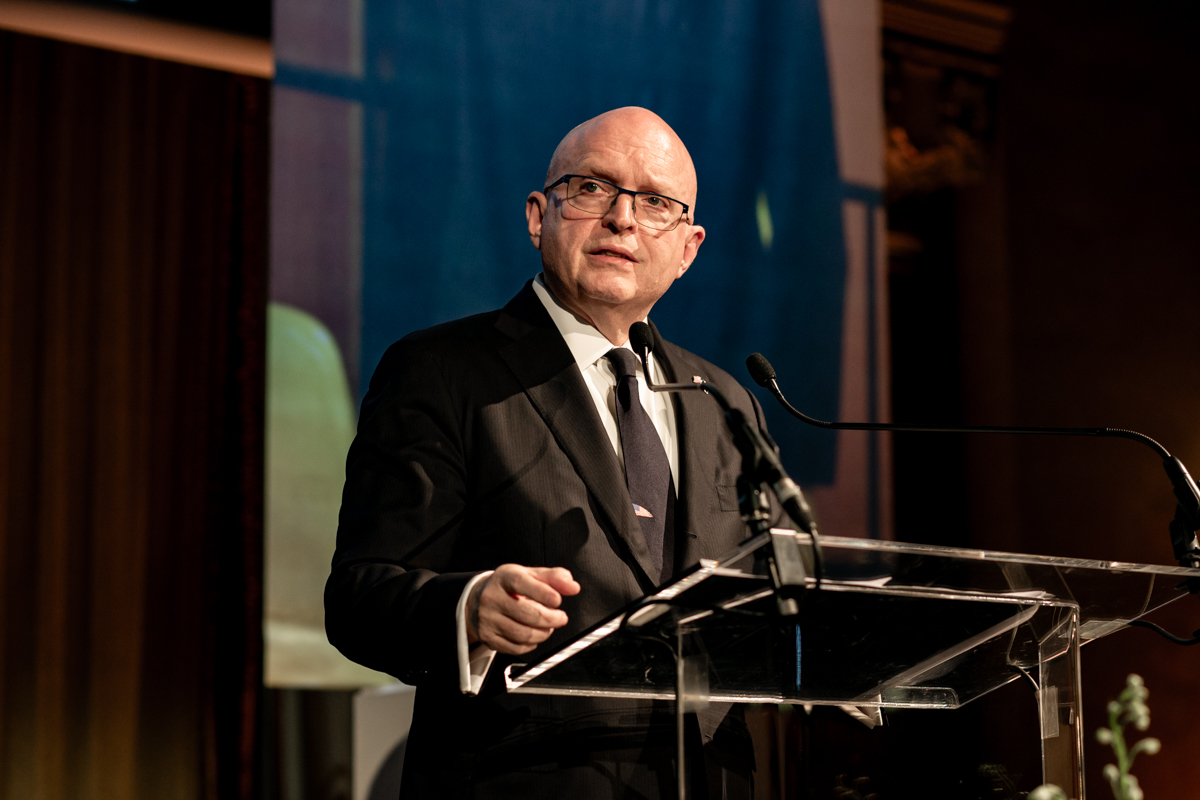
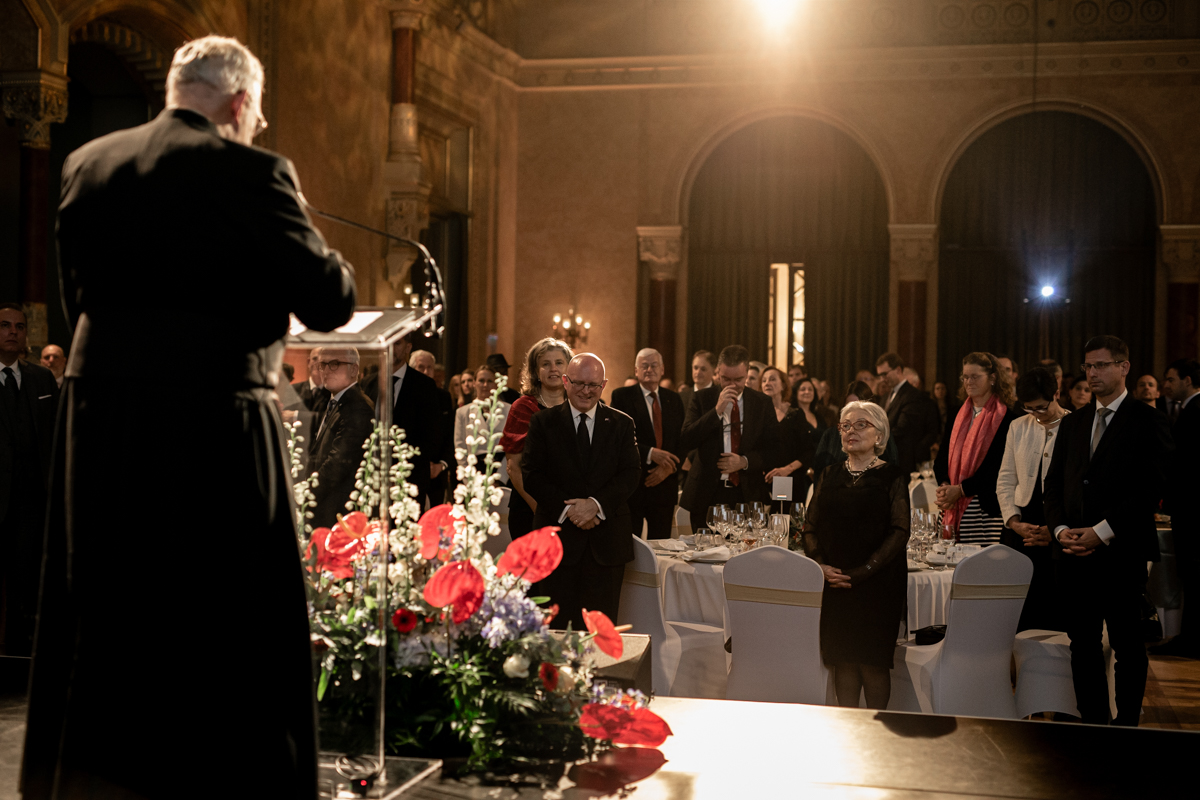
Annette Y. Kirk delivered the first address. She saw the friendship between her husband, Russell Kirk, and the former Crown Prince as an example of Christian-conservative intellectuals on both sides of the Atlantic coming together out of a shared sense of responsibility. The closeness of the two families was evident in the extended period Karl von Habsburg spent at the Kirks’ estate in Mecosta, Michigan, during the 1980s. Philip T. Reeker, former US Acting Assistant Secretary of State for European and Eurasian Affairs, placed Otto von Habsburg’s political legacy in the context of the past three and a half decades. He highlighted his contribution to strengthening transatlantic relations, overcoming Europe’s division, and shaping the continent’s future. Our guest of honour, Filip Ivanović, Montenegro’s Deputy Prime Minister for Foreign and European Affairs, paid tribute to Otto’s achievements. In discussing his country’s Euro-Atlantic integration, he highlighted a cause that had also been dear to our namesake. Father Robert A. Sirico said grace.
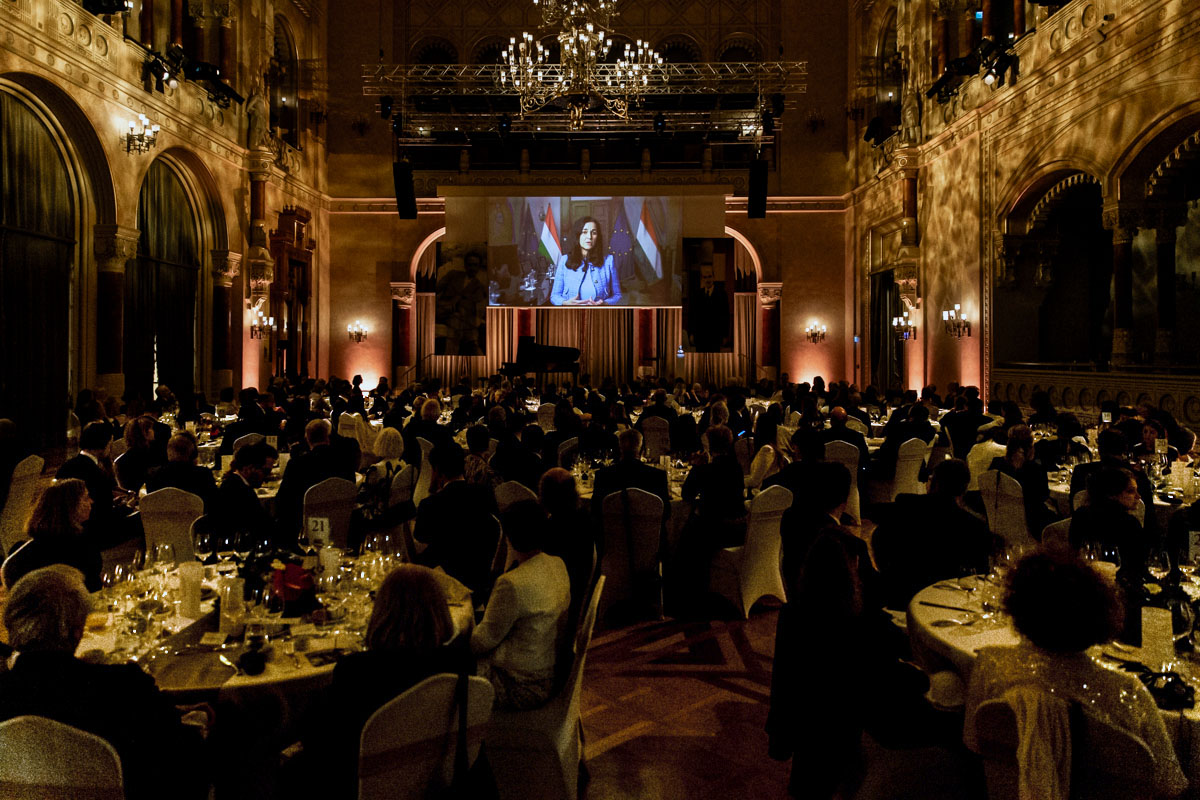
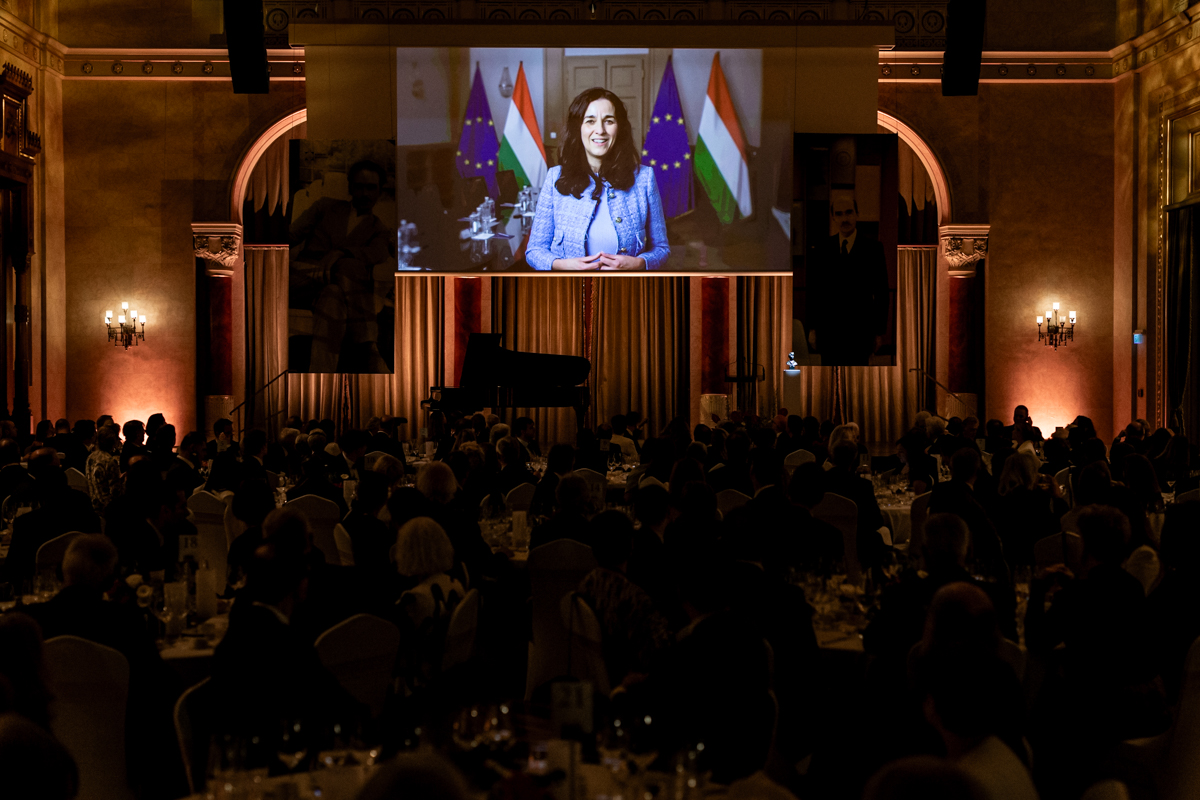
Hungary’s Foreign Minister, Anita Orbán, addressed the gathering in a video message. Drawing on historical parallels, she argued that states must look beyond their short-term conflicts of interest as the world seeks a new equilibrium. Shaping Hungarian–American relations requires the same confidence and breadth of vision as bridging divisions within the European Union. NATO offers an example: for decades, the Alliance has provided its members with security and stability while demonstrating its own capacity for renewal.
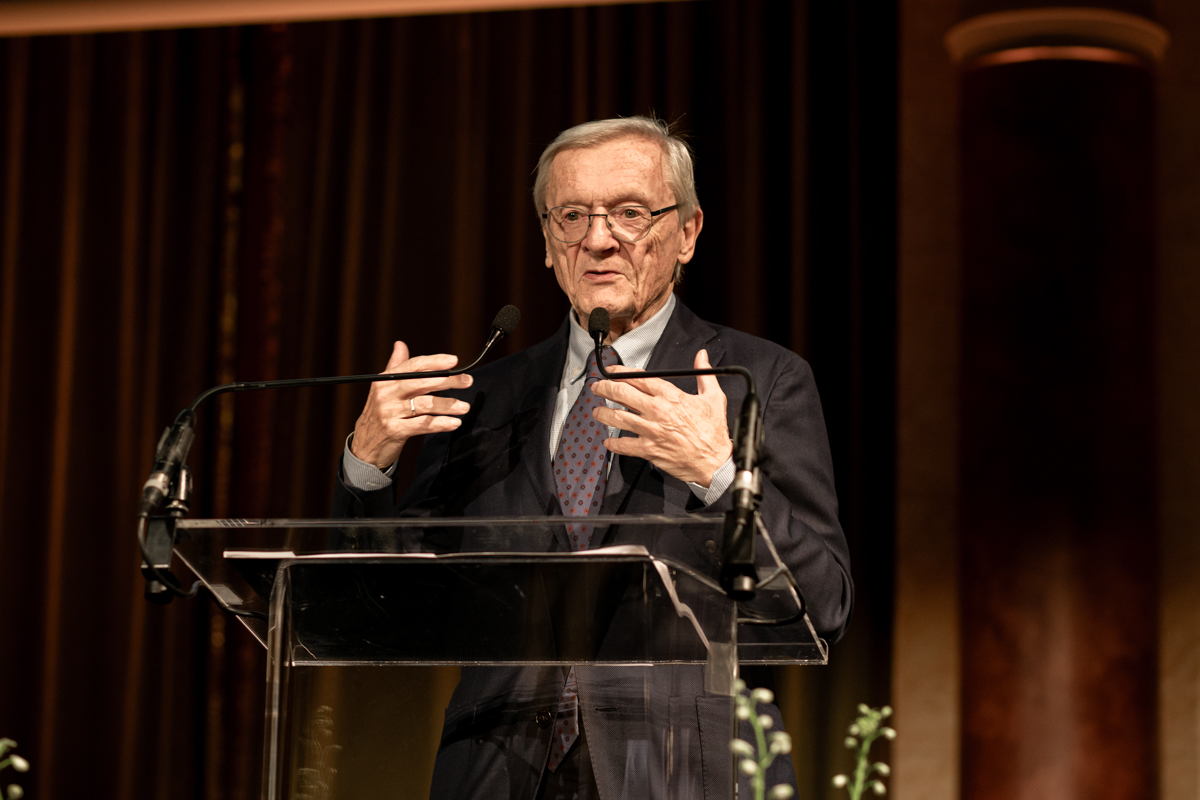
The evening’s final speaker, Wolfgang Schüssel, Chancellor of Austria from 2000 to 2007, recalled his compatriots who crossed the ocean to escape their country’s annexation by Nazi Germany in 1938 or the horrors of the Second World War. He spoke of the Trapp family, whose music brought them worldwide fame. One of their descendants, Gardiner von Trapp, who visited our Foundation in September, joined us for the celebration. Schüssel then turned to Otto von Habsburg and others born in the former Monarchy for whom refuge in America meant survival. During their years in exile, they did everything they could to ensure that Austria would regain its independence after the war. He also remembered the economists of the Austrian School, whose work left a lasting mark on their host country’s economy and society in the latter half of the 20th century. He also remembered the economists of the Austrian School and their lasting influence on their host country’s economy and society in the latter half of the 20th century.
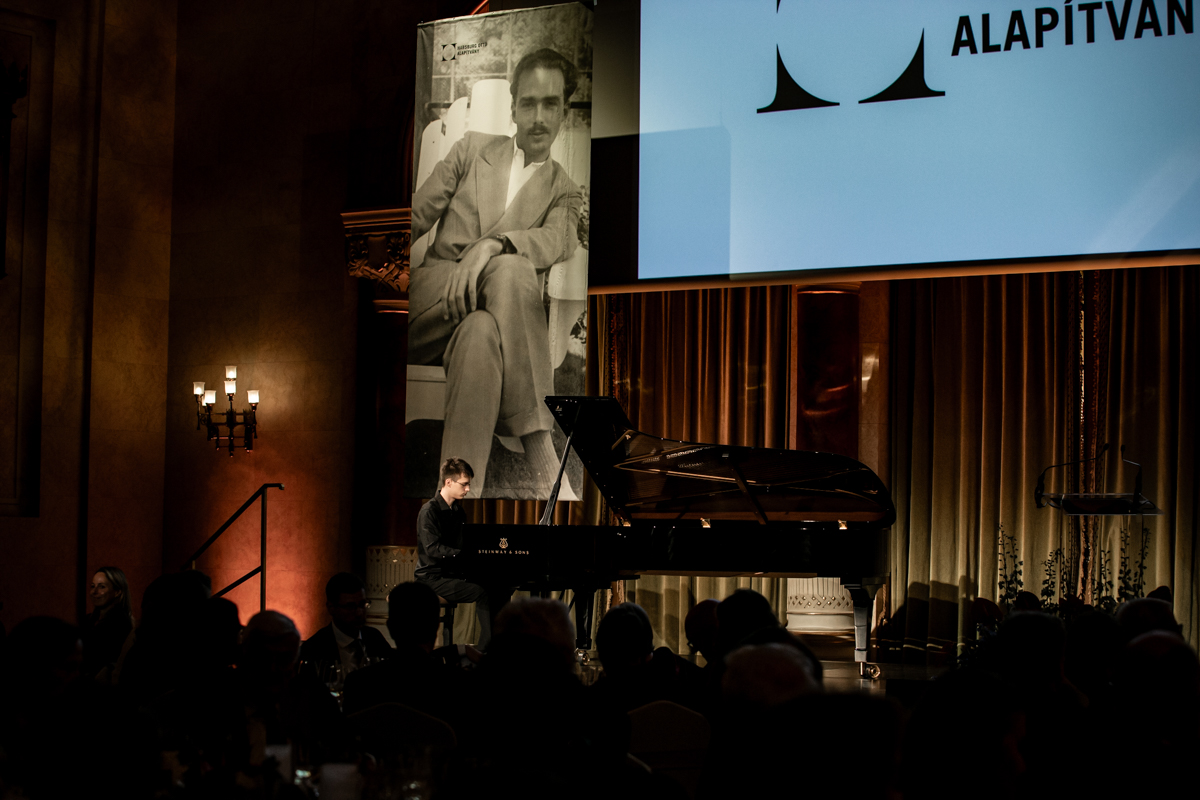
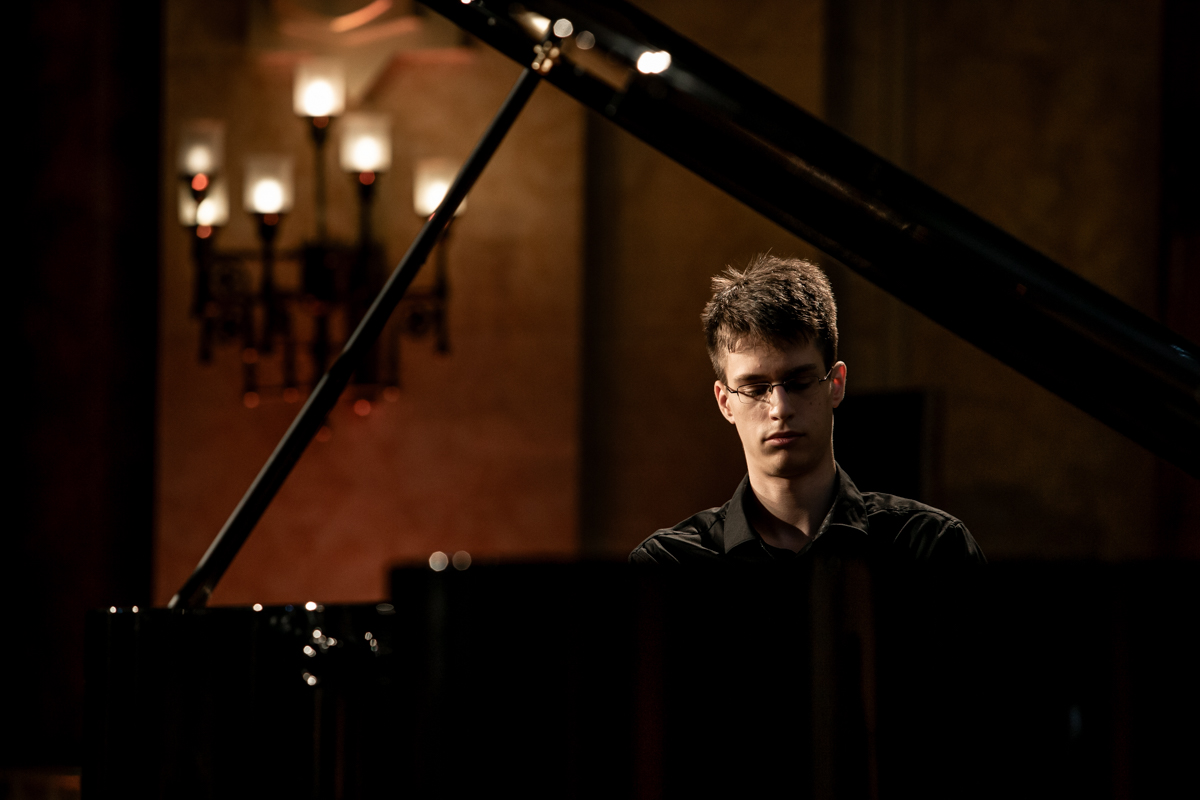
The musical programme likewise united America and Europe. At the piano, Máté Dömötör performed a composition by George Gershwin, followed by Károly Aggházy’s Soirées hongroises and Alfred Grünfeld’s Soirée de Vienne. The evening concluded with Carl Maria von Weber’s Perpetuum mobile – a fitting allusion to our namesake’s tireless endeavours.
Photographs by Zoltán Szabó