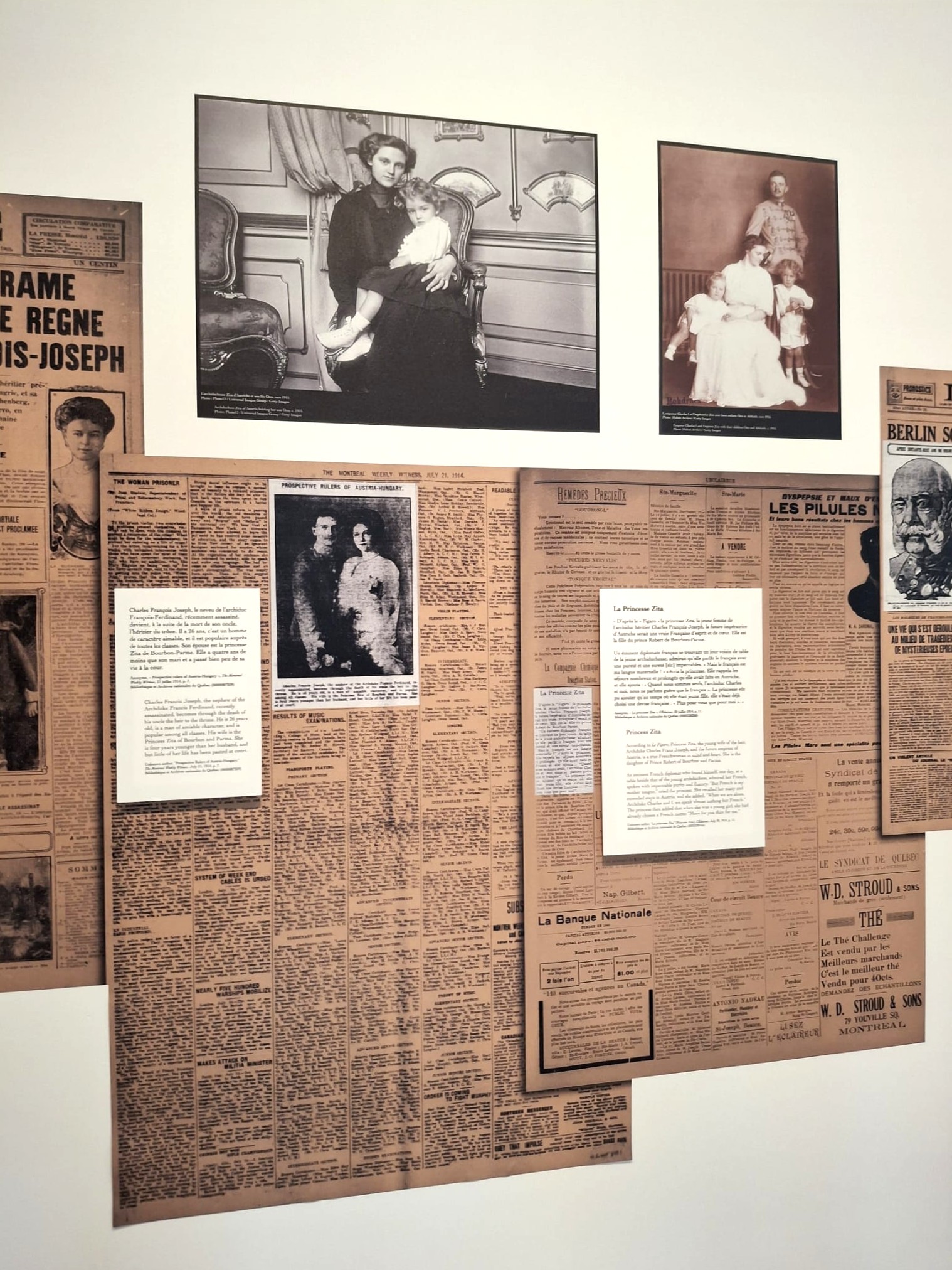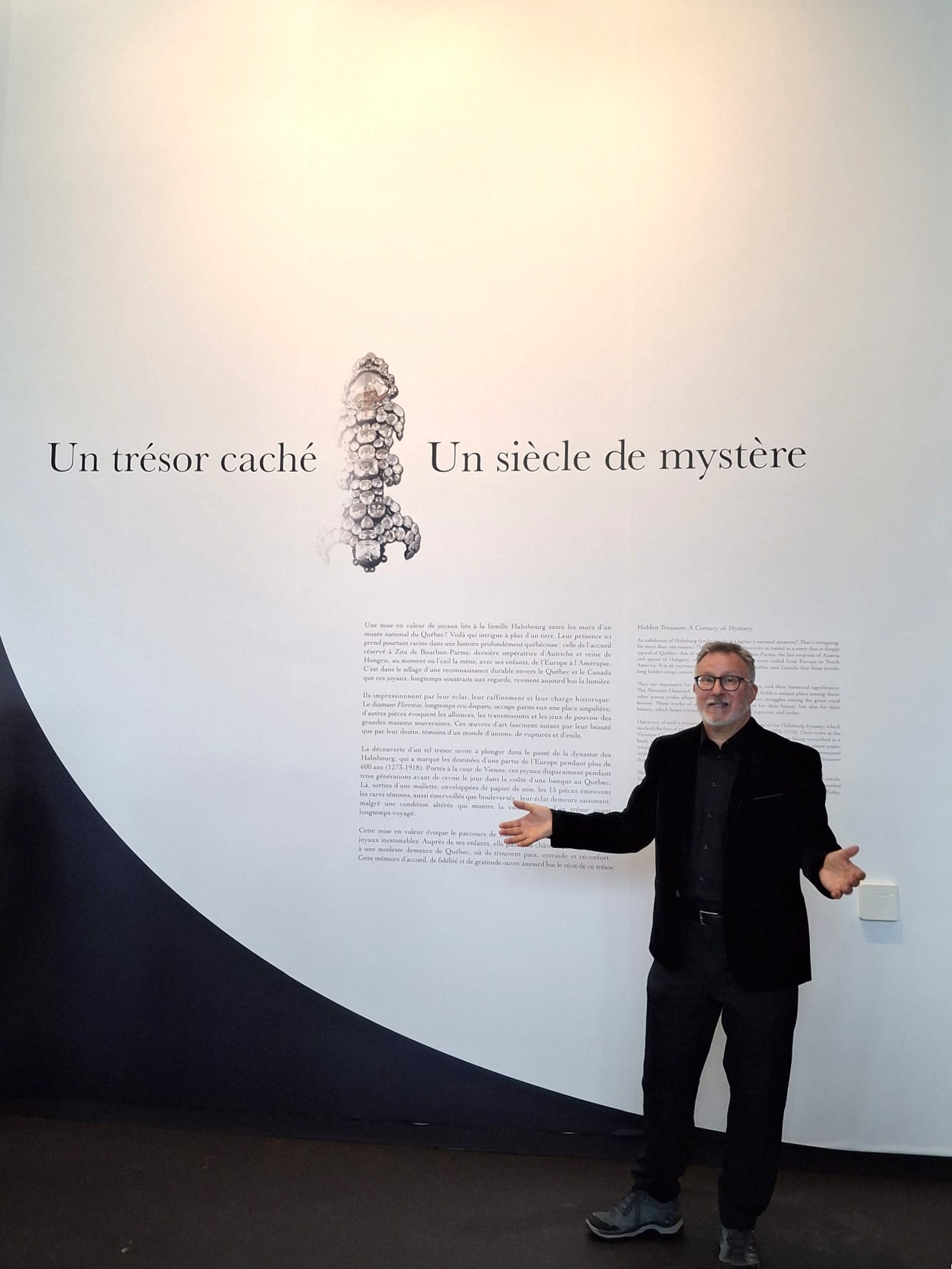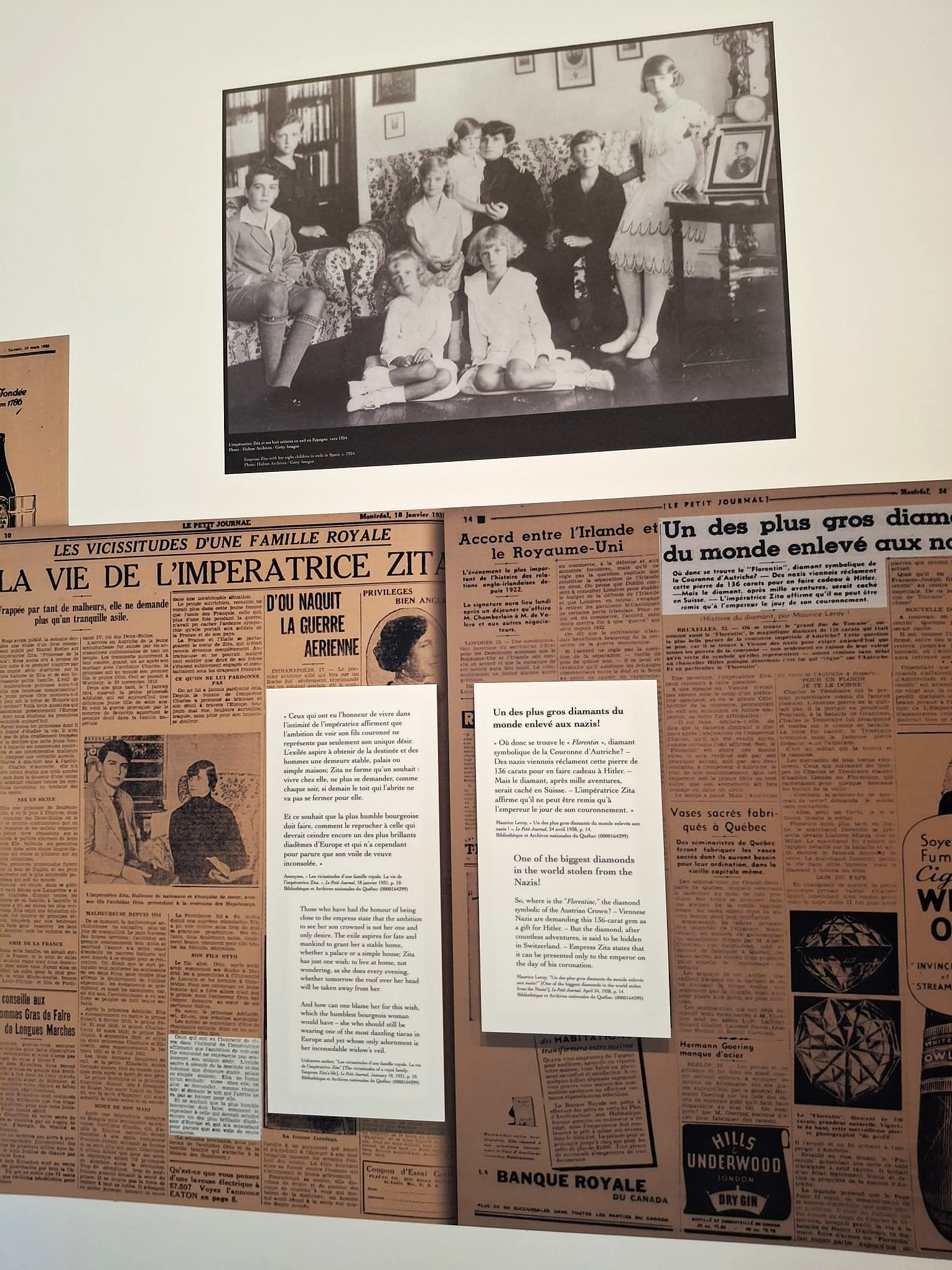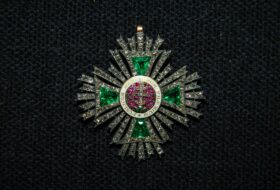
The visit once again centred on the Habsburg family jewels long believed to have been lost. Our Foundation contributed to the preparation of the exhibition Un trésor caché. Un siècle de mystère (A Hidden Treasure. A Century of Mystery), which opened on 4 September 2026.
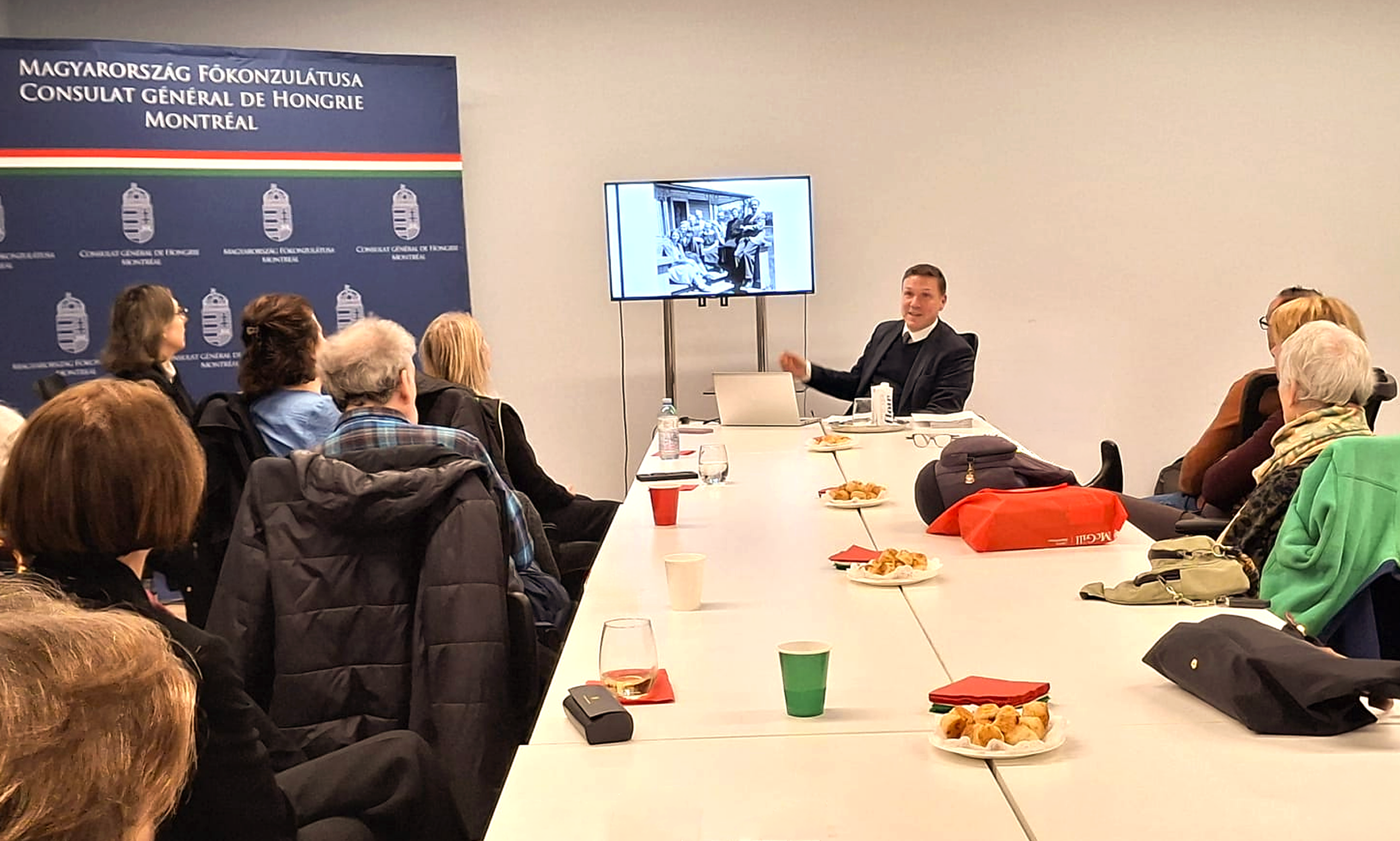
The lecture in Montreal took place at the headquarters of the Sun Life insurance company, built between 1914 and 1933, which also houses the Consulate General. Otto von Habsburg, who visited the city on several occasions, was familiar with the building. It played a special role during the Second World War: as part of a secret operation codenamed ‘Operation Fish’, a substantial portion of Britain’s gold reserves was stored there for safekeeping. Members of the local Hungarian community and interested Canadian visitors learnt about the work of our Foundation, the Habsburg family’s ties to the province, and the role our namesake played in the Québec Conferences of 1943 and 1944.
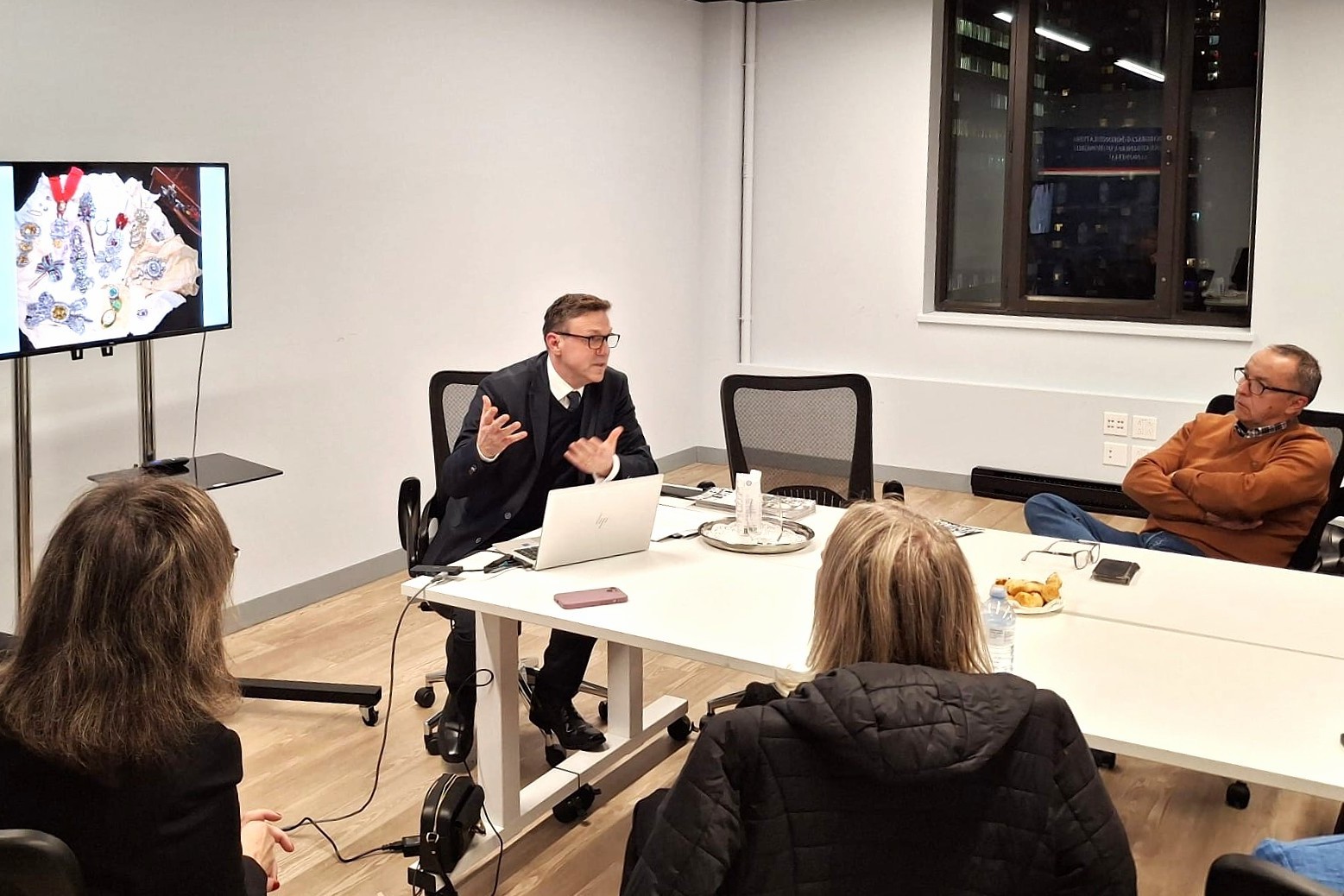
On 10 November, accompanied by Consul General Helga Pritz, our colleague paid an official visit to the Musée national des beaux-arts du Québec. They met with Director General Anne Élisabeth Thibault, and curator Daniel Drouin gave them a guided tour of the exhibition. During a lecture in Québec City organised by the Consulate General, Gergely Fejérdy also highlighted that our collection includes several objects closely linked to the jewels on display, among them the insignia of the Order of Saint Stephen. The museum expressed its interest in continuing the collaboration so that these related pieces could be displayed together. Our Foundation, in turn, offered to support the publication currently in preparation.
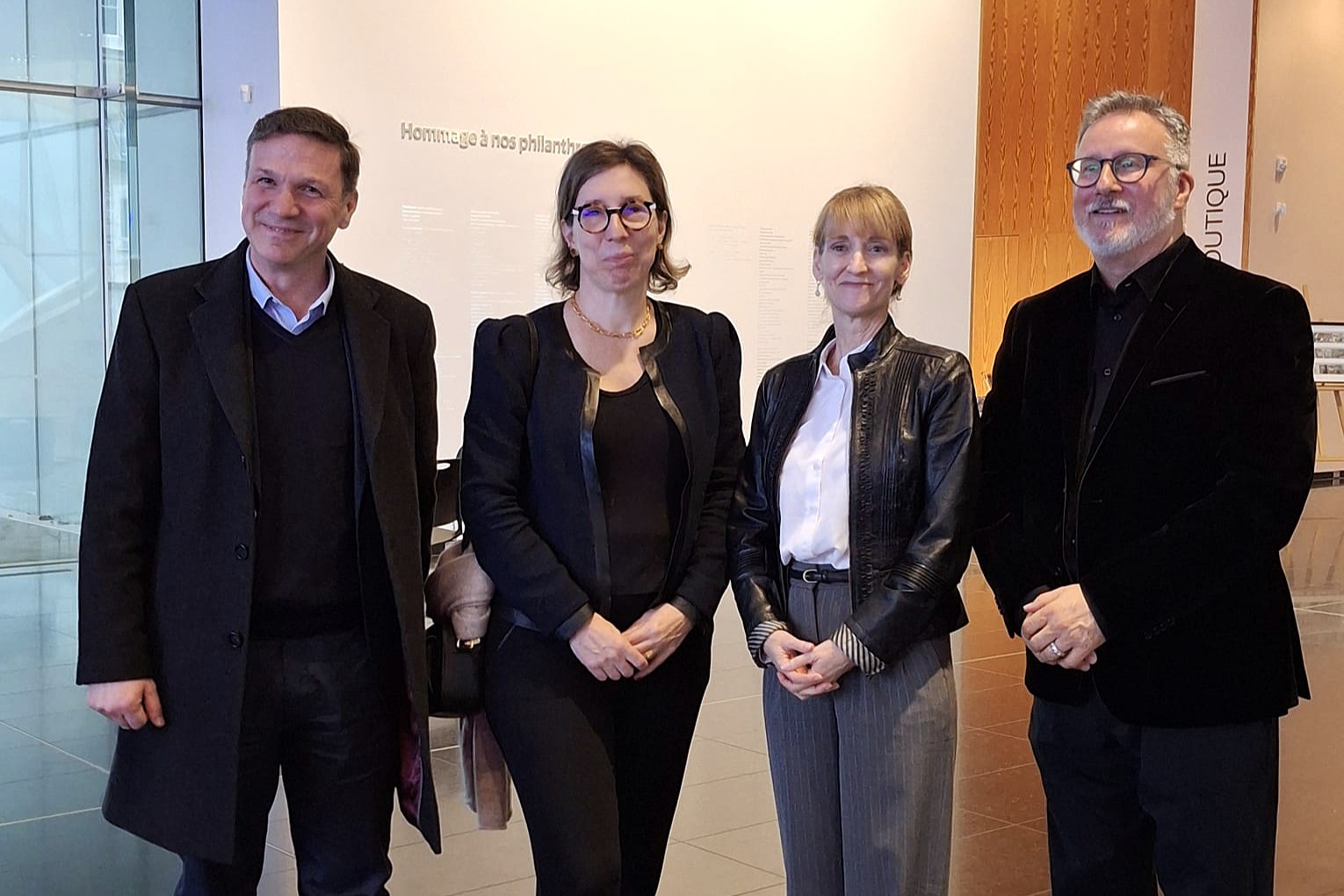
Our colleague then visited the historic Université Laval, where four of Otto von Habsburg’s siblings studied during the war. He was welcomed by Professor Arthur Silve, Director of the International Studies Programme, and Johanna Masse, Head of Strategic Partnerships at the Faculty of Social Sciences. The possibility of jointly organising an interdisciplinary conference to mark the 175th anniversary of the university’s founding next year was discussed. Alongside the Habsburg family’s years in Québec and their ties to the university, the conference could also address issues of common interest to Europe and Canada today.
At the end of his visit, Gergely Fejérdy was received by William Gosselin, an official responsible for Central European affairs at Québec’s Ministry of International Relations. Gosselin emphasised the importance Québec attaches to its relations with Europe, including Hungary, and highlighted the role our Foundation could play in cultural cooperation. He also expressed his support for the proposed conference with Université Laval, noting that it was in line with Québec’s foreign policy objectives.
The meetings confirmed that the Habsburg legacy in Québec can still serve as a bridge between the two sides of the Atlantic.