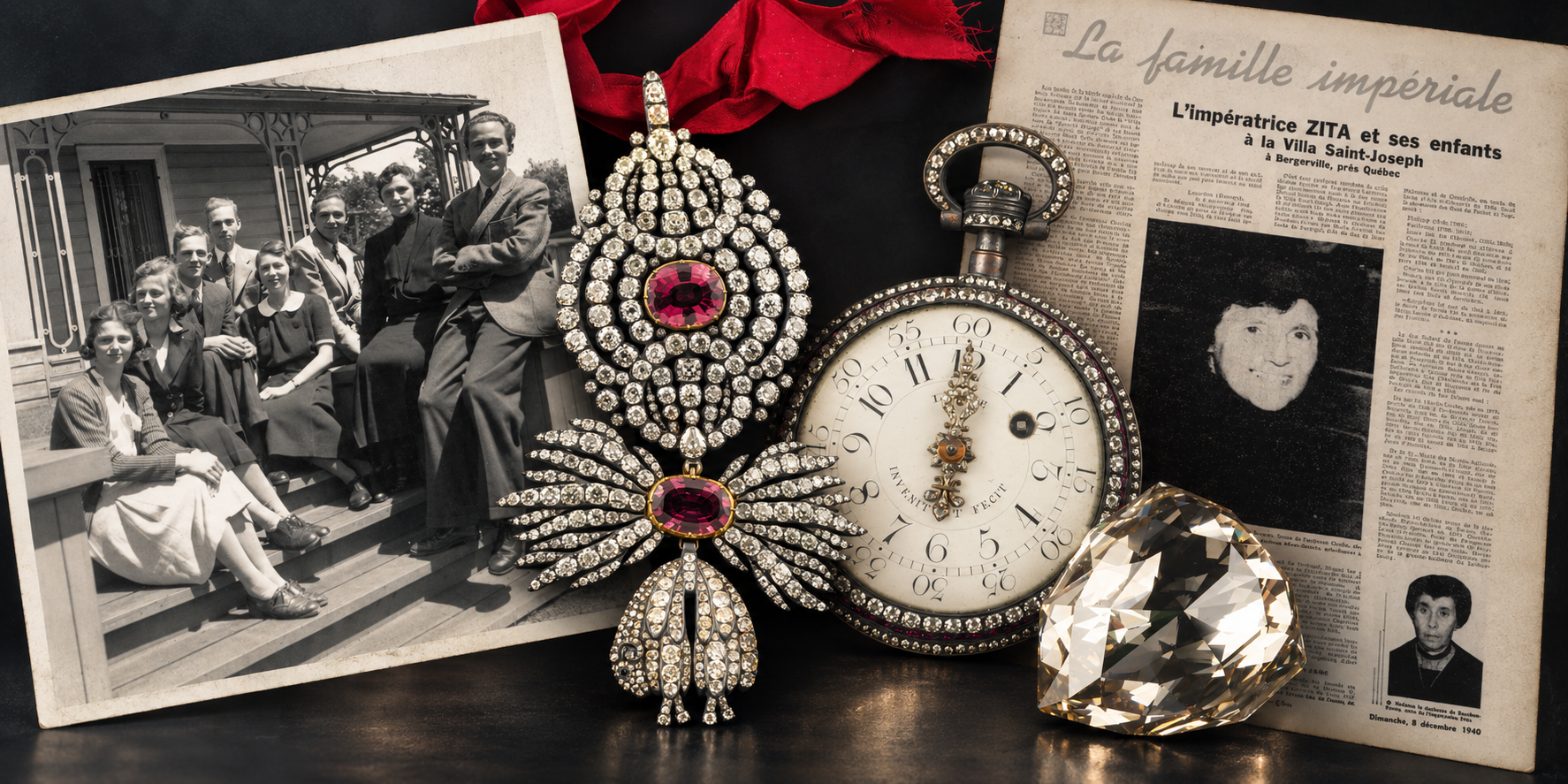
Some of the family’s most valuable possessions were taken to Western Europe during the exile following the First World War, and later to Québec during the Second World War. In 1940, Empress and Queen Zita found refuge there with her younger children, while the treasures were placed in a bank vault for safekeeping. She stipulated that they should not be shown publicly again until one hundred years after the death of her husband, Emperor Charles I of Austria and King Charles IV of Hungary. Knowledge of them remained confined to such a small circle within the family that even Otto von Habsburg was unaware of their existence.
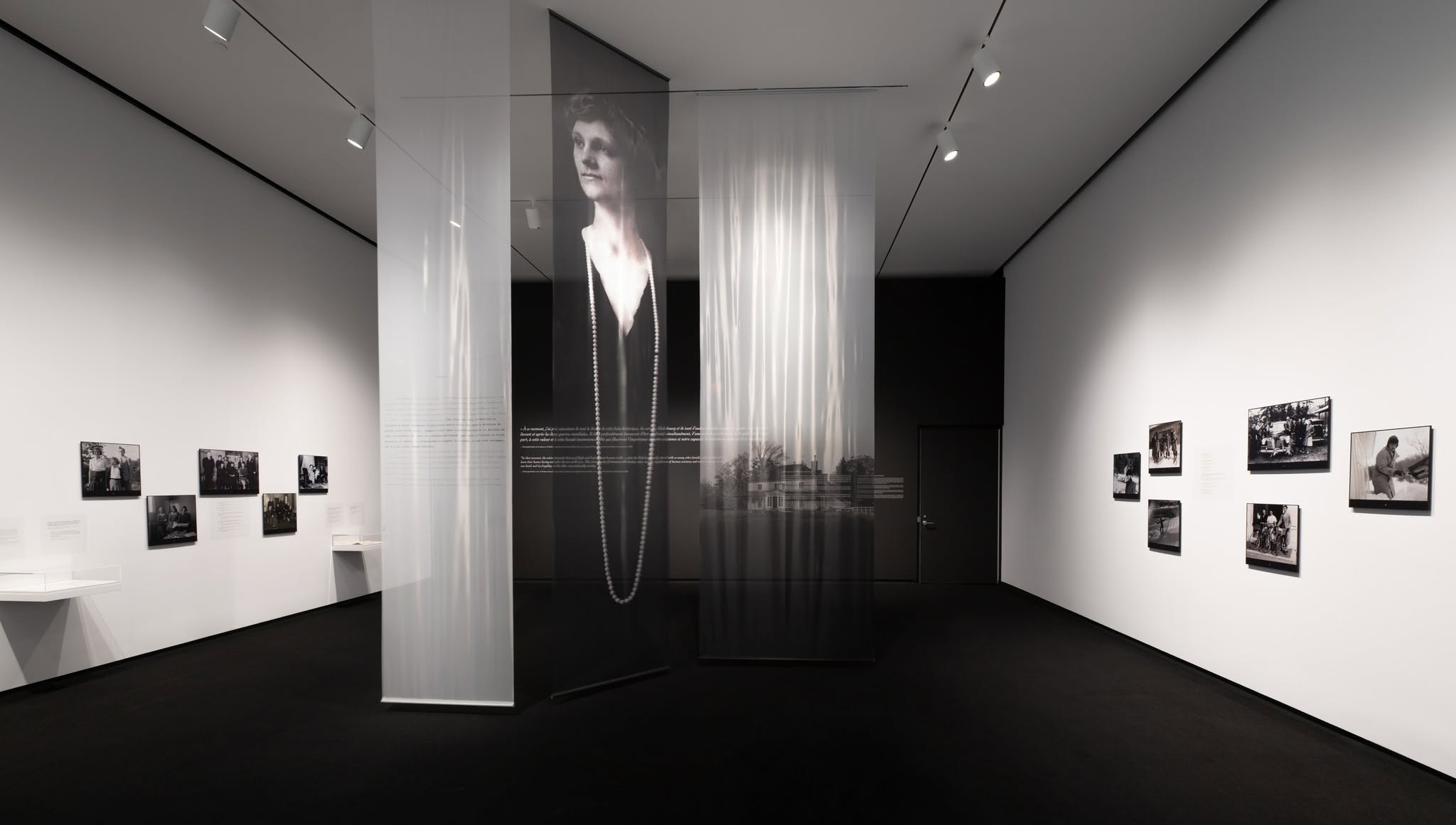
The exhibition, Un trésor caché. Un siècle de mystère (Hidden Treasure: A Century of Mystery), takes visitors through the Habsburg family’s 20th-century story, from the collapse of the Austro-Hungarian Monarchy to Zita’s years in Québec, before bringing them face to face with the objects themselves and the suitcase that concealed them for decades. The fifteen pieces on show include the legendary 137-carat Florentine Diamond, an 18th-century insignia of the Order of the Golden Fleece, and a gem-set pocket watch associated with Marie Antoinette.
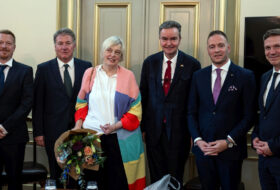
Once news of the find became public, the organisers asked our Foundation to help place the jewels in their broader historical context. In consultation with the museum team, we also provided images from our archive for use in the display. During our visit to Québec in June, we discussed the forthcoming project in person, as well as opportunities for further cooperation.
The discovery in Québec also has a significant Hungarian connection. Among the artefacts is a brooch in the colours of the Hungarian tricolour, while the matching Grand Cross is held in the Foundation’s collection. Together they form the Grand Master’s insignia of the Royal Hungarian Order of Saint Stephen, founded by Maria Theresa in 1764. More than a century later, the two pieces bring together two strands of the same family history, linking Québec and Budapest.