An Unusual Gift for the Royal Court
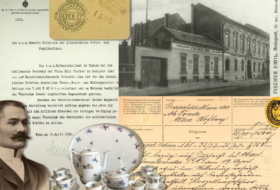
In the summer of 1918, the final year of the First World War, an unusual parcel arrived at Queen Zita’s Court Steward’s Office. Judging by its appearance, it might have contained official papers or a valuable present: it was sealed with a broad paper band bearing the maker’s name, tied with green silk cord, and secured in three places with red sealing wax. An official certificate issued by the Royal Hungarian Chemical Institute and Central Experimental Station accompanied the package. Yet inside the carefully prepared box were just seventy-five children’s ladyfingers.
The sender was Lajos Petneházy, a well-known Budapest master confectioner, who had enclosed a sample of his own creation – known at the time as medicinal ladyfingers. At first, the gesture may seem insignificant, but it offers a revealing glimpse into everyday life in a country exhausted by war: food shortages, the difficulties of providing adequate nourishment for children, and the heightened value placed on charity.
Ladyfingers in the Service of the Home Front
By 1918, Austria-Hungary was facing a severe supply crisis. After four years of a wartime economy, reserves were dwindling, transport and distribution had become increasingly unreliable, and many foods could only be obtained through rationing. Flour, sugar, and eggs – the principal ingredients of ladyfingers – were becoming ever harder to procure.
Doctors frequently warned of the consequences of inadequate nutrition: a deficient diet posed a particular threat to the health, physical development, and resilience of the very young. The conviction that children represented the future of the nation was gaining prominence in contemporary discourse;[1] ensuring that they were properly fed came to be regarded not merely as a family matter, but as a social and political responsibility.
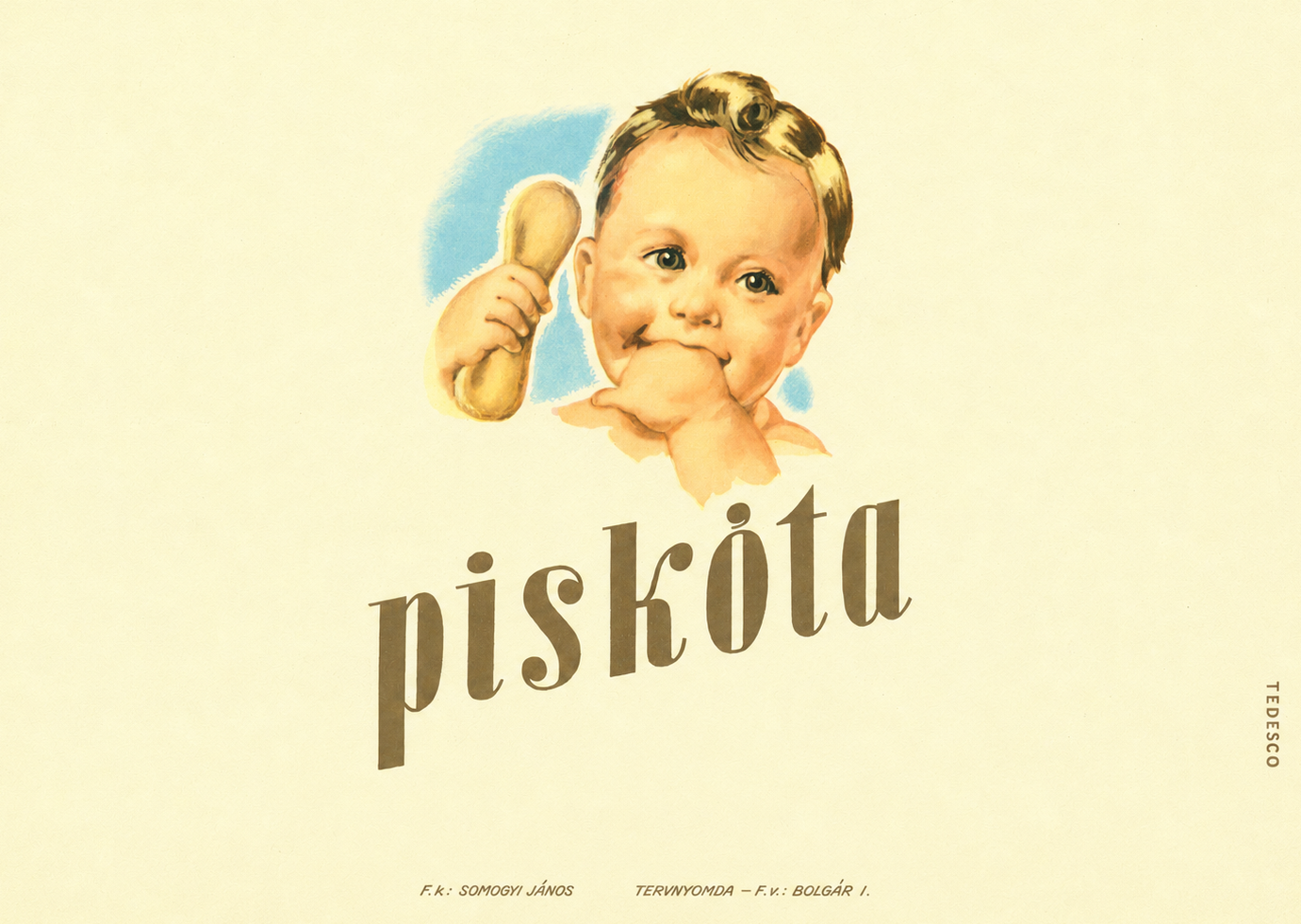
Petneházy presented his invention in similar terms, explaining that he had developed it “for the little children of my beloved homeland and for the families and sick dependants of those who have gone to war.” He regarded his medicinal ladyfingers not simply as confectionery, but as a nutritious food that could help provide for the very young, the sick, and soldiers’ families amid wartime shortages.
The Man Behind the Parcel
The treats came from an established Budapest businessman who had founded his cake and ladyfinger factory in 1898. His products were ordered by Buda’s middle-class households as well as some of the leading hotels, restaurants, and cafés of the period. He was best known for the “Petneházy medicinal ladyfinger”, although his pastries, decorated cakes, chocolates, and ice creams were also popular. The success of his business was reflected in its expansion: in addition to his shop at 7 Corvin Square in Budapest’s 1st District, he opened several branches over the years.
Lajos Petneházy’s name also appeared in the contemporary press[2] among the supporters of charitable events, church functions, and cultural evenings. He played an active part in Buda’s social life and participated in exhibitions and international trade fairs. The consignment sent to the court was clearly the work of an experienced professional rather than a tentative attempt by a newcomer.
Scientific Certification
Alongside the elaborate packaging, the entrepreneur sought to establish its credibility by obtaining certification from a specialist institution. Before production began, he asked the Chemical Institute to supervise the preparation of the batch intended for the Queen’s household in the presence of a royal chemist. Its experts inspected the ingredients, while laboratory and physiological tests were carried out to verify that the finished biscuits were safe. Seventy-five ladyfingers were then placed in a standard cardboard box, which was closed and sealed in such a way that it could not be opened without detection. Petneházy was subsequently able to forward this secured sample to the court.
The certificate, dated 11 July 1918, recorded that the baked goods were made exclusively from the finest grade of white flour, powdered sugar, and eggs, and contained neither “metallic poison” nor any other substance harmful to health. The document was crucial, as anything served to members of the ruling family had to meet strict standards of safety and quality. The official procedure provided a professional guarantee, while the very fact that the medicinal ladyfingers were intended for the Habsburgs could have lent his creation considerable prestige.
Why Queen Zita?
The impressive-looking parcel that arrived at Queen Zita’s Court Steward’s Office had been neither requested nor ordered by the court. The office therefore sent a telegram asking why Petneházy had dispatched his biscuits to them. The telegram itself has not survived, but his reply of 24 July 1918 explains his motives.
In his letter, he stressed that the gift had been entirely his own initiative. After lengthy experimentation, he had produced a type of ladyfinger that he considered suitable even for the youngest. Since the Queen was herself raising young children, he felt it his duty to send them some of the “first batch”:
“My most earnest wish is that Her Majesty may most graciously deign to have her beloved children taste them.”
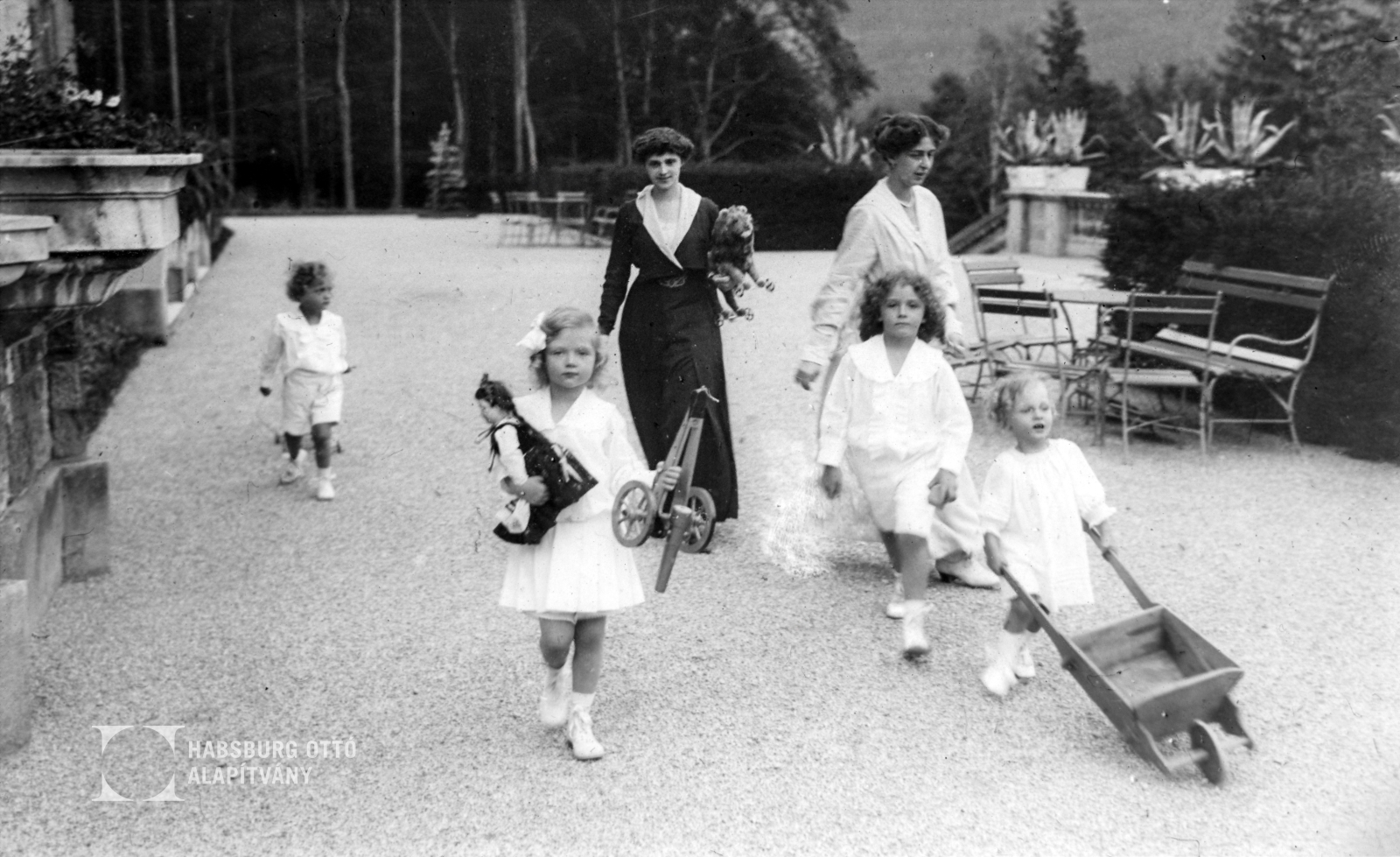
In the summer of 1918, Charles and Zita had five children. The eldest was the six-year-old Crown Prince Otto, while the youngest, Carl Ludwig, had been born only a few months earlier.
Possible royal endorsement could have given Petneházy’s new product exceptional credibility. Moreover, his appeal was addressed to Zita not only as Queen, but also as a mother and a symbolic figure associated with childcare – an image further reinforced by her public activities. During the war, she served as patron of several relief campaigns and charitable organisations supporting civilians on the home front. She appeared, therefore, not simply as the monarch’s consort, but also as a protector of the young and those in need.
A Patriotic Gesture or a Shrewd Marketing Ploy?
Petneházy repeatedly emphasised his Hungarian identity in his letters. Describing himself as a descendant of the “ancient Hungarian Petneházy family”, he recounted a story handed down through generations, according to which one of his forebears had been the first to plant the Hungarian flag on the walls of Buda Castle during its recapture from the Ottomans in 1686.[3] To this day, Petneházy Meadow (Petneházyrét) in the Buda Hills and the inn located there bear his ancestor’s name. By invoking this, Petneházy linked his own gesture to a celebrated chapter of Hungarian history. He presented the offering as an act of duty to his country and, describing himself as a “true Hungarian patriot”, appealed for the Queen’s goodwill in the hope that his biscuits would meet with her approval.
It is impossible to determine how far this was an altruistic initiative and how far a deliberate publicity strategy. The surviving sources contain no direct indication that Petneházy expected financial gain or commercial advantage, but the two motives need not have been mutually exclusive: the dessert could simultaneously have been a well-intentioned donation, an expression of national sentiment, and a skilful form of self-promotion.
Did the Royal Children Ever Taste the Medicinal Ladyfingers?
The surviving file leaves one question unanswered: did the sweet gift ever reach Queen Zita and her children? Queen Zita’s Court Steward’s Office preserved the paperwork of how the case was handled, along with the sender’s correspondence, yet there is no record of the ladyfingers being eaten. Nor are they mentioned in the 1918 diary held by the Foundation that documents their development.
The significance of the story therefore lies less in its outcome than in what this small box of medicinal ladyfingers reveals: the way business ingenuity could intersect with the supply problems of the final months of the war, the growing reliance on scientific methods to guarantee food safety, and the public prestige of the royal family.
Piroska Kocsis
[1] On maternal and infant welfare as a matter of national concern, see Piroska Kocsis, “Szent kötelesség, hogy az anya maga szoptassa a gyermekét!” [It Is a Sacred Duty for the Mother Herself to Breastfeed Her Child! – Commemorating World Breastfeeding Day], website of the National Archives of Hungary, 19 August 2016.
[2] For example, Petneházy wrote several articles in contemporary professional journals for confectioners, including Magyar Czukrászok Lapja [Journal of Hungarian Confectioners], published between 1900 and 1911, reporting on everyday developments within the profession.
[3] Dávid Petneházy (1645–1687) took part in the recapture of Buda from the Ottomans in 1686. Family tradition credits him with being the first to raise the Christian, or Hungarian, flag on the castle ramparts, although this is not confirmed by unequivocal contemporary evidence. Other traditions attribute the feat to figures including János Fiáth, Endre Ramocsaházy, and Michele d’Aste, so the question cannot be settled with certainty.