This year’s venue for one of Hungary’s most important professional gatherings for archivists held particular significance in light of Otto von Habsburg’s connection to the city. The former Crown Prince visited Oradea in May 1993 during the Varadinum celebrations. On that occasion, the Hungarian-language newspaper Erdélyi Napló conducted an exclusive interview with him at the Roman Catholic Bishopric of Oradea, in which he reflected on the future of coexistence in Central and Eastern Europe, remarking: “I have always believed it is of the utmost importance that peoples come to know and understand one another.”
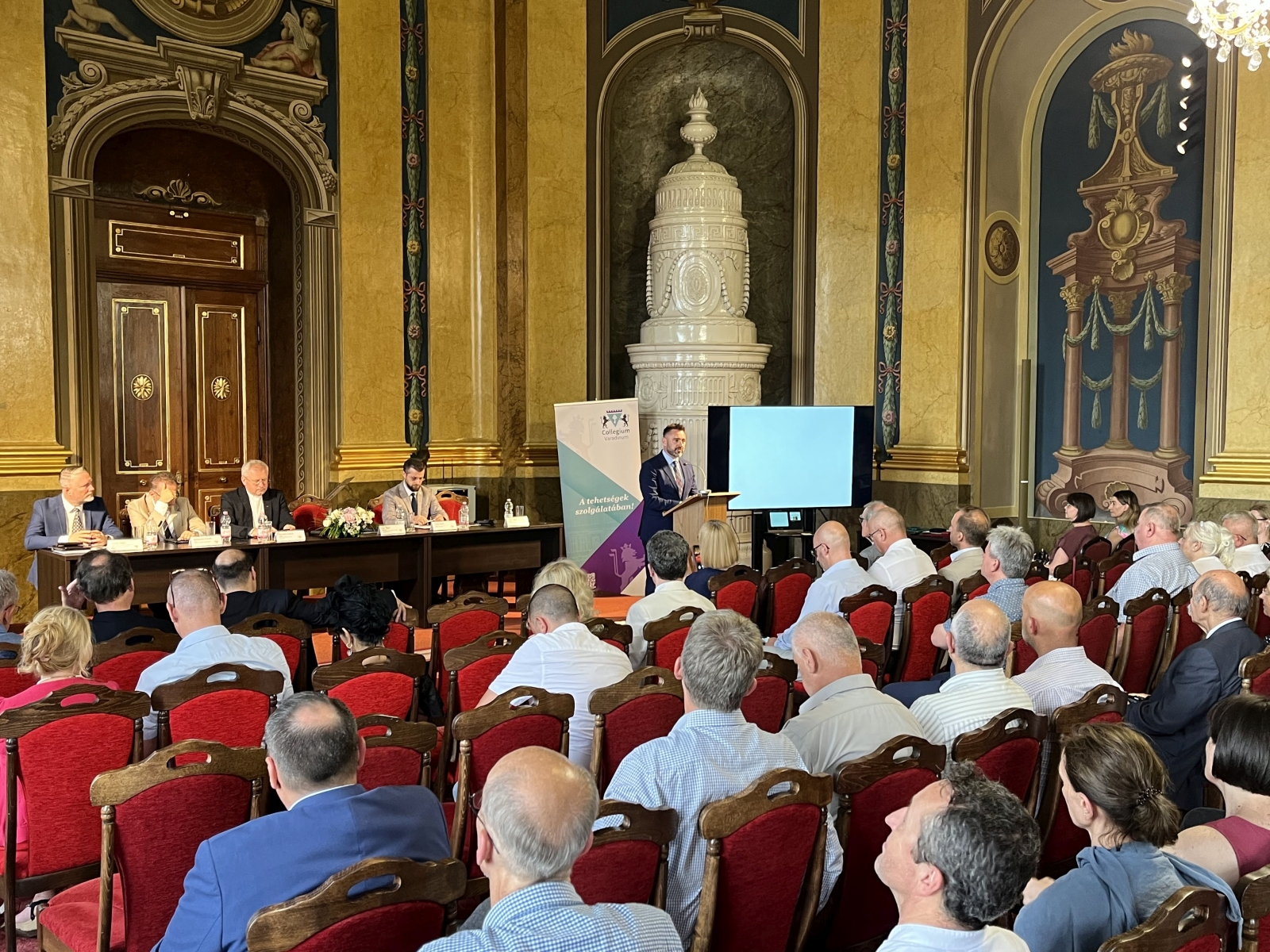
More than three decades later, it was in the ceremonial hall of the same Bishopric that the three-day conference of the Association of Hungarian Archivists was officially opened. The Otto von Habsburg Foundation was represented by Szilveszter Dékány, Eszter Gaálné Barcs, Piroska Kocsis, and Ádám Suslik. Participants were welcomed by István Kenyeres, President of the Association, and Bishop László Böcskei. In his opening address, Zsolt Sári, State Secretary responsible for Public Collections and Cultural Heritage, emphasised the new government’s commitment to meaningful dialogue with professional organisations and those working in museums, libraries, and archives.
In keeping with tradition, the conference began with the presentation of the prestigious Klára Dóka Award and Lajos Osváth Award. The latter has a particularly close connection to Oradea, as its namesake served as Chief Archivist of Bihar County in the city for two decades from 1901. This year also saw the inaugural presentation of the László Á. Varga Award, established by the Council of Directors of Hungarian Archives, which was awarded to László Szögi. The opening day’s programme concluded with a series of historical lectures marking the 500th anniversary of the Battle of Mohács, examining the consequences of the defeat, Oradea’s role in its aftermath, and the historical significance of the city’s ecclesiastical institutions.
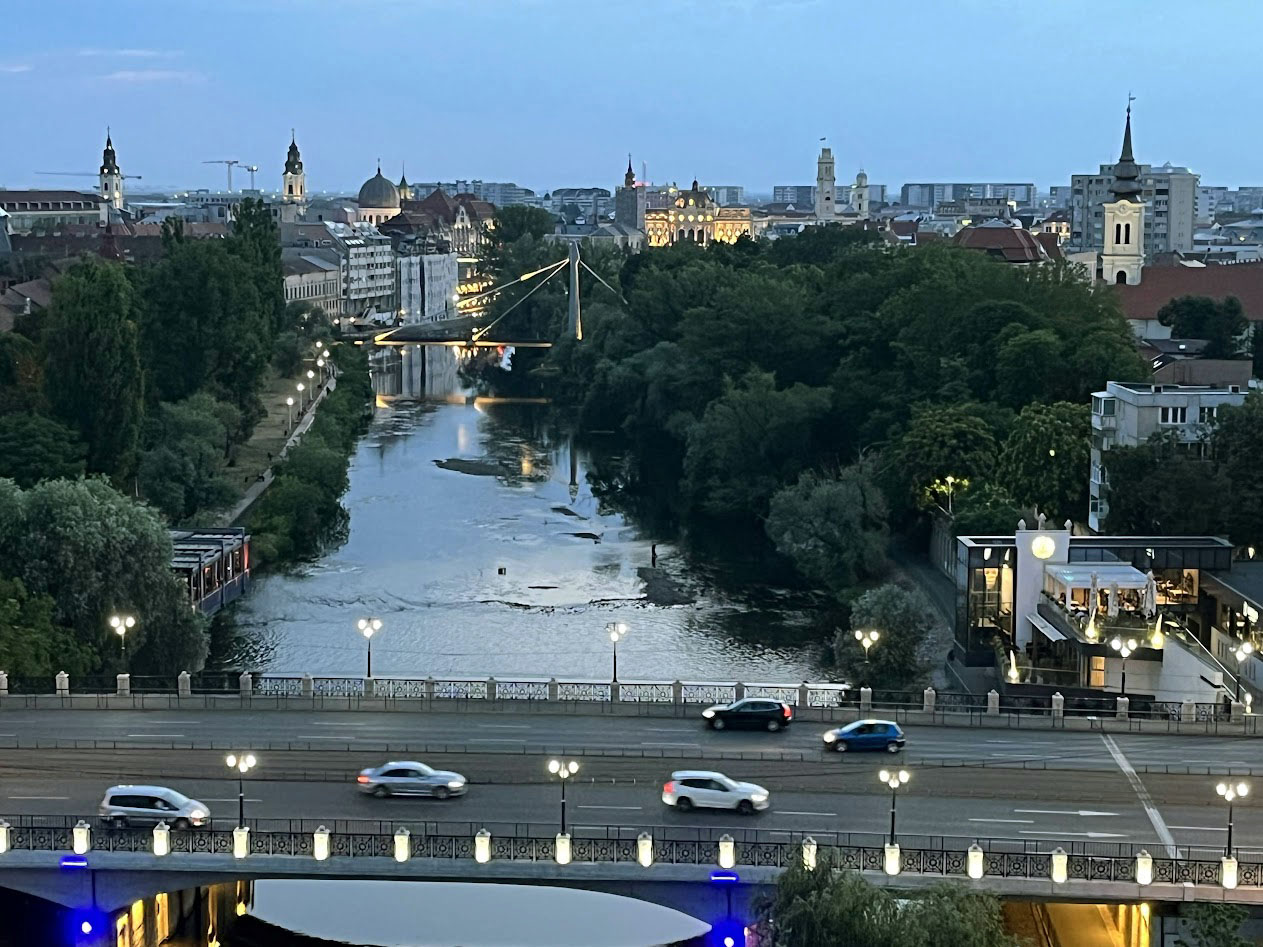
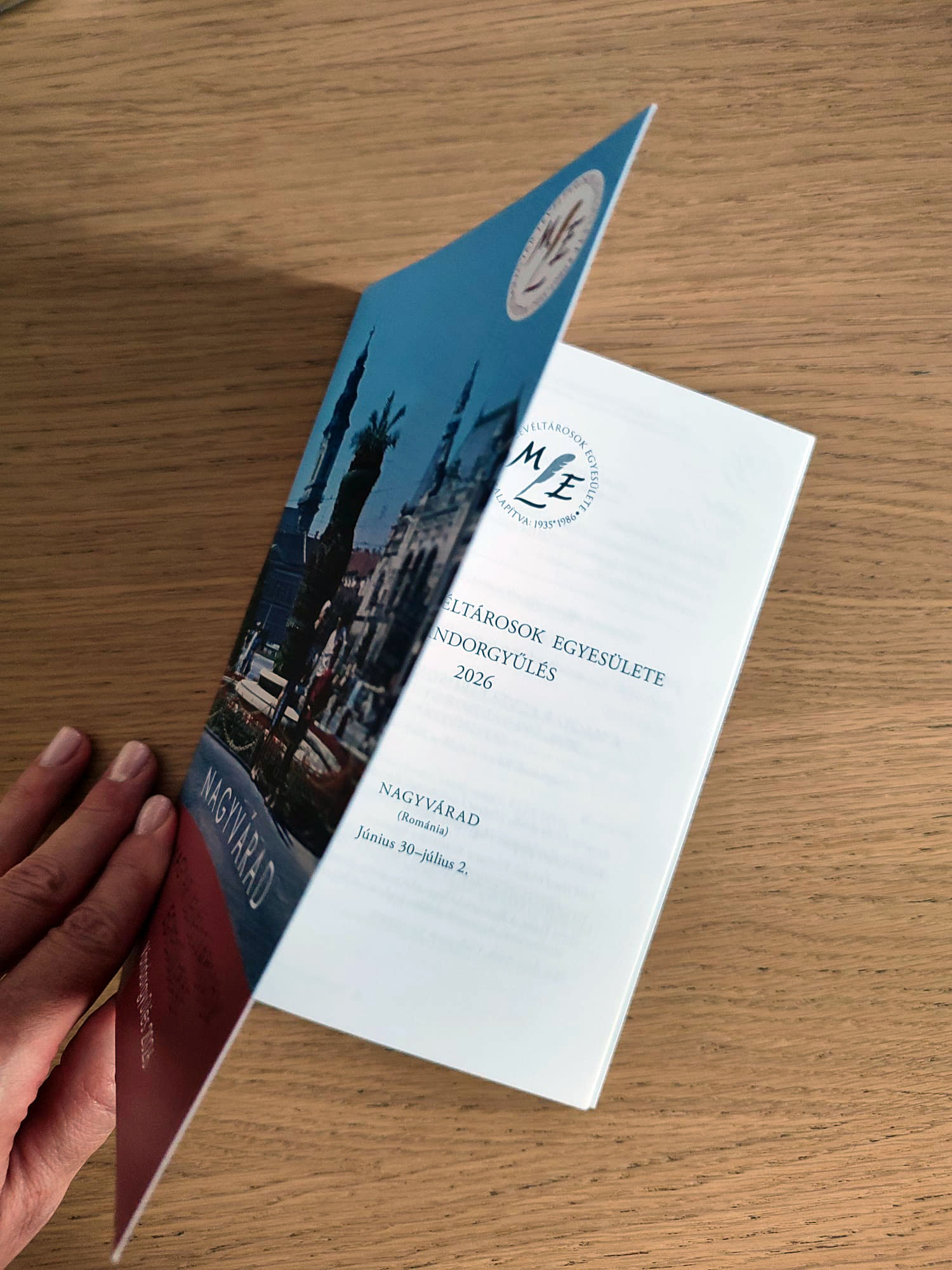
The second morning featured parallel sessions devoted to international cooperation, information technology, preservation, archive management, and archival education. In the Historical Sources section, our colleague Piroska Kocsis delivered a paper on the challenges of medical care during the 1956 Hungarian Revolution. Her presentation also highlighted Otto von Habsburg’s international activities, illustrating how he sought to place his extensive international network at the service of the Hungarian cause.
On the closing day, discussions focused on the digitisation of Romania’s state and ecclesiastical archives, as well as collaborative efforts to uncover the documentary heritage of a shared past. These themes are of particular relevance to the Otto von Habsburg Foundation, where the organisation, digitisation, preservation, and accessibility of our collections form an essential part of our everyday work.
The conference also served as a reminder that the work of archivists extends well beyond the preservation and processing of historical records. Once made accessible, archival sources can inspire new avenues of research, foster professional cooperation, and encourage meaningful dialogue. This perspective echoes Otto von Habsburg’s words spoken in Oradea in 1993: that understanding one another’s past is one of the essential foundations of mutual understanding.