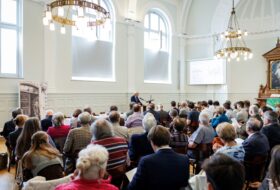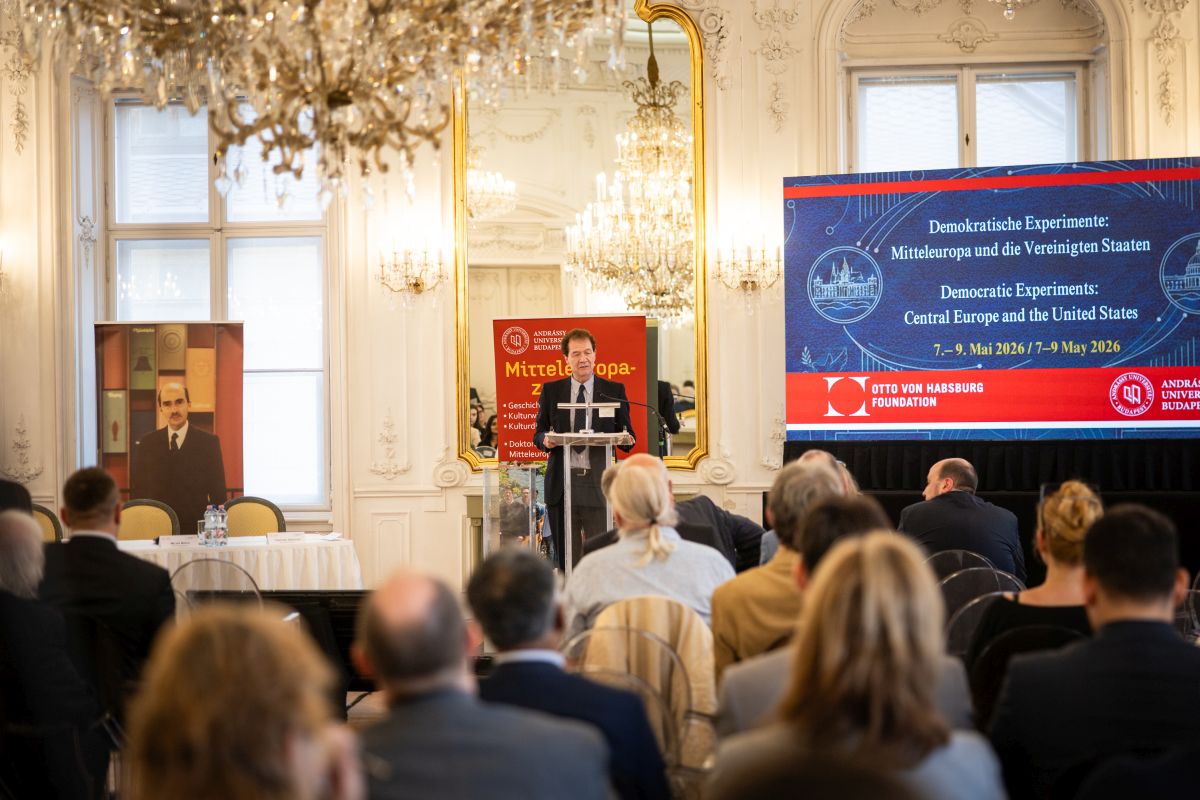
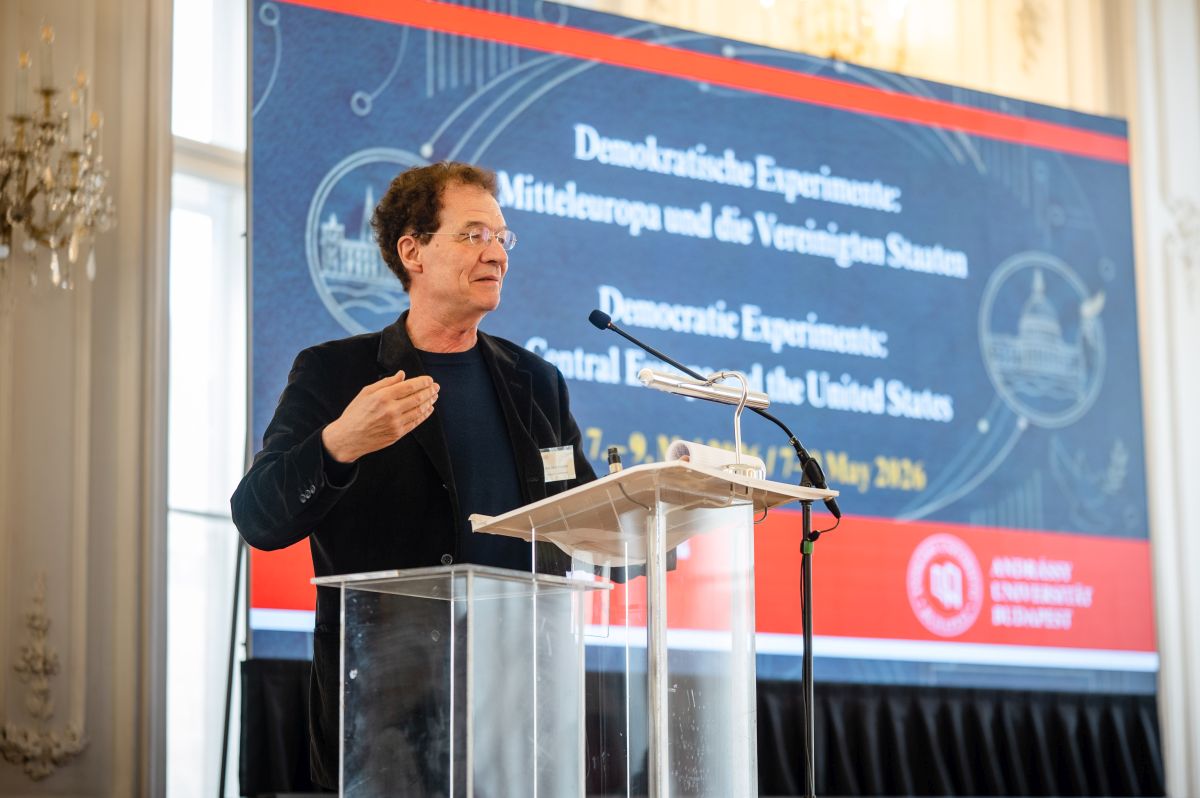
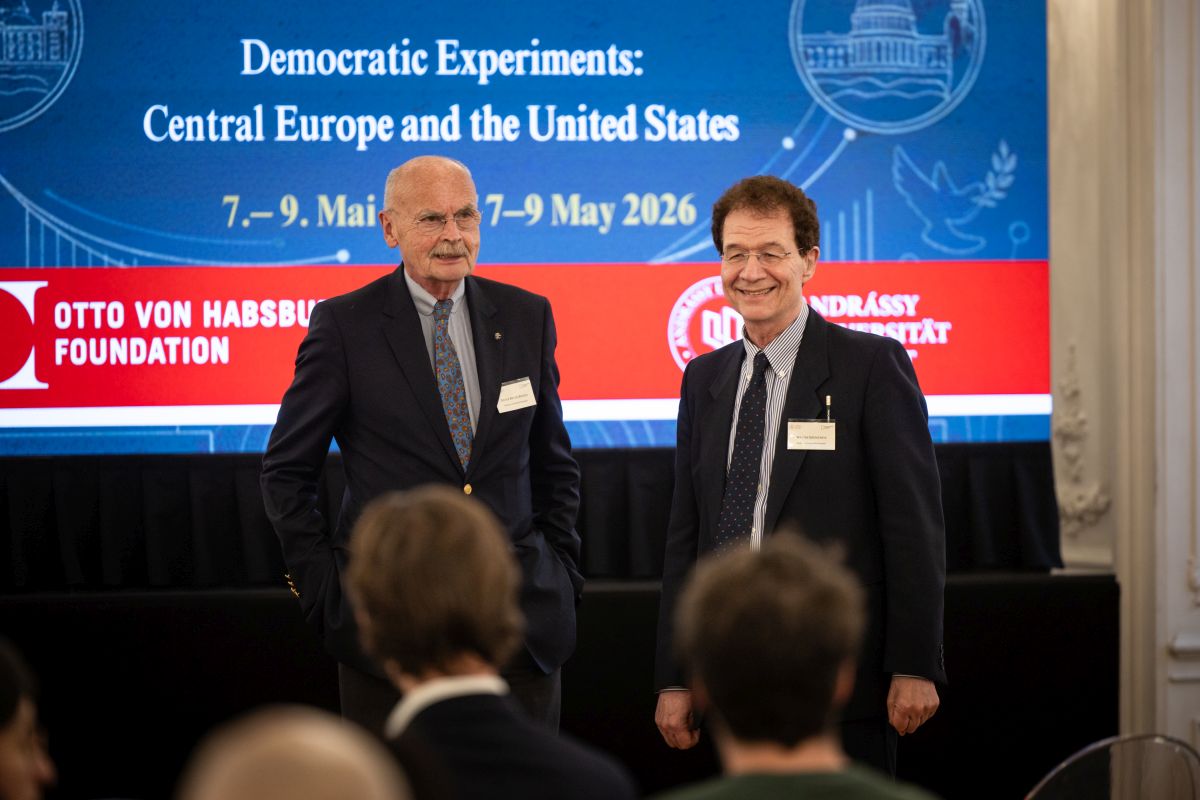
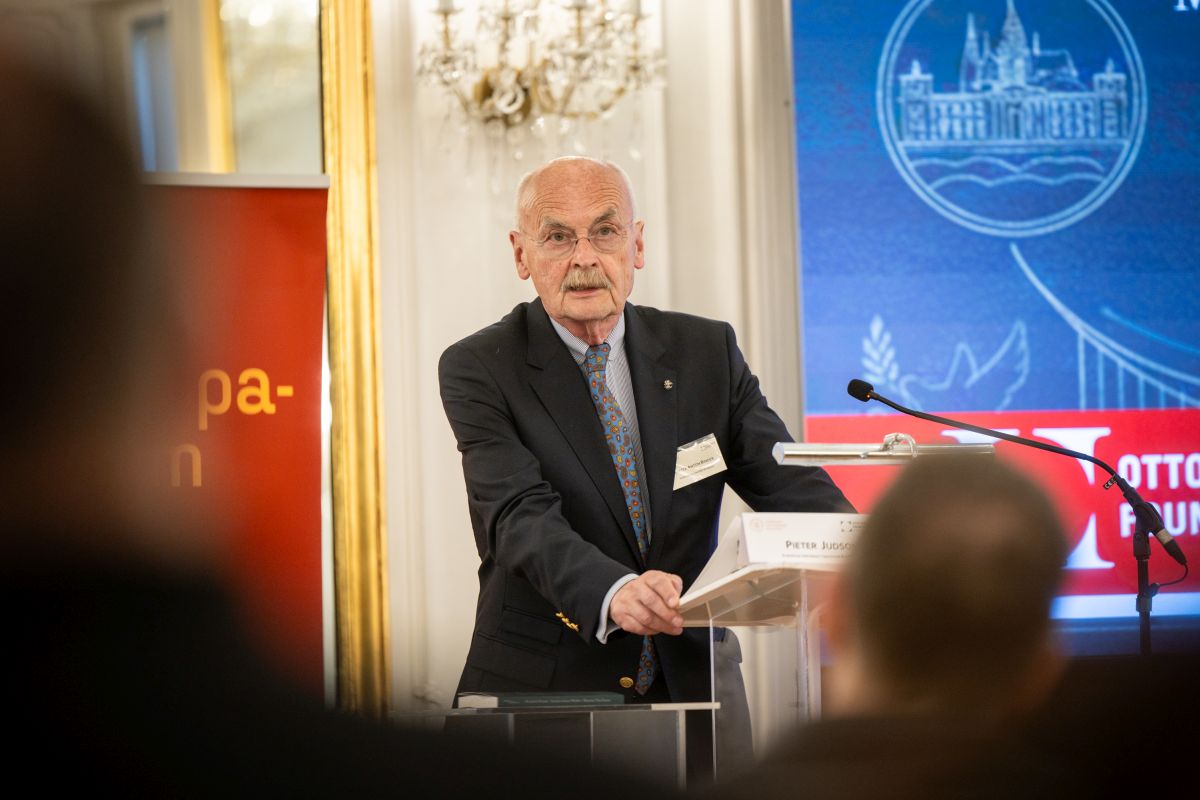
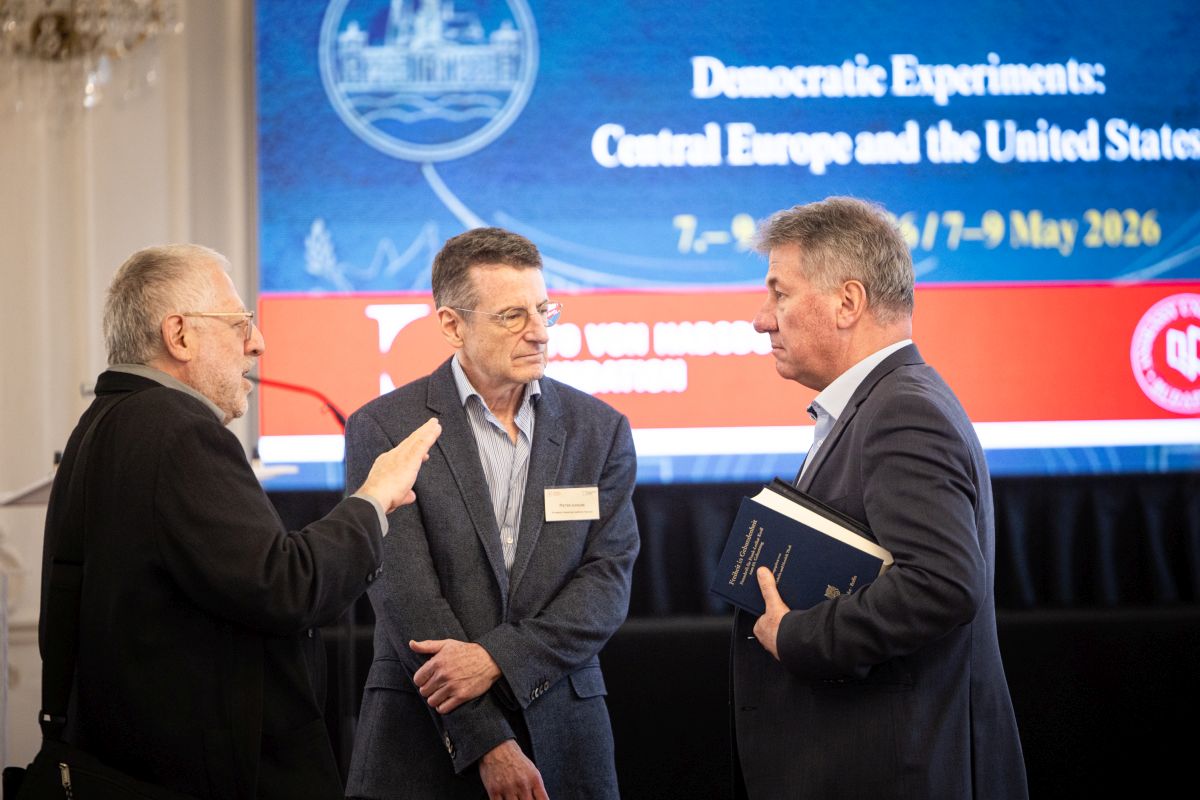
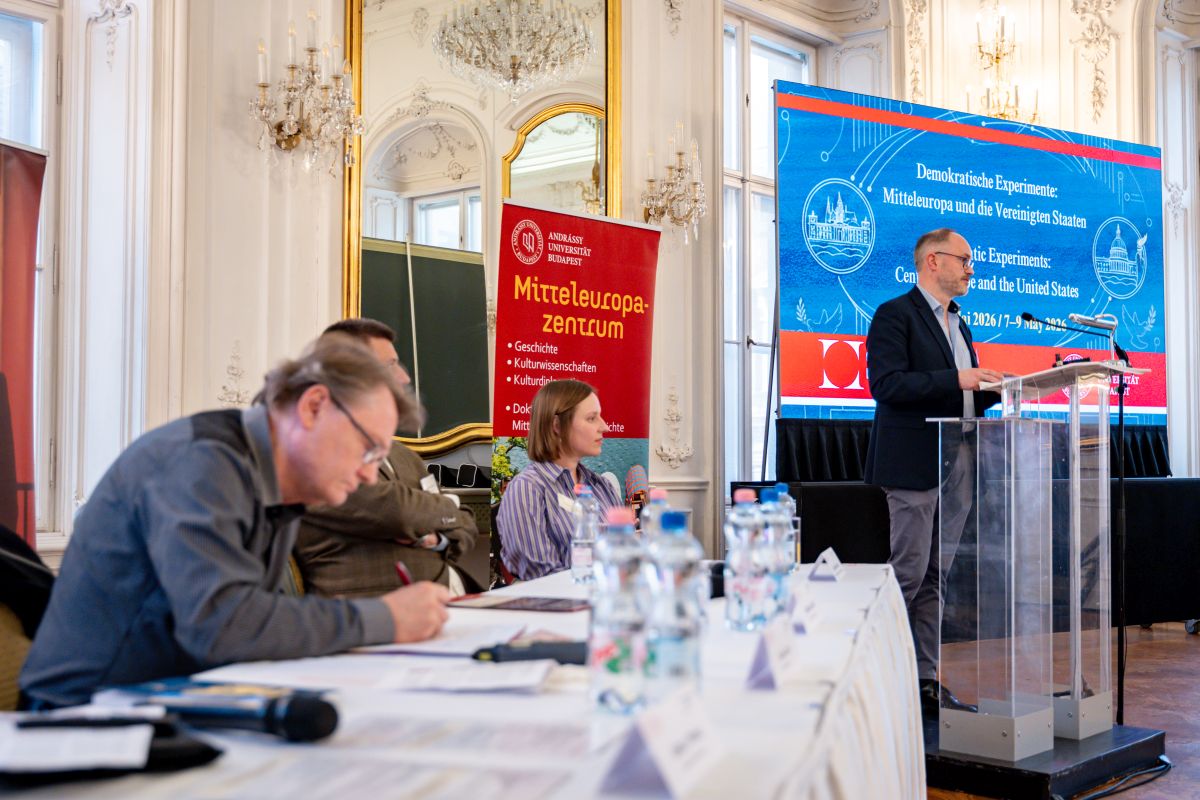
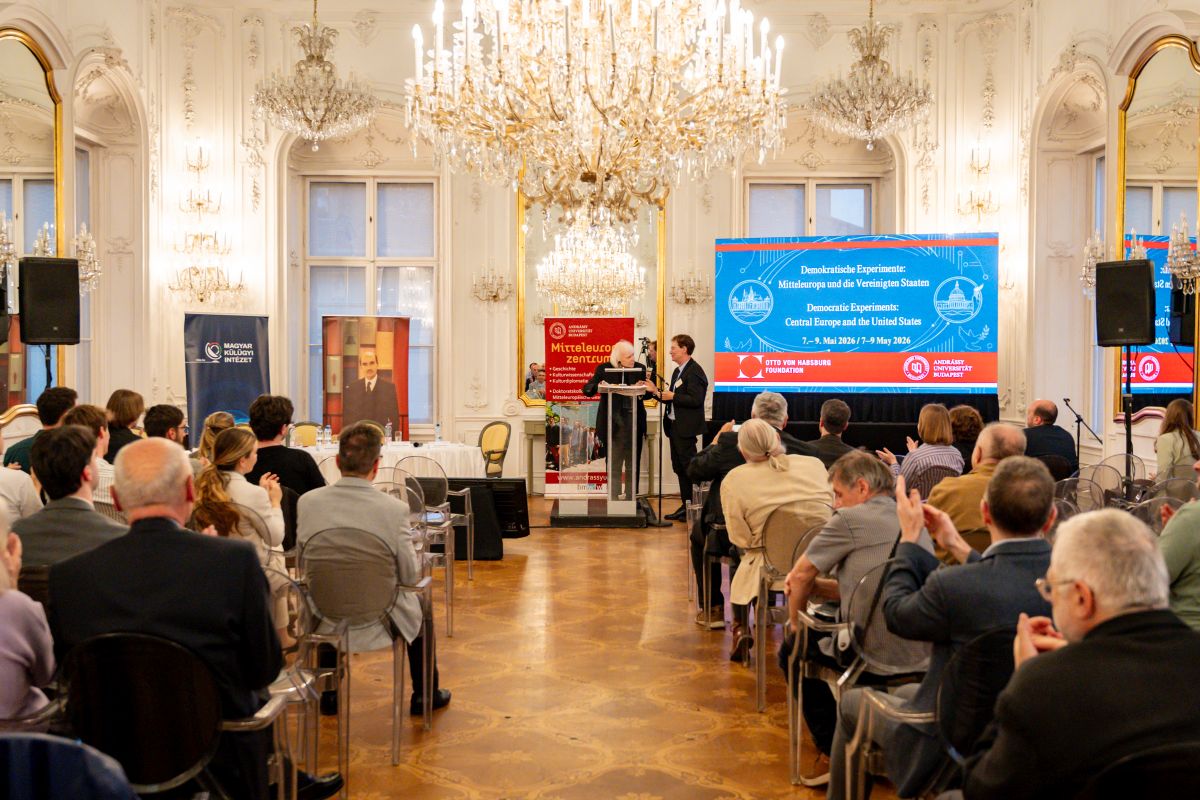
Under the title “Democratic Experiments: Central Europe and the United States”, a three-day symposium was held between 7 and 9 May at the Festetics Palace in Budapest.
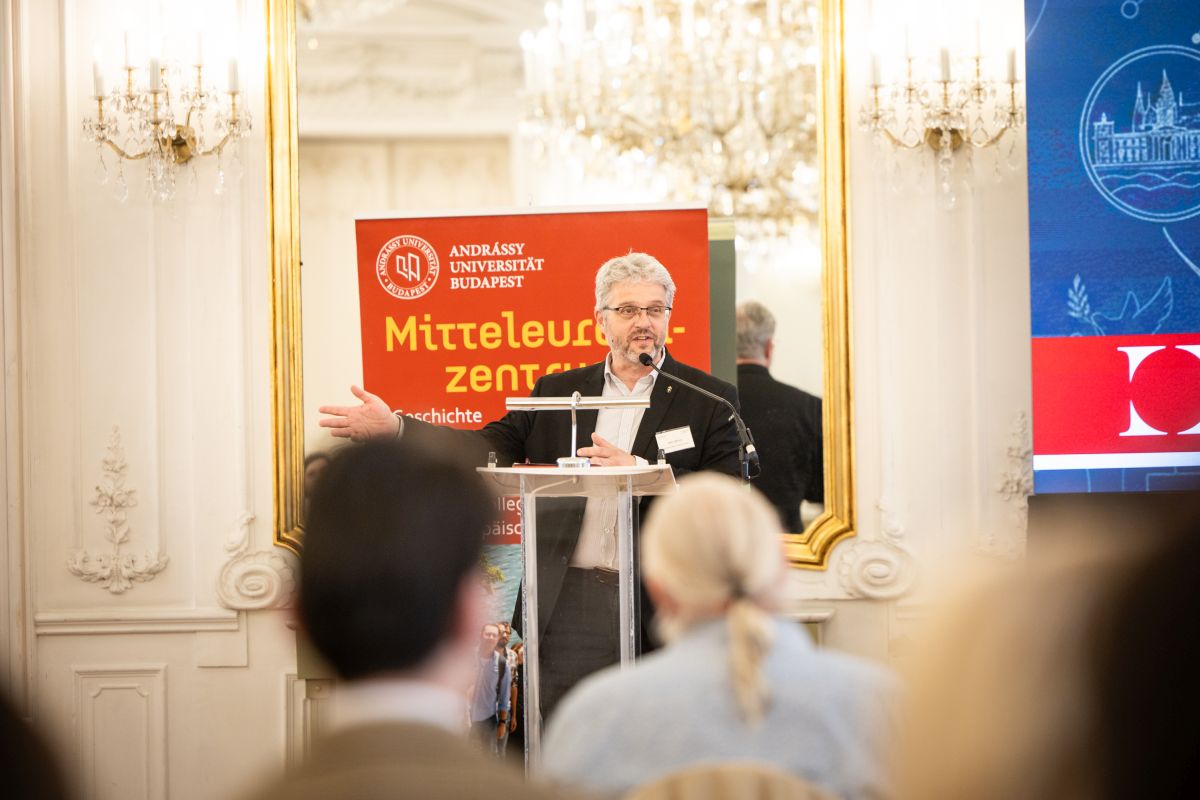
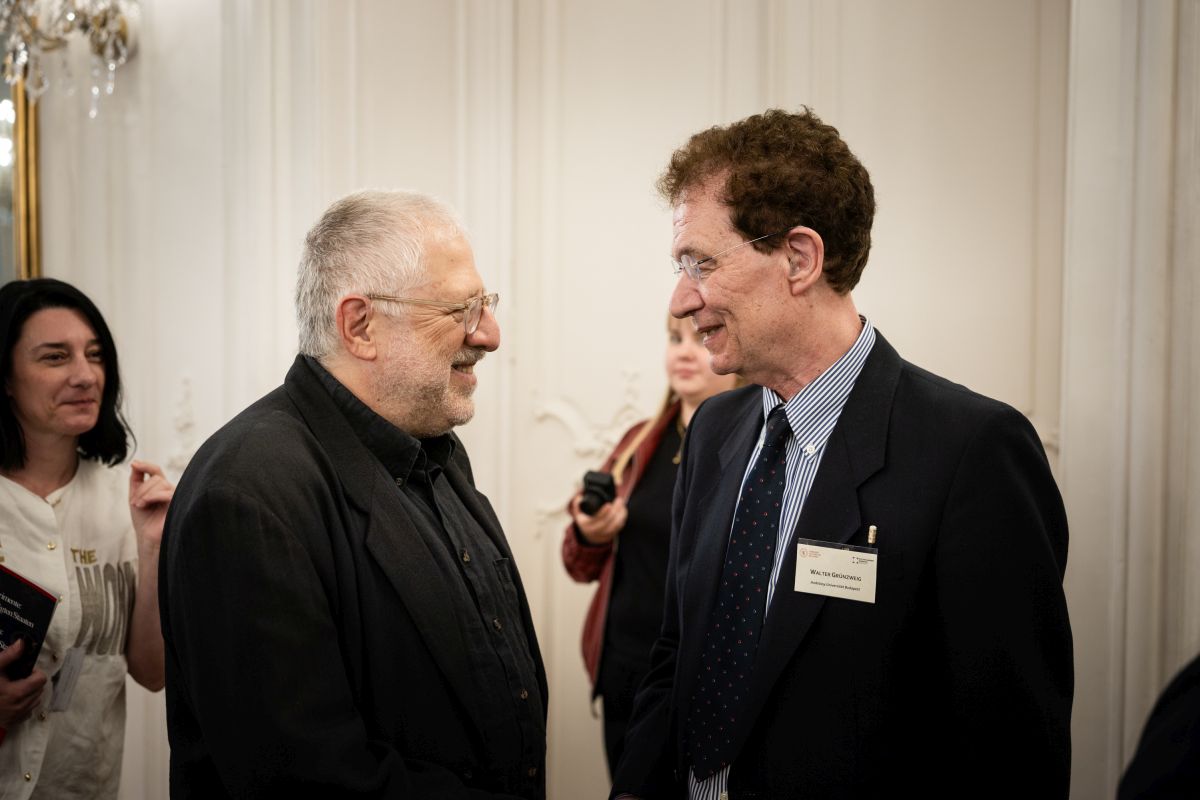
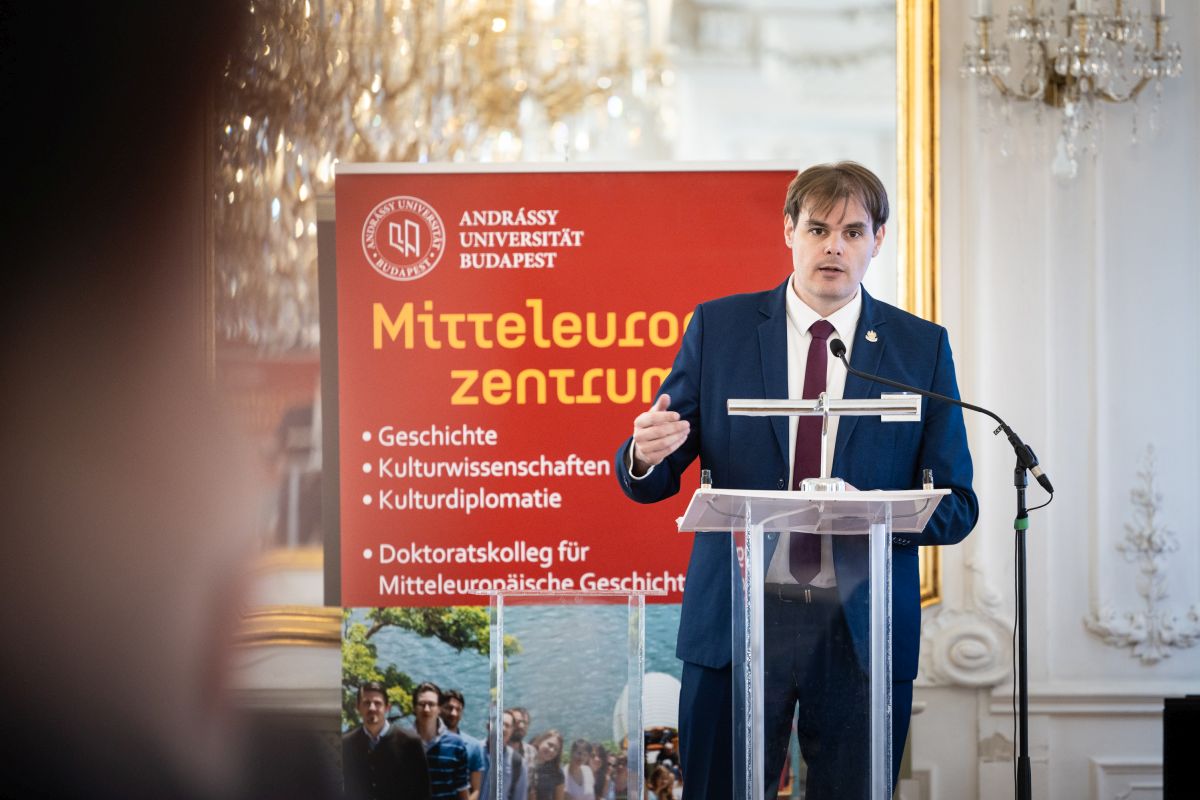
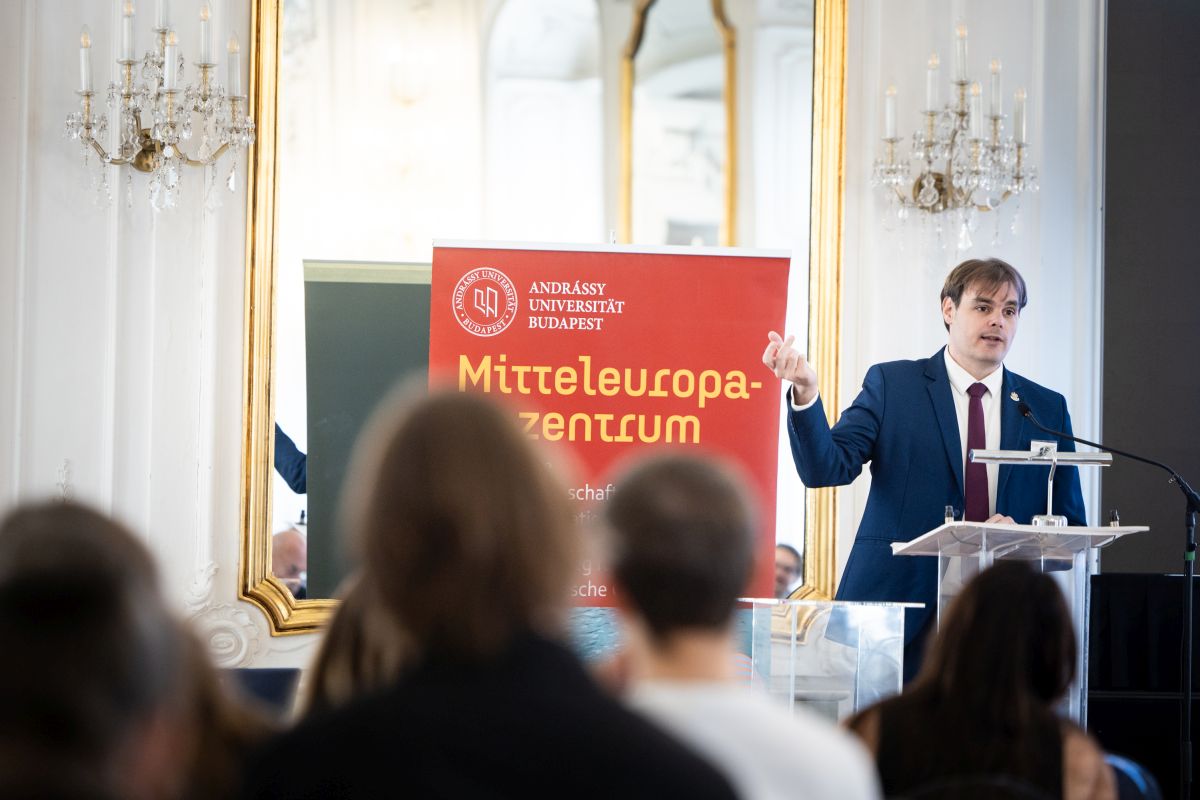
The conference was opened by Gergely Prőhle, Director of our Foundation; Professor Walter Grünzweig of Andrássy University Budapest; Tamás Péter Baranyi, Strategic Director of the Hungarian Institute of International Affairs; and Melissa Quartell, representing the Embassy of the United States in Budapest.
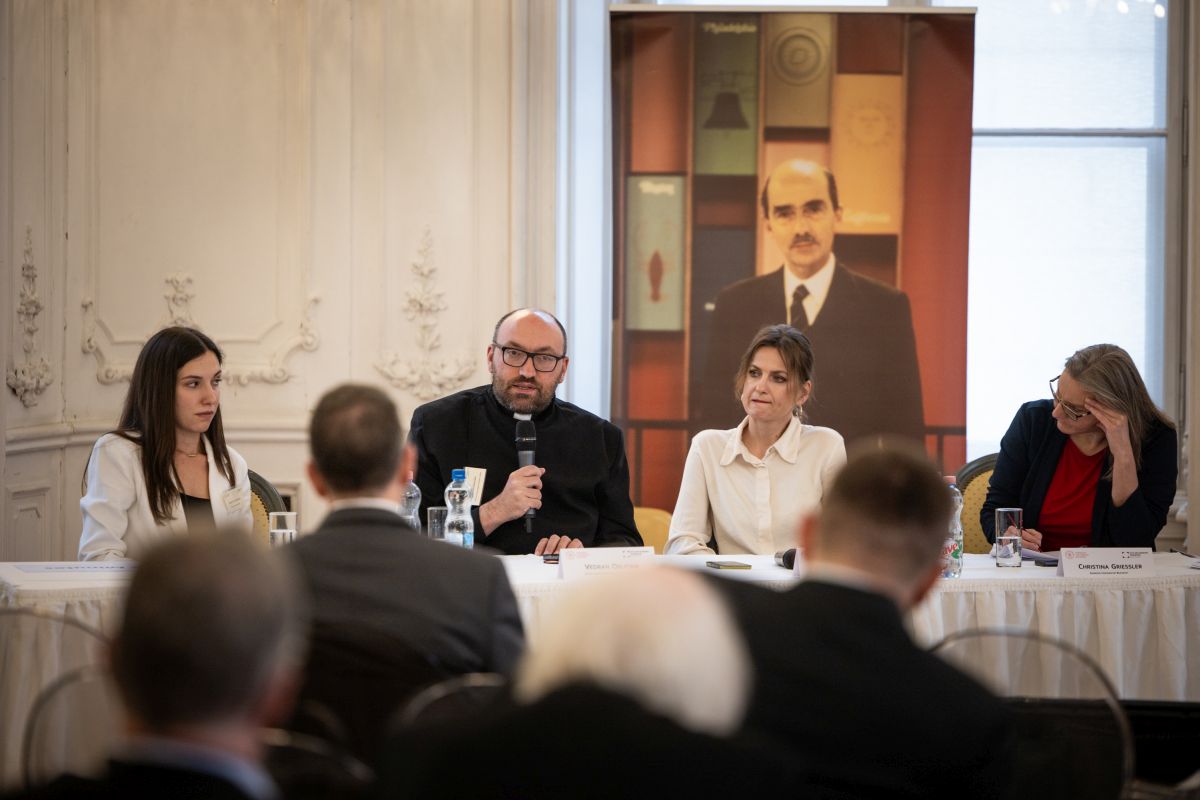
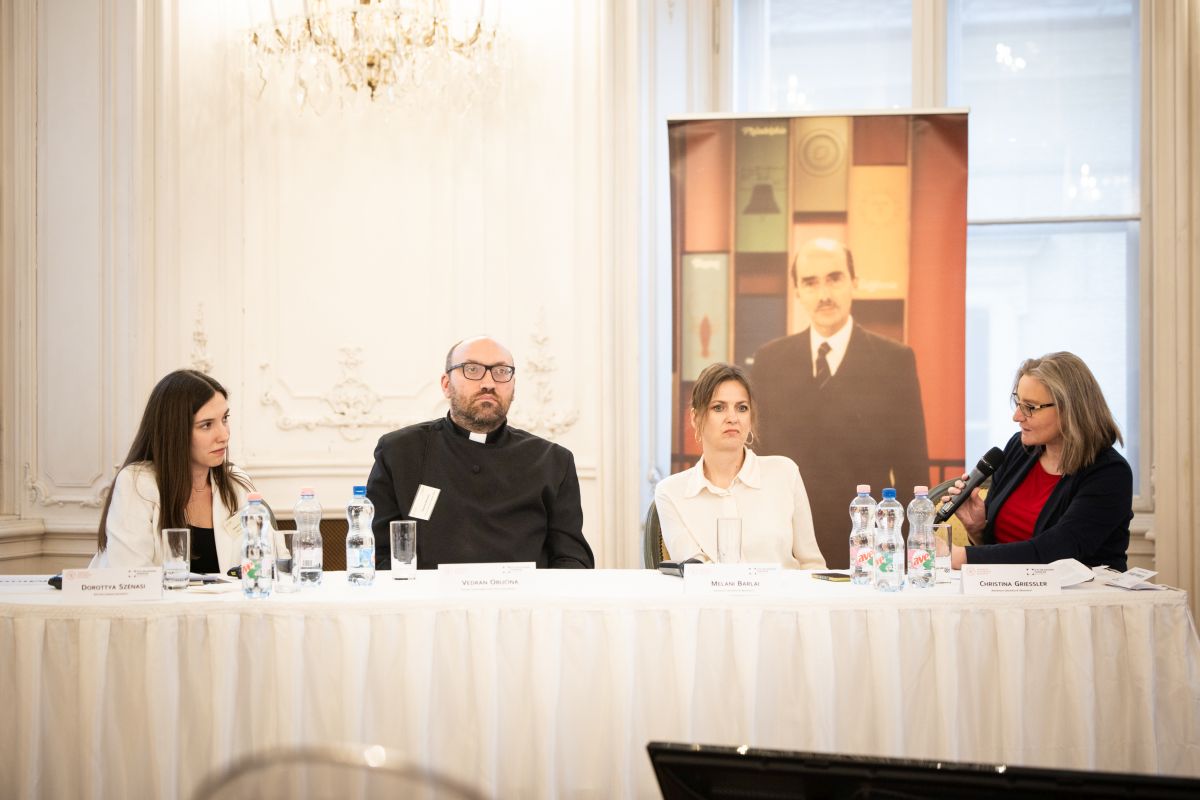
The first day focused on questions of democratic thought and communication. Vedran Obućina (Centre for Interreligious Dialogue, Rijeka) explored the relationship between Reinhold Niebuhr’s Christian realism and democratic society, asking how an individual’s biblically grounded search for truth can be reconciled with political power and with a society inclined towards moral relativism. Melani Barlai (Andrássy University Budapest) analysed Hungarian parliamentary elections over recent decades, discussing democratic innovation and the possibilities for strengthening democratic engagement among voters and civil society. Dorottya Szénási, researcher at RETÖRKI (the Research Institute of Political History and Regime Change), presented the early history of Radio Free Europe through the legacy of Tibor Flórián, preserved at the Hoover Institution in California. She argued that the editor’s life work can be interpreted through the conceptual framework of objectivity, political propaganda, neutral information transfer, and identity preservation.
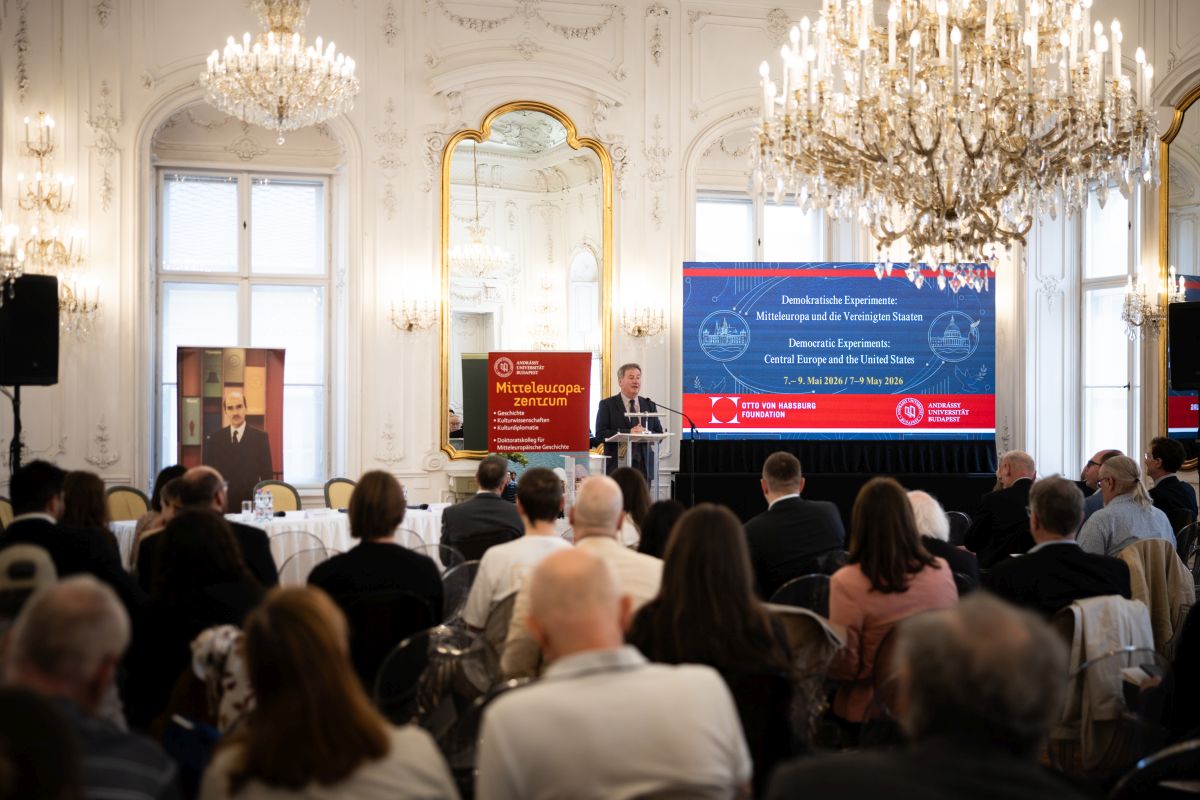
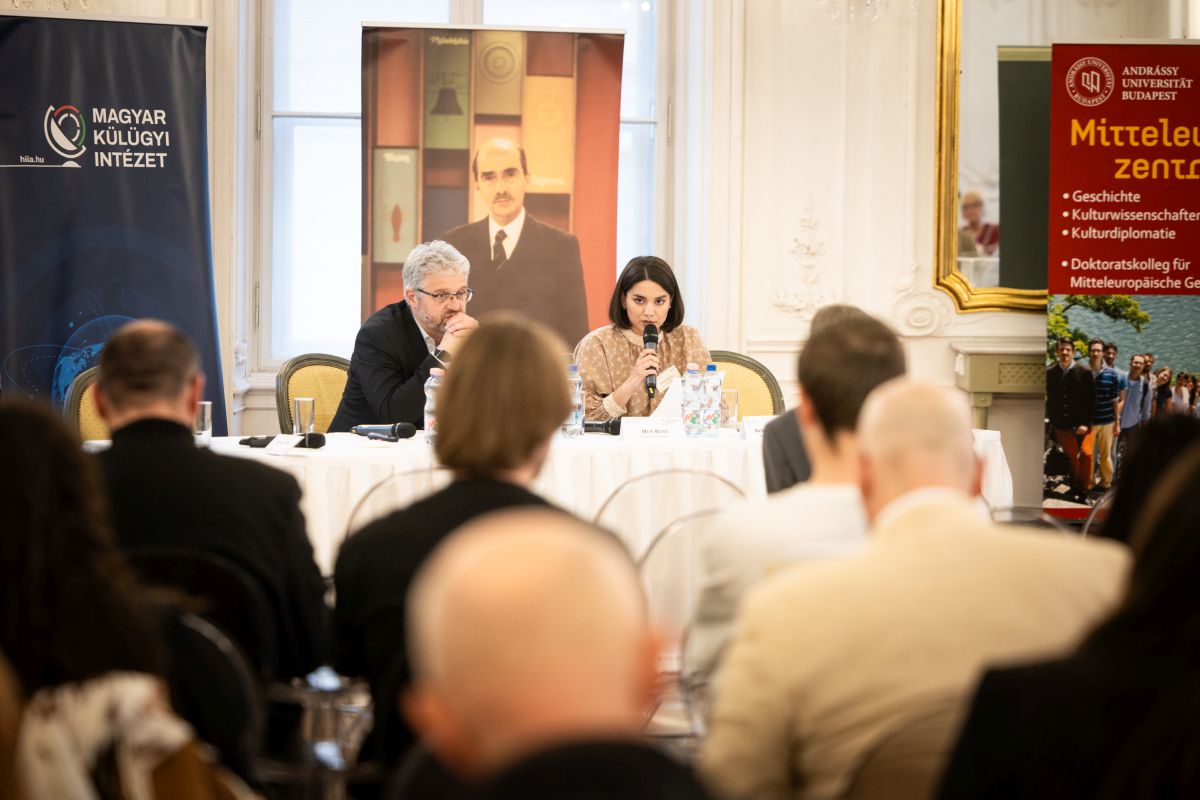
The second panel revolved around the notion of a “dual experiment”: the reciprocal influence of American and Central European political ideas. “Hungary is my mother, America is my wife” – the famous bon mot of John Lukacs served as the starting point for the presentation by Máté Botos from Pázmány Péter Catholic University. Lukacs wrote extensively about the differing concepts of democracy he encountered on the two continents, interpreting their development within a broader historical perspective and warning against turning democracy itself into an ideology. His conservative, liberal, bourgeois, and Catholic worldview owed much to Alexis de Tocqueville: he adopted the French thinker’s warnings about mass democracy. He viewed with concern an American outlook lacking historical consciousness and inclined to regard itself as a universal organising principle independent of culture.
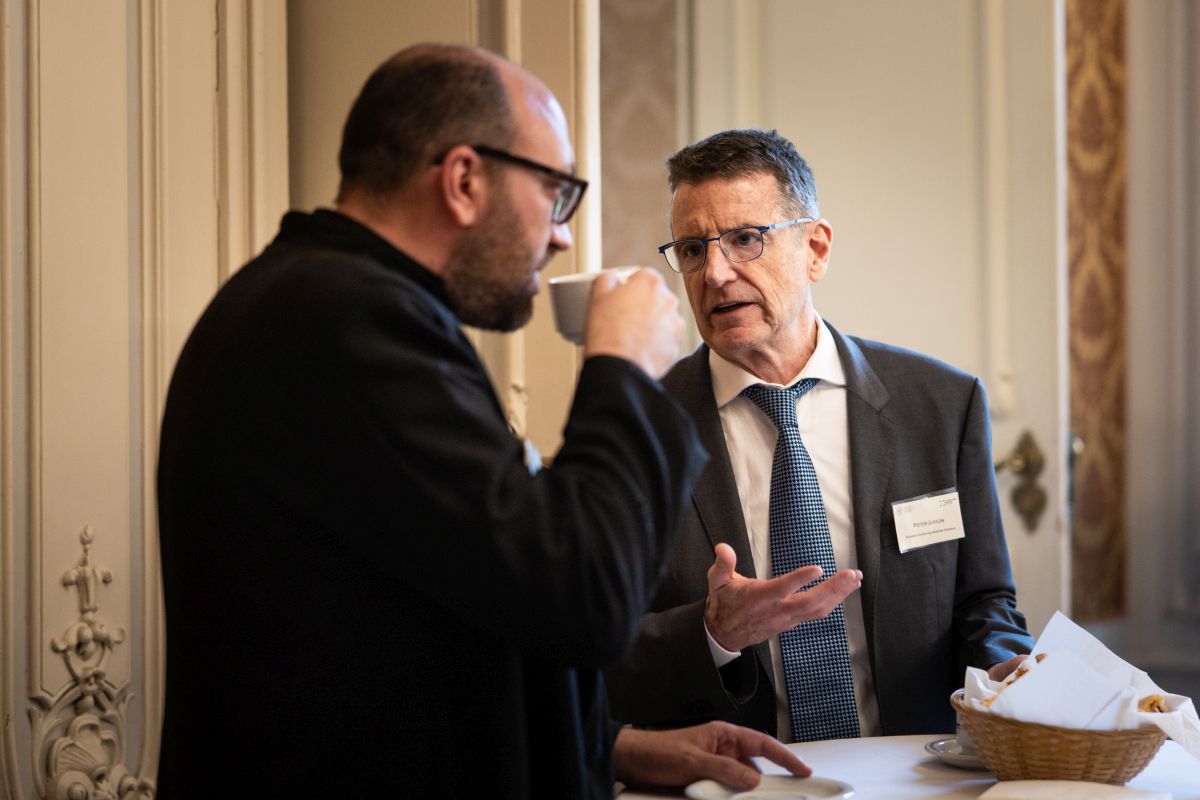
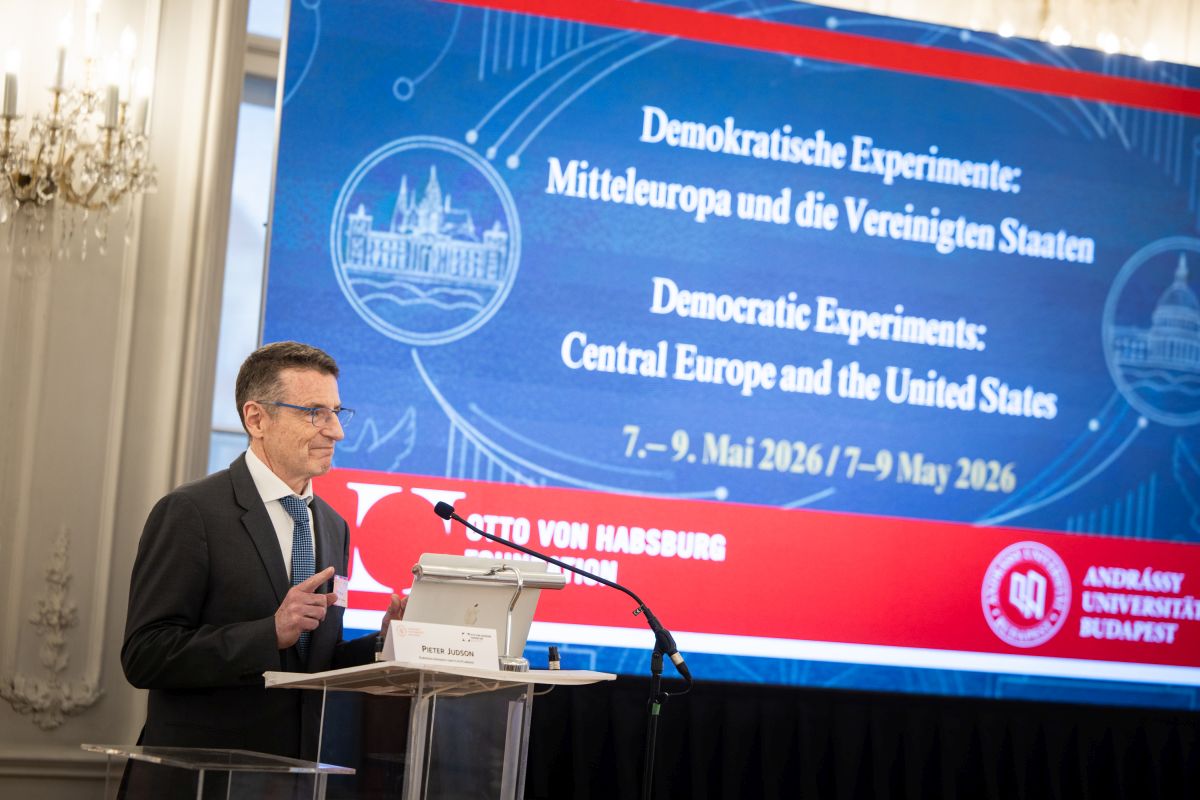
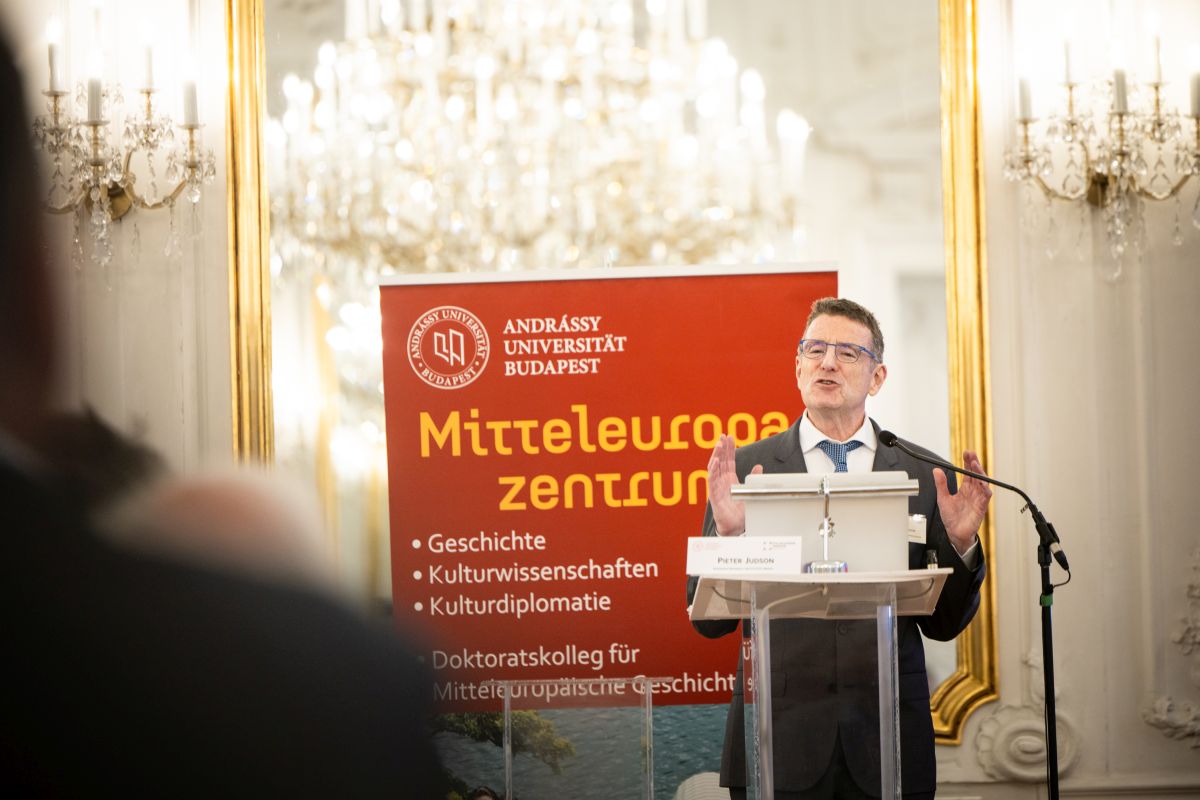
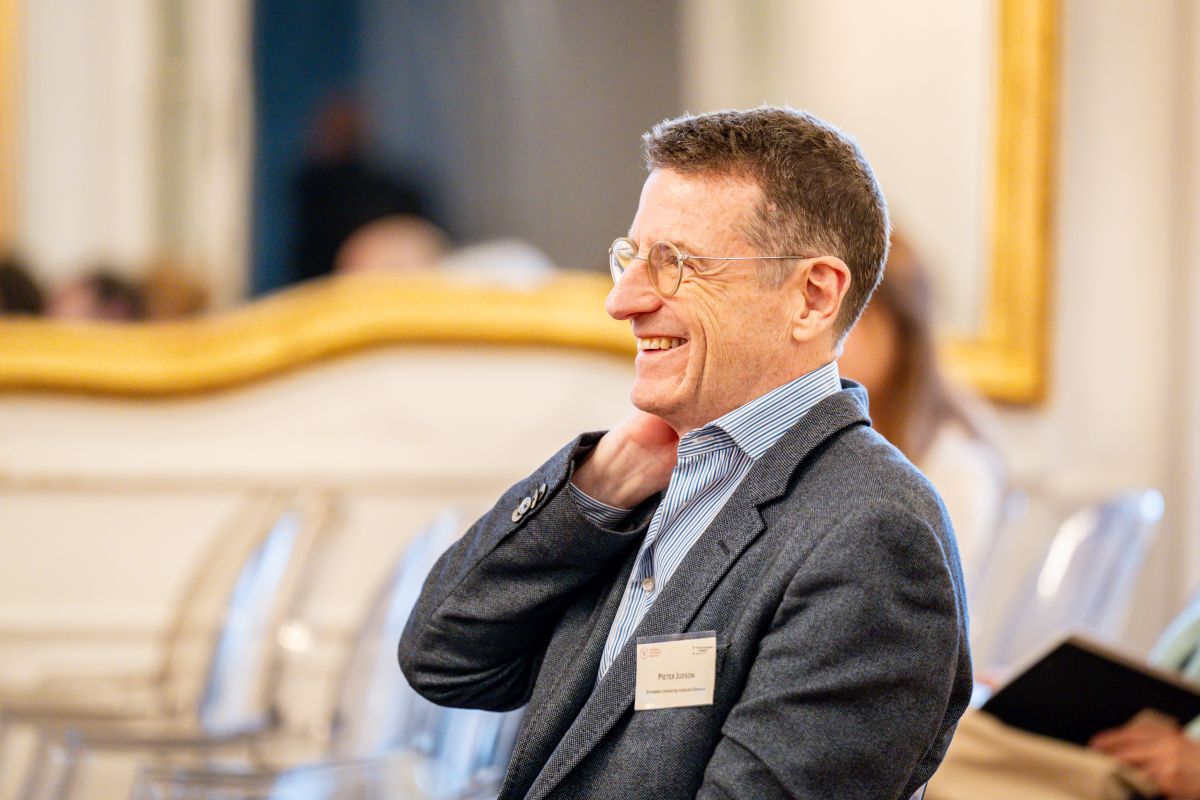
In his plenary lecture, Professor Pieter Judson (European University Institute, Florence) examined the liberal political and social ideals of the nineteenth-century Habsburg Monarchy: an economy based on private property, the ideal of human self-improvement, and the vision of harmonious coexistence among peoples that would be capable of overcoming social and ethnic divisions. He also analysed how this intellectual framework responded to the strengthening of nationalism from the 1880s until the outbreak of the First World War. Judson emphasised that, within its multinational framework, the Habsburg Monarchy may itself be interpreted as a distinctive democratic experiment.
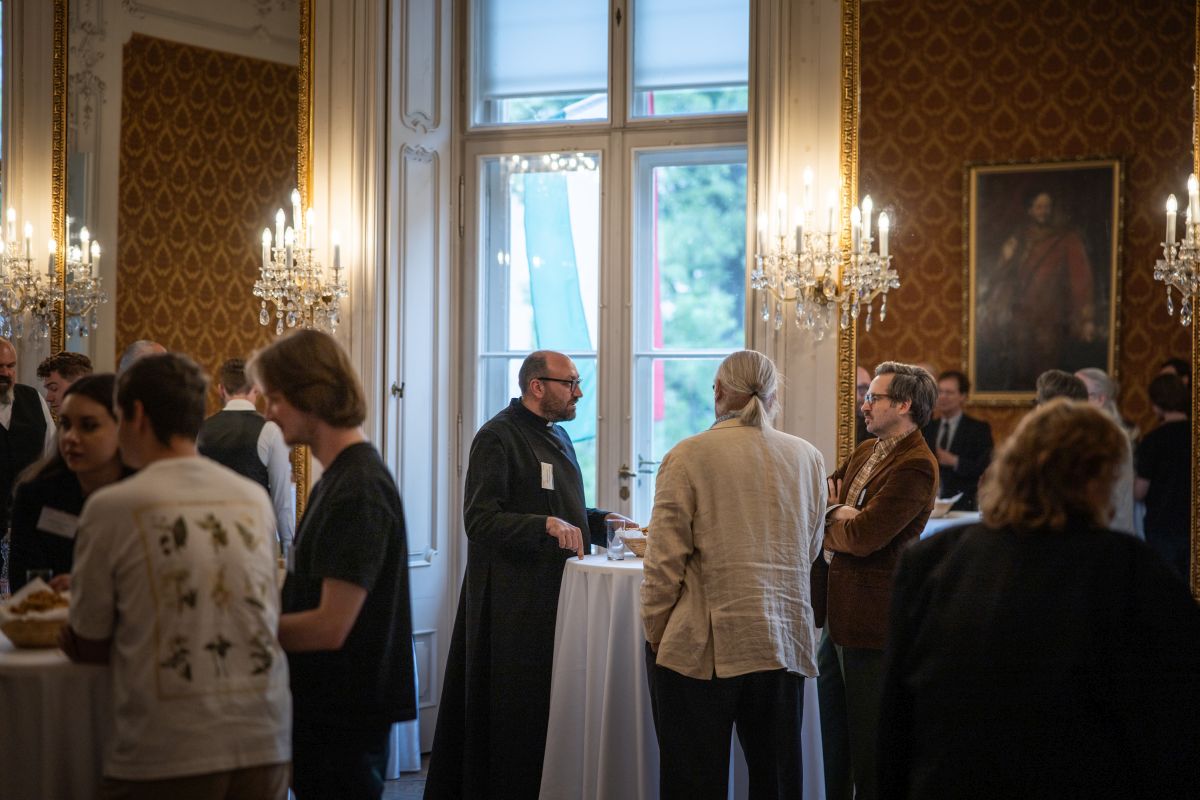
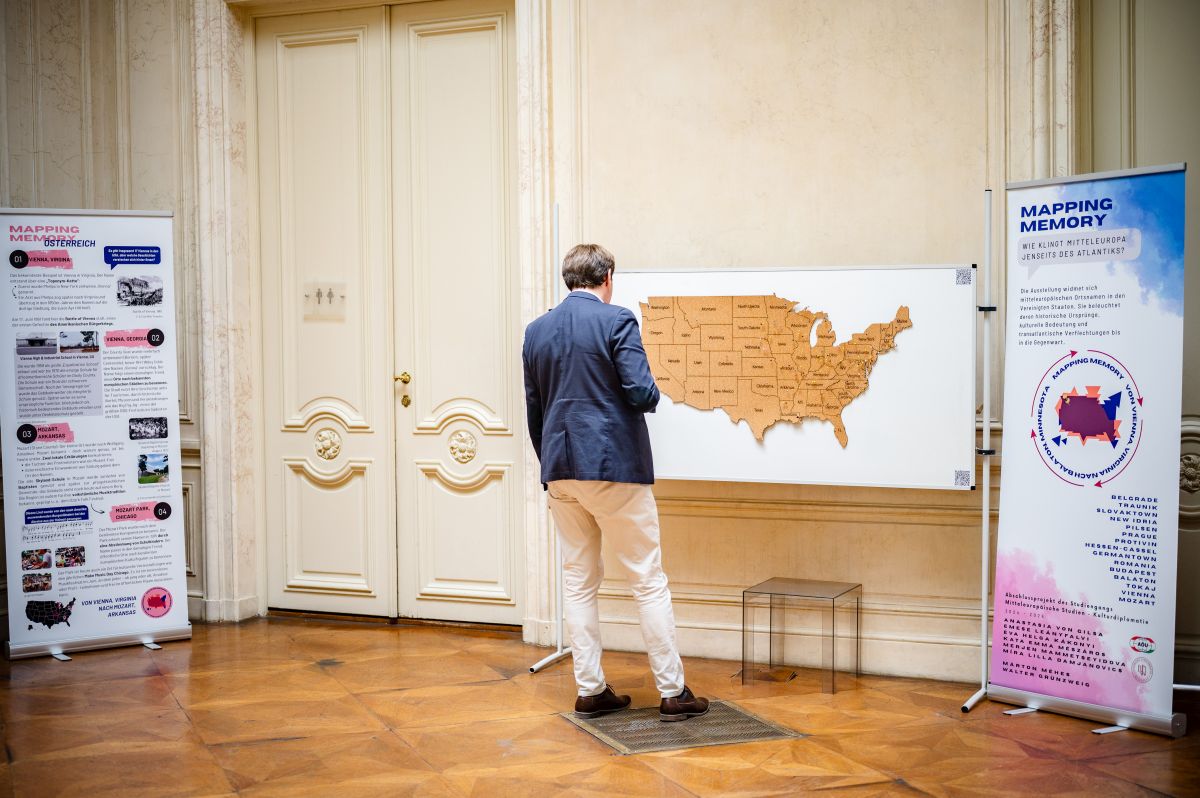

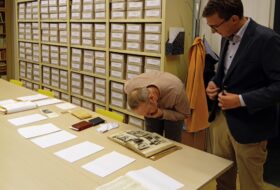
The first day concluded with the opening of a special exhibition. Led by Márton Méhes (Collegium Hungaricum Wien), students of Andrássy University explored how Central European place names continue to survive on the map of the United States – from Vienna, Virginia, to Balaton, Minnesota.
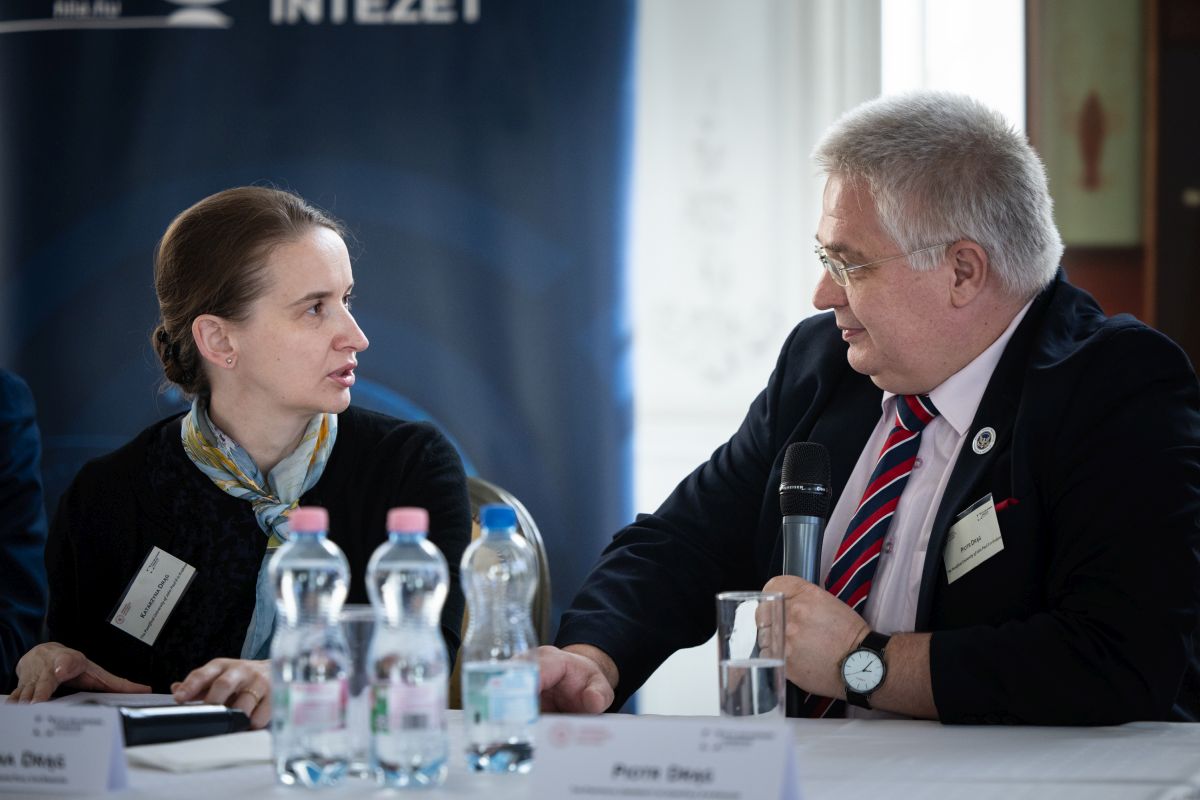
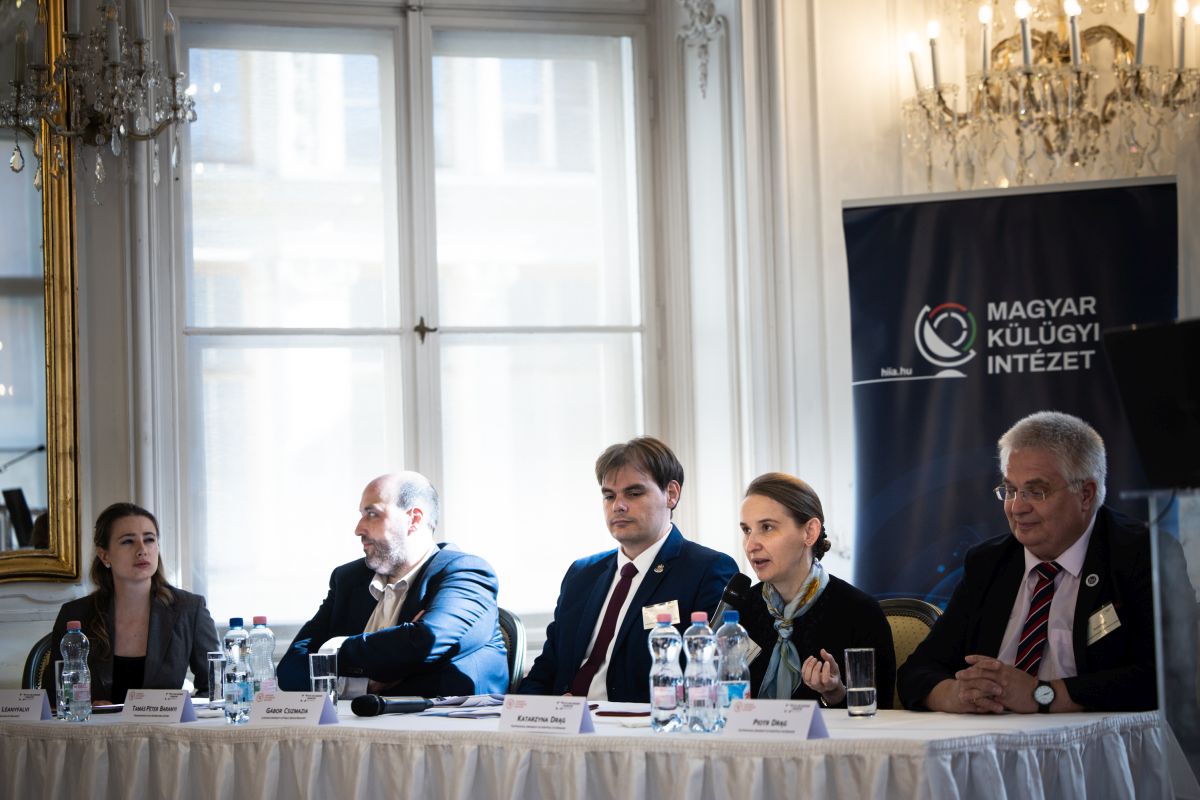
Friday’s programme centred on American perceptions of Central Europe and comparisons between transatlantic political systems. In the opening panel, Polish researchers Katarzyna and Piotr Drąg discussed representations of Central Europe in the Ronald Reagan Presidential Library and Museum’s exhibition. Gábor Csizmazia (Ludovika University of Public Service) analysed the foreign policy principles and practices shaping the discourse of the United States Congress regarding Central Europe between 2023 and 2026. Tamás Péter Baranyi, Strategic Director of the Hungarian Institute of International Affairs, likewise focused on contemporary American foreign policy, examining how Central Europe has often been viewed overseas as part of a larger geopolitical unit that can be influenced through the region itself, and how this perspective evolved over the past two centuries.
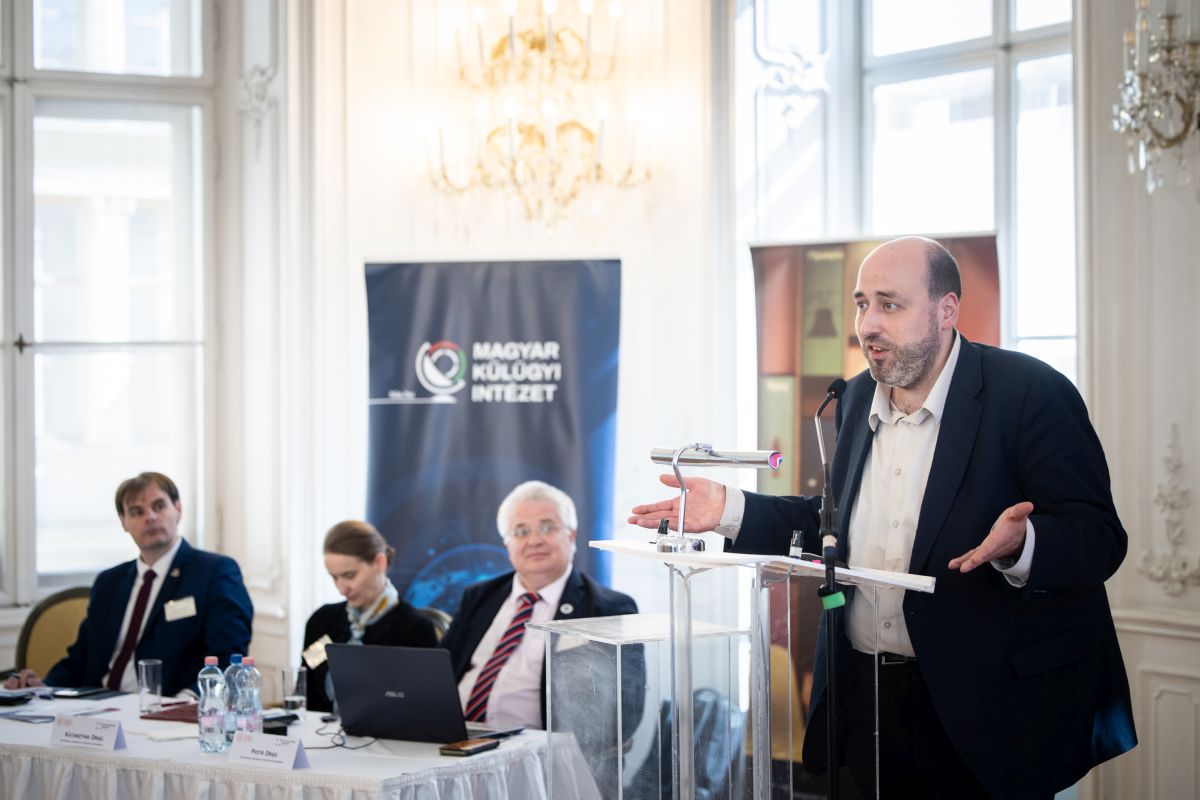
Particular interest surrounded the panel devoted to transatlantic authoritarianism. Professor Dieter A. Binder (Andrássy University Budapest) investigated international patterns of authoritarian tendencies through themes such as nationalism, populism, illiberalism, authoritarian regimes, and politics of memory. Echoing these questions, Professor Ellen Bos (Andrássy University Budapest) analysed the emergence of the so-called “Orbán model” within American political discourse. Bence Kocsev, research fellow at the Otto von Habsburg Foundation, explored the relationship between Otto von Habsburg and the American conservative movement, examining both the intellectual and political influences exerted upon Archduke Otto and the ways in which he himself shaped the worldview of major conservative thinkers, including William F. Buckley Jr., Russell Kirk, Barry Goldwater, and Edwin J. Feulner.
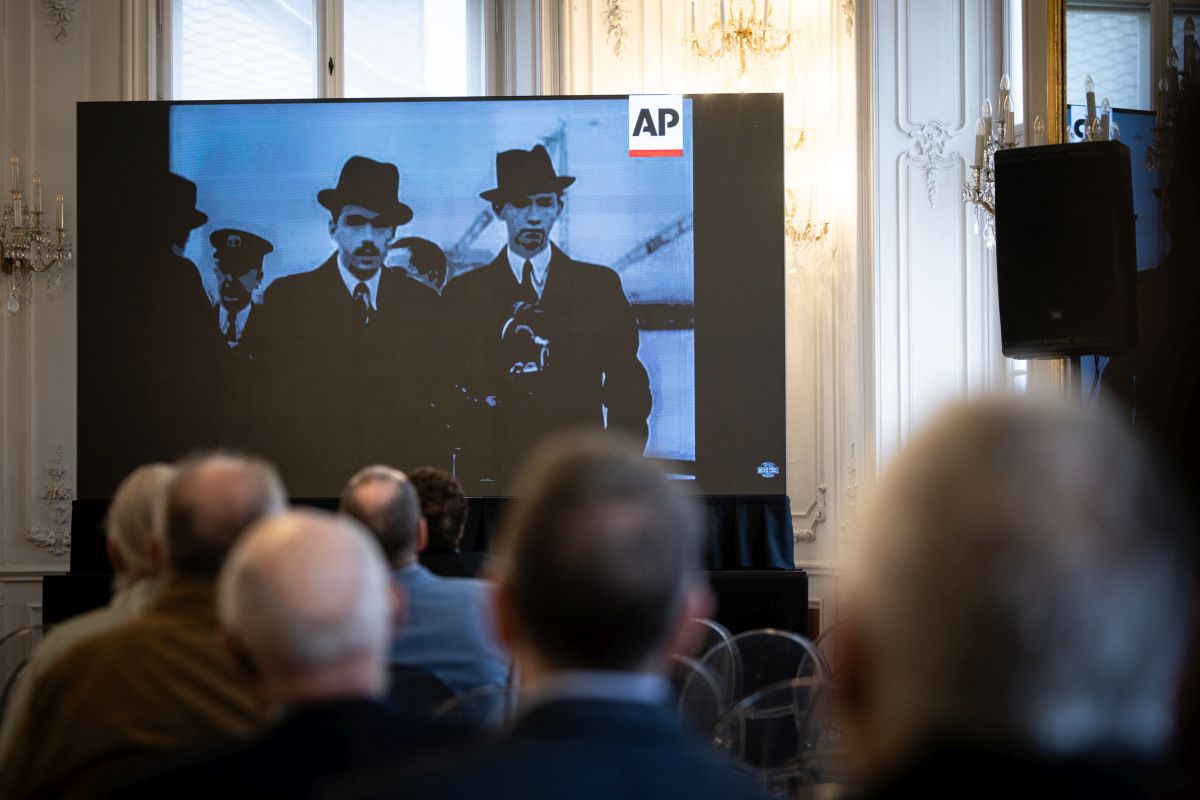
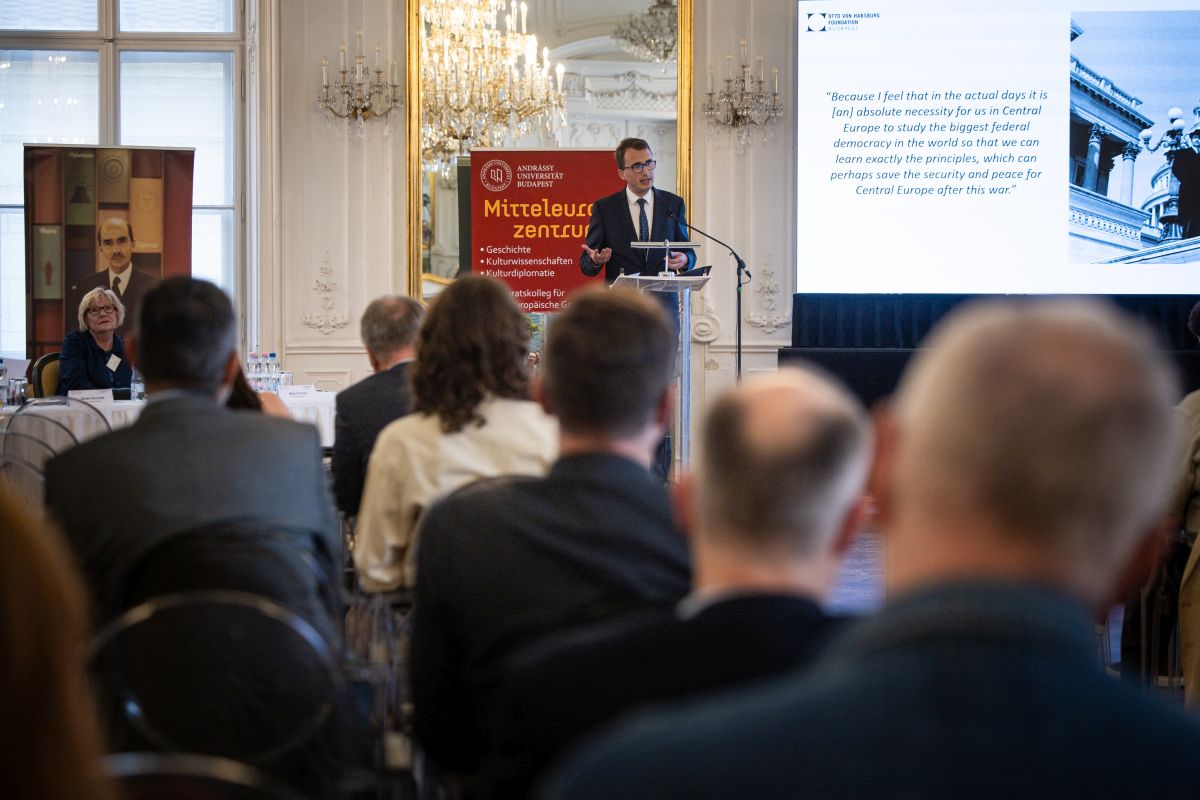
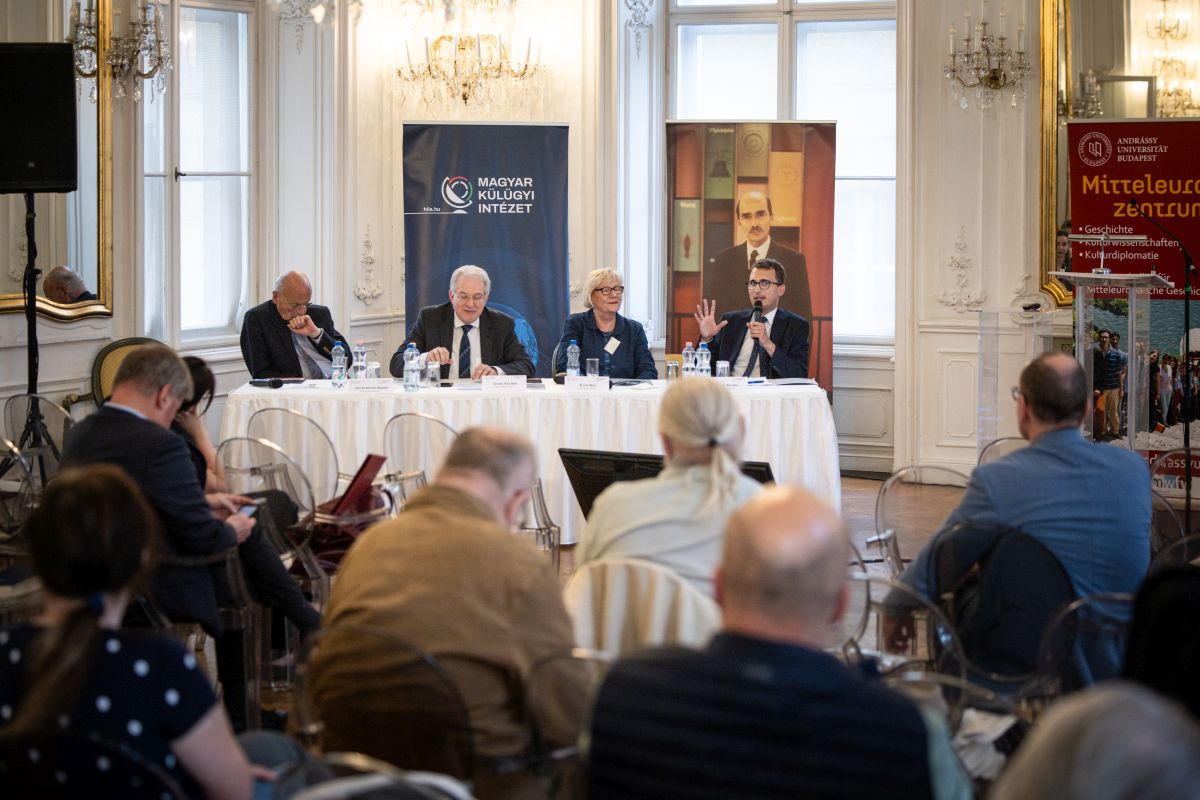
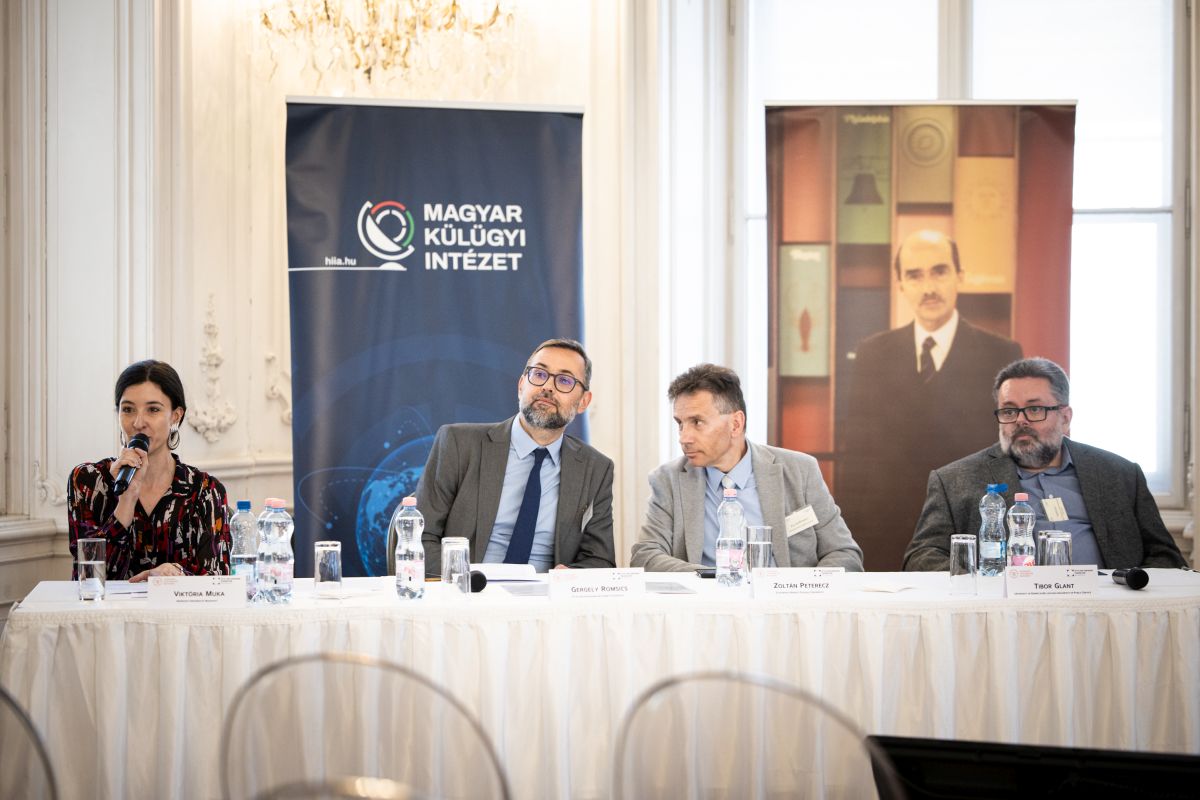
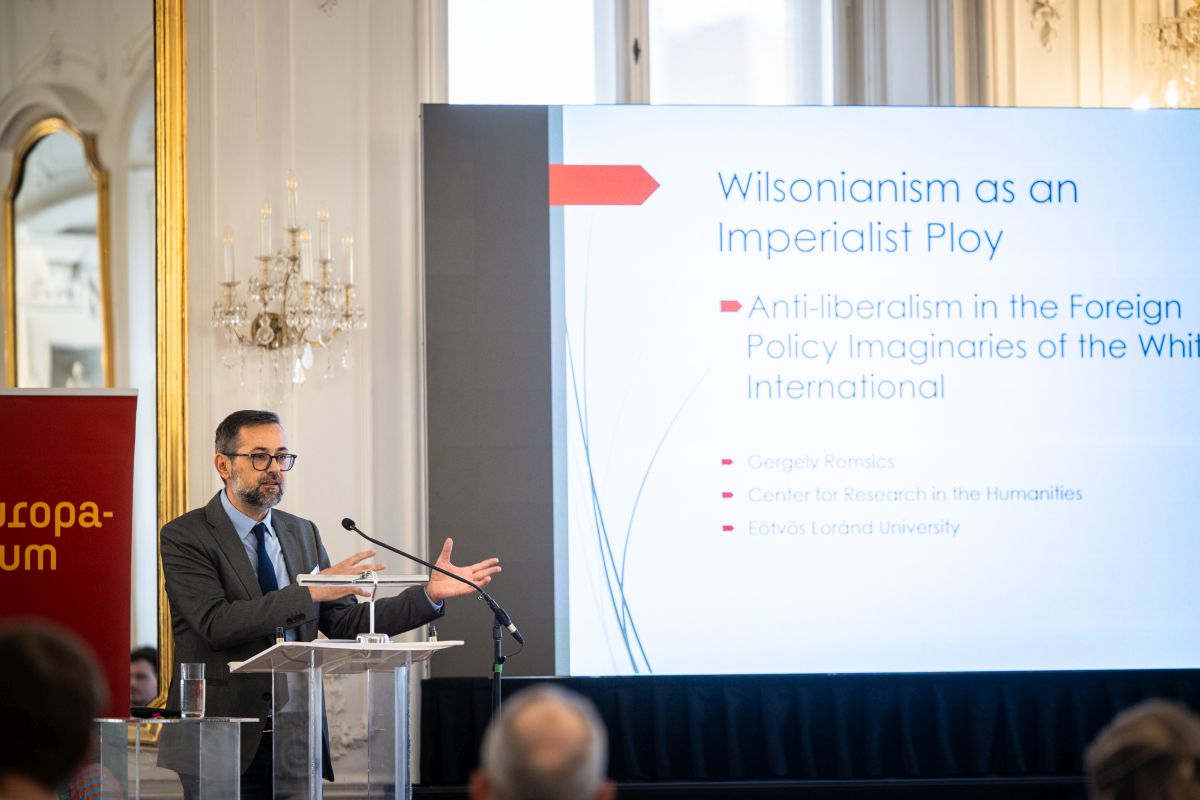
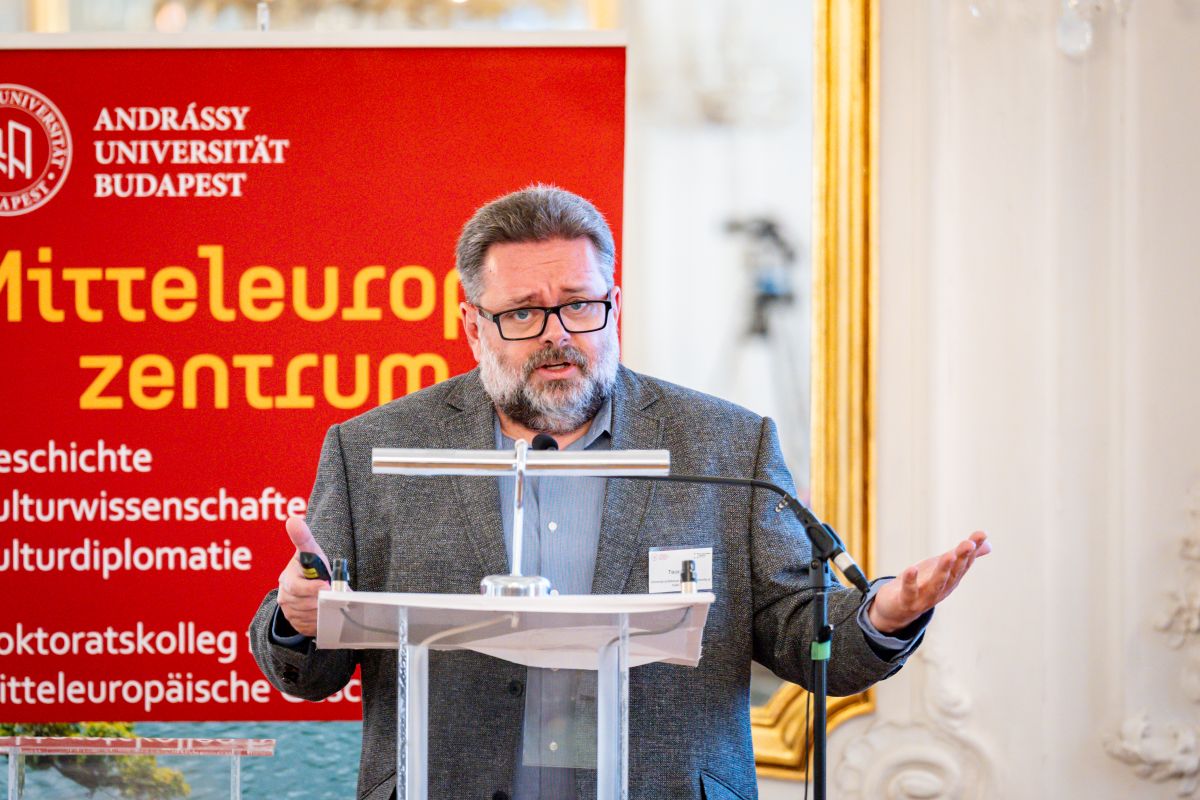
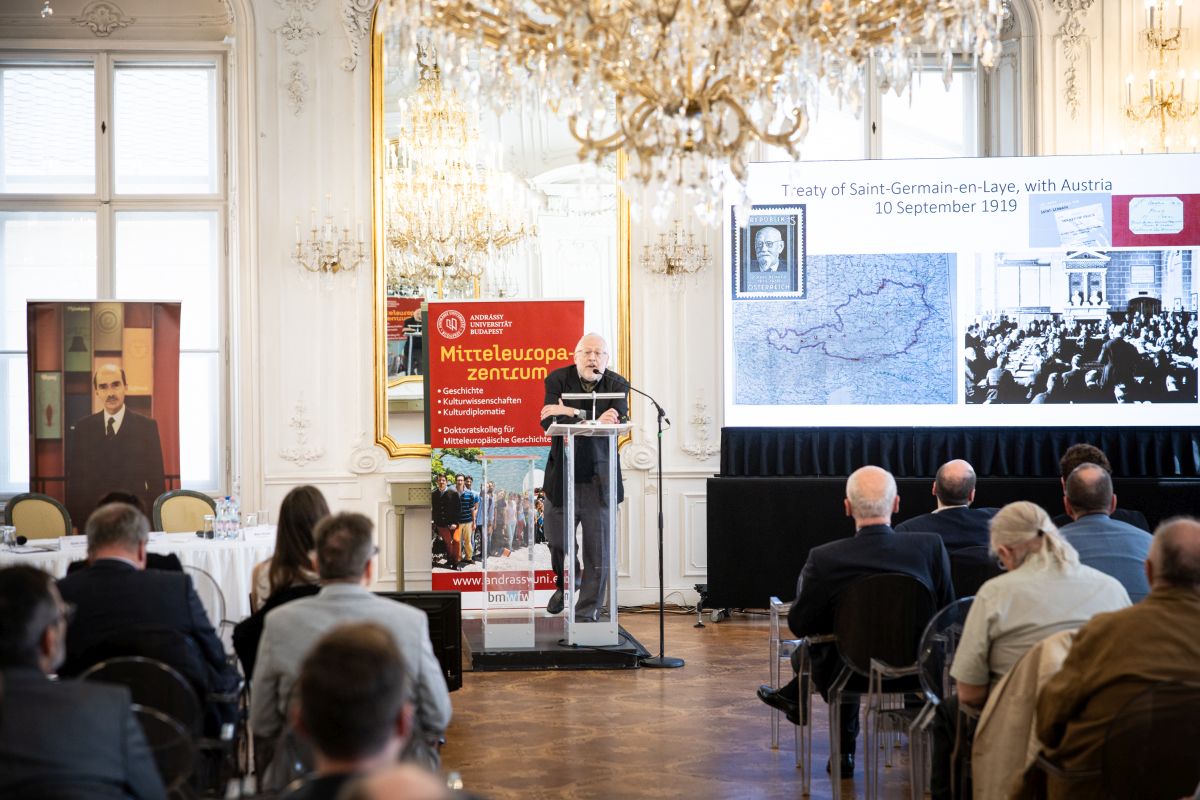
The afternoon panels turned to the political and cultural questions of the interwar period and the Cold War. Gergely Romsics (Eötvös Loránd University) discussed the roots of anti-Americanism in Central Europe after 1918. Among the contributing factors were anti-liberal sentiments and criticism of the Wilsonian settlement, widely regarded by many contemporaries as deeply flawed, alongside the reactions of peoples and ethnic groups determined to preserve their traditions and ethnic self-representations. Zoltán Peterecz (Eszterházy Károly Catholic University) interpreted American geopolitical priorities through reports written by diplomats stationed in Czechoslovakia, Poland, and Hungary. Tibor Glant (University of Debrecen) discussed the changing image of Hungary in the United States during the interwar period. While nineteenth-century America had generally viewed Hungary favourably – largely thanks to Louis Kossuth’s celebrated American tour of 1851–1852 – it was gradually overshadowed by the nationality policies of the Dual Monarchy, developments during the First World War, and the lobbying activities of ethnic interest groups.
The audience was treated to a particularly memorable lecture by Professor Larry Wolff of New York University, who spoke about the genesis and hidden political symbolism of Hugo von Hofmannsthal and Richard Strauss’s opera Die Frau ohne Schatten (The Woman Without a Shadow). Both his lecture and his recent book, The Shadow of the Empress: Fairy-Tale Opera and the End of the Habsburg Monarchy, argue that the opera is not merely a symbolic fairy tale, but also one of the most significant cultural reflections of the decline of the Habsburg Monarchy. Hofmannsthal and Strauss worked on the piece during the First World War, expecting its premiere following the victory of the German and Habsburg Empires. By the time it was first performed at the Vienna State Opera in 1919, however, the Monarchy had already collapsed and the last imperial couple, Emperor Charles and Empress Zita, had been forced into exile. Wolff demonstrated how deeply the opera’s fairy-tale world was intertwined with the political realities of the age: behind the Emperor and Empress characters loom the shadows of the Habsburg dynasty itself, while the work also reflects the moral and spiritual crisis of war-torn Europe.
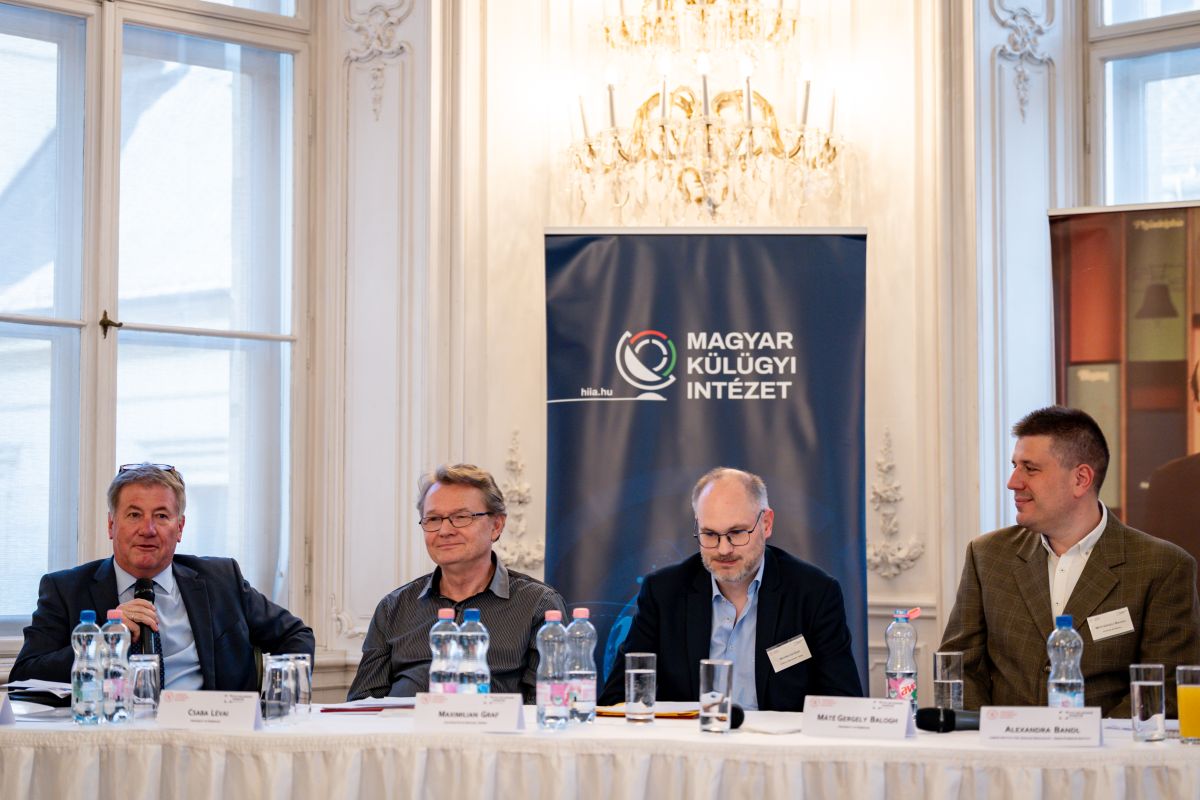
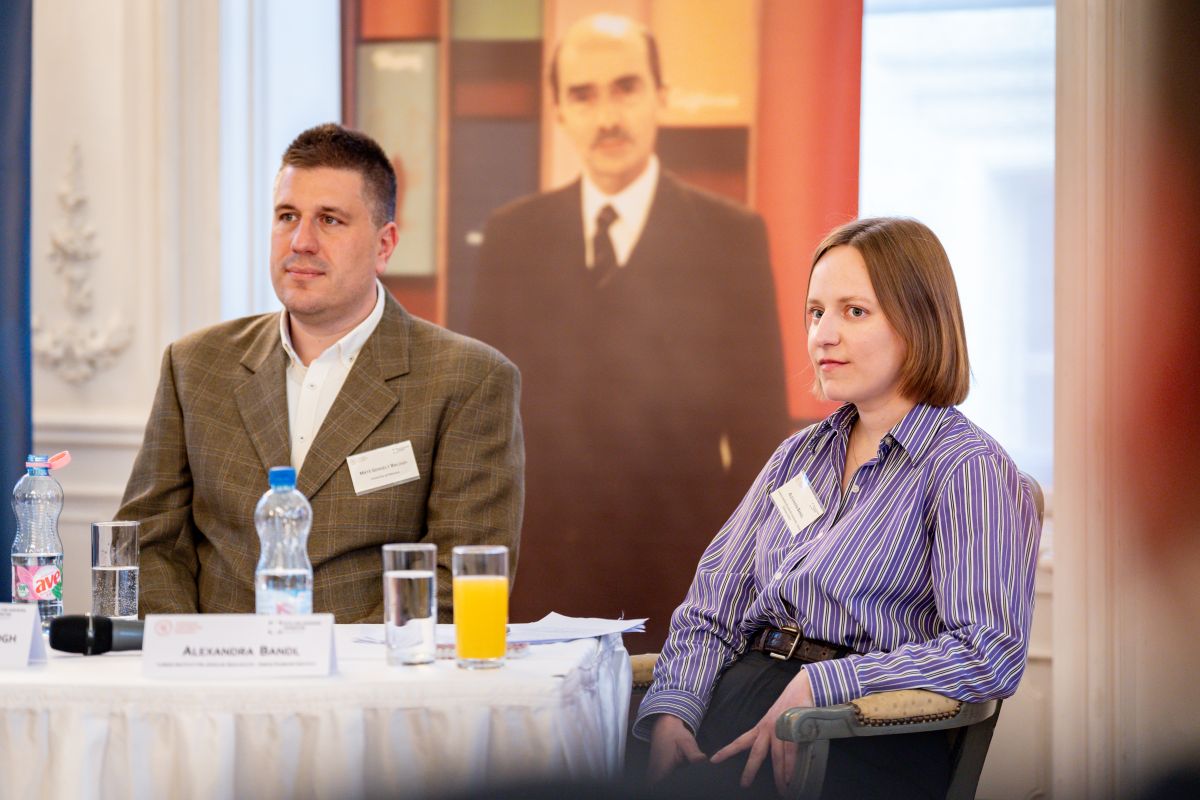
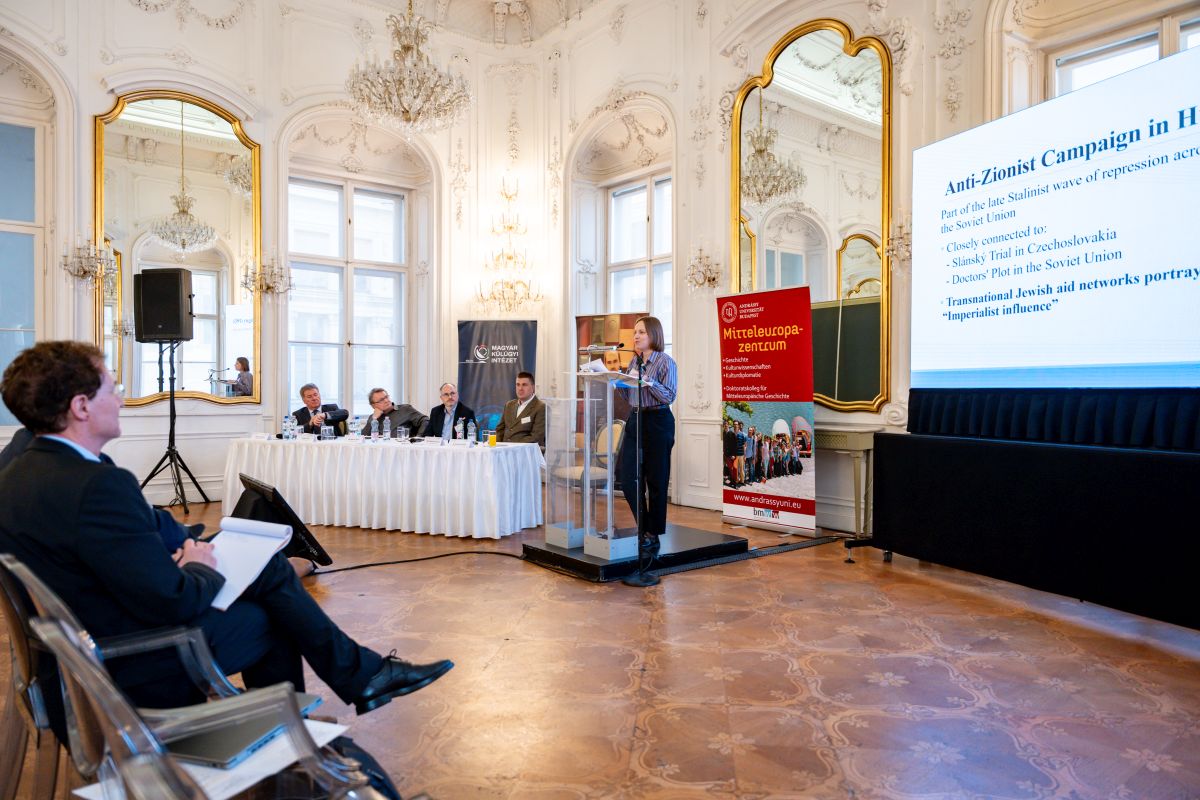

The panel devoted to the post-war period opened with a presentation by Alexandra Bandl of the Leibniz Institute for Jewish History and Culture, who placed the Hungarian show trial against the American Jewish Joint Distribution Committee (1952–1953) within the broader context of antisemitic political campaigns in Soviet East-Central Europe. Maximilian Graf (Austrian State Archives) discussed Austrian foreign policy towards the states of the region after 1945. The relationship between historical interpretation and ideology was examined by Csaba Lévai and Máté Gergely Balogh (University of Debrecen). Their presentations explored how state socialism shaped perceptions of the United States in Hungary and, to some extent, Poland. Through changing interpretations of the American Revolution, Csaba Lévai illustrated shifting ideological emphases and the evolving meanings attached to concepts such as “revolution” and “bourgeoisie”, as well as the accessibility of Western scholarship in different periods. Máté Gergely Balogh examined how the Hungarian state security apparatus portrayed the American political system: official reports frequently depicted American democracy as a mere “bourgeois façade” concealing the alleged symptoms of a crisis of capitalism.
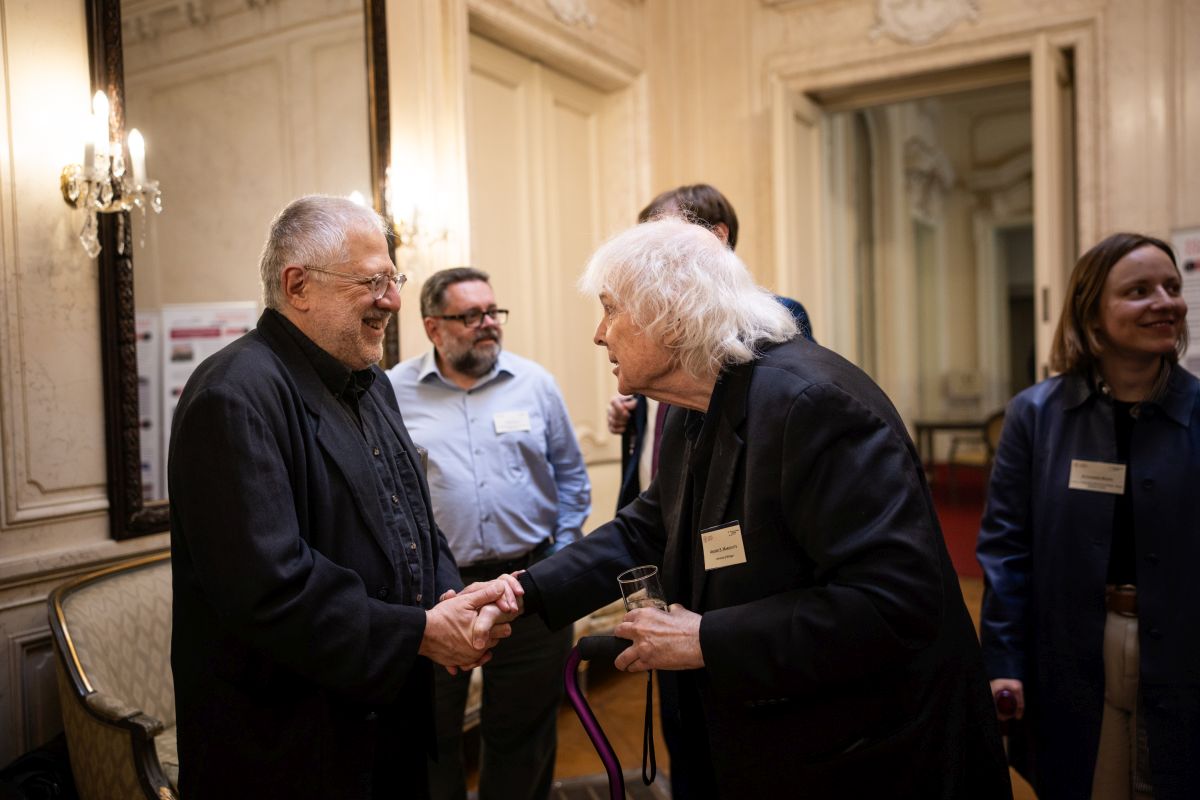
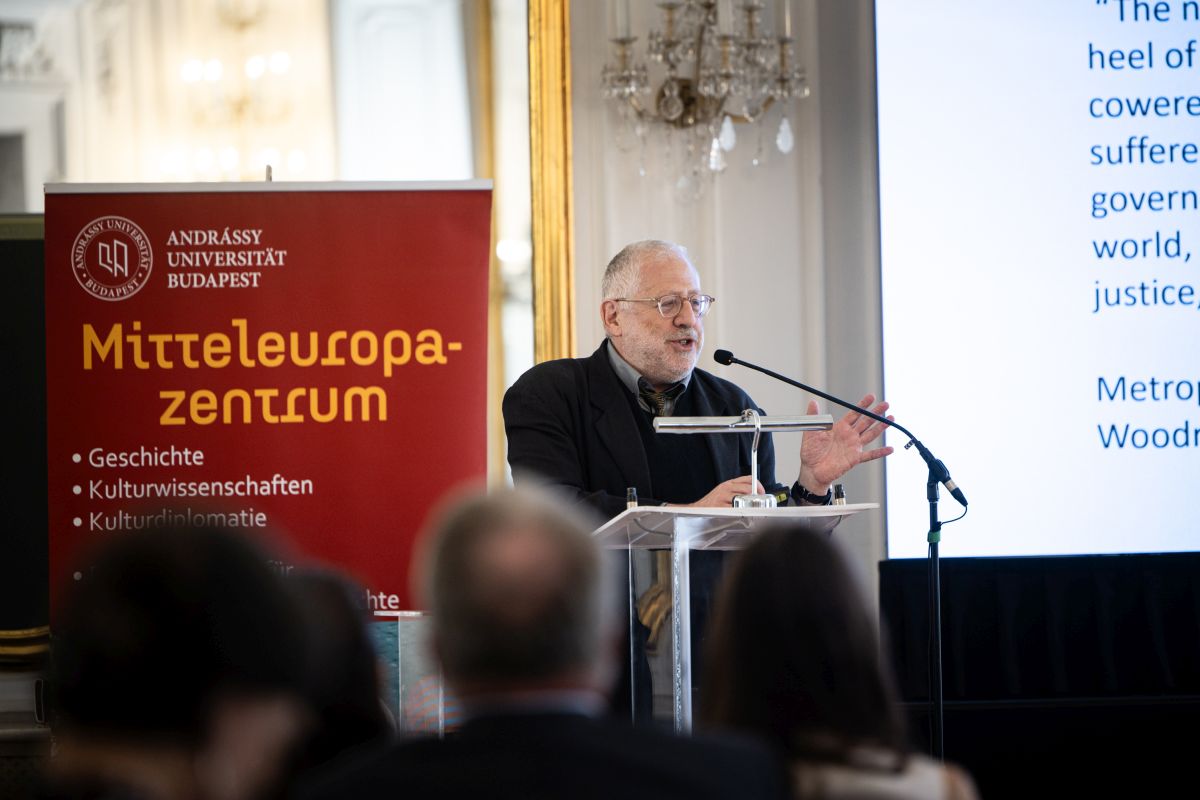
Friday concluded with a deeply personal lecture by Professor Andrei S. Markovits (University of Michigan), reflecting on his life journey from the Habsburg world to America. The political scientist and Germanist scholar, born in Timișoara, recalled his multicultural childhood, his years at Vienna’s Theresianum boarding school following his family’s emigration in 1960, his settlement overseas, and his subsequent academic career, which led him to Columbia University and Harvard University. Throughout his life, he encountered an extraordinary number of eminent scholars, whom he evokes in his memoir The Passport as Home: Comfort in Rootlessness.
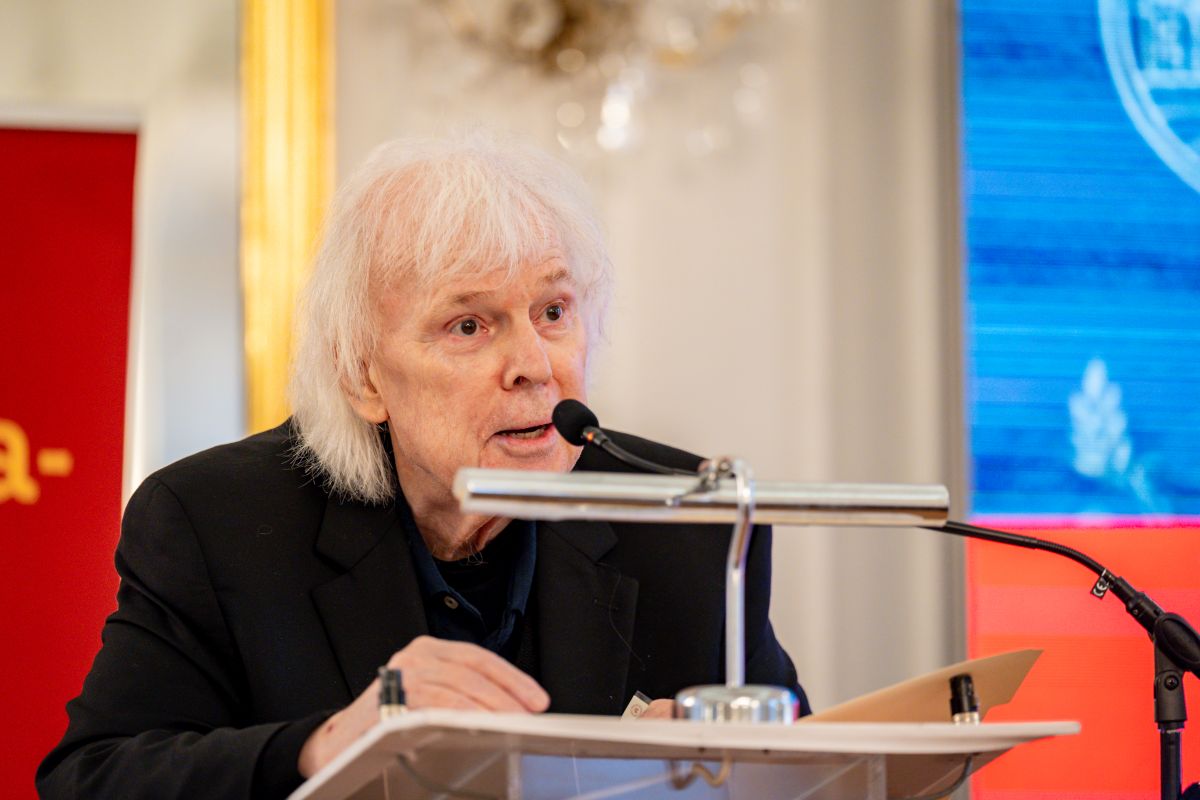
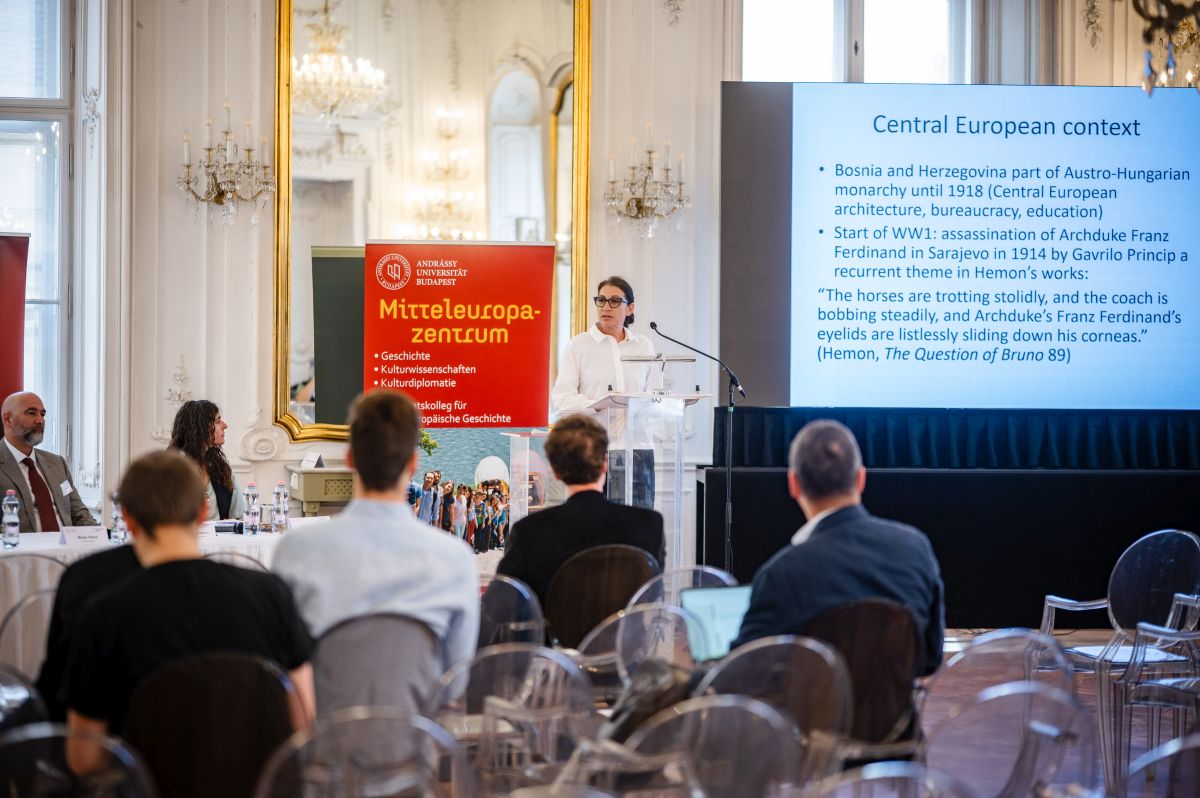
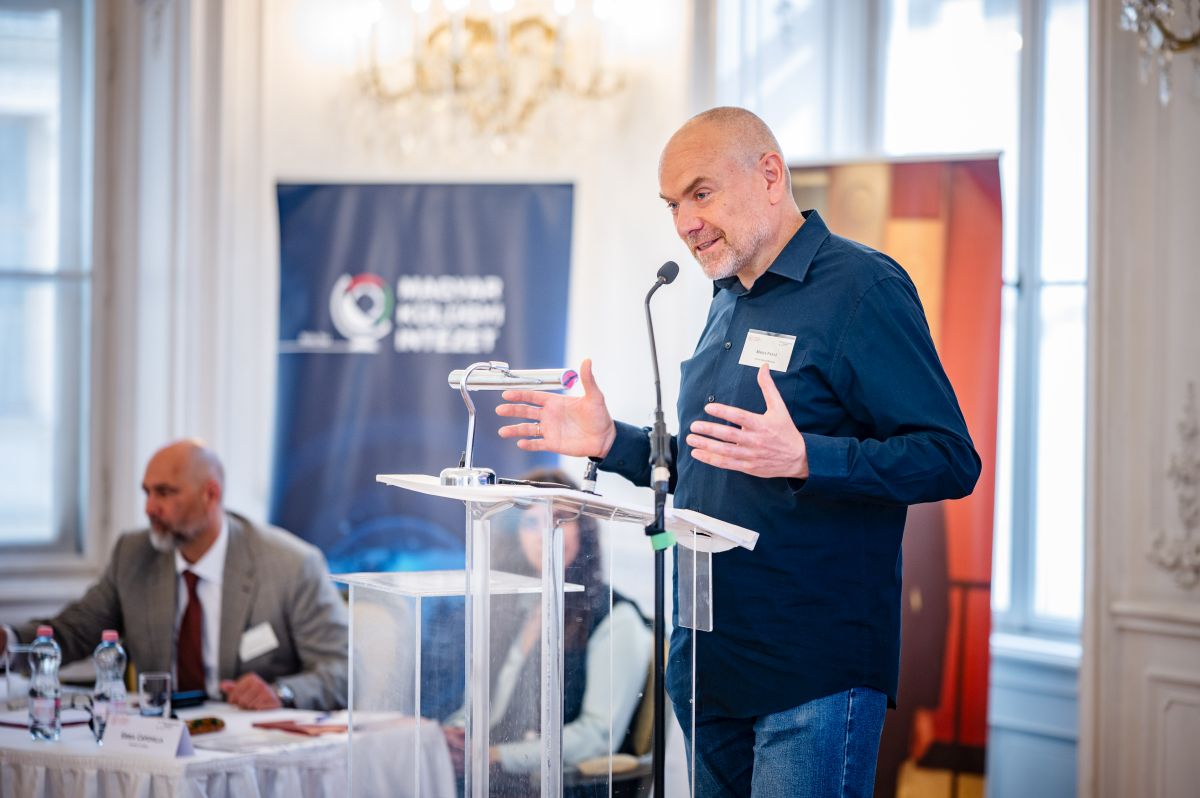
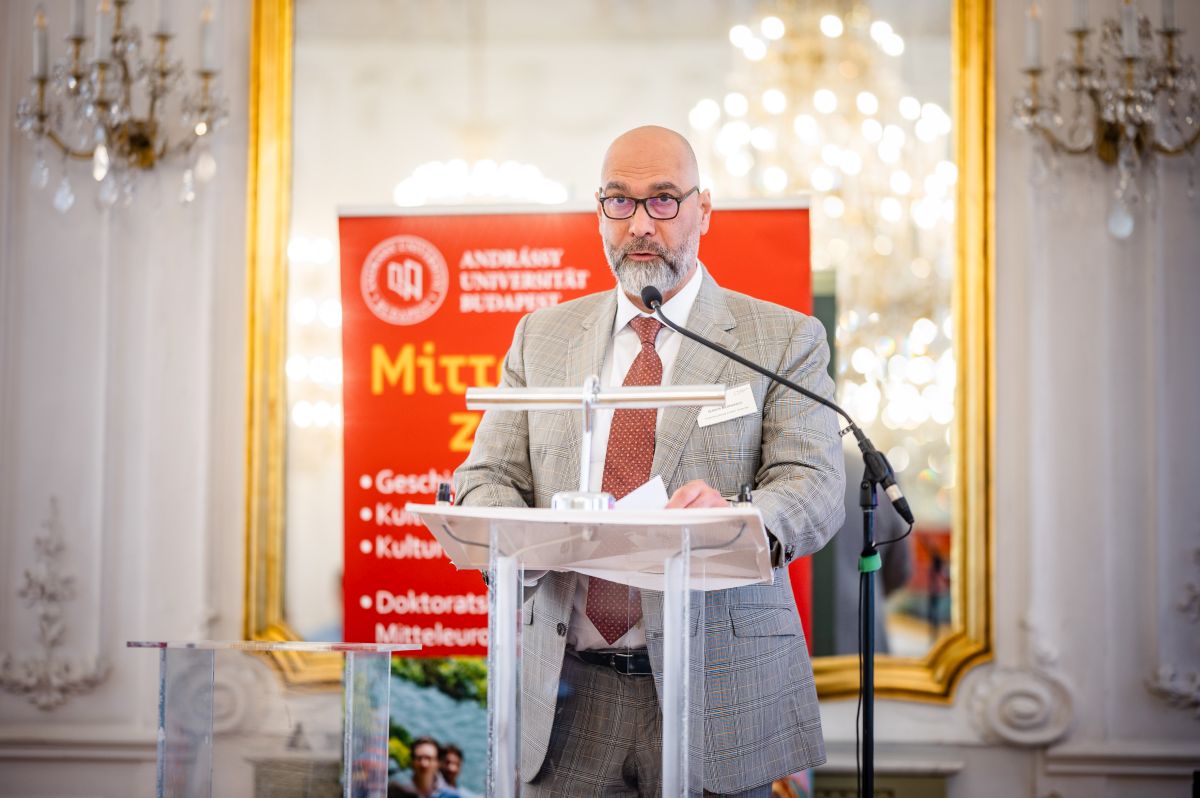
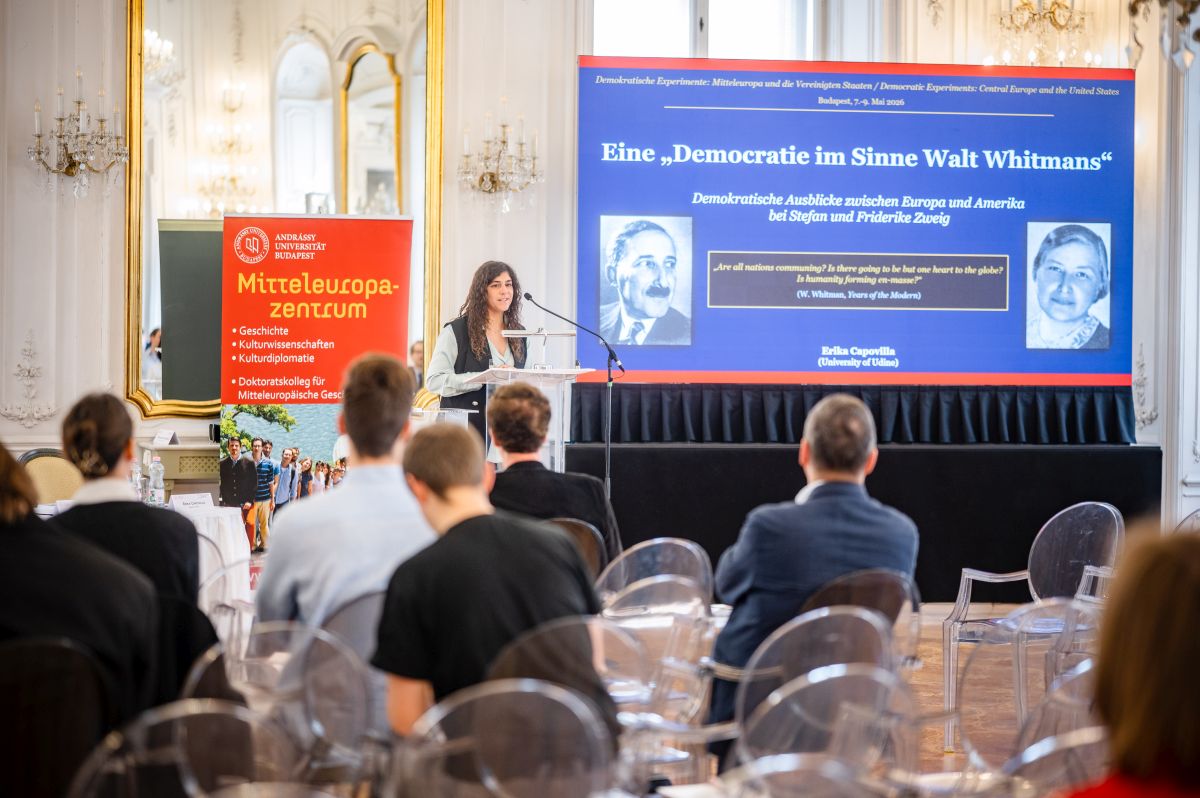
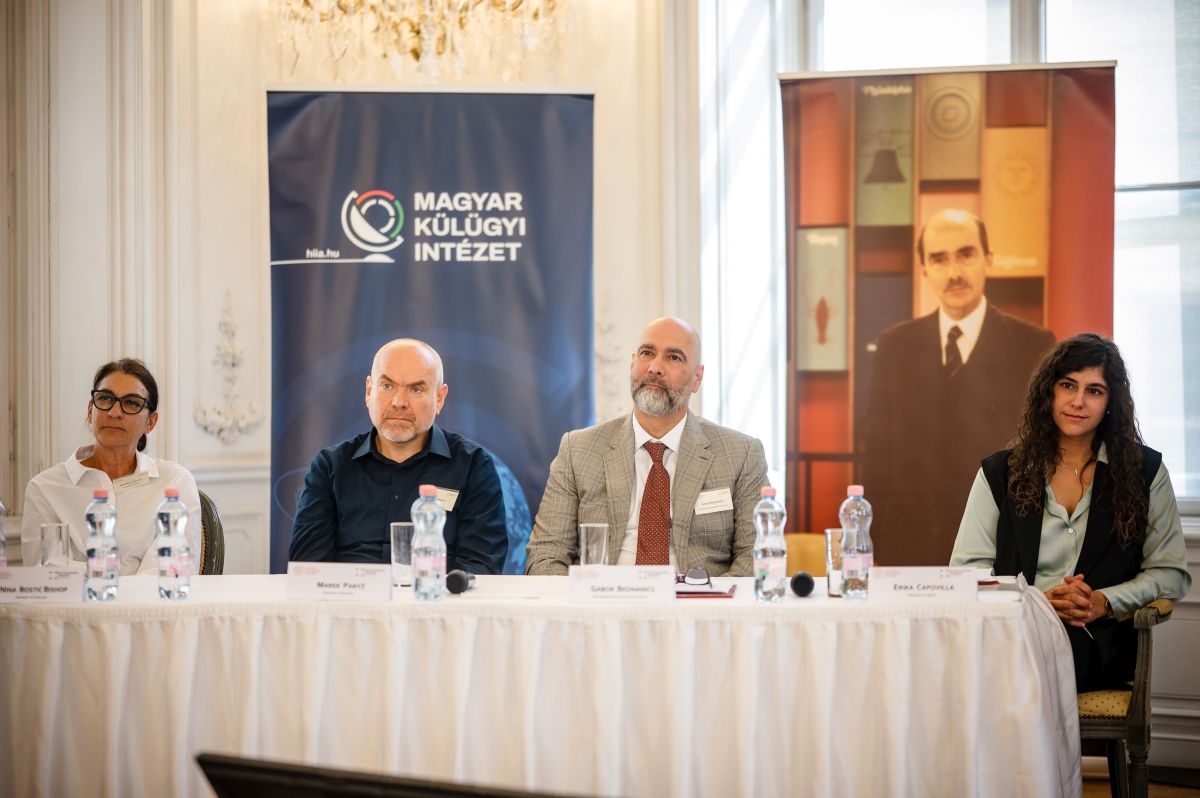
The conference’s closing day on Saturday focused on transatlantic connections in literature, federalism, and economic thought. In the literary studies section, Nina Bostić Bishop (University of Ljubljana) explored the phenomenon of translingualism through the works of Sarajevo-born American writer Aleksandar Hemon, demonstrating how existence between two languages and cultures can become not a disadvantage but a source of strength. As she quoted: “If you speak English with an accent, it means you know another language.” Polish scholar Marek Paryż compared the writings of Henryk Sienkiewicz and the American travel accounts of Krystyna Narbuttówna from the 1870s, examining how Central European authors perceived America beyond the romantic mythology of the Wild West. Gábor Bednanics (Eszterházy Károly Catholic University) focused on the relationship between early twentieth-century Hungarian literature and American modernity, including Walt Whitman’s influence on the thought and poetry of Lajos Kassák. Whitman also occupied a central place in Erika Capovilla’s lecture (University of Udine): for Stefan Zweig, the American poet represented the possibility of linking democracy, Europe, and humanism amid the crises of the interwar years.
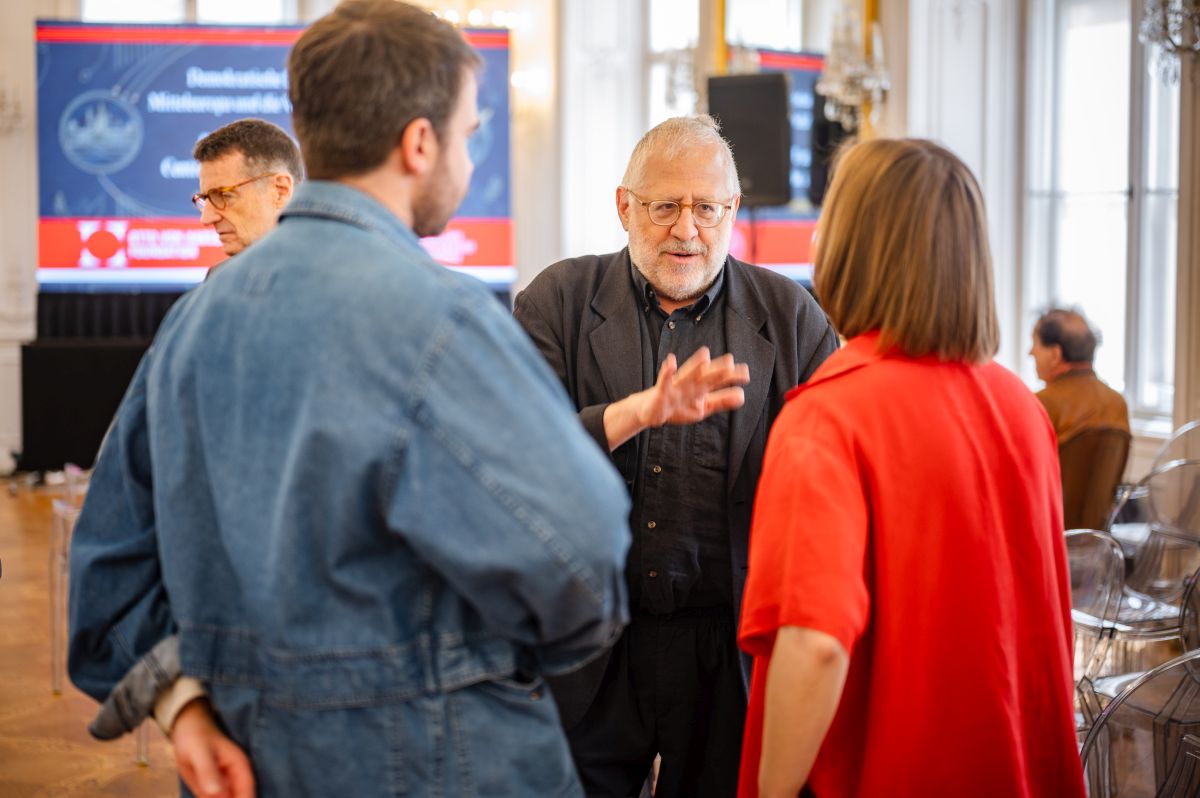
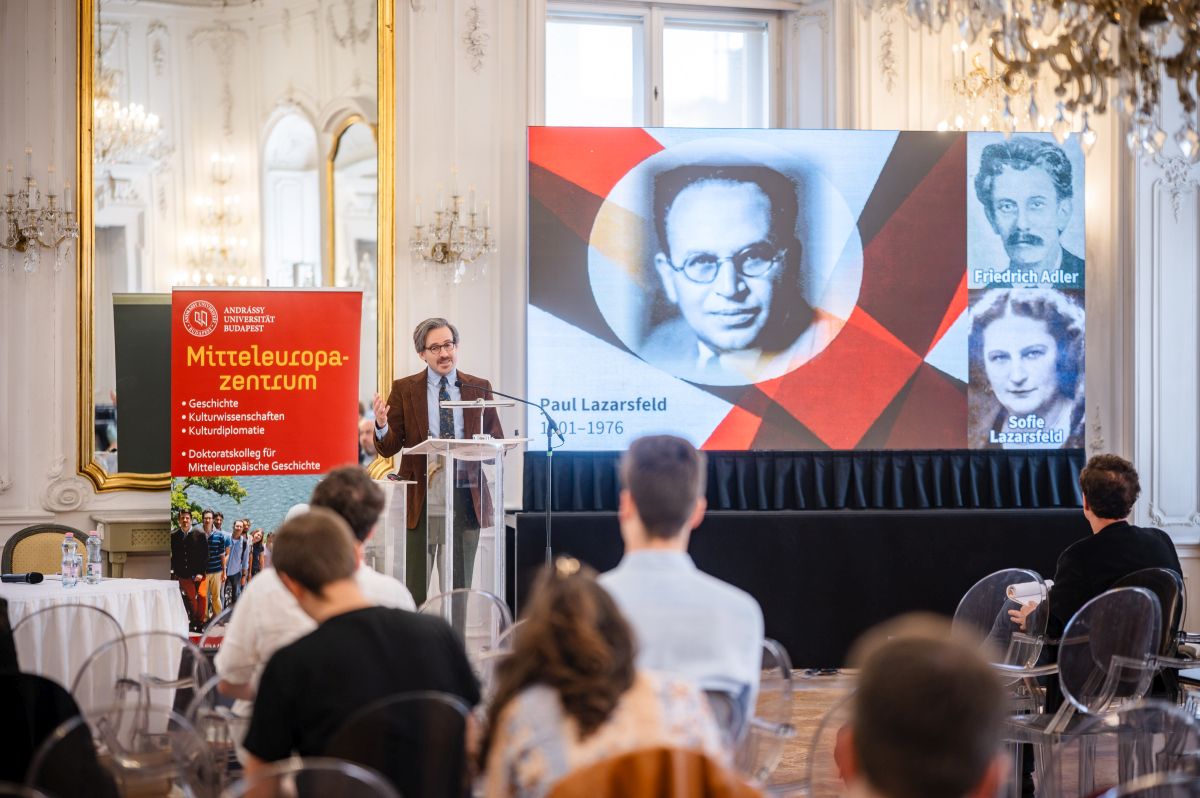
The final panel of the day addressed questions of federalism and socio-economic models. Historian Siebo M. H. Janssen compared the state structure of Bosnia and Herzegovina with the historical development of the Belgian federal system, while emphasising that the differences between the two models are greater than the similarities. During the discussion, participants even raised the possibility that Lebanon might, in certain respects, provide a closer parallel to the Bosnian situation. Joseph Malherek (York College of Pennsylvania) demonstrated how twentieth-century American business and urban culture were shaped by Central European émigré left-wing intellectuals. He focused particularly on Paul Lazarsfeld and Viktor Gruen, whose research and innovations fundamentally transformed the urban landscape of the Western world – from shopping malls to plazas – and, through changing patterns of consumption, society itself. The lecture also addressed the influence of László Moholy-Nagy on design and visual culture, illustrating the profound impact Central European émigrés had on American modernity.
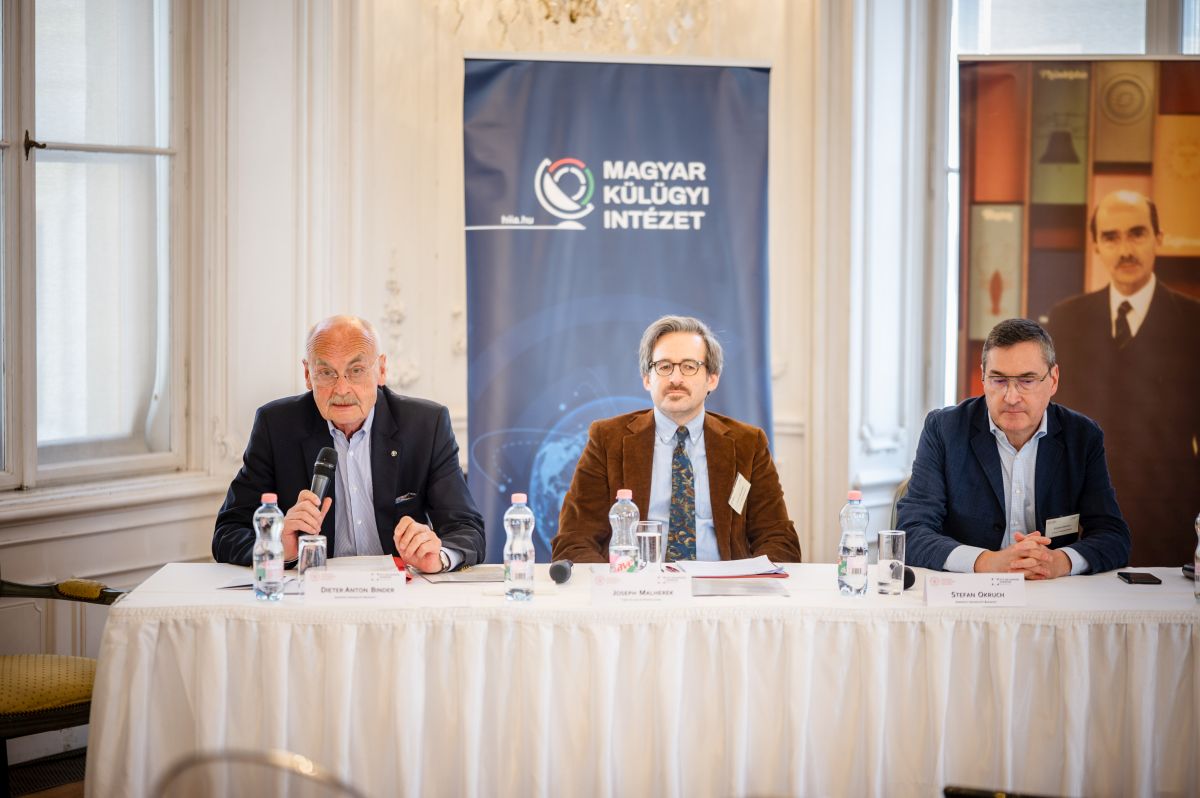
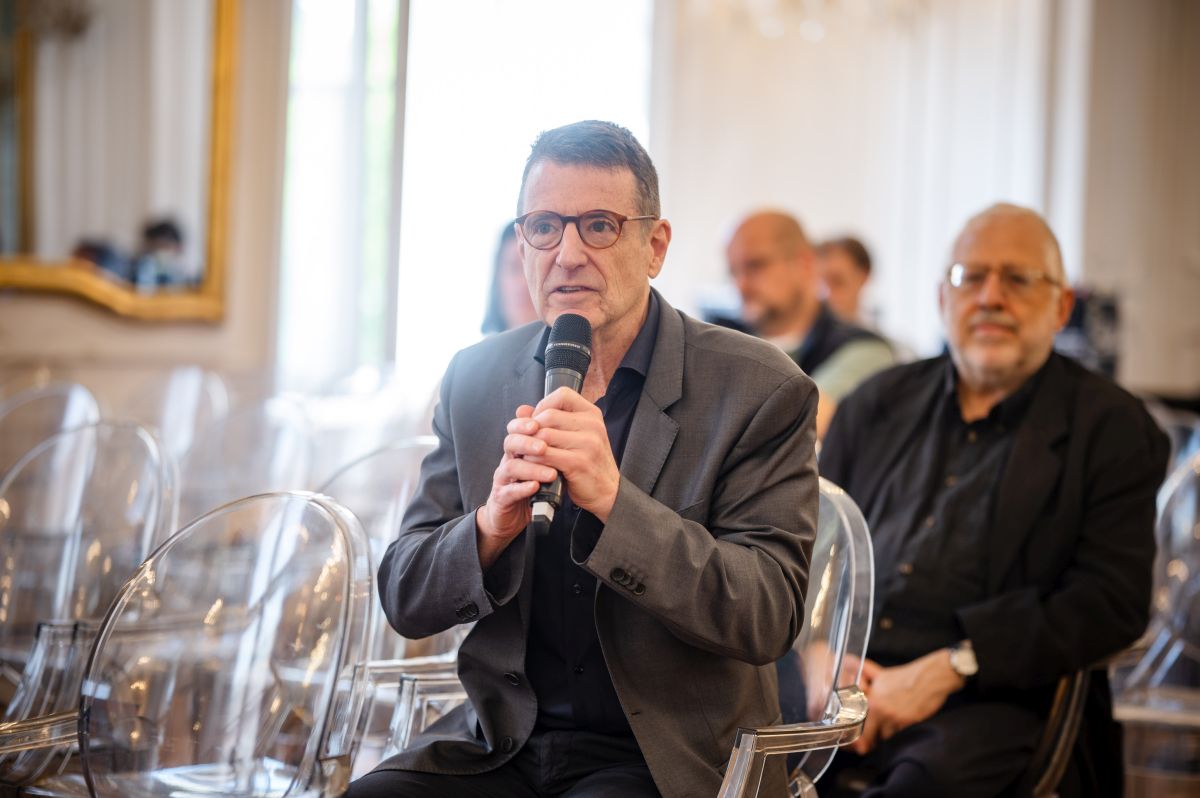
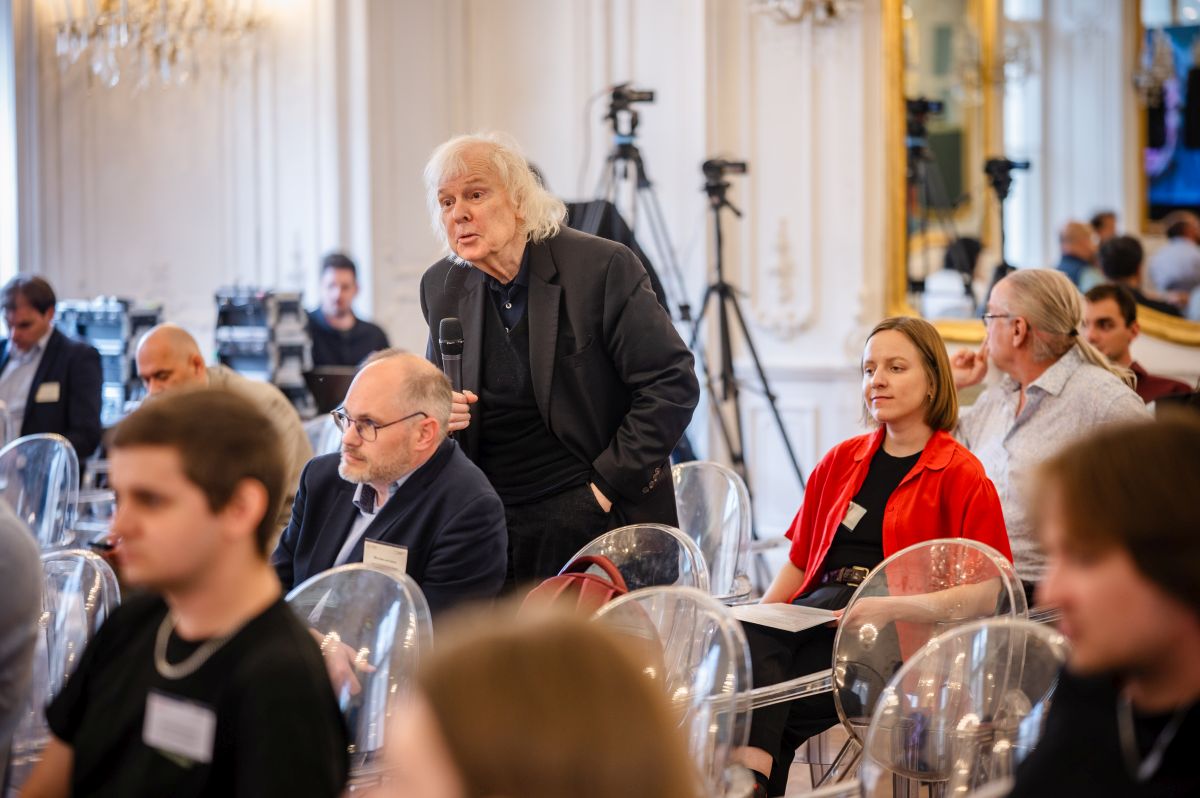
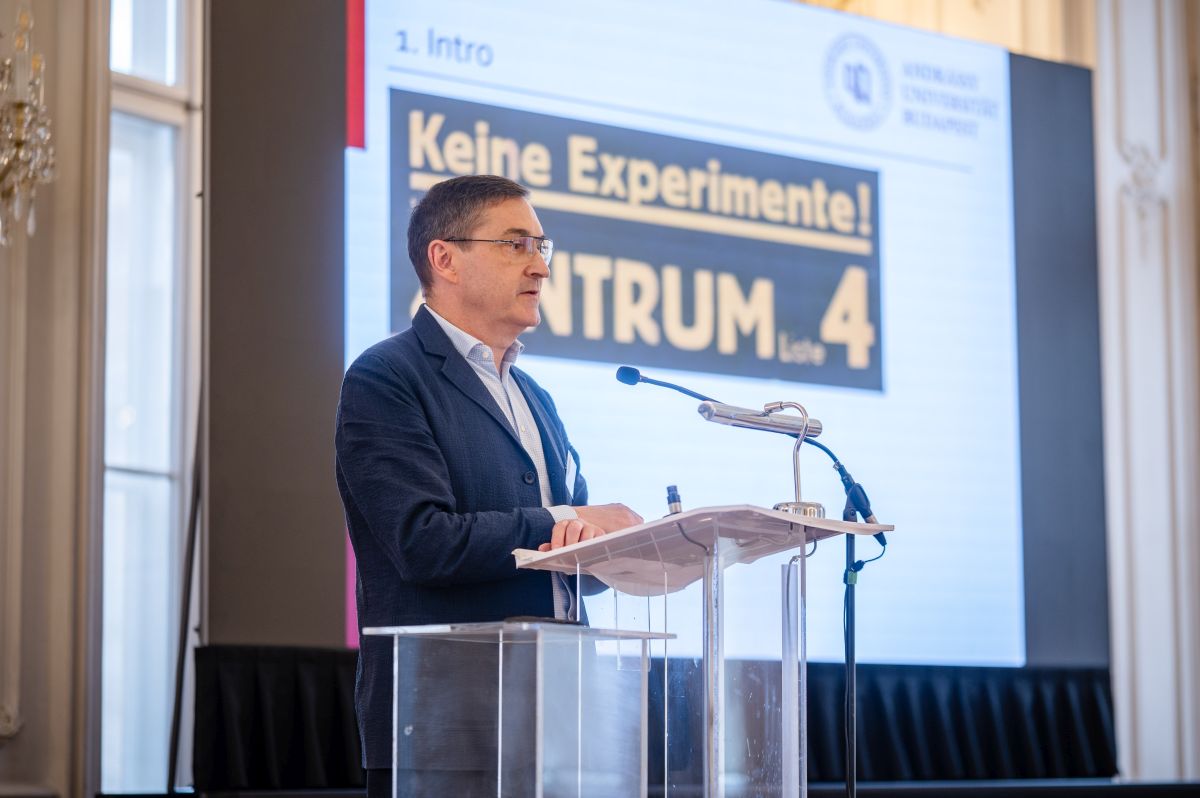
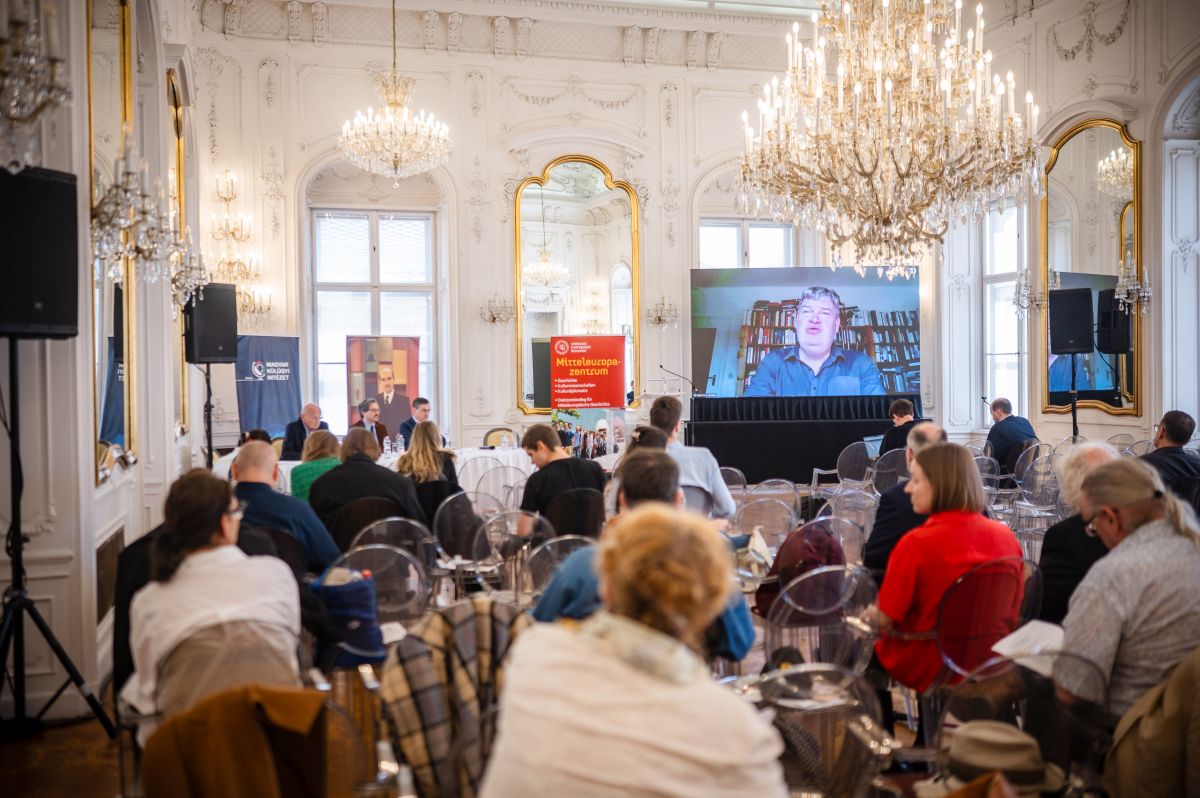
The three-day symposium not only offered fresh historical and political perspectives but also demonstrated that questions concerning democratic thought and transatlantic relations remain subjects of vivid contemporary debate. The diversity of the programme – spanning political thought, literature, geopolitics, and cultural history – highlighted that the relationship between Central Europe and the United States is not merely a diplomatic or historical matter, but also a shared cultural and intellectual experience.