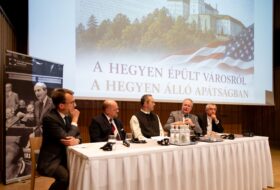
Pieter M. Judson (b. 1956) earned his PhD from Columbia University in 1997, pursuing a dissertation topic recommended to him by the Hungarian historian István Deák, who taught at the university. His research focuses on the political, social, and cultural aspects of nineteenth- and twentieth-century Central European history, with particular emphasis on the Habsburg Monarchy. His intellectual interests encompass the interactions between liberalism, nationalism, government, national identities, and imperial ambitions. Throughout his career, he has received numerous prestigious fellowships, and several of his books have earned wide recognition within the historical profession. He is currently Professor Emeritus at the European University Institute in Florence.
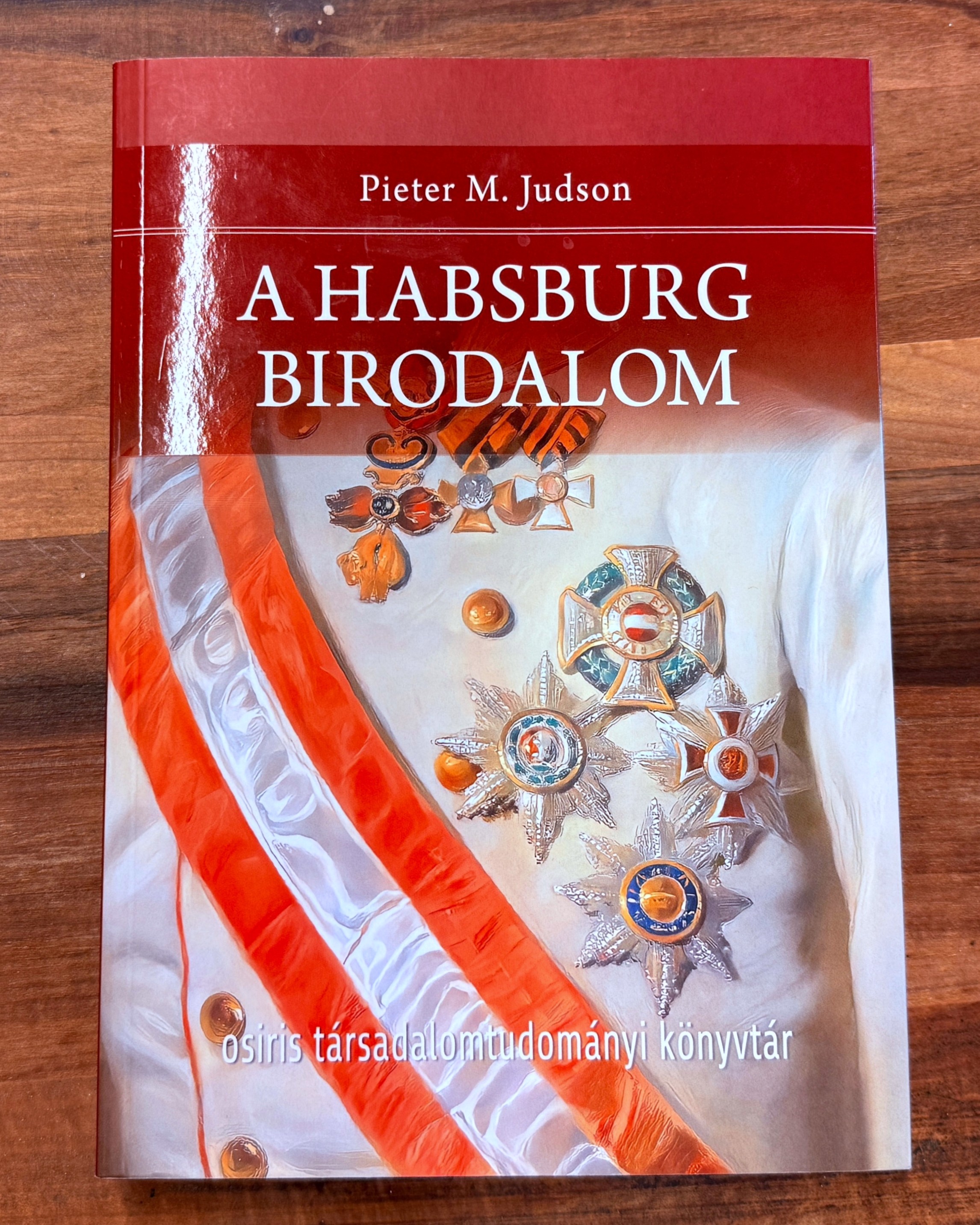
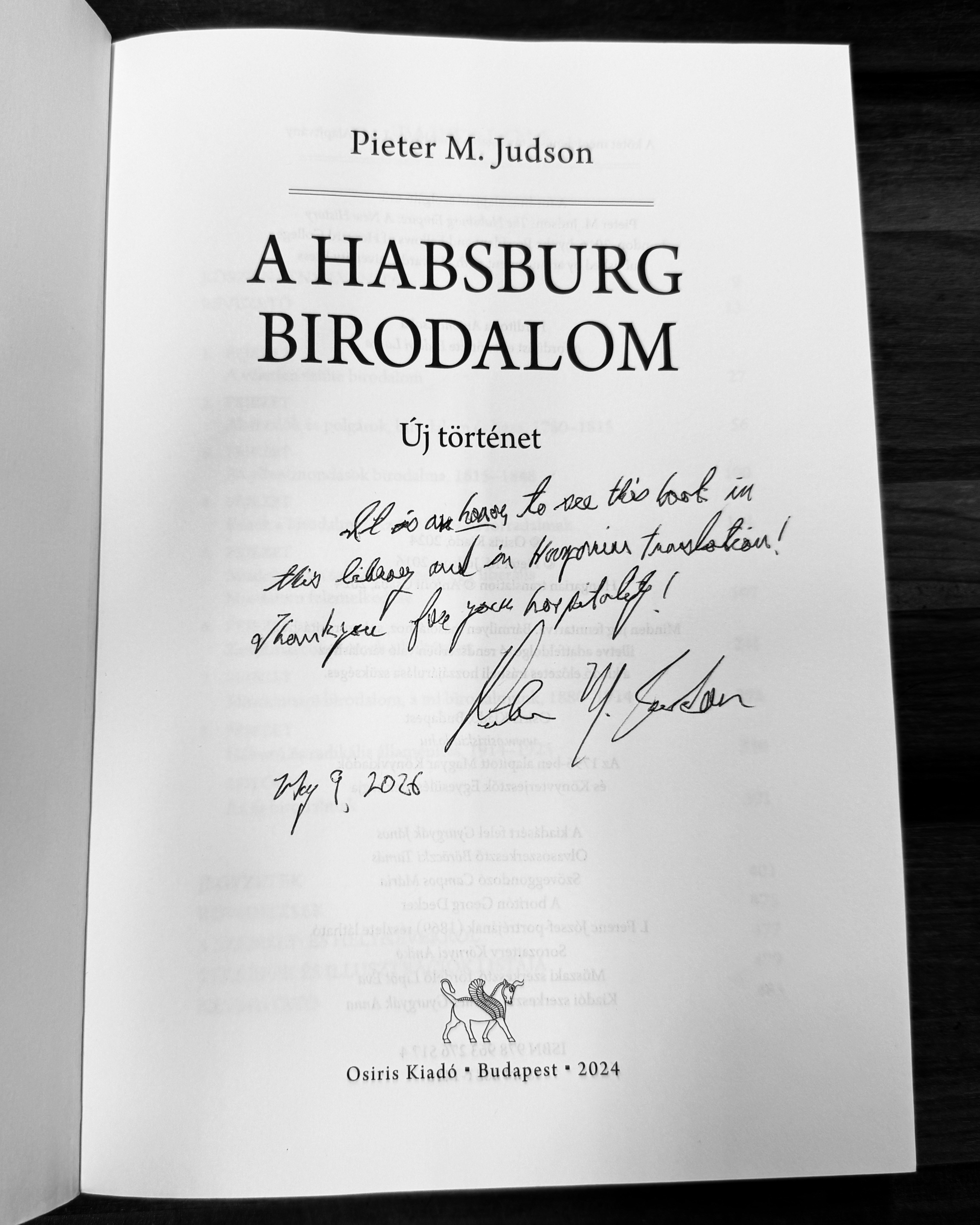
Judson’s lecture on 7 May was entitled “19th-Century Liberal Democracy, Habsburg Monarchy Style.” In his presentation, he examined the elements of the Monarchy’s liberal politics and social vision: an economy based on private property, the ideal of the self-improving individual, and the concept of harmonious coexistence among peoples capable of overcoming the divisions separating human communities. He also explored how this ideological framework responded to the strengthening of nationalism from the 1880s until the outbreak of the First World War. During his visit, Professor Judson dedicated to our Foundation the recently published Hungarian edition of his book The Habsburg Empire: A New History.
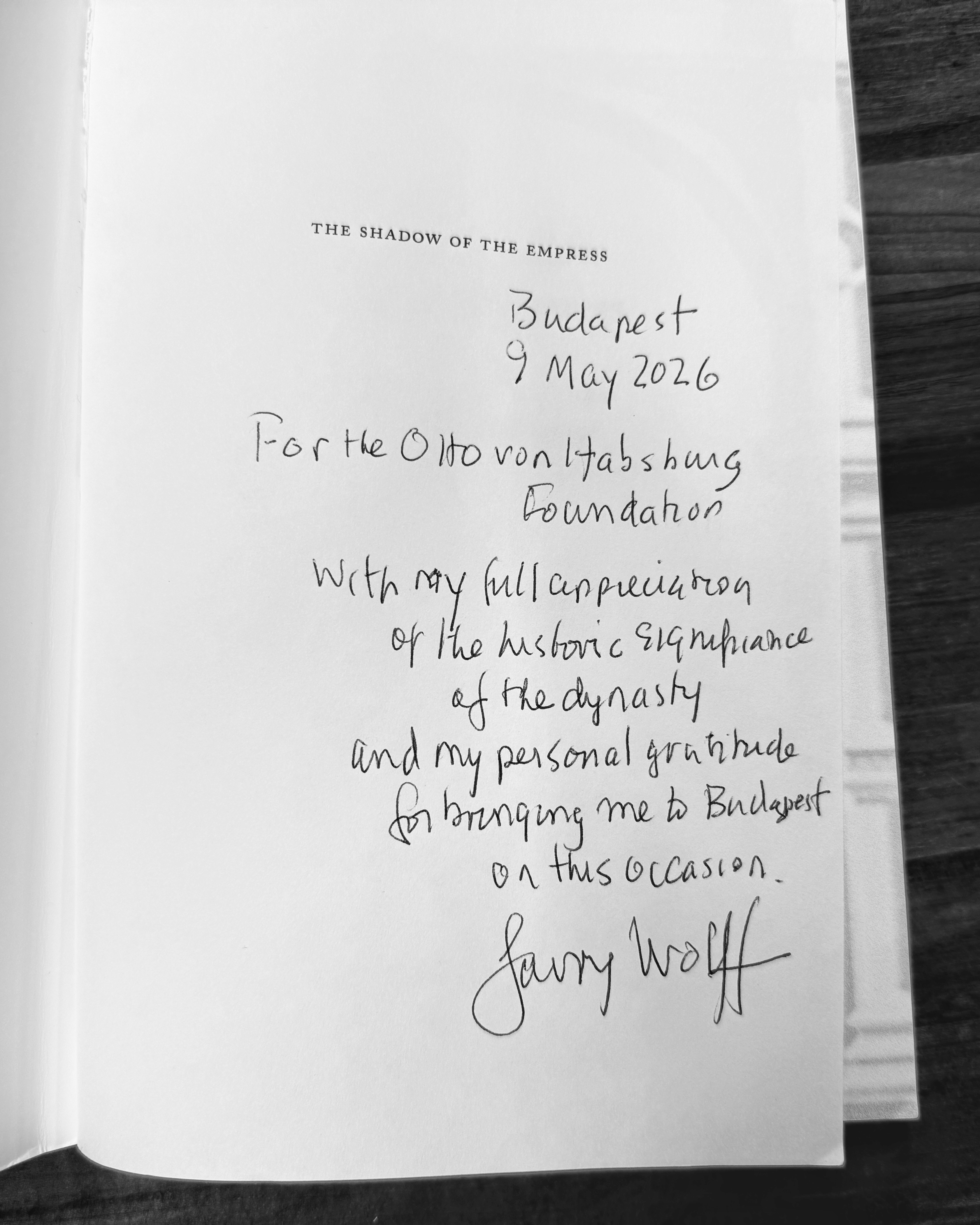
Larry Wolff (b. 1957) is Professor at New York University, Director of the NYU Center for European and Mediterranean Studies, and Executive Director of the NYU Remarque Institute. A specialist in Eastern Europe, the Habsburg Empire, and the Enlightenment, his cultural-historical investigations focus on the intellectual spheres connecting different cultural worlds – East and West, the Vatican and Poland, Venice and Dalmatia, Vienna and Galicia.
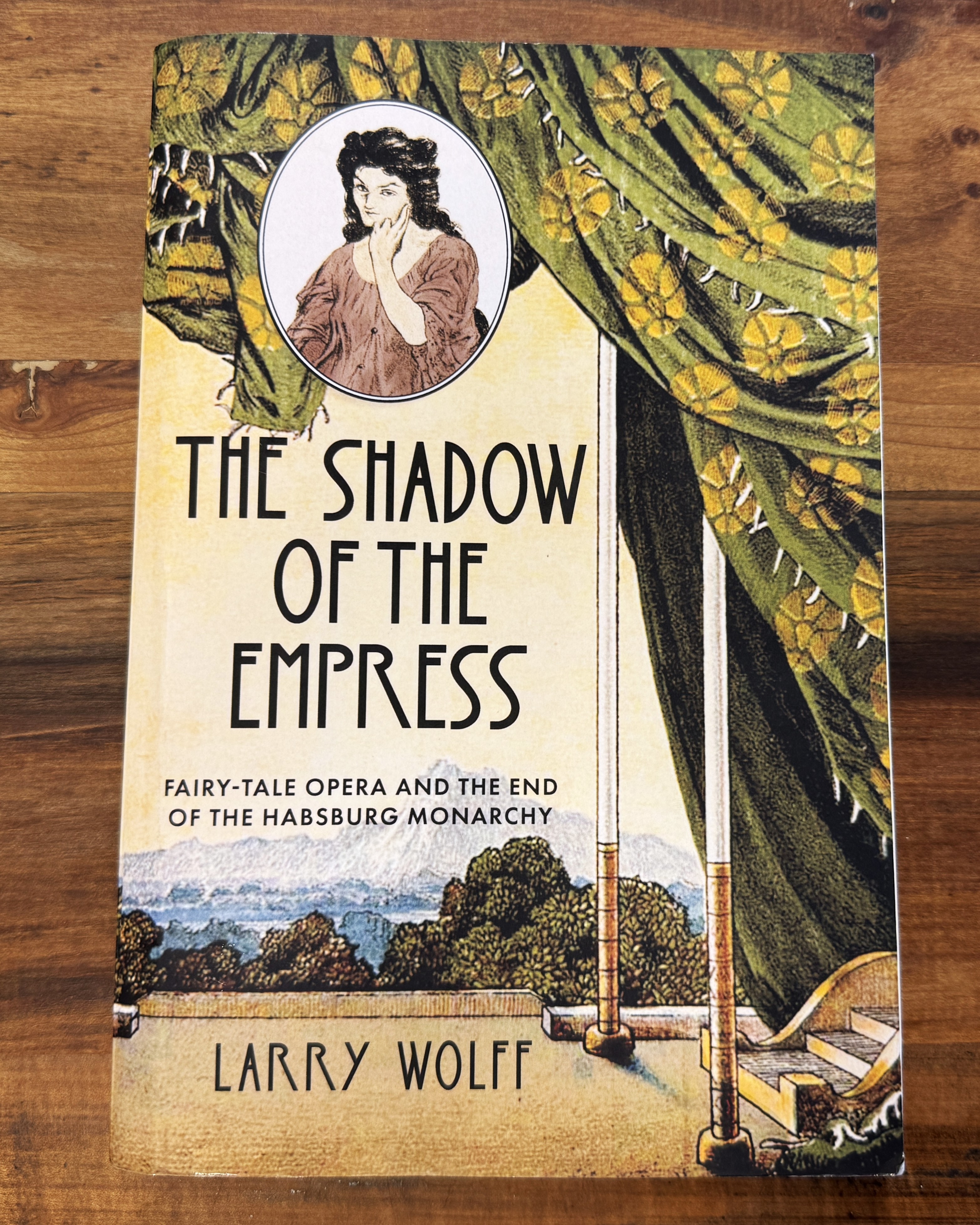
His conference lecture was devoted to the First World War-era collaboration between Hugo von Hofmannsthal and Richard Strauss. In a fascinating presentation enriched with musical excerpts, he discussed the hidden political references in Die Frau ohne Schatten (The Woman Without a Shadow), interpreting the work as an allegory of the decline of the Habsburg Monarchy. His book on the subject was published under the title The Shadow of the Empress: Fairy-Tale Opera and the End of the Habsburg Monarchy.
Andrei S. Markovits (b. 1948) was born in Timișoara and moved with his family to Vienna at the age of ten, where he graduated from the prestigious Theresianum. He subsequently moved to New York, earning a doctorate in political science from Columbia University in 1976. For more than two decades, he worked at Harvard University’s Center for European Studies. He has taught at numerous American and European universities and is currently Professor of Comparative Politics and German Studies at the University of Michigan. His research interests include German and Austrian politics, antisemitism, anti-Americanism, the history of modern European social democratic parties and movements, social movements, and comparative sports studies.
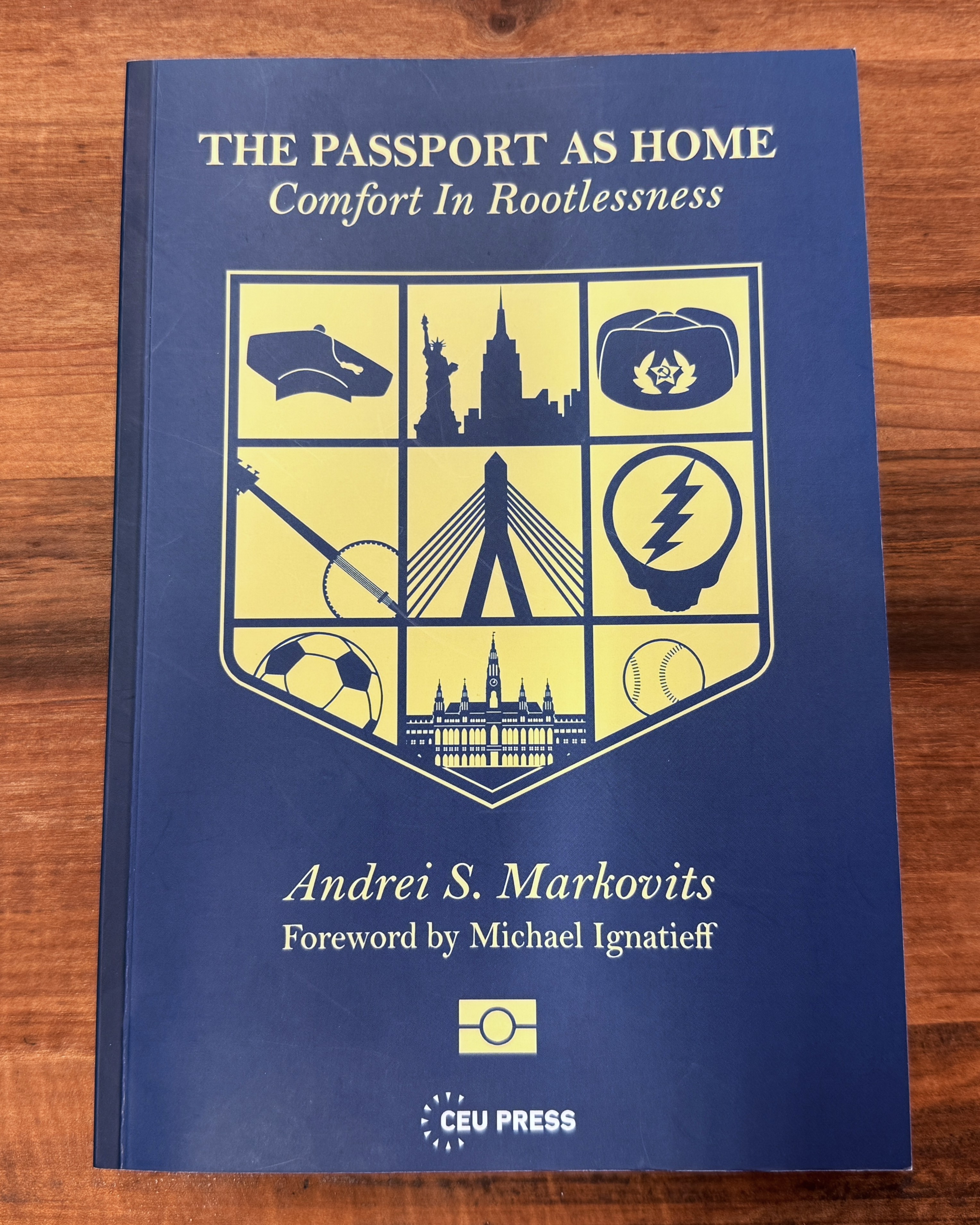
In his deeply personal conference lecture, “From Temesvár to Michigan: A Habsburg Journey to Transatlantic Life,” Markovits recalled his childhood in a multiethnic environment, his secondary school years following his family’s emigration in 1958, and his eventual settlement overseas. He also reflected on his academic career, which led him to professorships at Columbia and Harvard. Along his life journey, he encountered many exceptionally gifted individuals, whose memory he preserved in his memoir The Passport as Home: Comfort in Rootlessness.
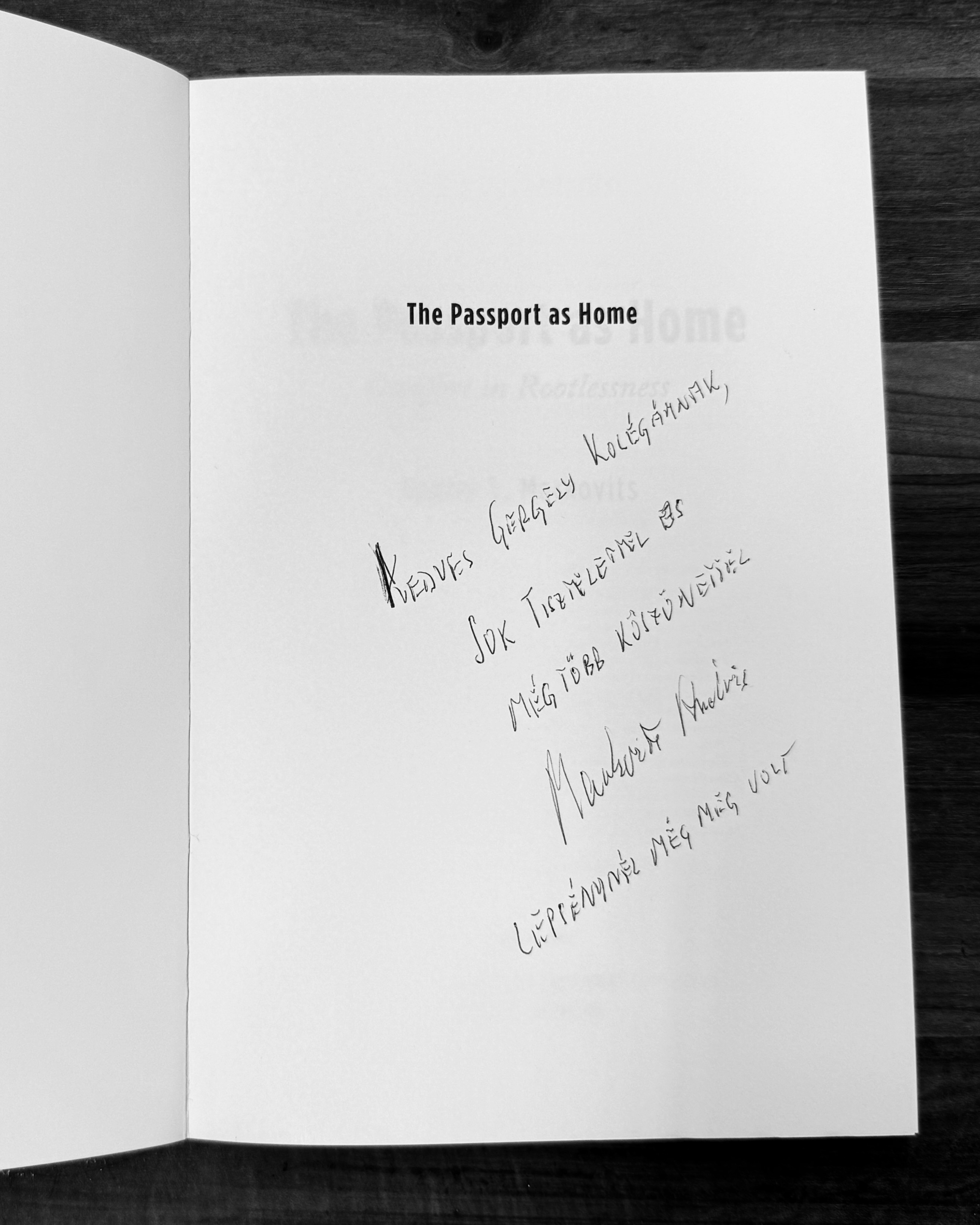
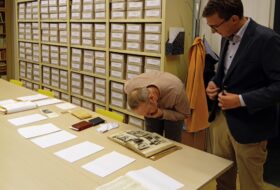
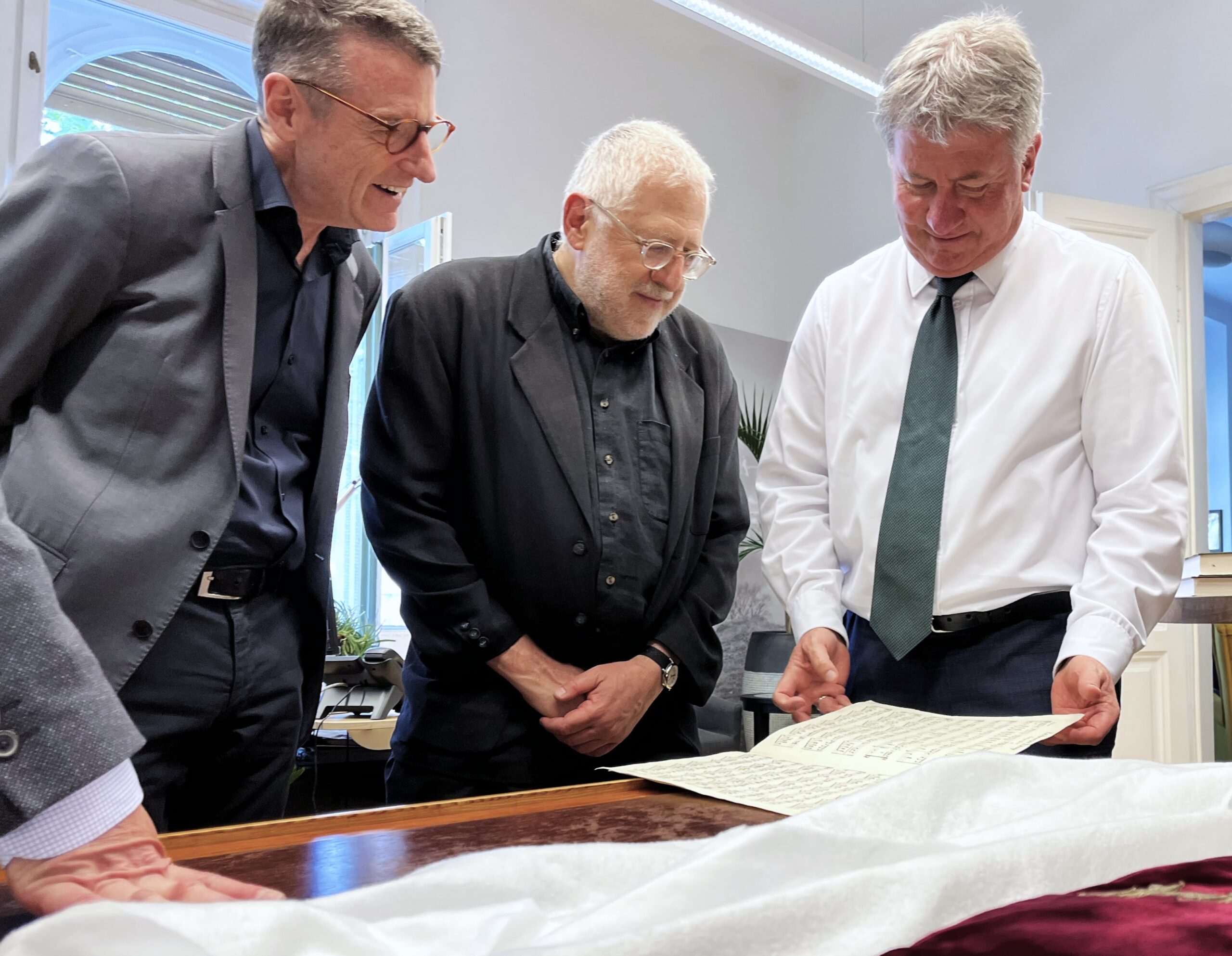
During Saturday’s visit, our guests had the opportunity to become acquainted with several remarkable pieces from the collection of the Otto von Habsburg Foundation. They explored our photographic archive with great interest, and in an unexpected turn, they were even able to identify one of the actresses appearing alongside Otto von Habsburg in photographs with Hollywood actors, drawing on memories from their childhood. The professors, already well acquainted with the scholarly literature and archival collections relevant to their research, spoke highly of our archive holdings, showing particular fascination with the rare decorations and personal relics preserved in the collection.
On the occasion of the visit, we also recorded individual podcast conversations with all three historian-professors, each building upon the themes of their conference lectures. These interviews will soon be made available on our website.
The meeting provided a unique opportunity for internationally renowned scholars of Central European history to engage personally with the collection and intellectual community of the Otto von Habsburg Foundation. The conversations and exchange of ideas once again confirmed that interest in the history of the Habsburg Monarchy and Central Europe remains a living bond connecting scholarly communities in the United States and Europe, as well as older and younger generations of researchers alike.