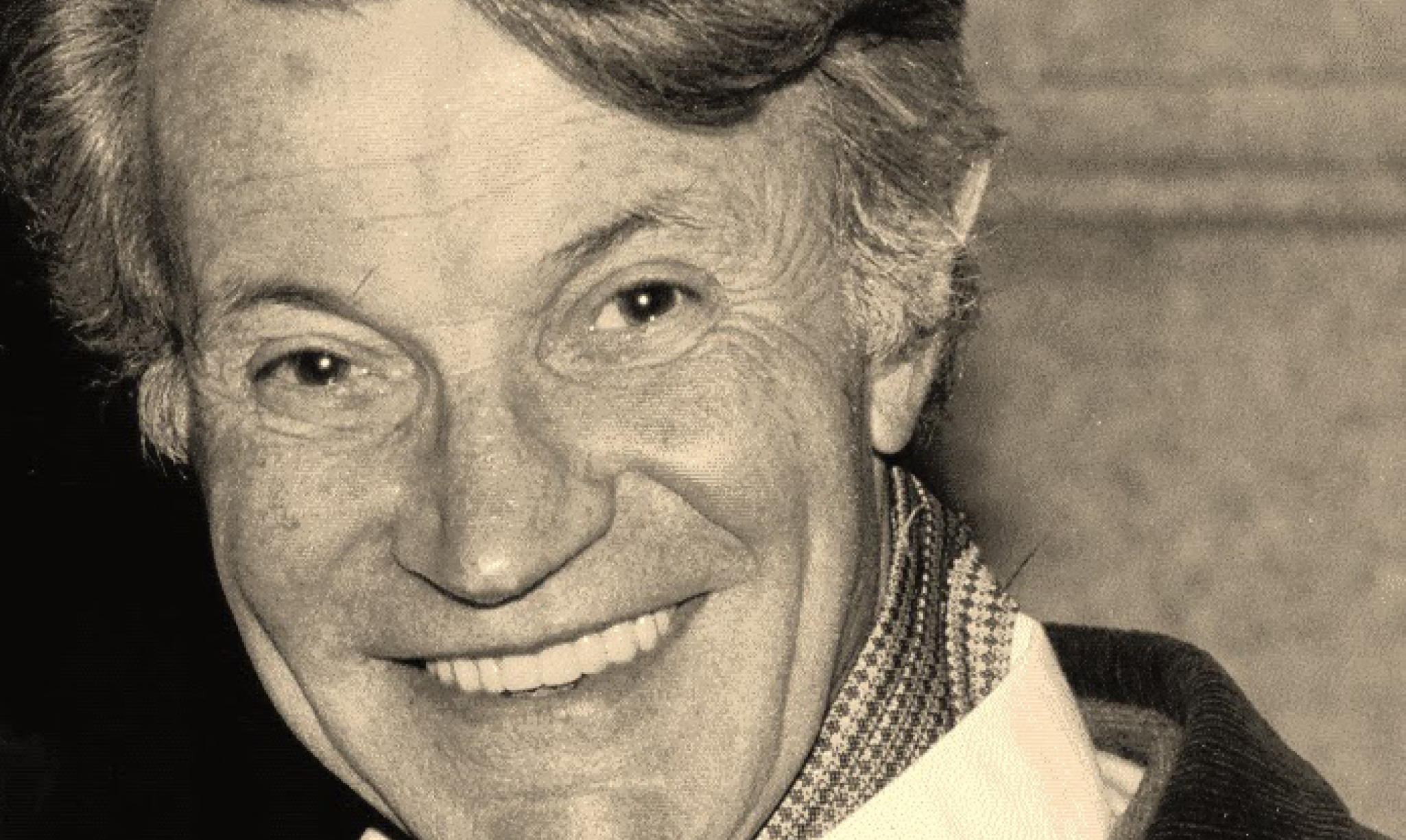
“Deák was a beloved teacher and mentor because he was committed to a kind of history writing designed to help readers understand people, often in situations for which they themselves bore no responsibility. Institutions, states, and politics all ultimately came down to the people who created them.” [1] These were the words of his former student Pieter Judson, one of today’s most distinguished historians of the Habsburg Monarchy.
The road leading to the professorship at Columbia University was a long one. Deák was born in Székesfehérvár into an assimilated upper-middle-class Jewish family. His grandfather abandoned the original surname Deutsch before the Hungarian Millennium celebrations of 1896, adopting the name “Deák” out of admiration for Ferenc Deák, the nineteenth-century Hungarian statesman widely regarded as one of the architects of the Austro-Hungarian Compromise of 1867. After the family moved to the capital city, Budapest, István attended a Cistercian secondary school and became a member of its Scout troop. The persecutions of the Second World War did not spare his family either; however, the self-sacrificing courage of his sister’s heroic suitor, Béla Stollár (later recognised as Righteous Among the Nations for rescuing Jews during the Holocaust), remained a lifelong example for him.
In 1948, fleeing the emerging communist dictatorship, he relocated to France. He studied history at the Sorbonne before moving to Munich to work for Radio Free Europe. His new employment also had consequences for the family members who had remained in Hungary: as a “reward”, they were deported from their home. His academic career truly began to unfold after he emigrated to the United States in September 1956. Although he initially remained involved in anti-communist organisations there as well, over time – with the support of the German émigré historian Professor Fritz Stern – he was able to embark upon his scholarly career at Columbia University. His doctoral dissertation was published under the title Weimar Germany’s Left-Wing Intellectuals. A Political History of the Weltbühne and Its Circle (Berkeley–Los Angeles, University of California Press, 1968).
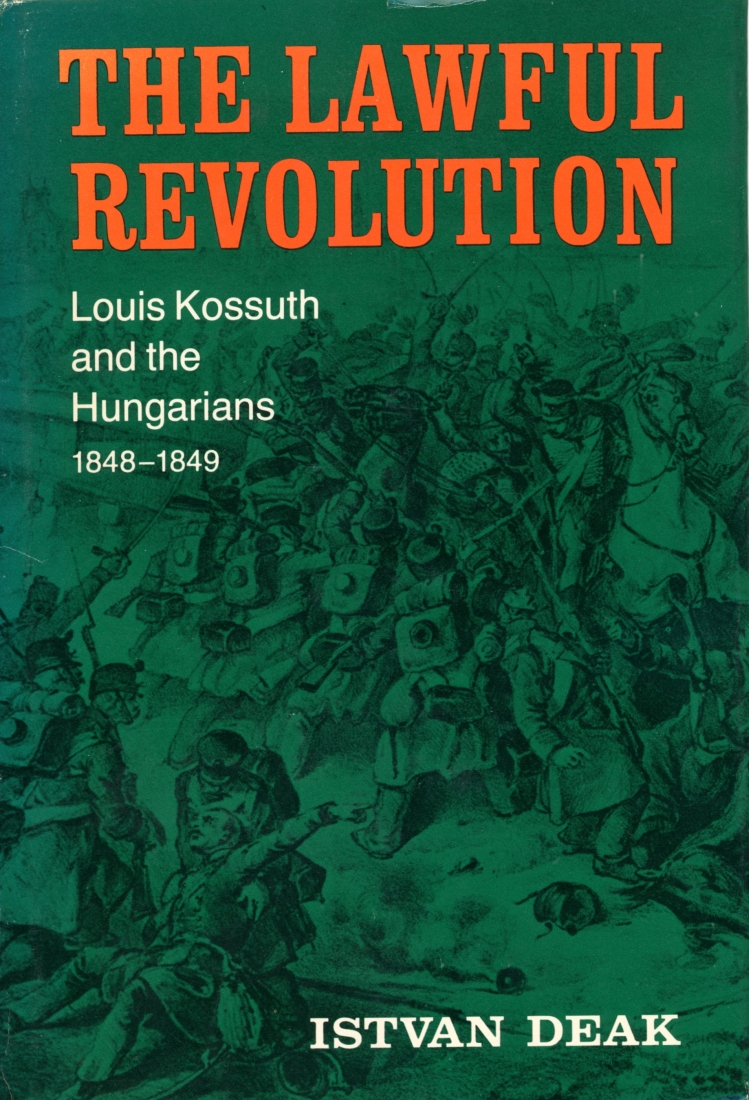
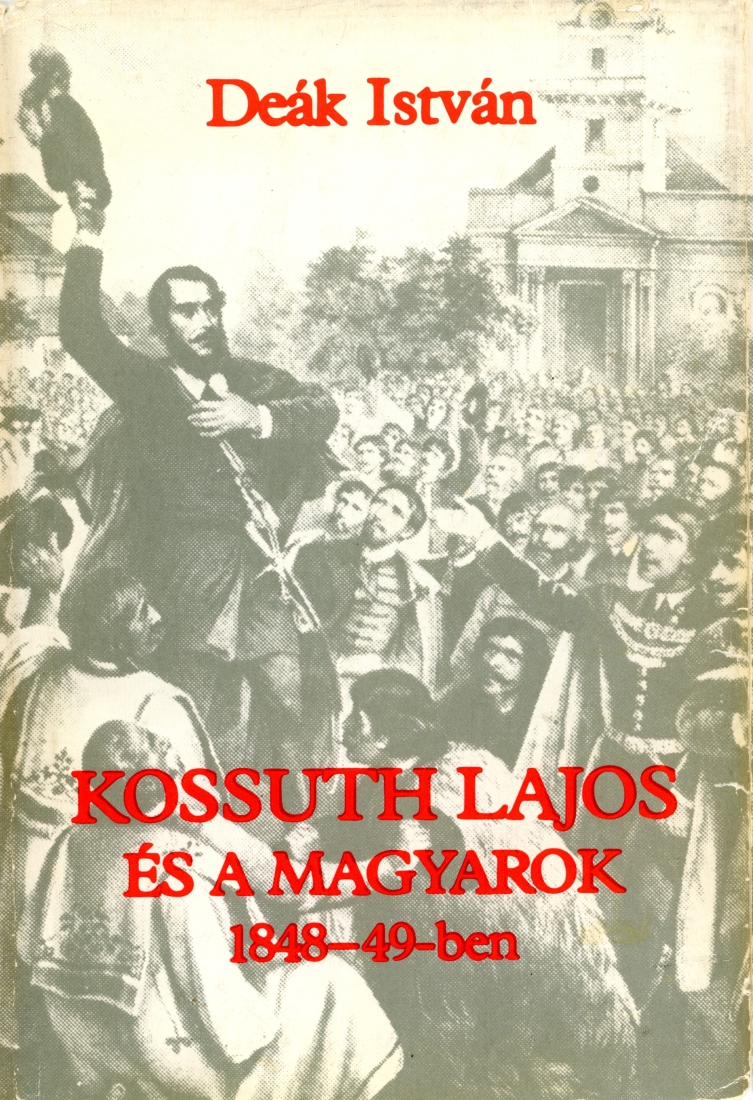
Following a visit to Hungary in 1964, he renewed contact with local historians, and from the 1970s onwards, regularly conducted research in domestic archives. One of his best-known works emerged from this period: The Lawful Revolution. Louis Kossuth and the Hungarians, 1848–1849 (New York, Columbia University Press, 1979). The Hungarian edition was published in 1982, although, owing to the politically sensitive implications of the title, only the subtitle was used at the time. The complete original title could only be restored after the fall of communism, in the second edition printed after the democratic transition. Deák summarised the book’s principal lesson in the Hungarian edition as follows:
“The revolutionaries of 1848 dreamed of cooperation among nations, yet in reality, they unleashed war between nations. For the first time in Central European history, thousands were destroyed not because they were lords or peasants, nor because they belonged to another faith, but because they spoke Hungarian, German, Serbian, or Romanian. This fact cannot and must not be obscured by the forced distinction between ‘progressive’ and ‘reactionary’ peoples, or between nations supposedly serving a ‘good’ or a ‘bad’ cause. In 1848, every people was a victim, and within every people there were more than a few executioners.” [2]
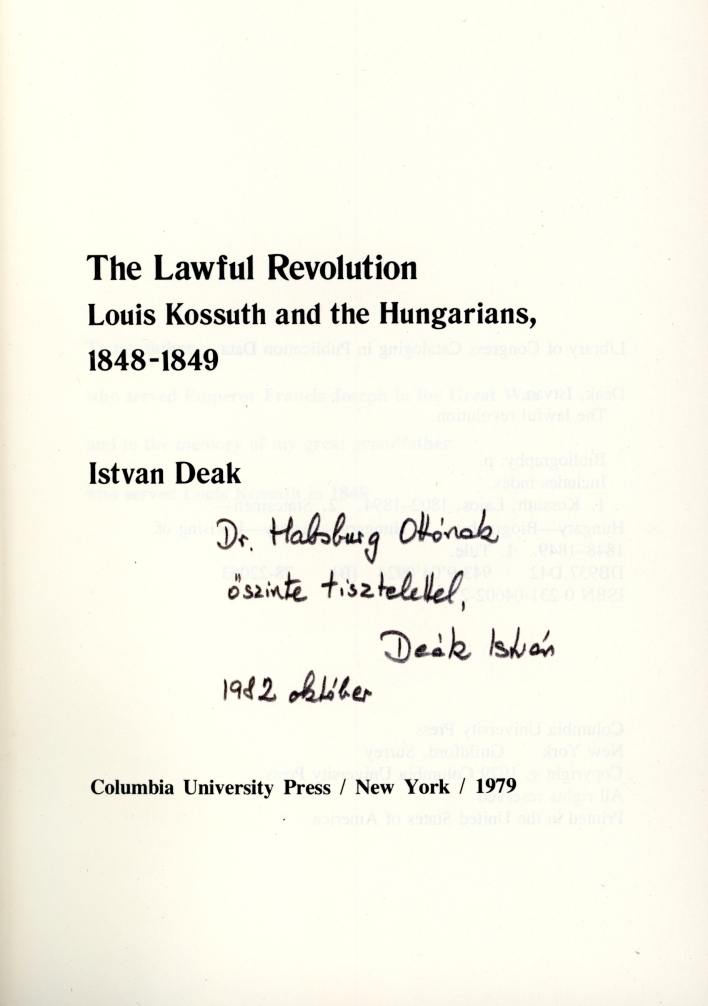
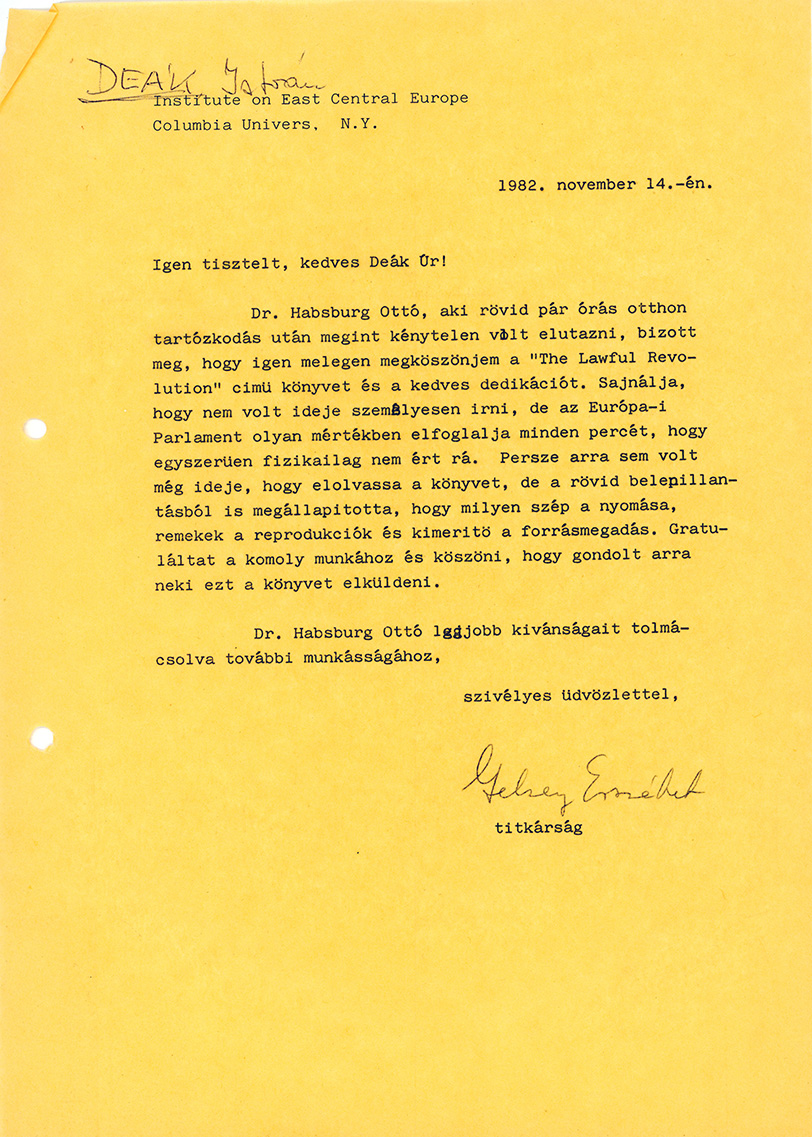
As part of the policy of détente, in 1978, the United States returned the Holy Crown of Hungary, which had been taken abroad at the end of the Second World War. The decision had been discussed in advance with several prominent émigré Hungarians, including John Lukacs, historian, and Béla Király, commander of the National Guard during the Hungarian Revolution of 1956 – yet it nevertheless provoked enormous debate among Hungarian communities in the West. Many, including Otto von Habsburg, initially regarded the move as legitimising the communist regime; however, after witnessing the emotional reception accorded to the regalia in Hungary, Otto revised his position the following year. István Deák was among the members of the delegation accompanying the Crown, although, as contemporary official photographs suggest, almost “invisibly”.
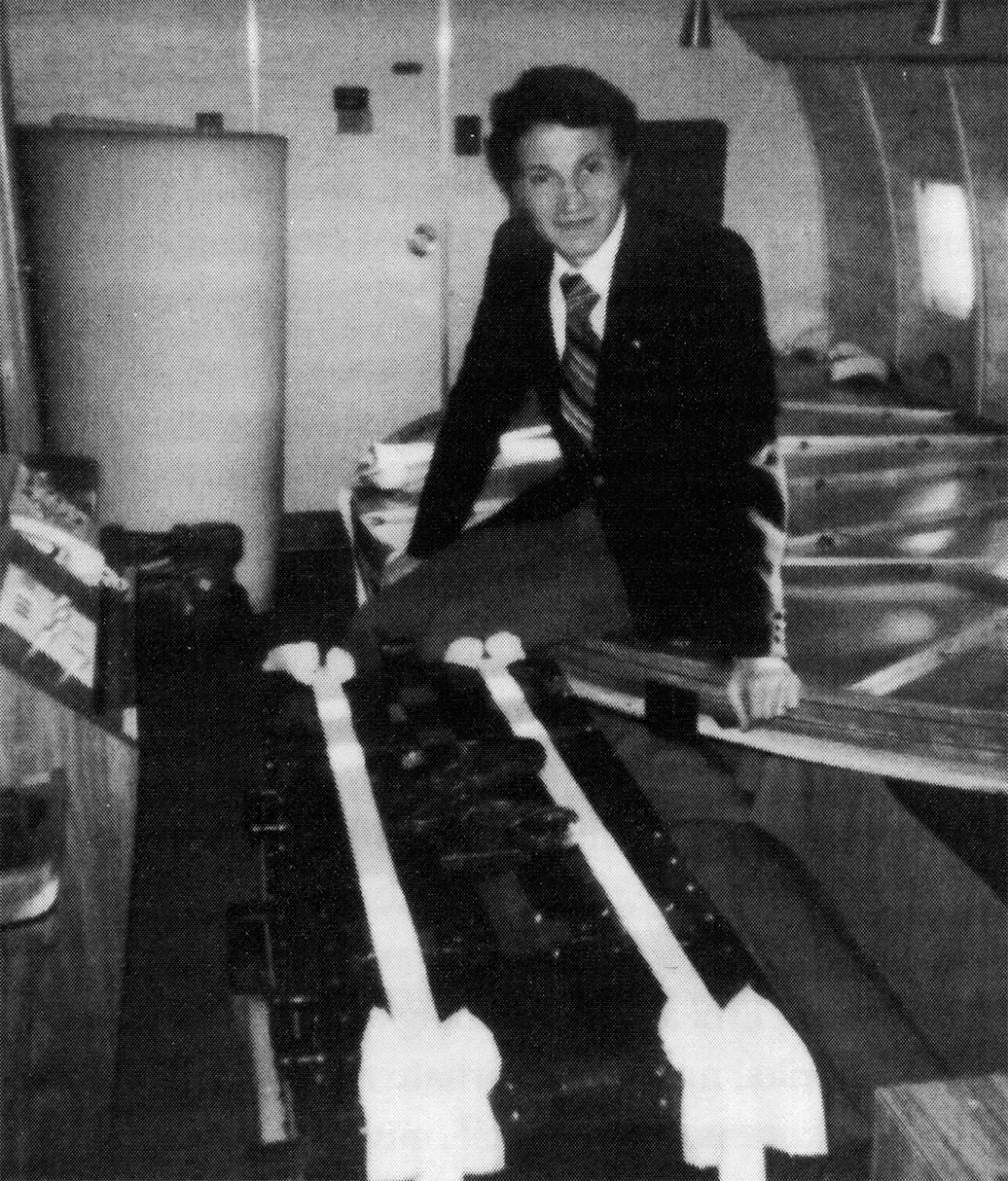
István Deák seated on the metal case of the coronation mantle, aboard the presidential aircraft, 5 January 1978.
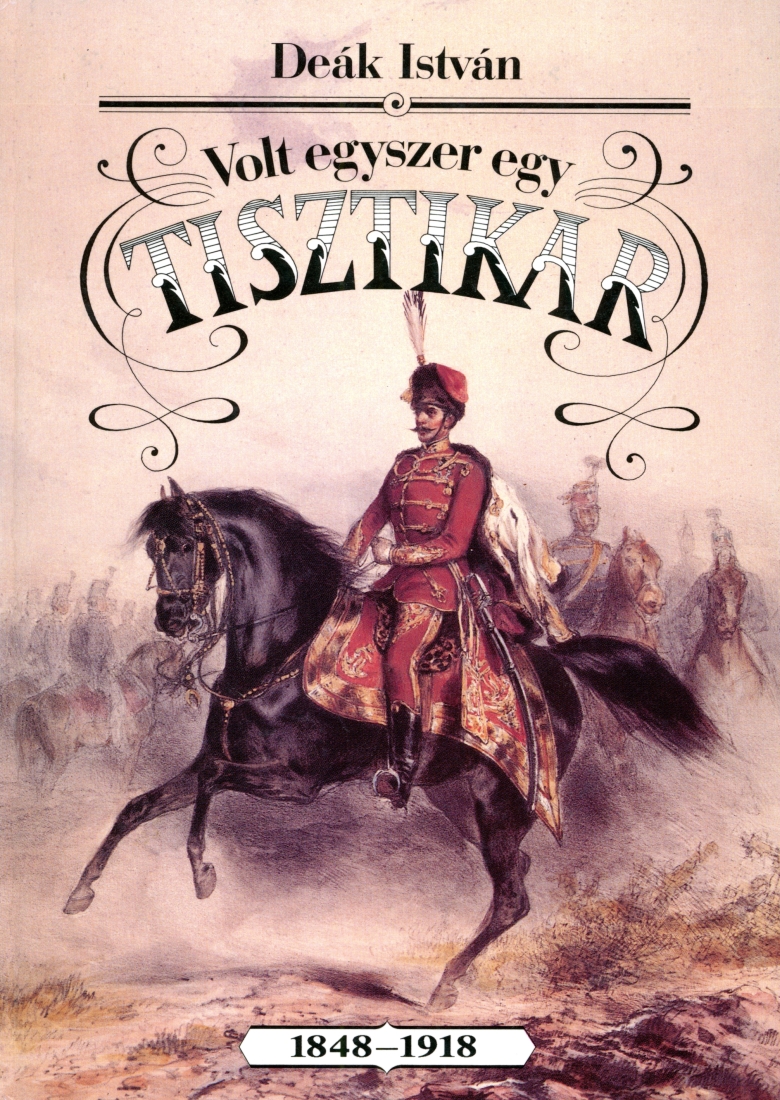
His third major monograph focused on the officer corps of the Habsburg Monarchy: Beyond Nationalism. A Social and Political History of the Habsburg Officer Corps, 1848–1918 (New York–Oxford, Oxford University Press, 1990). The Hungarian edition appeared three years later. According to Deák, political and social realities were shaped far more by institutions, social hierarchies, and overlapping loyalties – imperial, regional, institutional, professional, and others – than by nationalism alone. Though he did not deny the growing importance of nationalism in the nineteenth century, he interpreted it as an increasingly significant, yet neither exclusive nor all-determining historical factor.
His scholarly interests increasingly turned towards the twentieth century. He was frequently invited to contribute reviews and essays to The New York Times Book Review and The New Republic. His writings – consistently avoiding simplistic and ideological interpretations – often developed earlier questions further, and, in several cases, laid the foundations for future volumes.
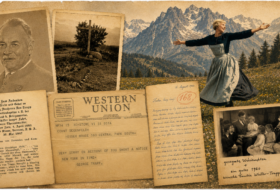
István Deák deserves remembrance and respect both in Europe and across the Atlantic because of his vision of history, his role in organising scholarly life, and his ability to shape an intellectual school of thought. He was able to meet the empirical expectations of Central European historiography and the lucid, argumentative, essayistic standards of the Anglo-American academic world simultaneously. While he did not live to see the publication of his memoirs, his figure remains vividly alive through the photographs and documents reproduced below.
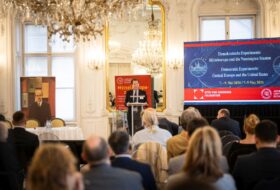
During the conference “Demokratische Experimente – Mitteleuropa und die Vereinigten Staaten / Democratic Experiments – Central Europe and the United States”, held between 7 and 9 May at Andrássy University Budapest, our Foundation had the pleasure of hosting Pieter Judson and Andrei S. Markovits – both former students of István Deák profoundly influenced by his scholarship – as well as Larry Wolff, Deák’s former colleague at Columbia University.
In Memoriam
Pieter Judson’s obituary in the Austrian History Yearbook.
The István Deák memorial issue of the Journal of Austrian-American History (2023/1).
Pieter Judson’s commemorative address delivered at the joint conference of Columbia University’s Department of History, the Botstiber Institute for Austrian-American Studies, and the Harriman Institute.
Ferenc Vasbányai
[1] István Deák (1926–2023): In Memoriam. Austrian History Yearbook, 2025, 195.
[2] Kossuth Lajos és a magyarok 1848–49-ben. Ford. Veressné Deák Éva. Budapest, Gondolat, 1983, 363.