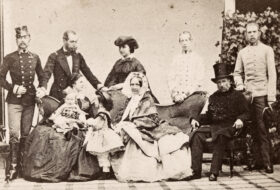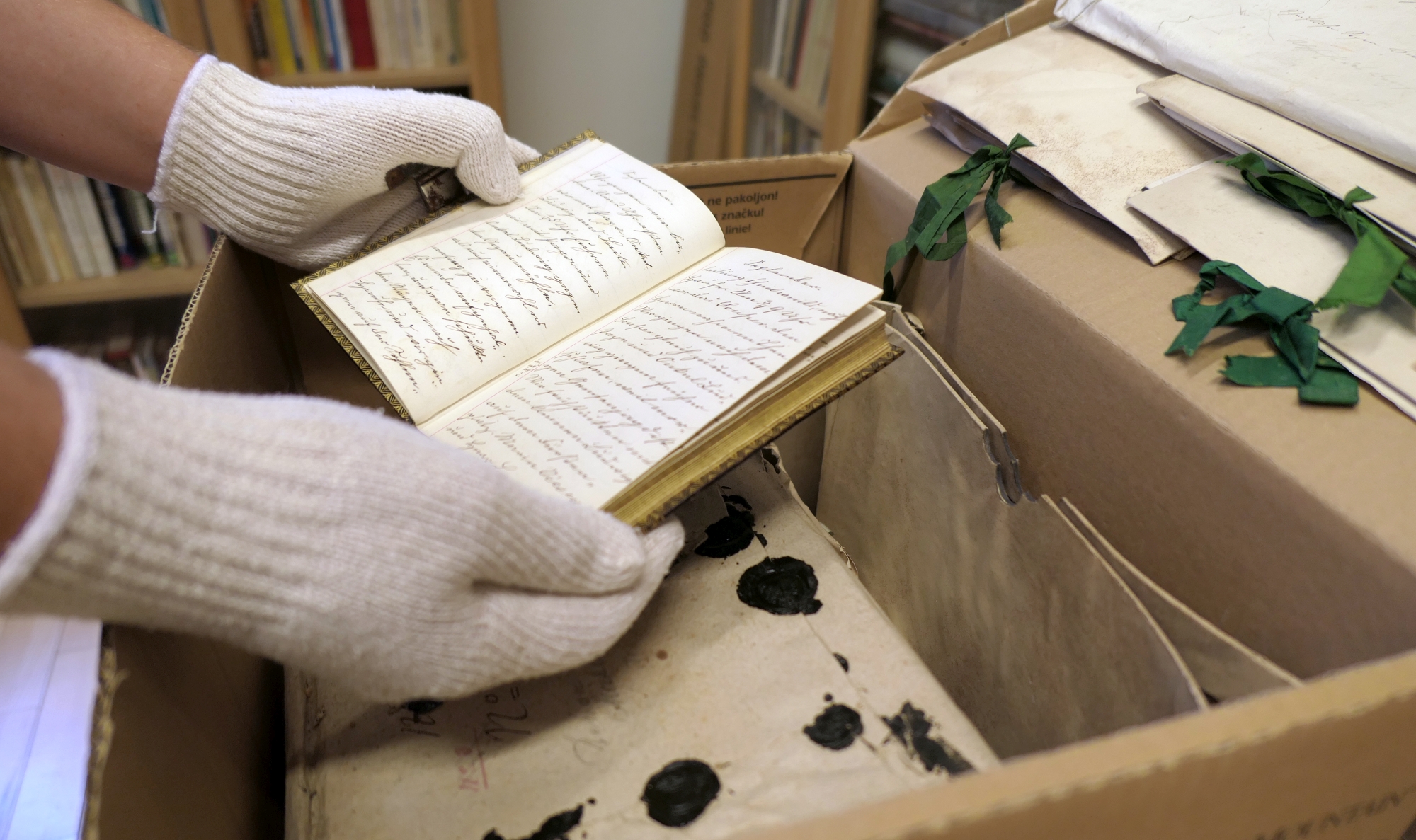
The Otto von Habsburg Foundation’s archives continue to expand. Thanks to Karl von Habsburg, the son of our Foundation’s namesake, we recently received a substantial body of 19th-century correspondence. The acquisition from Austria also significantly broadens the chronological scope of our holdings. As head of the family, Otto von Habsburg inherited written records relating to the wider dynasty, so the archives extend beyond his personal papers.
Many of these invaluable documents show signs of age and natural deterioration and therefore require conservation review. Some can only be fully processed once the necessary preservation work has been completed.
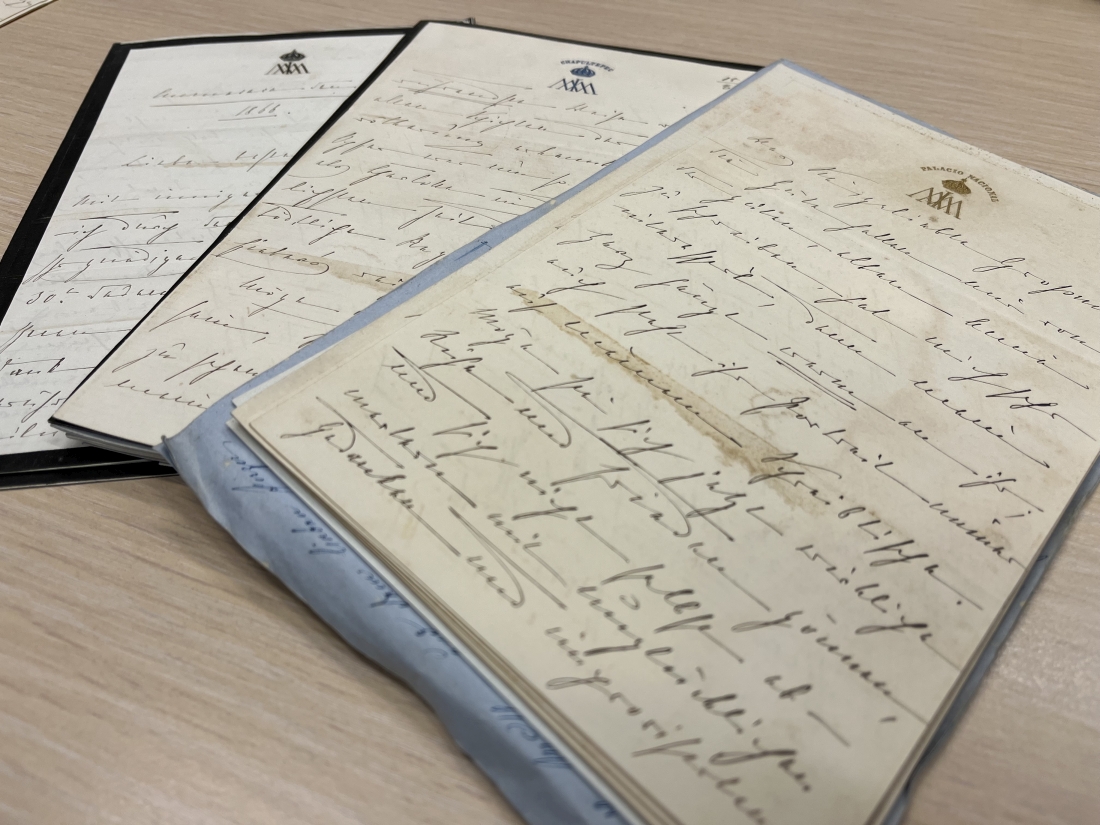
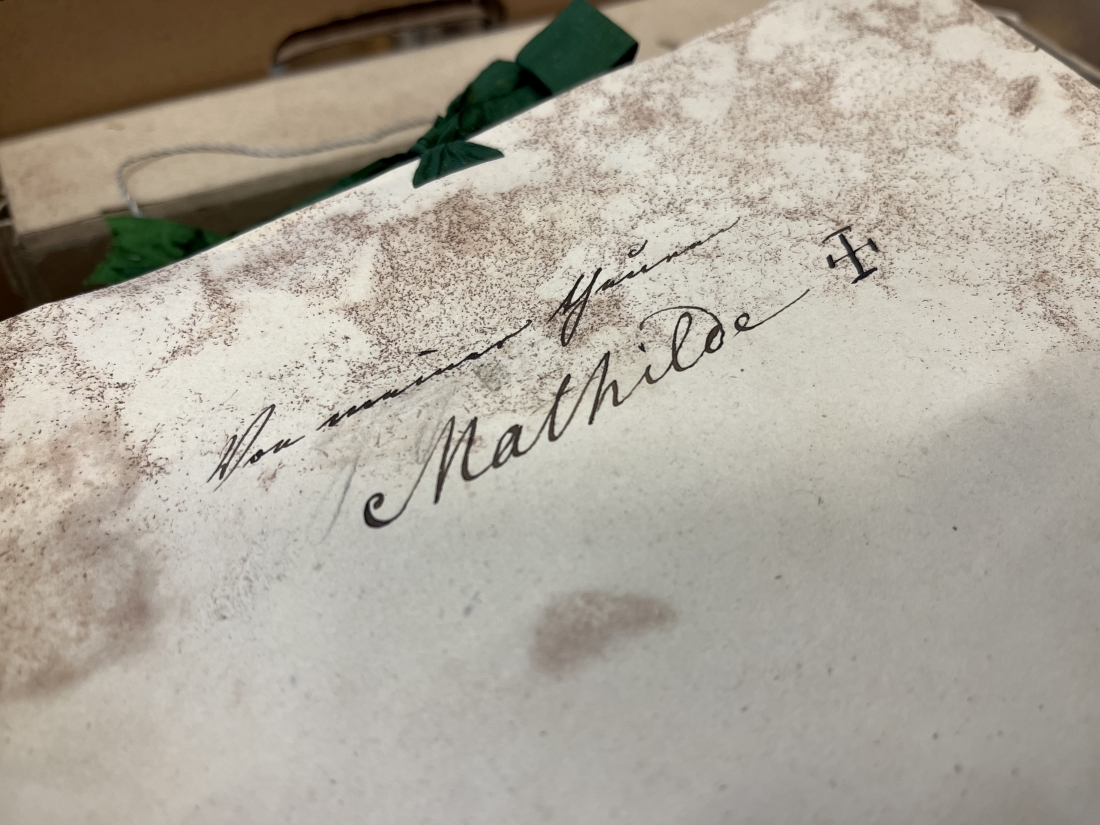
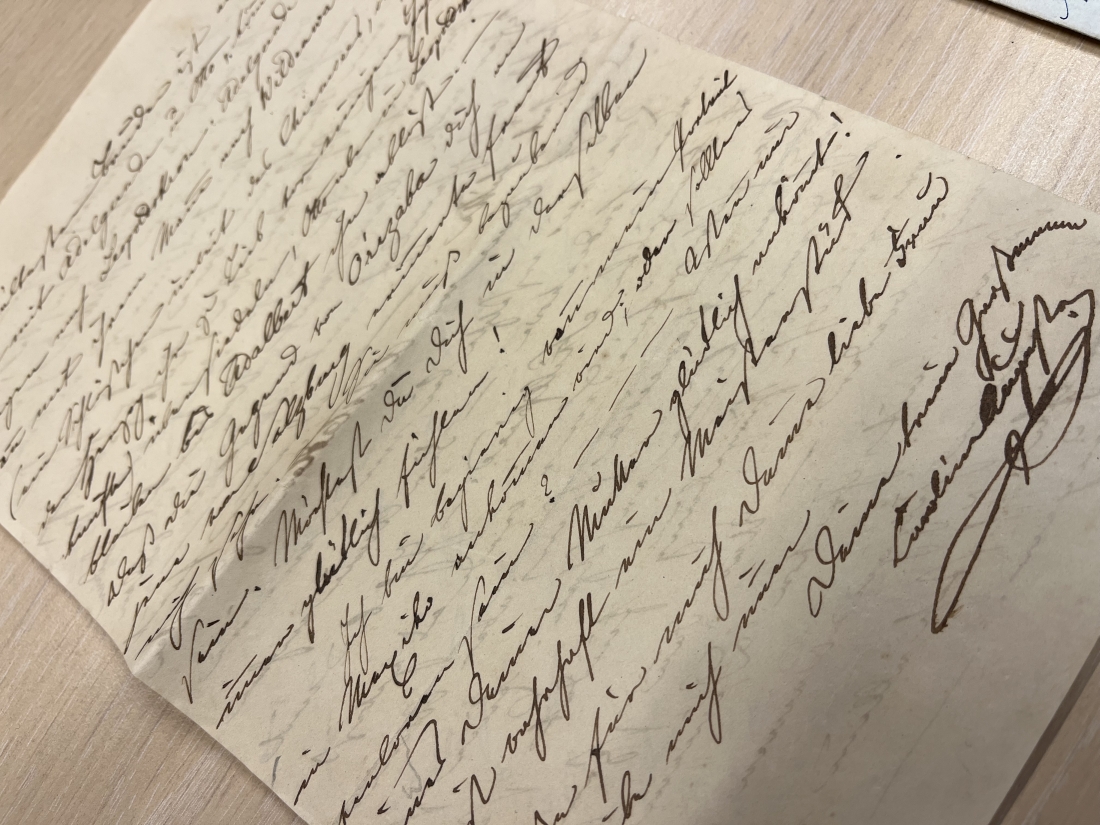
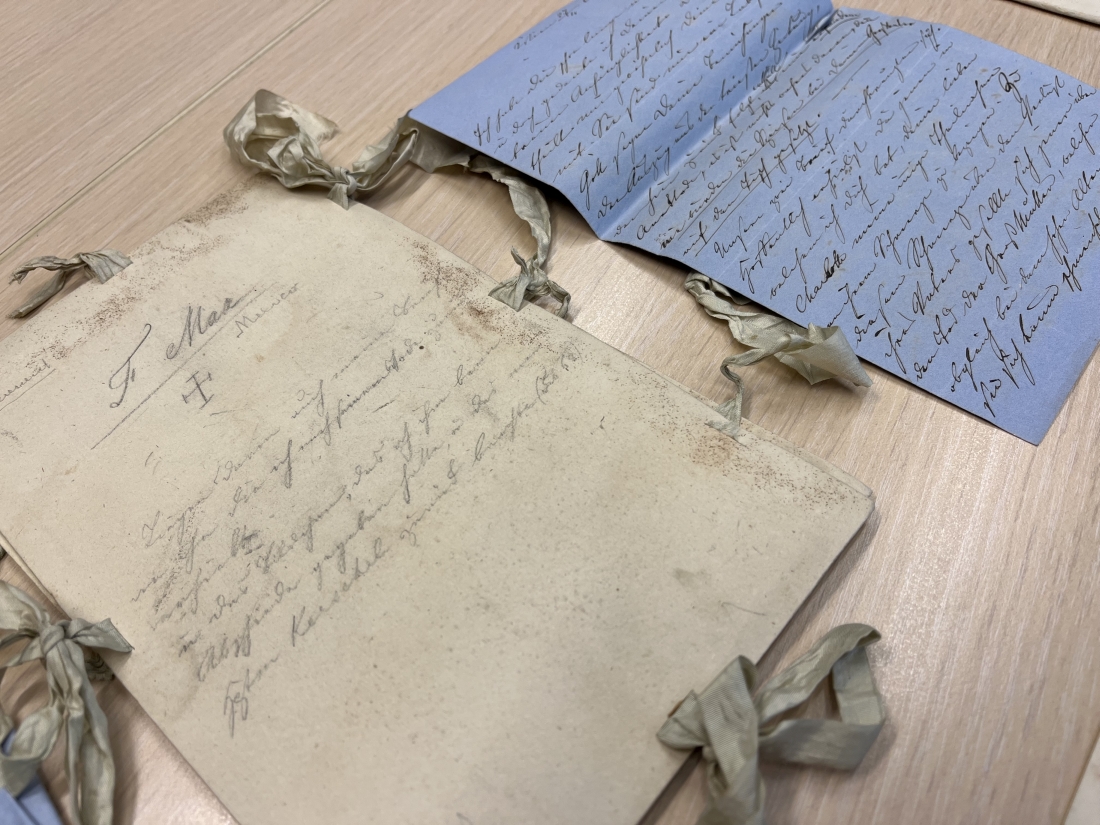
The material centres primarily on Caroline Augusta, Empress of Austria (1792–1873). A princess of the House of Wittelsbach, she entered the Viennese court as the fourth wife of Emperor Francis I of Austria and soon became a maternal figure within the imperial family. Through her extensive correspondence, she kept in close contact with members of the widely dispersed dynasty and often offered advice to younger relatives.
The records cover estate matters and household accounts, and also include petitions addressed to the Empress Mother, all of which are valuable to researchers. Her private family correspondence is especially significant.
Even at this early stage, two substantial groups have already been identified. One contains the correspondence between Caroline Augusta and her step-grandson Archduke Maximilian, later Emperor of Mexico. Comprising nearly fifty items, it documents their warm and intimate relationship from the revolutions of 1848 to 1866. The second consists of several hundred letters exchanged over many decades between Caroline Augusta and her niece Adelgunde, Duchess of Modena.
Item-level archival processing of the 1.72 linear metres of material received by the Foundation, together with the preparation of a finding aid, is being carried out by Dr Gábor Ladányi, a historian and archivist specialising in the period.