In 1954, the Archduke delivered a lecture before a large audience in the historic headquarters of the Sociedad Bilbaina. In his speech, entitled L’Europe entre l’Est et l’Ouest, he recalled the hospitality and solidarity that his family had experienced in Spain, and especially in the Basque Country, during the 1920s. The country was not only one of the formative places of his youth, but also a recurring point of reference in his thinking about Europe. He believed that the continent could preserve its freedom only by remaining faithful to its Western civilisational heritage and Christian roots; in this process, he considered the Spanish contribution to be particularly important. The Iberian country remained central to him in later years as well: in building his extensive network, he worked closely with many figures from its political and social elite, and, as a Member of the European Parliament, he consistently advocated Spain’s Euro-Atlantic integration.
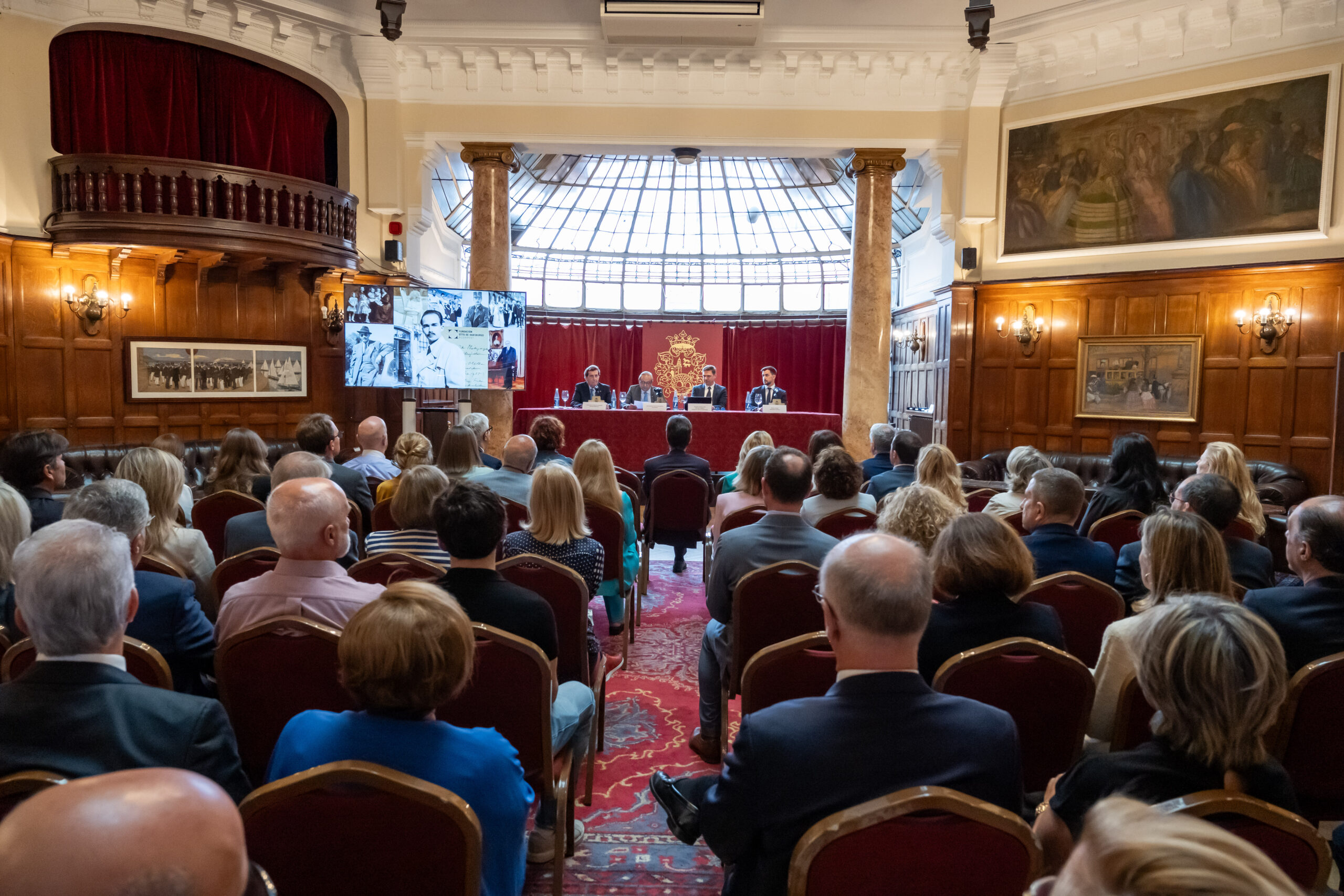
This multifaceted relationship was the focus of the conference in Bilbao, organised by our Foundation in cooperation with the Embassy of Hungary in Madrid. The event was hosted by the same club, founded in 1839, where the former Crown Prince had spoken seventy-two years earlier, and which remains one of the local elite’s distinguished meeting places.
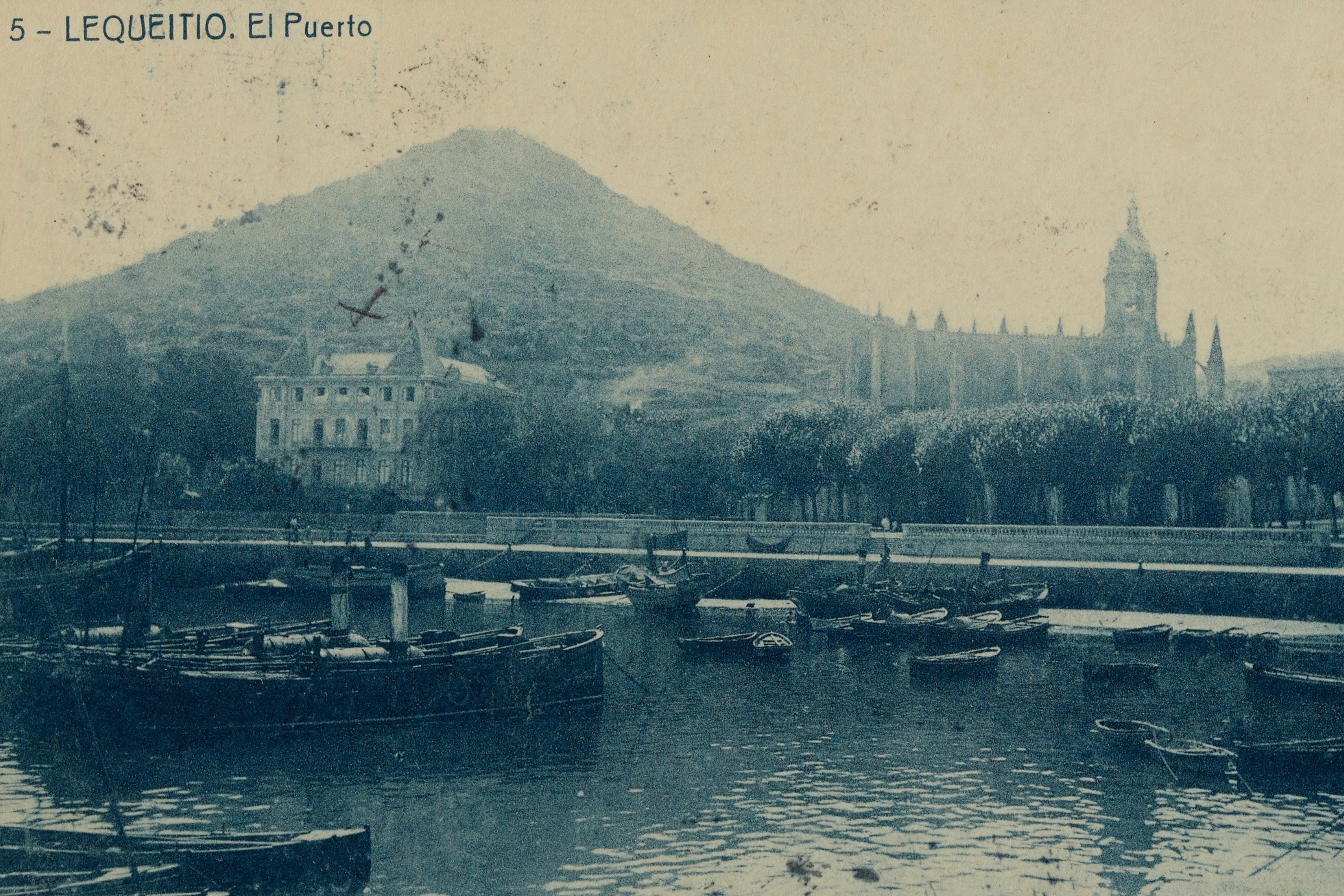
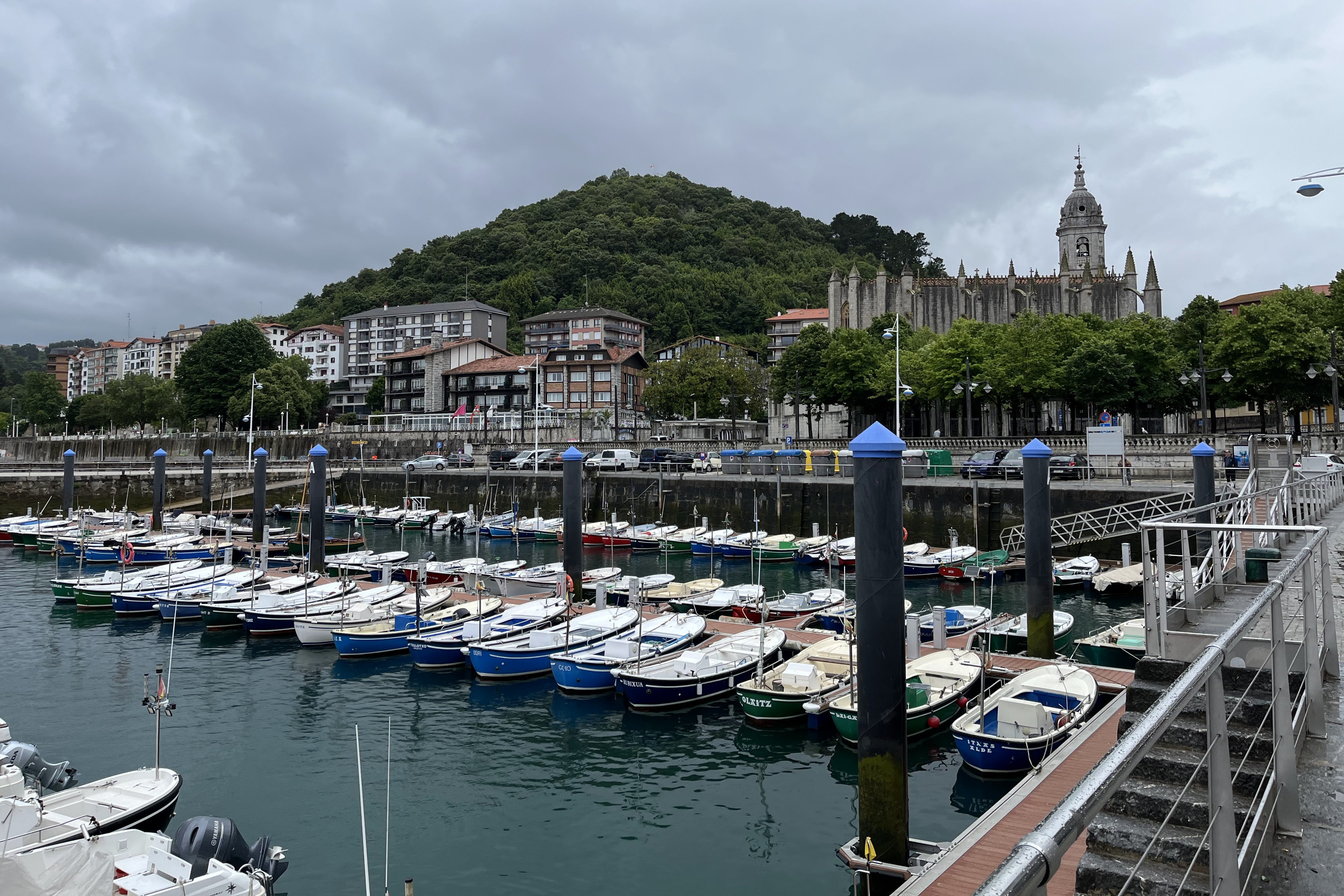
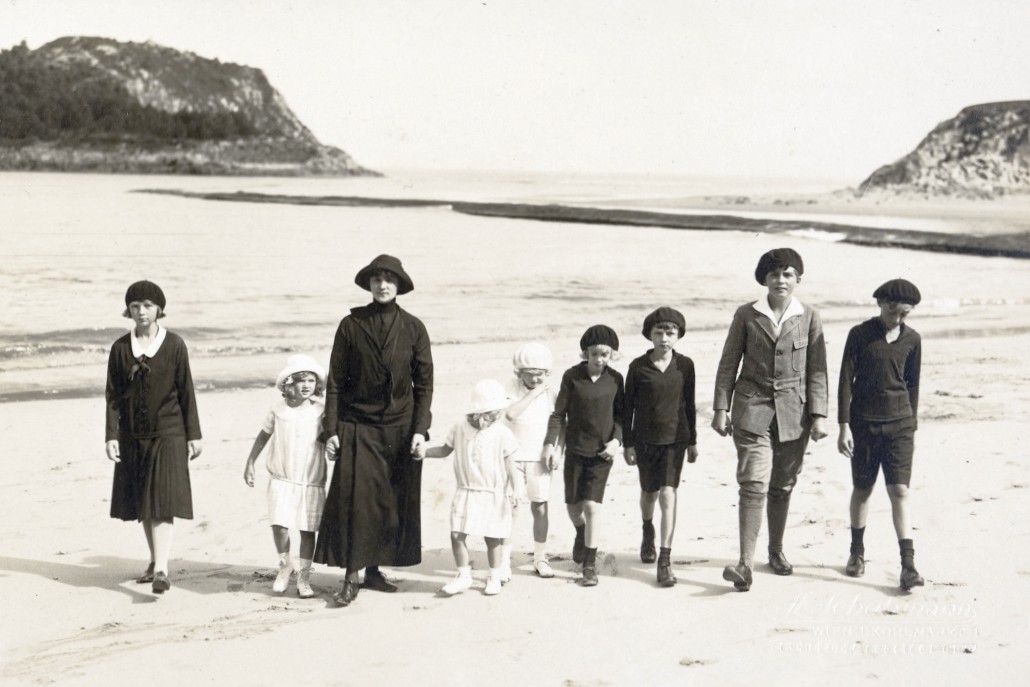
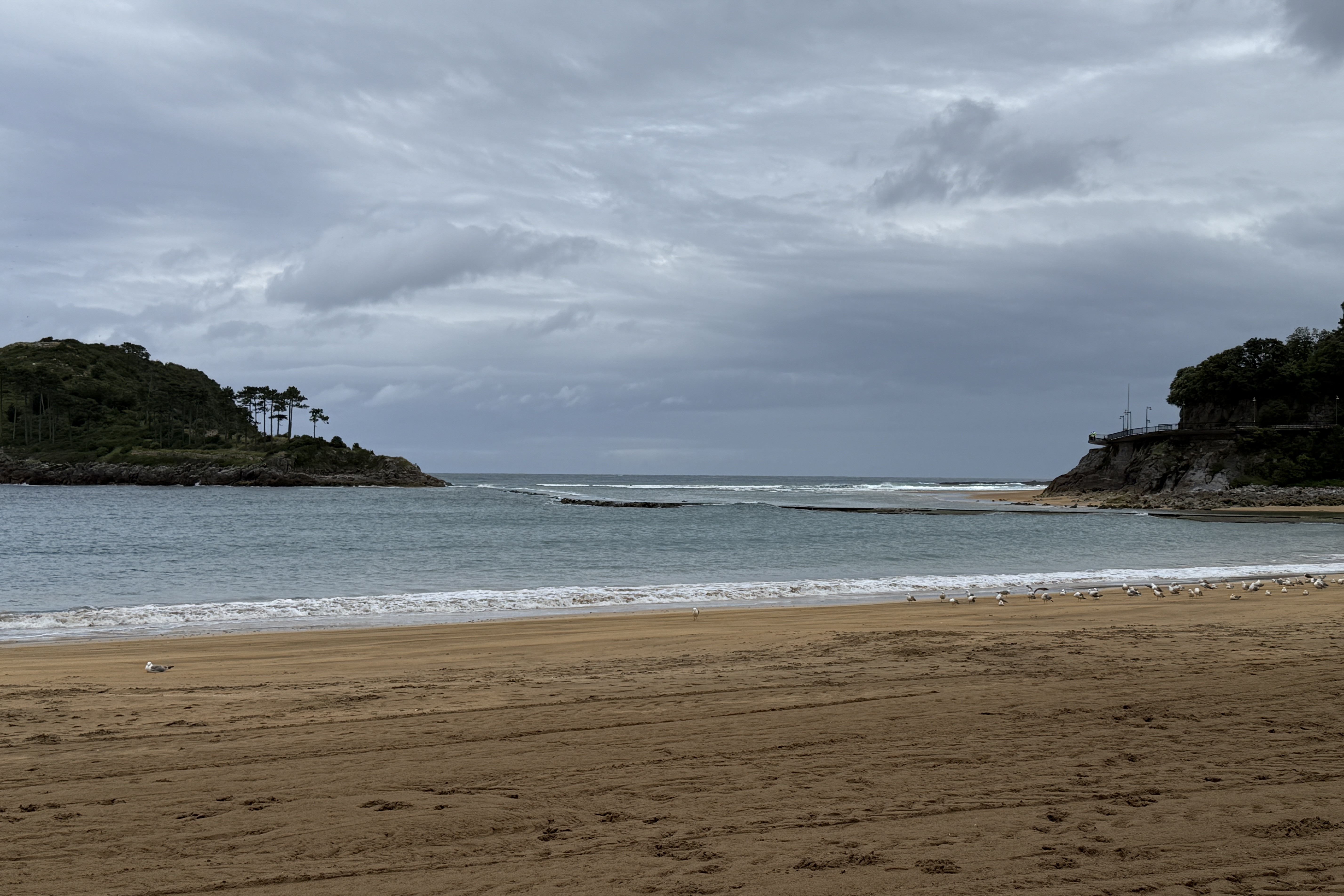
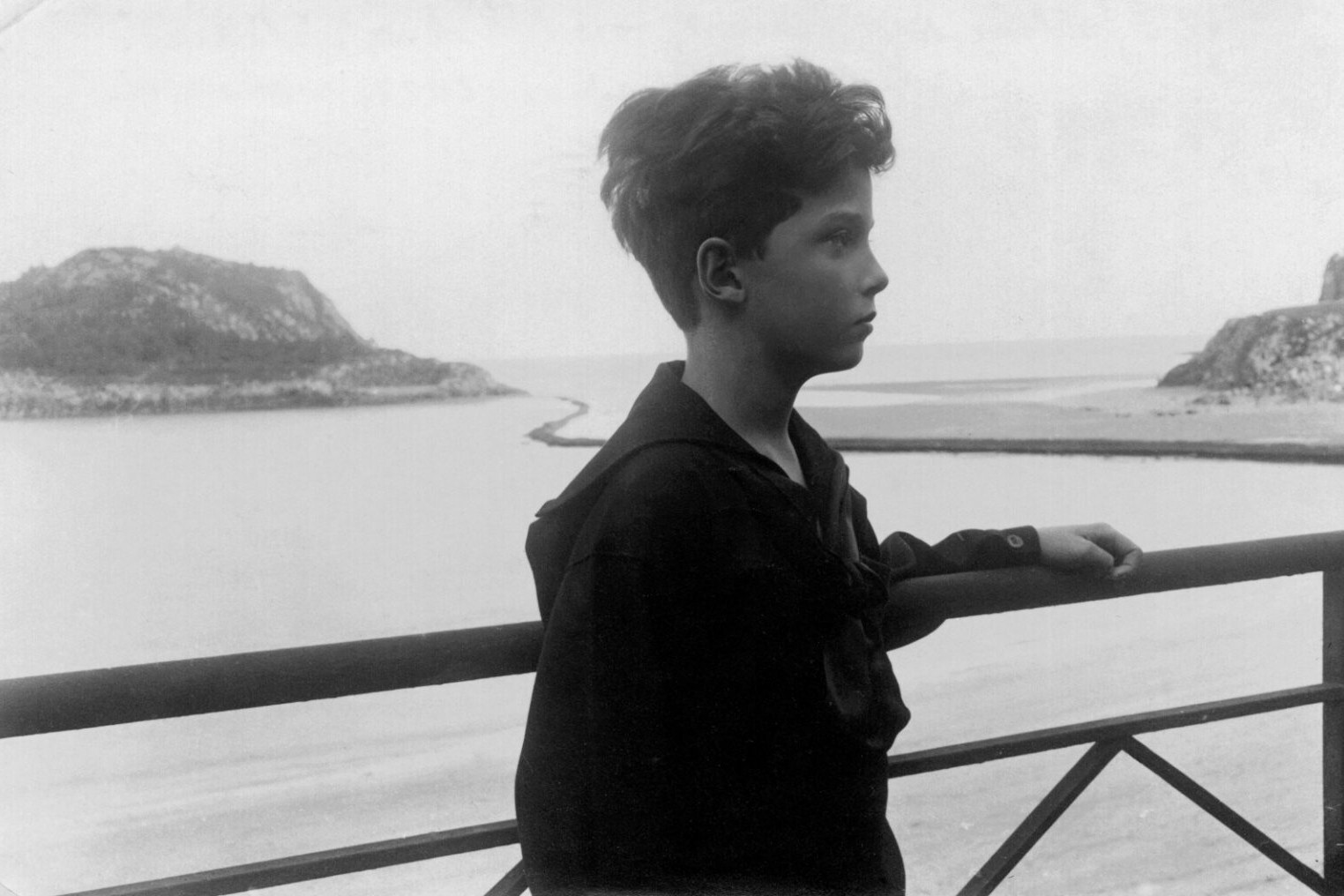
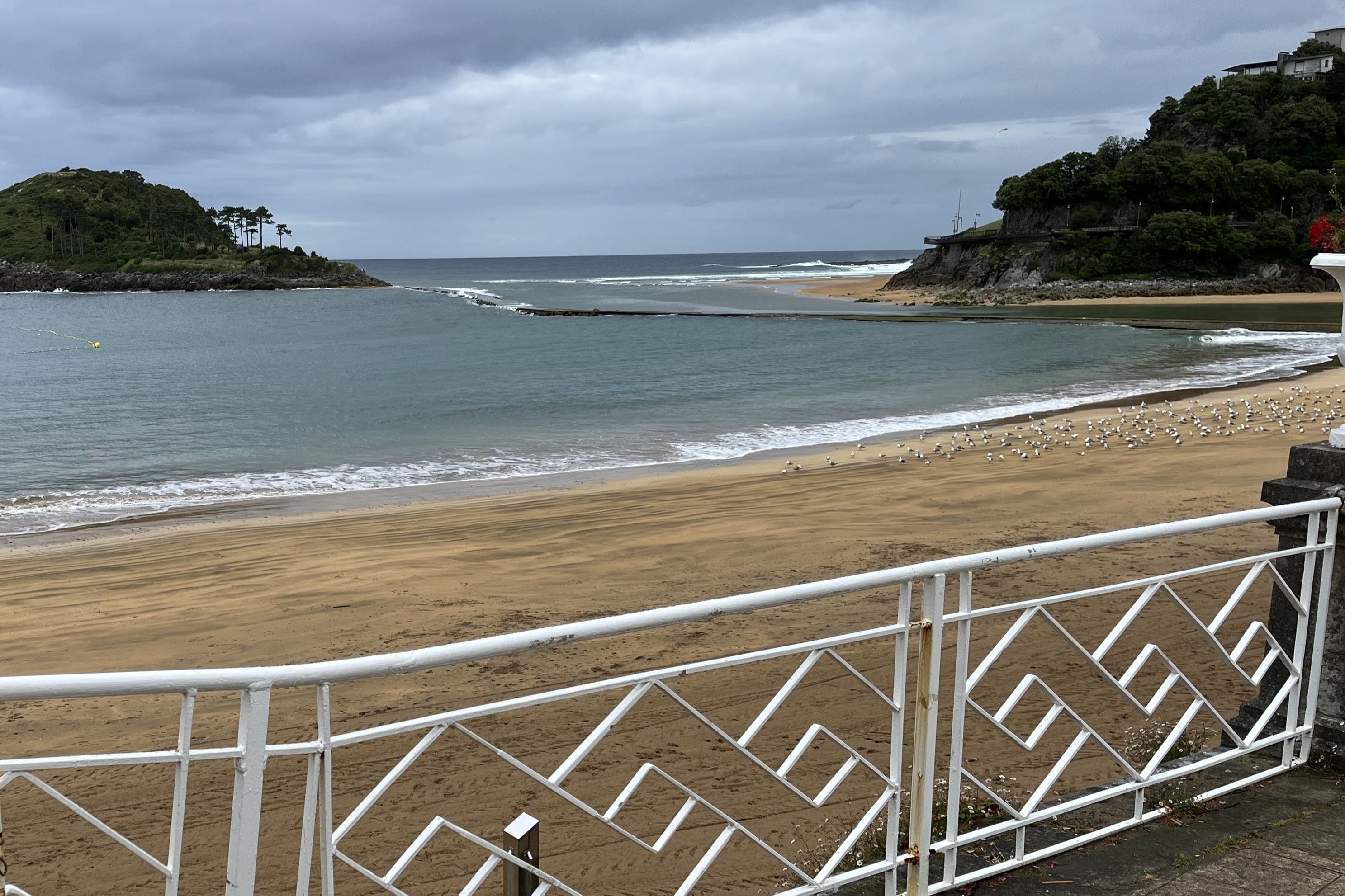
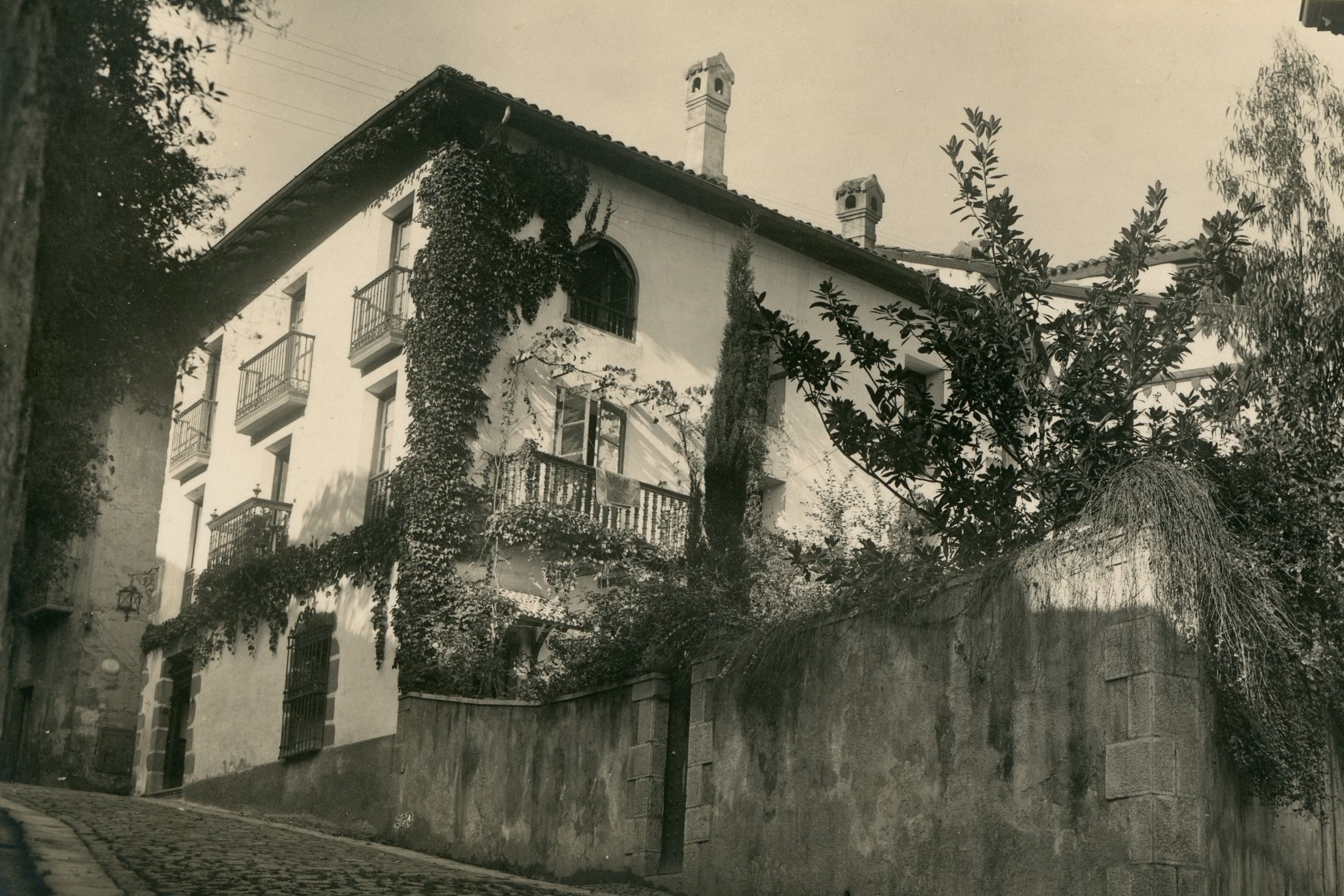
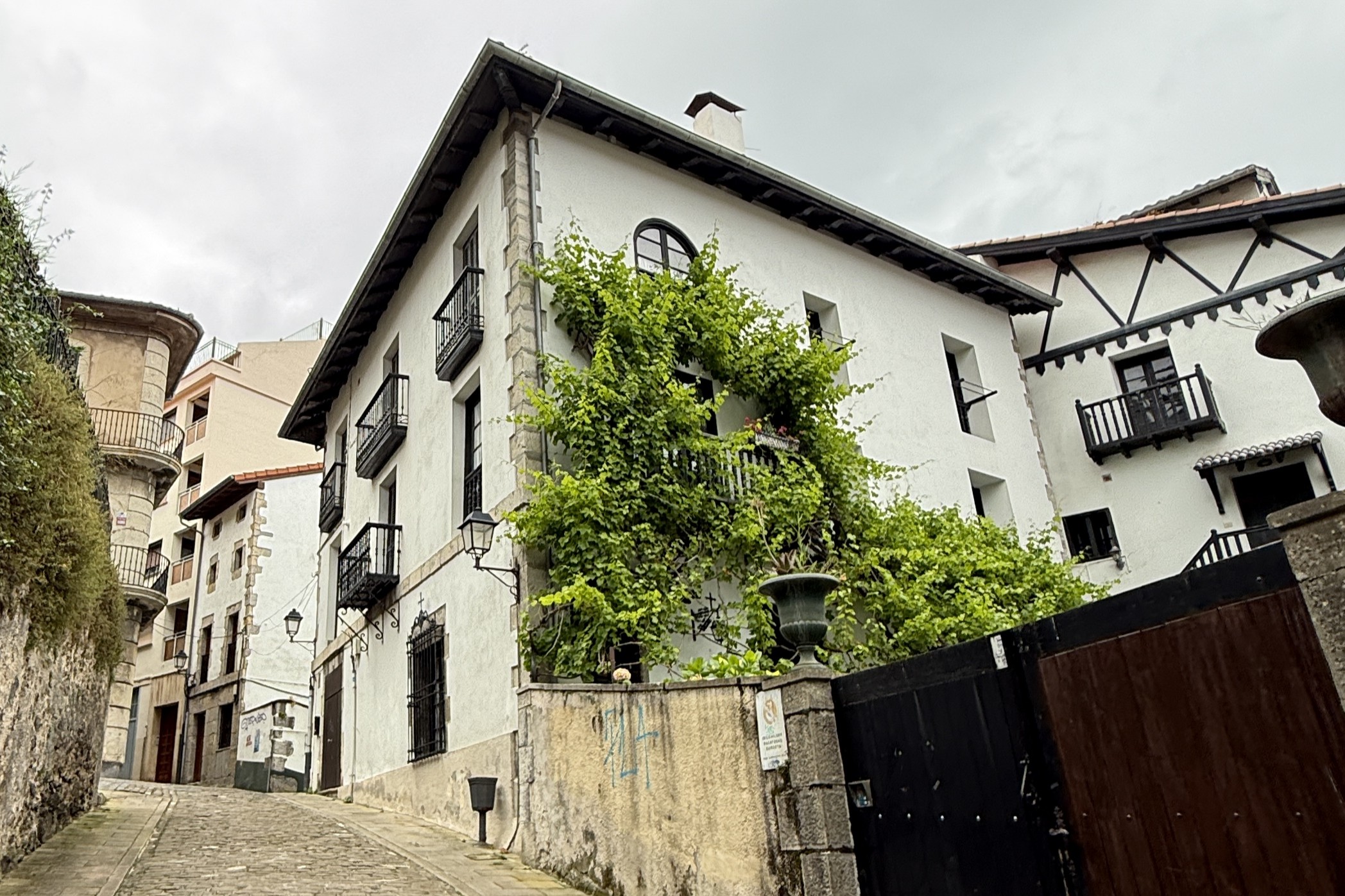
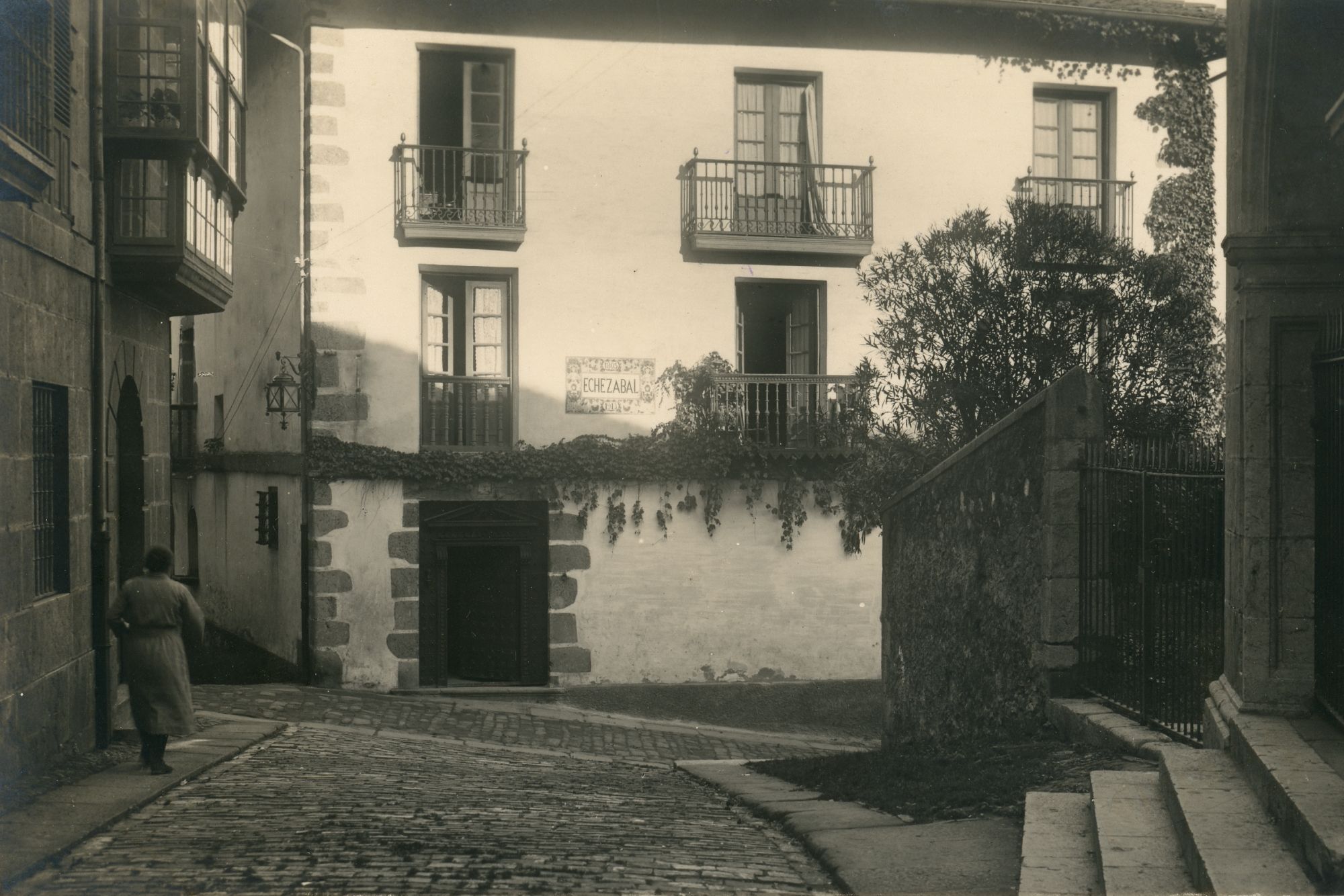
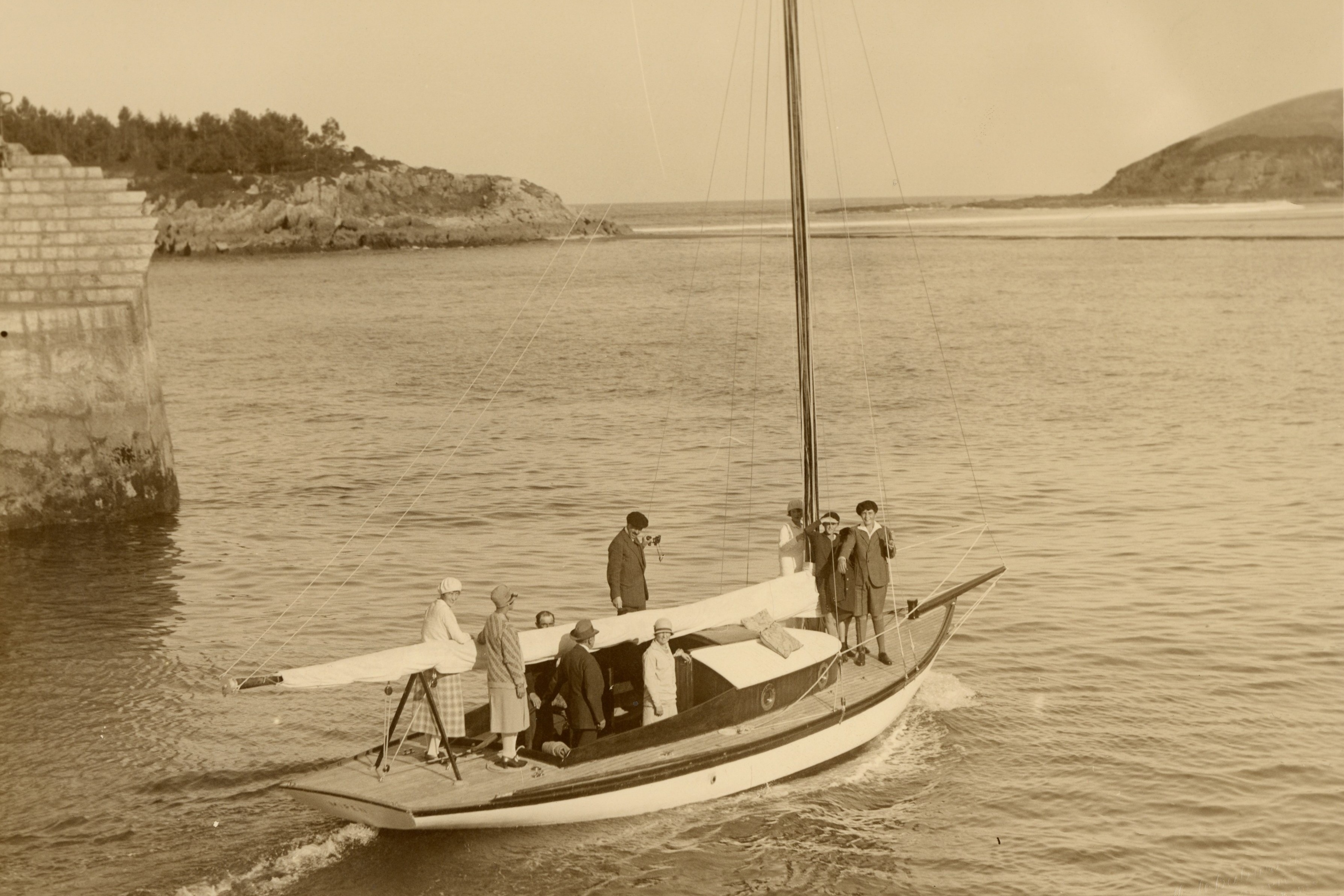
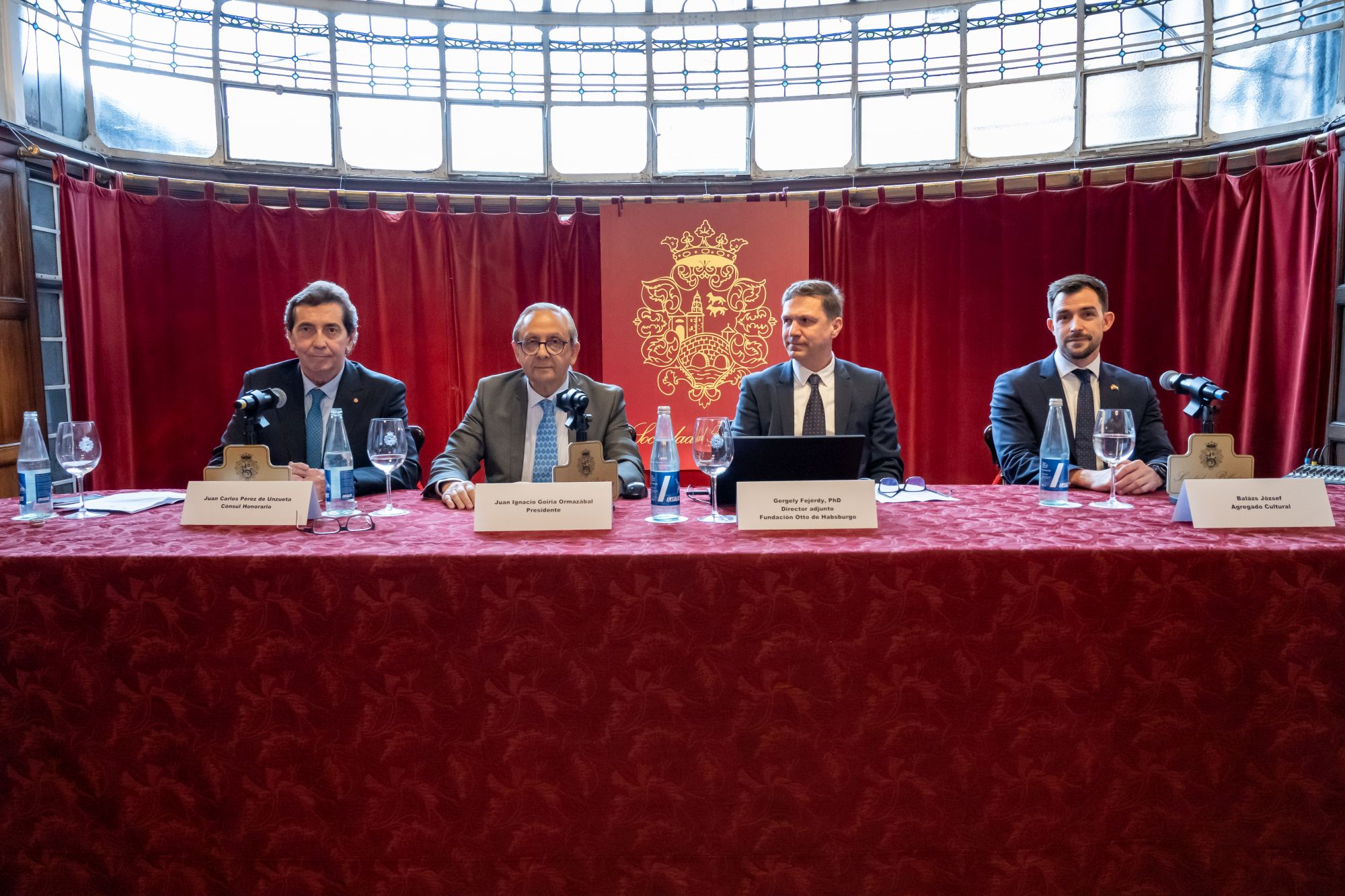
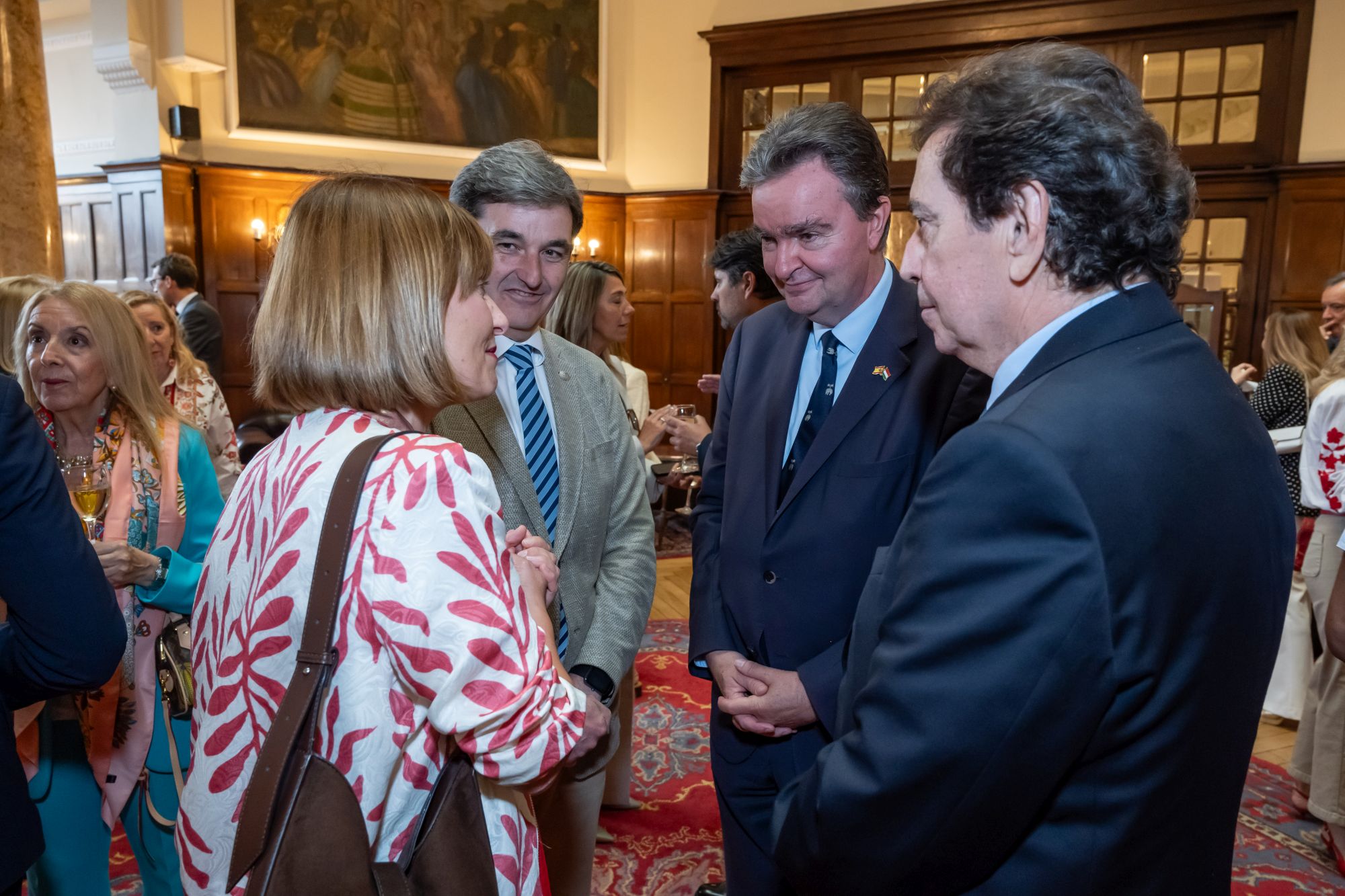
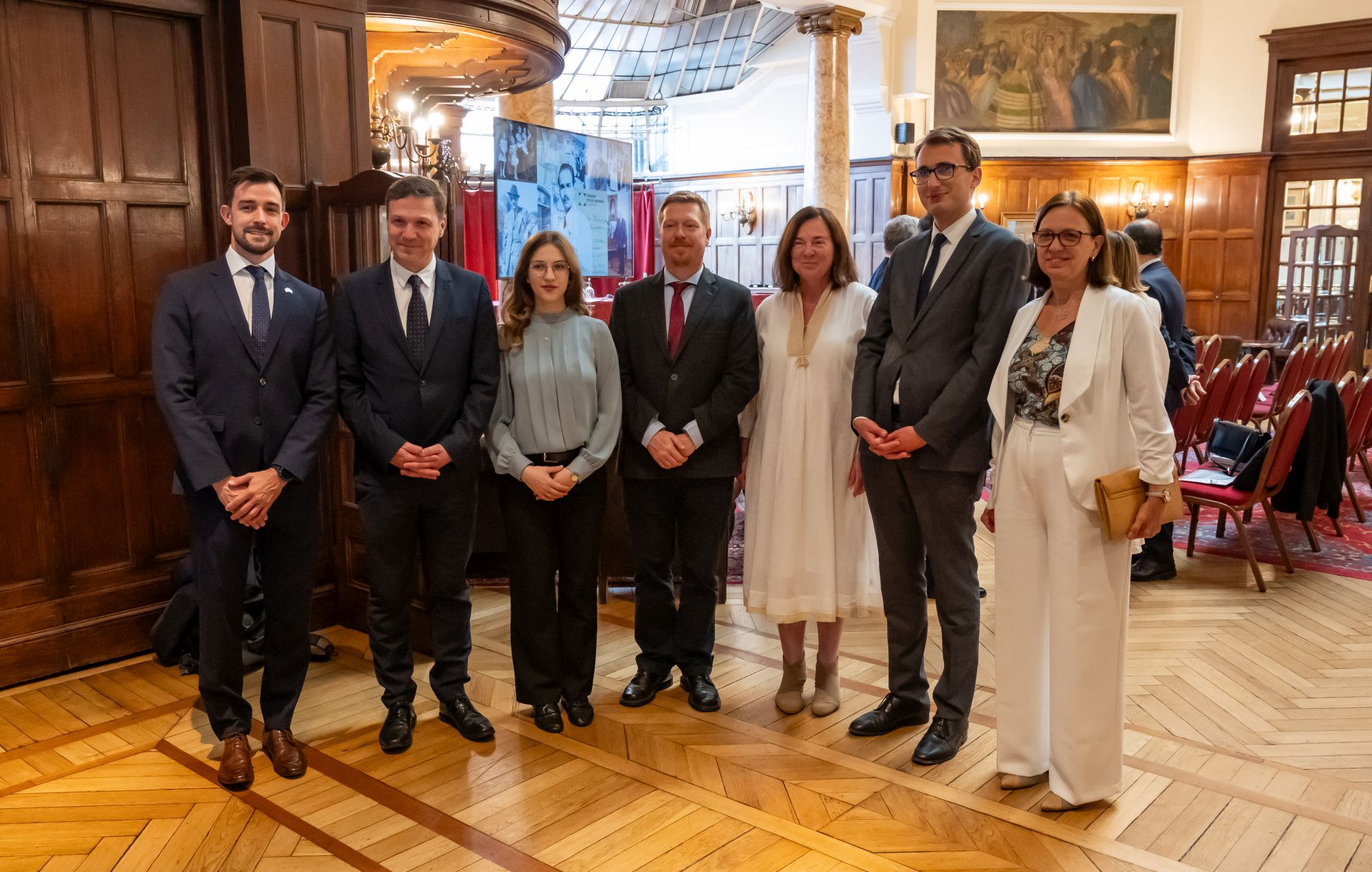
In addition to members of the society and representatives of the consular corps, the local Hungarian community was also present in considerable numbers. The evening was opened by Juan Ignacio Goiria Ormazábal, president of the Sociedad Bilbaina, and Juan Carlos Pérez de Unzueta Arrieta, Honorary Consul of Hungary. This was followed by Deputy Scientific Director Gergely Fejérdy’s presentation of our Foundation’s wide-ranging professional activities. Szilveszter Dékány then recalled the life of our namesake through selected archival photographs from our collection. The presentation paid particular attention to the family’s exile in the Basque Country: images taken in and around Lekeitio also brought into view their everyday life and local ties.
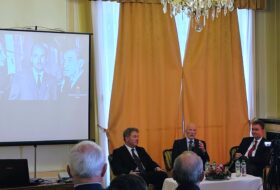
The roundtable discussion featured Georg von Habsburg, Hungary’s Ambassador to Madrid, and José Luis Orella Martínez, professor at CEU San Pablo University, with cultural attaché Balázs József moderating the conversation. The panel began with the personal recollections of Otto von Habsburg’s son. He recounted that, from childhood onwards, he had spent a great deal of time in Spain, where he experienced the local culture at close quarters and developed lasting personal and professional relationships. The discussion then turned to his father’s Iberian connections, above all the years in Lekeitio, which remain vivid in the family’s memory. The ambassador shared that his father had also become closely acquainted with Basque traditions. “I remember that he even knew the numbers in Basque, and he also knew songs. We spent our summers in Benidorm, where we have a house, and he would always sing Basque songs there.”
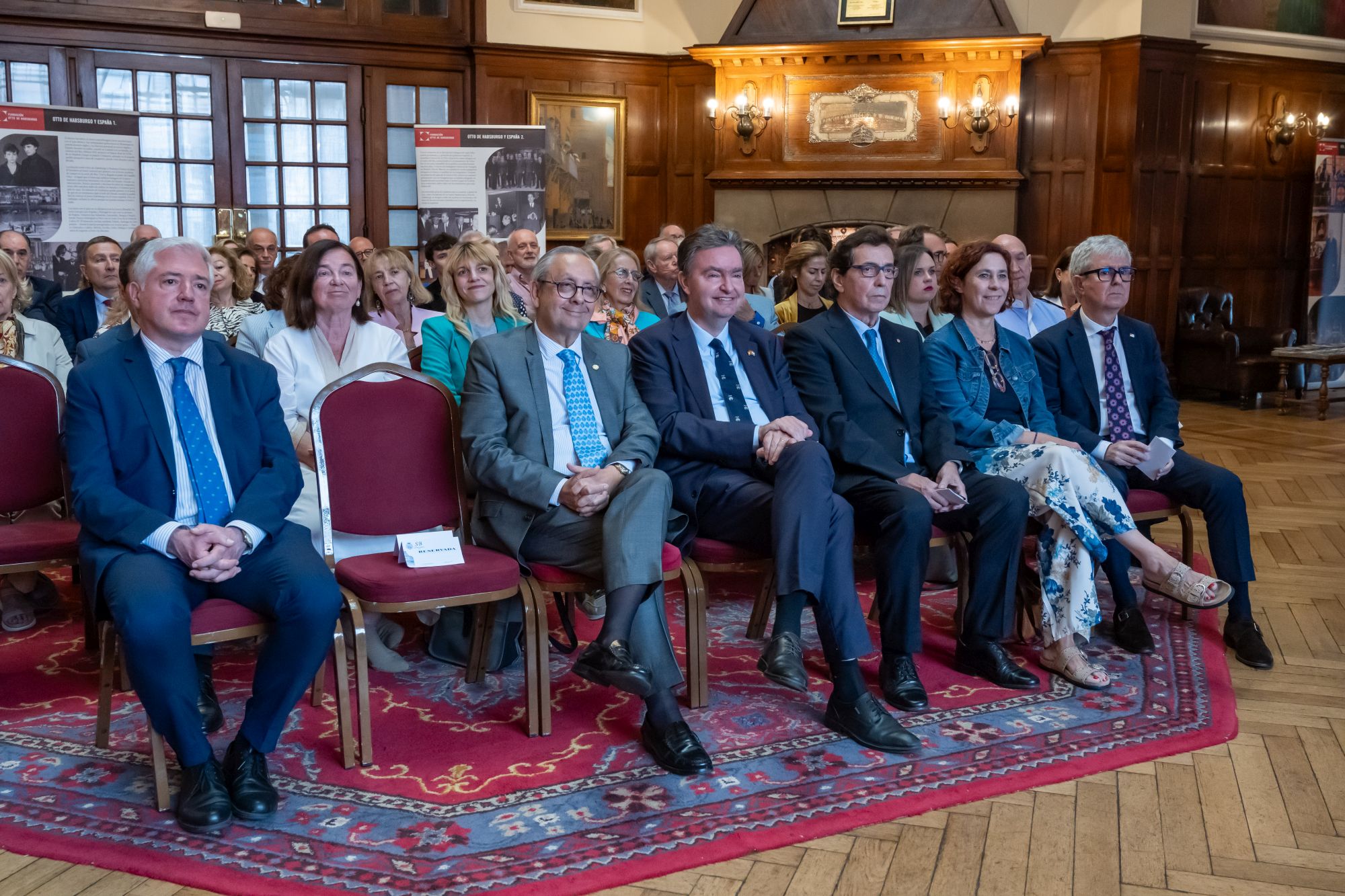
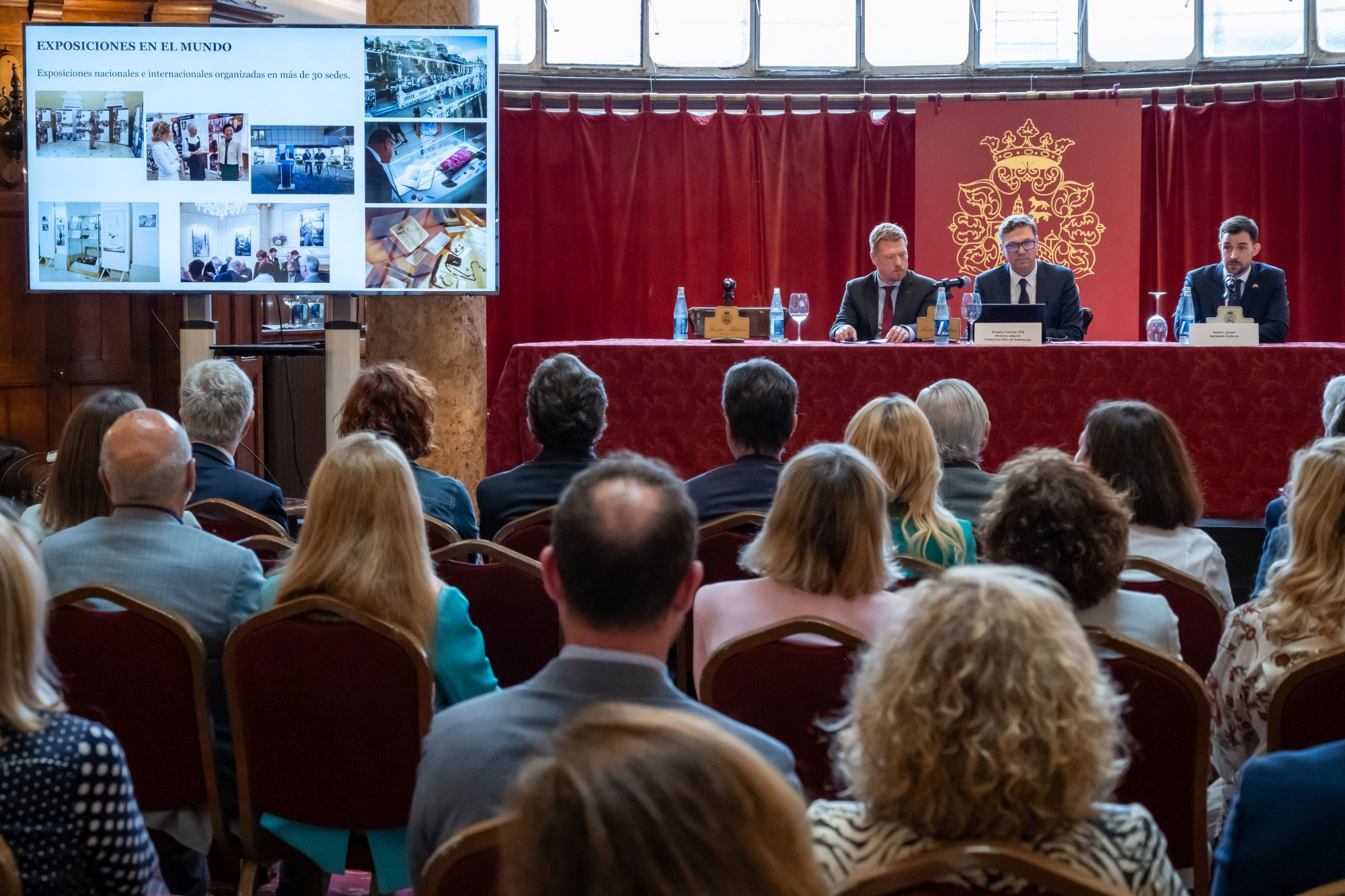
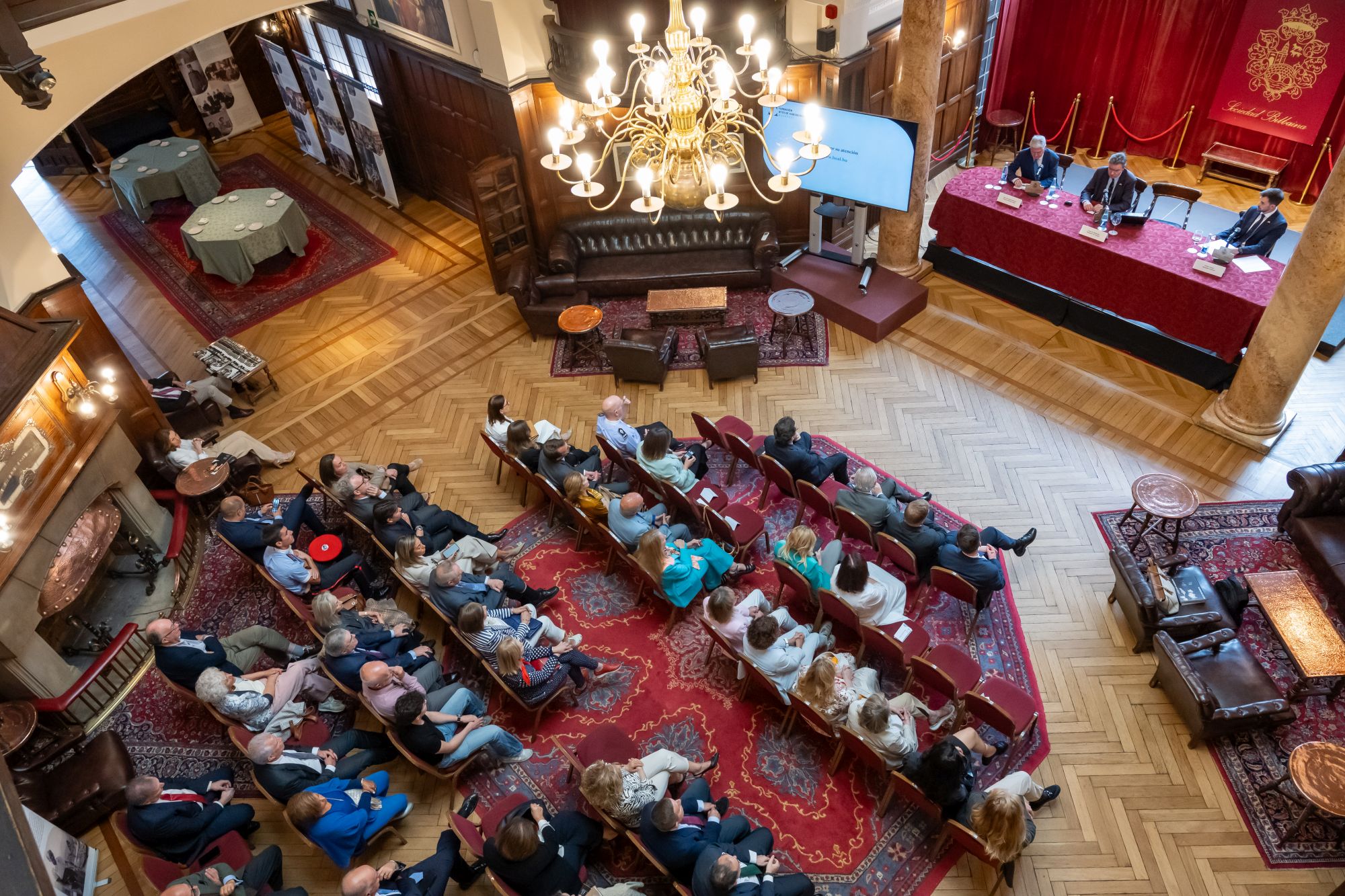
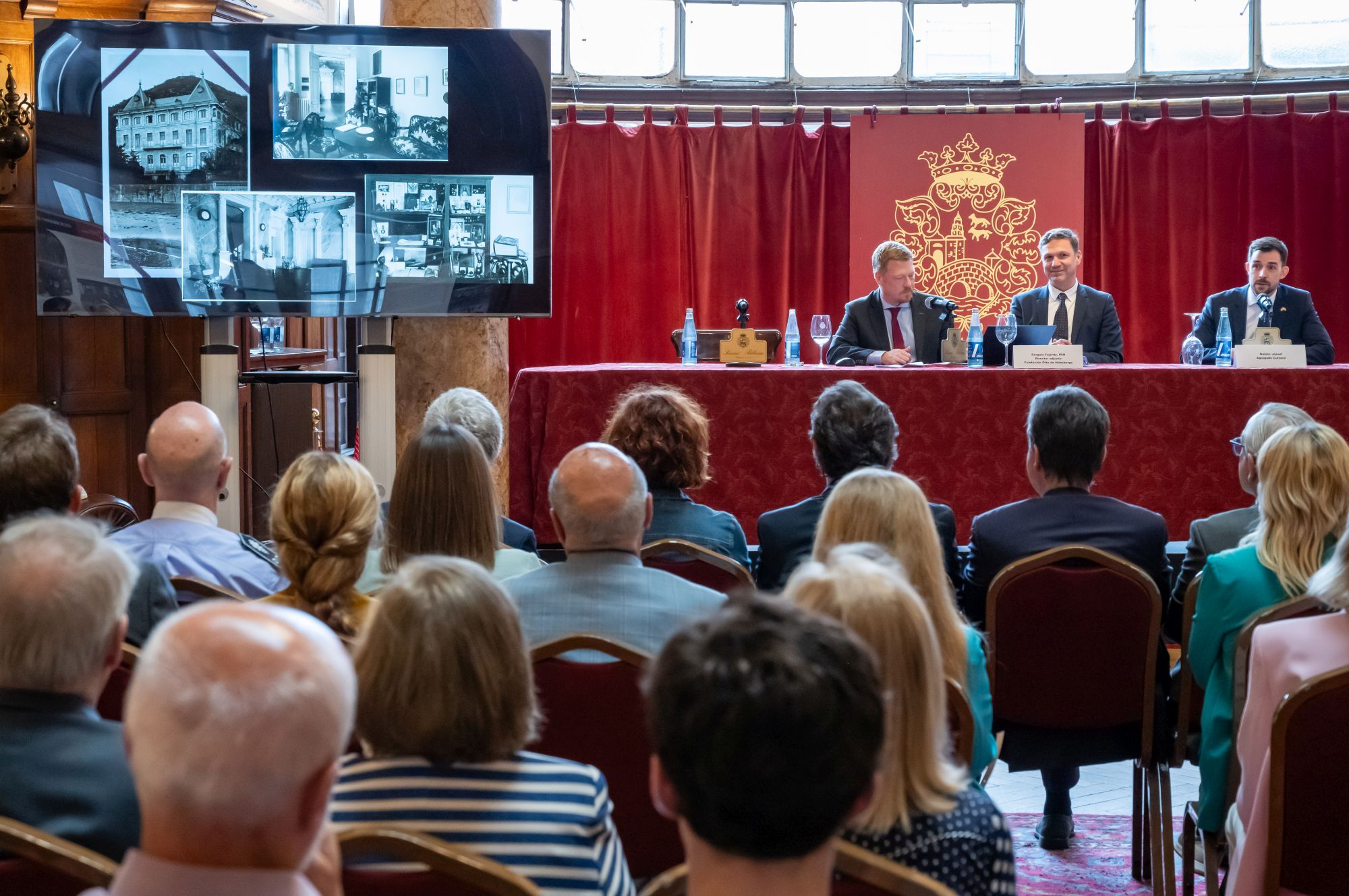
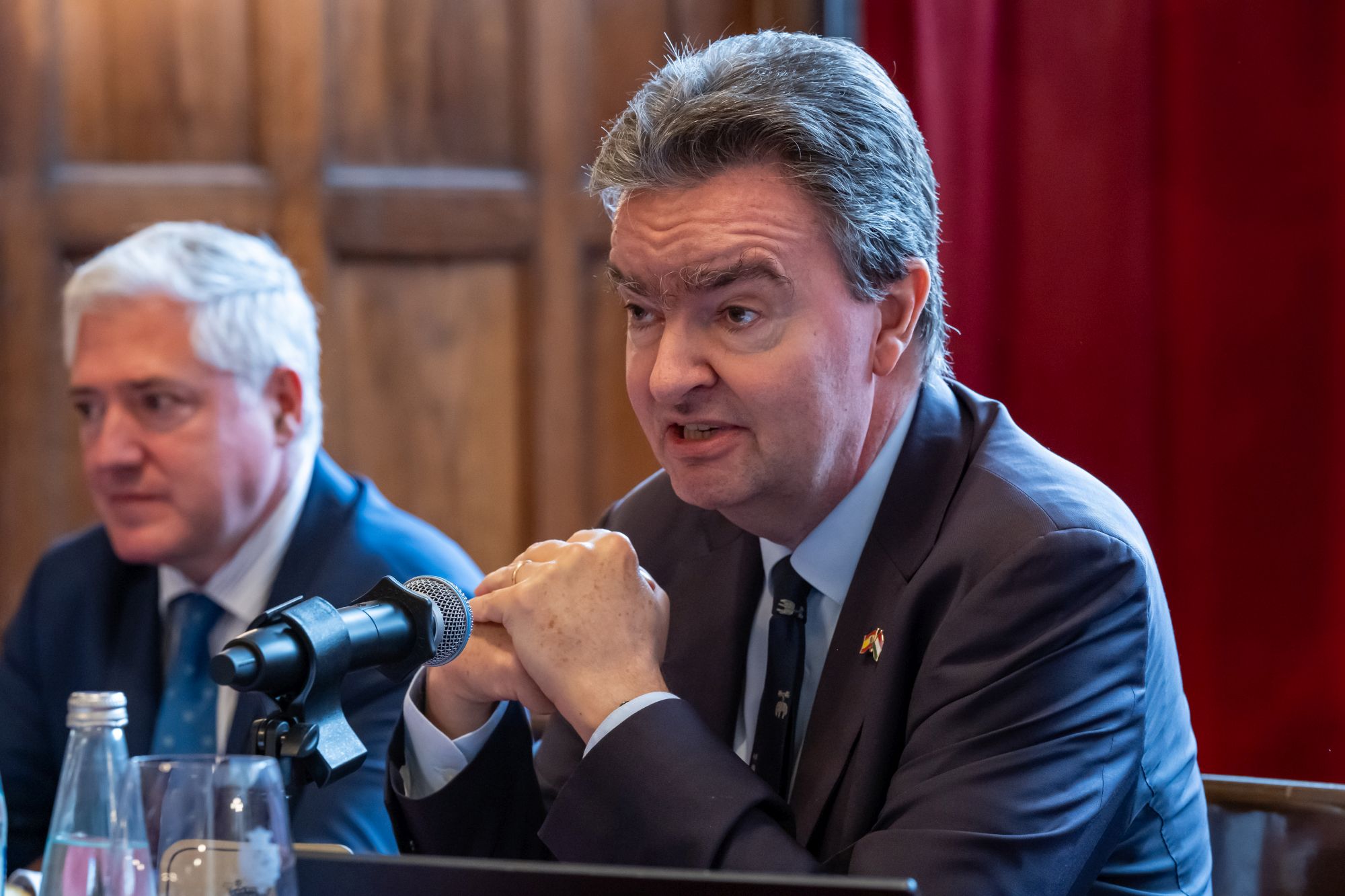
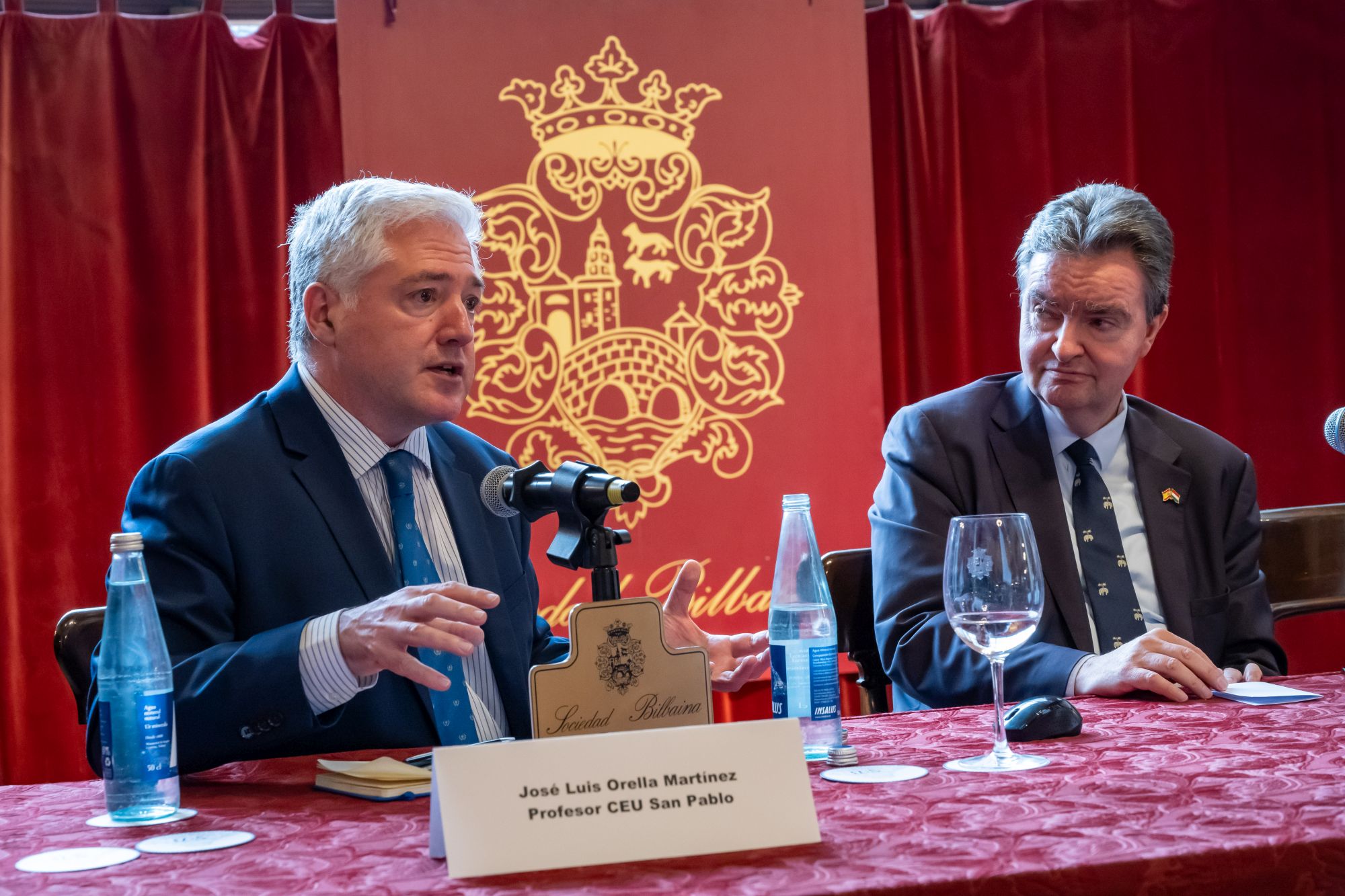
Alongside the family aspects, the discussion also addressed Spain’s (geo)political place in Otto von Habsburg’s thinking. The participants highlighted the significance of the 1956 Revolution, emphasising that, in the international arena, Spain stood alone not only in providing diplomatic and humanitarian support, but also considering the possibility of armed assistance. José Luis Orella pointed out that even in the first decades of the Cold War, his country offered refuge to refugees and dissidents from East-Central Europe; it served as a welcoming environment for Catholics, Protestants, and Orthodox Christians alike.
Finally, the conversation also touched on the cause of European unity, Otto von Habsburg’s ideas on integration, and his work in the European Parliament, underlining the role he played in promoting Spain’s accession to the European Communities in 1986.
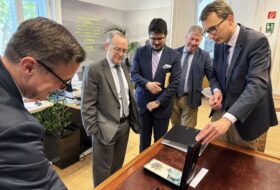
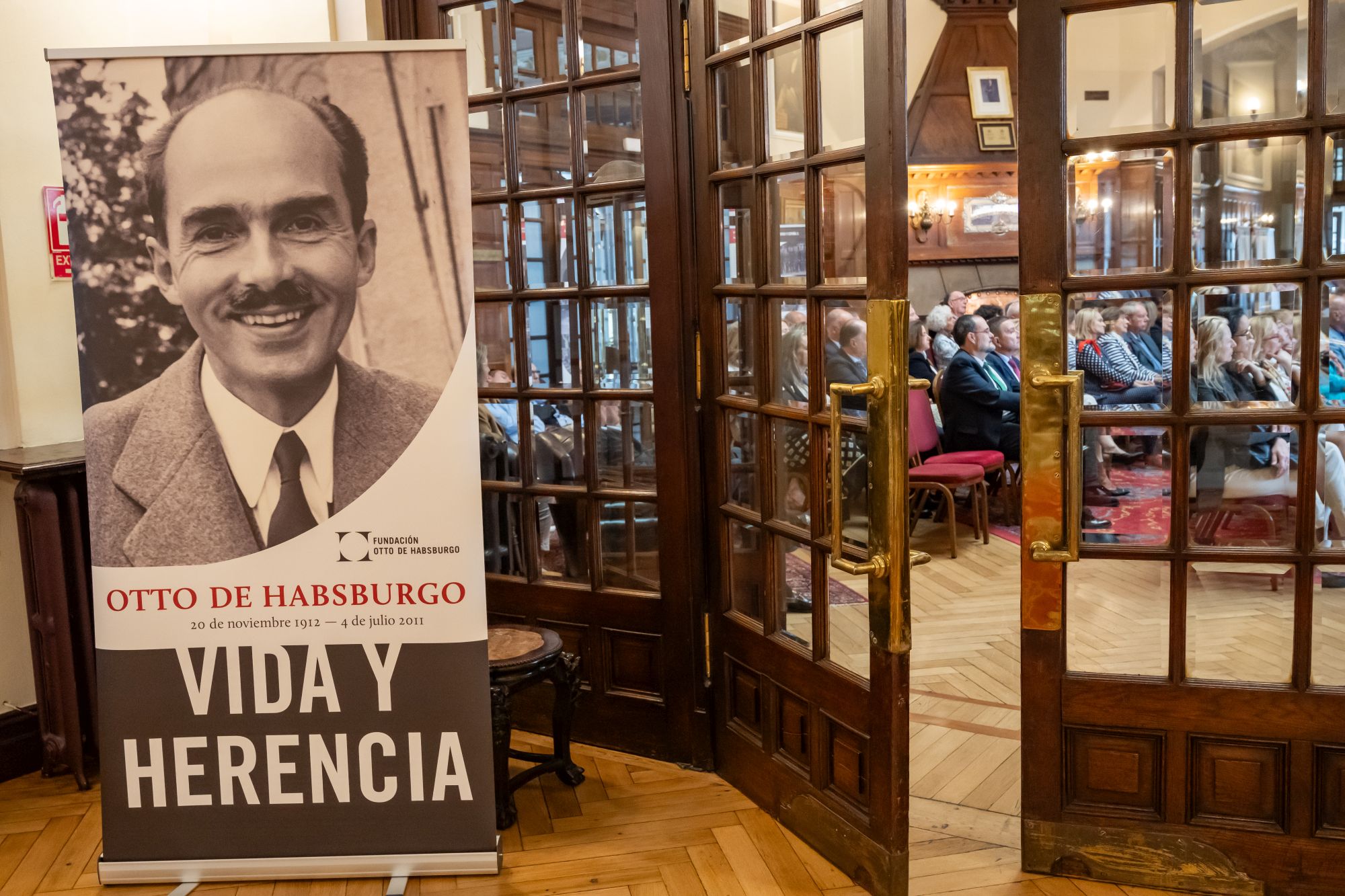
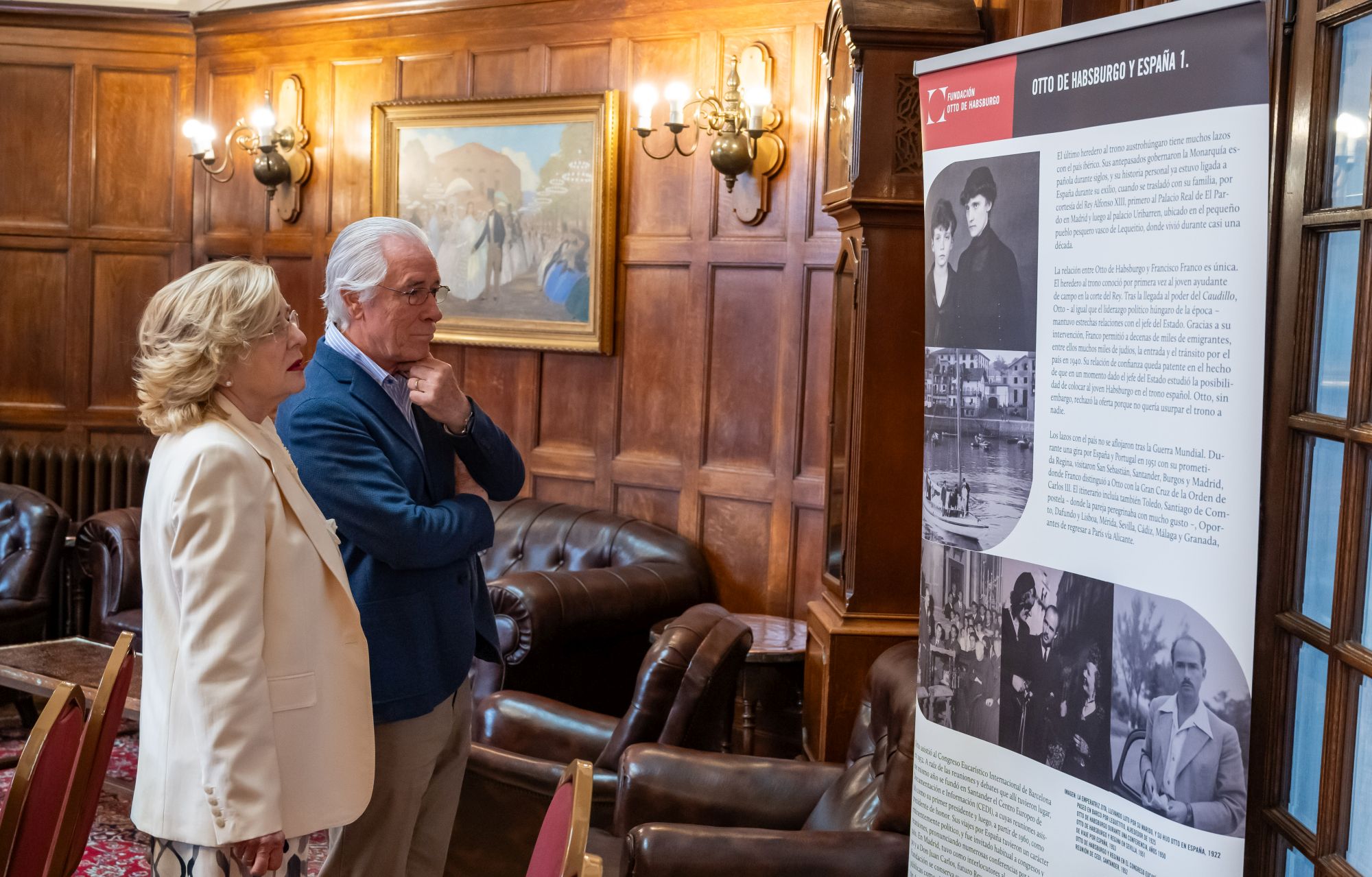
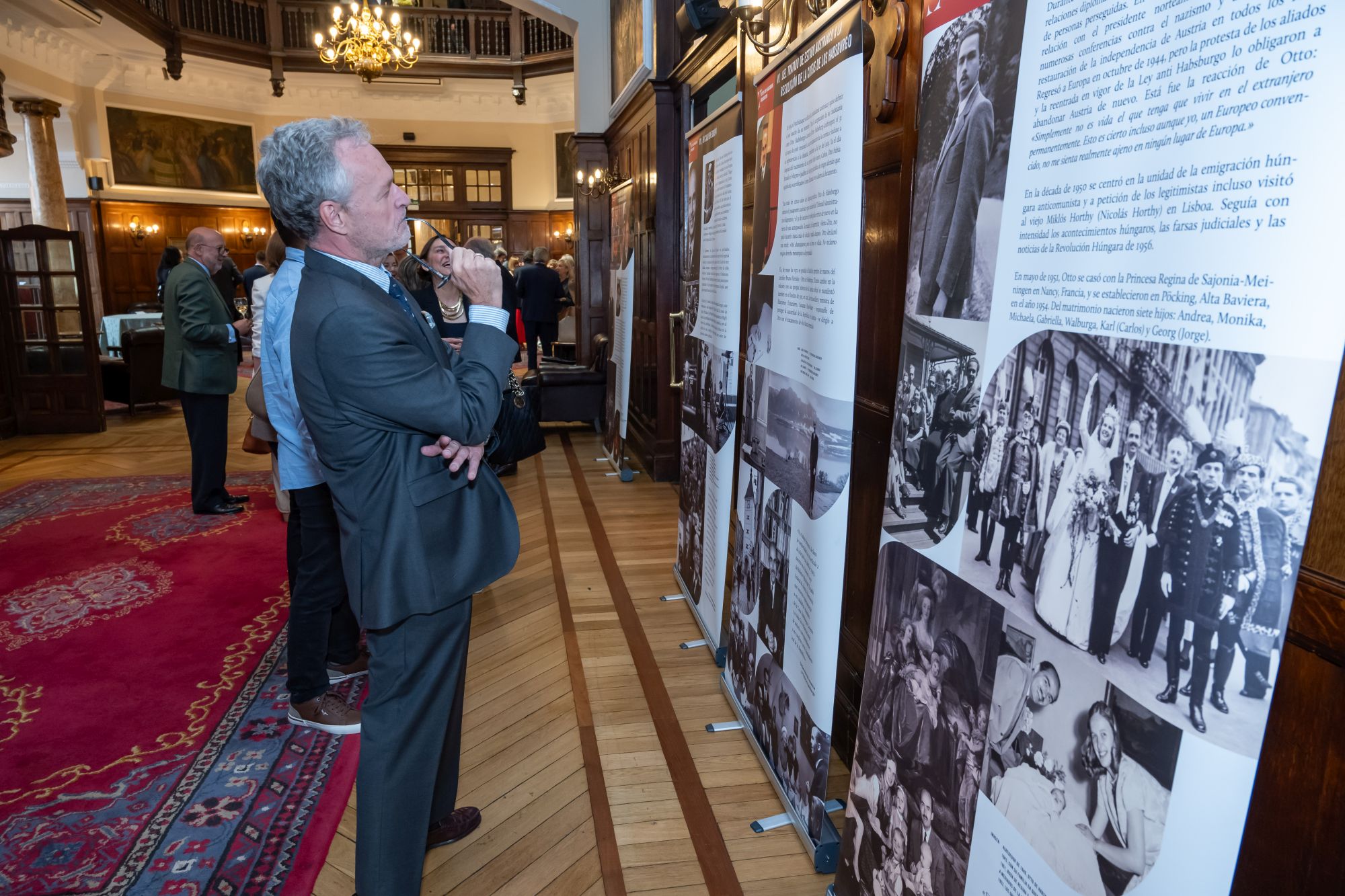
At the conclusion of the programme, visitors had the opportunity to view the exhibition presenting the life and heritage of our namesake.
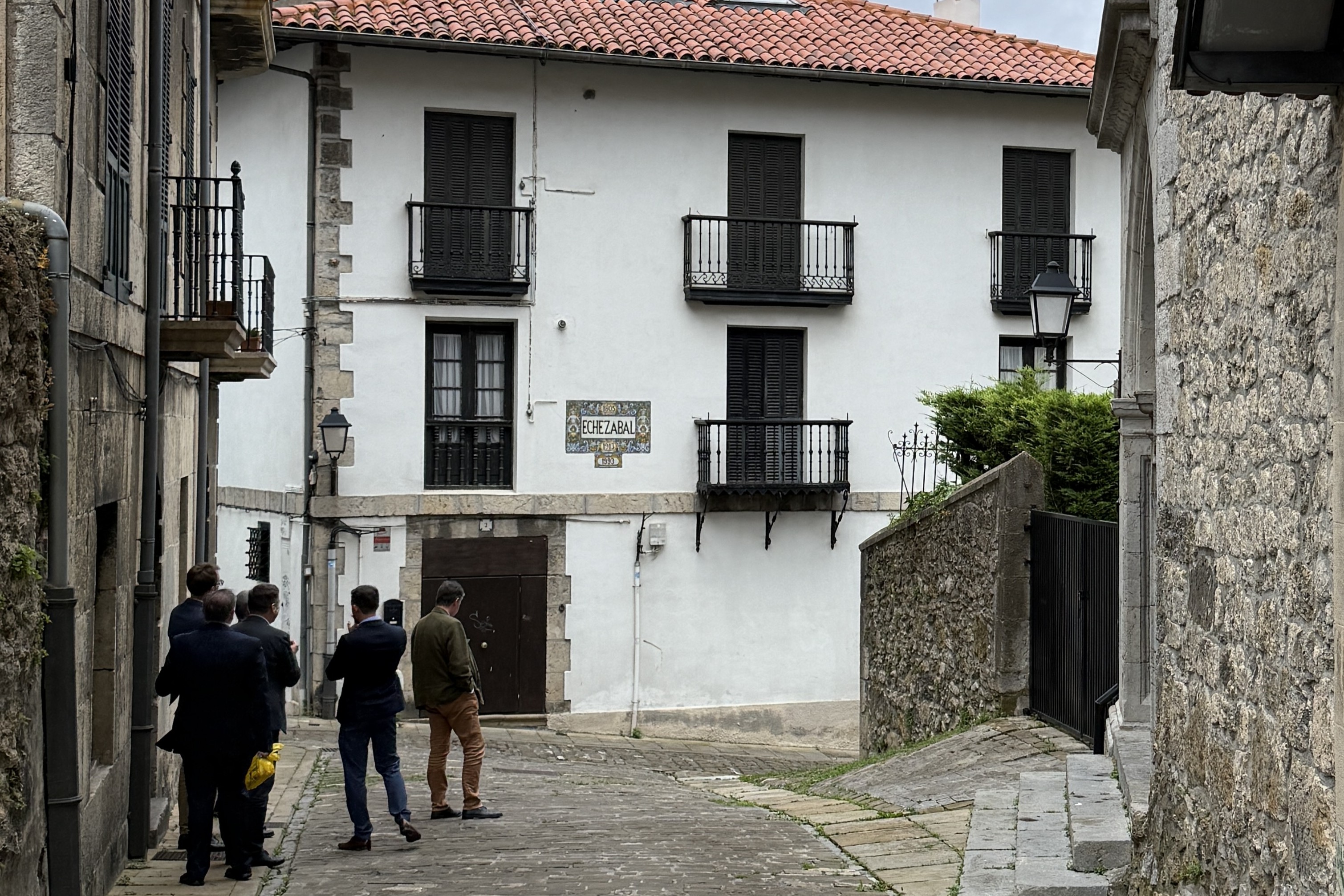
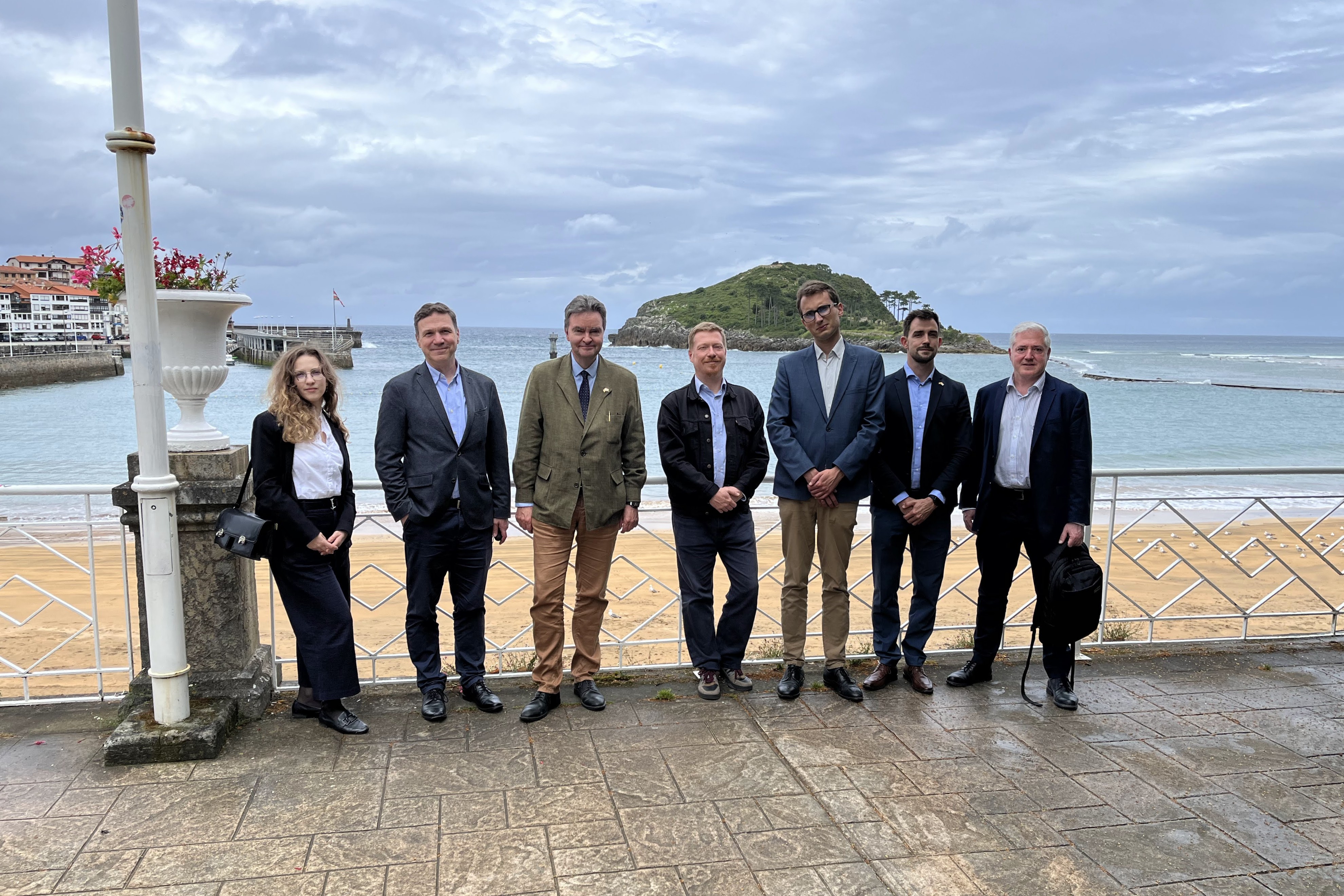
On the occasion of the event, Georg von Habsburg and members of our Foundation also travelled to Lekeitio, where the exiled dynasty had lived in the 1920s. Although the quiet seaside town has changed considerably since then, the garden of the former Uribarren Villa still preserves one of the defining chapters of Otto von Habsburg’s youth. In recent years, our Foundation has uncovered and systematised the period’s photographic collection; among these images, numerous photos bear witness to the family’s time in Lekeitio. Visiting the sites, therefore, not only complemented the picture that emerges from the archival material but also made more tangible the setting in which the family’s everyday life once unfolded.