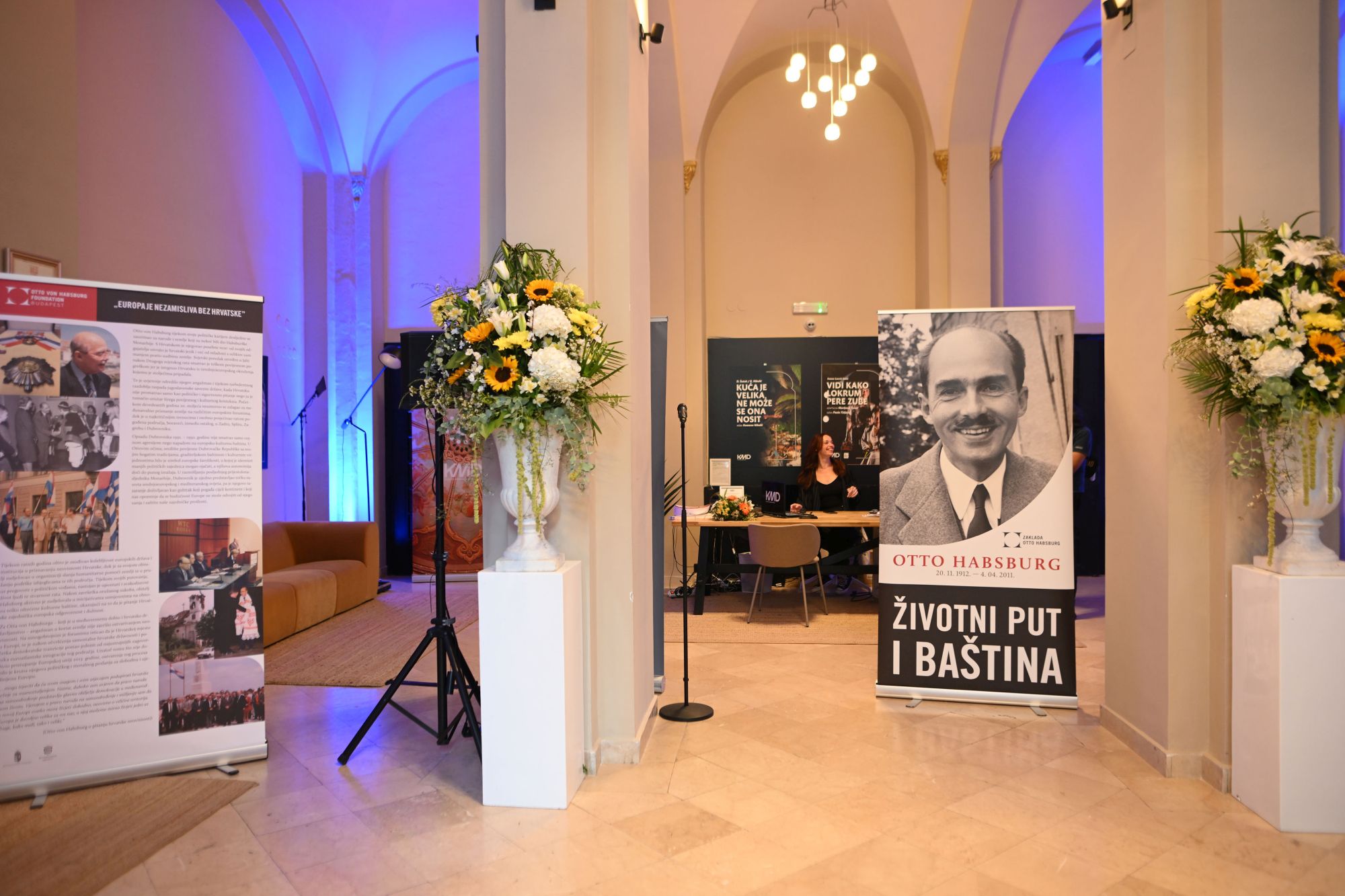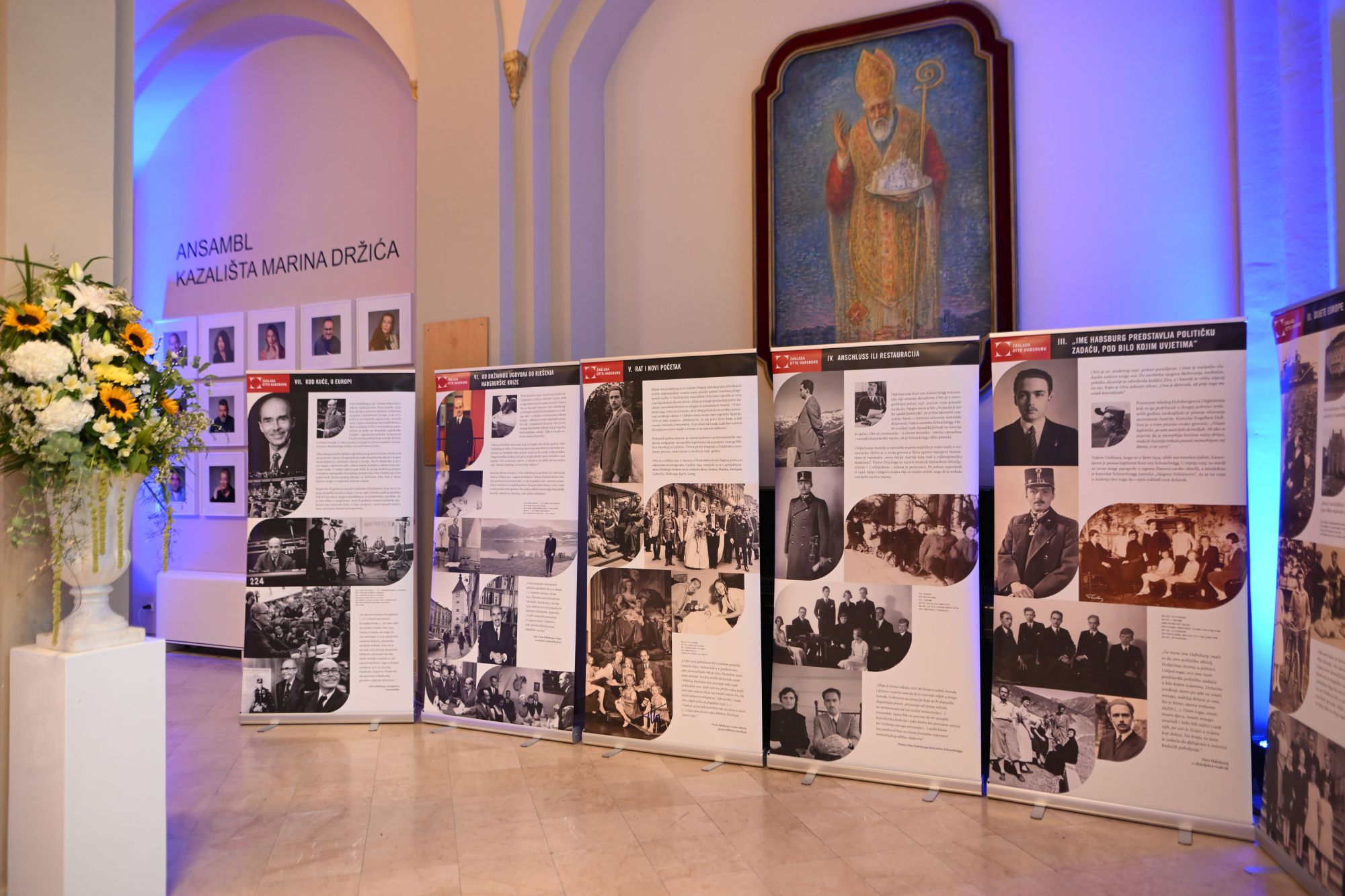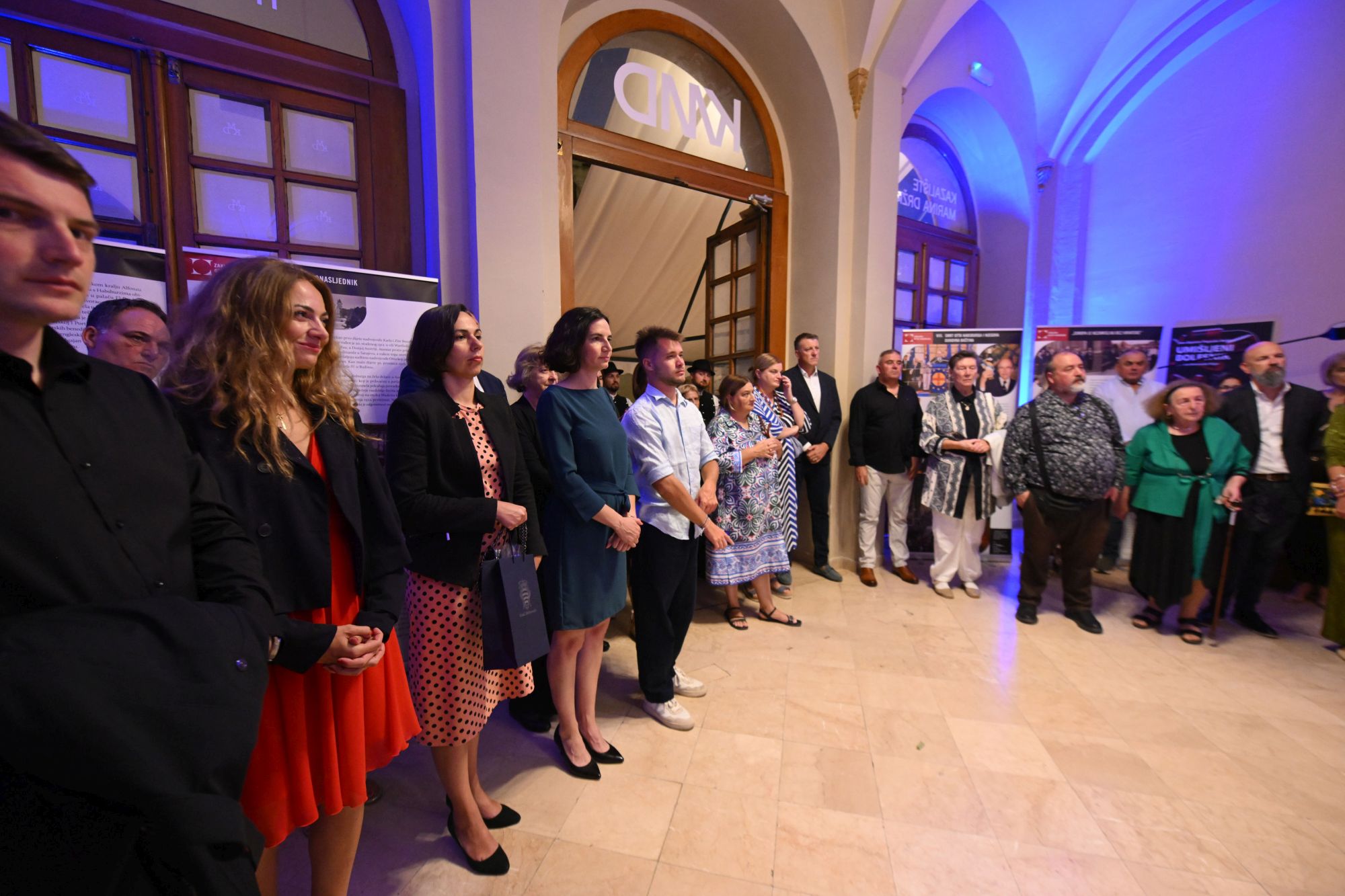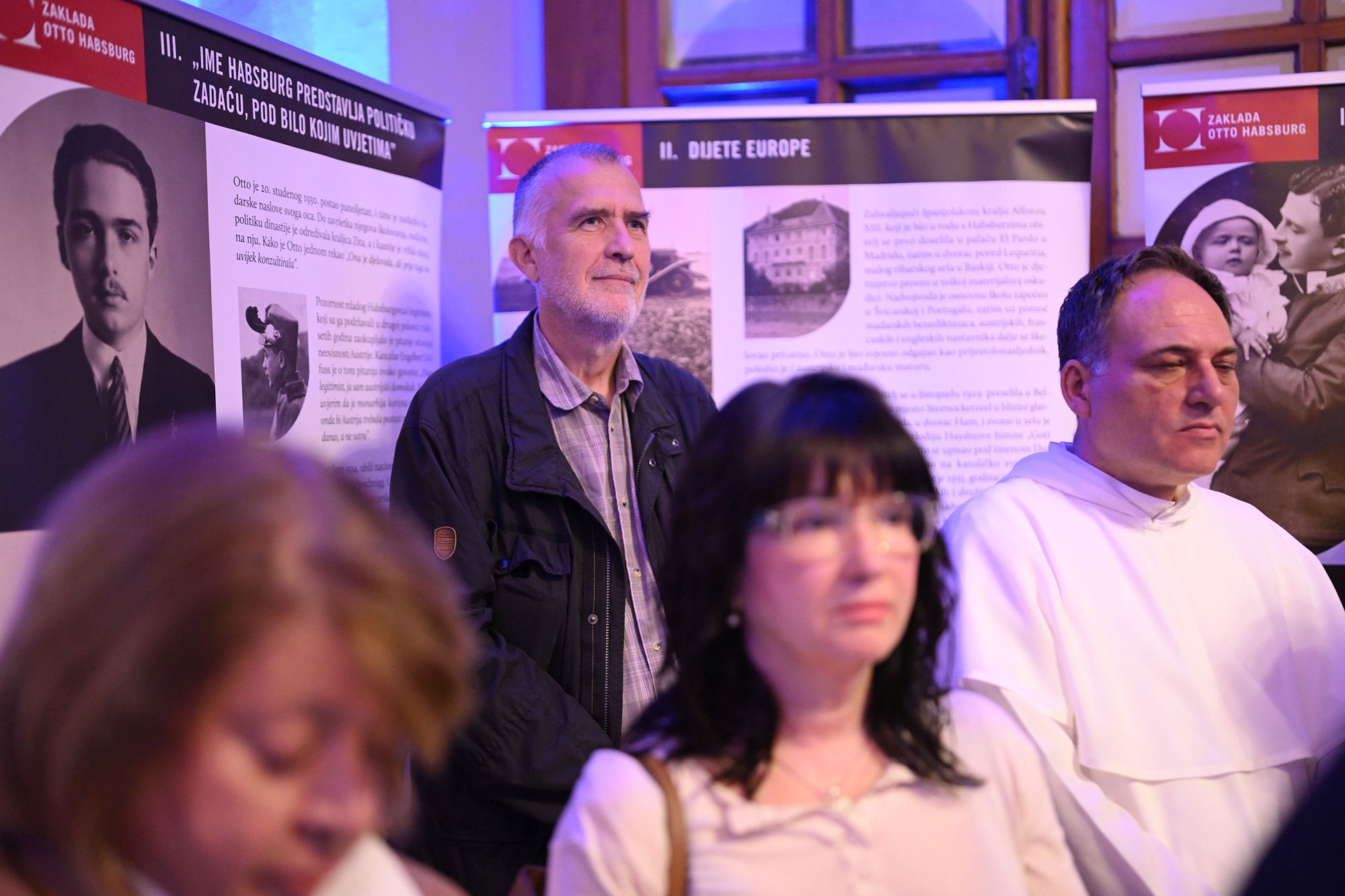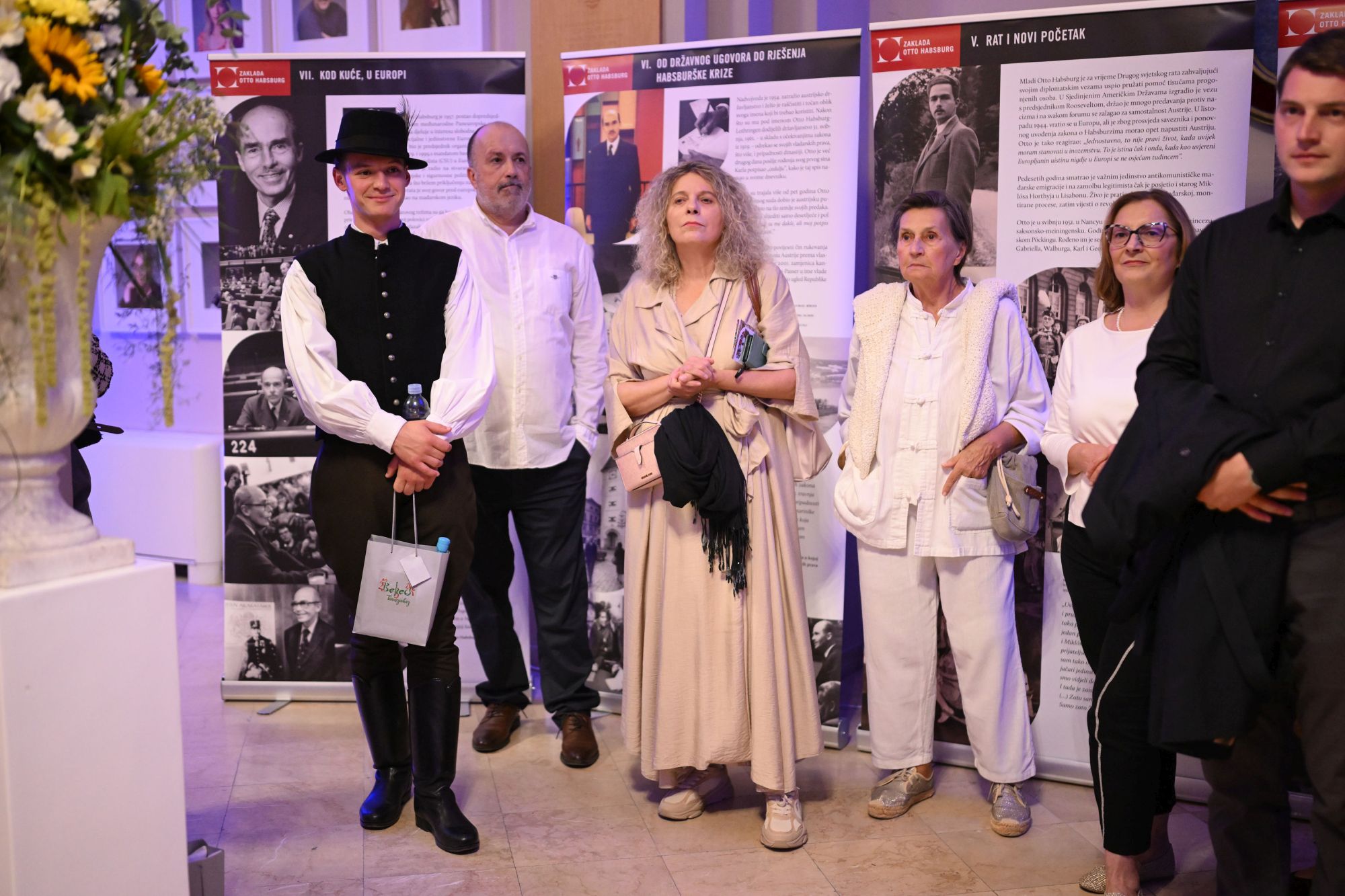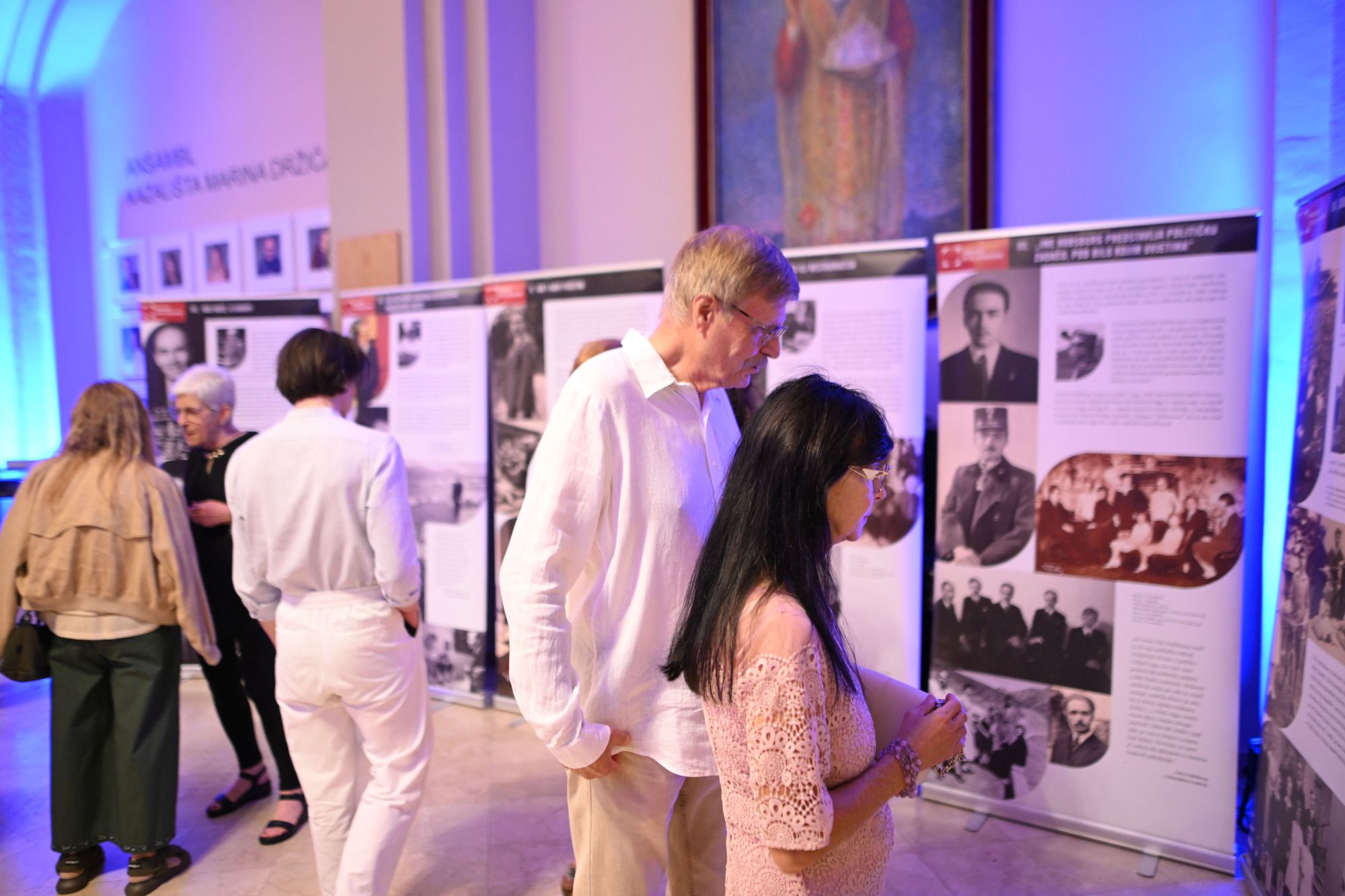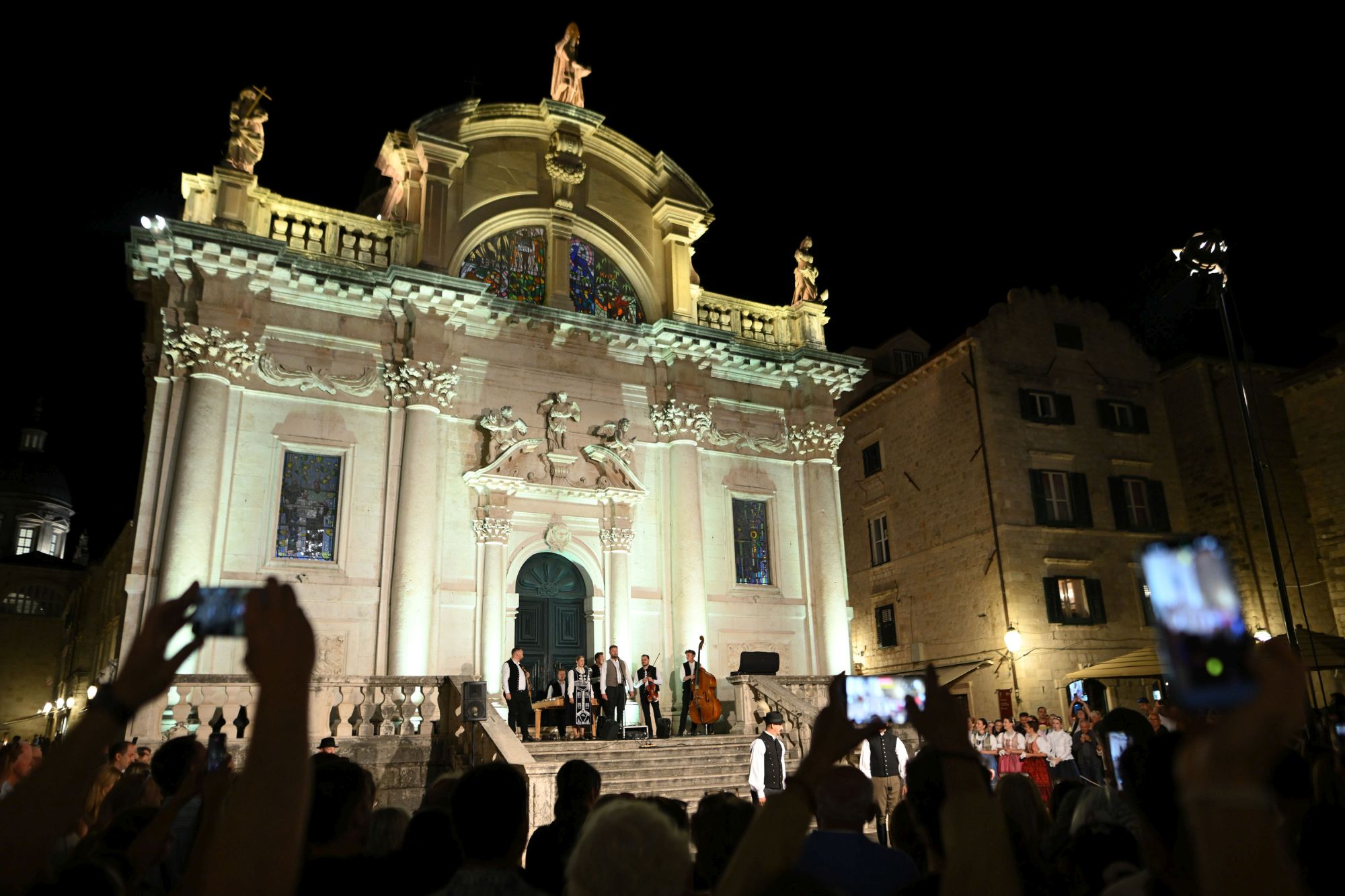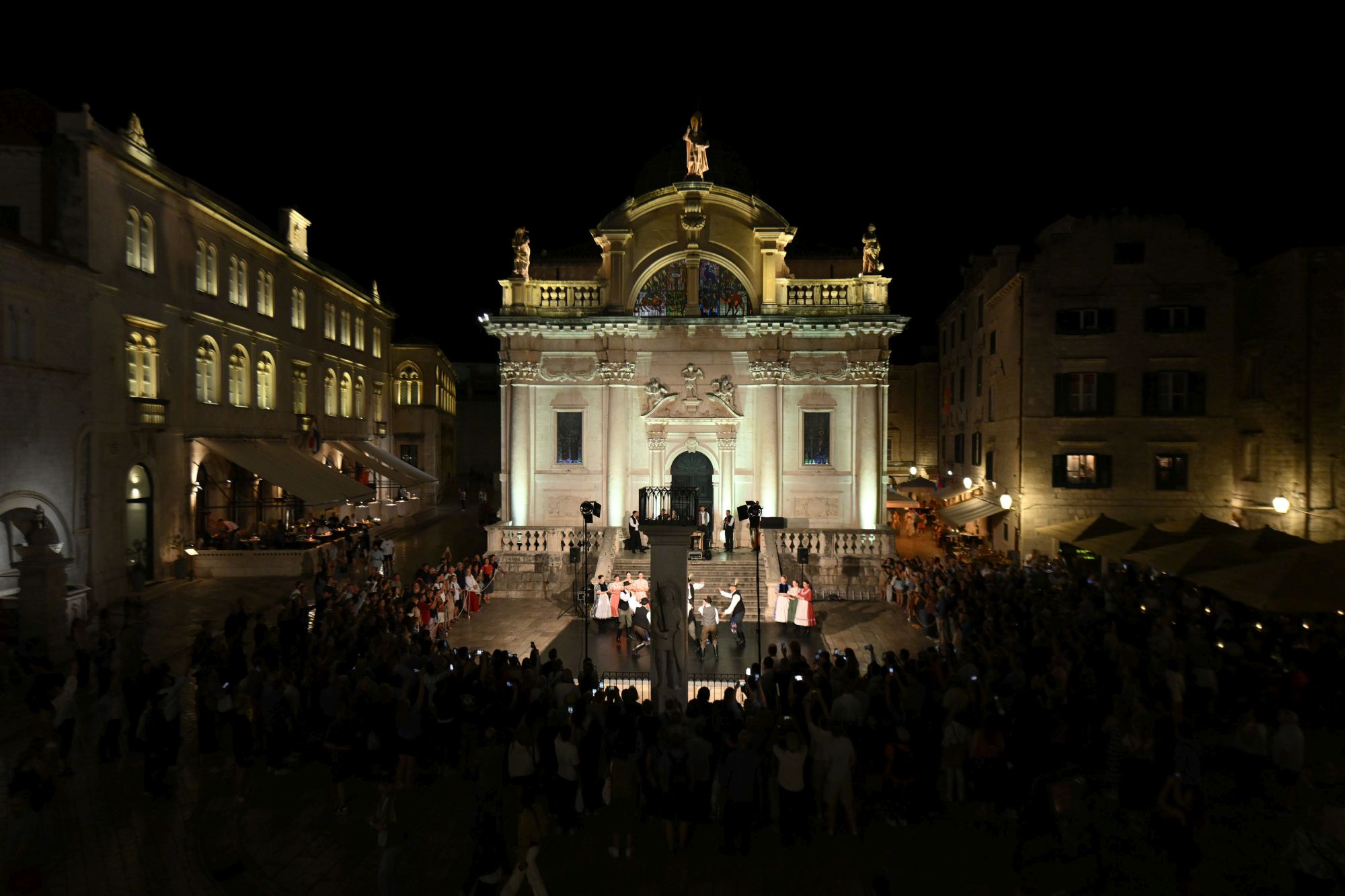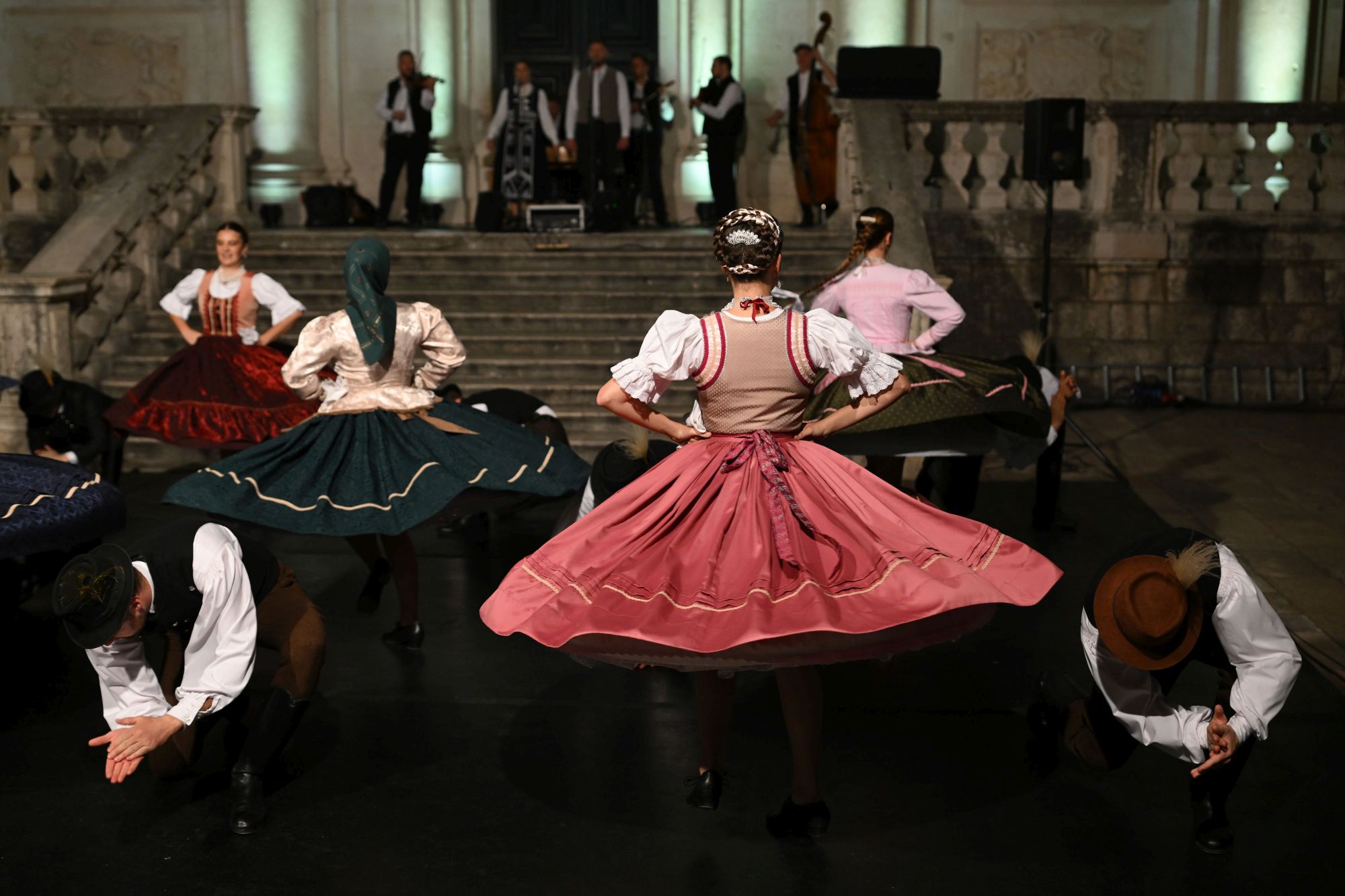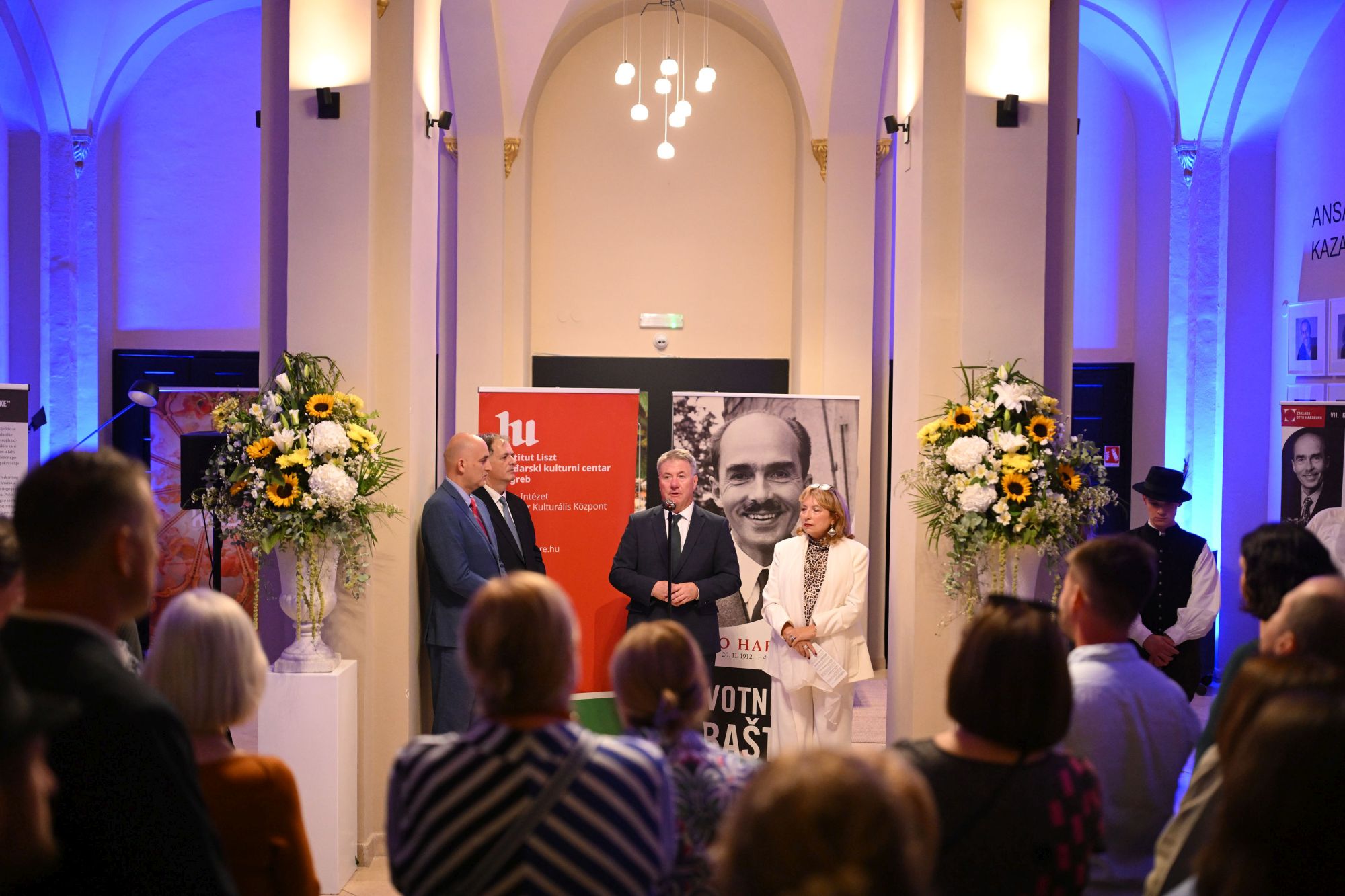
This year’s programme showcased Hungarian culture in a variety of forms. At the opening event at the Marin Držić Theatre, the display devoted to our namesake’s life provided a historical perspective on Hungarian–Croatian relations.
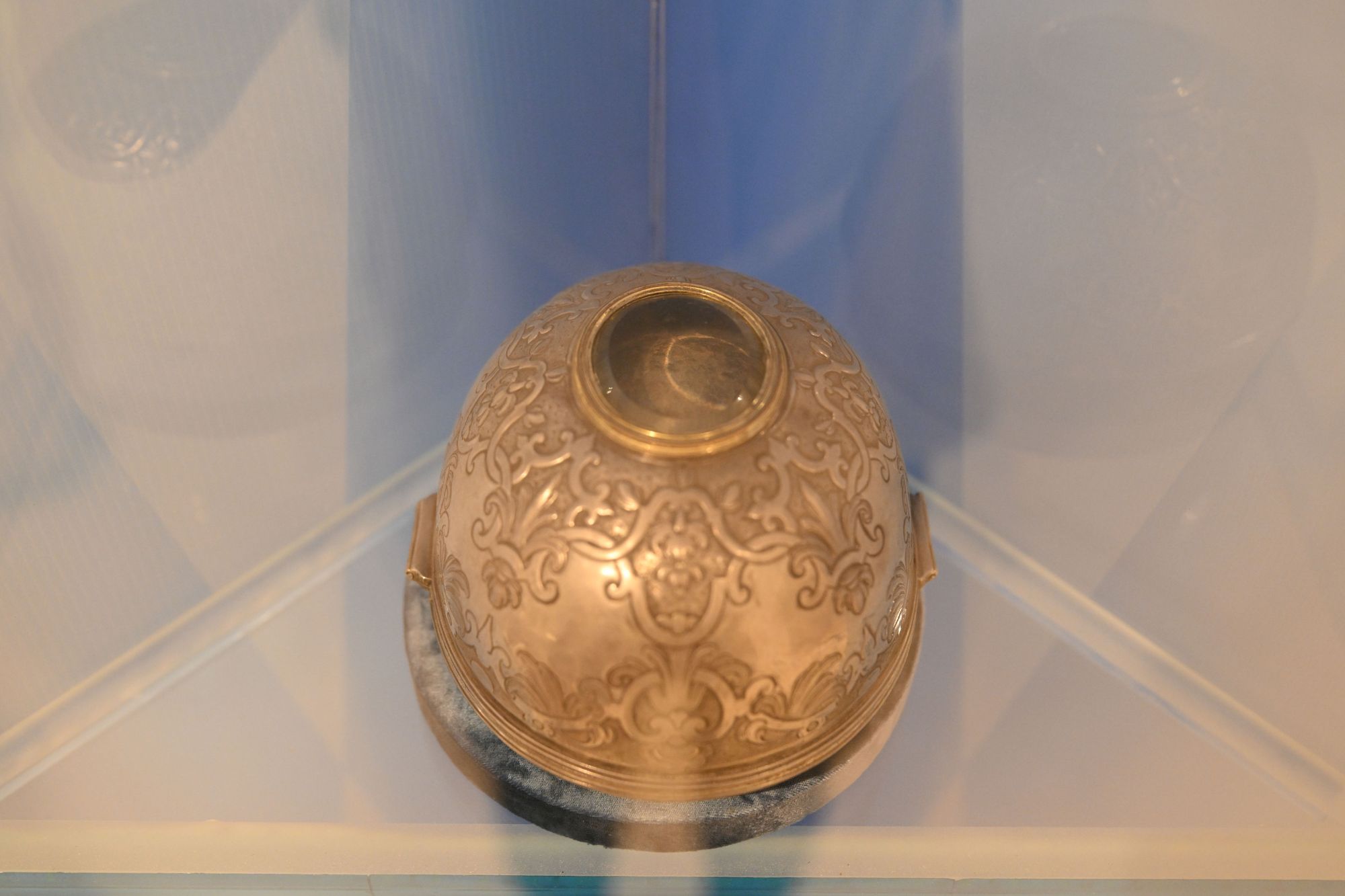
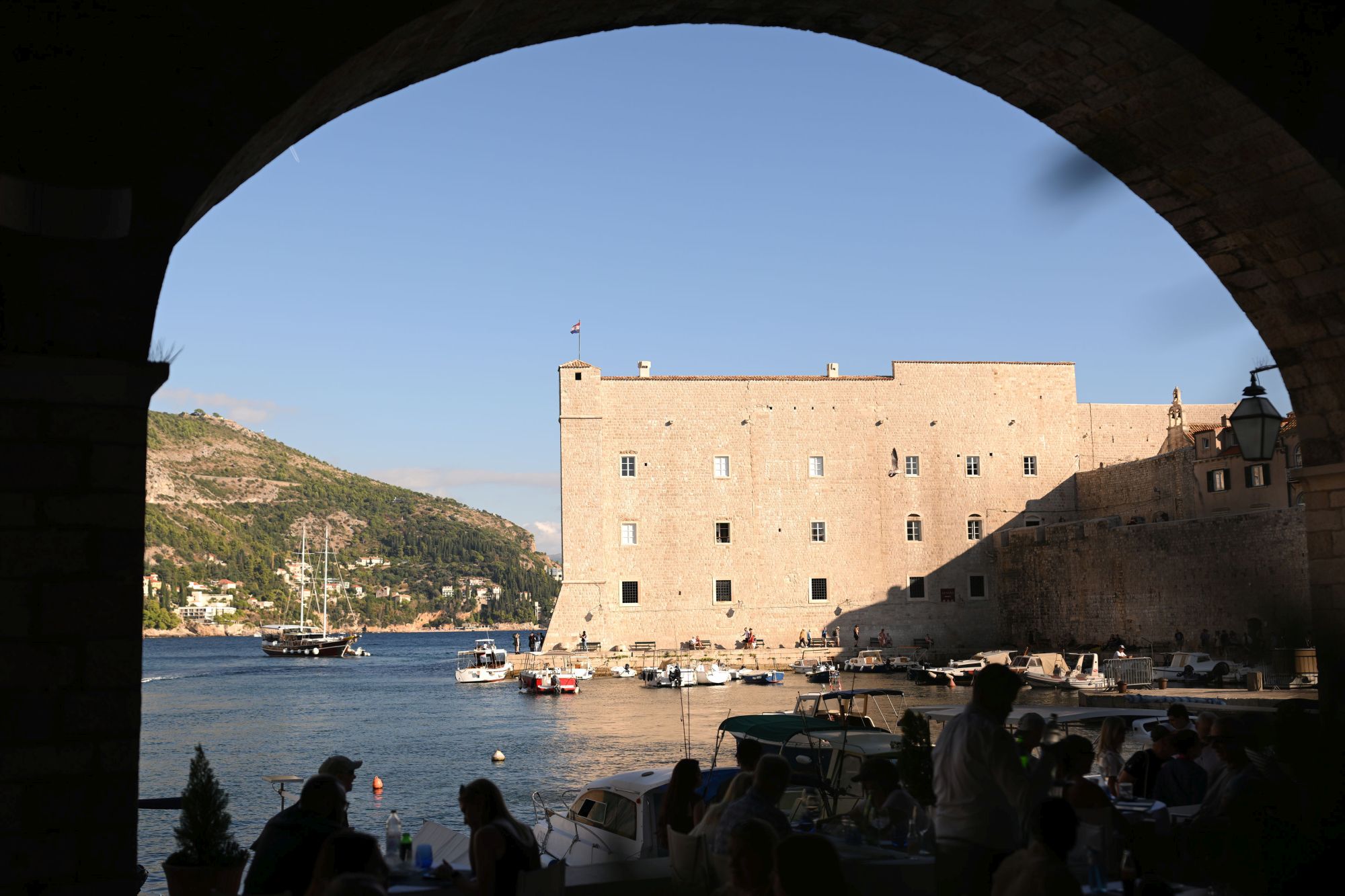
The Hungarian Crown’s authority over the city-state of Ragusa ended 500 years ago, following the Battle of Mohács. Centuries later – under the settlement reached at the Congress of Vienna in 1815 – the territory once again became part of the Danubian Monarchy, remaining so until 1918. The Mediterranean city’s Central European ties also have a sacred dimension: a head relic of Saint Stephen is kept in the local Dominican monastery. Yet 1 October marks a tragic anniversary in Dubrovnik’s collective memory: 35 years ago, on that day, the Yugoslav army launched its attack on the city.
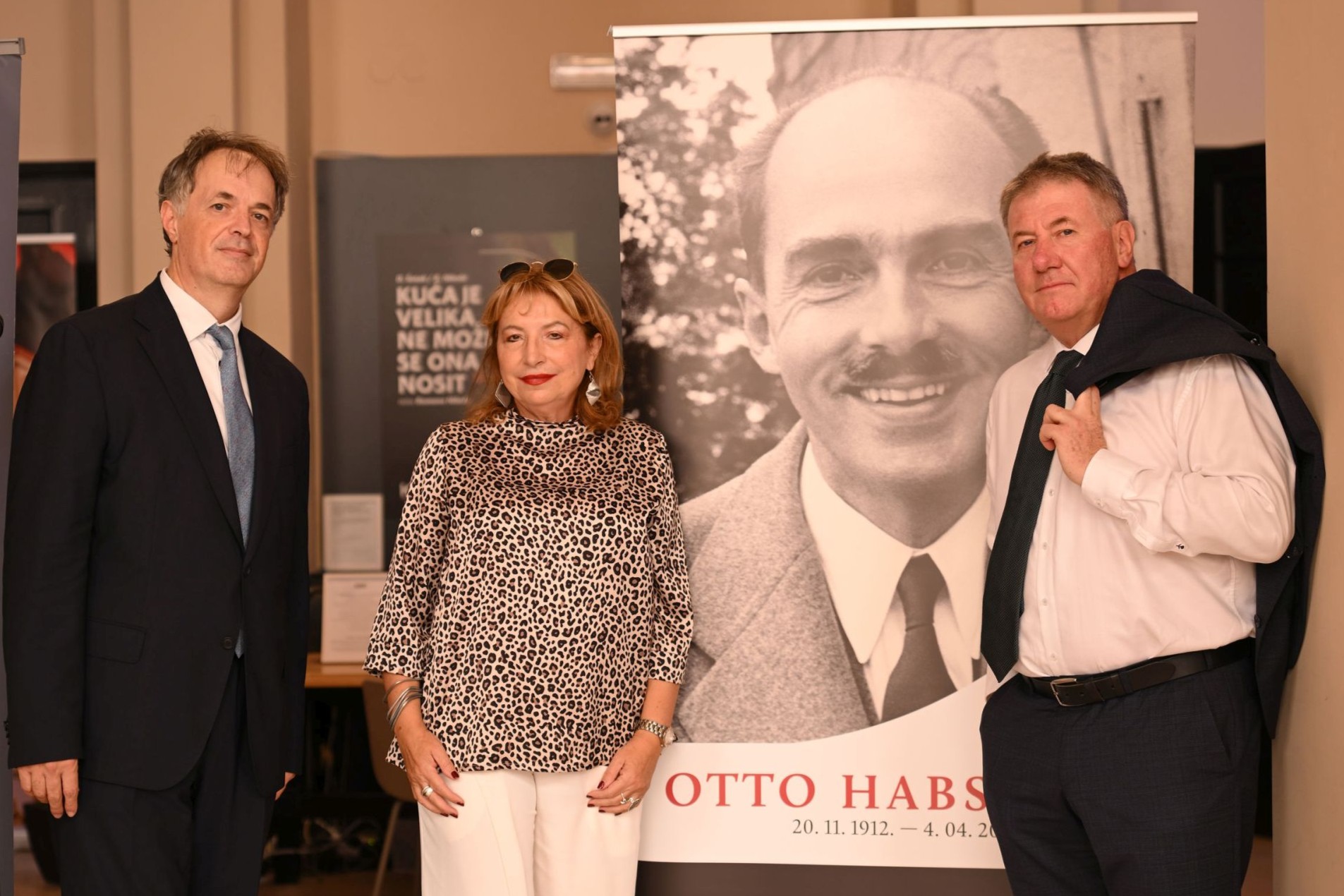
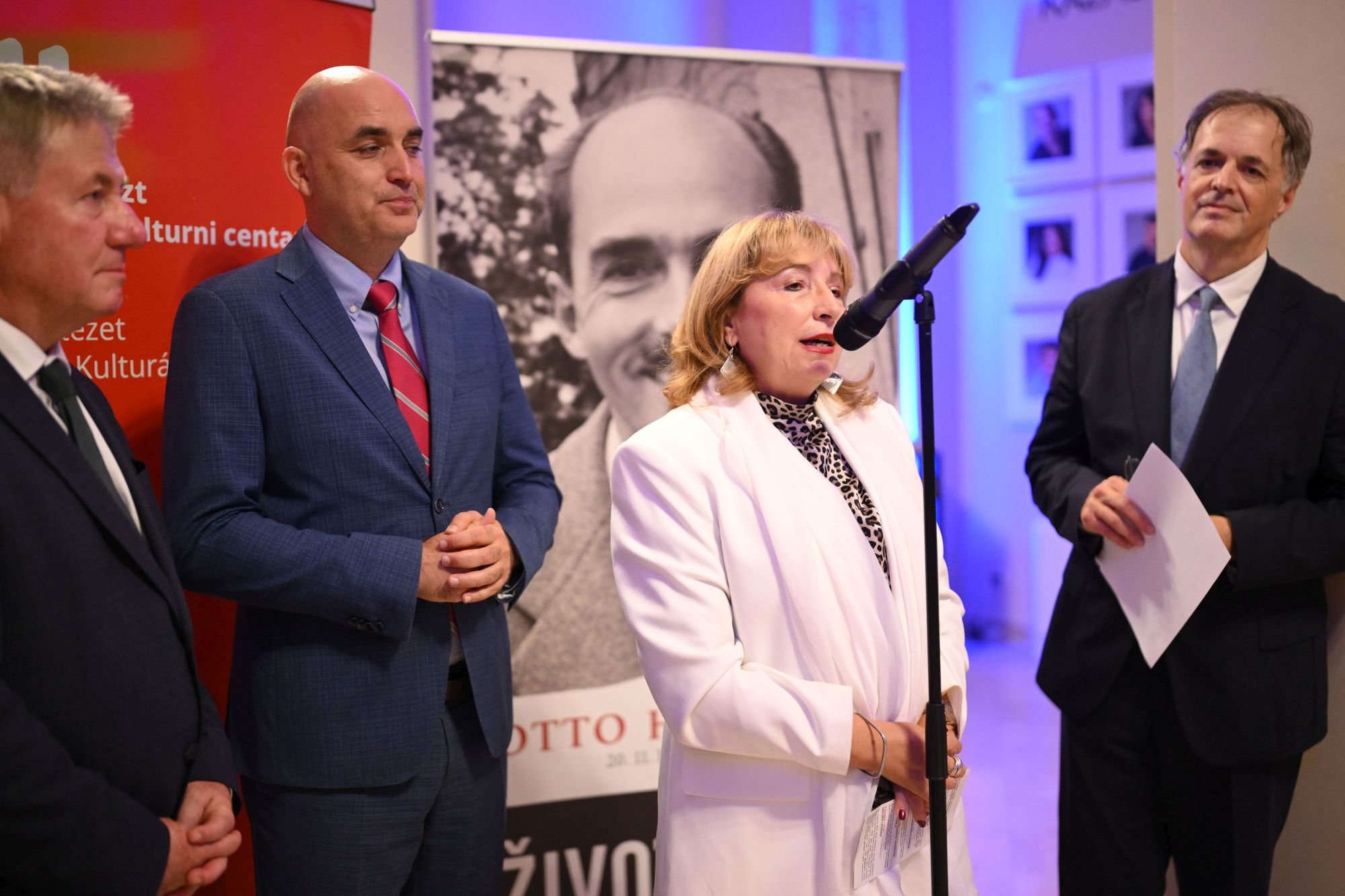
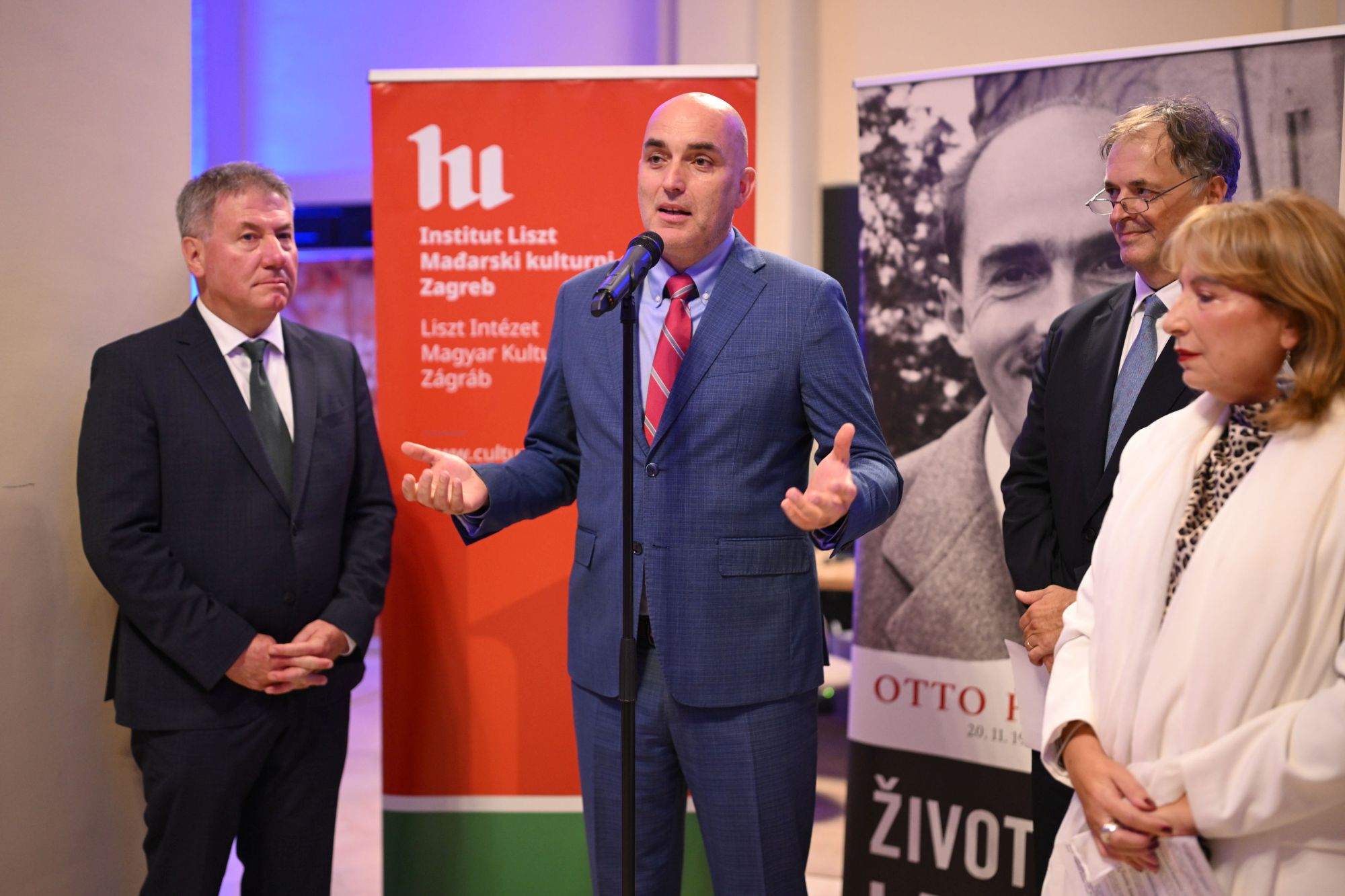
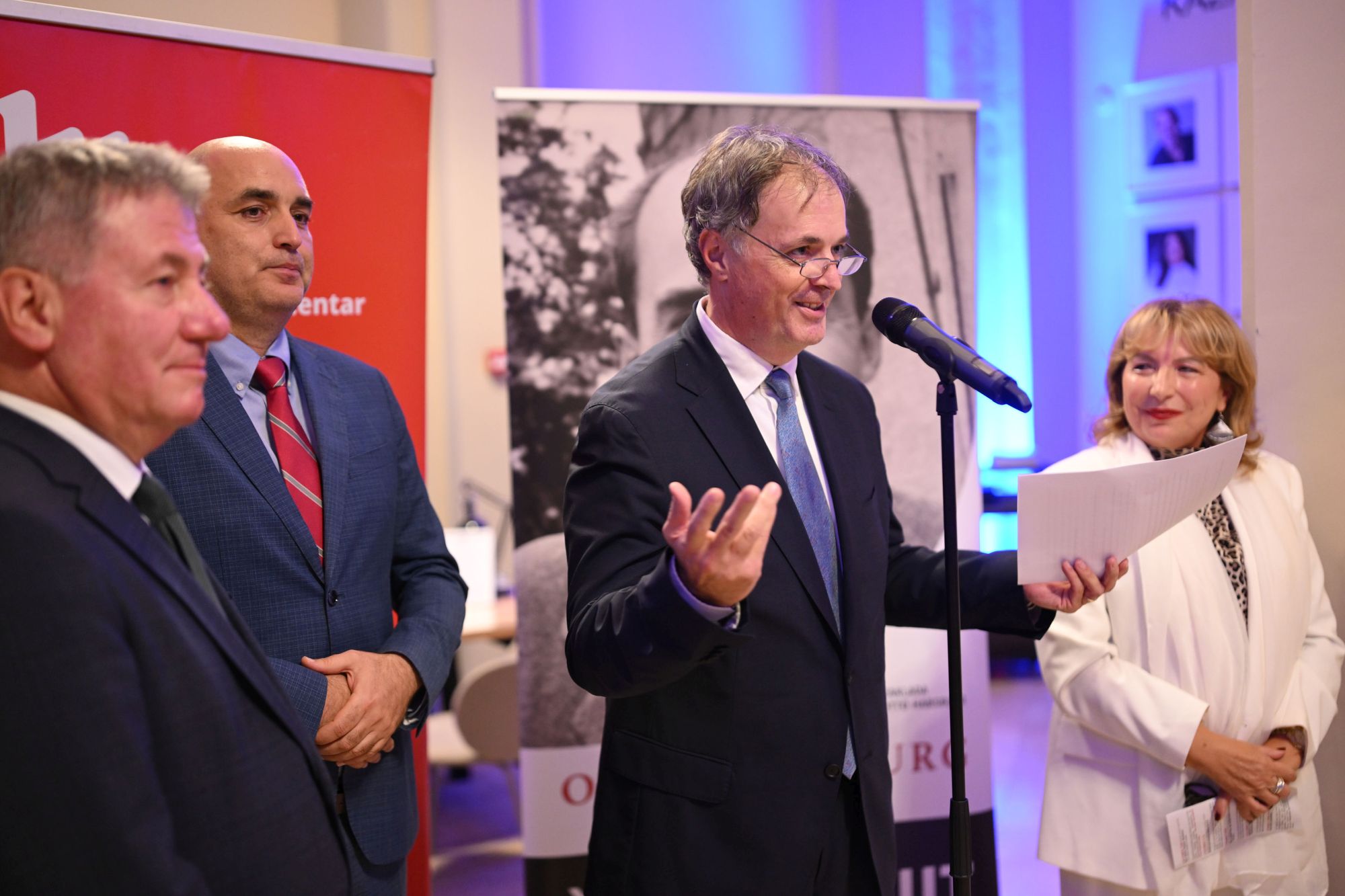
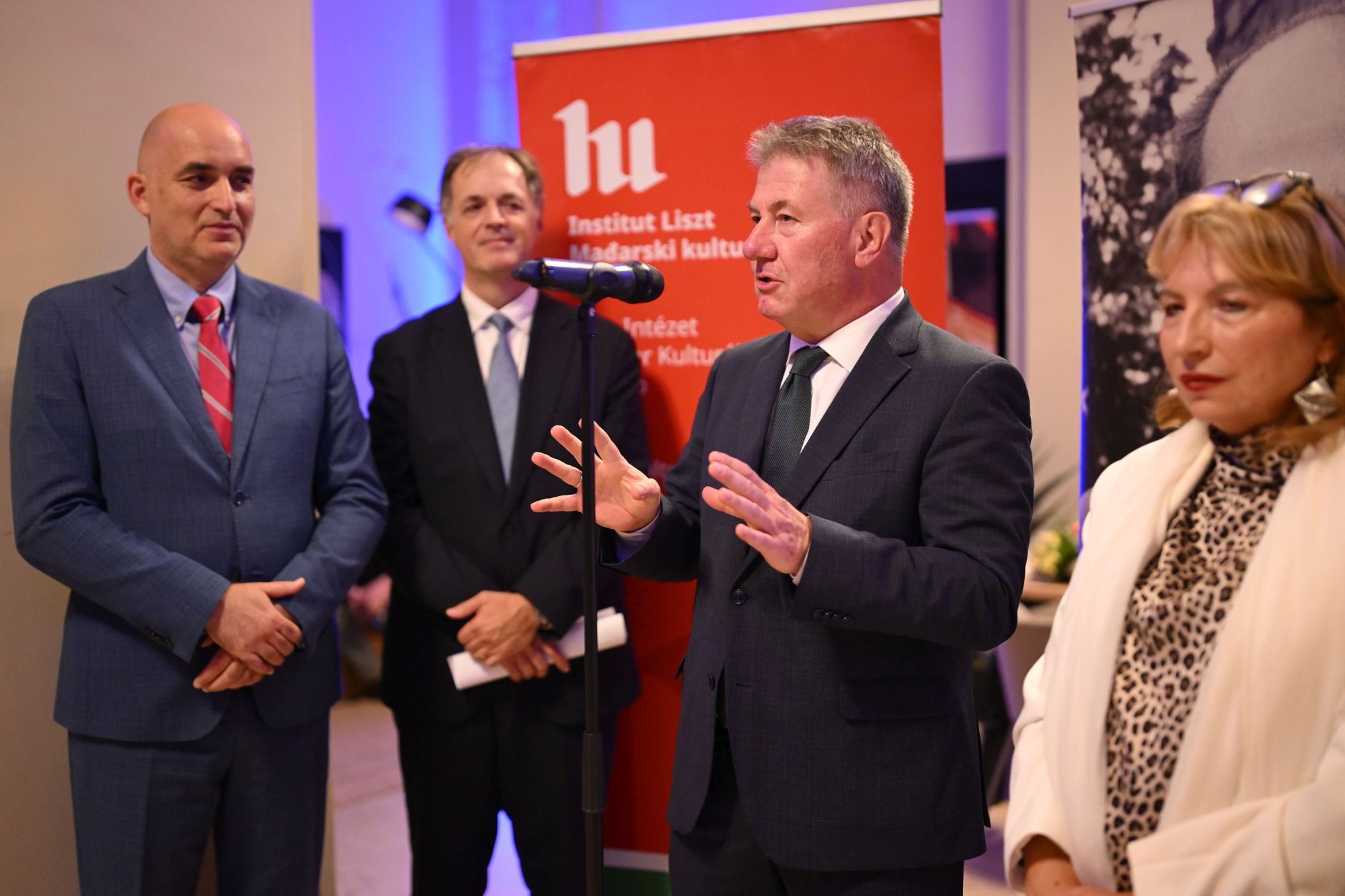
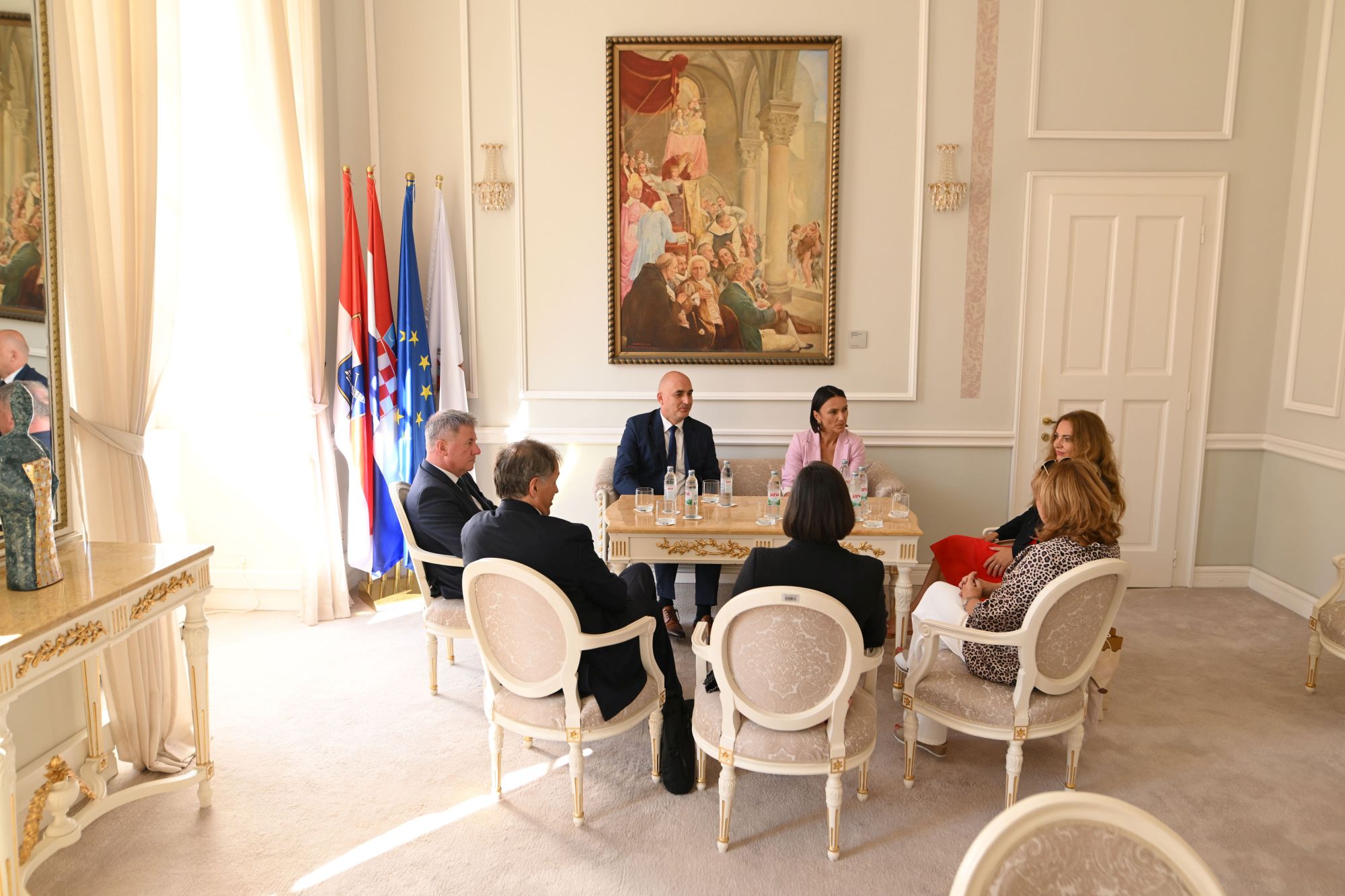
Professor Katja Bakija, Hungary’s honorary consul in Dubrovnik and Marko Potrebica, president of the Dubrovnik City Council, welcomed those present. Gábor Csaba, deputy state secretary for cultural diplomacy at the Ministry of Foreign Affairs, then outlined Hungary’s approach to cultural diplomacy. Gergely Prőhle, director of our Foundation, spoke about how the legacy of the past acquires real value and visibility when it inspires action. He cited Otto von Habsburg’s solidarity with Dubrovnik as the city came under attack during the Yugoslav Wars in 1991, followed by his commitment to its reconstruction and to Croatia’s swift European integration.
Our Foundation first presented its work in Croatia in autumn 2022, at the Liszt Institute in Zagreb. In preparation for the occasion, we brought together numerous documents and photographs testifying to Otto von Habsburg’s commitment to Croatia. The occasion was particularly memorable because several of our guests had met our namesake in person. The exhibition has since travelled to Osijek, and Dubrovnik is now the third stop on its Croatian tour.
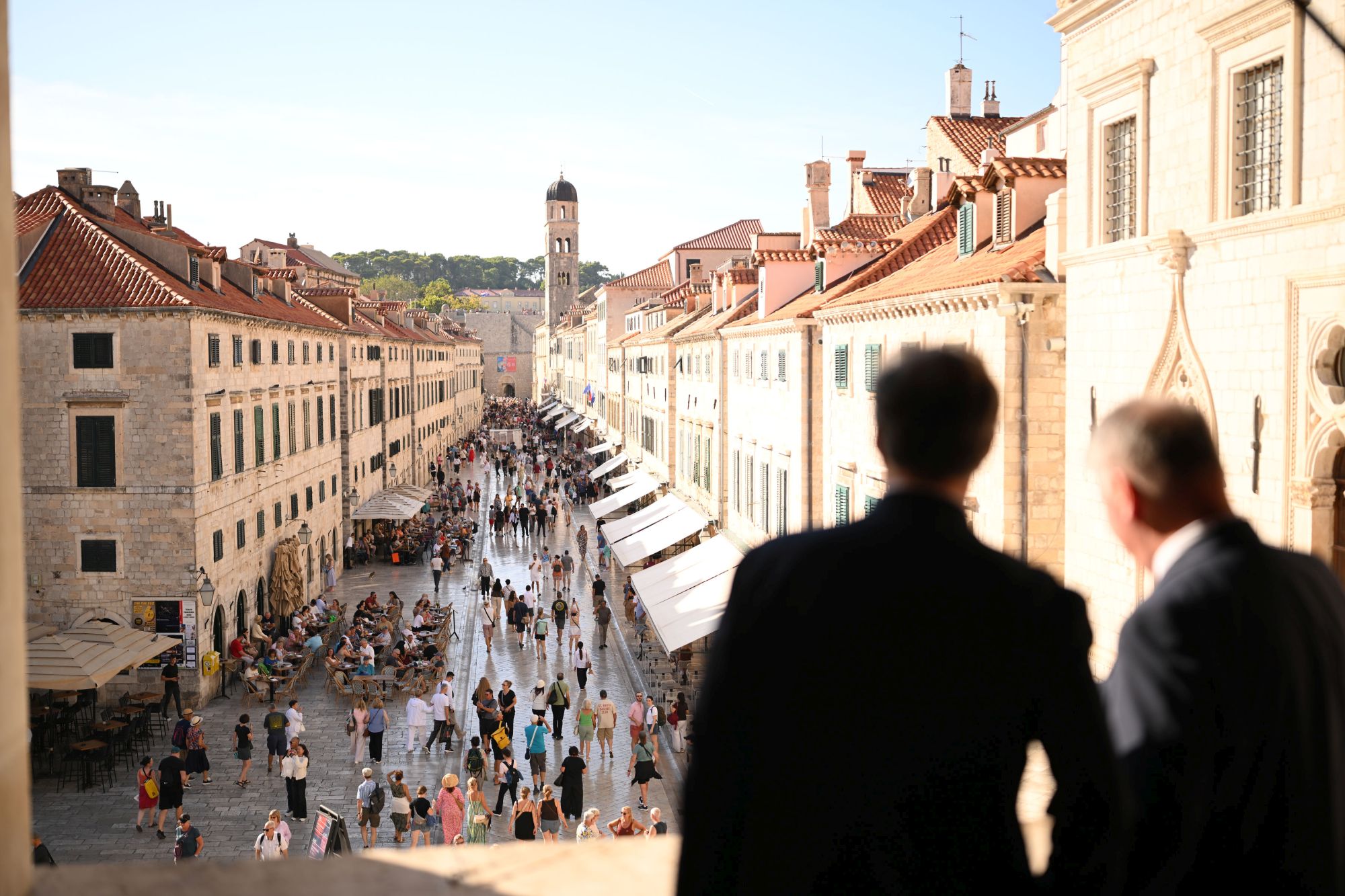
Alongside local visitors, Dubrovnik’s streets still draw large numbers of tourists in early autumn, including Game of Thrones fans eager to see the series’ familiar locations. As one visitor to our exhibition aptly remarked, they may be surprised to discover that real dynasties, too, once shaped history in the very places they know from the screen.
We would like to thank Anna Mladenovics, director of the Liszt Institute in Zagreb, and her colleagues for their excellent organisation!