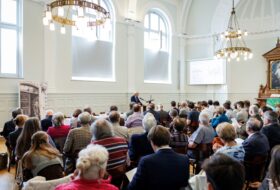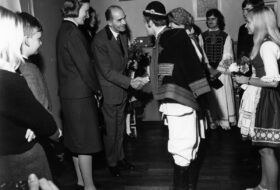
Following the welcome address by Ambassador Péter Palóczi, Director Gergely Prőhle outlined the Foundation’s work and objectives. He emphasised that our namesake’s dynastic background had always been central to his outlook and that, as a politician, he had drawn on the experience of the monarchy to become an active advocate of European integration. His intellectual legacy therefore belongs to Europe as a whole: although the collection is housed in Budapest, people in Vienna, Madrid, Paris, and Stockholm can equally regard this heritage as their own.
Our colleagues’ biographical overview focused on his links with Sweden. Senior Collection Fellow Szilveszter Dékány presented the surviving photograph albums, guiding the audience through the former Crown Prince’s Scandinavian travels between 7 August and 16 September 1934 with Margrave Alfonz Károly Pallavicini and Count Heinrich von Degenfeld-Schonburg. A notable event on the Swedish leg of the journey was Otto’s meeting with King Gustaf V, whom he also joined on a hunt. The images brought the nearly six-week motoring tour to life, depicting the places visited, the participants, and their daily routines. Dékány’s commentary shed light on the technical and practical aspects of taking pictures at the time.
Deputy Director Gergely Fejérdy devoted particular attention to Otto’s friend Arvid Fredborg. During the Second World War, the Swedish journalist fearlessly opposed the Nazi regime; he later became a steadfast critic of communist dictatorships and argued for Sweden’s involvement in European integration. His lecture considered Otto von Habsburg’s foreign policy analyses, which covered many parts of the globe and regularly examined developments in the Nordic country.
Family connections would further deepen his ties to Sweden. In 1992, his youngest daughter, Walburga, married Archibald Douglas, a Swedish count of Scottish descent, at Matthias Church in Budapest. Walburga – who contributed substantially to Hungary’s transition to democracy, representing her father at the Pan-European Picnic on 19 August 1989 – also took part in the civic life of her adopted homeland. From 2006 to 2014, she served in the Swedish Riksdag and on its Committee on Foreign Affairs.
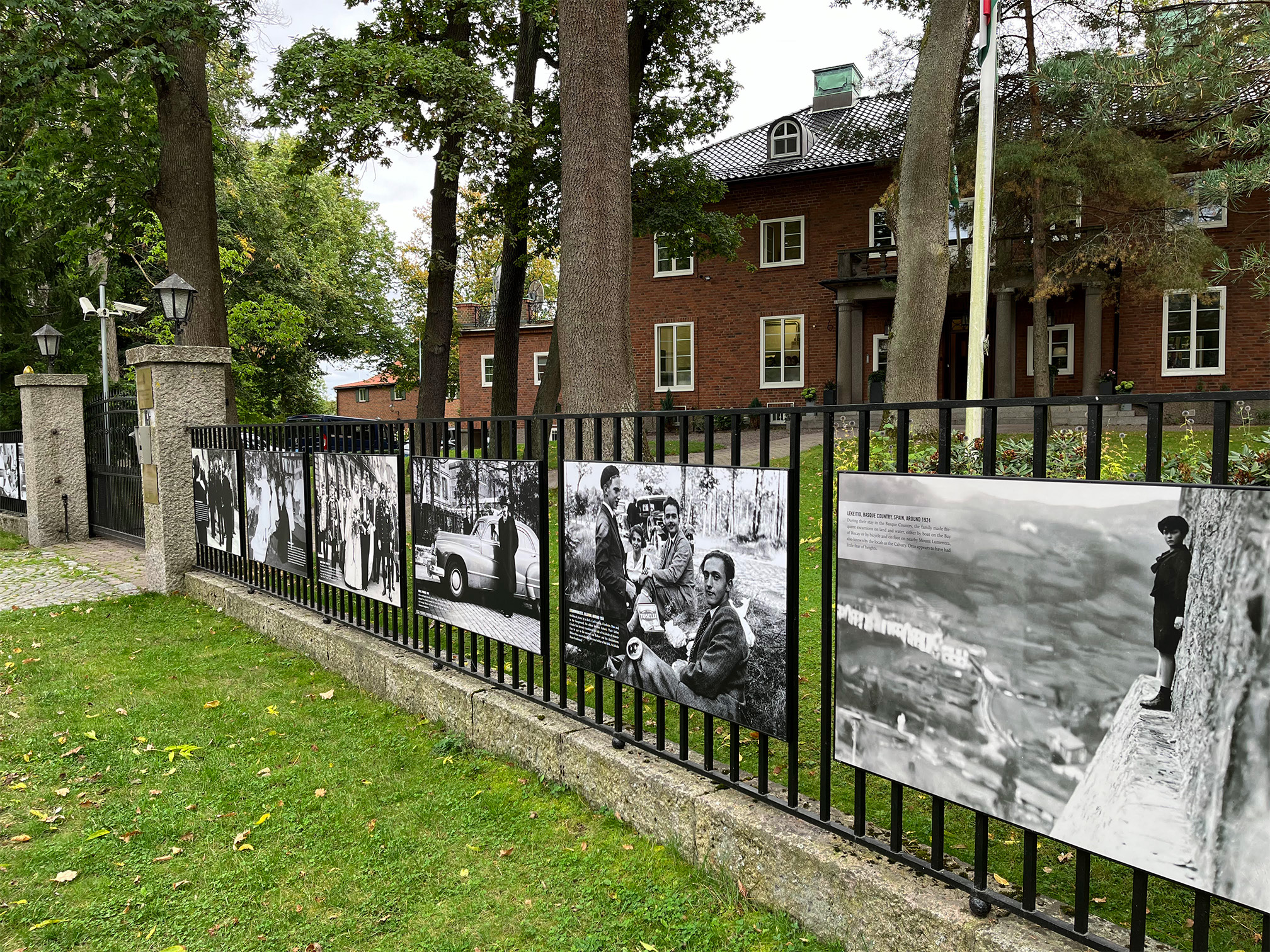
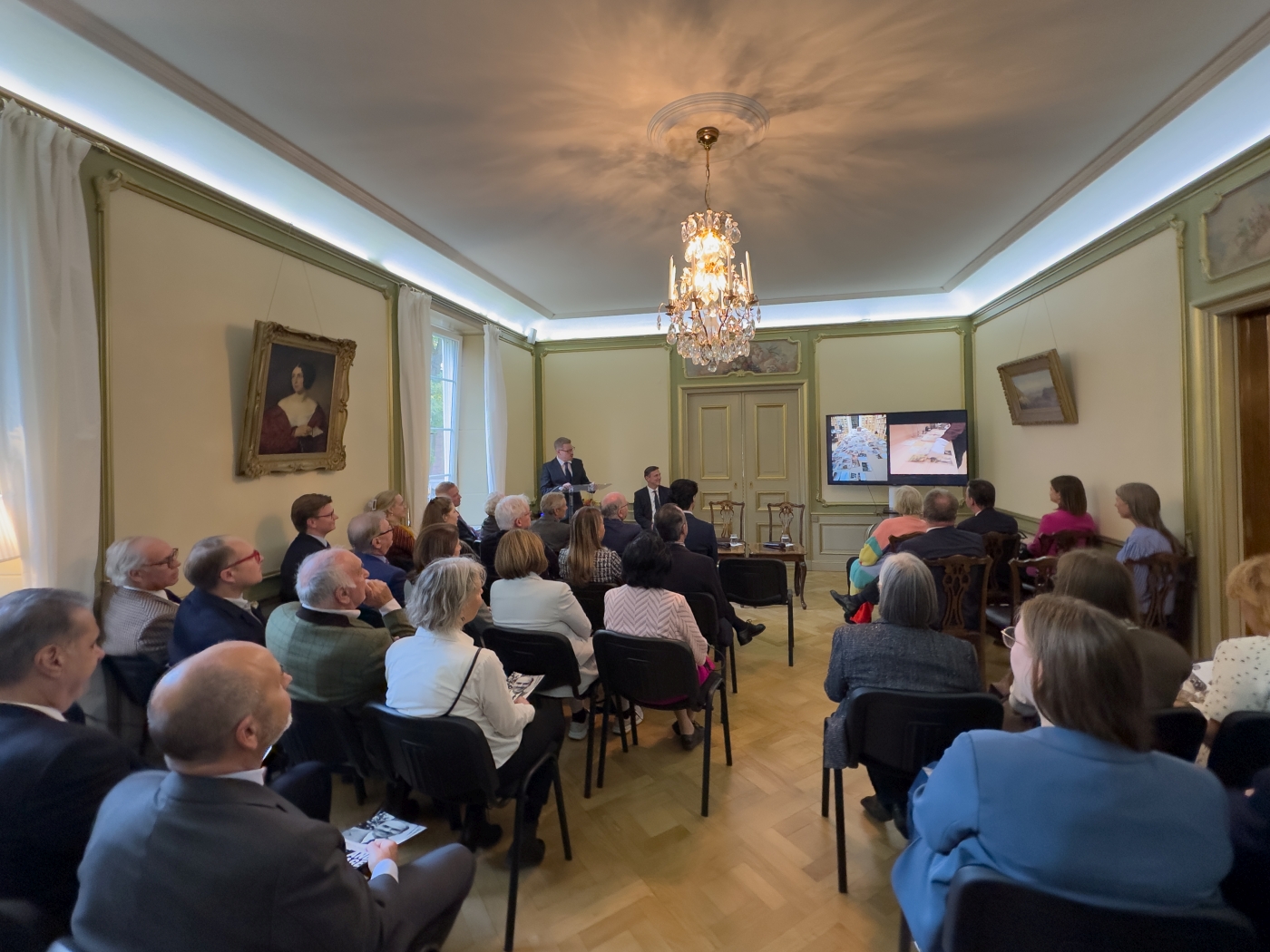
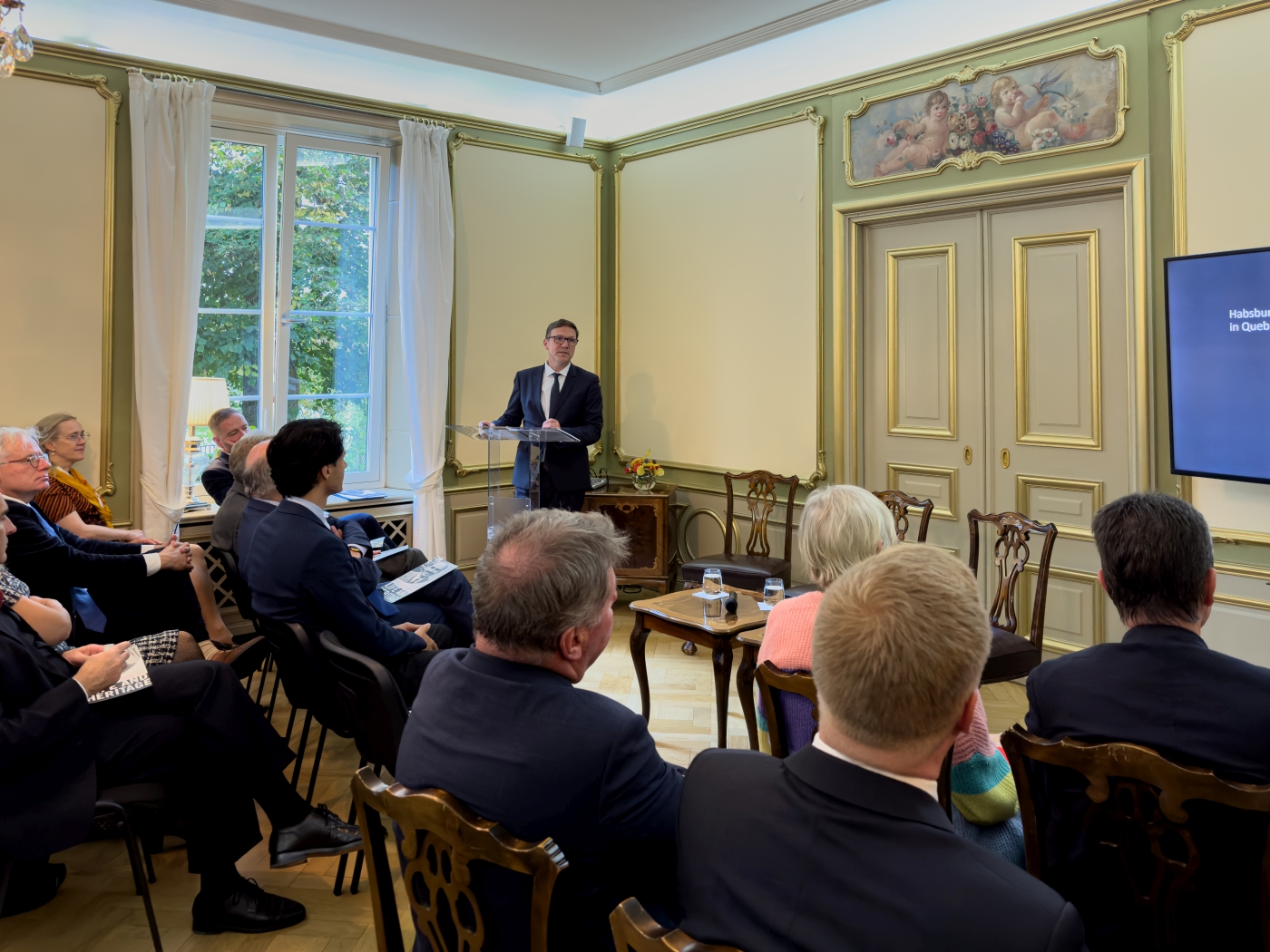
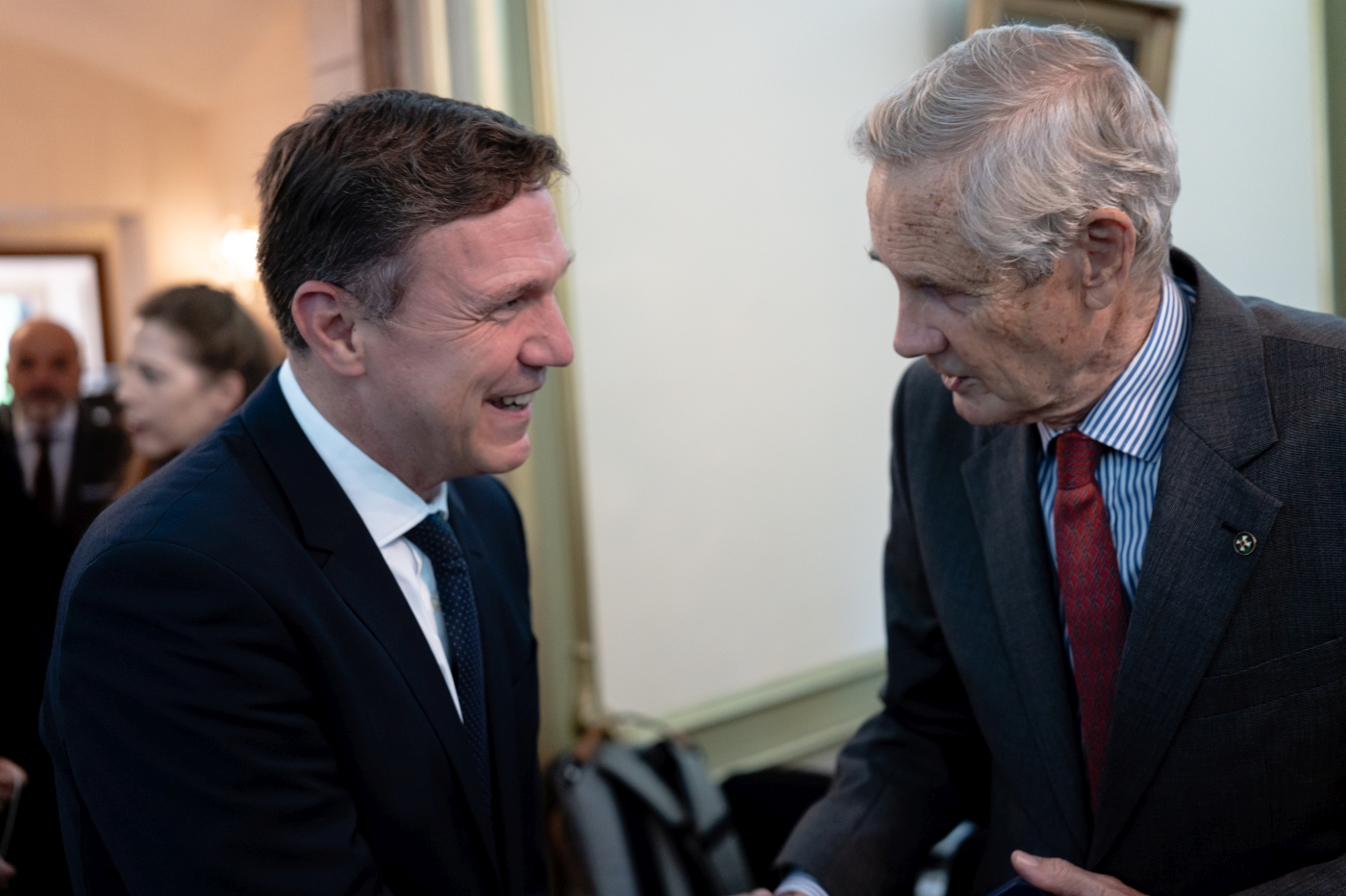
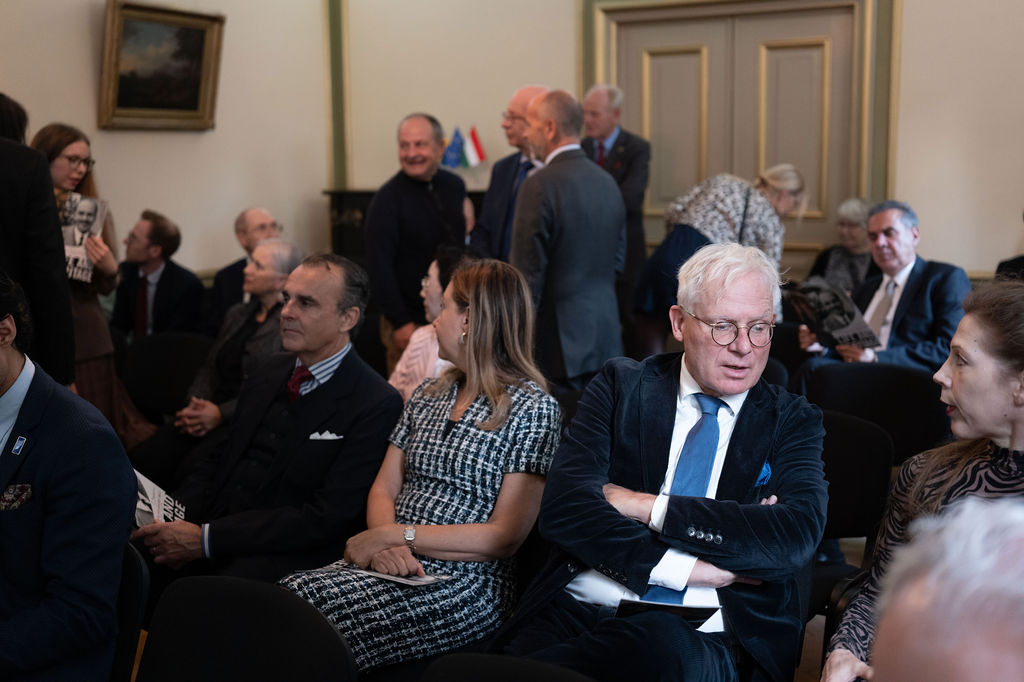
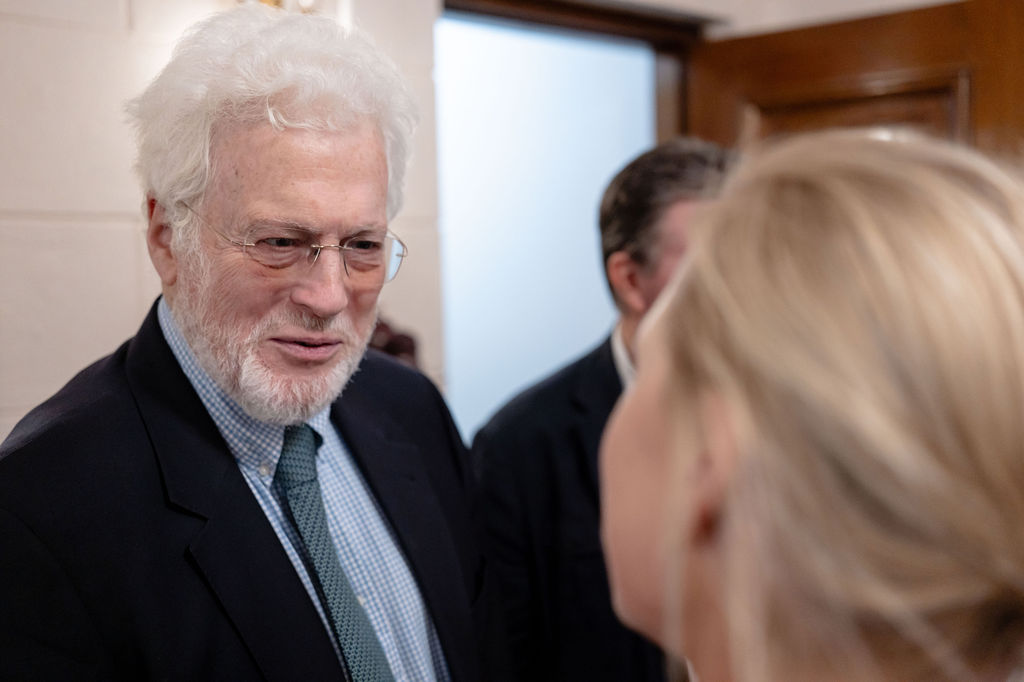
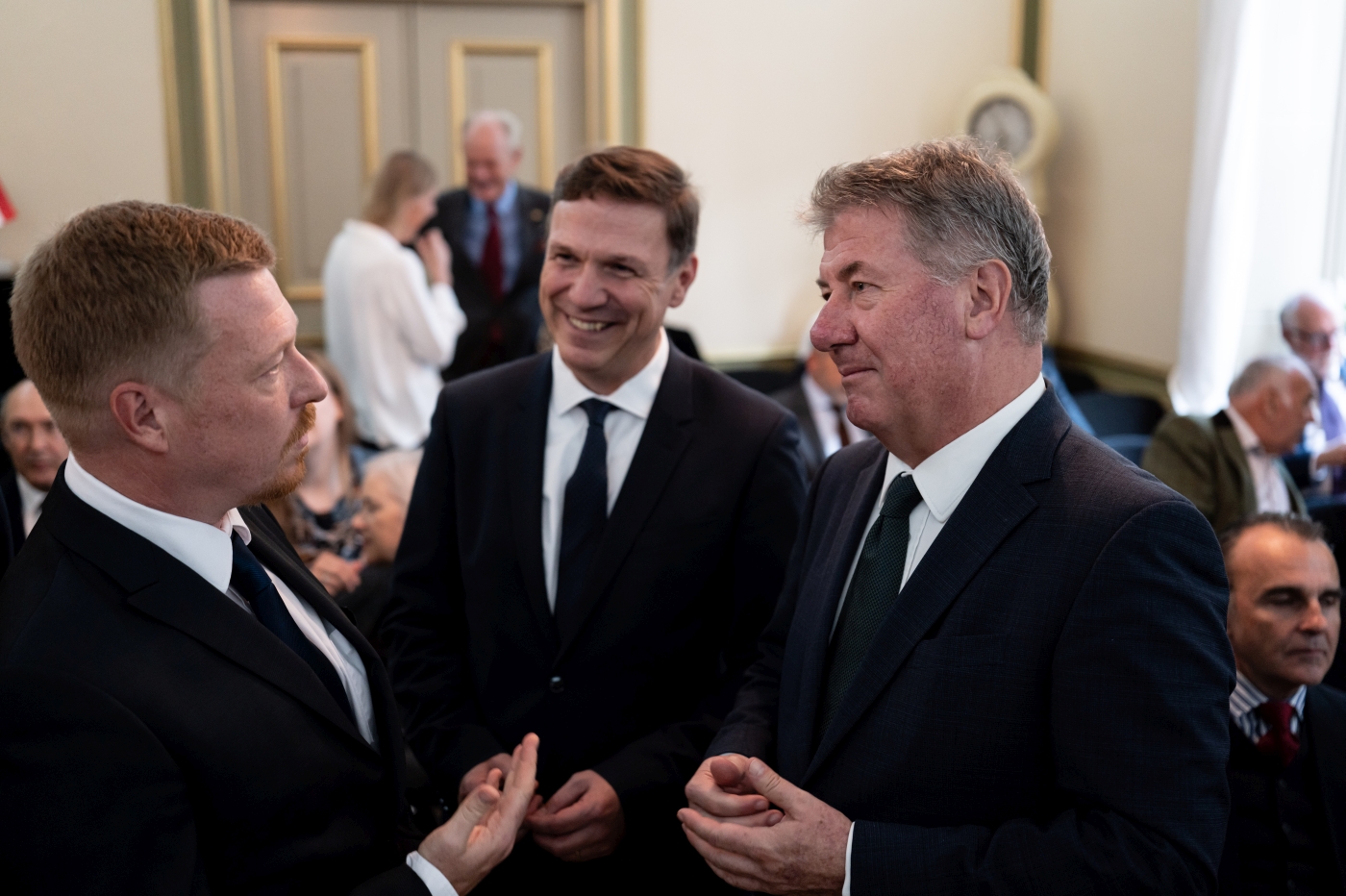
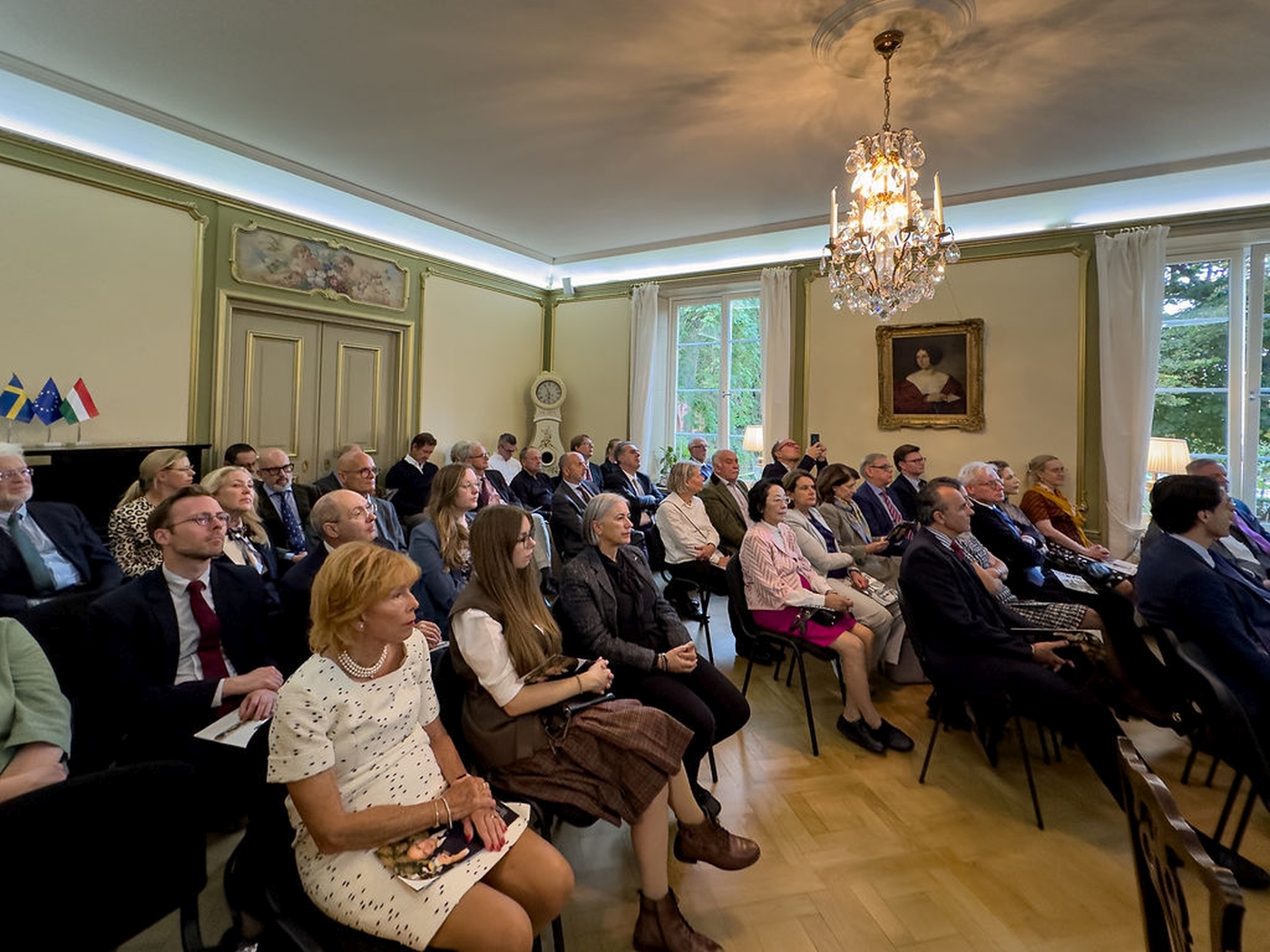
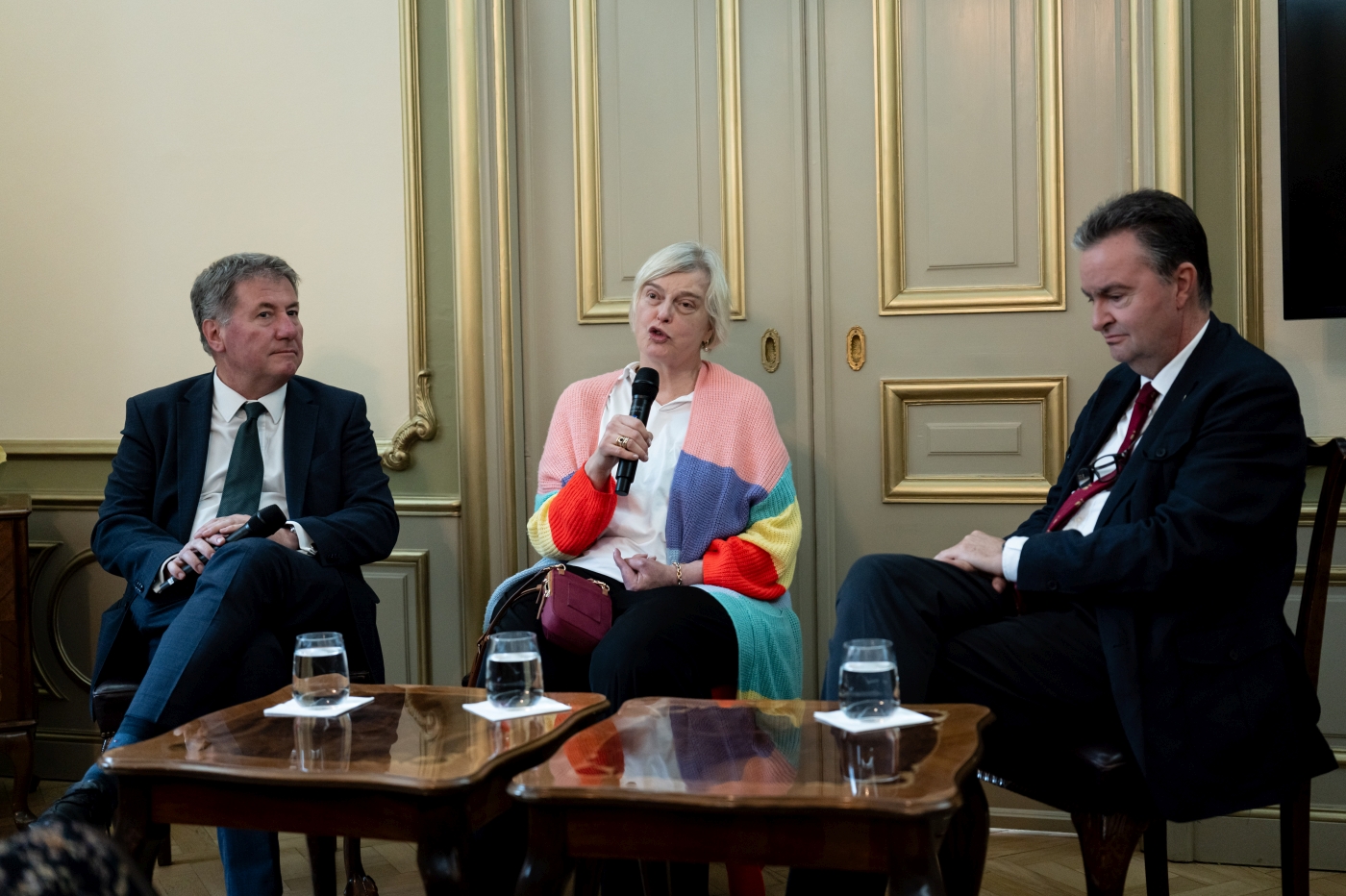
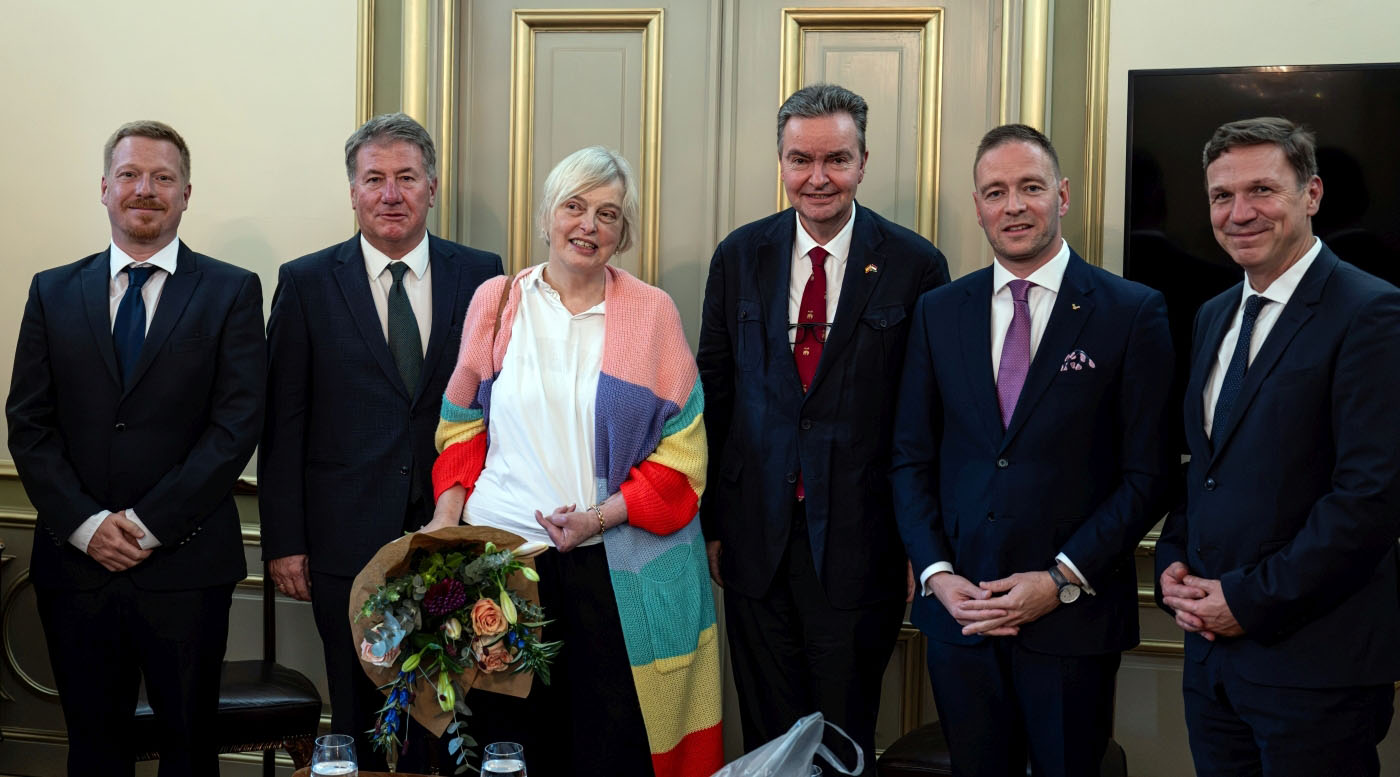
In the following panel discussion, Gergely Prőhle invited Walburga Habsburg Douglas and Georg von Habsburg, Hungary’s Ambassador to Spain, to share their memories. Their complementary recollections evoked their father’s character and his intellectual and political legacy. Both stressed his cheerfulness and optimism: despite profound historical upheavals and personal hardships, he retained his confidence in the future and sought to instil it in those around him. Our outdoor exhibition about him is displayed on the embassy fence, where residents and visitors to the city can view it.
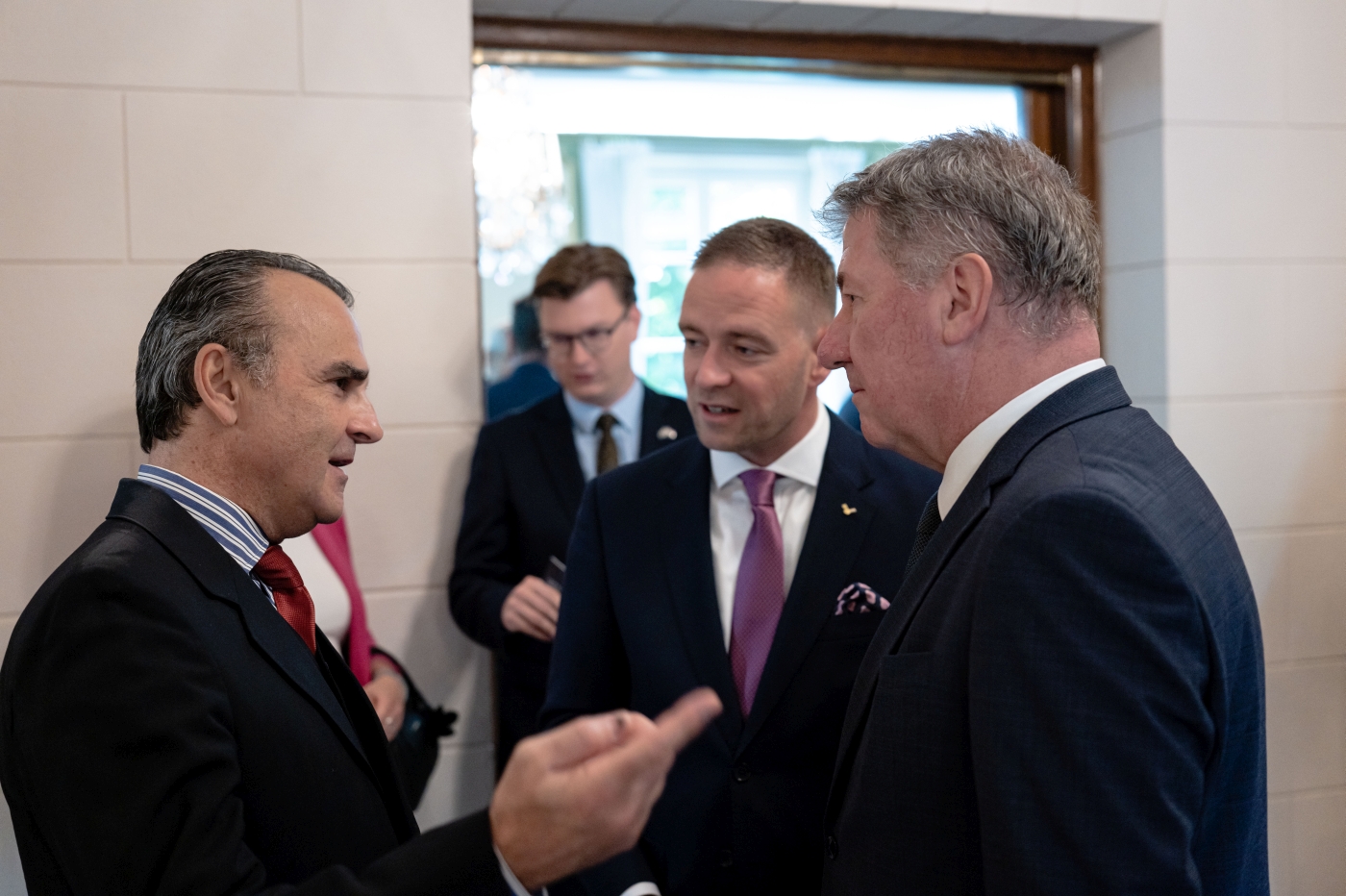
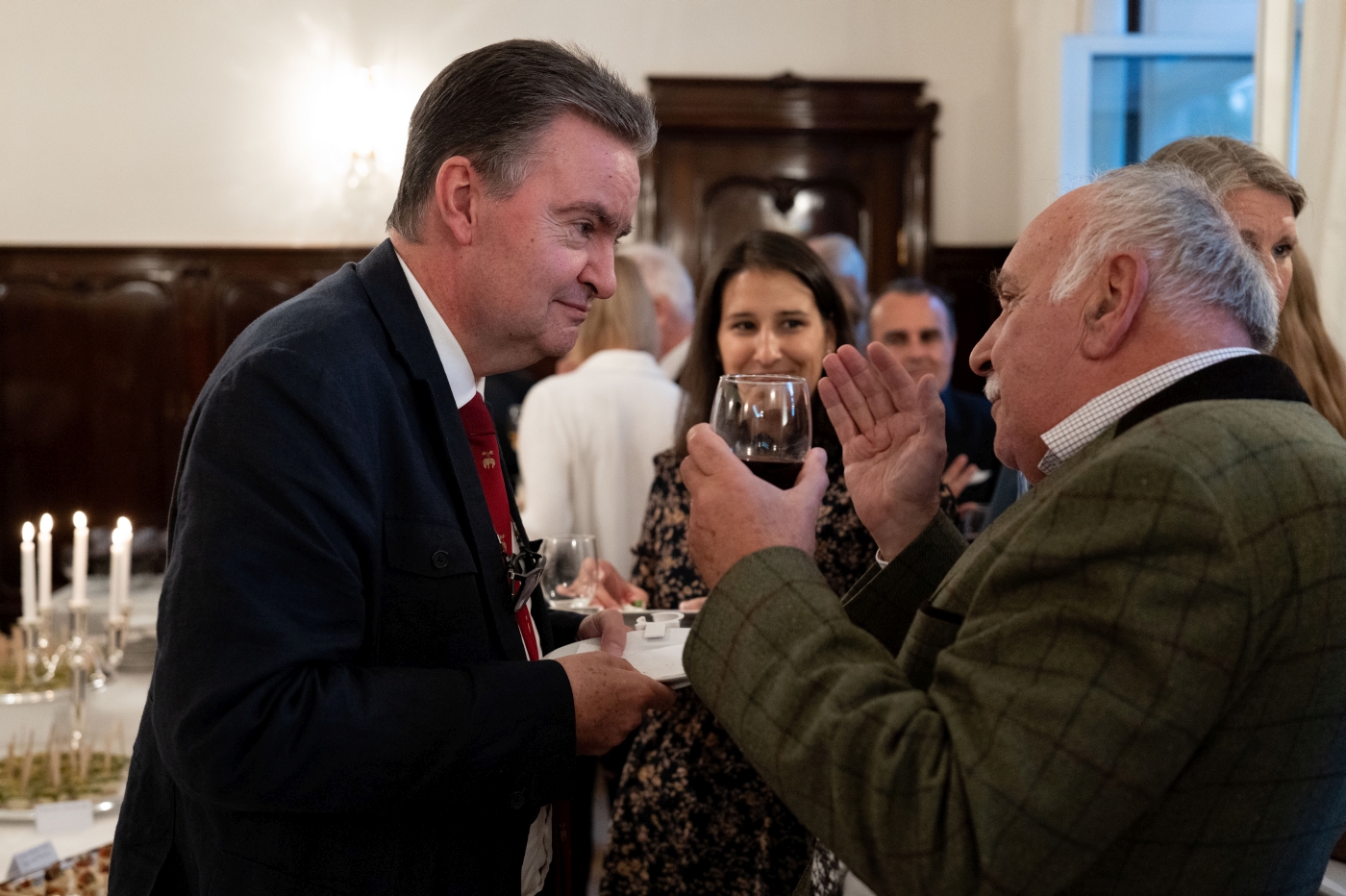
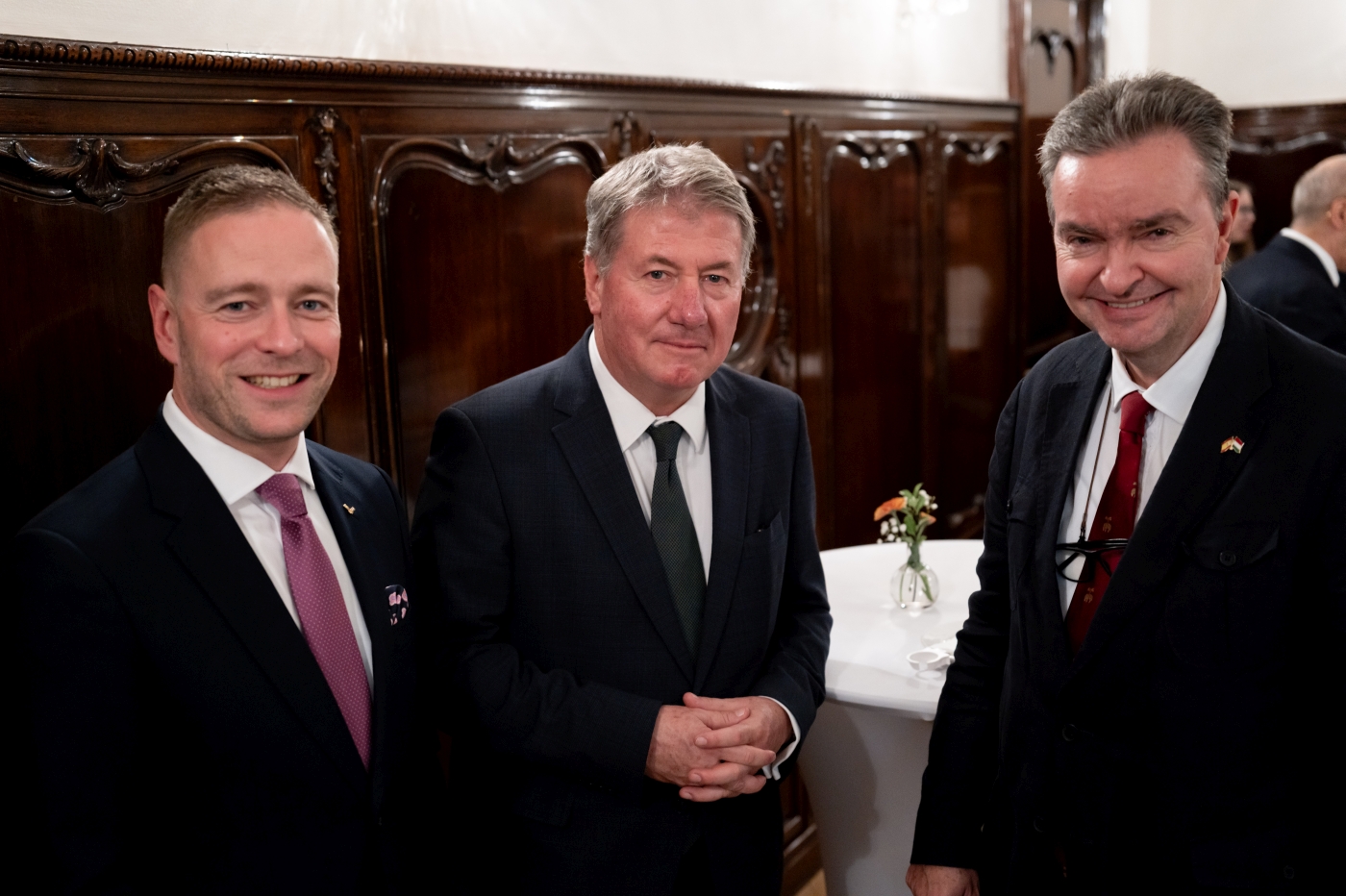
The evening concluded with a reception attended by members of the local diplomatic corps and numerous figures from Swedish public life. Among them were Christian Danielsson, Sweden’s State Secretary for EU Affairs; Dag Hartelius, State Secretary for Foreign Affairs; and Doris Danler, Austria’s Ambassador to Sweden. Bengt Lundborg, a retired ambassador who headed the Swedish mission in Budapest from 2003 to 2006, was also present. He revealed to us that he had enjoyed a good relationship with Arvid Fredborg’s son, who had entrusted his father’s papers to Uppsala University Library. Lundborg offered to help us gain access to the archive of one of Otto von Habsburg’s most important Swedish friends.
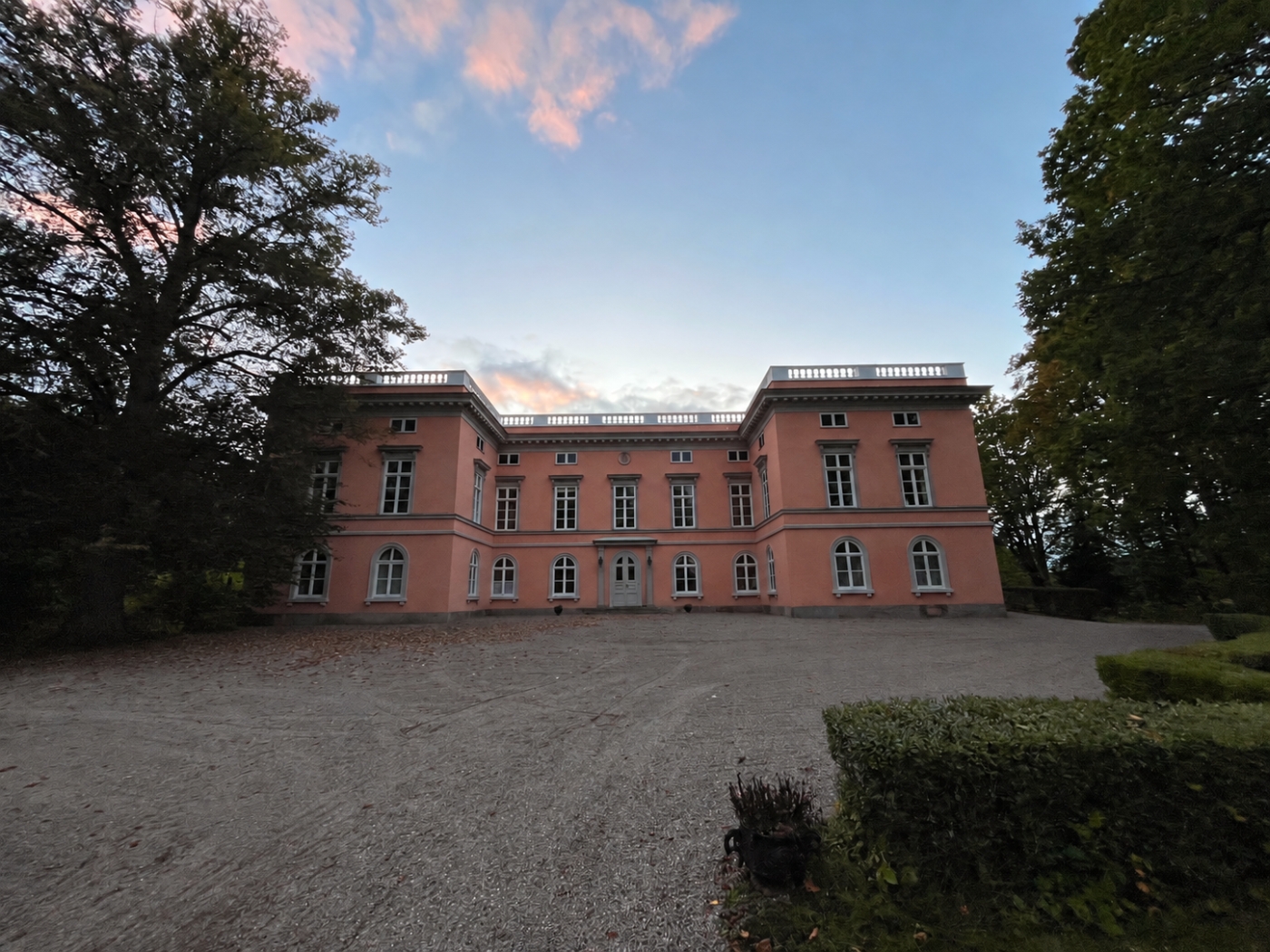
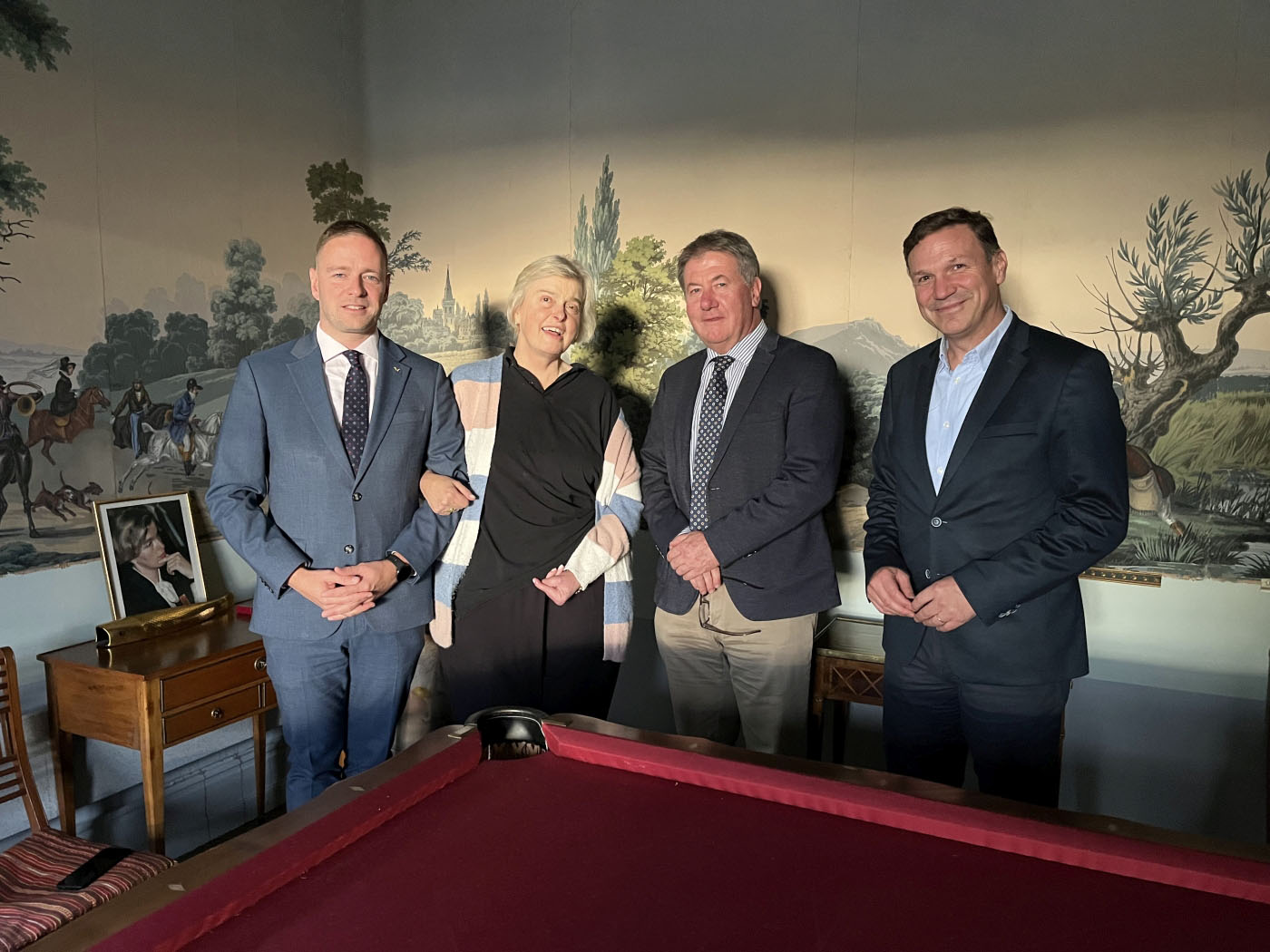
Our team was invited to Ekensholm, the home of Walburga Habsburg Douglas and her husband, Count Archibald Douglas. The manor, which dates back more than two hundred years, had hosted Otto von Habsburg on several occasions. His daughter showed them family mementoes and photographs and shared intimate stories, continuing the reminiscences begun at the embassy.
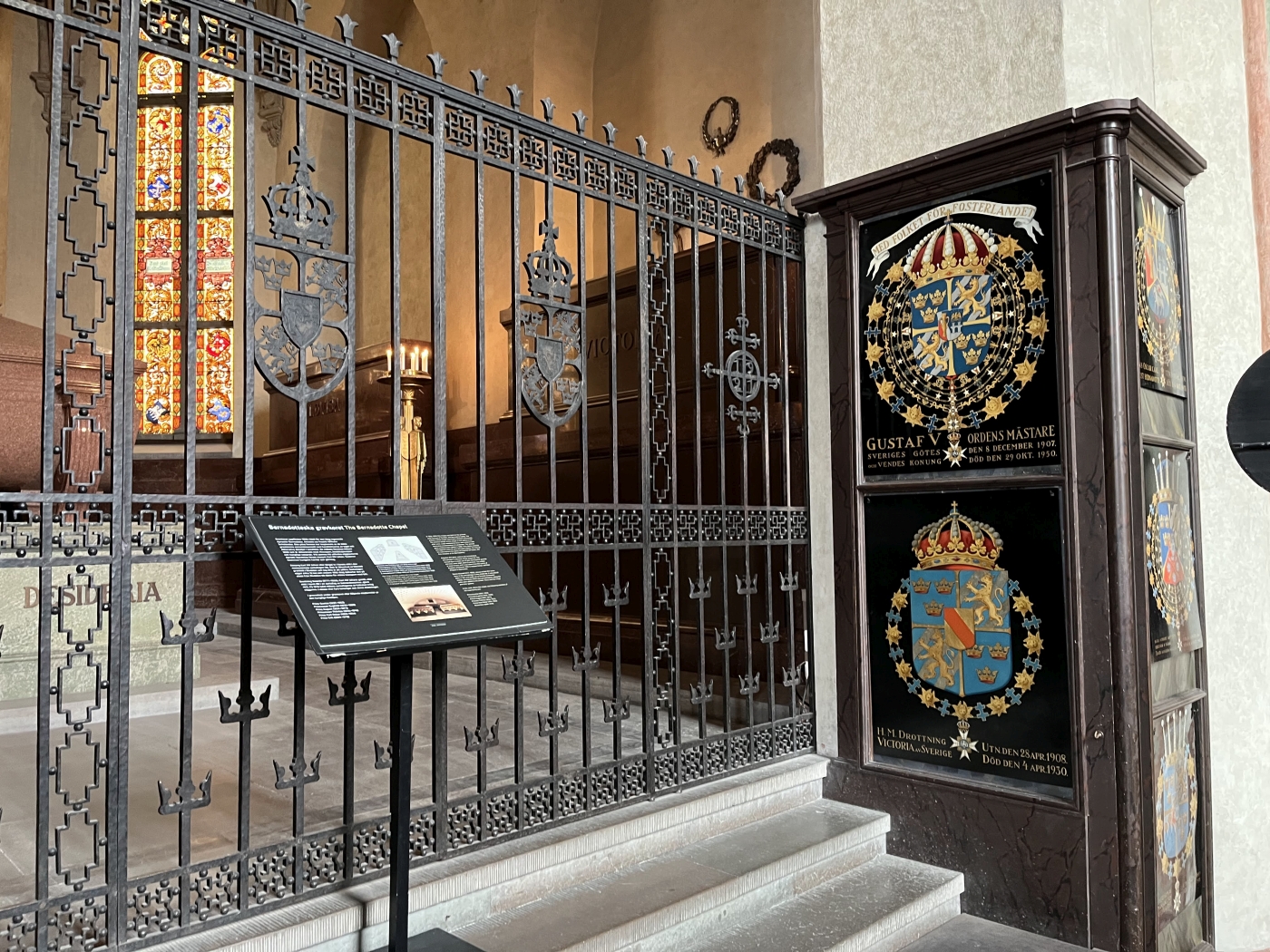
Riddarholmen Church, the traditional burial place of Swedish royalty, was another destination on the itinerary. King Gustaf V, who received Otto von Habsburg in Stockholm during the Scandinavian tour of 1934, is buried here. The walls are lined with the heraldic shields of deceased members of the Order of the Seraphim (Kungliga Serafimerorden). The honour was also conferred on prominent Hungarian figures, including King Charles IV in 1908, Regent Miklós Horthy in 1940, and President Árpád Göncz in 1996.
The Stockholm event extended our Foundation’s international reach and strengthened both cultural and scholarly cooperation between Hungary and Sweden. The visit opened new avenues for exploring our namesake’s network of contacts in the Scandinavian country and beyond.